-
-
get started page
-
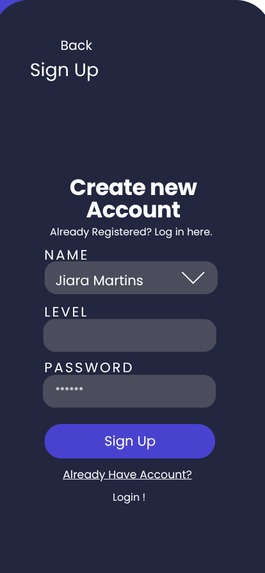
login page
-

login page
-
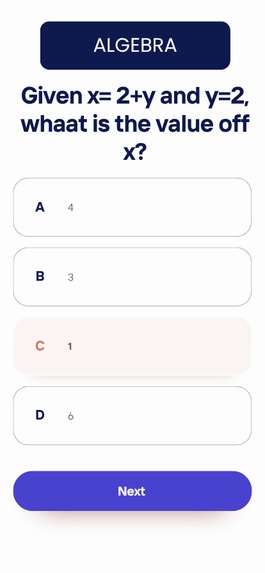
quiz page
-
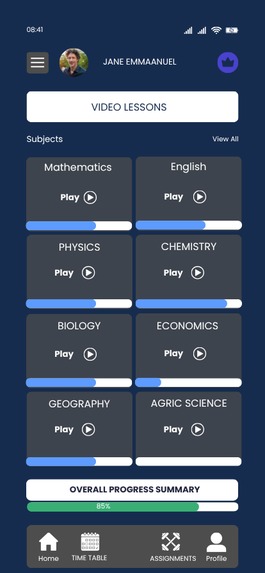
topics page
-
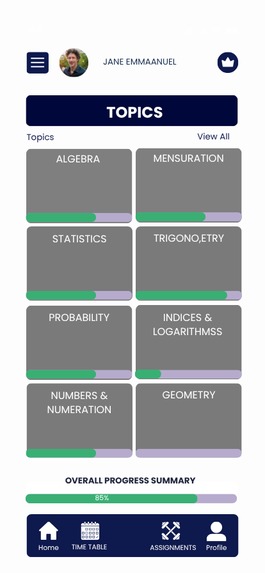
topics page
-
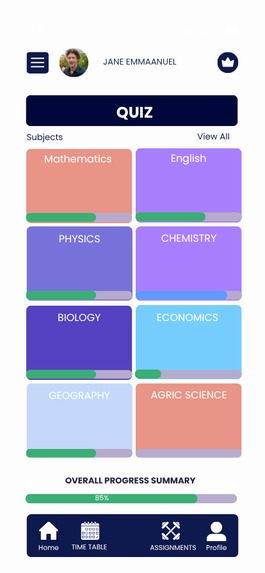
subject page
-
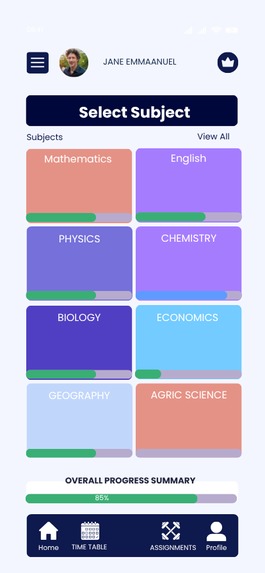
list of subject page
-
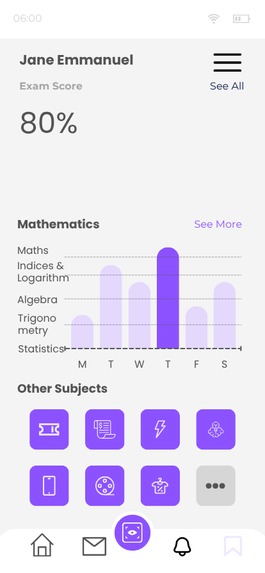
exam score page
-
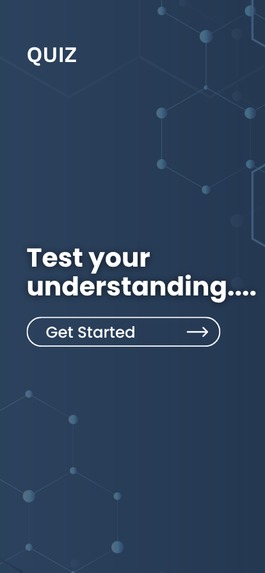
quiz page
-
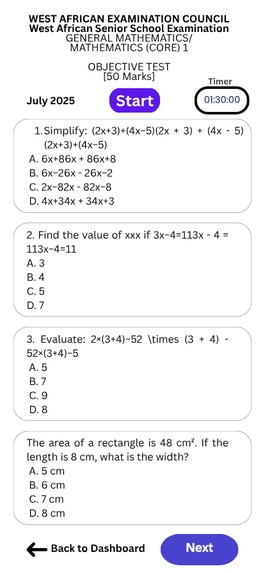
mock exam page
-
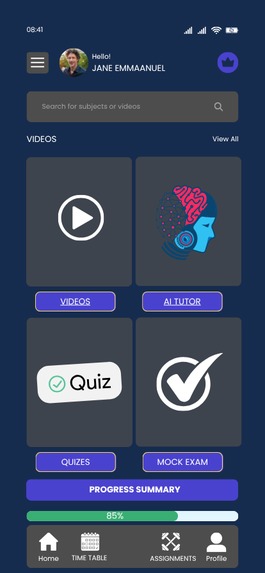
main dashboard
-
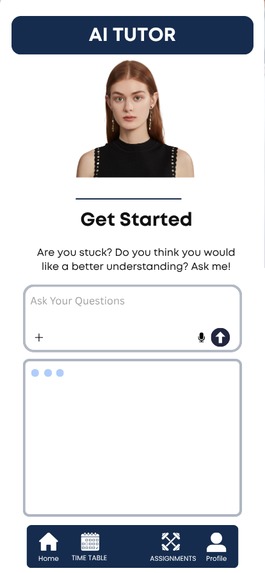
AI-tutor
-
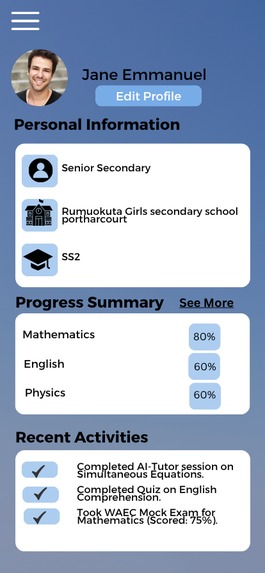
edit profile page
-
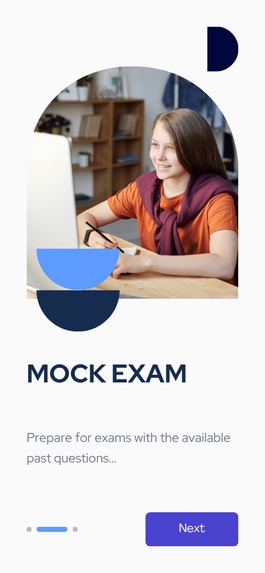
mock exam home page


Inspiration
Observing the state of secondary schools in Bayelsa State, I saw firsthand in my community, Otuedu in Ogbia Local Government Area of Bayelsa State the poor level of infrastructure- poor learning conditions, no electricity, no internet, unavailability of quality teachers. I saw the constraints young students face in accessing quality education hence hindering their preparation for national examinations such as the WAEC. The community is not connected to the national grid yet, there is nonexistent internet connection, no access to learning resources as well as unavailability of quality teachers. In order to get a little signal, I had to walk to the river side. In my community alone, 500 plus students lack access to quality learning and digital tools for the 21st century. However, after interacting with some of the students I found out that these students are quite smart and eager to learn but their learning conditions deprive them of opportunities, and year after year their WAEC results showed a very poor performance, indicating that they are cut off from learning resources that modern education relies on. These constraints inspired the development of WAECPrepEdge. It is a solar-powered, first-offline smart learning hub that provides WAEC-aligned learning resources directly to students, irrespective of these constraints. It is designed to create equality among students of the rural communities and those in the urban regions of west africa, allowing underserved students to learn, practice and excel. The vision is simple: no child should be deprived of quality education because of where they were born.
What it does
WAECPrepEdge provides WAEC-specific learning content through: AI-enabled offline tutor. WAEC-aligned video lessons. Auto-generated quizzes. Simulated WAEC Mock examination. All key features are fully offline via a mobile-friendly Progressive Web Application (PWA).
How we built it
In the design of the prototype, we utilised React with vite for fast building, while for the frontend we employed Service Worker API, a Web App for the PWA. For the actual development, we will utilize Raspberry Pi edge computing infrastructure for the backend server, Python Flask APIs, SQLite to store user information offline, and TinyML with TensorFlow Lite to run all the AI features. For the frontend, Service java will be used for the PWA, and is compatible with low-end smartphones through Wi-Fi direct connection. PDFs of WAEC past papers will be digitised into organised datasets with PDFplumber. The app was built to show how WAEC-aligned learning materials such as video lessons, quizzes, and WAEC mock exams can be accessed without the use of internet connection. This version is a simulation or demonstration of the core features as well as the user experience, optimized for mobile and low-end devices.
Challenges we ran into
Deploying AI models efficiently on limited hardware infrastructure.
Dataset extraction from unstructured datasets from PDFs.
Integrating the WAEC curriculum and syllabus.
Designing and building reliable educational low-power solutions with solar energy and edge computing.
Unavailability of funds to acquire hardware infrastructure and APIs.
Accomplishments that we're proud of
We were able to build a working frontend prototype that simulates the AI-tutor, quizzes, and mock exams, all aligned with the WAEC syllabus and curriculum, hence laying the groundwork for full implementation.
We were able to demonstrate that it is feasible to develop an offline learning hub through simulated local or edge computing, a key framework for internet-deprived communities.
We were able to design an inclusive learning system that can mitigate and improve access to quality education for underserved and underprivileged students in West Africa.
We were able to demonstrate a scalable and replica model of an offline WAEC learning hub that runs totally on affordable solar-powered and edge computing infrastructure.
What we learned
We have gained valuable insight into how to design and prototype systems that can work offline, such as healthcare, production industries that require resource management and simulation.
We have gained a better understanding of the fundamental principles governing TinyML and lightweight model deployment, hence laying the foundation for future works which will require the integration with edge computing.
We have been able to understand how to optimise for low-power and low-resource environments, utilising affordable solar power hardware and simple system interfaces for easy accessibility.
We have understood how to design with empathy, focusing on people who are living in under-resourced regions and ensuring that such systems are intuitive and inclusive.
We have validated the technical feasibility and social impact potential of building AI-powered systems for disconnected environments.
What's next for WAECPrepEDGE
To deploy in three underserved rural communities the first offline learning hub, hence validating the process and procedures in building low-power and edge computing architecture in real-world settings.
To broaden the learning content to include all WAEC subjects.
To integrate the major languages in West Africa to allow more access and engagement for non-English-speaking regions.
To make the learning hub more intelligent by integrating deep learning capabilities so that the system can automatically update the learning content and recommendations. In addition, the learning hub will have the capability to present the procedures for solutions in the quiz and mock exam features.
Scale through strategic partnerships with Ministries of Education, WAEC, NGOs, and educational institutions across West Africa.


Log in or sign up for Devpost to join the conversation.