-
-
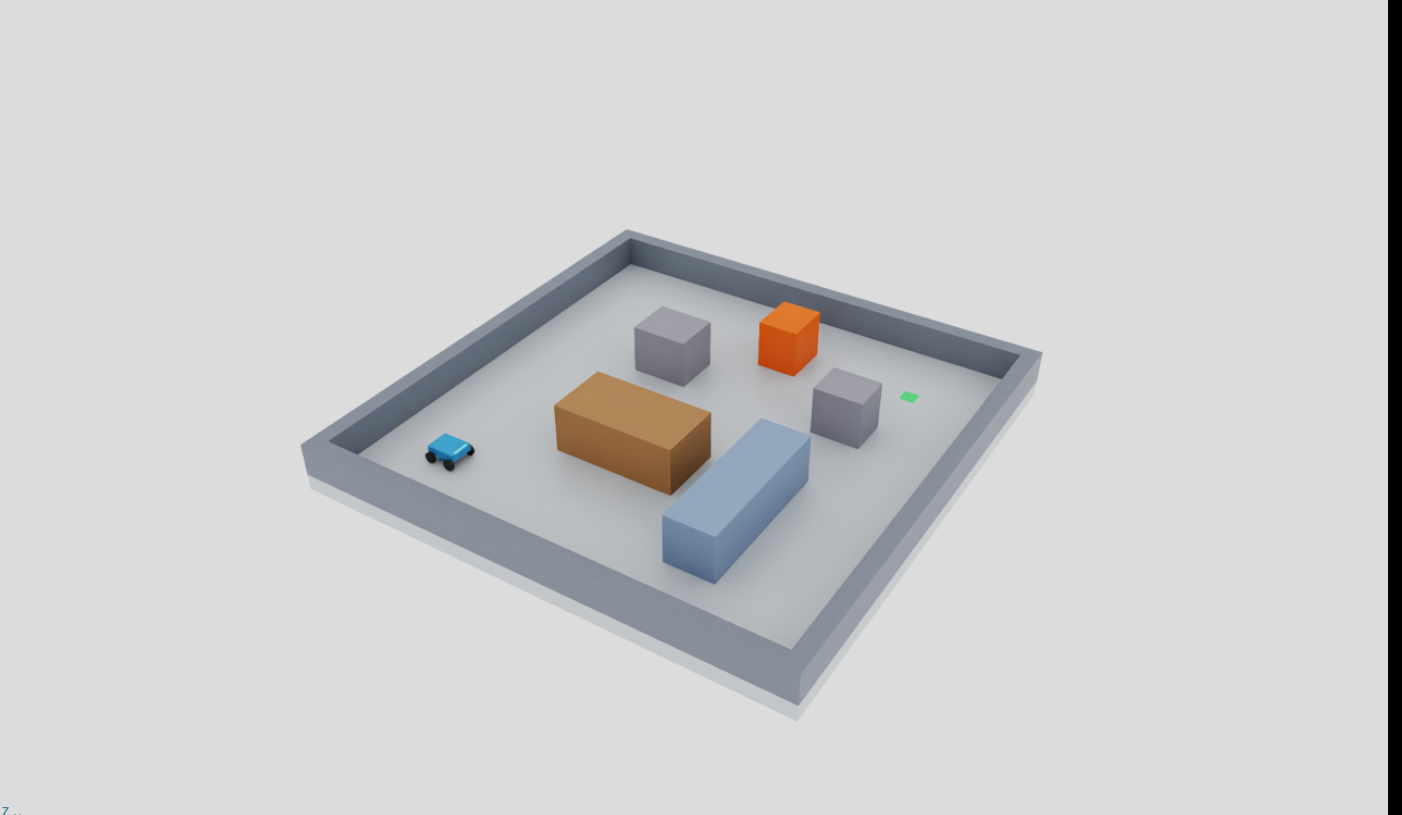
IsaacSim
-
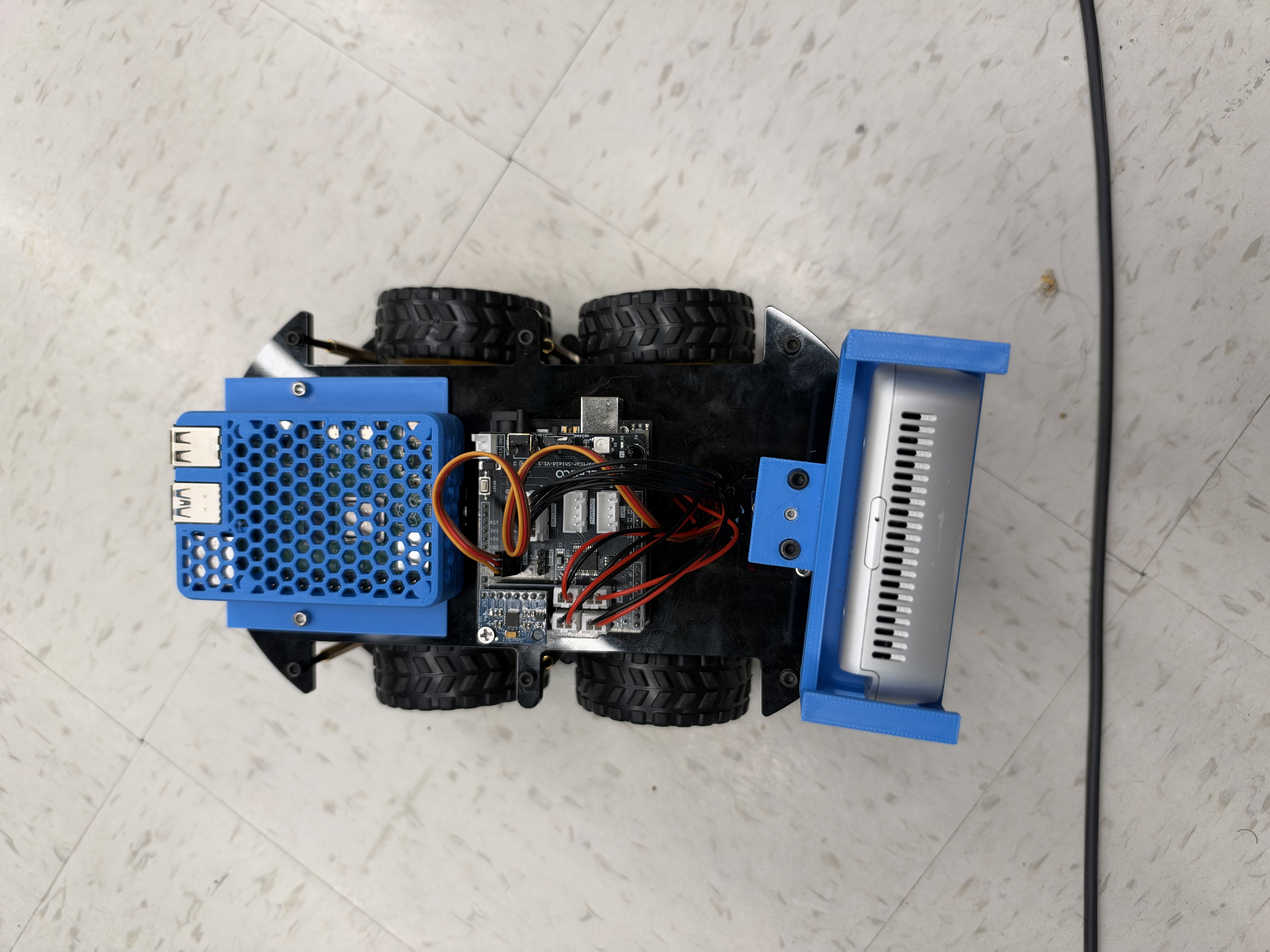
RobotTopView
-
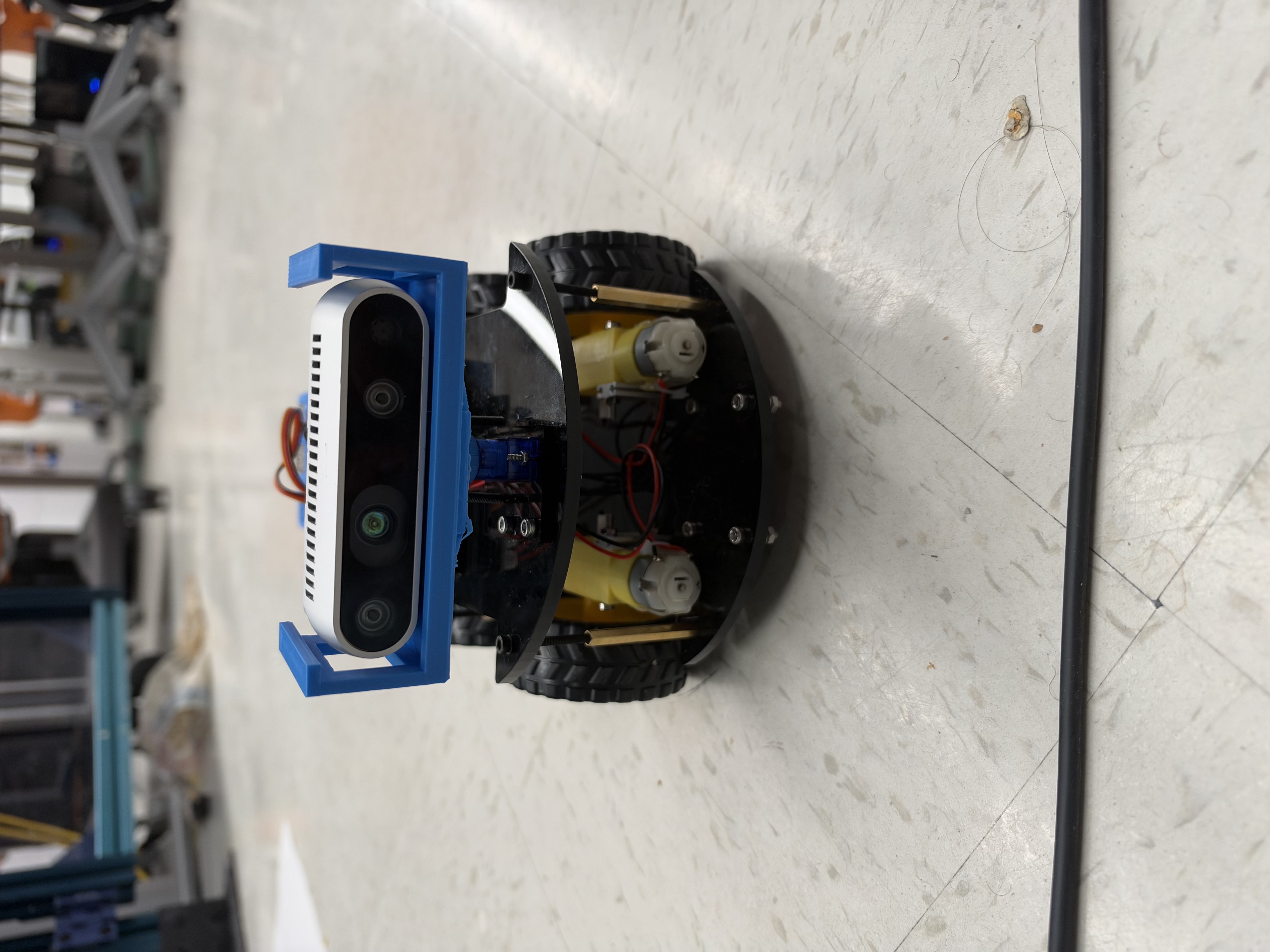
Robot1
-
-
Inspiration
We started with a simple question: if a small robot spots a hazard, can it find another way through—and still get home? We had an Elegoo robot car and wanted to give it a bigger job than driving around obstacles. That idea became W.A.R.M. Wheels, short for Warning, Avoidance, and Route Mapping.
What it does
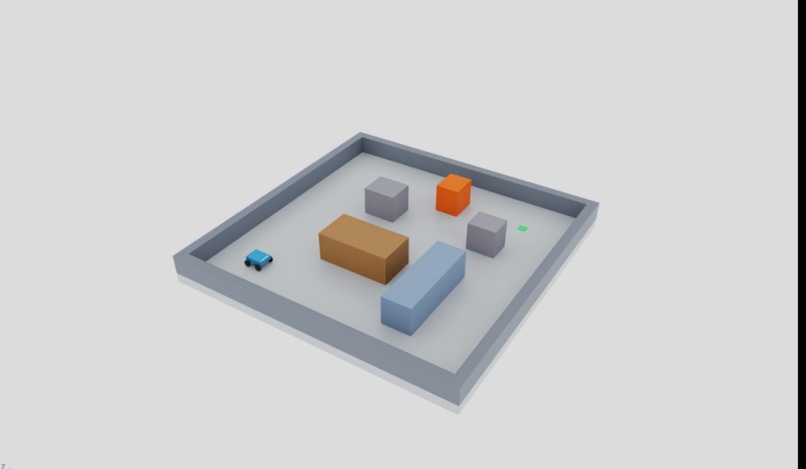
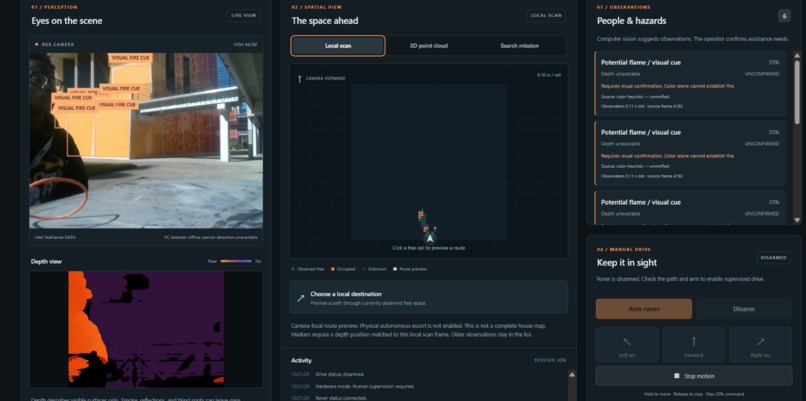
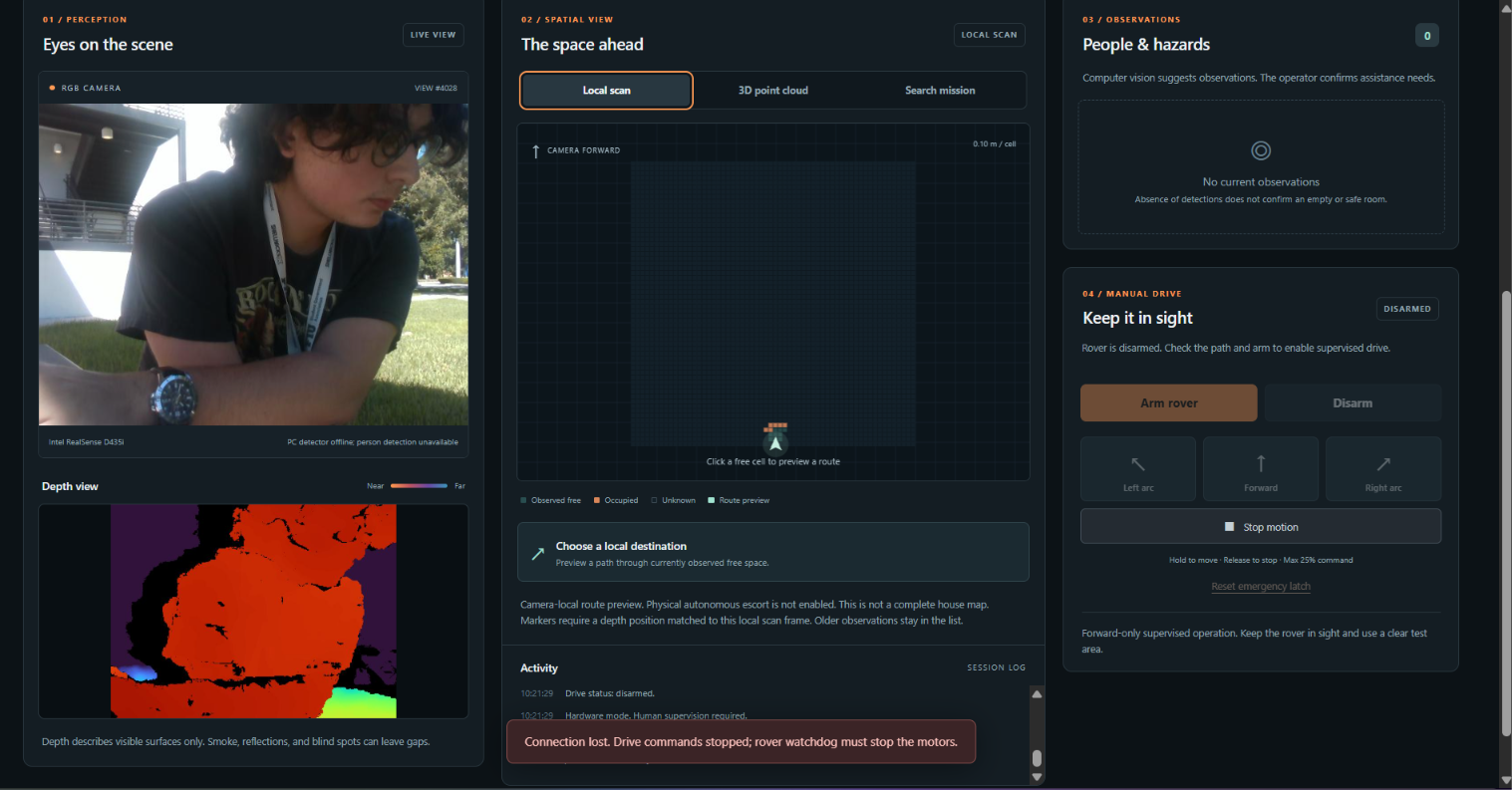
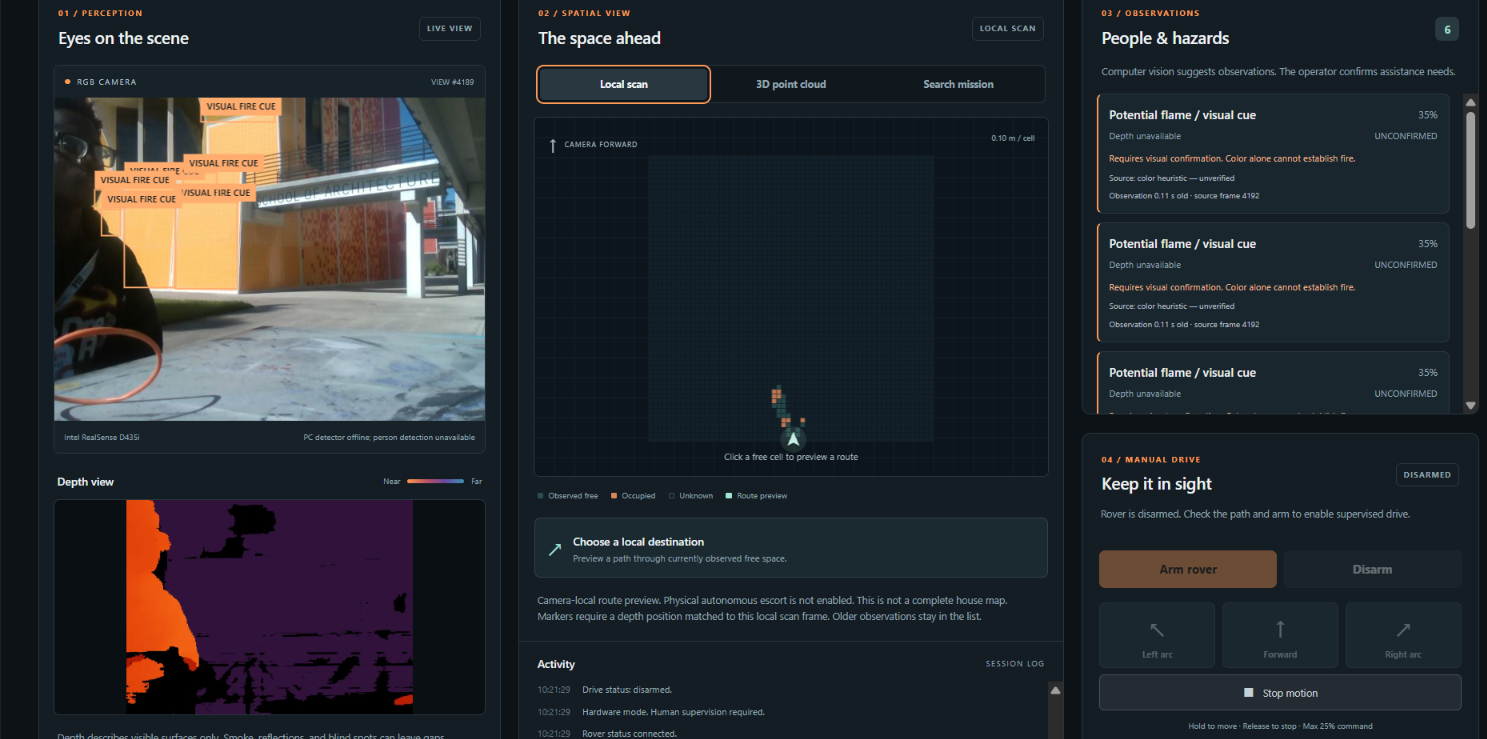
W.A.R.M. Wheels explores a tabletop room, maps the floor and obstacles it can see, and treats flame-colored props as hazards. It uses A* pathfinding to look for a route around them. Before moving, the mission software checks whether its information is recent and whether the route is safe. If a new obstacle blocks the way home, it stops.
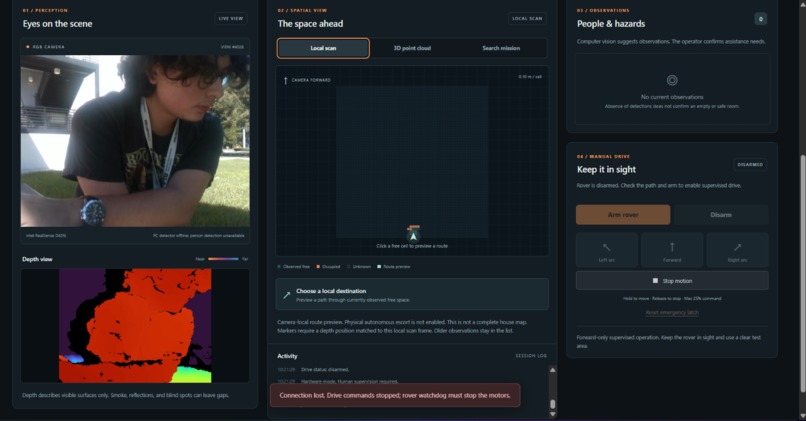
Right now, you can see that behavior in our working software simulation. The physical robot is still being integrated, and the flame detection is meant for a model-room prop—not a real fire.
How we built it
We wrote the navigation software in Python. It turns sensor observations into a grid map, marks areas the robot should avoid, and plans a path through the remaining space. We built a repeatable simulation alongside it so we could watch the decisions play out and test what happens when the environment changes.
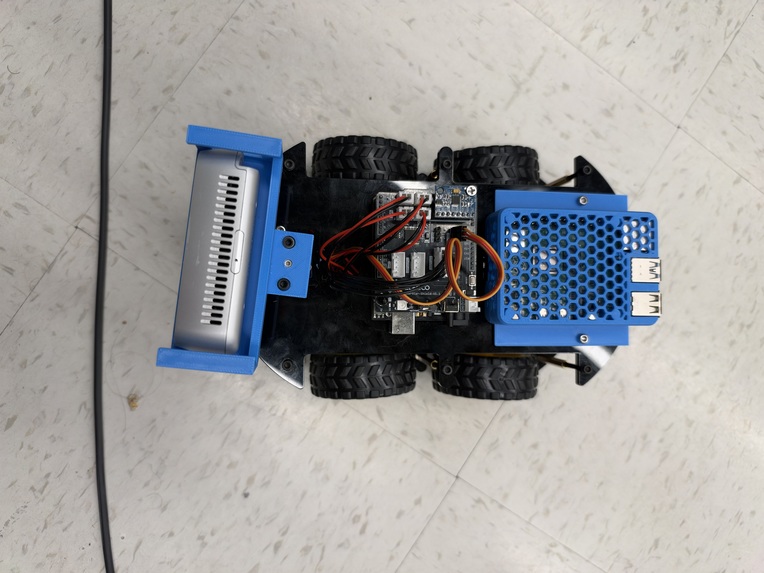
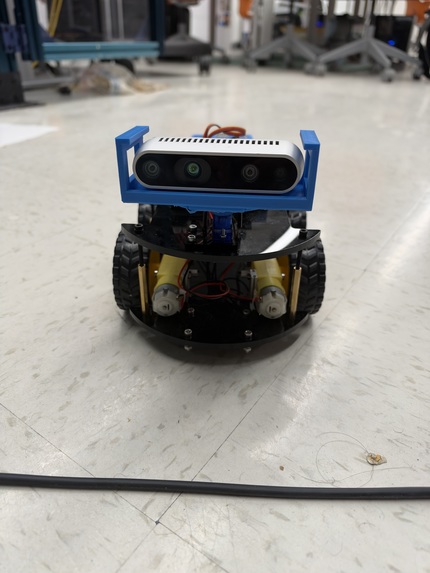
For the physical version, we're bringing together an Elegoo Smart Robot Car V4.0, a Raspberry Pi 4, and an Intel RealSense D435 depth camera. The Pi handles the navigation decisions, while the car's Arduino Uno receives short motor commands over USB. The repository also includes the Arduino firmware, hardware setup commands, and tests for the planning and stop behavior.
Challenges we ran into
The hardest part was realizing how much the robot doesn't know. A forward-facing camera cannot see the whole room, and a depth image alone cannot tell the car exactly where it is. Even a good route on a map is only useful if we know the robot's position and how far its wheels actually move.
That changed how we built the project. When the map, position, or sensor reading cannot be trusted, the controller is designed to stop instead of guessing.
Accomplishments that we're proud of
Our simulation does more than draw a route on a map. The robot first discovers space through simulated sensor scans, then plans a route using what it has observed. We also added a scenario where a new obstacle appears on the way back. Seeing the return check catch that change and stop the mission was one of the most satisfying moments of the build.
What we learned
We came in thinking mostly about pathfinding. We came out thinking just as much about perception, localization, wheel calibration, and what should happen when information is missing. The simulation helped us find those problems before putting the car on the floor.
What's next for W.A.R.M. Wheels
Next, we want to test the D435 and motor controls on the actual car, measure how it moves, and give it a reliable way to track its position. Then we can expand what the camera sees and try short autonomous runs in a controlled tabletop room.
Built With
- 3dprinting
- a*
- arduinoide
- computervision
- elegoosmartrobotcarkit
- intelrealsensed435
- isaacsim
- numpy
- occupancygrid
- omniverse
- python
- rasberrypi4
- robotics

Log in or sign up for Devpost to join the conversation.