-
-
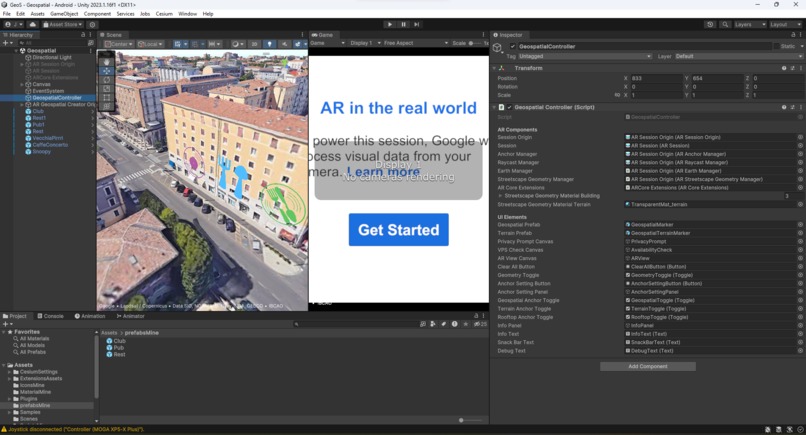
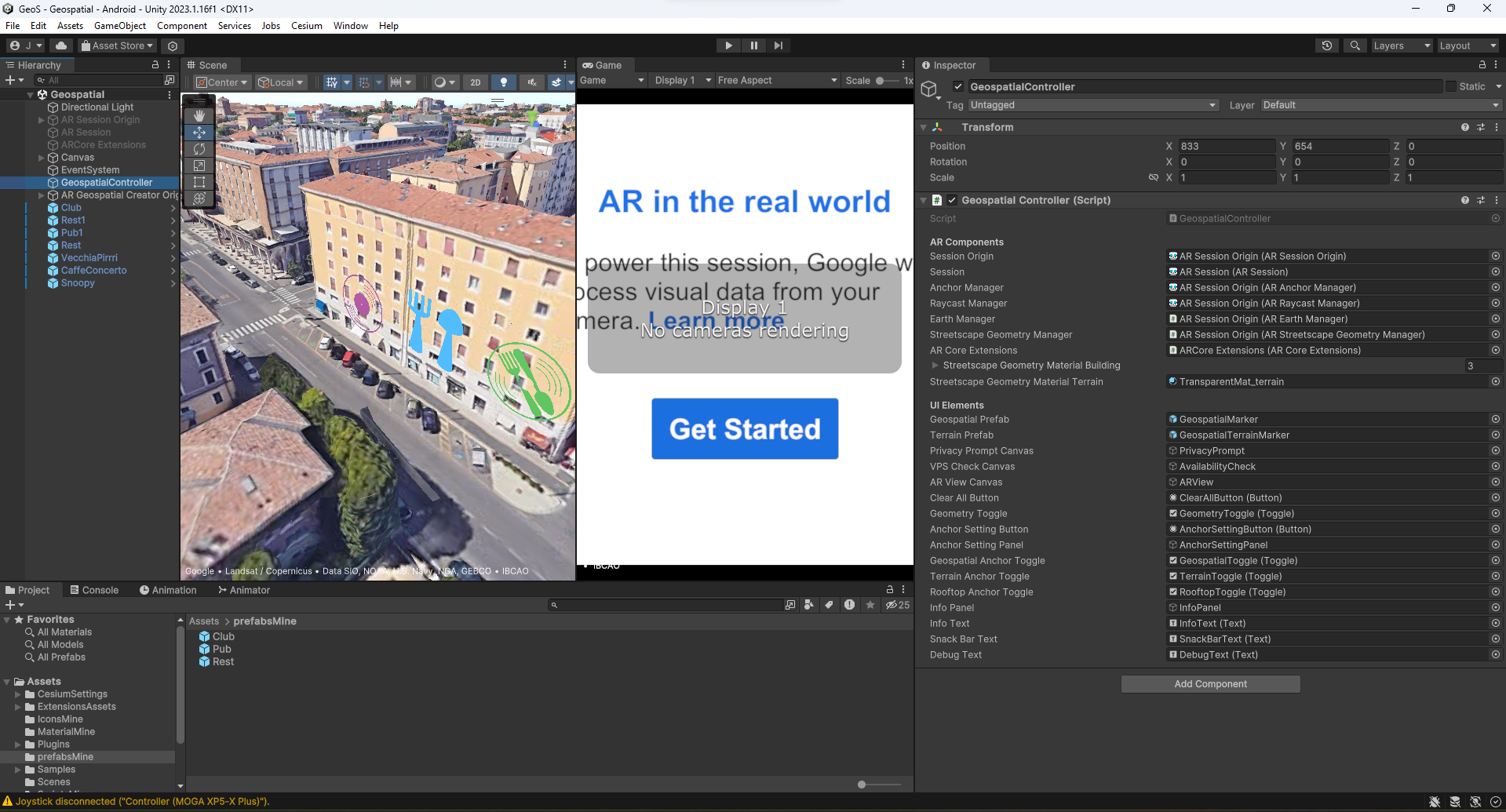
Screenshot from the Unity Engine, building the app and integrating Google packages and Cesium software
-
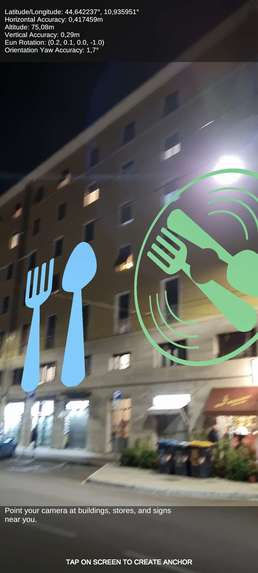
Screenshot of alpha version of the app built to verify the correct functionality of 3D models using the geolocation feature of Google Maps
-
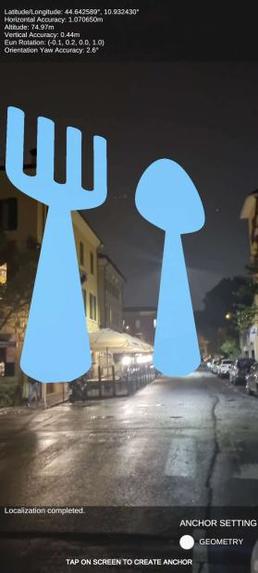
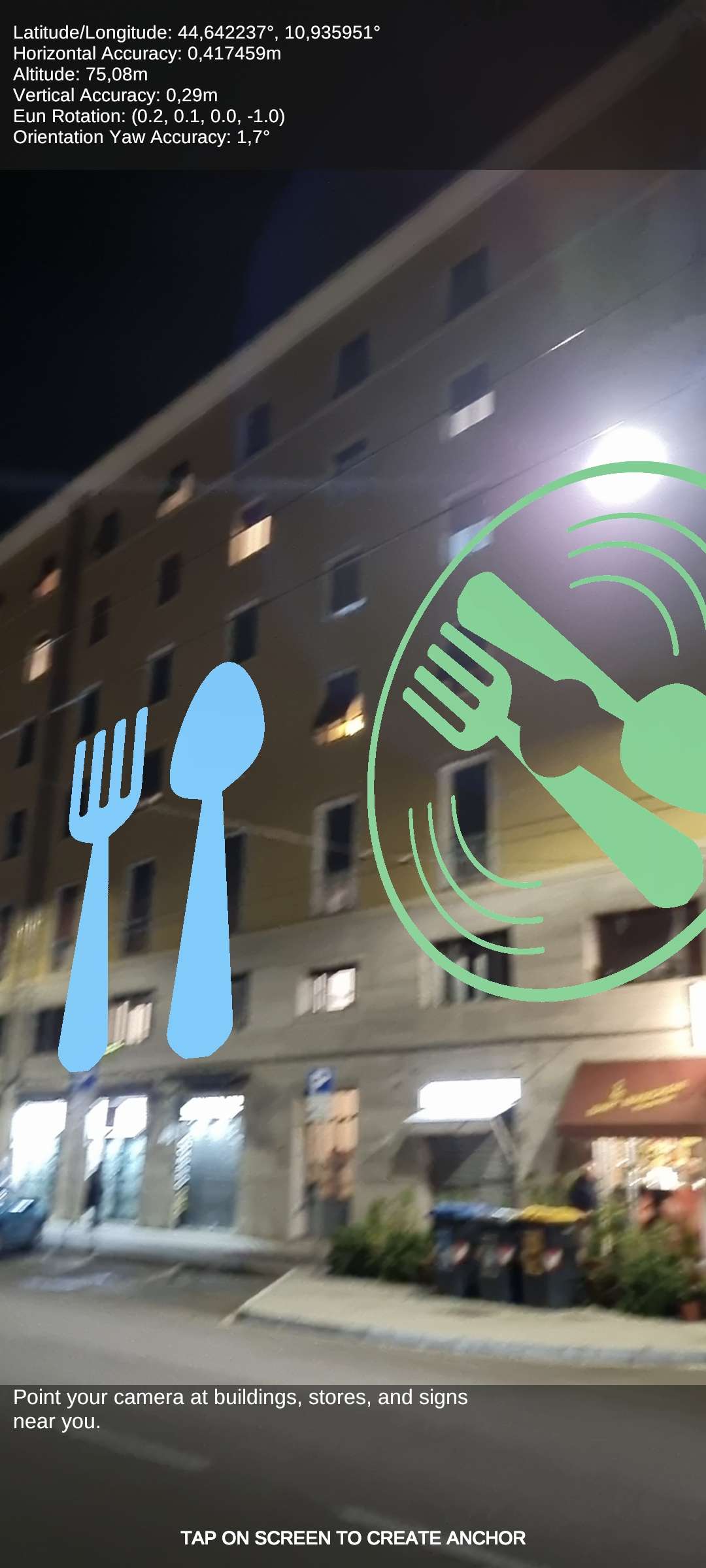
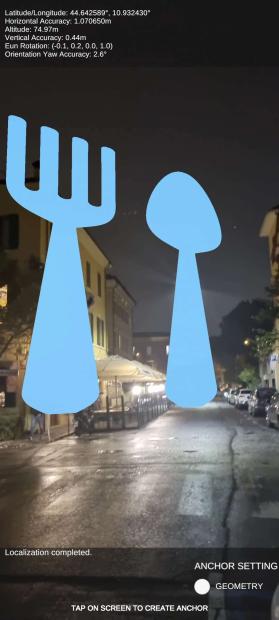
Here is an example screenshot of using the app in front of a restaurant and utilizing AR technologies to determine its business type
-
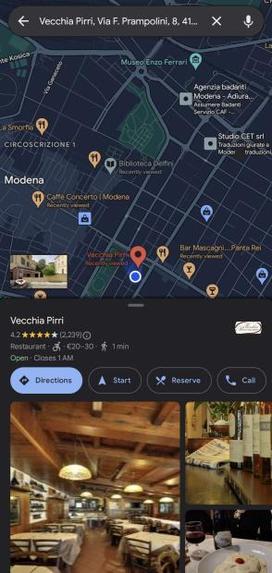
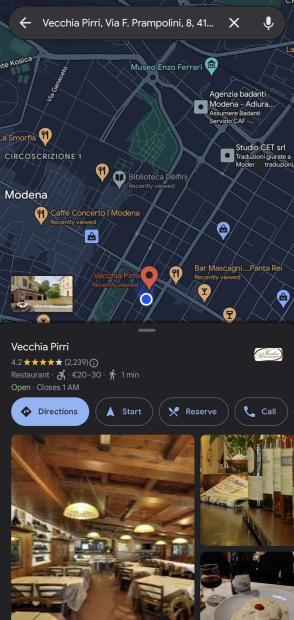
Check if tapping on the AR icon correctly redirects to the Google Maps page and verify that it worked.
-
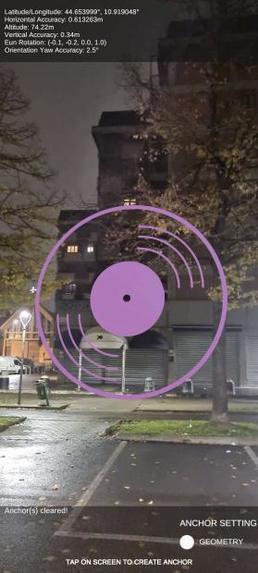
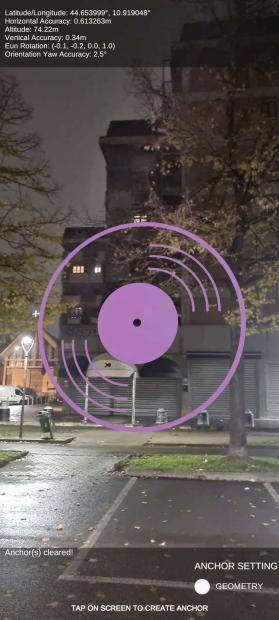
Example of a screenshot using the app in front of a club, utilizing AR technologies to determine the type of business
-
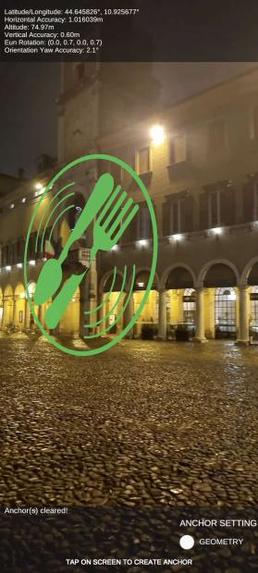
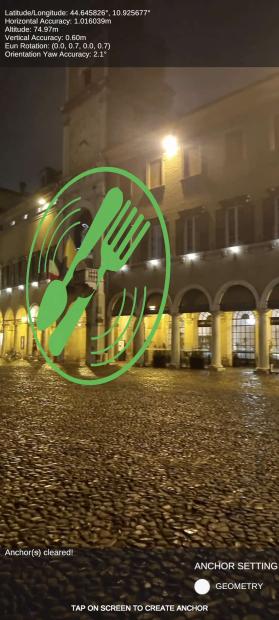
A screenshot showing the app being used in front of a pub, utilizing AR technologies to identify the type of business it is
Inspiration
Introducing Vybing an innovative app that will help the way people explore unfamiliar places. Inspired by the desire to connect people and enhance their travel experiences, we have developed an augmented reality (AR) application that aims to help individuals discover hidden gems and vibrant locations they wouldn't have found otherwise. Leveraging AR technology, our app provides an immersive, interactive, and personalized experience, guiding users towards the best spots to vibe and create unforgettable memories. Whether you are a solo traveler, a group of friends, or a family on vacation, our app will be your virtual local guide, unlocking the pulse of a new city or town.
What it does
This app is designed to provide a comprehensive platform for users to make reservations, purchase tickets, and discover information about nearby establishments such as pubs, clubs, and restaurants. Utilizing augmented reality (AR) technology, the app allows users to easily access these features. By simply opening the app on their device and allowing a few seconds for their device's position to be determined, users can view the camera feed with augmented reality icons representing various nearby places of interest. Upon selecting an icon, users will be redirected to the Google Maps information page for that establishment. From there, they can access additional details such as the website, reviews, and other relevant information.
How we built it
To develop our app, we utilized the Unity Engine as the primary tool. Unity Engine provided us with a robust development environment to create an immersive and interactive experience. For the core functionality of integrating realistic 3D tiles of the world, we incorporated Cesium into our development process. Cesium aided us in retrieving and incorporating accurate and detailed 3D representations of the earth's terrain. Additionally, to implement the Google Maps coordination system and enable us to accurately position and place 3D objects in augmented reality, we leveraged the AR Core Unity extension. This extension seamlessly integrated with our app, enabling us to retrieve specific location data from Google Maps and precisely map and align our 3D objects in augmented reality. Through the combined use of Unity Engine, Cesium, and AR Core Unity extension, we were able to successfully develop an engaging and robust app that merges the virtual world with the real world through augmented reality.
Challenges we ran into
During the development of our app, we encountered several challenges. The initial difficulty we faced was understanding how to seamlessly integrate all the frameworks we were using into a cohesive system. Additionally, as we reached the final stages of building the app, we encountered compatibility issues when attempting to create a version for Android devices. This posed significant obstacles as we had to identify and resolve any conflicting elements to ensure the app could be successfully built and function on Android platforms. Overall, these challenges tested our problem-solving abilities and perseverance but ultimately contributed to a more robust and refined app.
Accomplishments that we're proud of
We are incredibly proud of the work we have put into this project, even if it may be considered small in scale. Building a small app that effectively caters to our desired objectives is an achievement in itself. It showcases our dedication and skills as a team. The success of this app has ignited a desire within us to expand its possibilities further. We envision integrating additional features, gaining insights from collaborating with new individuals who can contribute their expertise, and ultimately pushing the boundaries of what this app can offer. We believe in its potential and are excited to continue evolving and improving upon our creation.
What we learned
By creating this app, we learn the significance of scalability and the need for optimizations to ensure smooth performance as the user base grows. It highlights the importance of organizational skills to effectively manage and implement various features. Additionally, it reveals how much there is still to learn about Google API, Google Maps, and Cesium software to seamlessly integrate the desired functionalities into the app.
What's next for Vybing
In order for our app to be complete and ready for release, we have some key features to implement. Our primary goal is to incorporate artificial intelligence to provide users with personalized location suggestions based on their preferences. This means that the app should be able to analyze user data such as their music preferences, food choices, and desired ambiance to recommend establishments that align with their tastes. Additionally, we aim to connect our app to the Google Maps API for seamless integration and accurate location data. To enhance user experience, we plan to create 3D icons that automatically connect to the corresponding places of interest on Google Maps. This automation will ensure that we can efficiently provide these icons without the need for manual mapping for every individual establishment on Google Maps.

Log in or sign up for Devpost to join the conversation.