-
-
brand
-
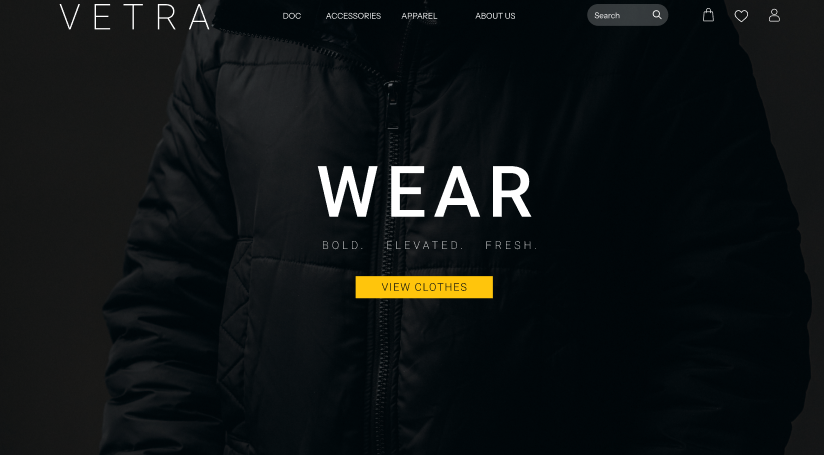
home page
-
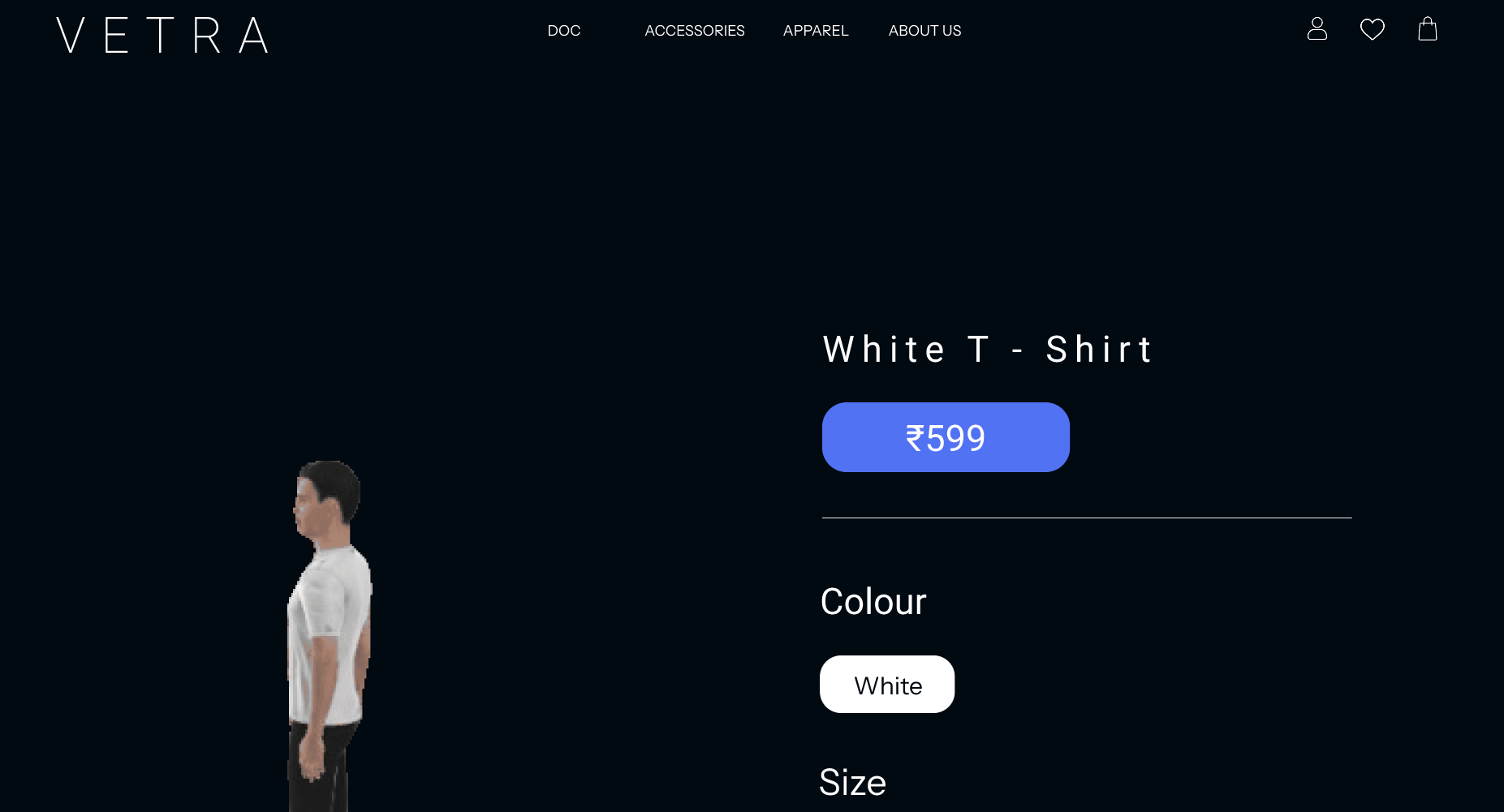
3d View
-
-
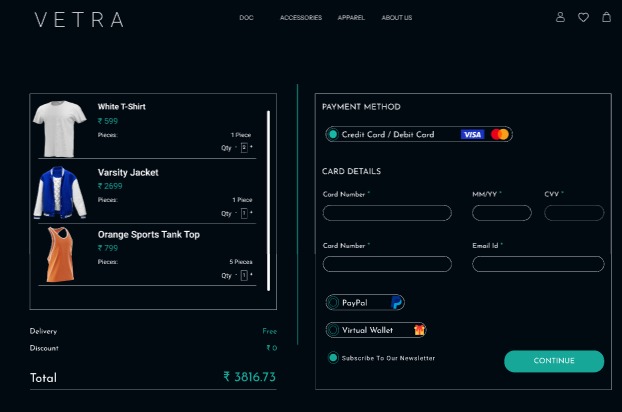
Inspiration
The virtual try-on (VTON) project was inspired by the need to provide a seamless and engaging online shopping experience. Many users face difficulties visualizing how clothing would look and fit before making a purchase. By integrating 3D technologies and AI-driven solutions, we aim to bridge the gap between the physical and digital shopping experiences, making it easier and more enjoyable for users to explore and try on clothing virtually.
What it does
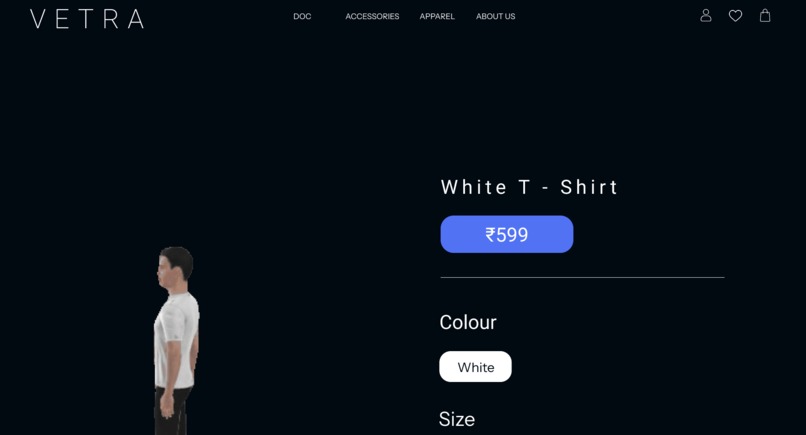
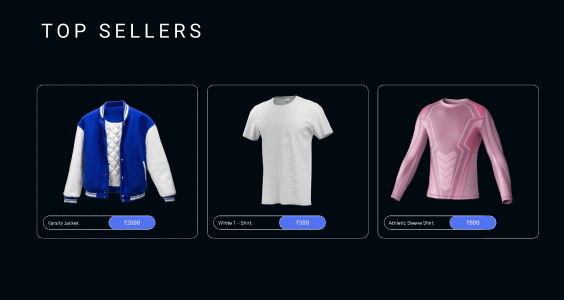
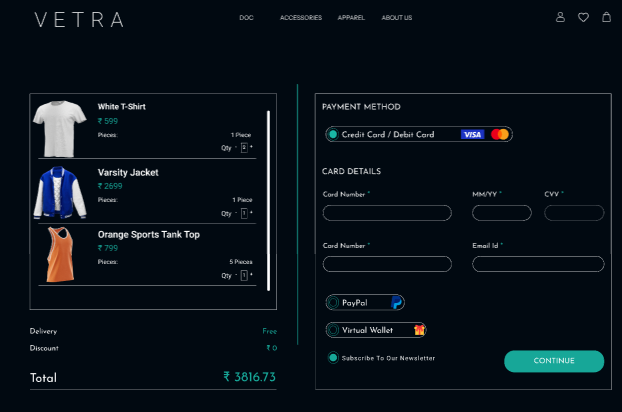
The VTON project enables users to virtually try on clothes in a realistic 3D environment. Users can upload images or select their customized avatars, generated through integrations like Ready Player Me or Avatar SDK. These avatars accurately represent their body and facial features. The platform dynamically maps selected clothing onto the avatars, allowing users to see how different styles and fits appear on them.
How I built it
The project was developed using:
Frontend: Next.js with Tailwind CSS for a responsive and user-friendly interface. 3D Rendering: Babylon.js and MediaPipe Face Mesh for accurate model rendering and interaction. API Integrations: Union Avatar and Okto API to generate and manage avatars and integrate try-on capabilities. Backend: Node.js and Express.js to handle API requests and process user data. Hosting: Deployed on Azure for robust and scalable performance. Assets: Prebuilt 3D models of clothing, hair, and avatars tailored to fit various body shapes.
Challenges I ran into
Ensuring seamless mapping of clothing onto avatars with accurate fit and texture alignment. Integrating multiple APIs like Ready Player Me and Union Avatar while maintaining consistent performance. Achieving a high level of realism in the virtual try-on process. Optimizing the platform to handle 3D assets efficiently without lagging.
Accomplishments that I'm proud of
Successfully creating a working prototype that combines 3D rendering with AI-powered virtual try-on. Integrating wallet connection and Duck Coin rewards for enhanced user engagement. Implementing a scalable solution that can adapt to different e-commerce platforms. Building a highly responsive and visually appealing user interface.
What I learned
Advanced 3D rendering techniques and the importance of accurate asset mapping in virtual environments. The challenges of integrating multiple APIs into a cohesive platform. Techniques for optimizing performance in applications with heavy 3D assets. The importance of user experience in e-commerce applications.
What's next for Untitled
AI-Powered Recommendations: Introduce machine learning to suggest clothing items based on user preferences and trends. Blockchain Integration: Use blockchain for secure user data management and loyalty rewards. Enhanced Realism: Develop more advanced texture and lighting systems to increase the realism of virtual try-ons. Multi-Platform Expansion: Adapt the solution for AR and VR platforms for immersive experiences. User Feedback Loop: Implement systems for collecting and acting on user feedback to improve features and usability.
Built With
- babylon.js
- mediapipe