-

Homepage
-
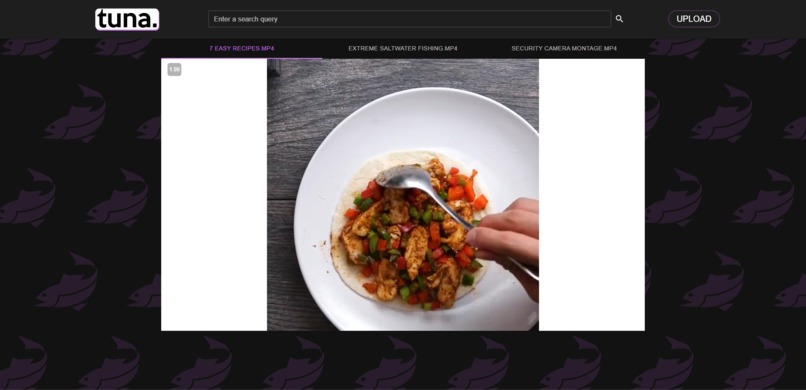
Main Page

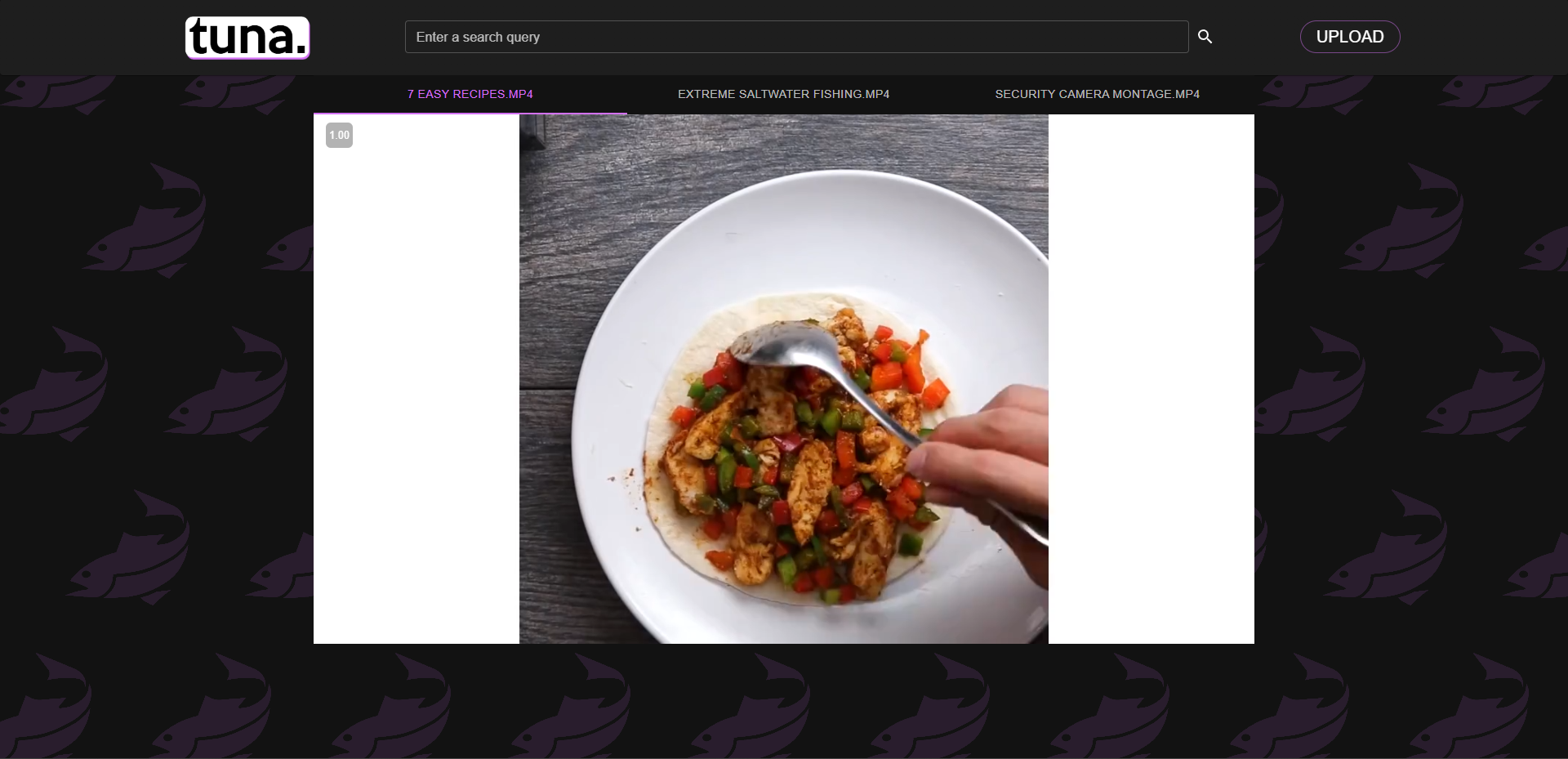
Inspiration
Security cameras capture videos hours long making it a long task for the viewers to search through. The footage is typically still for hours with some action here and there. Being able to jump to when there is some sort of interesting action would significantly reduce the time and effort spent searching through long videos.
What it does
The application lets a user upload a video and then make a search query. Timestamps are returned that closely represent the key terms. These timestamps will jump to the part of the video related to the key terms. For example, if you have a cooking video and search for garlic, it will provide a timestamp for the part of the video where garlic appears.
How we built it
We built the front end using React.js and Material UI. We built the backend using Flask. For the backend, we used Pytorch to classify frames from the video into vectors in which we match a search query and return the respective timestamp similar to the query.
Challenges we ran into
There were many small challenges along the way with getting the video and tabs to work properly, uploading the video and passing it to the backend, and optimizing the video processing and analysis. The largest challenge was finalizing our design and coming up with something we were satisfied with
Accomplishments that we're proud of
Getting multiple videos and accurate responses from the search was very rewarding and exciting once we got it working, and we're also happy with the UI which we spent a lot of time on.
What we learned
Fullstack development involving machine learning, communicating between the front and backend with Flask and React, and using the Material UI library.
What's next for tuna.?
User accounts, extra analysis functionality, and accepting external links such as YouTube or Vimeo instead of solely uploading a file.


Log in or sign up for Devpost to join the conversation.