-
-
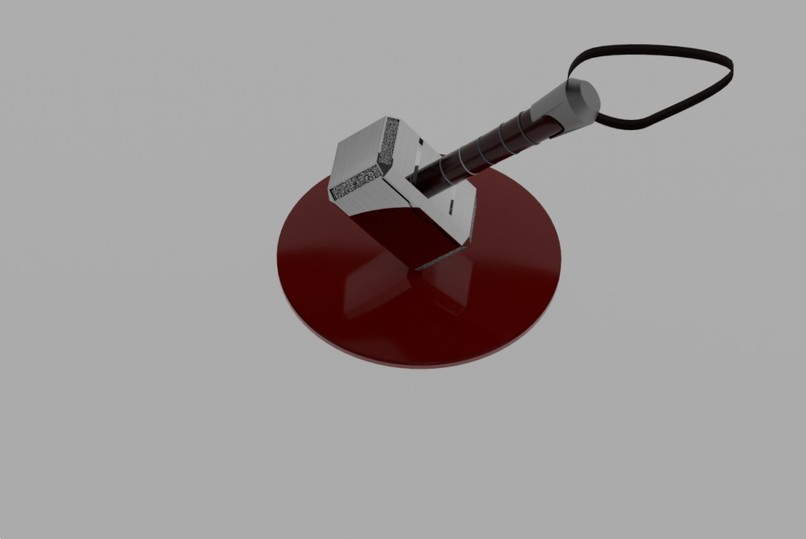
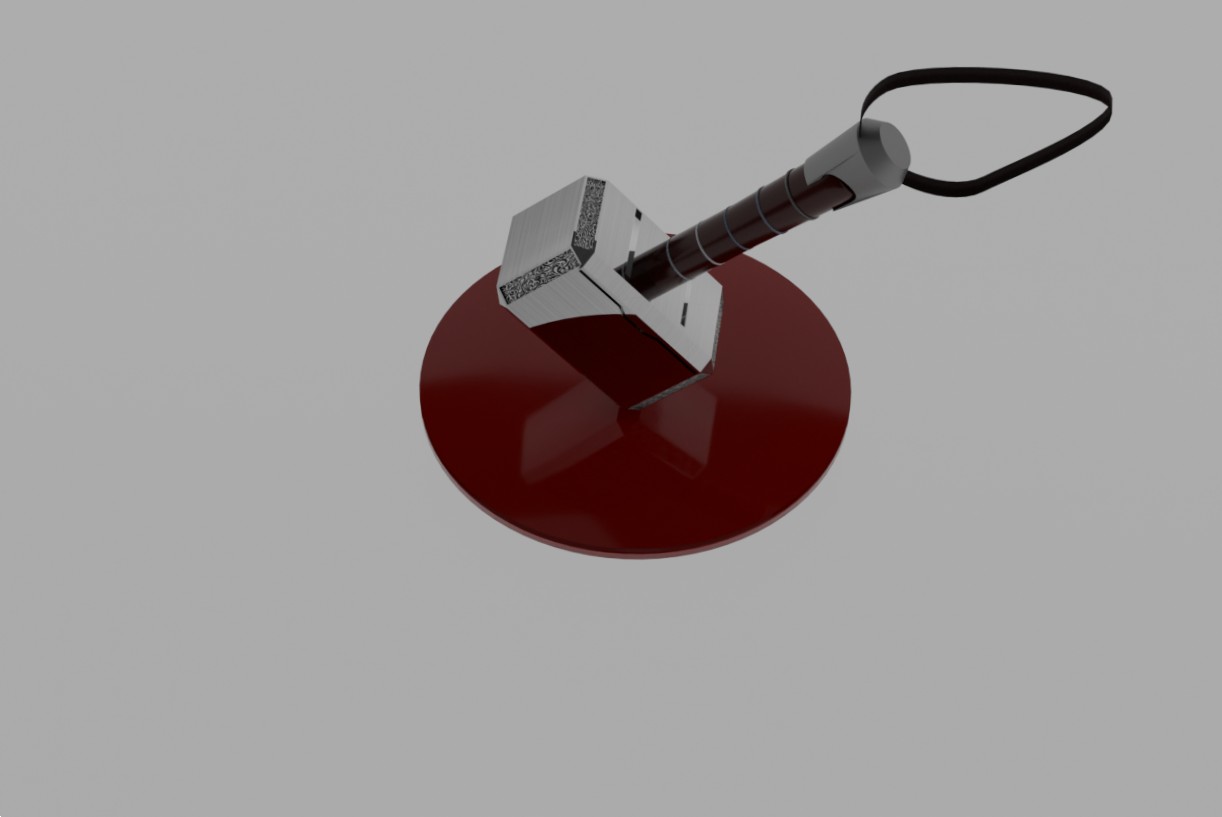
Thor Hammer
-
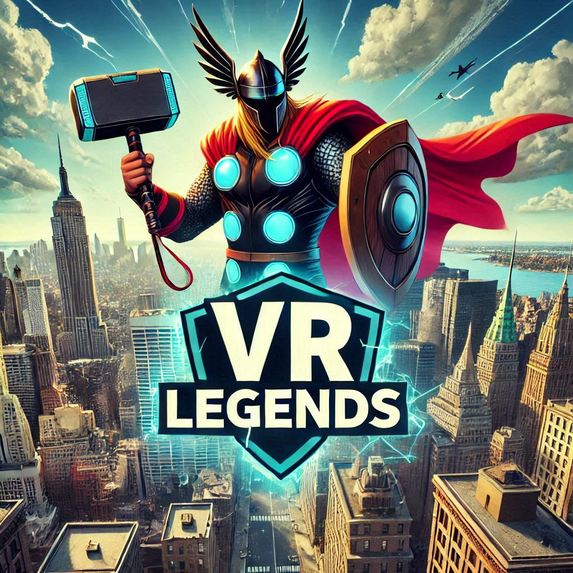
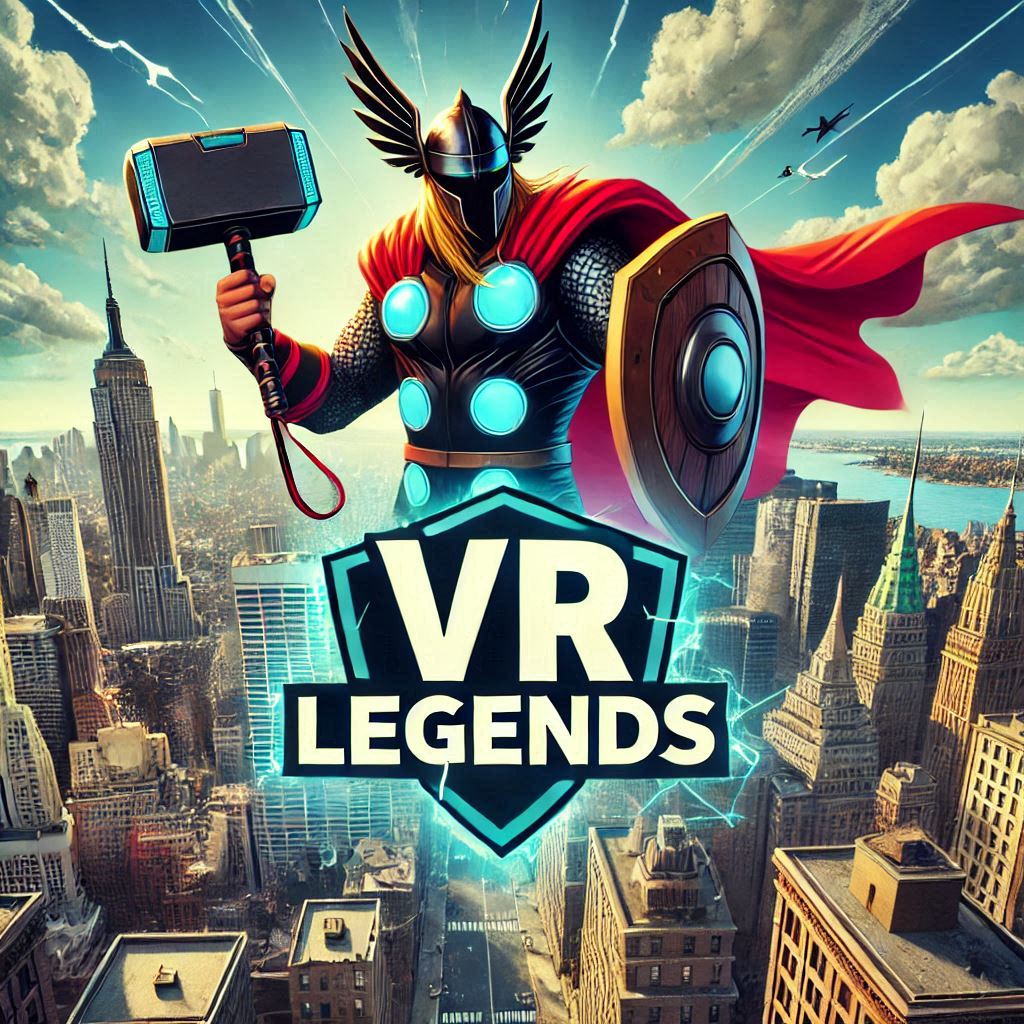
VR Legends
Inspiration
The idea for VR Legends came to me after watching the final battle scene in The Avengers. I was blown away by how the heroes fought together to save the city, facing endless waves of enemies. It was so exciting to see Thor using his hammer and Captain America with his shield, fighting off the bad guys in such an epic way.
I kept thinking, “What if I could actually be in that scene?” That’s when I realized VR could make it possible. Virtual reality can put you right in the middle of the action, letting you feel like a real superhero. I wanted to recreate that excitement—defending the city, smashing drones with Thor’s hammer, or deflecting them with Cap’s shield.
That epic battle inspired me to create this VR game, where anyone can step into the hero’s role and experience the thrill of saving the day.
What it does
The envisioned VR experience plunges players into an adrenaline-pumping, high-energy scenario inspired by the legendary Avengers New Jersey battle. Participants will face relentless waves of attacking drones, engaging in dynamic combat to fend them off. Armed with iconic tools like Thor’s hammer (Mjolnir) or Captain America’s shield, players can crush or deflect the incoming drones, which explode dramatically on impact. Each drone destroyed adds to the player’s score, encouraging competitive gameplay. Designed for those seeking an immersive and interactive virtual reality challenge, the experience includes a 60-second time limit, allowing users to aim for a high score and outdo previous attempts.
How I built it
I used Unity as the foundation for development. To enable VR capabilities, I installed the XR Plugin Management package, which allowed me to integrate VR controls and ensure smooth interaction within the virtual environment. To create an immersive setting, I downloaded a detailed city environment from the Unity Asset Store. This saved time and provided a rich backdrop for the game. Using Unity’s physics system, I applied forces and interactions to the VR controllers, enabling players to realistically throw, swing, or deflect with the hammer or shield. This added a dynamic and tactile element to the gameplay. I used shaders to create the stunning portal effects, ensuring they were visually striking and seamlessly integrated into the game. The glowing, swirling animations enhanced the sci-fi atmosphere.
Challenges I ran into
Collision Detection Issues: Initially, the drones weren’t detecting collisions properly when hit with the hammer or shield. This meant there were no reactions or effects when I tried to destroy them. Solution: I debugged the collision logic and ensured that both the drones and the hammer/shield had the correct colliders and rigid body settings in Unity. Adjusting the physics layers and collision matrix finally resolved the issue. Creating Smash Effects: At first, there were no satisfying smash effects when the drones were hit, which made the gameplay feel dull. Solution: To fix this, I used Blender to create a fractured version of the drone model. After exporting the fractured pieces, I set them up as a separate prefab in Unity. When a drone was hit, the original drone would be replaced with the fractured prefab, creating the illusion of the drone shattering into pieces. Setting up the spawn area for the drones was another tricky part. Initially, drones were spawning too close, too far, or outside the visible play area, making the game feel inconsistent. Solution: After trial and error, I fine-tuned the spawn range by adjusting the coordinates and adding constraints to ensure drones spawned within the desired area. This process took a lot of troubleshooting but eventually worked. However, there’s still room for improvement to make the spawning more dynamic and balanced.
Accomplishments that I'm proud of
One of the things I’m really proud of in VR Legends is being able to throw Thor’s Hammer and Captain America’s Shield into the air and then grab them back using the trigger button. It felt so satisfying to play, and every time I threw and caught them, it made the game feel more exciting and real. It was awesome to see that feature work as I imagined it, and it made the gameplay so much more fun!
What I learned
During the development of VR Legends, I learned a lot about shading and particle effects. I learned how to use Unity’s shading system to create realistic textures and effects, like the portal visuals. I also got the hang of using particle effects to make things like the drones exploding when hit, which made the action feel much more exciting. These skills helped me make the game look and feel better overall.
What's next for VRLegends.
I plan to add more variety to the drones, making them more unpredictable and challenging. This could include drones with different behaviors or abilities, making each encounter feel fresh and exciting. I want to enhance the environments even more by creating detailed, dynamic backgrounds. Adding more visual effects (VFX), like explosions or environmental changes, will make the game world feel more alive and immersive. Expanding the game to include multiplayer options would be amazing. Players could team up in co-op mode to fight the drones together, or even face off in competitive modes, where they can battle against each other to score the most points. This would add a whole new layer of excitement and replay ability to the game. I’d also like to implement AI-driven drones that learn from the player’s actions. This would make the enemies smarter and more challenging as they adapt to the player’s strategies, creating a constantly evolving gameplay experience.

Log in or sign up for Devpost to join the conversation.