-
-
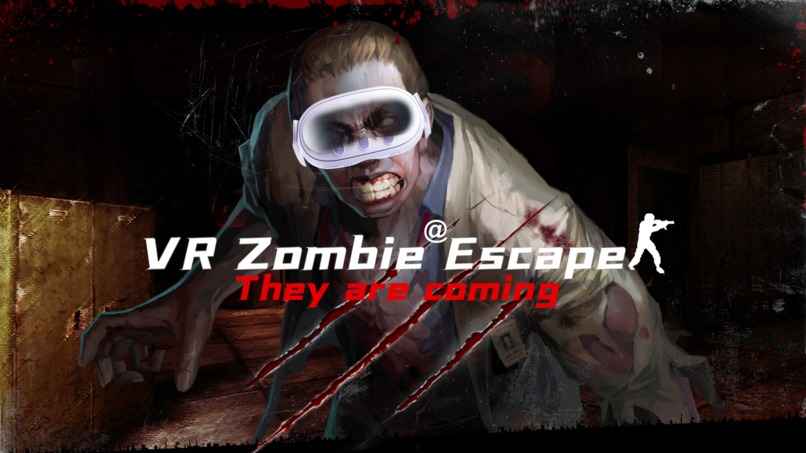
Game Cover
-
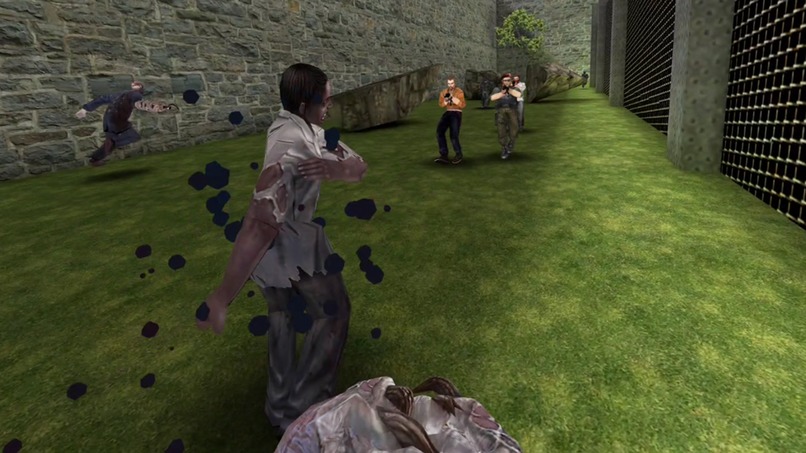
In-game Screenshot1
-
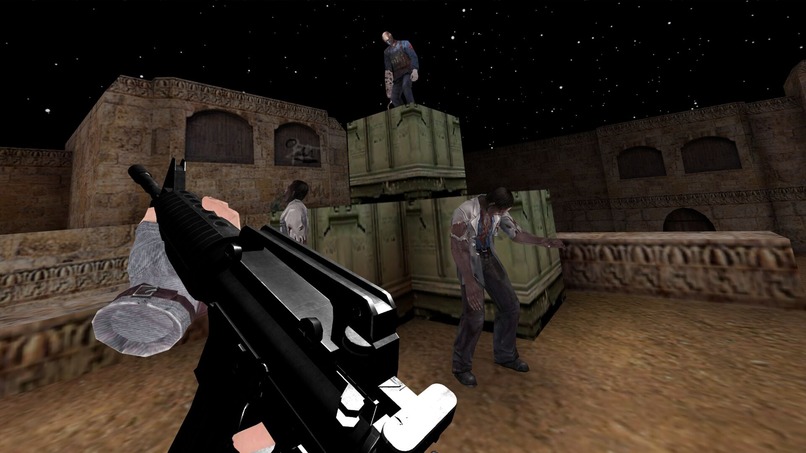
In-game Screenshot2
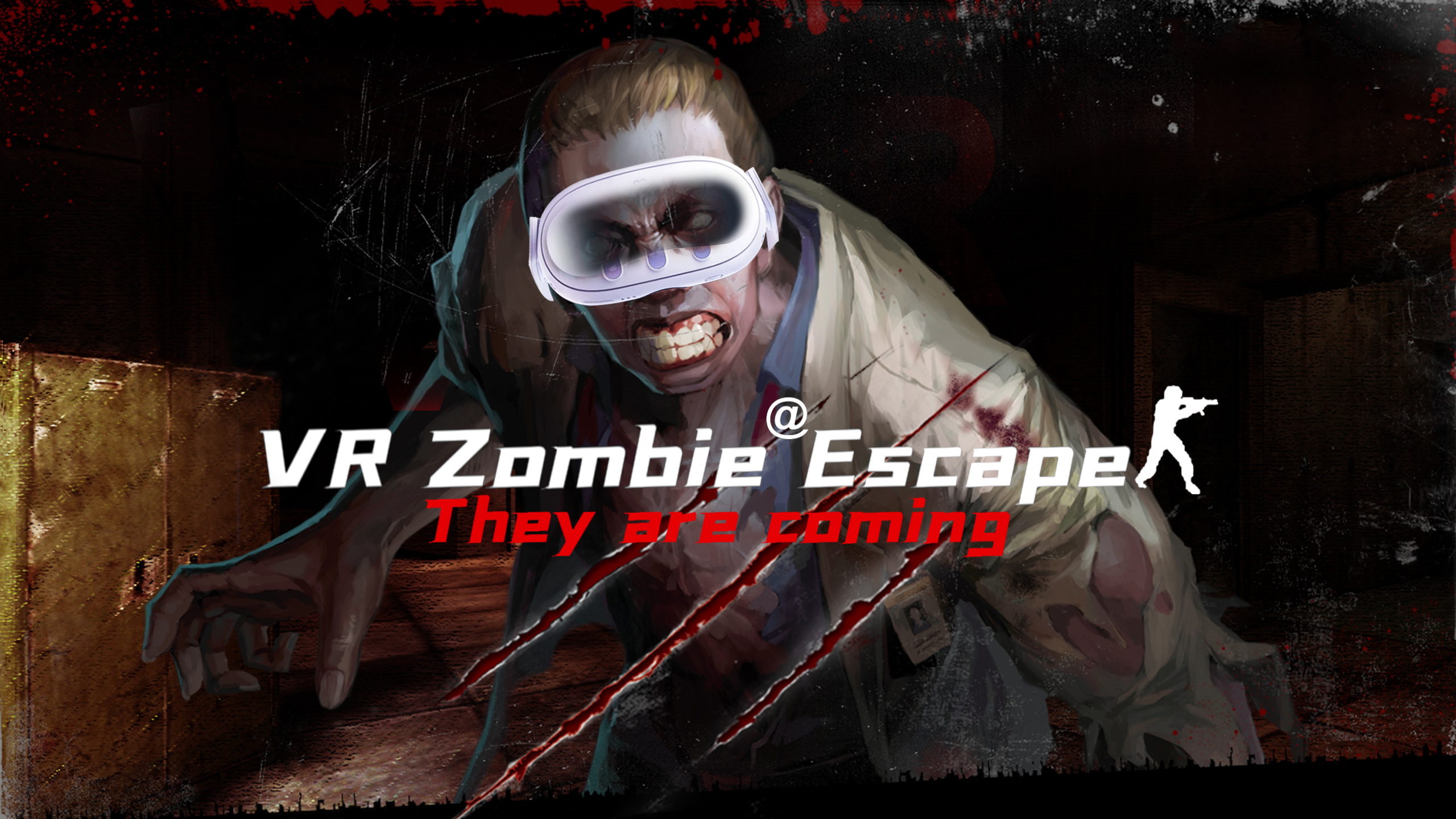
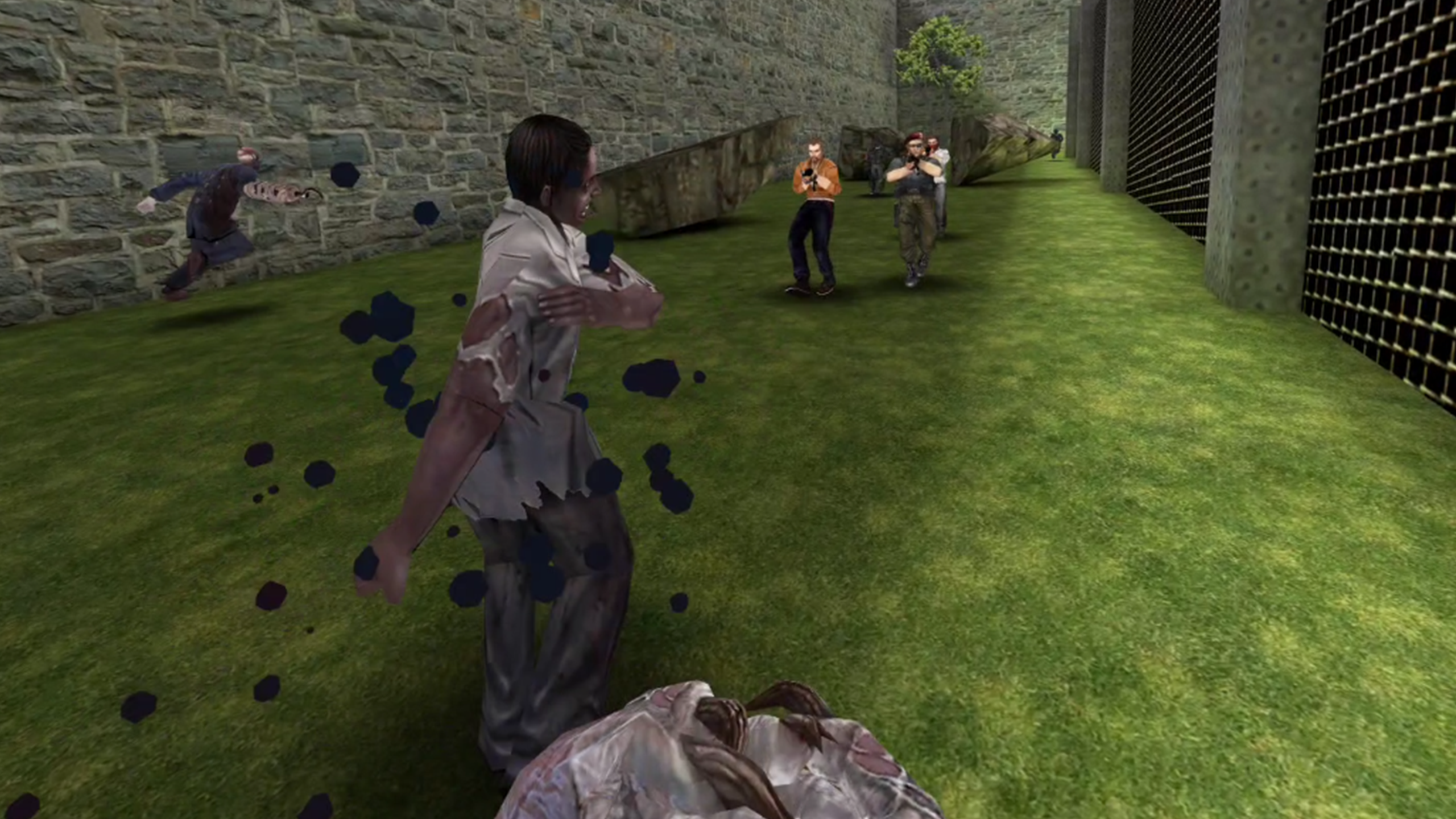
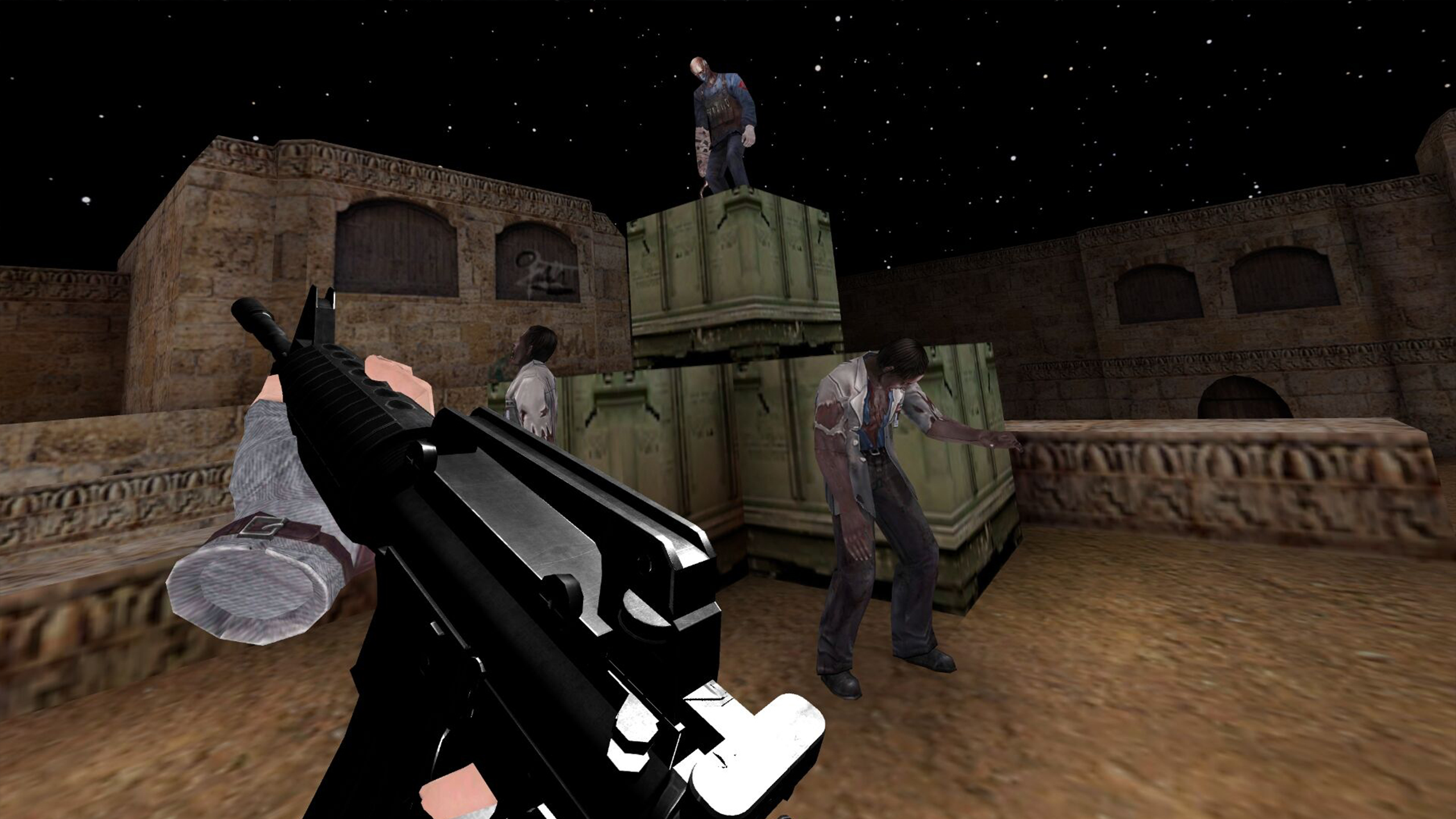
Inspiration
Currently, most zombie-themed games are single-player or 4-player cooperative games where players take on the role of human characters, with very limited online social interactivity. So,Inspired by the highly popular zombie infection mode in Valve's Counter-Strike 1.6, it reimagines the experience in VR,and by integrating the core chase and escape mechanics from the currently popular-《Gorilla Tag》.
What it does
There are two different regional versions of the game. 1.https://www.meta.com/experiences/vr-zombie-escape-demo/7821371324594594/ ##(international server) 2.https://www.meta.com/experiences/vrzomol/8119922531355855/ ##(Chinese server)
This is a multiplayer online social game centered around a player-versus-player biochemical theme. Players take on the roles of humans and zombies respectively to confront each other. After joining the game together, one randomly selected player becomes a zombie within a limited time frame and must infect other players. Human players need to use weapons to resist the zombies or avoid them to survive as long as possible. The zombie players must infect all human players. The side that completes their objective wins the round.
How we built it
From the User Perspective: We aim to appeal to a broader age demographic, making it enjoyable not only for young adults but also particularly popular among children. The game focuses on attracting players who enjoy shooter or zombie-themed genres. As these players can often feel relatively isolated, the game leverages its online social features to bring them together, forming a central hub for the community.
From the Project Planning Perspective:
- While drawing inspiration from the core gameplay of the original CS1.6 Zombie Infection mode, the project also incorporates well-established mechanics from mature biochemical online games like Counter-Strike Online. Combined with the unique interactive possibilities of VR, this fusion aims to create a highly innovative VR-based biochemical infection online game.
- By analyzing the current state of the VR gaming industry and learning from the developmental strengths of traditional biochemical online games, we will formulate a sustainable development strategy tailored to the VR sector. This approach allows for the targeted and structured construction of the game project.
From the Technical Team Perspective: Development will utilize the Unity engine and Photon networking technology. In the initial phase, we seek to find like-minded enthusiasts who share a passion for VR zombie games and wish to collaborate on creating VR experiences. The goal is to form a small, skilled, and dedicated team to develop the game.
Finally, we prioritize listening to user feedback and building friendships with players within the game. We will establish self-operated media promotion accounts, manage game communities, and continuously inject vitality into the project. This fosters a synergistic ecosystem connecting the game platform, players, and player-creators.
Challenges we ran into
- We are looking for teammates who are truly passionate about VR games and interested in the biohazard theme, who share the goal of collaboratively building a VR game, and who are not solely driven by monetary gains.
- Given the highly innovative nature of this game, there are currently no similar products in the VR game market for reference. We need to start from scratch and develop a new biohazard gameplay mechanism that is suitable for VR games. The mechanism must be user-friendly and allow players to quickly understand the game's features, thereby helping the game secure a competitive edge in the genre.
- It is essential to continuously learn new VR technologies to meet future development needs, design more gameplay mechanics, and enrich the game's content.
Accomplishments that we're proud of
- The project has currently reached the stage of a preliminary multiplayer demo. It has already garnered significant popularity and strong support from players in both the United States and China, with many voluntarily promoting the game.
- Promotional videos of the game have been shared on Chinese self-media platforms such as Bilibili and Douyin. The game has not only motivated long-dormant Quest 2 users to revisit their VR devices but has also sparked interest among non-VR users to purchase Quest or other VR hardware specifically to play it. This clearly demonstrates the game's potential to drive VR equipment sales.
- In China, the game's videos have gained substantial traction on Bilibili and Douyin, attracting attention, likes, and lively discussions from numerous netizens and popular VR influencers with millions of followers.
- The initial demo version has already achieved a top-three ranking on the Pico platform and received relevant VR game awards in China. Simultaneously, it has been unofficially distributed and sold as cracked copies on Chinese VR website "VR魔趣网".
What we learned
The development of VR hardware relies on high-quality content. To produce exceptional content, it is essential to integrate phenomenal works from traditional industries with the unique characteristics of VR in a targeted manner. Only by combining these two elements can the content gain the utmost favor among VR players. Both phenomenal traditional works and the distinctive features of the VR medium are indispensable.
Having like-minded partners who share the same vision is of utmost importance. Only when the right people come together can things be done correctly and outstanding content be created.
Throughout the development process, I have accumulated extensive knowledge in Unity VR development and network framework technologies. As a designer, this has allowed me to become more proficient in programming, enabling more accurate judgment regarding game content scale and production timelines, as well as better control over costs.
What's next for VR zombie Escape
Completed:
- The core gameplay mechanics have been implemented.
- A strategic framework and a demo for expanded gameplay have been developed.
- Support for dozens of players playing simultaneously online has been achieved.
- A user base has been established globally, particularly in the United States and China.
Next Steps:
- Expand the team size.
- Continuously optimize network performance, enhance game balance strategies, and enrich game content with more new weapons, items, and zombie types.
- Develop and add more room systems to meet the needs of different game modes for more players.
- Increase the number of concurrent users (CCU) supported by the game project and upgrade server capabilities.
- Implement an account system.


Log in or sign up for Devpost to join the conversation.