Inspiration
VR has been a very exciting technology to everyone on our team. The possibilities of a virtual environment seemed perfect for a hackathon, where any topic can be implemented and explored. The HuskieHack theme being health gave us many ideas, ranging from first aid simulation, to AED training. Eventually we considered what would fit best into a VR simulation that could be experienced in five minutes. CPR happened to be the perfect candidate for an educational simulation.
What it does
CPR VR walks you through how to administer effective breathless CPR. Utilizing slides of information the user is guided step by step the proper way to deliver CPR. After a brief introduction to the basics of CPR, the User is instructed to crouch next to the virtual dummy and place their hands in the correct formation for CPR. Once hand placement is achieved, the user gives one test compression to get the feel of the simulation. After the test compression, a metronome begins to keep the rhythm of what pace is needed between compression. A countdown from five begins and the user begins to practice compressing the chest at the same rate of the metronome, with visual feedback on compression pace accuracy. After the user demonstrates an accurate and effective performance of CPR the program ends.
How we built it
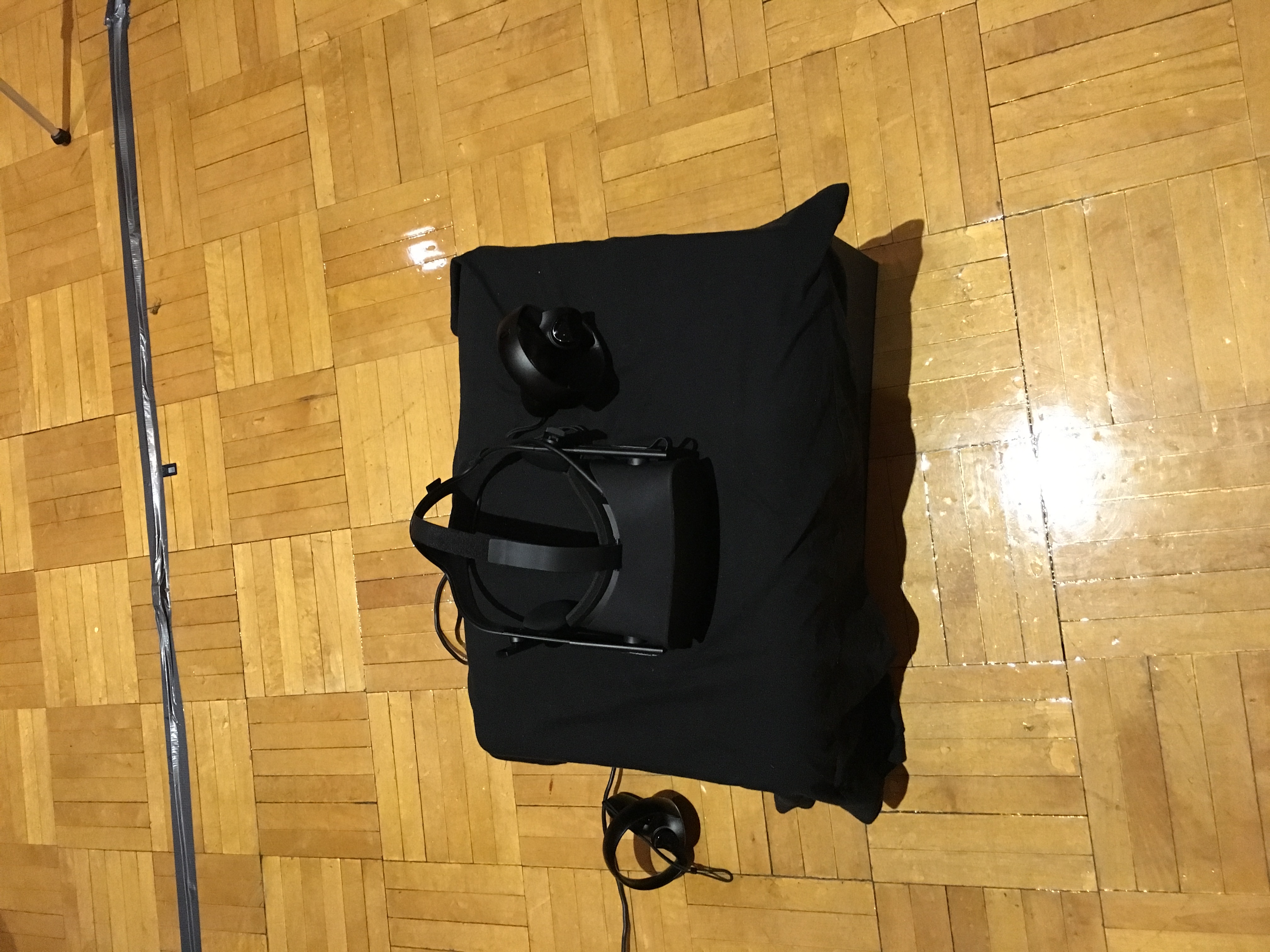
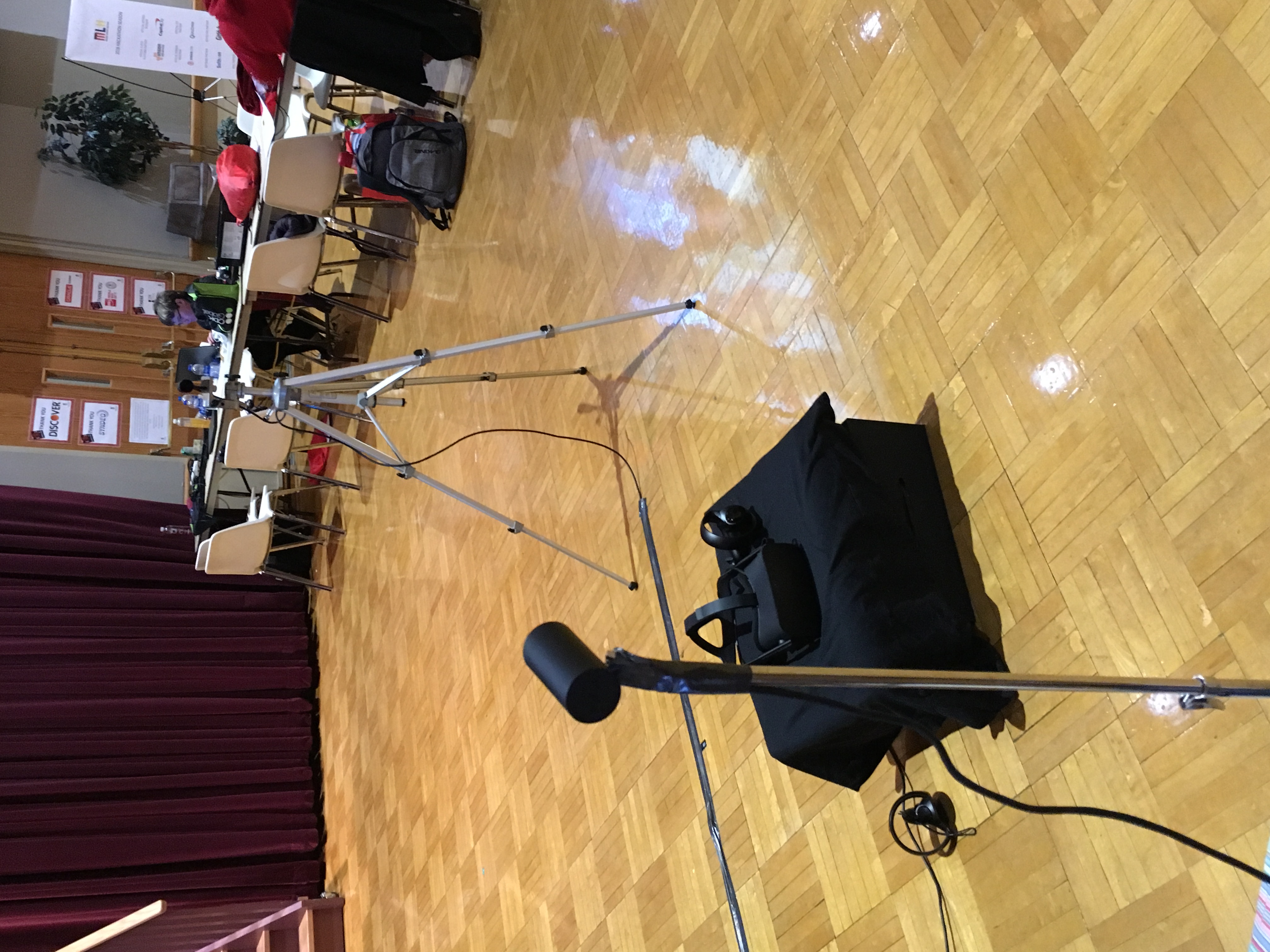
We started by creating a physical model with enough resistance to simulate resistance from performing CPR. After measuring the dimensions of our physical model, a virtual human model was created to the same dimensions. In Unity, a zone was placed within the model two inches below the top of the chest. This zone detects when a user's hand enters the zone and exits. This zone effectively tests for compression and sends the data into a subroutine that checks for the correct rhythm between compression. Environments were created throughout the process, as well as the user interface.
Challenges we ran into
Soft body physics in Unity are extremely difficult to implement. The chest of the virtual dummy is very hard to make appear flexed when pressed. Importing assets and textures between different versions of game engines made collaboration slow.
Accomplishments that we're proud of
Implementing the user interface was a major accomplishment, as UI can be pretty challenging in a VR environment. Overcoming the major technological restrictions pushed our ability to adapt and innovate to the very limit.
What we learned
Program versions are extremely important, especially when collaborating. We really got good at building useful and interesting environments within Unity. I think most obviously we learned a thing or two about CPR.
What's next for CPR VR
The controller used for our project is rather bulky, despite it being the most advanced Oculus controller available. Soon more natural almost glove like controllers will make the experience much more immersive and accurate.

Log in or sign up for Devpost to join the conversation.