-
-
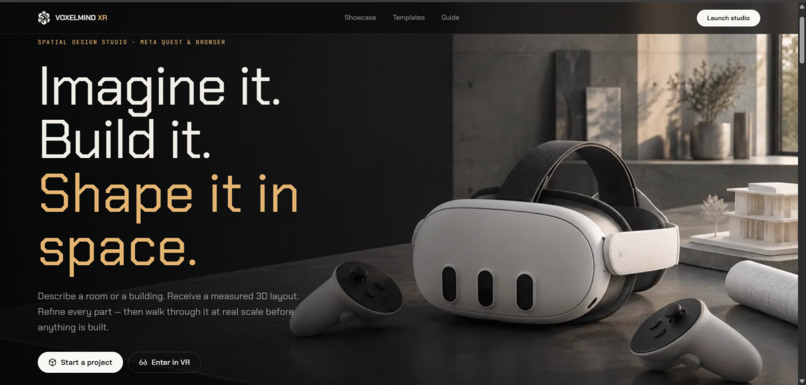
Main Interface
-
-
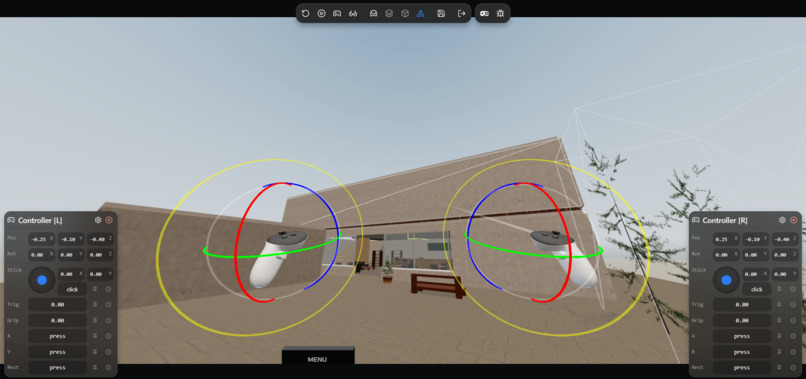
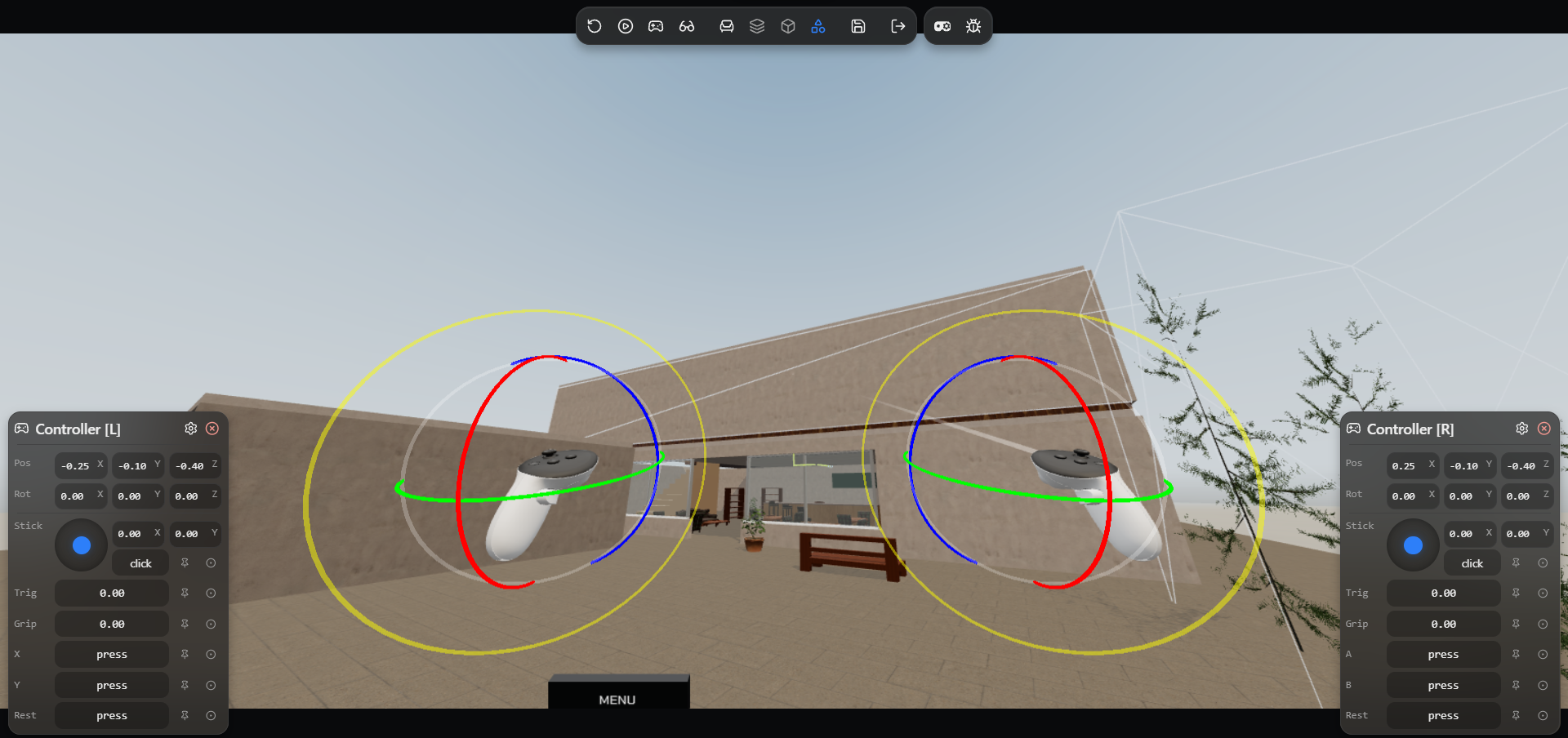
VR Project-front view
-
-
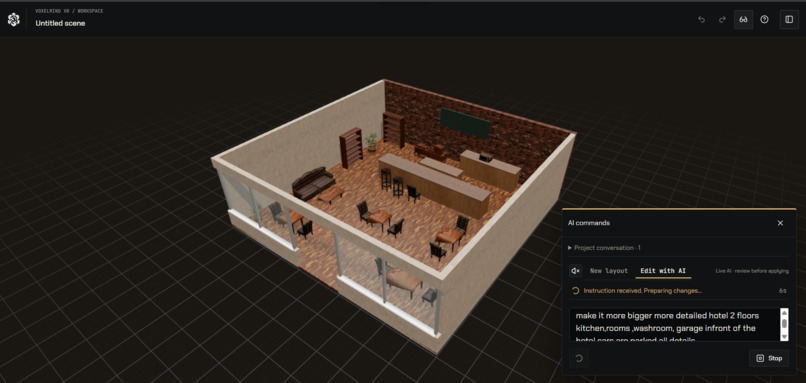
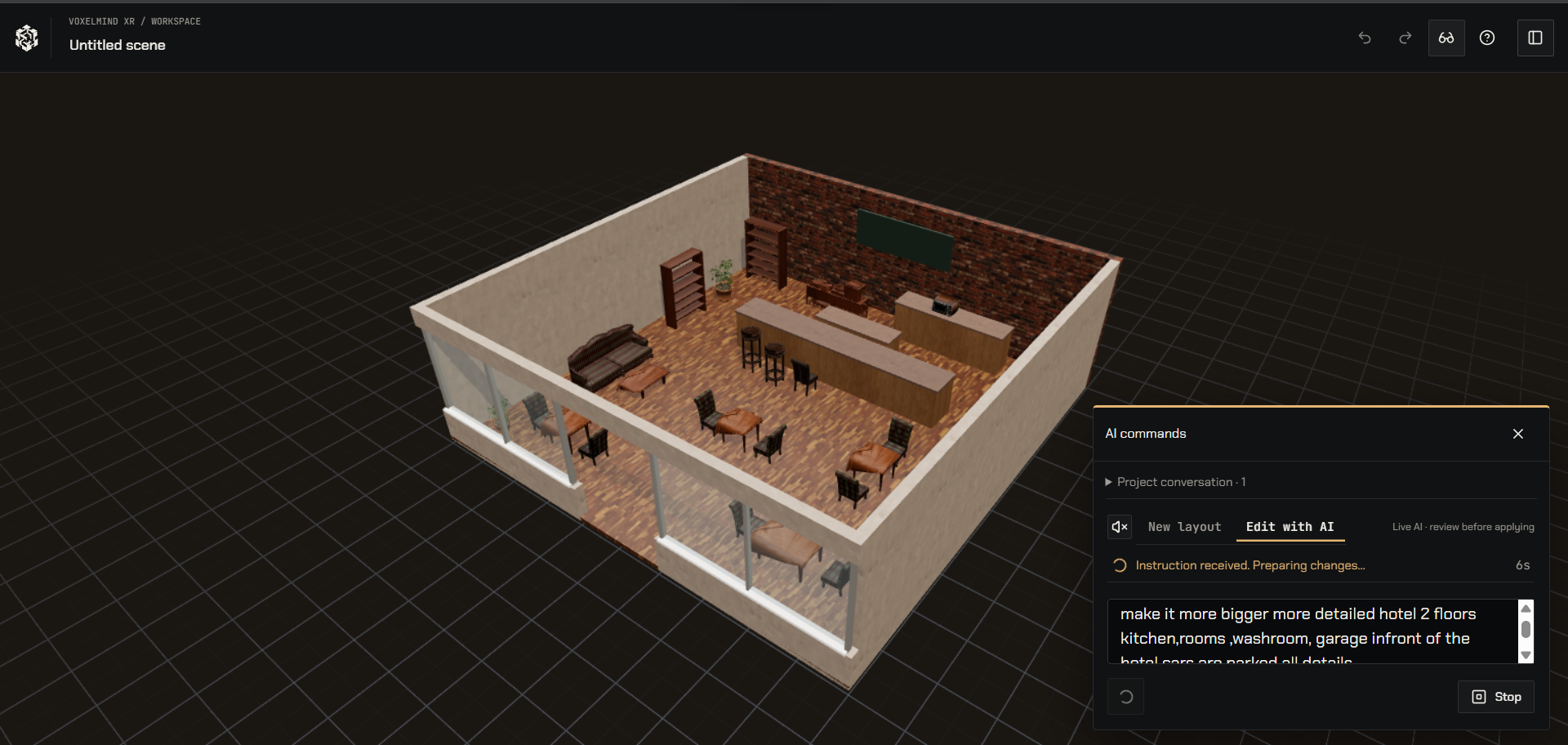
AI Commands
-
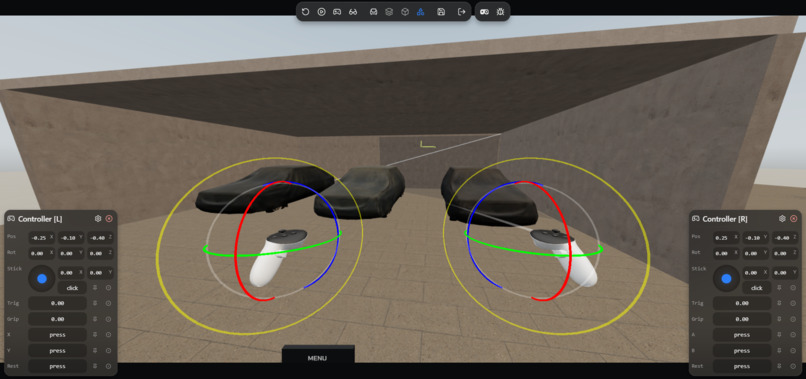
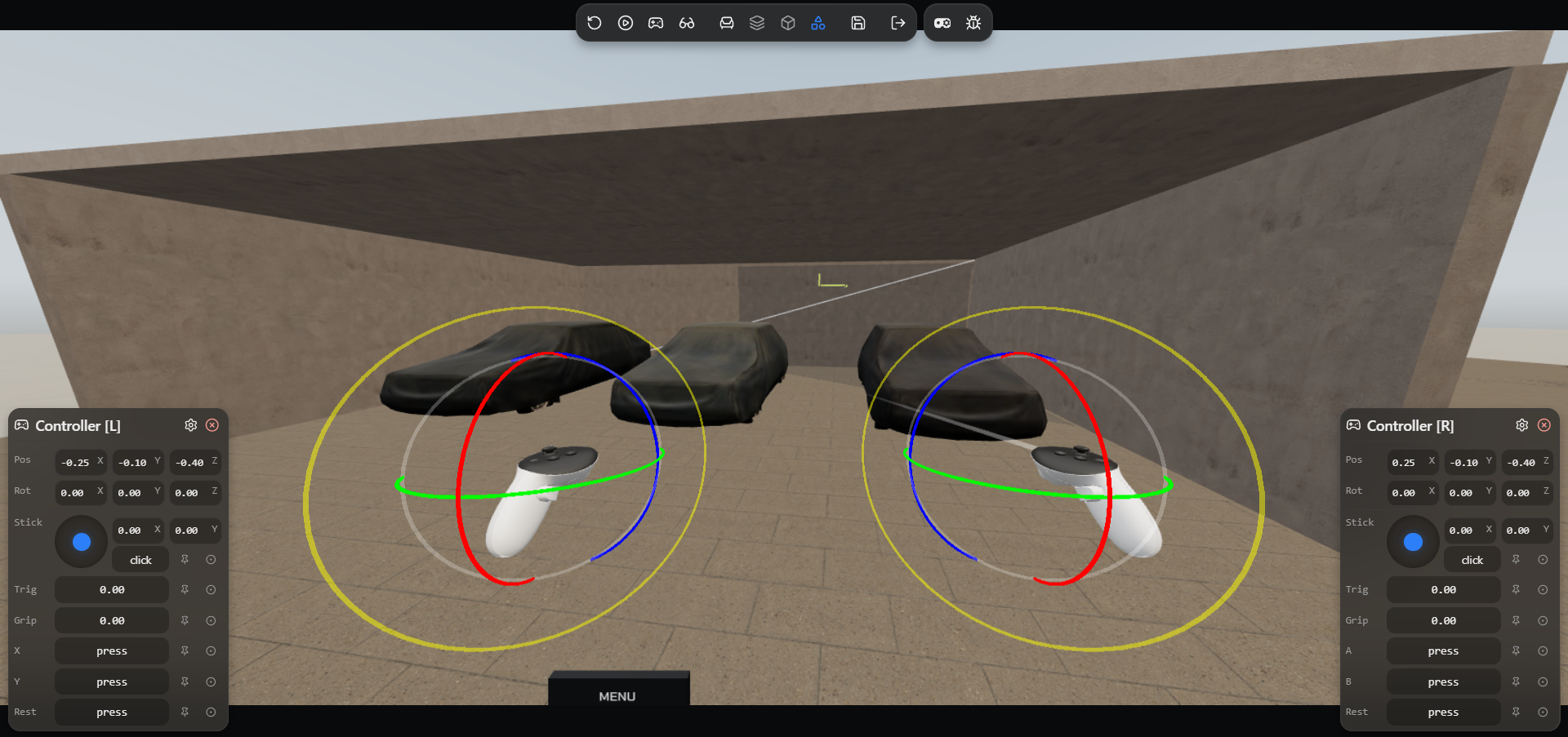
Garage
-
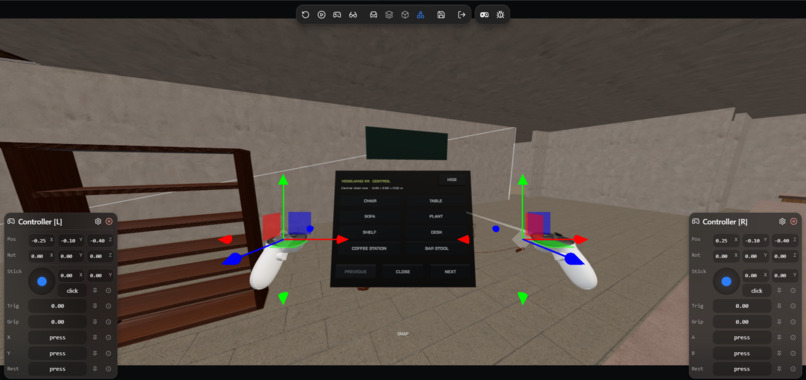
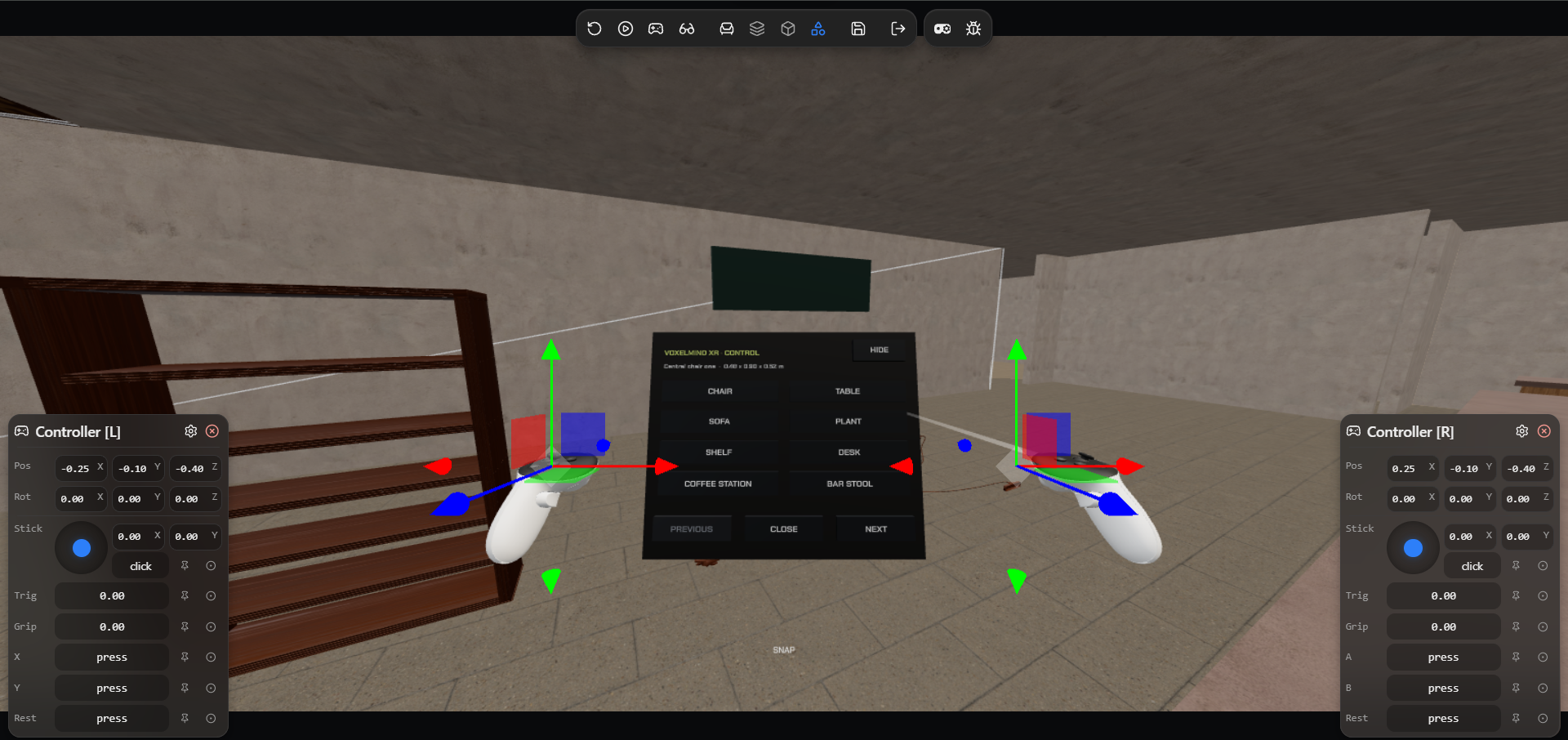
VR menu button
-
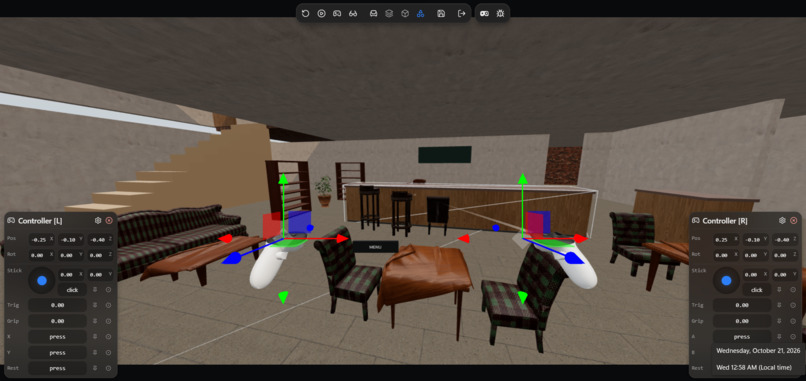
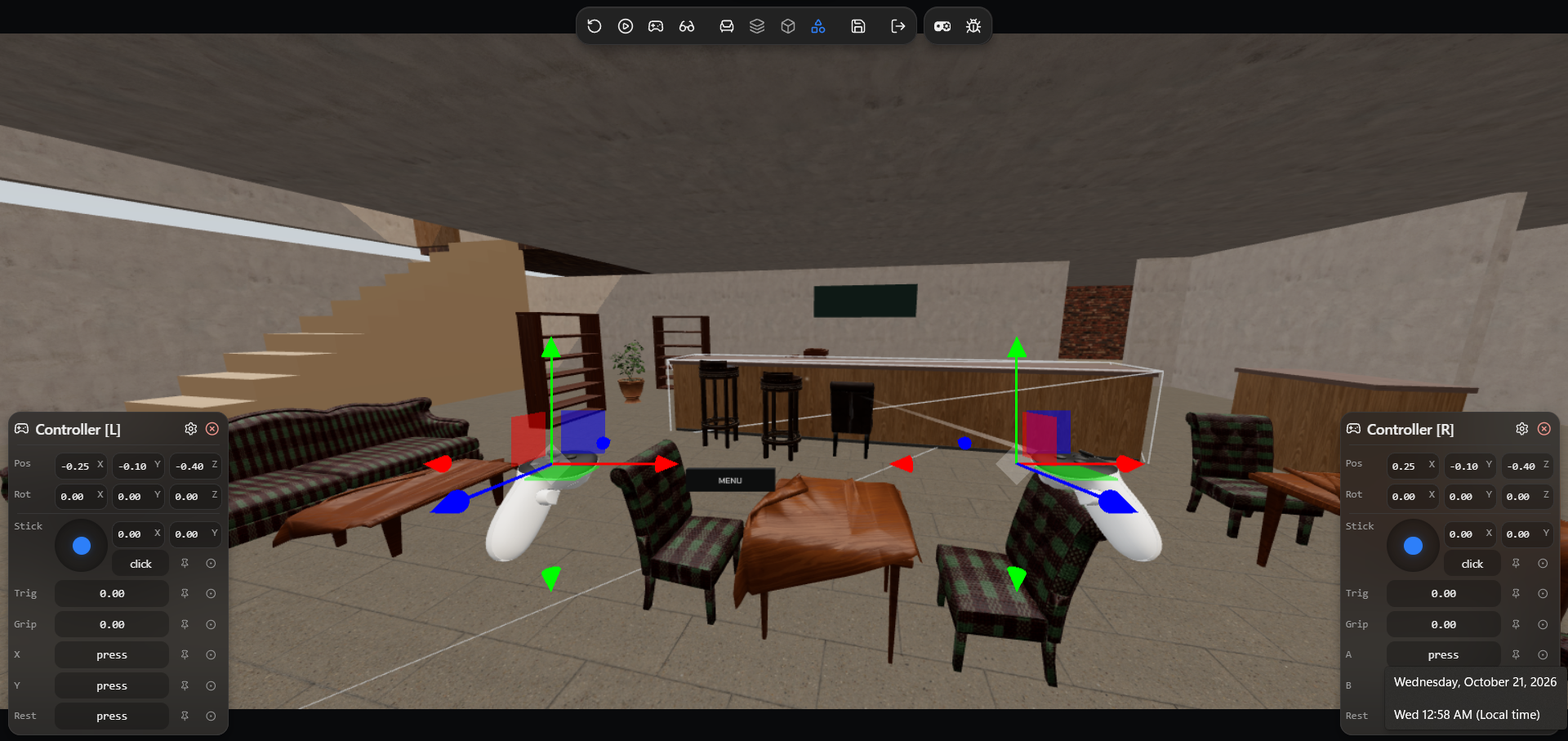
VR View & Controls
-
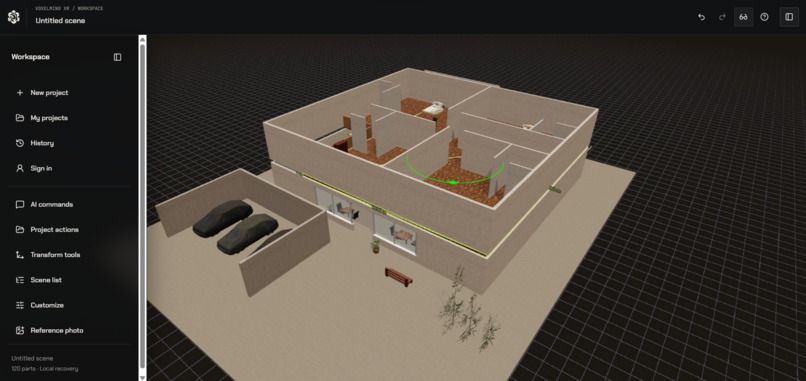
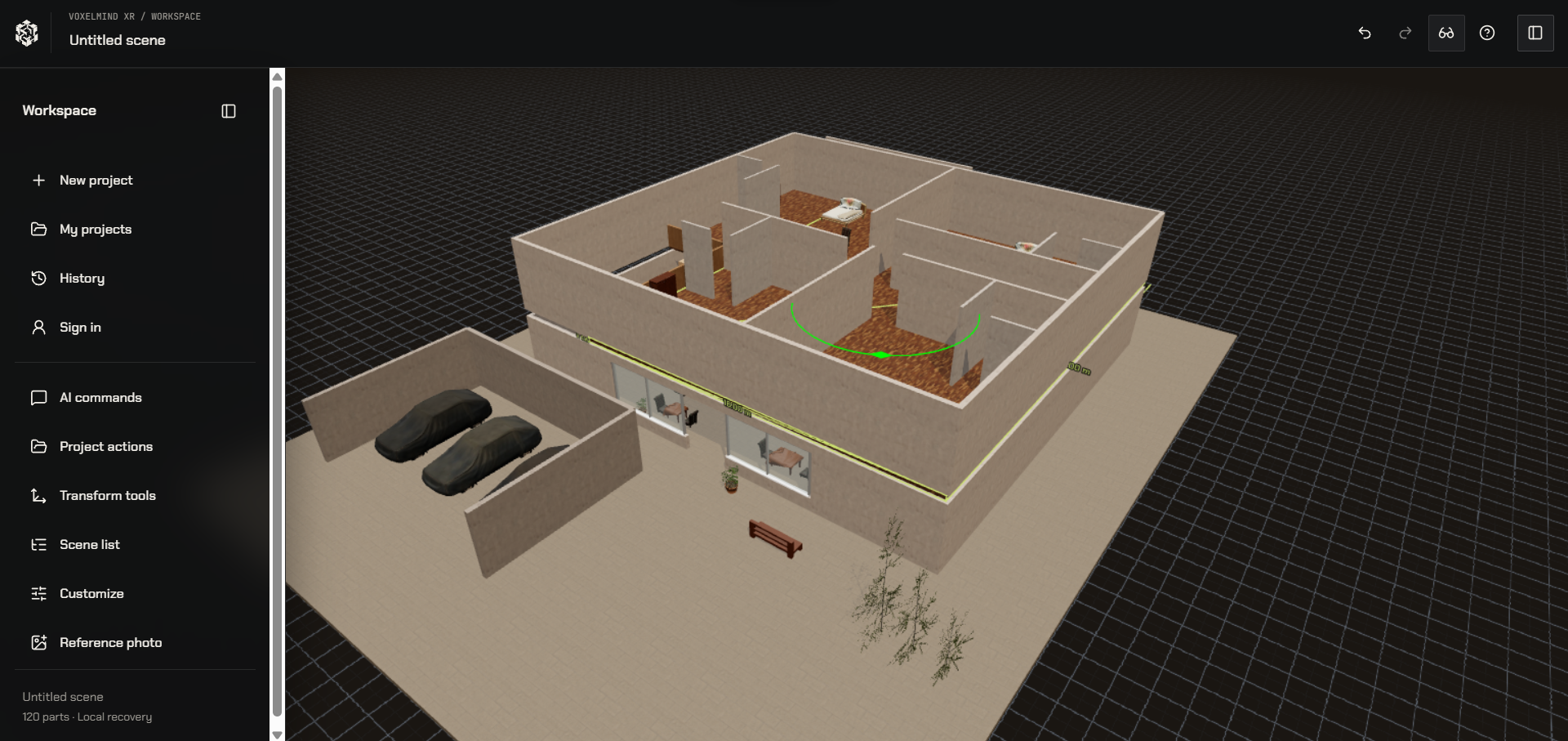
web interface & menu
-
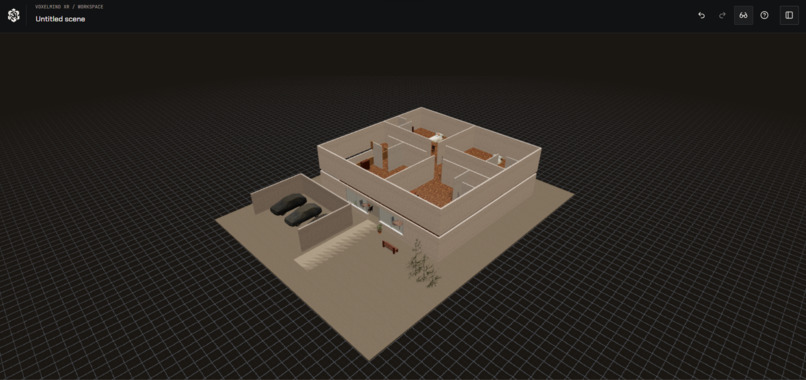
-
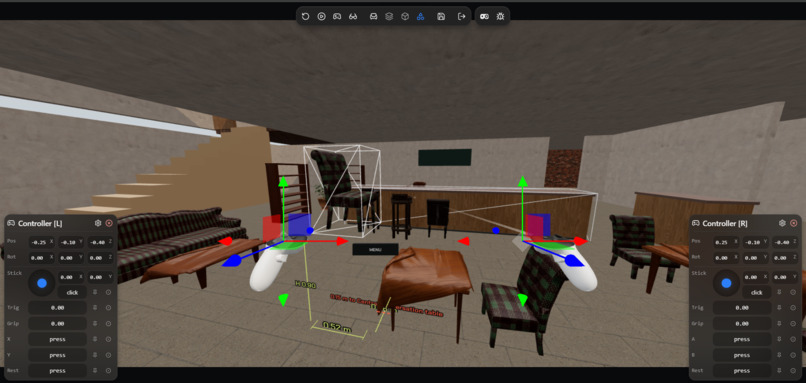
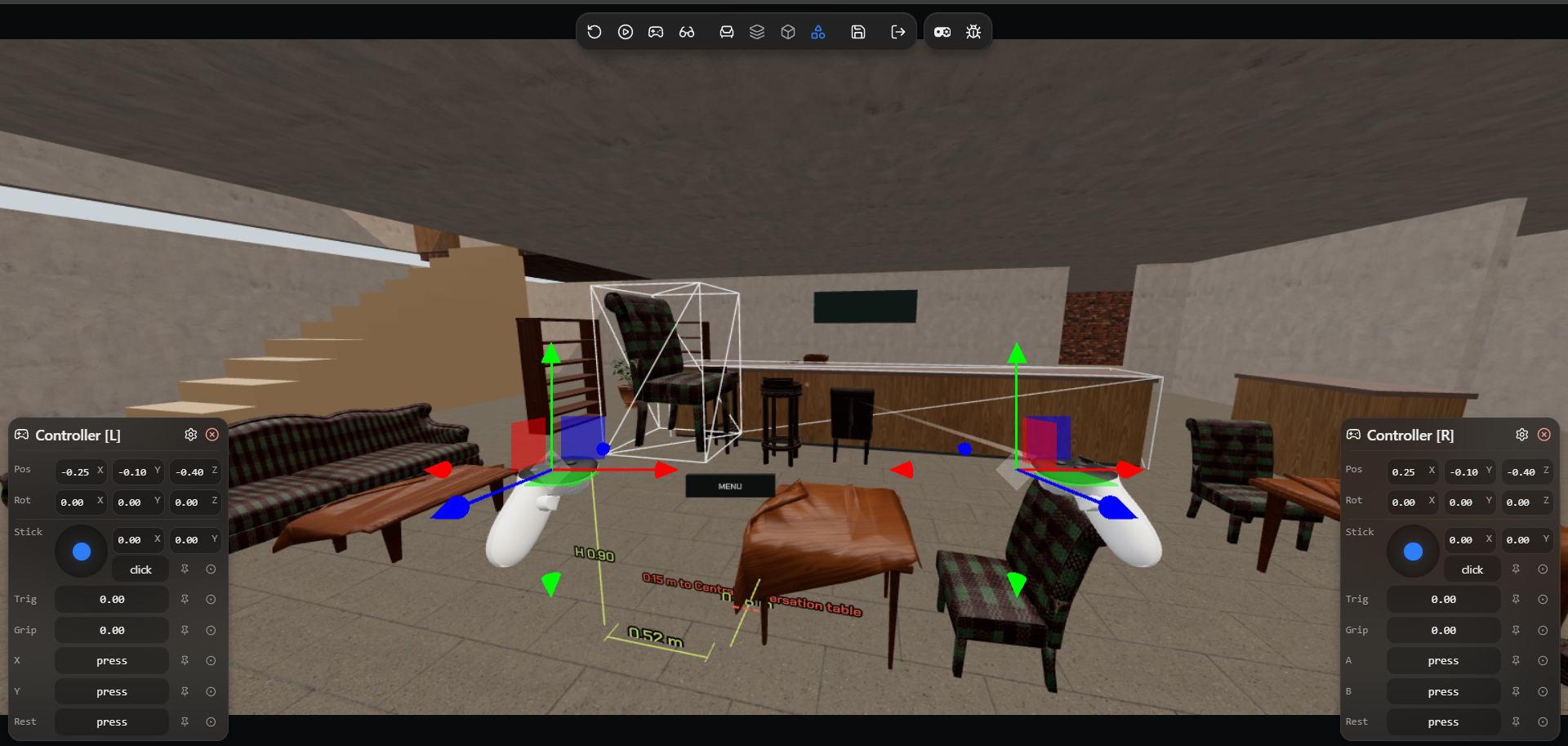
Elements grabs, moves, customize
-
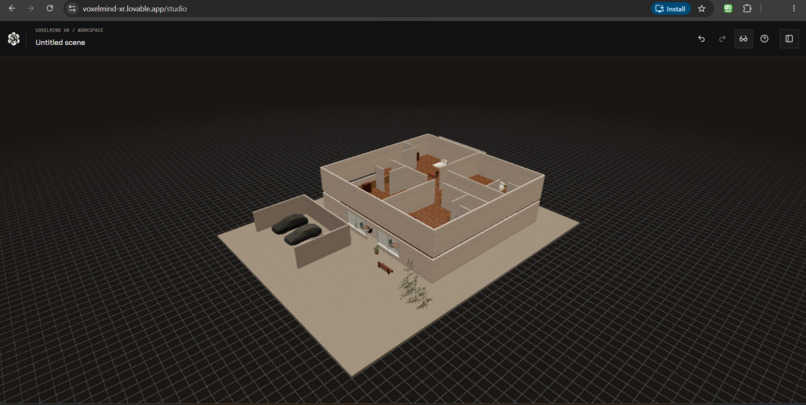
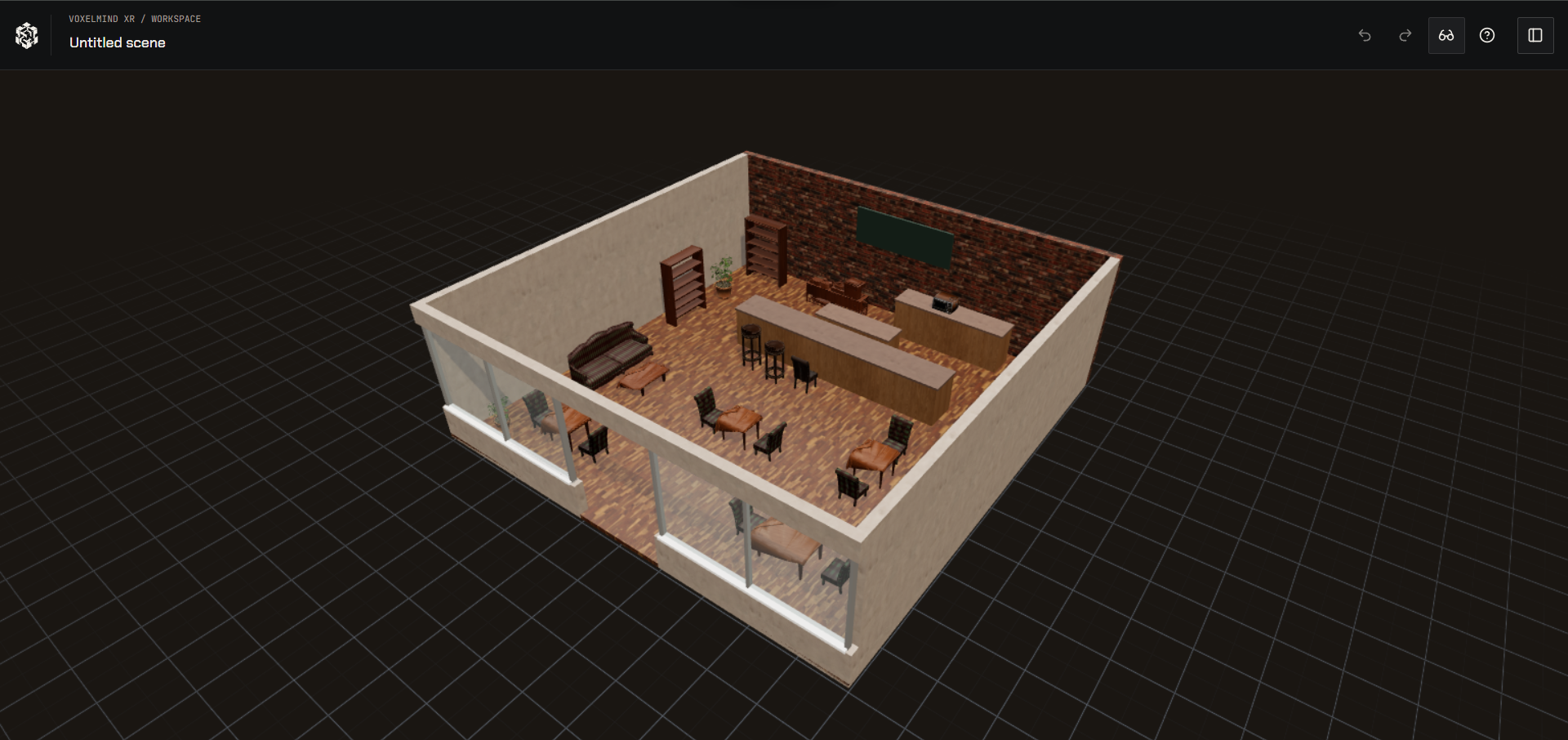
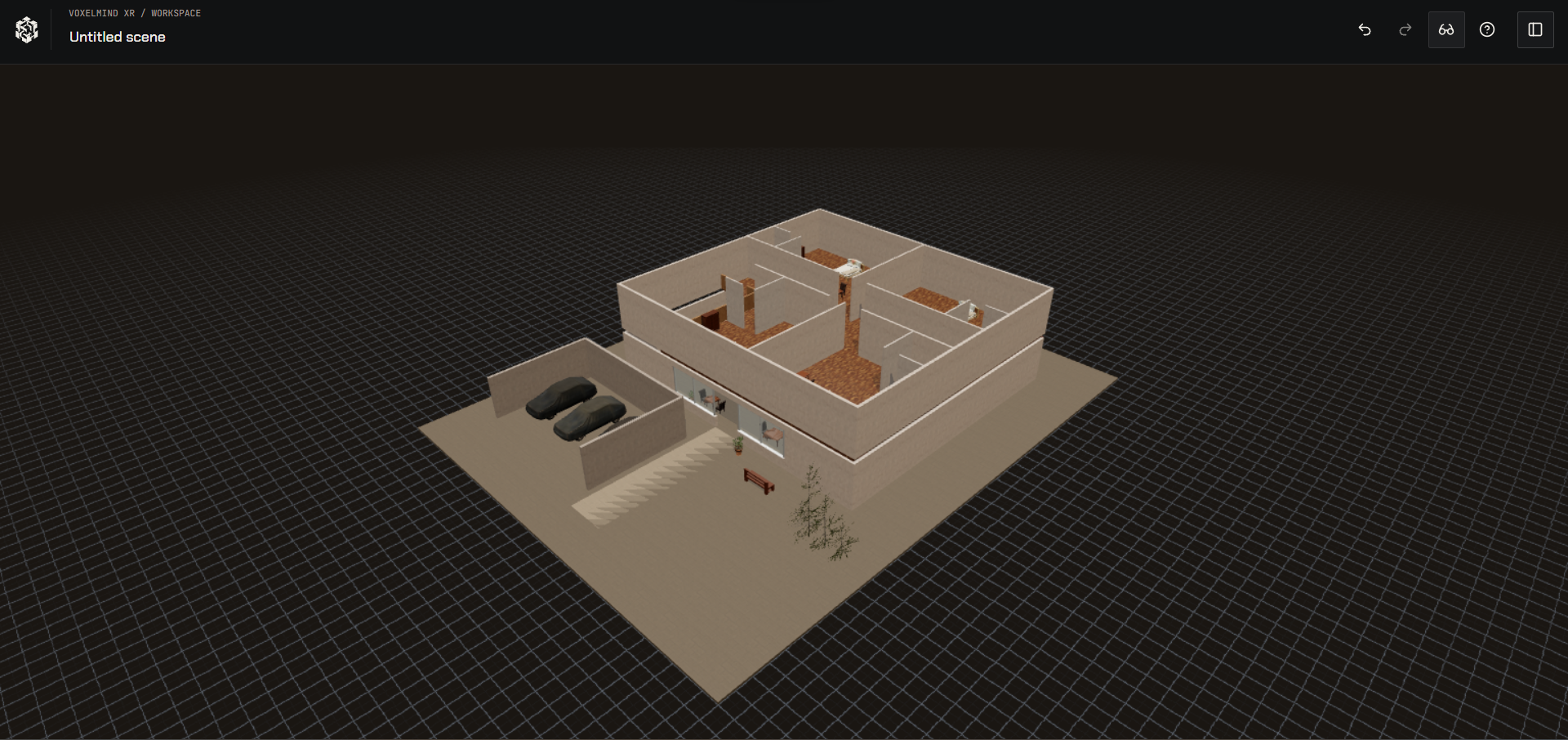
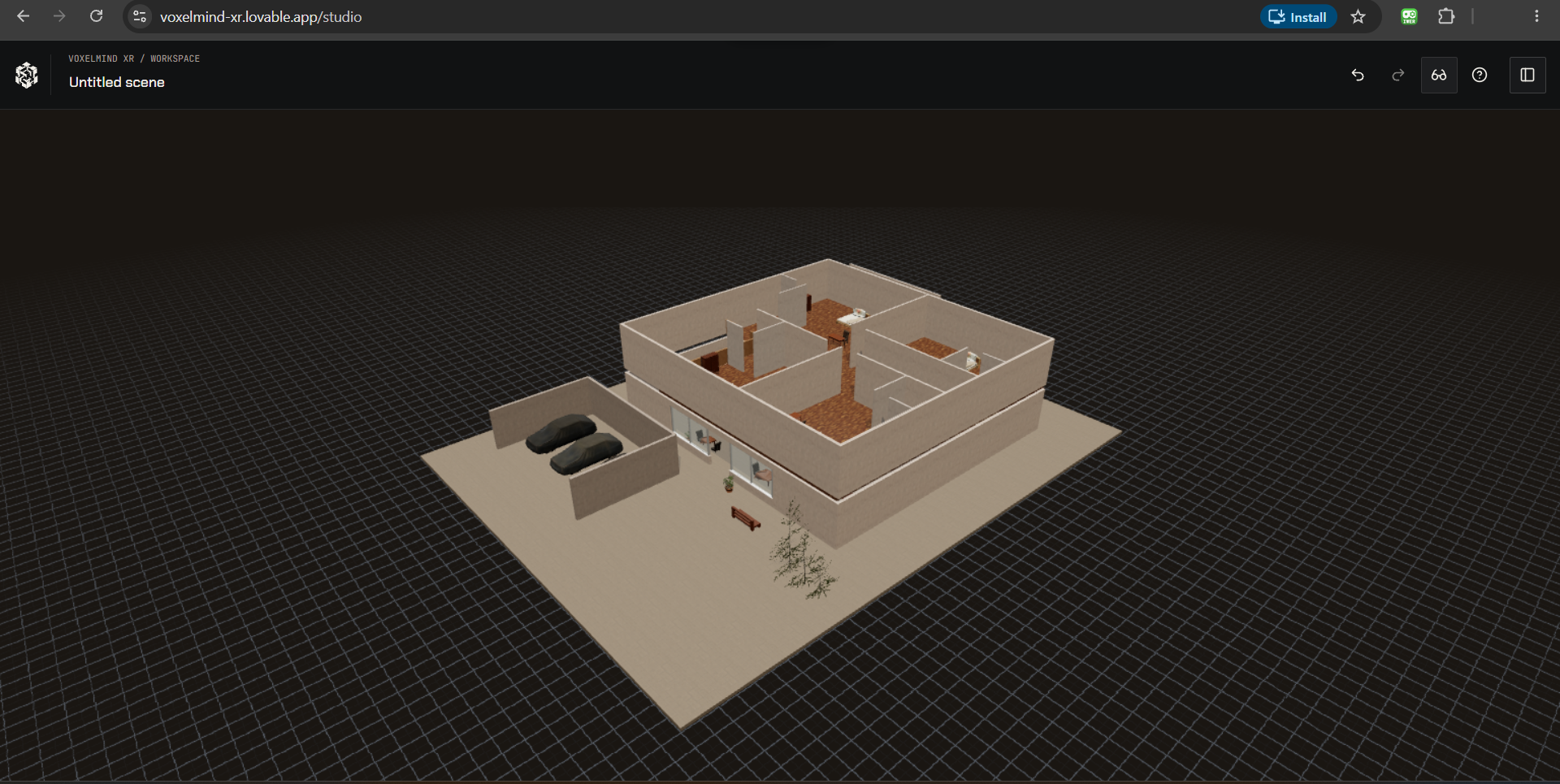
whole project view
-
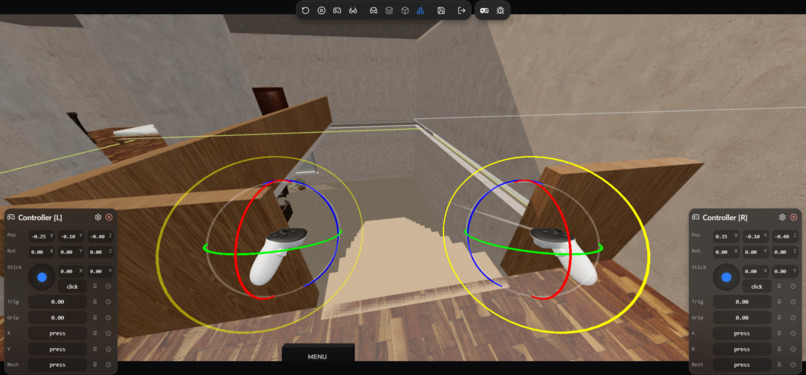
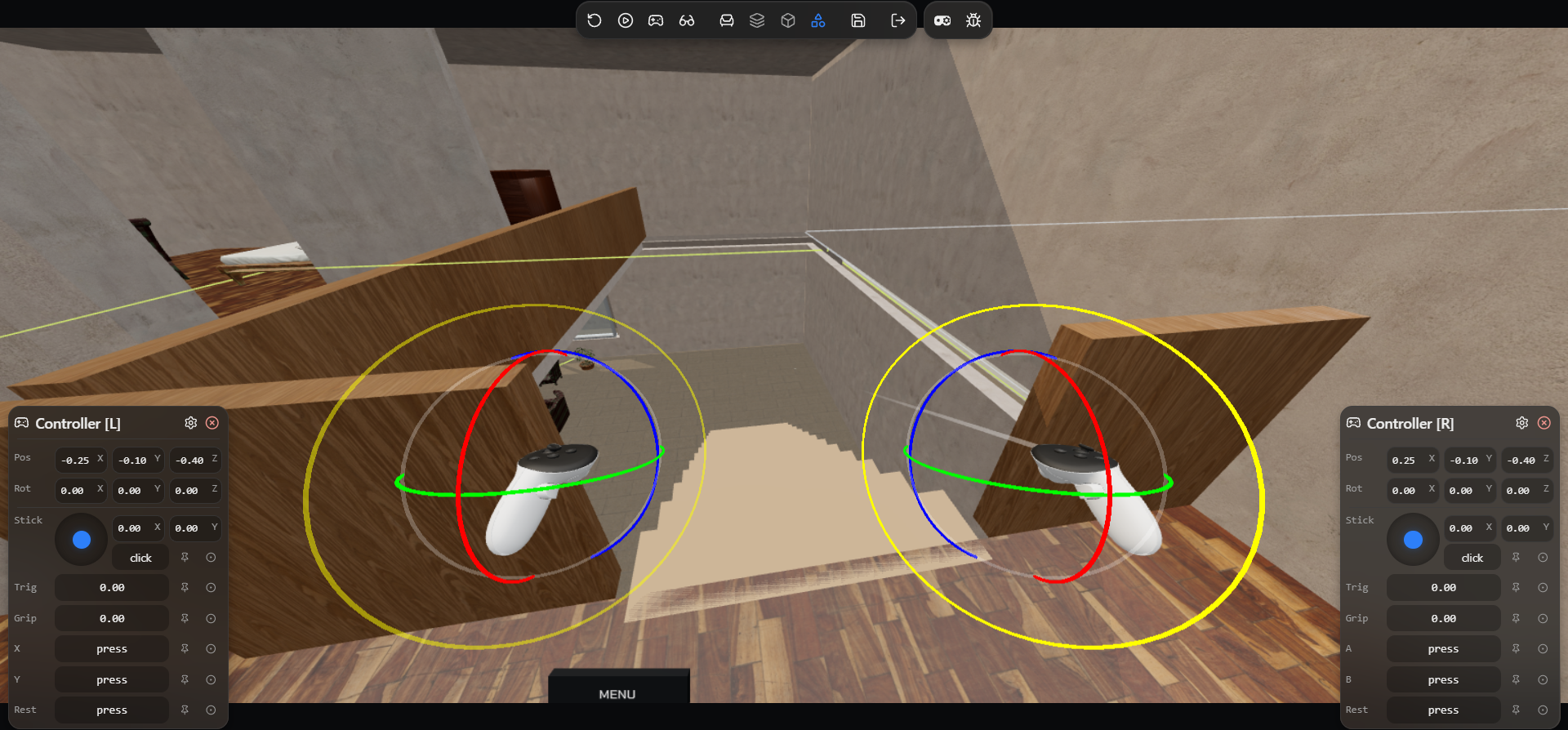
Stairs
-
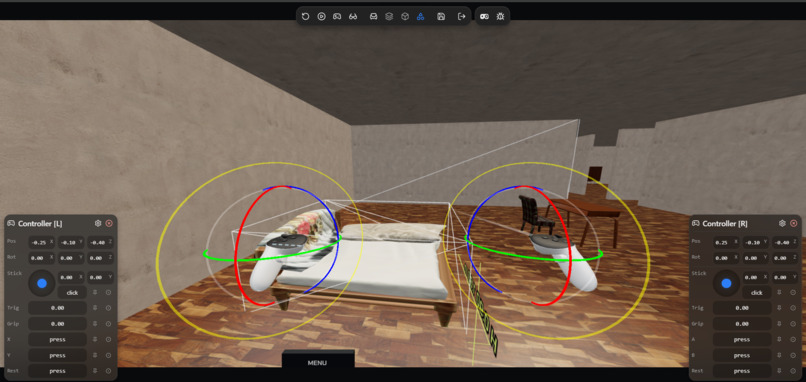
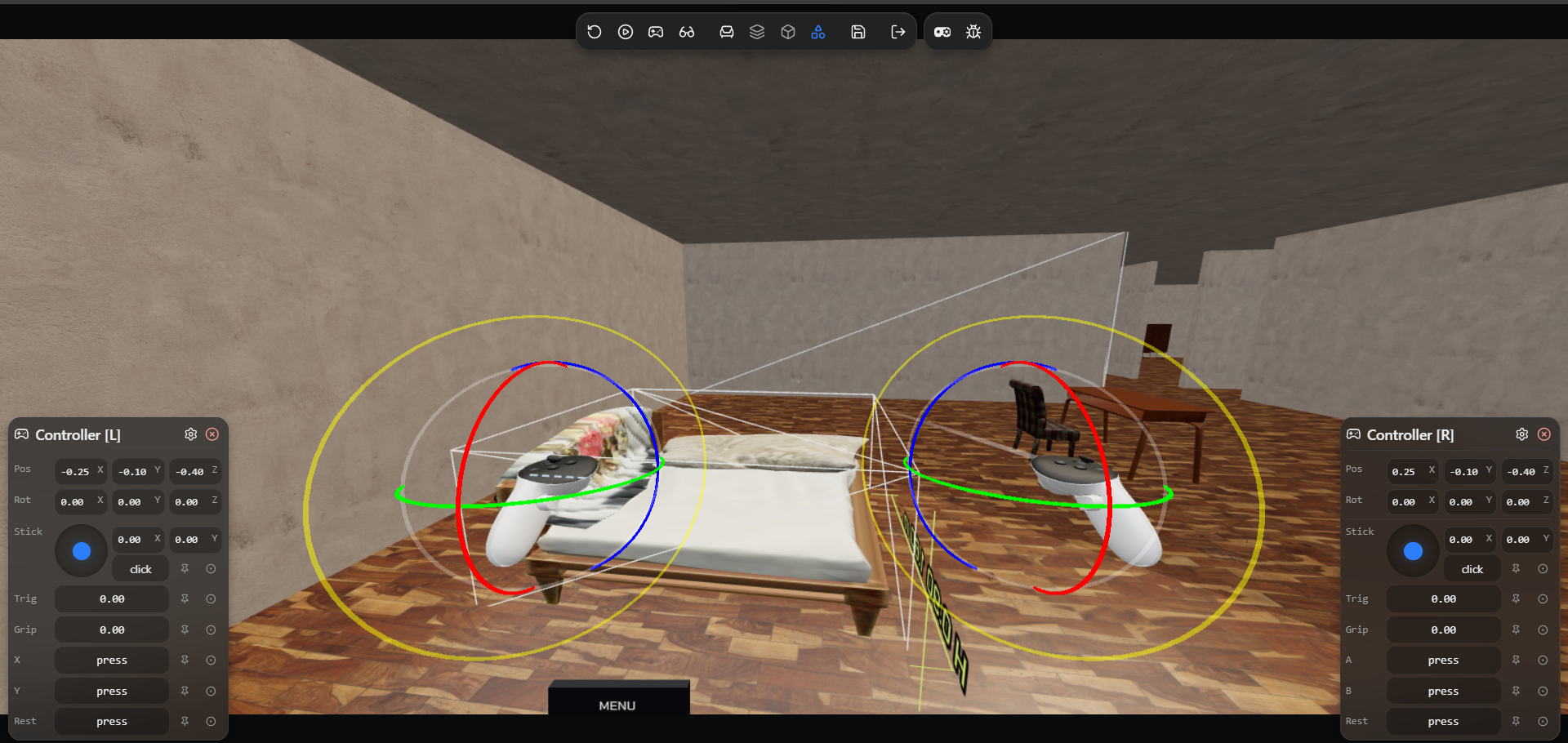
Bed
Inspiration
Creating a 3D environment should not require years of experience with complex 3D modeling software. We imagined a future where anyone could describe an idea in natural language and turn it into a spatial environment they can explore, edit, and shape.
That vision inspired VOXELMIND XR—an AI-powered spatial creation studio designed to make 3D creation more accessible, intuitive, and interactive. From a coffee shop or classroom to an office, building, or entire city, we want to make spatial creativity accessible to more people.
What it does
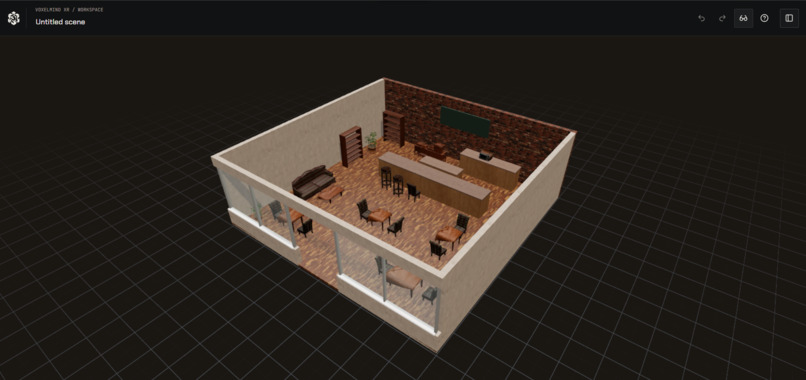
VOXELMIND XR aims to transform text prompts into editable 3D environments. Users can describe a space they want to create, generate a spatial scene, and refine its layout and objects.
Potential use cases include:
- Architecture and interior design: Visualize early concepts before detailed modeling.
- Education: Create interactive representations of spaces and ideas.
- Productivity: Prototype offices, classrooms, and workspaces.
- Creative exploration: Experiment with different environments without starting from scratch.
Our vision is to make spatial creation feel as natural as describing an idea.
How we built it
We developed VOXELMIND XR as a web-based spatial creation experience, using an AI-assisted development workflow to accelerate implementation and iteration.
The project combines a web interface with a 3D scene-building approach, with a focus on translating user ideas into structured, editable environments. Our development priorities include scene generation, object manipulation, saving and reopening projects, and exploring immersive WebXR experiences.
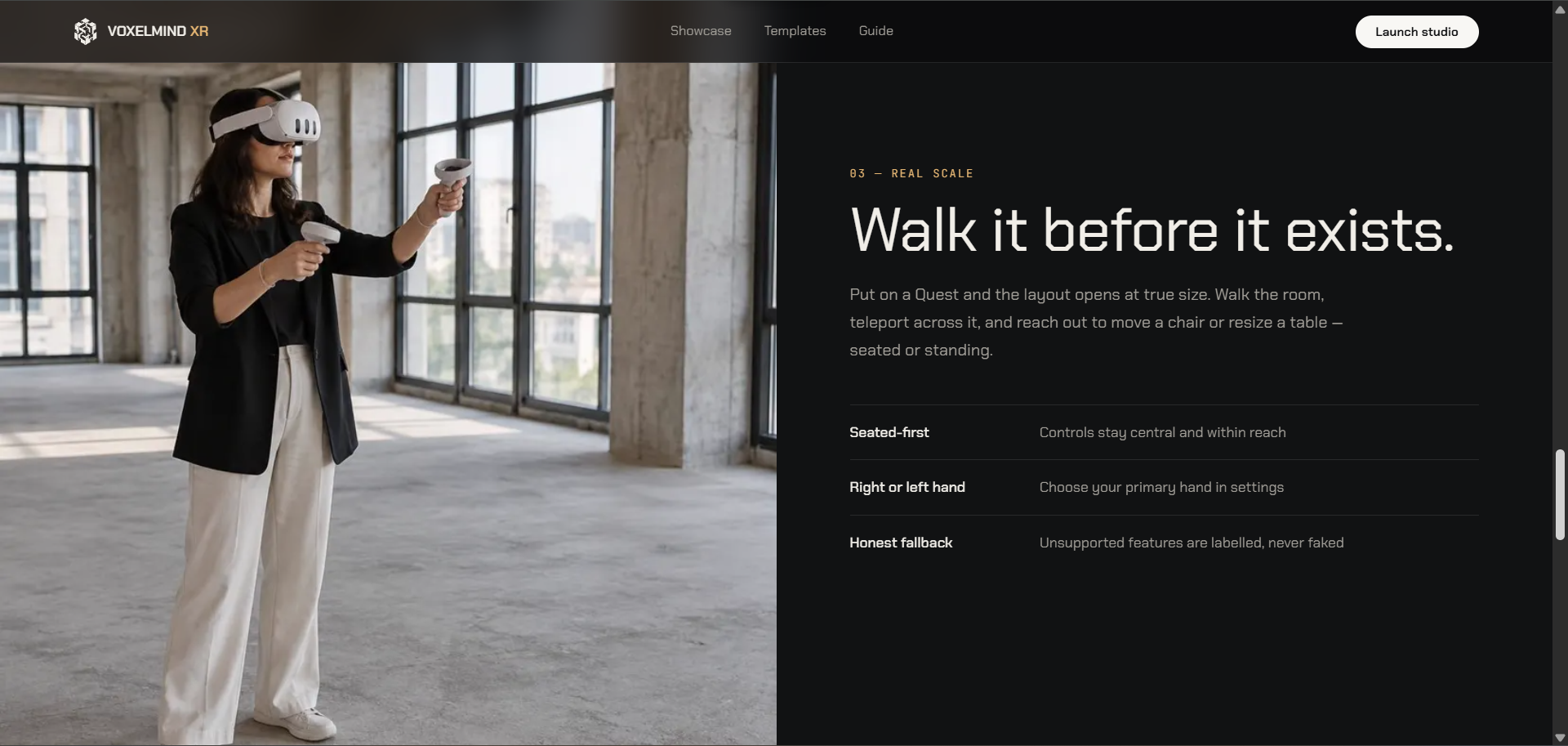
We are also exploring how WebXR and the Immersive Web SDK (IWSDK) can support a more natural spatial workflow for compatible VR devices.
Challenges we ran into
One of our biggest challenges was bridging the gap between a conventional web application and a genuinely immersive spatial experience.
Generating a visually convincing scene is only part of the problem. The environment also needs to be editable, responsive, and useful rather than a static 3D preview.
Other challenges included:
- Designing a flexible workflow for different types of environments instead of relying on a single template.
- Keeping scene generation and object editing understandable for new users.
- Exploring immersive interaction while preserving a usable desktop experience.
- Distinguishing implemented functionality from features that still require hardware testing and further development.
These challenges helped us focus on building a practical foundation rather than relying on visual demonstrations alone.
Accomplishments that we’re proud of
We brought the VOXELMIND XR concept into a working web-based project and established a foundation for AI-assisted spatial creation.
We are proud of the direction: a tool that aims to connect natural-language creativity with editable 3D environments, making spatial prototyping more approachable for people who may not have traditional 3D modeling experience.
We also see the project as an opportunity to explore how web technologies can make spatial tools easier to access and develop.
What we learned
We learned that building a spatial creation tool requires more than combining AI with 3D graphics. The quality of the experience depends on reliable scene generation, meaningful editing controls, intuitive interaction, and consistent behavior across supported devices.
We also learned to treat immersive functionality as something that must be implemented and tested—not simply suggested by a VR-inspired interface.
Most importantly, we learned to approach AI-powered spatial creation as a complete workflow: from describing an idea to producing, editing, and revisiting a useful environment.
What’s next for VOXELMIND XR
Our next goal is to move VOXELMIND XR toward a more complete spatial creation workflow.
We plan to improve prompt-to-scene generation, expand object-level editing, strengthen project saving and reopening, and investigate hands-first interaction for compatible Meta Quest devices through WebXR and IWSDK.
We also want to evaluate usability, performance, and immersive interactions on actual supported hardware before making broader compatibility claims.
Our long-term vision is simple: describe a world, bring it into 3D, and shape it yourself.
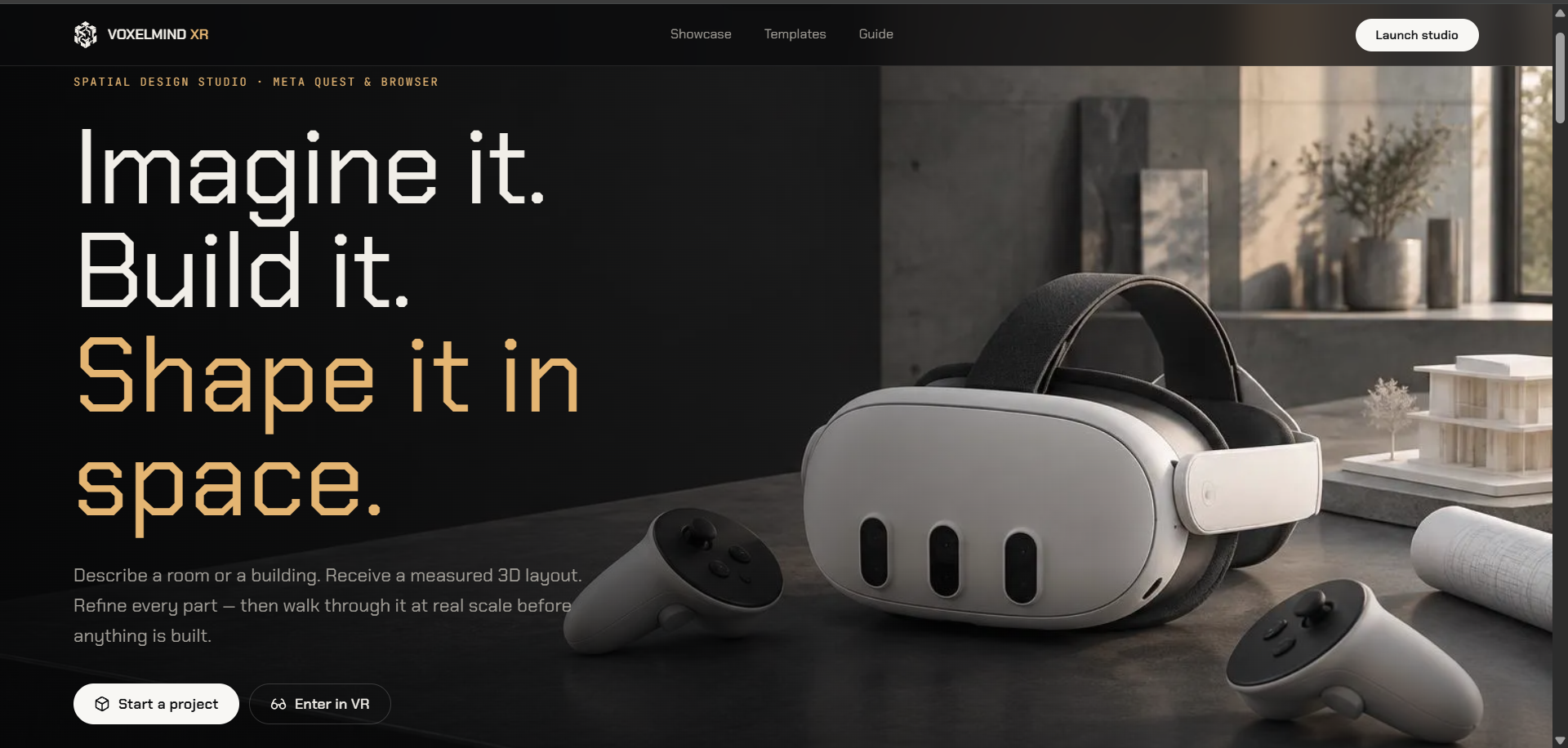
VOXELMIND XR — Imagine it. Build it. Shape it in Space.
Built With
- 3d
- ai
- api
- css
- iwsdk
- lovable
- machine-learning
- metaquest
- react
- react-three/xr
- supabase
- tailwind
- three.js
- typescript
- webxr

Log in or sign up for Devpost to join the conversation.