-
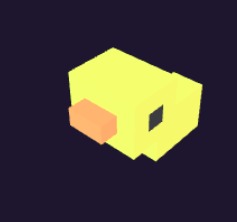
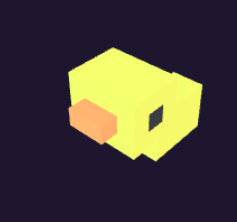
duck :D
-
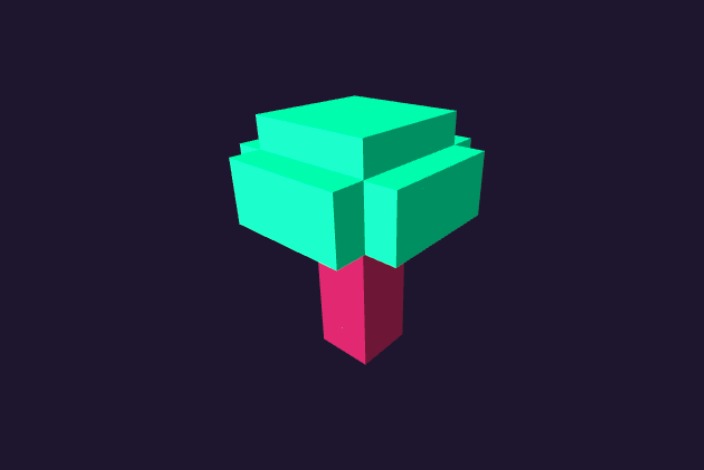
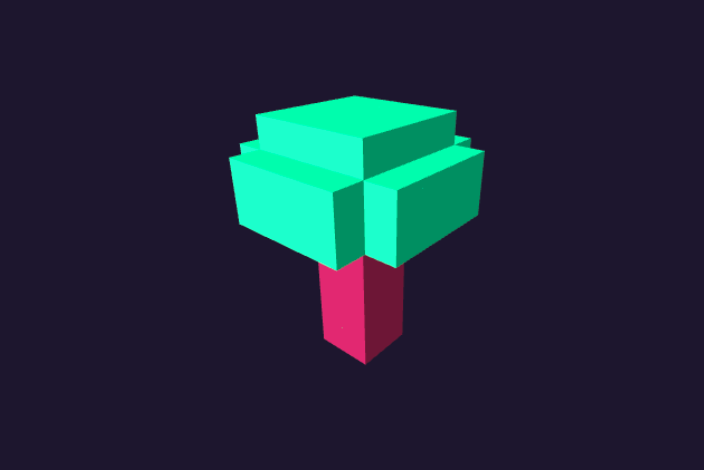
tree :D
-
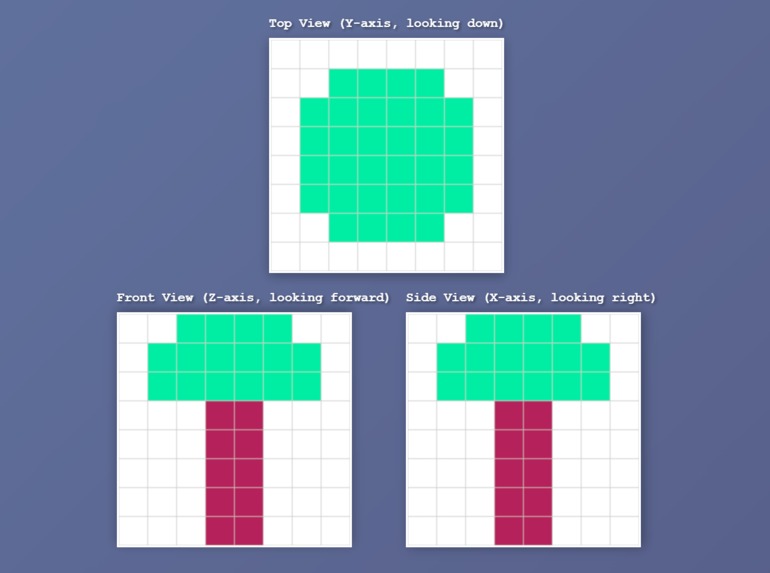
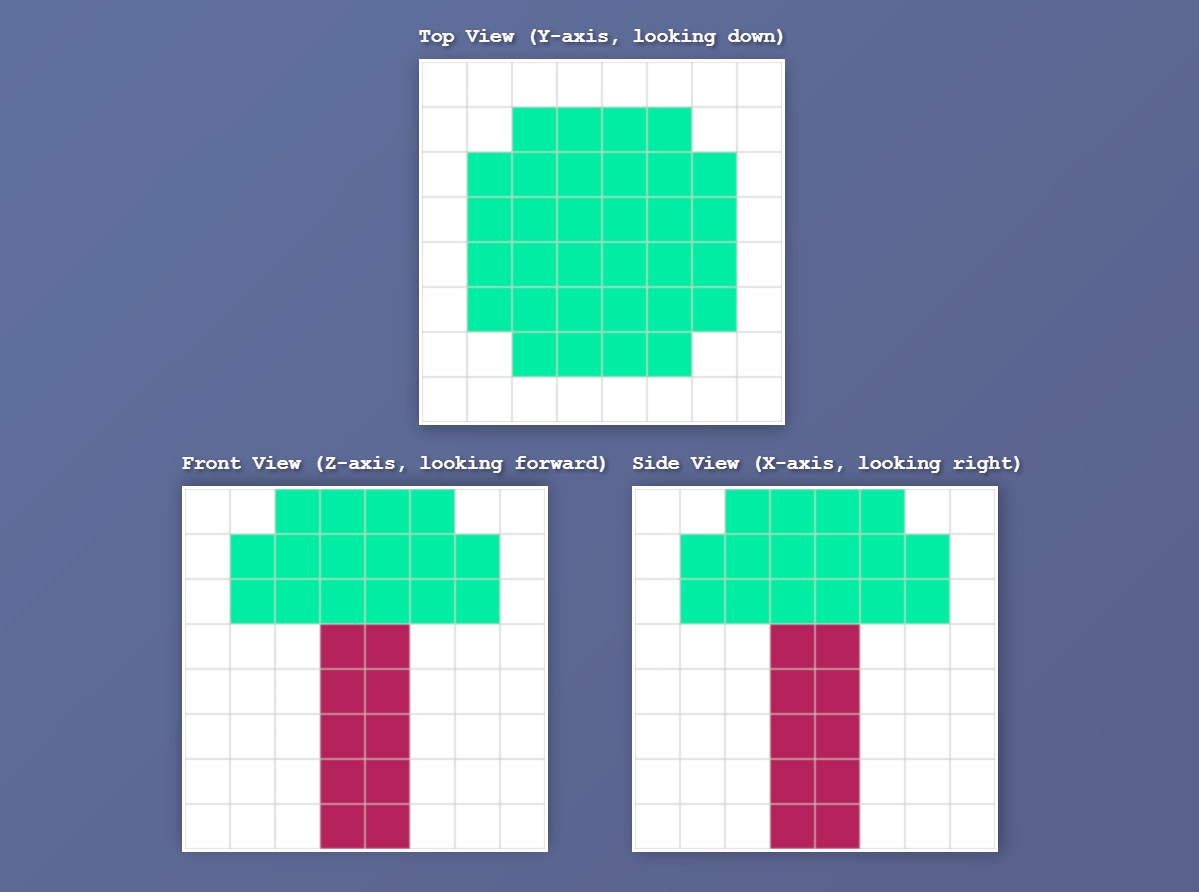
user input
-
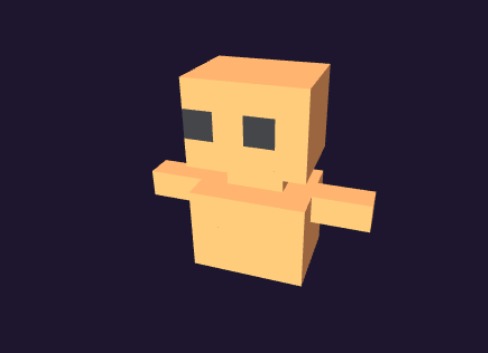
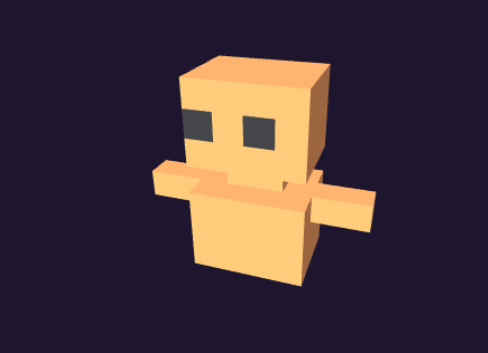
lil guy :D
Inspiration
We bounced around a couple ideas at first. The inspiration for this one in particular was a math video about reverse engineering a 3d object from its shadows
What it does
It takes in 3 8x8 pixel canvases as user input and produces a render of a 3d voxel model based on those images
How we built it
Brainstormed for a while and then after we had an idea we were happy with, used Claude AI Sonnet 4.5 (free plan) to generate a base framework in HTML/CSS/JS. The vast majority of our time was debugging the obvious logic errors that ensued, customizing the website's aesthetic to our satisfaction and adding additional functionality. We also used the JavaScript library ThreeJS for 3d rendering
Challenges we ran into
3d rotation issues, sleep deprivation, learning ThreeJS, canvas issues, micromanaging CSS variables, manually adding demo models
Accomplishments that we're proud of
Although, I've had web dev experience in the past, this is the best finished product I've made, especially considering the time constraints
What we learned
ThreeJS is amazing! First time using that JavScript extension but I'll definitely use it again
What's next for Voxel Sculptor
Main functionality that we wanted to include was the ability to export models. Also, the mappings of side views to a 3 dimensional object isn't one to one so we wanted to include a precise voxel editor where who could alter the model after the initial generation
Built With
- claude
- html/css/js
- three.js


Log in or sign up for Devpost to join the conversation.