-
-
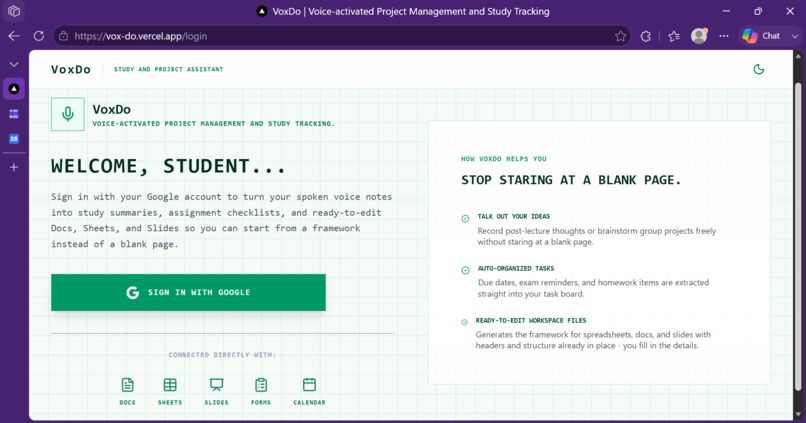
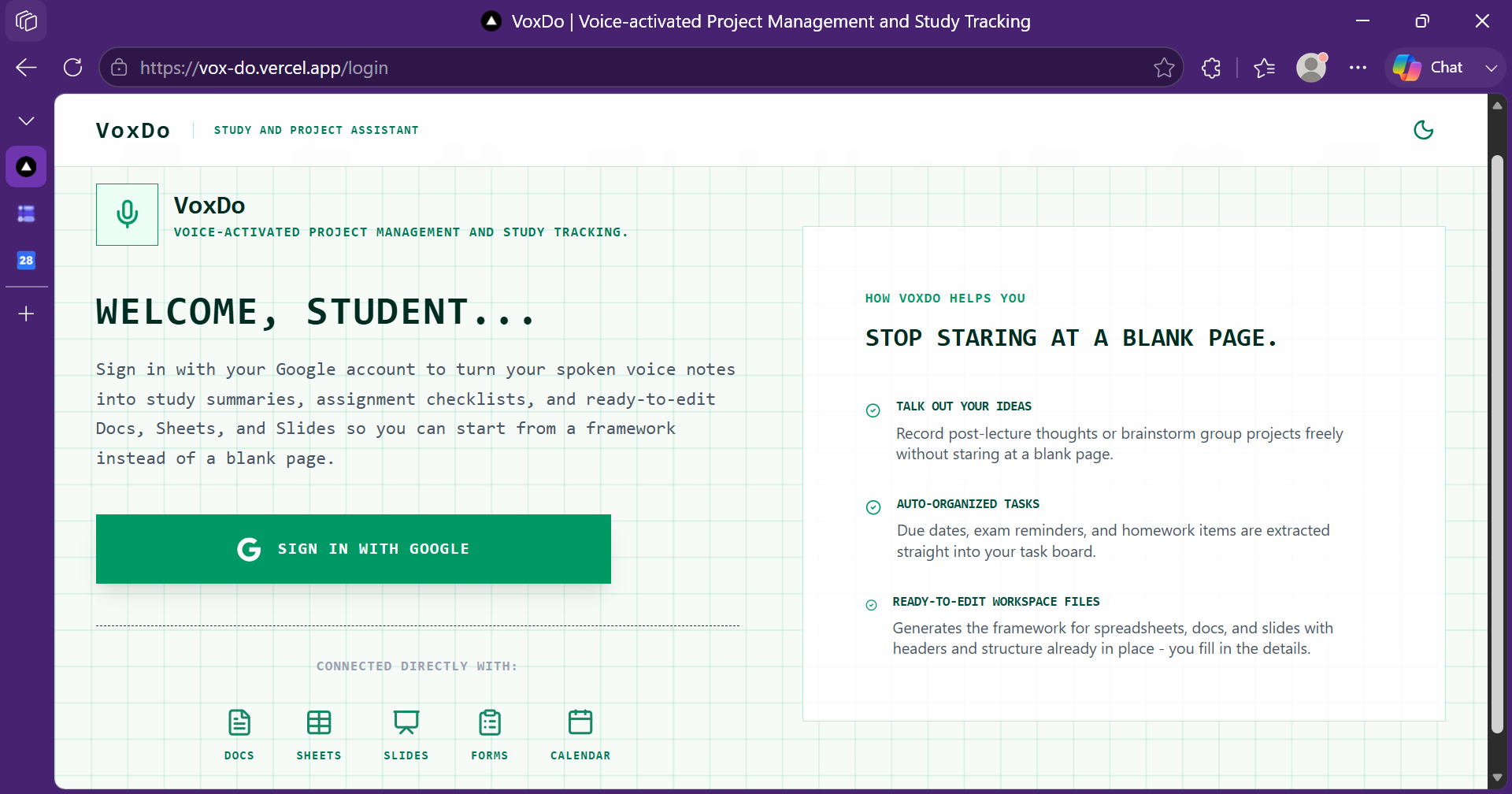
Log in page with secure authentication. Uses NextAuth and Google OAuth 2.0.
-
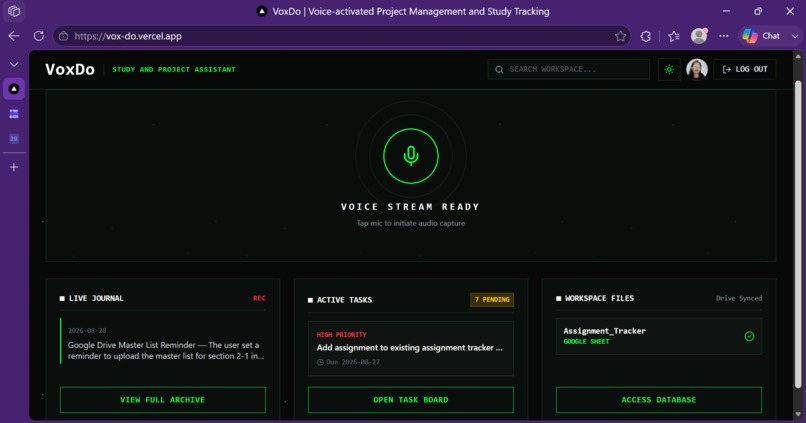
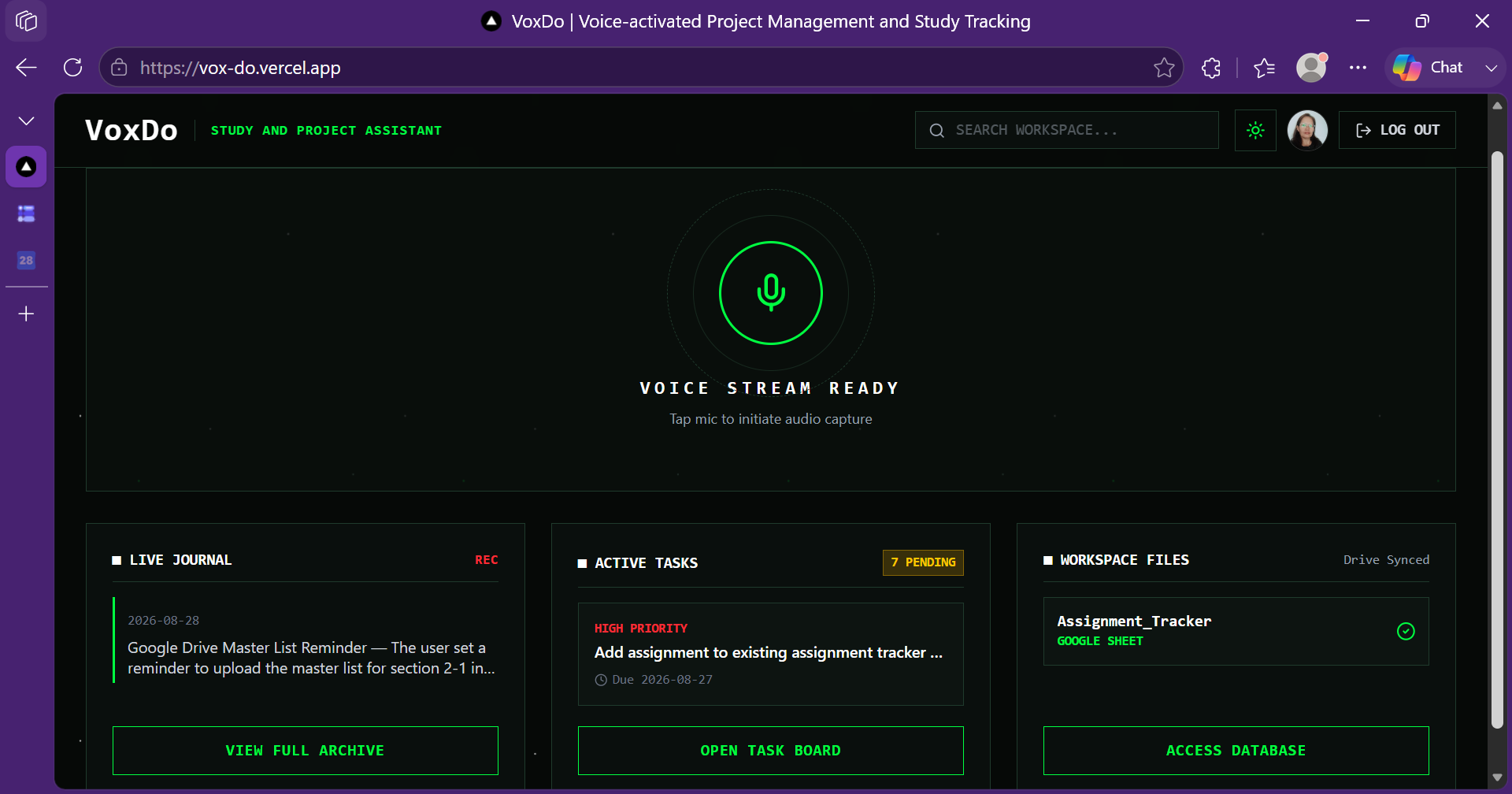
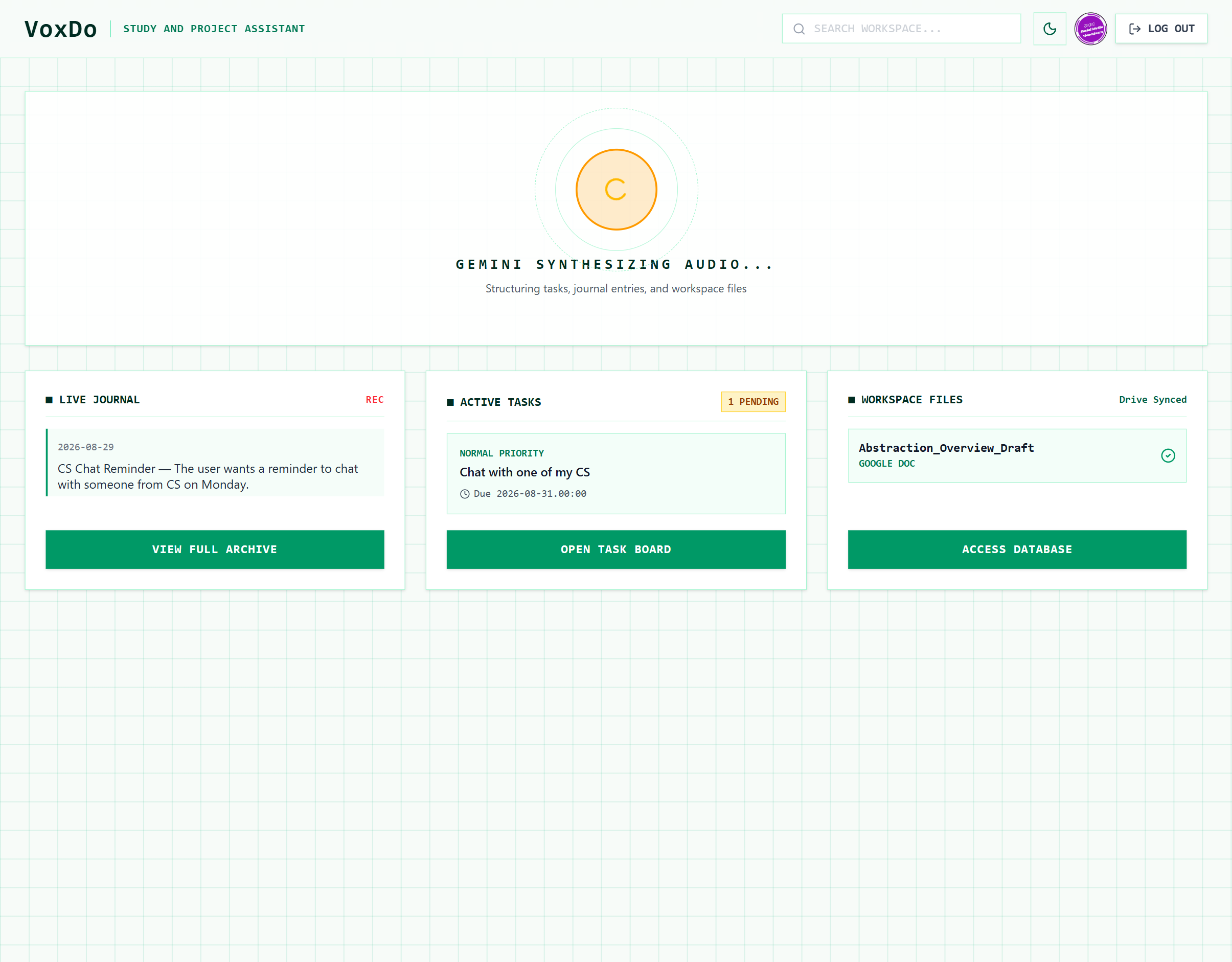
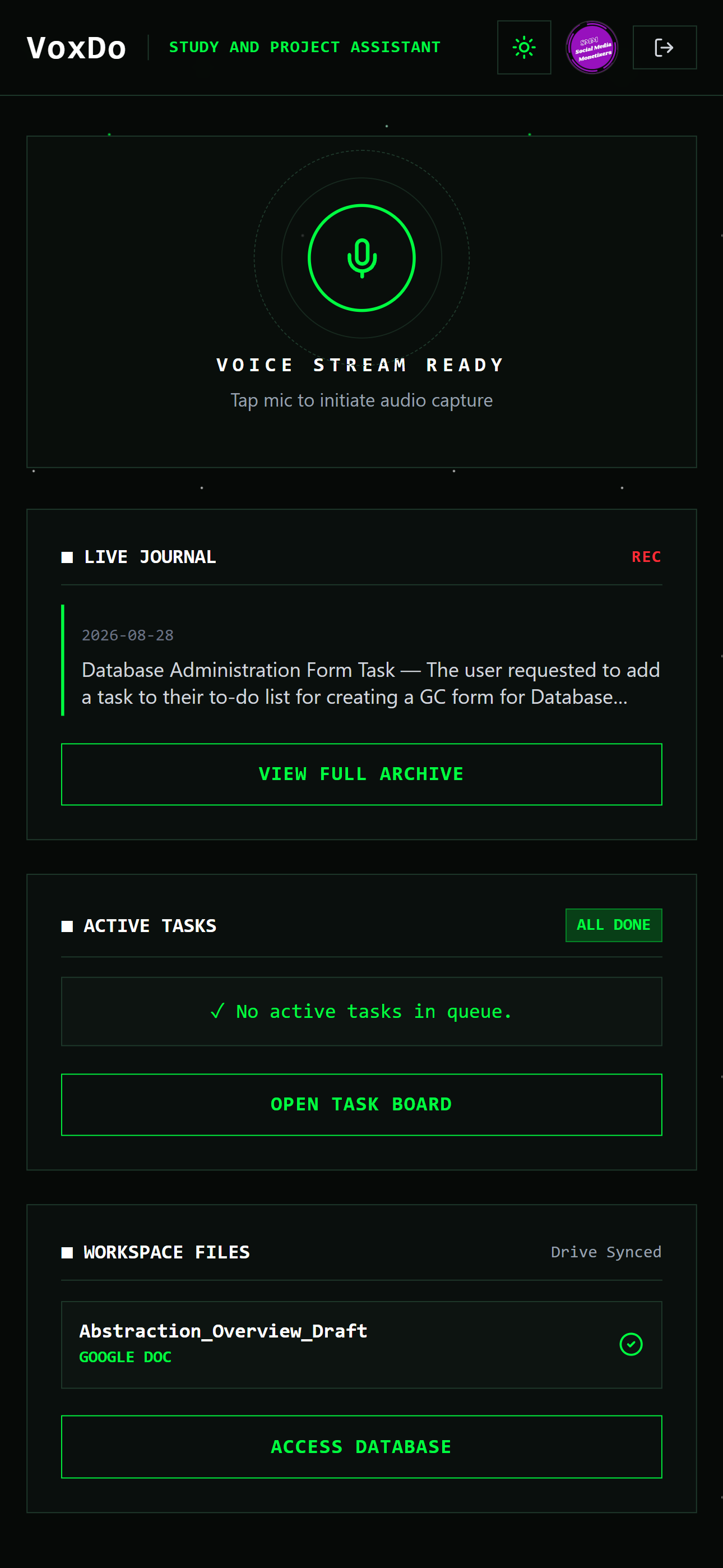
Dashboard: Real-time over view of audio recording, parced action items, and artifacts.
-
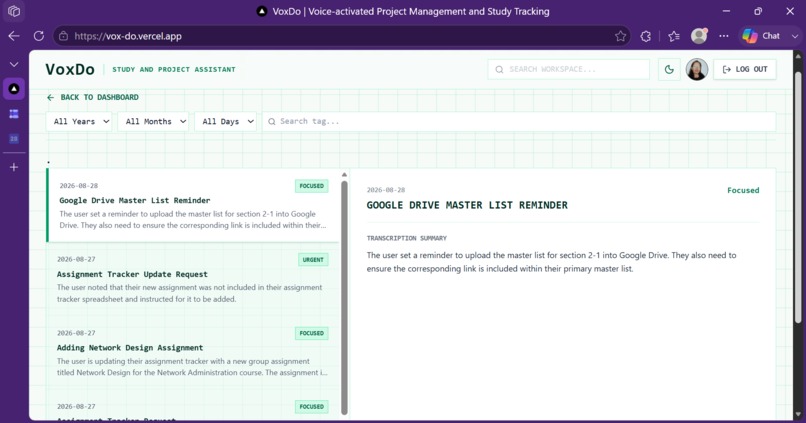
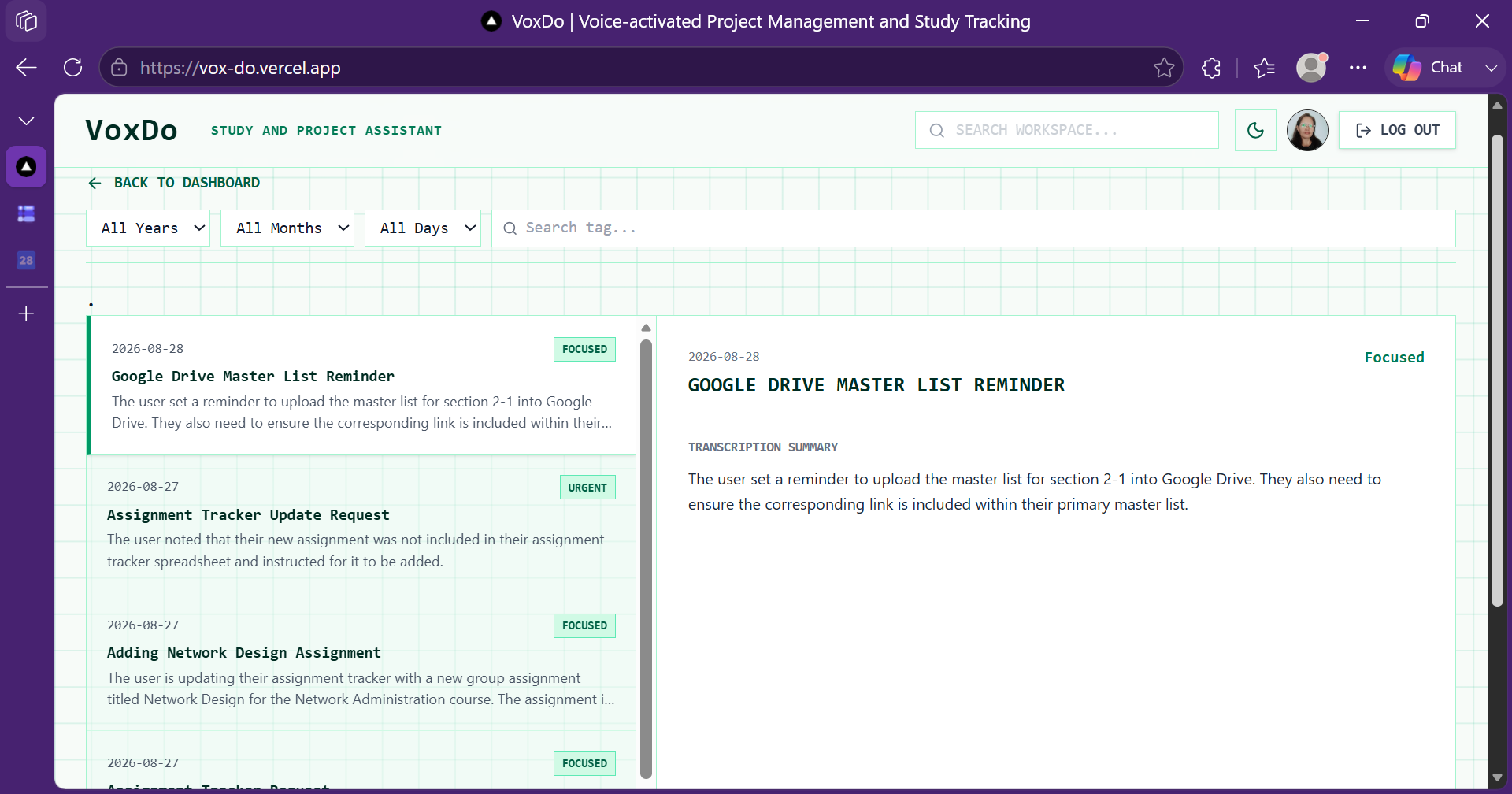
Journal Page: Stream of voice notes converted into timestamped personal logs with automated sentiment tracking.
-
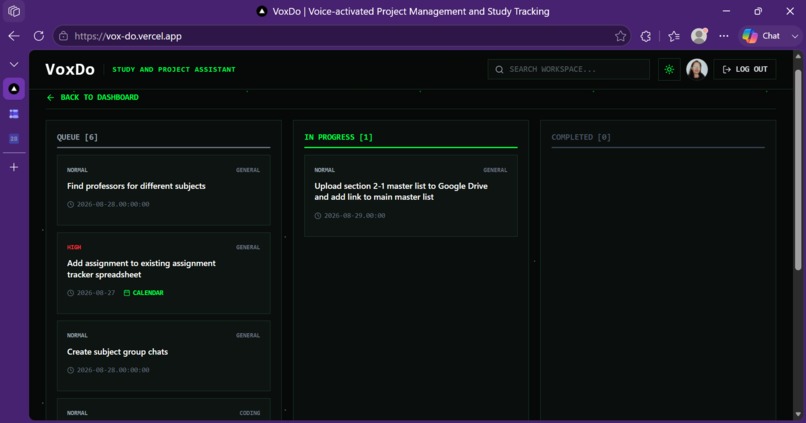
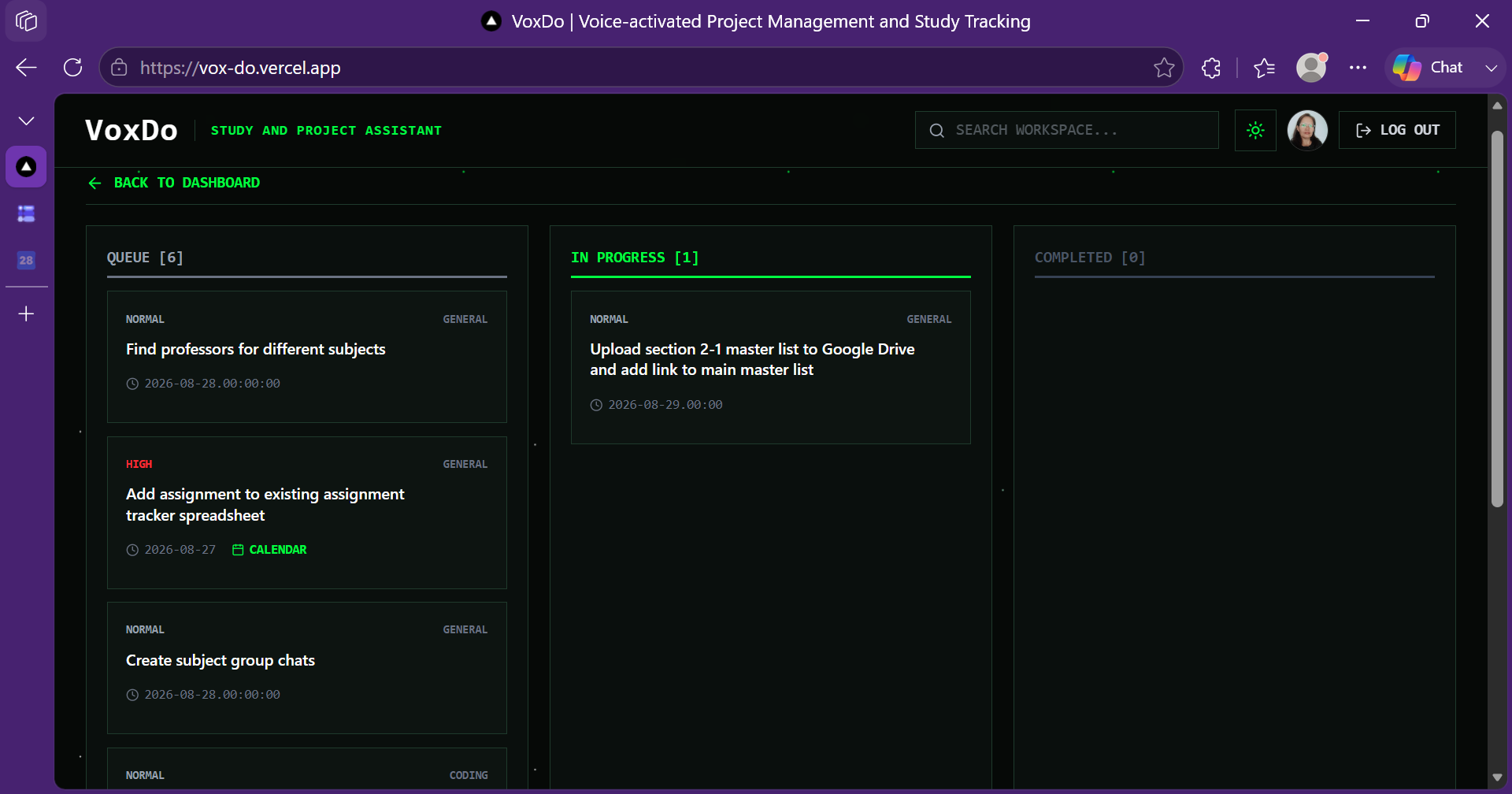
Task Page: Actionable tasks and relative deadlines extracted from raw voice dumps.
-
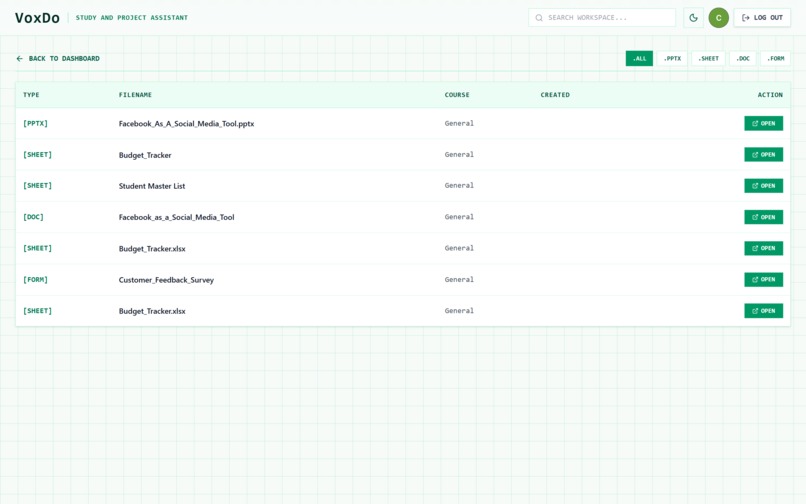
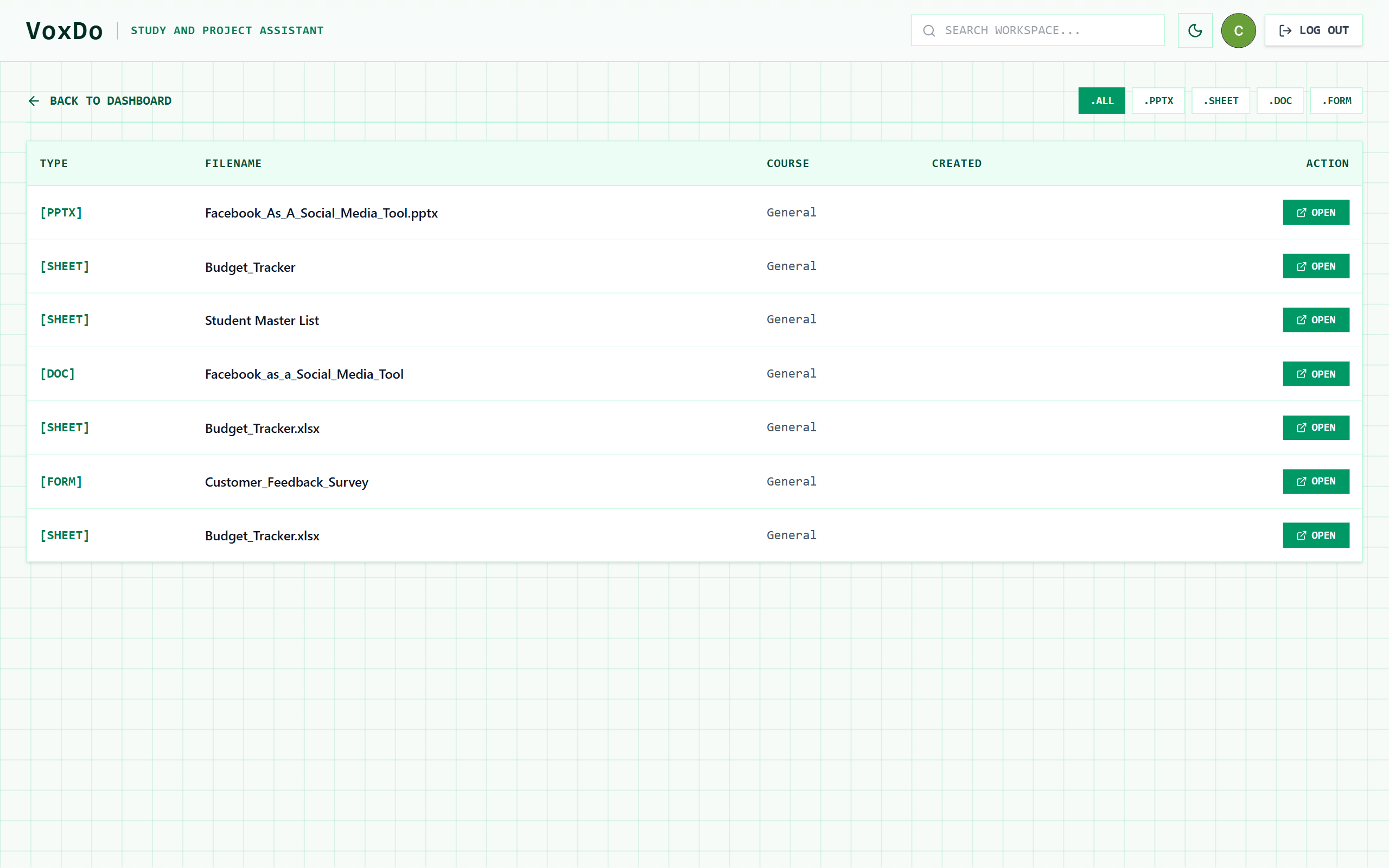
Artifacts Page: Centralized library linking directly to generated Google Docs, Sheets, Slides, and Forms.
-
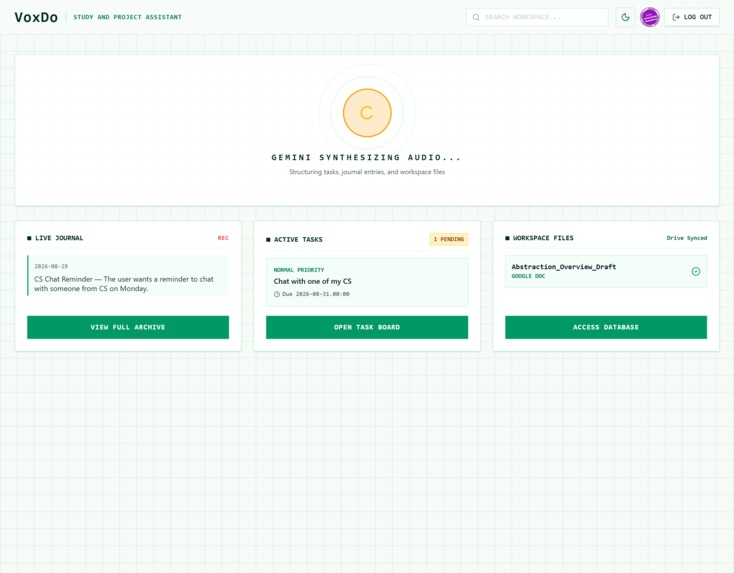
Capturing and parsing natural voice instructions before dispatching them to Google Workspace APIs.
-
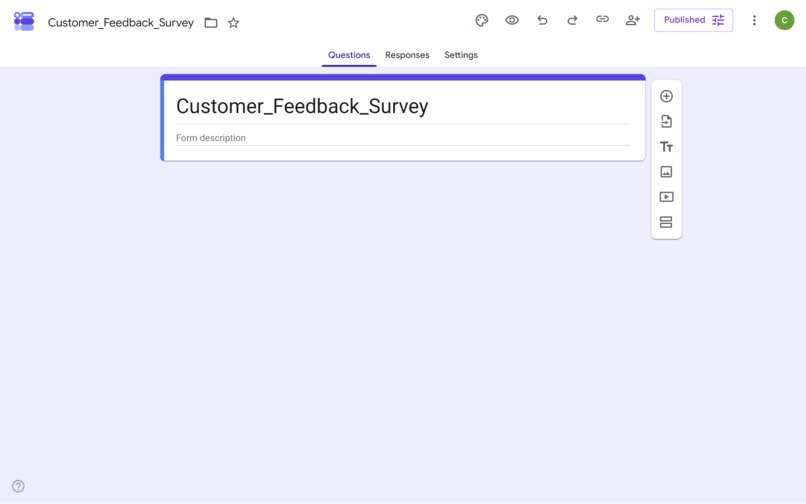
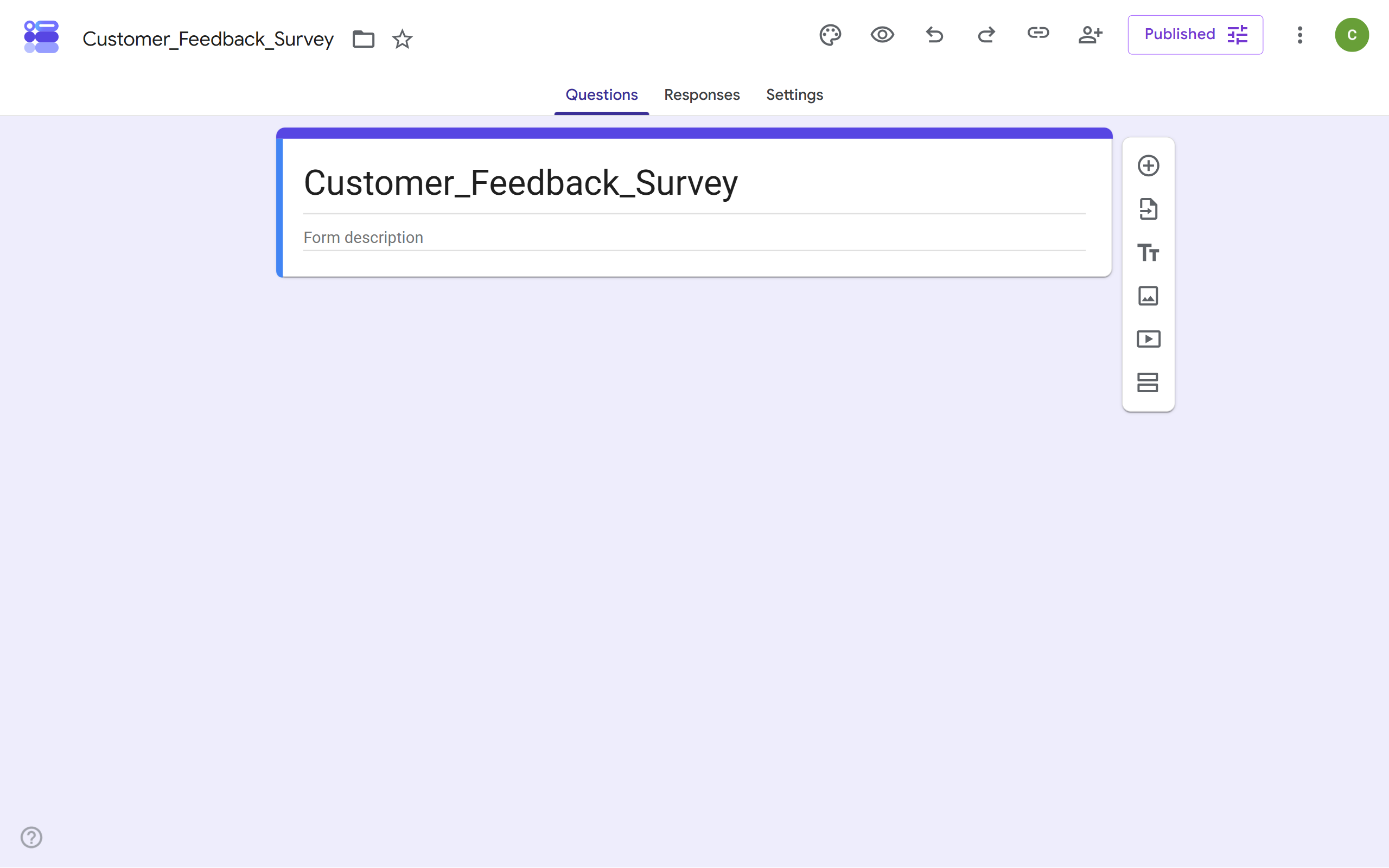
Google form header drafted autonomously from audio prompts.
-
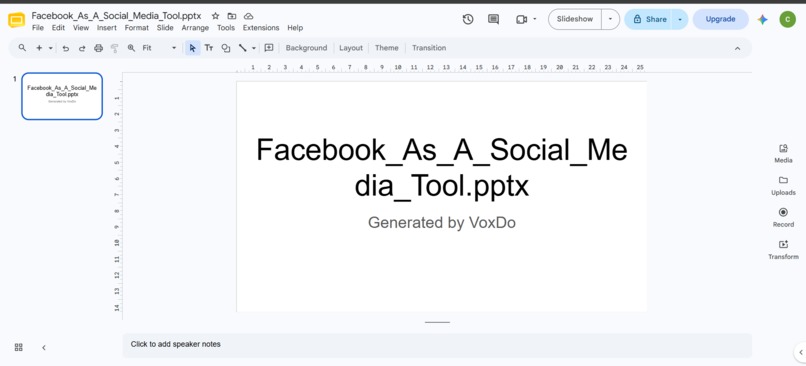
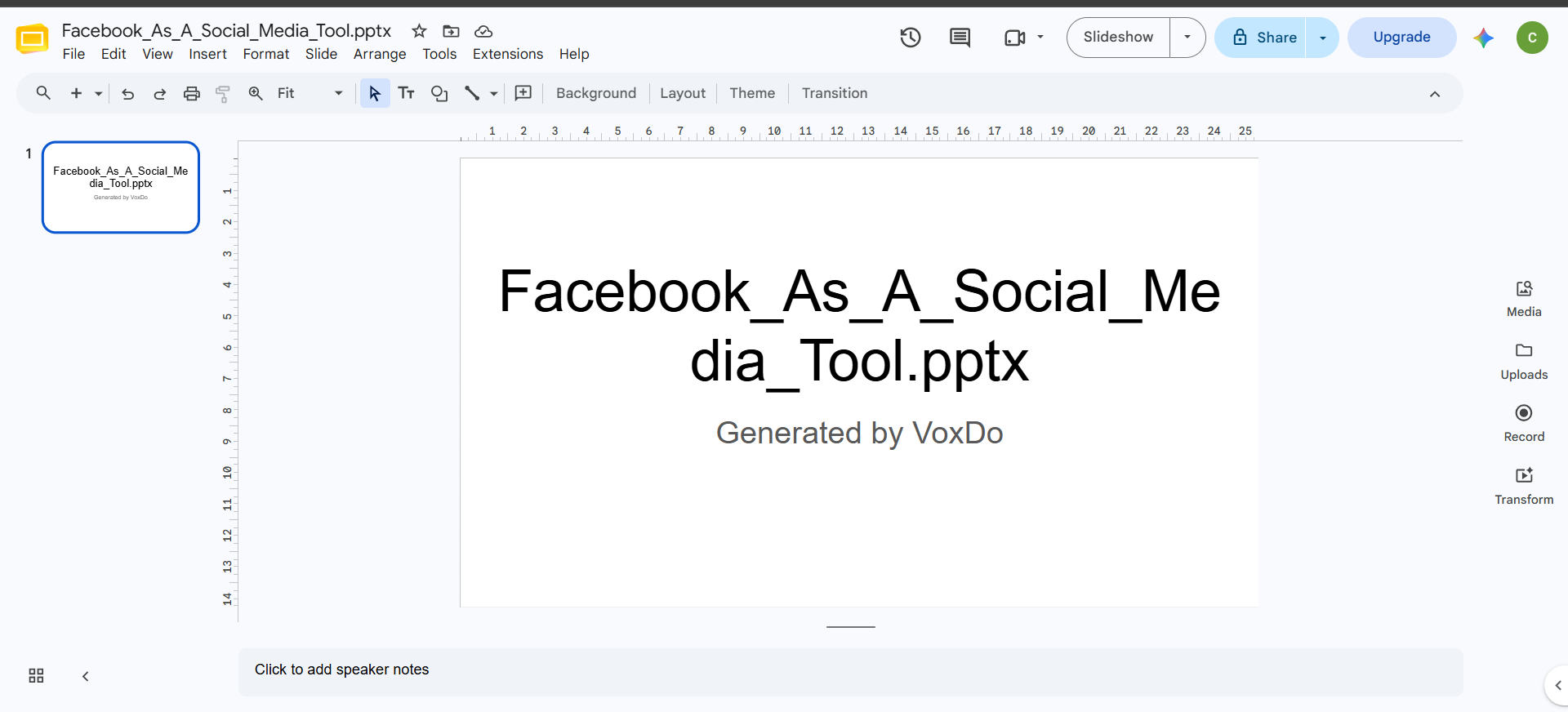
A foundational slide deck structure generated via the Google Slides API.
-
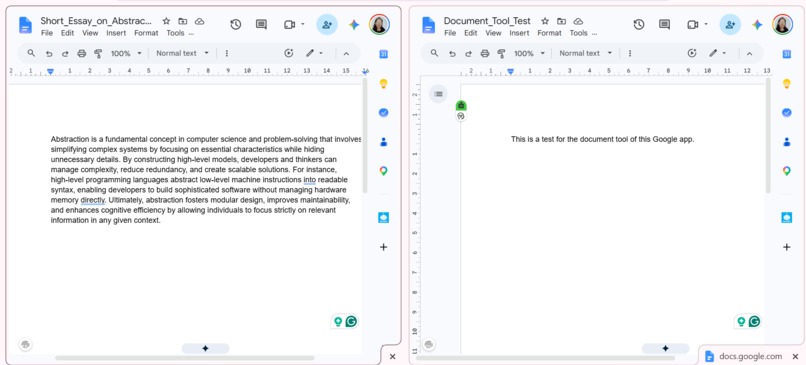
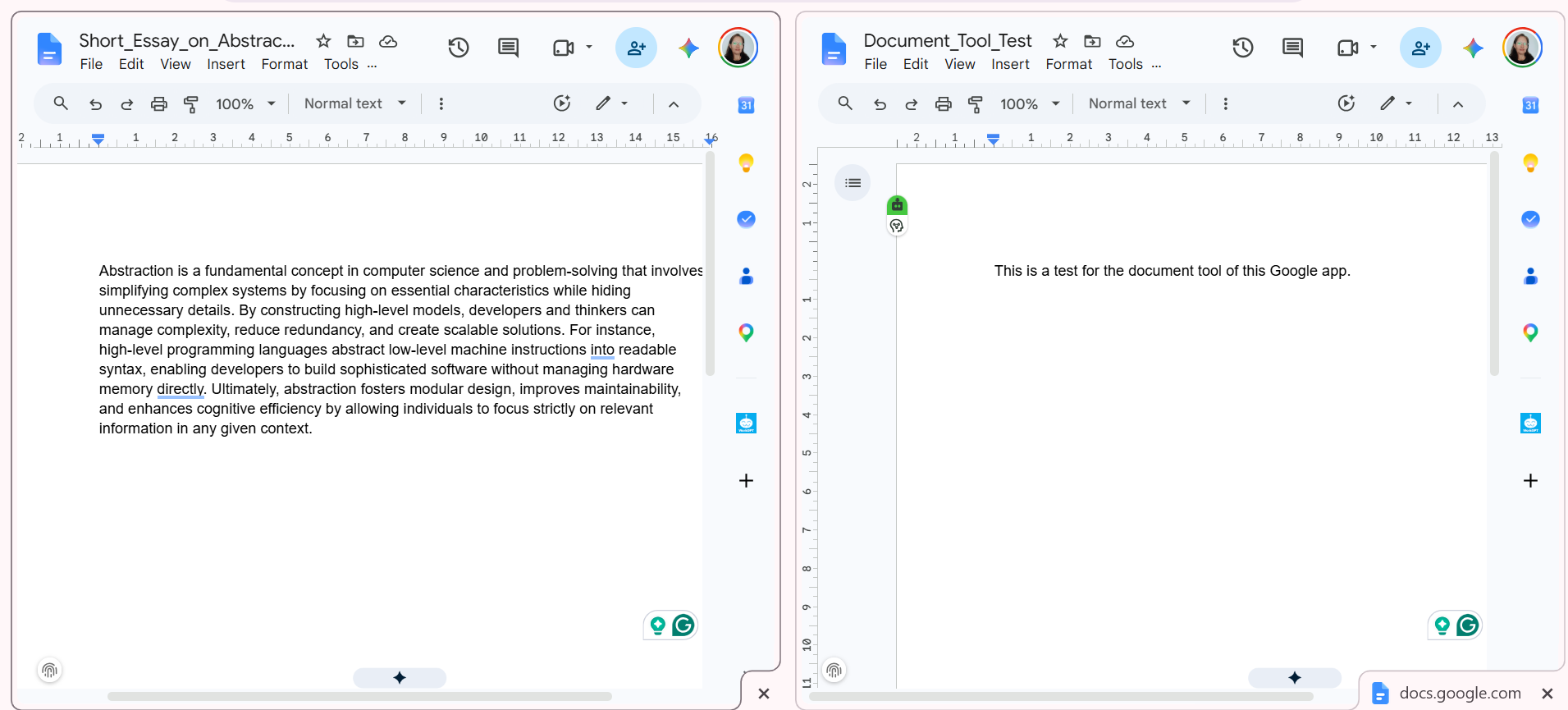
Side-by-side comparison of raw audio transcription versus the AI-structured document draft.
-
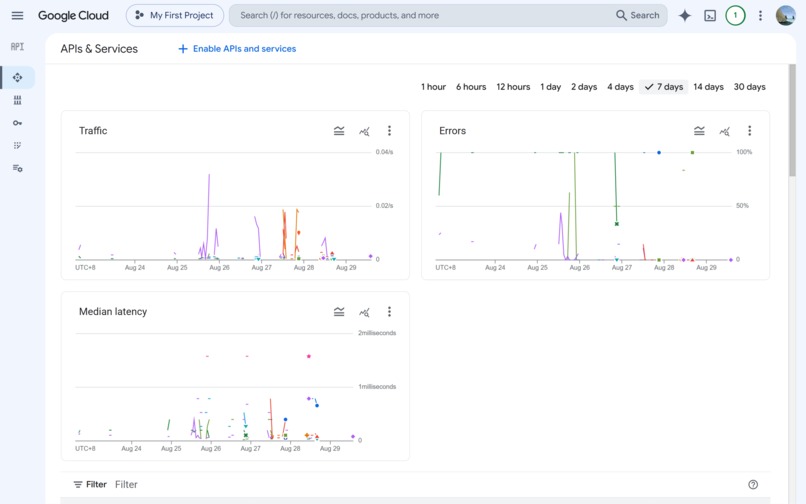
Workspace integration through API
-
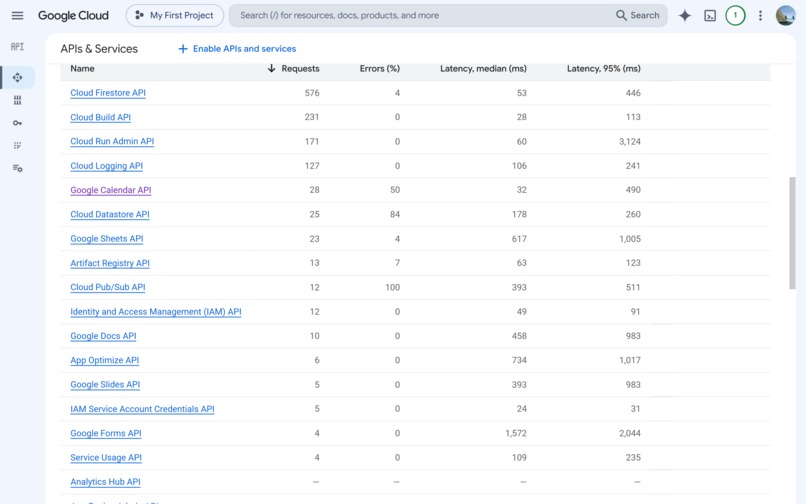
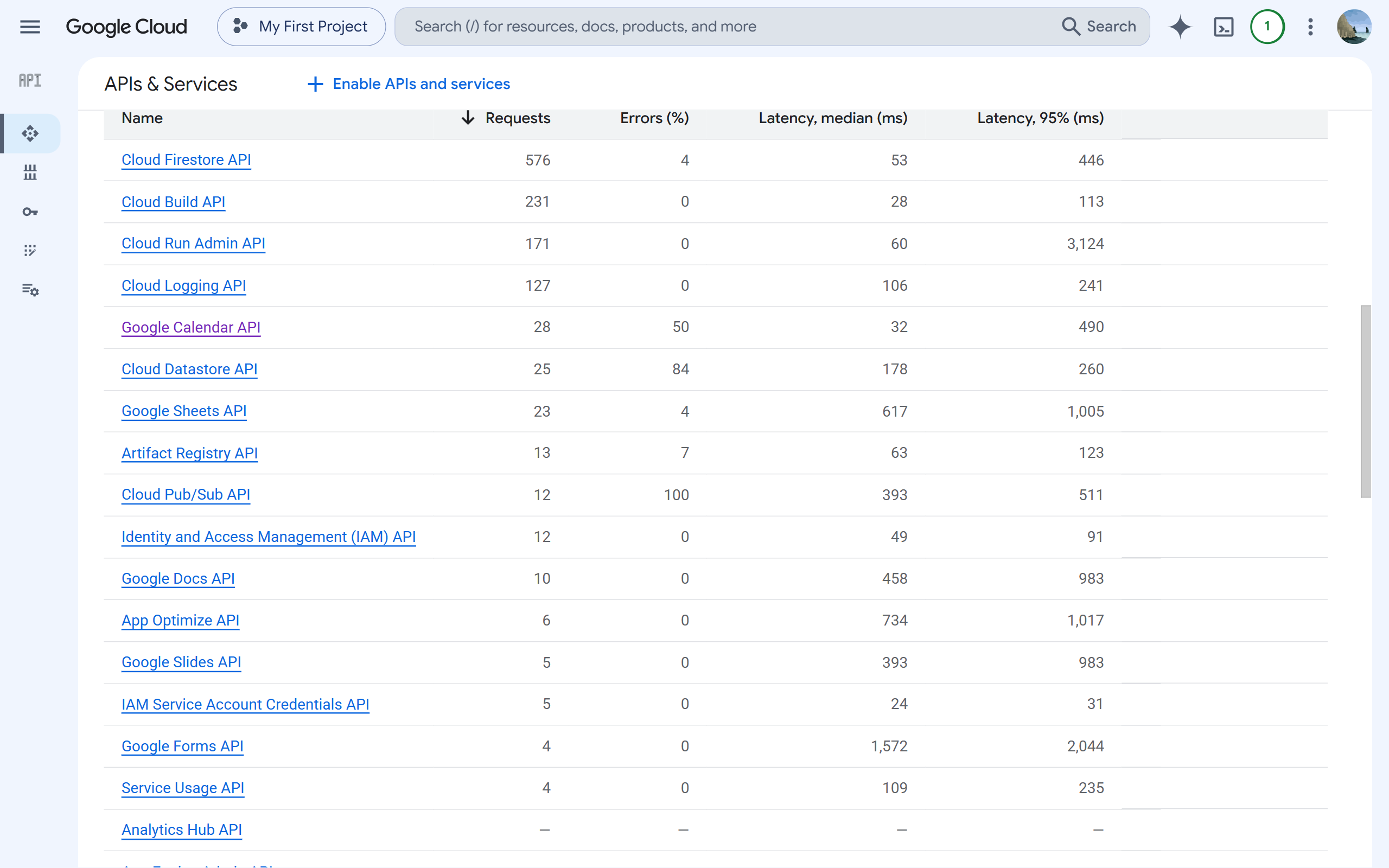
Actively routing GenAI JSON payloads to Google Drive, Docs, Calendar APIs, and others via automated function calling.
-
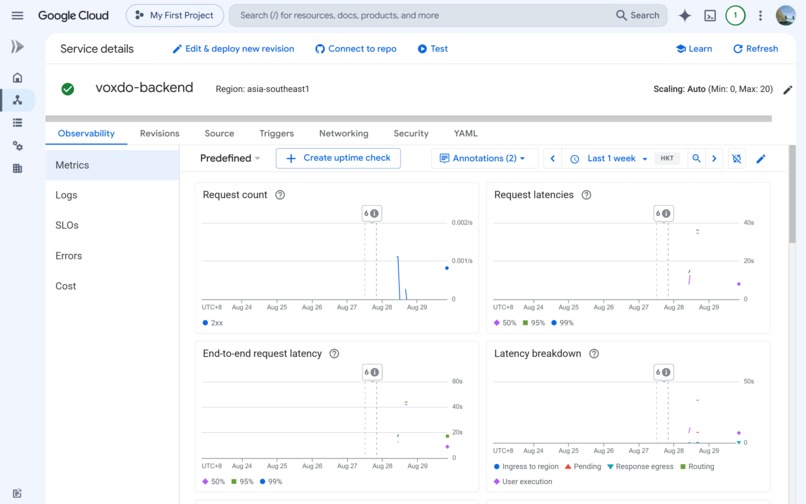
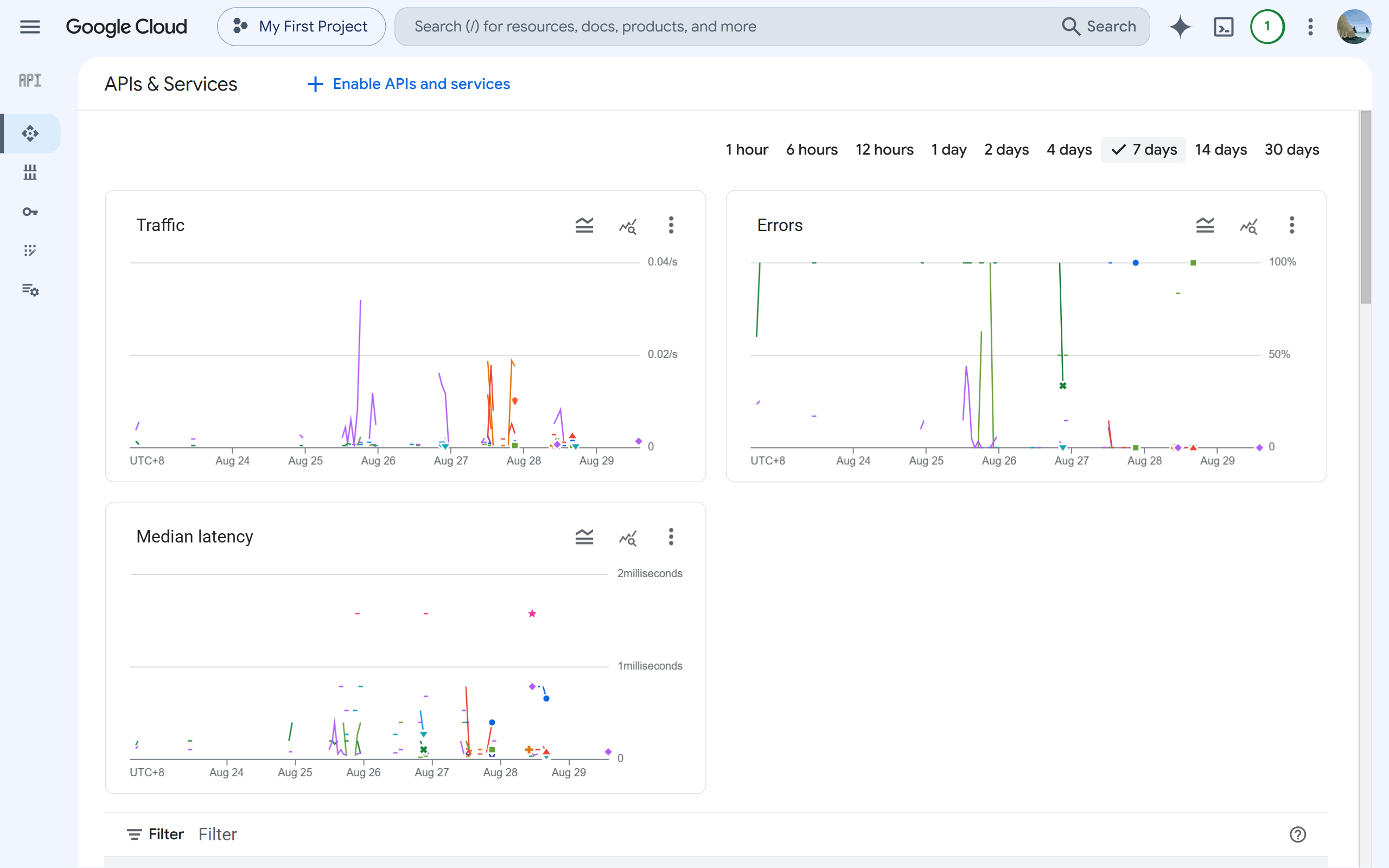
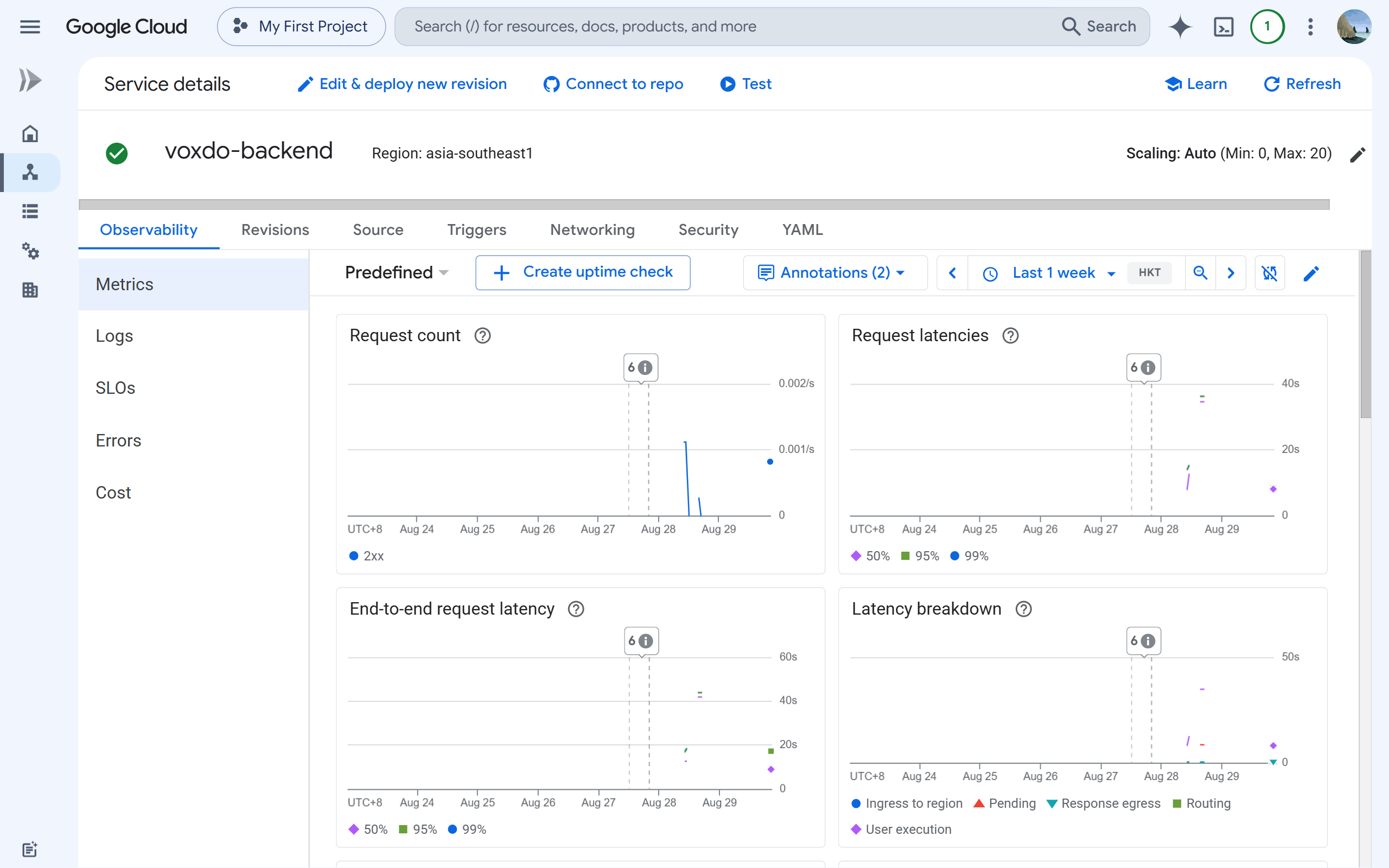
Live Cloud Run matrics.
-
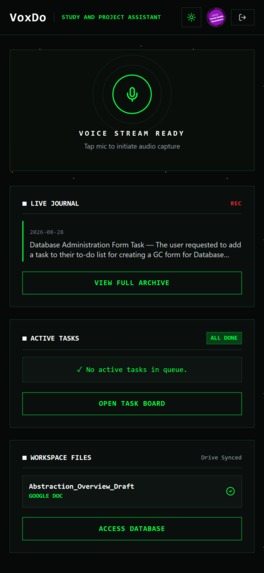
Mobile responsiveness
Inspiration
The inspiration behind VoxDo comes from my own daily struggles and anxiety trying to keep up with a heavy workload as a third-year IT student. Juggling multiple coding assignments, classes, and life's other responsibilities leaves very little time to sit down and manually organize tasks, draft forms, or build slide decks. I realized that speaking is simply faster than typing. I wanted to build an audio-first application that acts as a second brain, a tool that allows exhausted students and busy individuals to offload their thoughts, requirements, and to-dos instantly so they can finally get some well-deserved rest at the end of the day.
What it does
VoxDo takes raw audio input, whether it's a quick rant, an urgent to-do, or a structured project instruction, and uses AI to intelligently process it. The system automatically categorizes the transcription and executes the appropriate action: it can log a journal entry, add a task to your dashboard and to a calendar (if needed), or even automatically generate complete Google Workspace artifacts (Docs, Spreadsheets, Forms, or Slides) directly in your Google Drive based purely on your voice instructions.
How we built it
VoxDo is a fully decoupled full-stack application. Backend: Built using Python and FastAPI, handling the core logic and Google Workspace API integrations. It is containerized and deployed serverlessly using Google Cloud Run.
AI Layer: We utilized GenAI 3.5 to parse the raw audio transcriptions and output highly structured JSON data for routing.
Frontend: Build with Next.js and React, deployed seamlessly on Vercel.
Database & Security: We implemented Cloud Firestore to save user-scoped data, and utilized NextAuth alongside Google OAuth 2.0 to ensure secure sign-ins and handle granular API permission scopes.
Challenges we ran into
This is my first hackathon and my first time building an architecture this intricate. Coming into this, my knowledge of APIs was minimal. Having to orchestrate several different systems, getting Vercel to talk to Cloud Run, managing strict CORS policies, and untangling the complexities of Google OAuth refresh tokens and React rendering race conditions, was incredibly overwhelming. There were moments where successfully running one part broke another, and the frustration forced me to step away from the laptop just to breathe. As a developing programmer, I had to heavily rely on AI tools and deep research to continuously debug my code.
Accomplishments that we're proud of
Stepping completely out of my comfort zone to build and deploy a full-stack, AI-integrated system from scratch in just ten days is my proudest achievement. Coming into this as a non-traditional student, I wasn't entirely sure what I was capable of. Proving to myself that I could architect the database, wire up the frontend and backend, and successfully deploy the entire system to the cloud all by myself was a massive personal victory.
What we learned
The learning curve was steep but incredibly rewarding. I gained a practical, hands-on understanding of API communication, system architecture, and security scopes. Utilizing Google Cloud and Firebase proved to be phenomenal for DevOps, proving everything I needed in one ecosystem. However, the most valuable skill I am taking away is how t properly read and utilize browser Developer Tools. Before this project, I only used the "inspect" tool to take screenshots of websites. Now, I know how to actively read the Console, trace API payloads in the Network tab, and hunt down silent failures. That practical debugging knowledge is invaluable.
What's next for VoxDo
I would like to develop VoxDo more, as there is still so much room for the app to grow. Currently, the system excels at building the structural framework for Google Docs, Slides, and Sheets. The next evolution would be integrating advanced design capabilities that will allow the AI to not just outline a presentation but to fully design the slides with tailored elements and colors.
The app can also be expanded to integrate with tools like Canva for automatic study flashcards. A collaborative study workspace can also be introduced, where study groups can automatically share voice-generated notes and calendar deadlines with one another.

Log in or sign up for Devpost to join the conversation.