Vouch
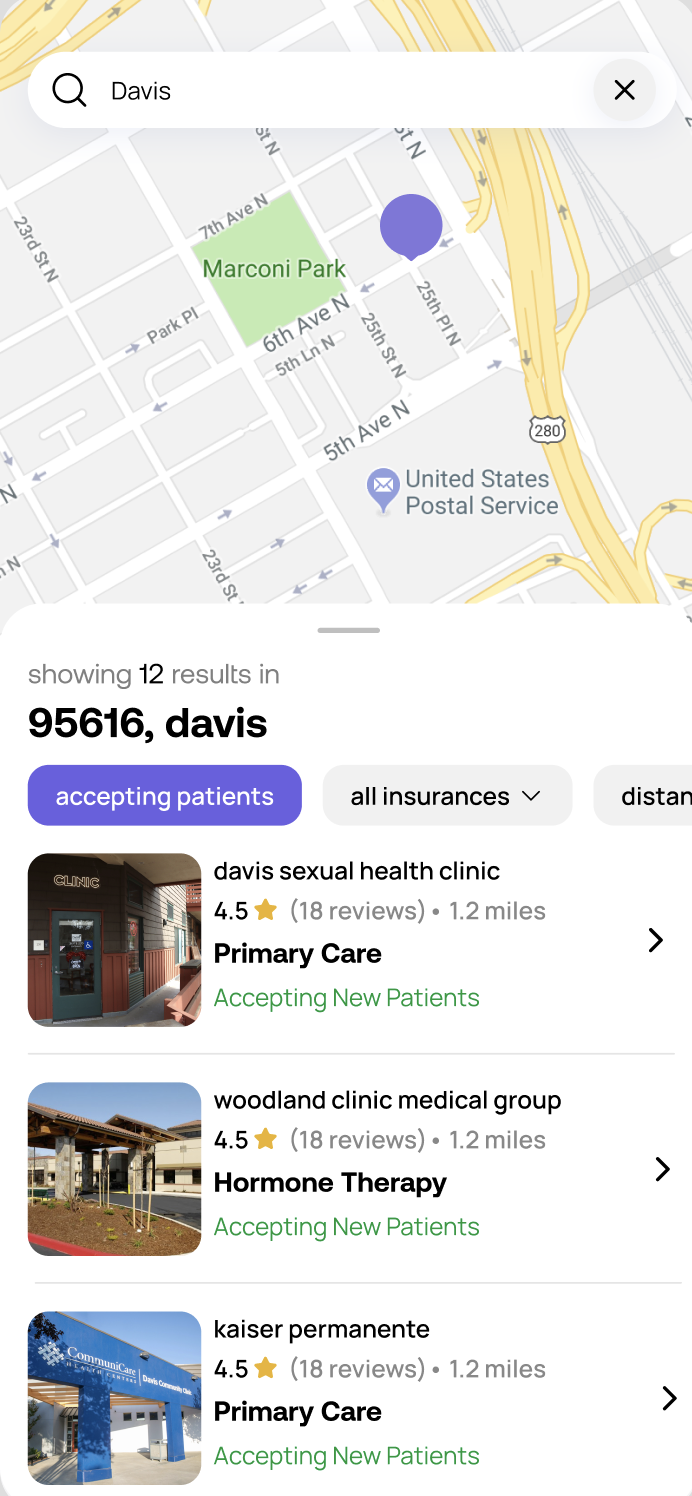
AI-powered healthcare trust intelligence platform. Search for a provider → instantly see community-verified insights about whether patients actually felt respected, affirmed, and comfortable receiving care.
A typical search takes seconds: Vouch surfaces real-world insights traditional healthcare directories never capture from pronoun respect to inclusive intake experiences. With connective infrastructure powered by Google Maps for provider discovery, Claude for structured community insight analysis, and Supabase for anonymous trust signal storage, Vouch transforms fragmented experiences into actionable trust intelligence.
How we built it
Developer Documentation: API documentation is generated from openapi.yaml and served interactively through Swagger UI at /api-docs, with the raw OpenAPI spec available at GET /openapi.yaml.
AI Infrastructure: Claude (Anthropic) forwards the user's question to https://api.anthropic.com/v1/messages with ANTHROPIC_API_KEY and optional ANTHROPIC_MODEL. The frontend prepends saved care intake (ZIP + care type from localStorage) to the prompt string when present, hence answers can stay anchored to the same context the user chose in the UI.
Backend: is built with Node.js (ESM) and Express as a single long-running, request-driven service, with all API handling managed in one process without a separate worker or message queue architecture.
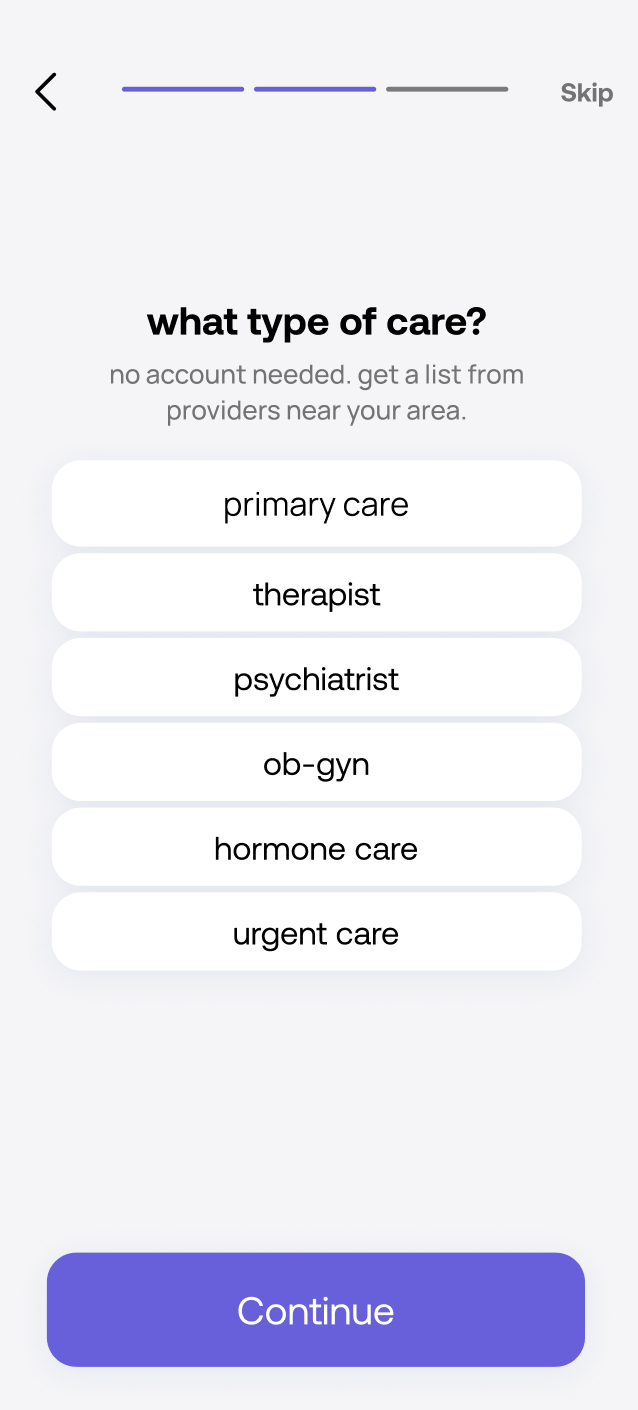
Frontend: The shell includes a globe intro that swaps to a map view that consists the pins/helpers in placePin.js. Care intake captures ZIP and affirming-care category, persists to localStorage, and surfaces in the Claude requests.
Globe/map → command → health attributes → intake → Claude → recent commands.
Challenges we ran into
Freeform experiences vs. structured signals. Needed structured prompts alongside freeform user input, so experiences could remain personal without becoming computationally biased.
Context loss destroys trust fast. Users constantly refine ZIP codes, preferences, and provider filters in rapid succession, and even a single stateless interaction can make the experience feel disconnected and frustrating.
Location-aware personalization is a minefield. The closest result is meaningless if the system prioritizes proximity over personal preferences, especially in underserved areas.
Maps became a data orchestration problem fast. Combining Google Maps, provider metadata, structured reviews, real-time filtering, and AI-generated trust summaries into a single responsive search experience created synchronization issues almost immediately.
Accomplishments that we're proud of
Real-time provider discovery orchestration: Google Maps, provider metadata, live filtering, and AI-generated summaries all synchronize into a single responsive search experience.
Claude API as active reasoning engine: Not just generating simple text, but dynamically interpreting community experiences from data. Intake context and provider personal attributes to patients through real-time insights that healthcare systems cannot infer.
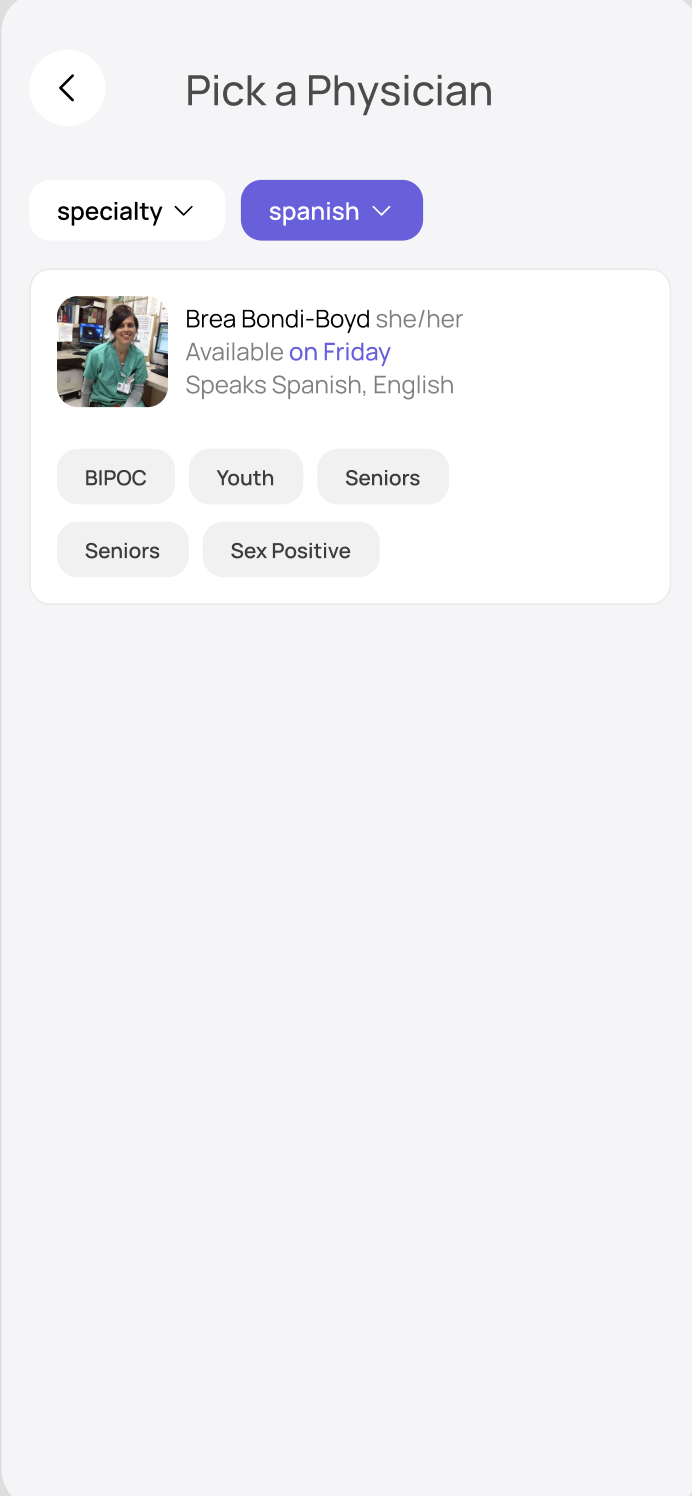
Real-world signals over generic ratings: Vouch surfaces what providers could offer to individuals, not just medical credentials or Yelp-style reviews.
Built visually immersive UX: Engineered an incredibly polished user-interface, sets clinical search experience to enjoyment with ease.
What we learned
We learned pure freeform reviews were emotionally rich but computationally inconsistent, while fully structured input lost nuance. Combining both created significantly better trust intelligence for users. The mapping pipeline was far more complex than expected. Synchronizing real-time filtering, provider metadata, conversational context, and AI-generated insights across an interactive map created constant update consistency challenges. Building a reliable experience required seamless coordination between contextual memory, real time data, and interface design before our platform could deliver dependable results.
What's next for Vouch
Partnerships + approved data integrations: Link fragmented data across multiple platforms with existing provider directories and healthcare platforms to Vouch. Expand its trust intelligence system.
Static reviews to real-time provider intelligence: Future iterations will detect emerging patterns over time, highlighting providers affirmed care and surface recurring concerns.
Adaptive ranking engine: dynamically weight proximity, contextual preferences, review consistency, and trust signals through personalized ranking heuristics.


Log in or sign up for Devpost to join the conversation.