-
-
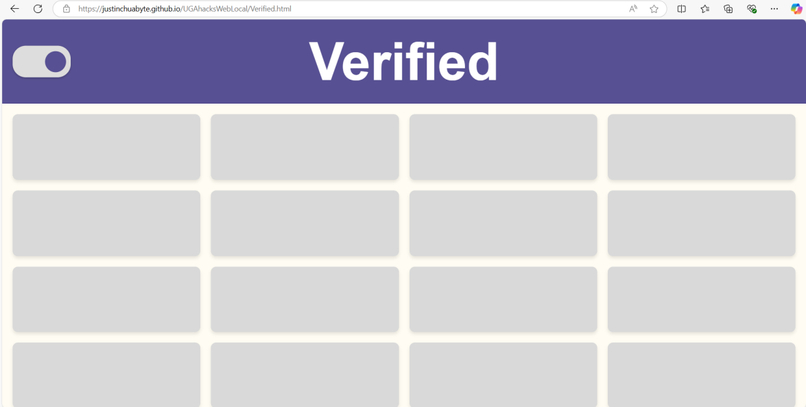
Verified Page. Did not have enough time to implement the design but it is built
-
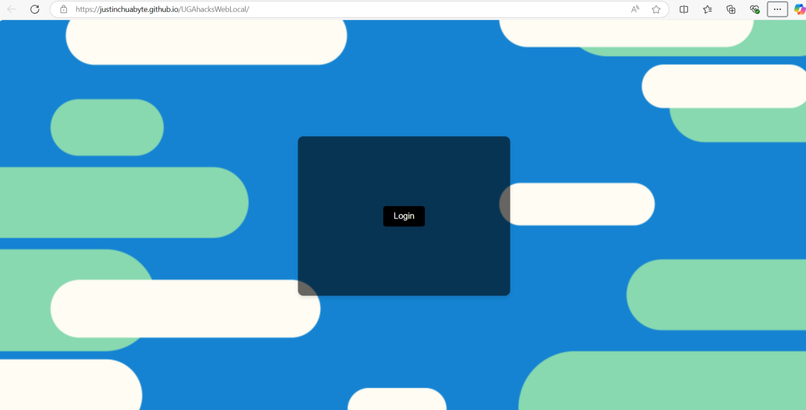
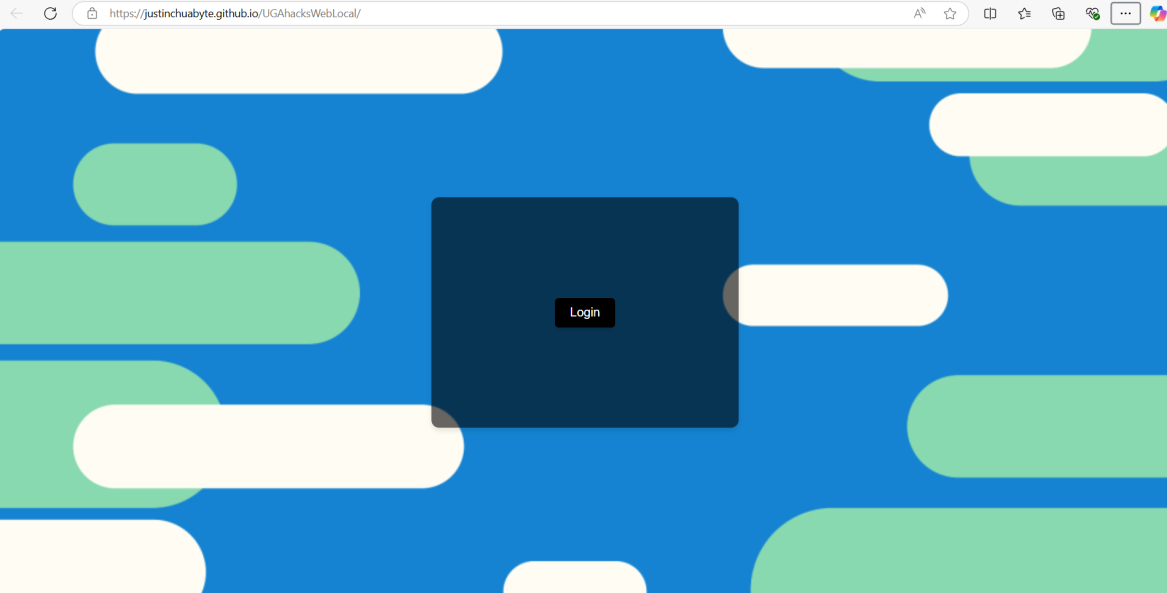
Login Page. Did not have enough time to implement the design but it is built
-
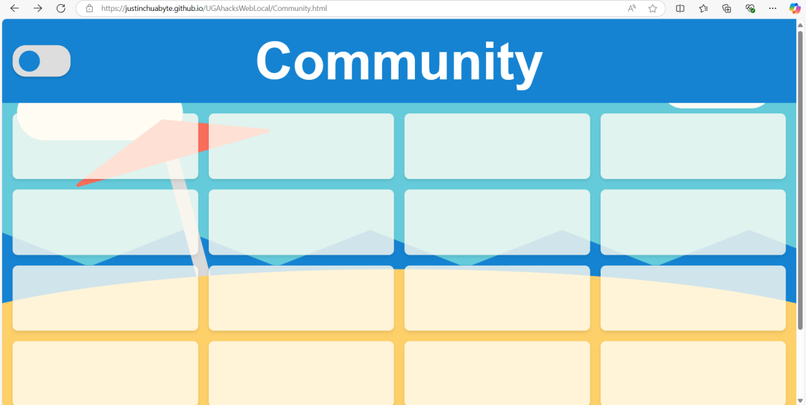
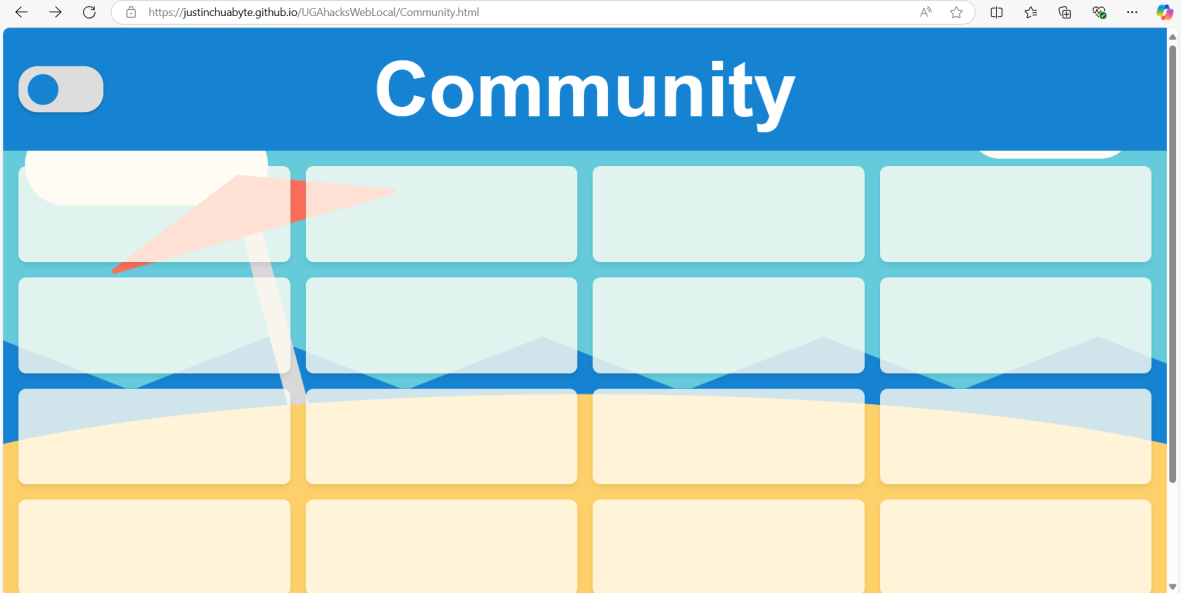
Community Page. Did not have enough time to implement the design but it is built
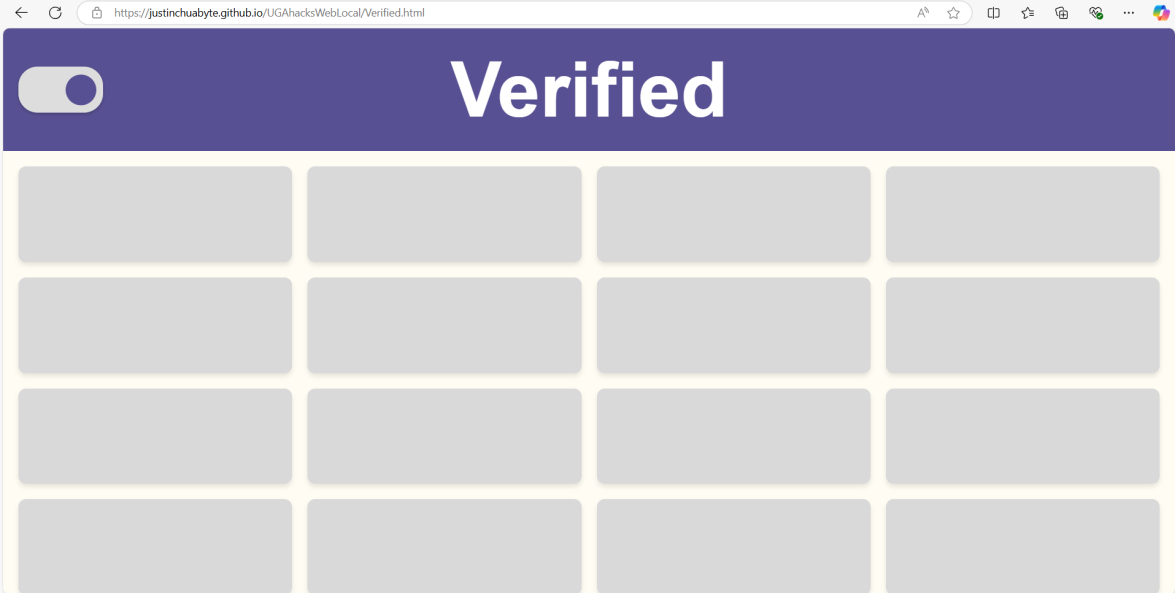
Inspiration
We wanted to think of an idea that takes advantage of Pinata in a way that would not be possible with their more traditional competitors like AWS or other file storage systems. The way we decided this was that Pinata allows for files to be shared in a way that is open, censorship resistant, and verifiable. This led to us forming an idea of a polling system that tracks who votes for what, how many people vote for it, and stores the ledger in a way that makes it tamper-proof and verifiable.
What it does
Users on our platform will have the ability to create polls and vote on other people's polls. These votes will be stored on the blockchain and can be traced to individual wallet addresses. This makes it difficult for poll results to be tampered with or misrepresented because the votes are all open on the public ledger.
How we built it
React - Frontend ethers - Wallet transactions Remix - Smart contract testing Sepolia testnet - uploading onto Ethereum blockchain Solidity - Smart contract logic Pinata - Content pinning Node.js - Backend Axios - GET/POST requests
Challenges we ran into
When we were first working on the smart contract, we didn't know enough about the deploying process and accidentally deployed a rough draft of our contract, thinking that it was able to be changed later down the line. This was not the case unfortunately so we had to start the deployment process over a few times in order to get a version of it on the blockchain that we were happy with (still not perfect!).
Another issue we had was that we were trying to test functions of our smart contract that weren't possible while it was only being hosted on remix. We're still unsure if this was the correct procedure but we uploaded a version of our smart contract to the blockchain just to check if a certain function would work after it was deployed on the testnet rather than a virtual blockchain.
Accomplishments that we're proud of
We as a team are proud to turn in something that resembles what we imagined as the final product. I'm sure most people experienced this but our imaginations outran our skillset/experience and we struggled initially deciding which features we would need to cut or hold back on. The biggest accomplishment we have is that we uploaded a working smart contract onto the ethereum blockchain that is going to be there long after this hackathon.
What we learned
We each learned a lot during our respective tasks including working with cryptography, API calls, deploying smart contracts, and designing intuitive front end.
What's next for voting block
We had a lot of ideas concerning scaling to government applications or more industrial situations like political voting, shareholder meetings, and other high-profile voting (perhaps like the grammys or oscars). Basically any voting system that would benefit from being open and transparent.

Log in or sign up for Devpost to join the conversation.