Vortex Vision – AI Image & Video Generator
Inspiration
I created Vortex Vision because I believe creativity should not be limited by expensive equipment, complicated editing software, or technical experience.
As a student and independent developer, I wanted to build an application that makes AI-powered visual creation accessible to anyone with an idea.
Vortex Vision brings image generation, video generation, creative templates, and AI-powered tools together in one mobile experience.
My goal is to help creators, students, entrepreneurs, and everyday users transform their imagination into visual content.
What it does
Vortex Vision is a mobile AI image and video generation application.
Users can:
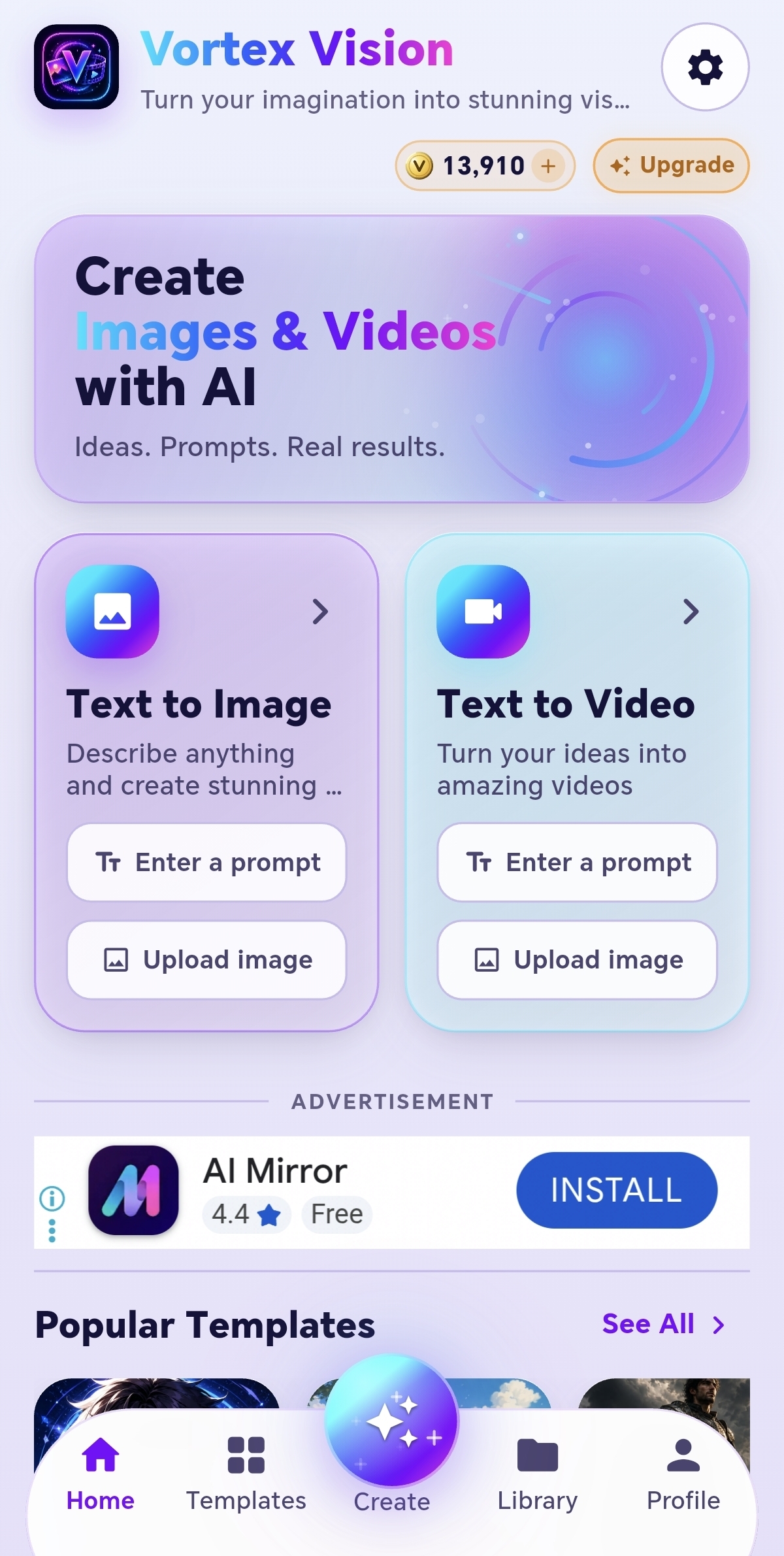
- Generate AI images from text descriptions.
- Create AI videos from creative prompts.
- Upload reference images to guide their creations.
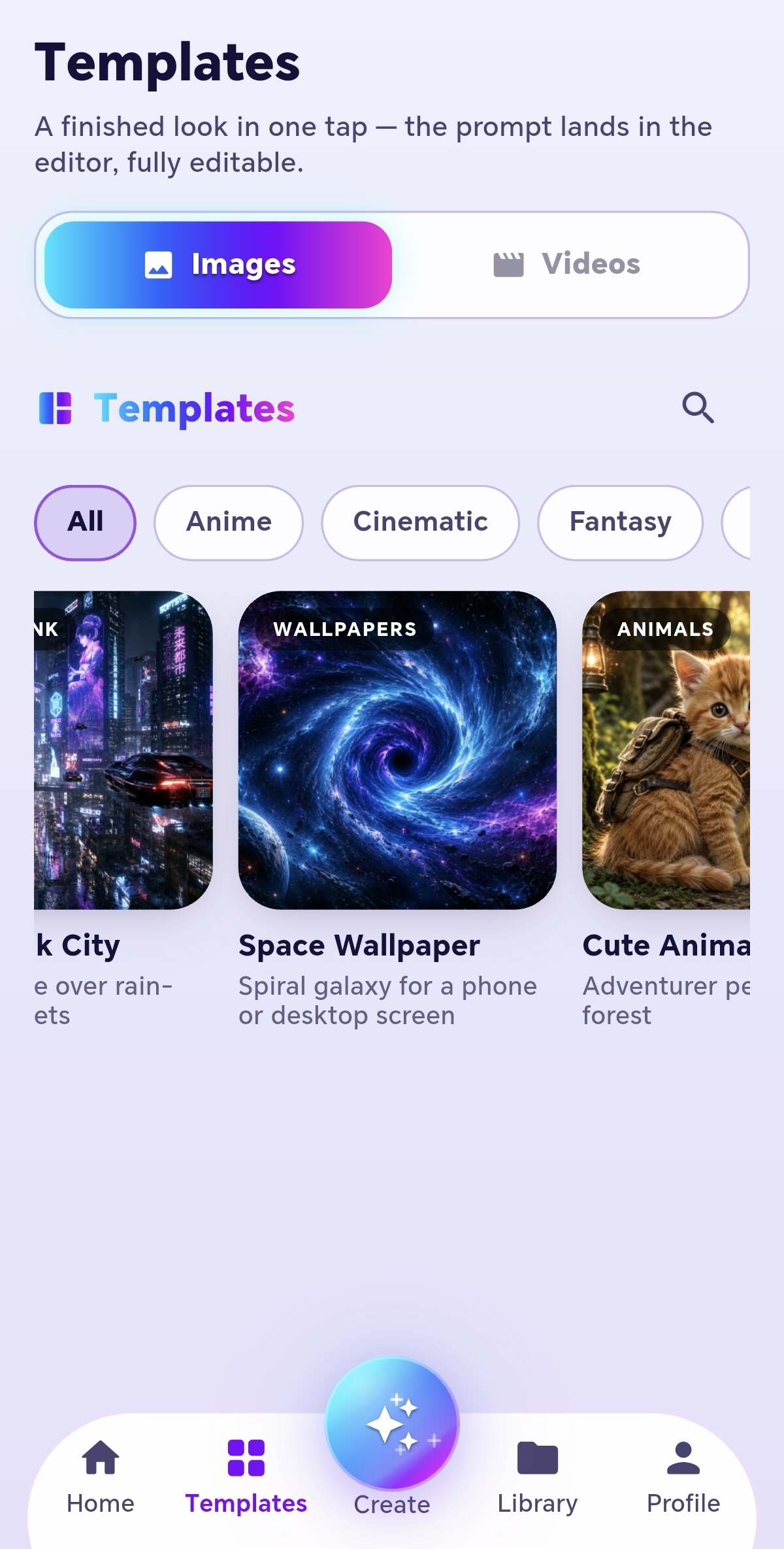
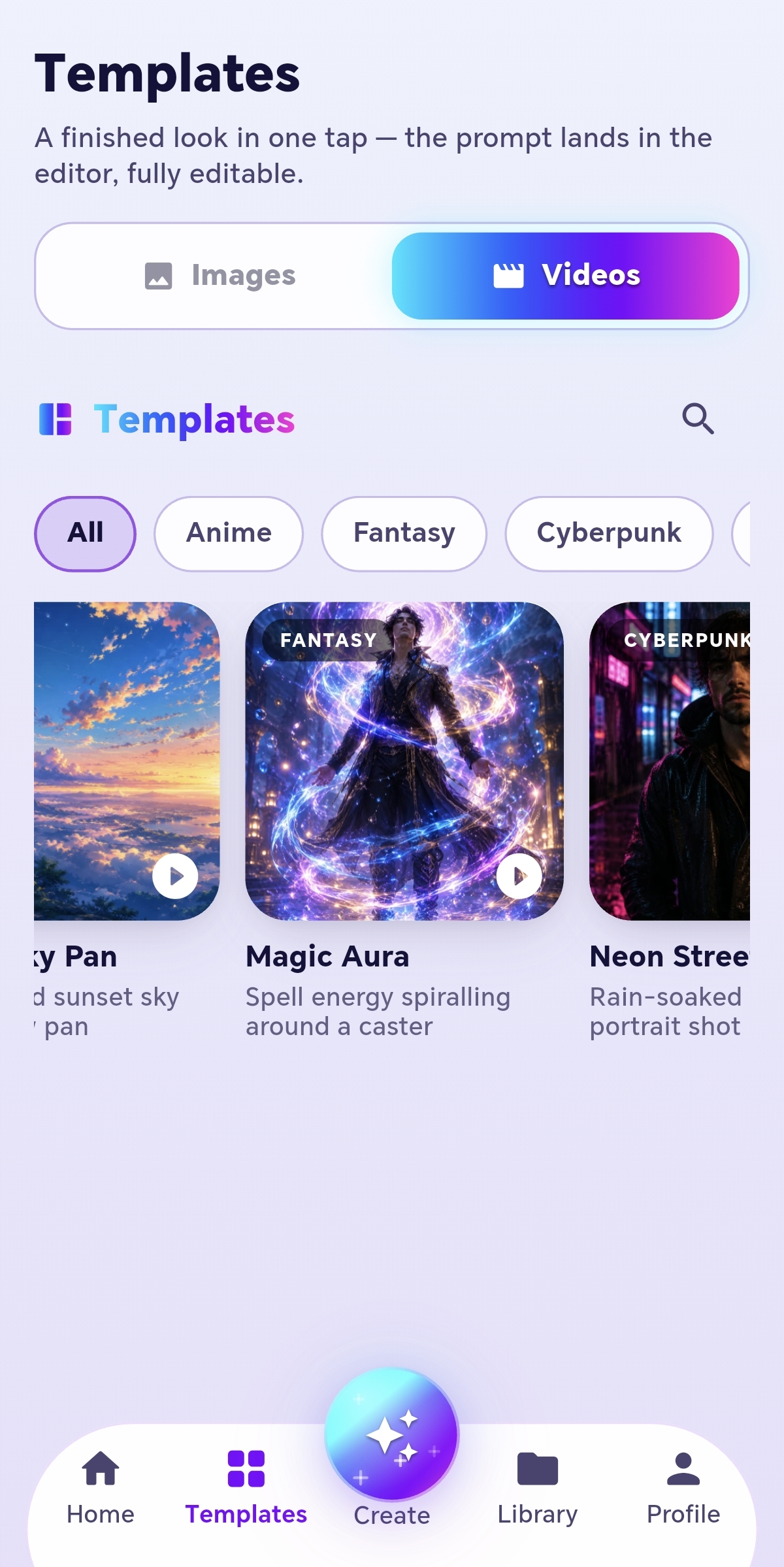
- Explore ready-made creative templates.
- Choose video durations and aspect ratios.
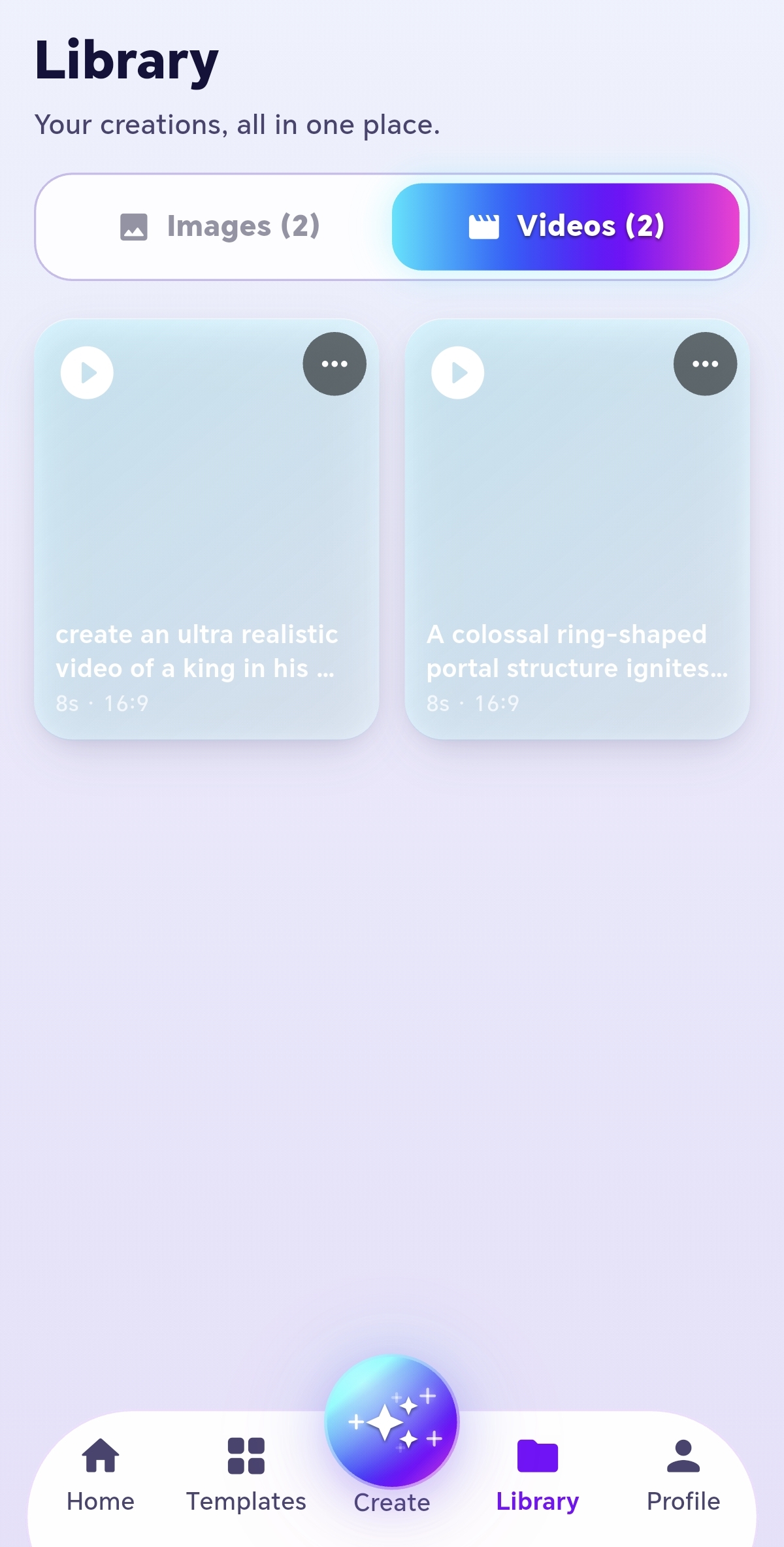
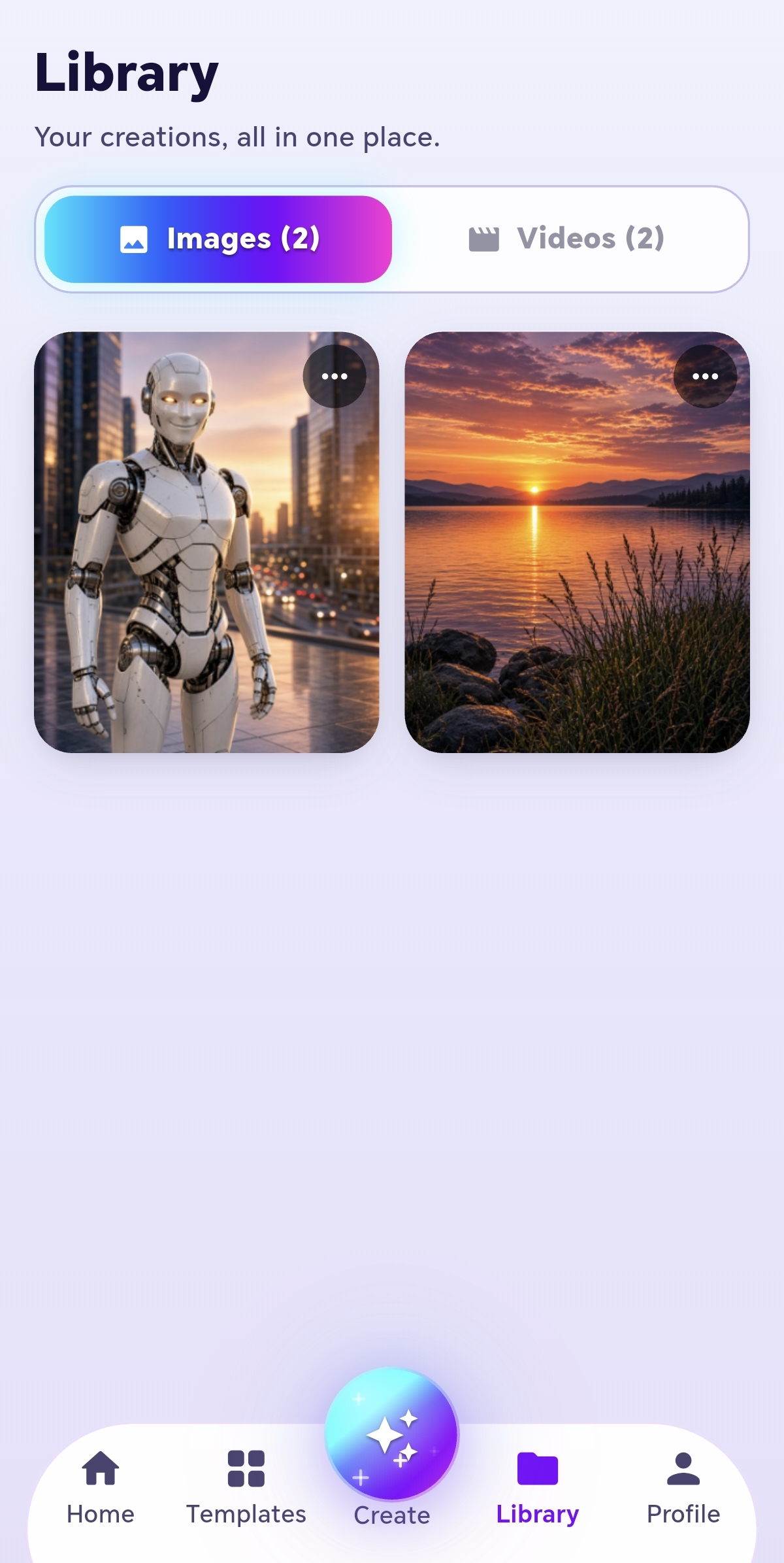
- Save and revisit their generated content.
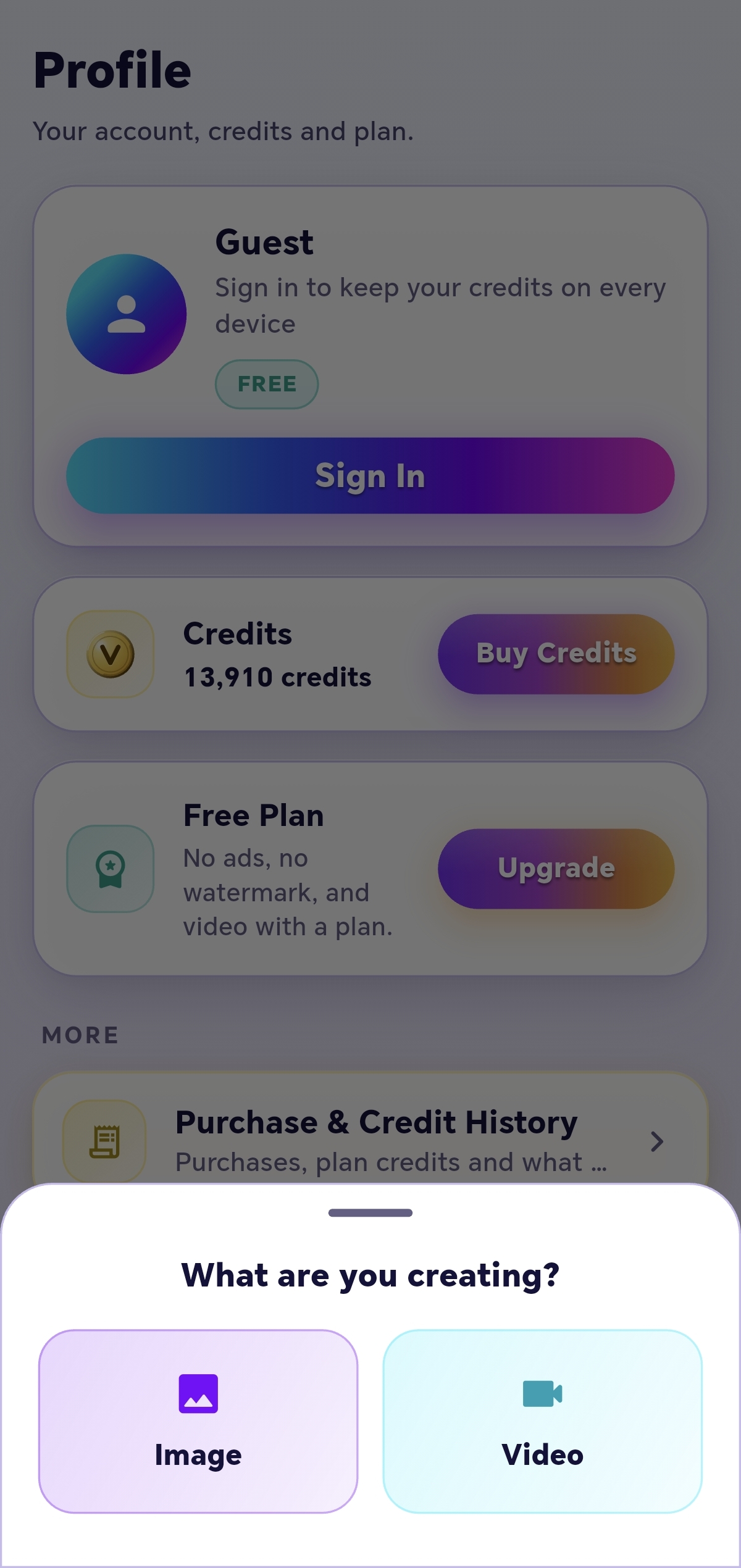
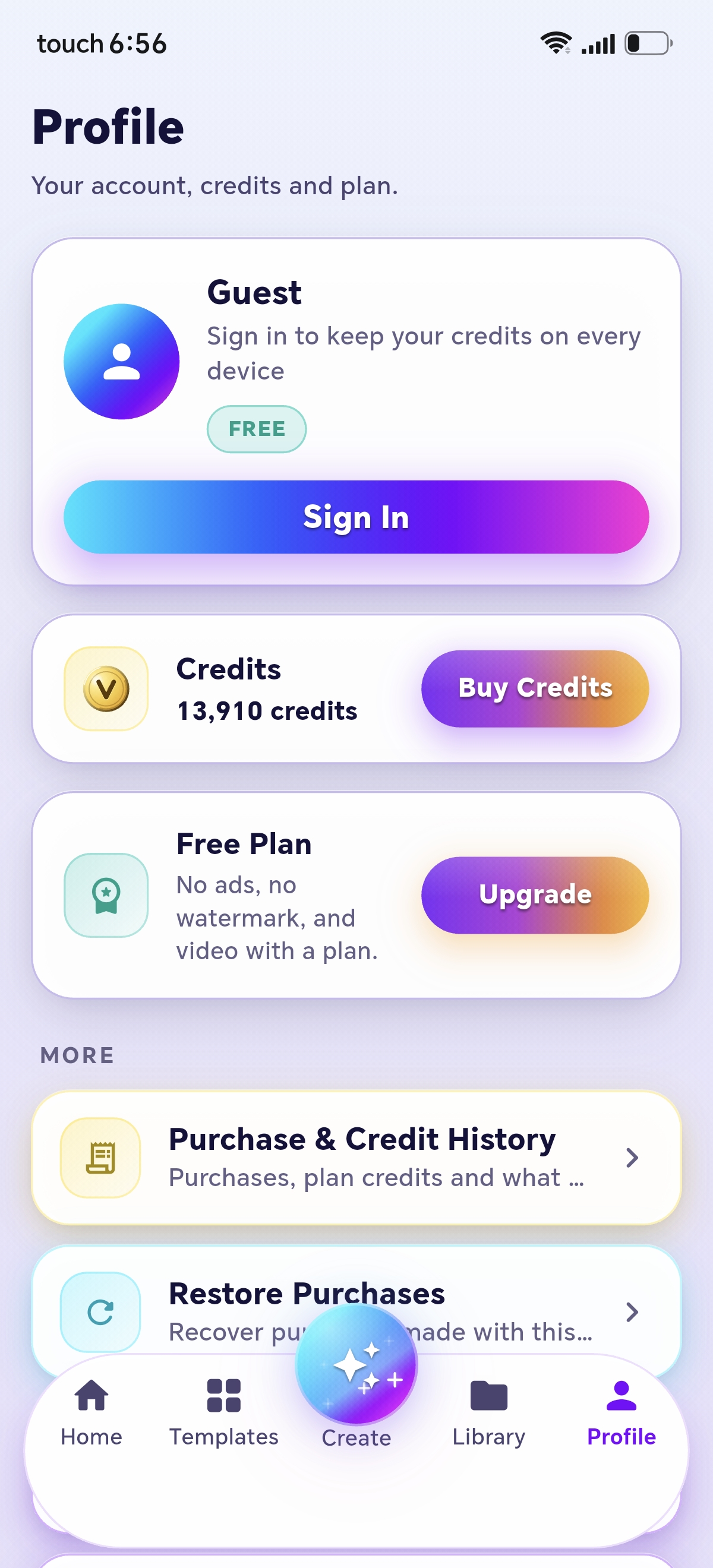
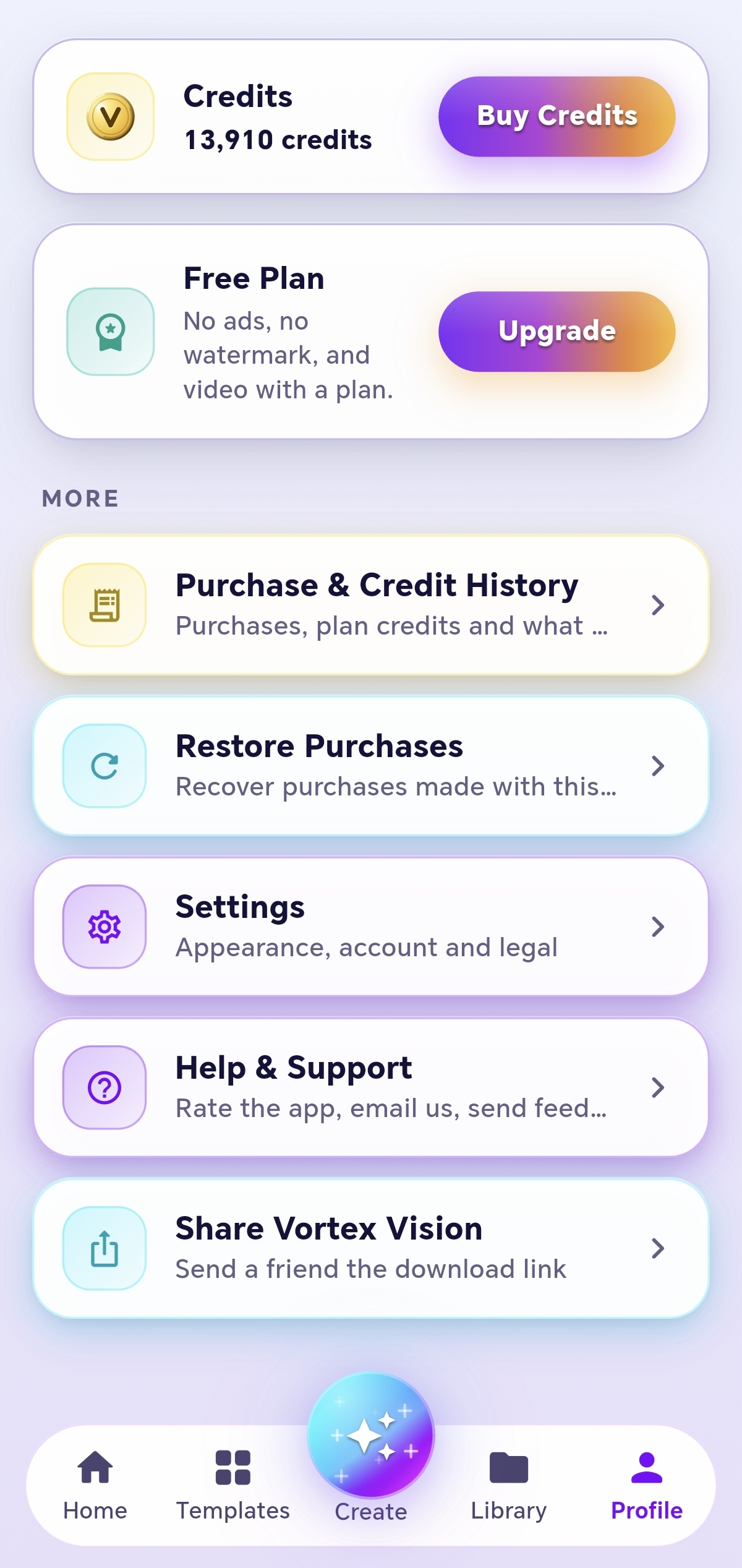
- Access additional creative capabilities through subscriptions and credit packs.
The application is designed to make advanced AI tools approachable through a clean, intuitive mobile interface.
How I built it
I developed Vortex Vision using Flutter for the mobile application and Node.js with Express for the backend.
The application integrates AI image and video generation providers, while the backend manages authentication, generation requests, user entitlements, and credit balances.
RevenueCat powers the subscription and in-app purchase experience.
I implemented multiple subscription tiers and optional credit packs to provide flexible access to AI generation.
For purchase security, RevenueCat handles store purchases while the backend independently verifies purchase records before granting subscriptions or credits.
The project also uses Google Play Billing, Google authentication, PostgreSQL, and cloud-hosted backend infrastructure.
Challenges I faced
One of the biggest challenges was building a sustainable monetization system for an AI application where every image and video generation has a real operating cost.
I needed to balance accessible creation options with subscriptions and credit packs that could support the application's long-term development.
Integrating RevenueCat with the backend also required careful handling of purchase verification, subscription changes, account identity, pending purchases, and duplicate credit grants.
Other challenges included integrating different AI providers, managing asynchronous generation requests, creating a responsive Flutter interface, and preparing the application for Google Play release requirements.
Building Vortex Vision taught me how much engineering goes into turning an AI prototype into a real mobile product.
What I learned
Through this project, I gained practical experience with Flutter development, backend architecture, AI API integration, authentication, in-app purchases, subscription management, and mobile application deployment.
I also learned how important it is to design monetization around actual operating costs while keeping the user experience simple.
What's next
My next goals are to complete the Google Play release process, prepare the iOS version, expand the creative template library, improve generation workflows, and continue refining the subscription and credit experience.
Vortex Vision is part of my broader ambition to build useful AI-powered applications that make advanced technology accessible to more people.
Built With
- aiimages
- aivideo
- android
- artificial-intelligence
- dart
- express.js
- flutter
- google-play-billing
- ios
- node.js
- openai
- postgresql
- revenuecat

Log in or sign up for Devpost to join the conversation.