-
-
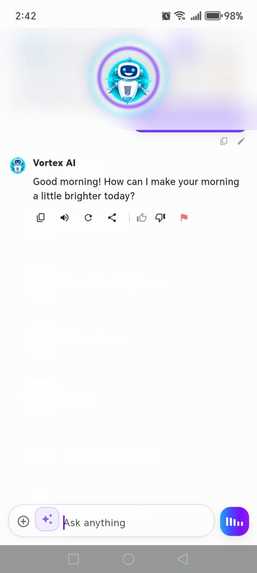
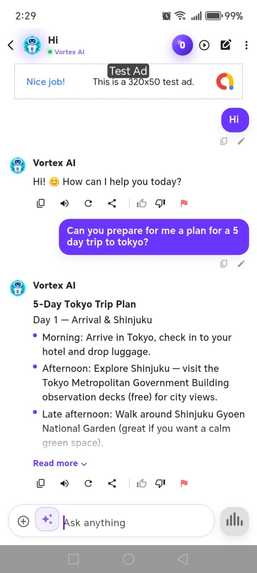
LIVE chat
-
-
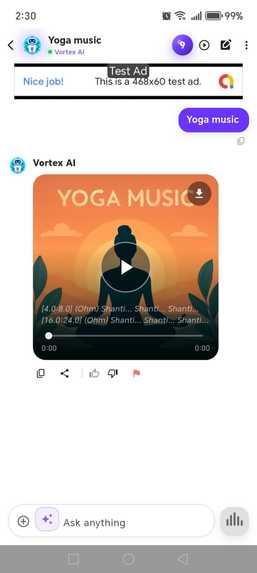
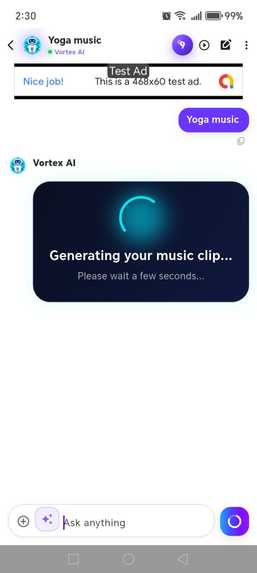
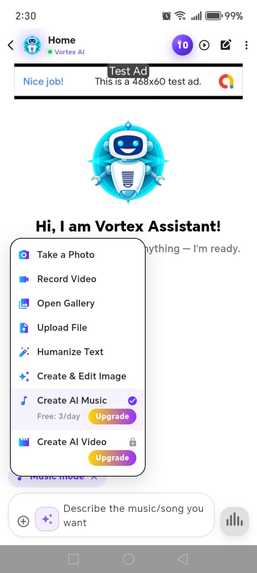
music
-
-
-
-
-
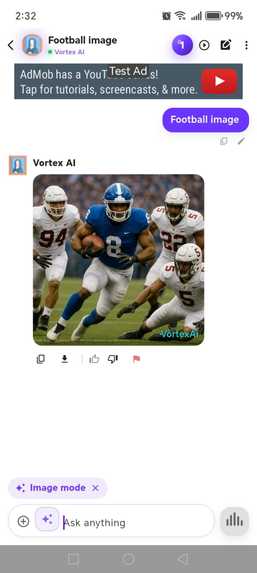
ai image
-
-
-
-
-
-
button tools

Inspiration
Most AI applications stop at answering questions. I wanted to build something bigger—an AI that can think, remember, create, research, and guide users through complete real-world goals.
Vortex AI was born from the idea that users should not need multiple AI applications for chat, search, image generation, music, video, voice, and productivity. Instead, all of these capabilities should work together inside a single intelligent assistant that grows alongside the user over time.
What it does
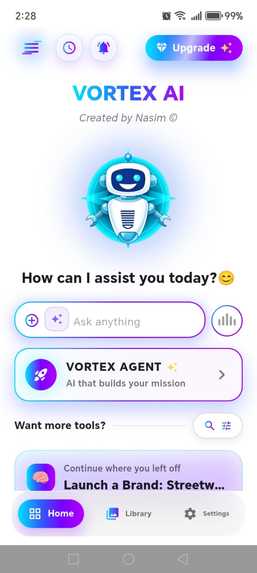
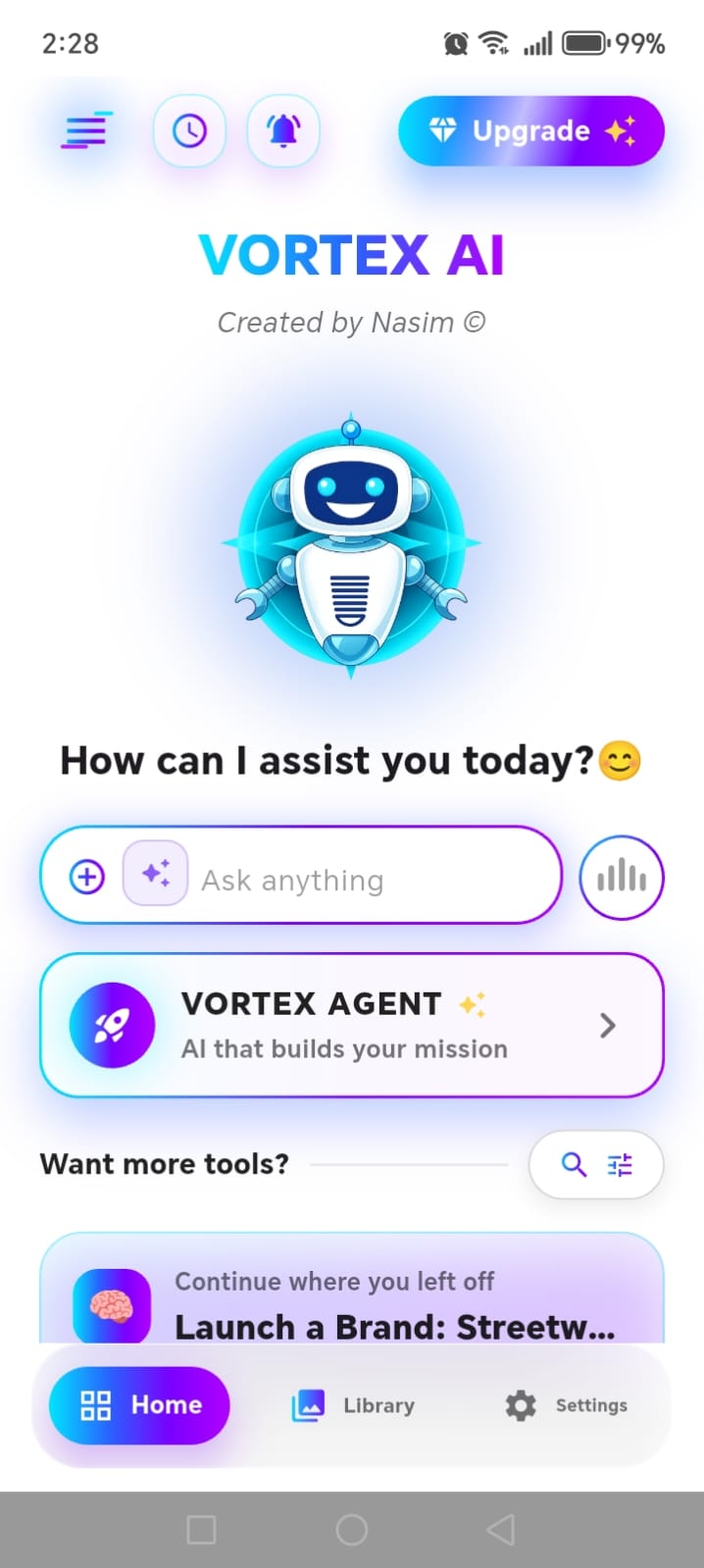
Vortex AI is an autonomous AI platform powered by intelligent agents that think, remember, research, create, and help users achieve meaningful goals.
Unlike traditional chatbots, Vortex AI combines persistent memory, intelligent missions, and multimodal AI to assist users across long-term projects and complex workflows.
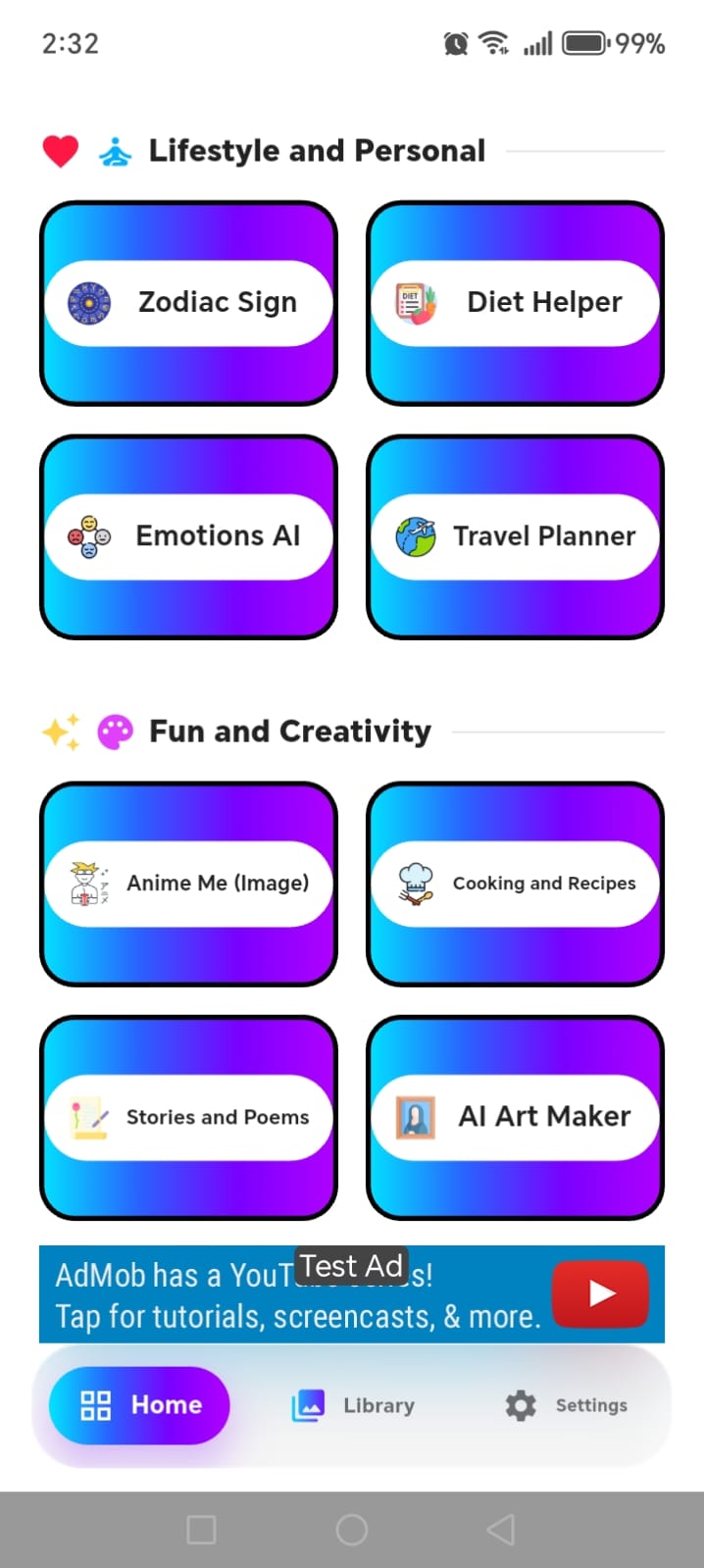
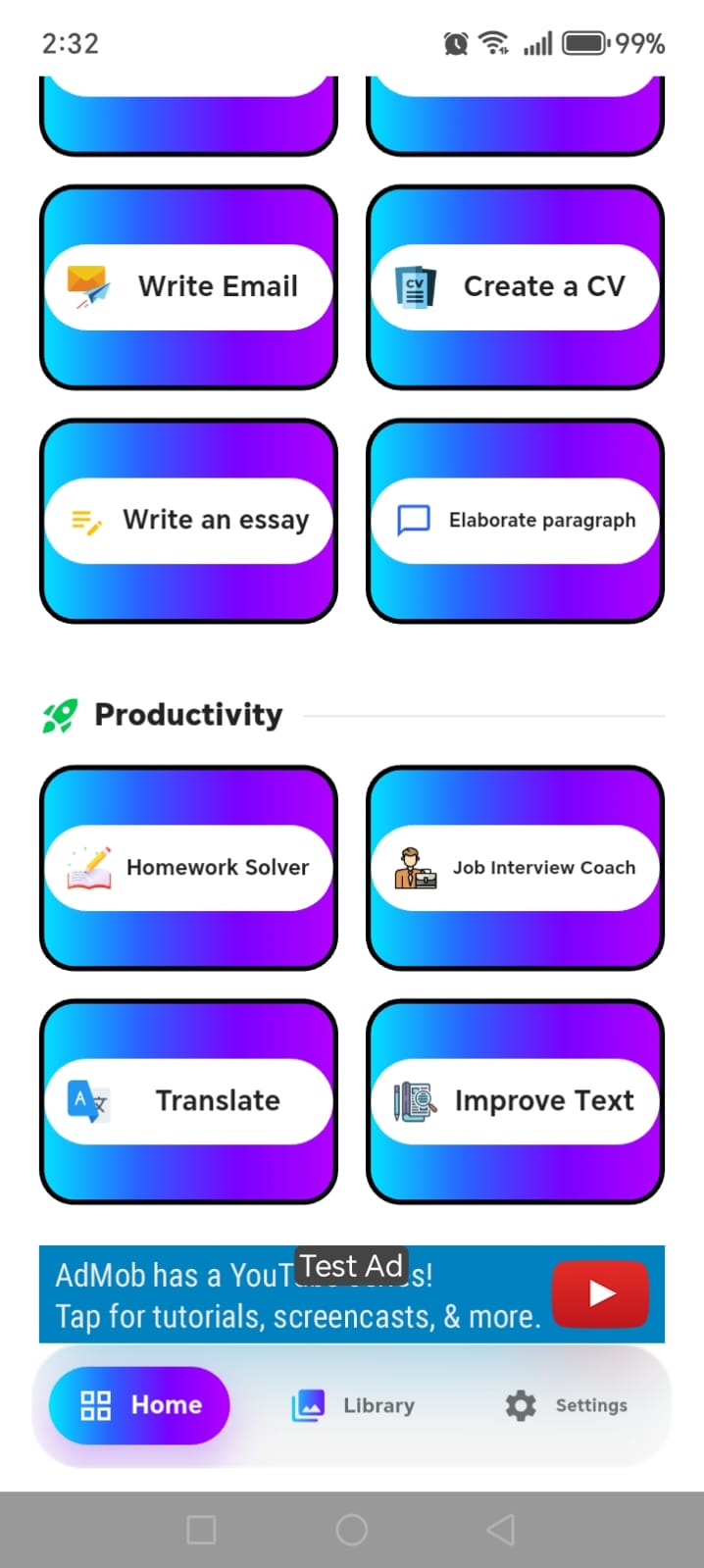
The platform includes:
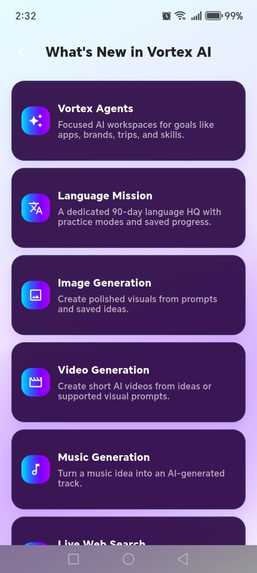
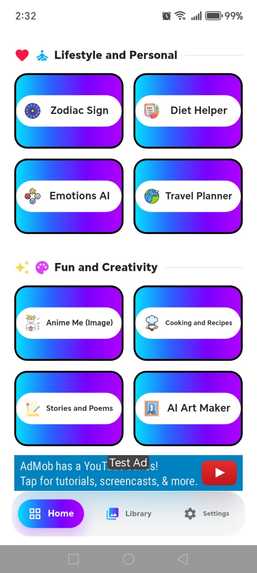
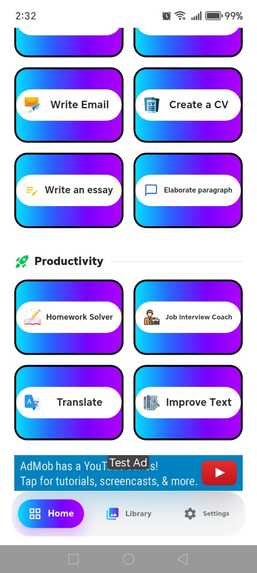
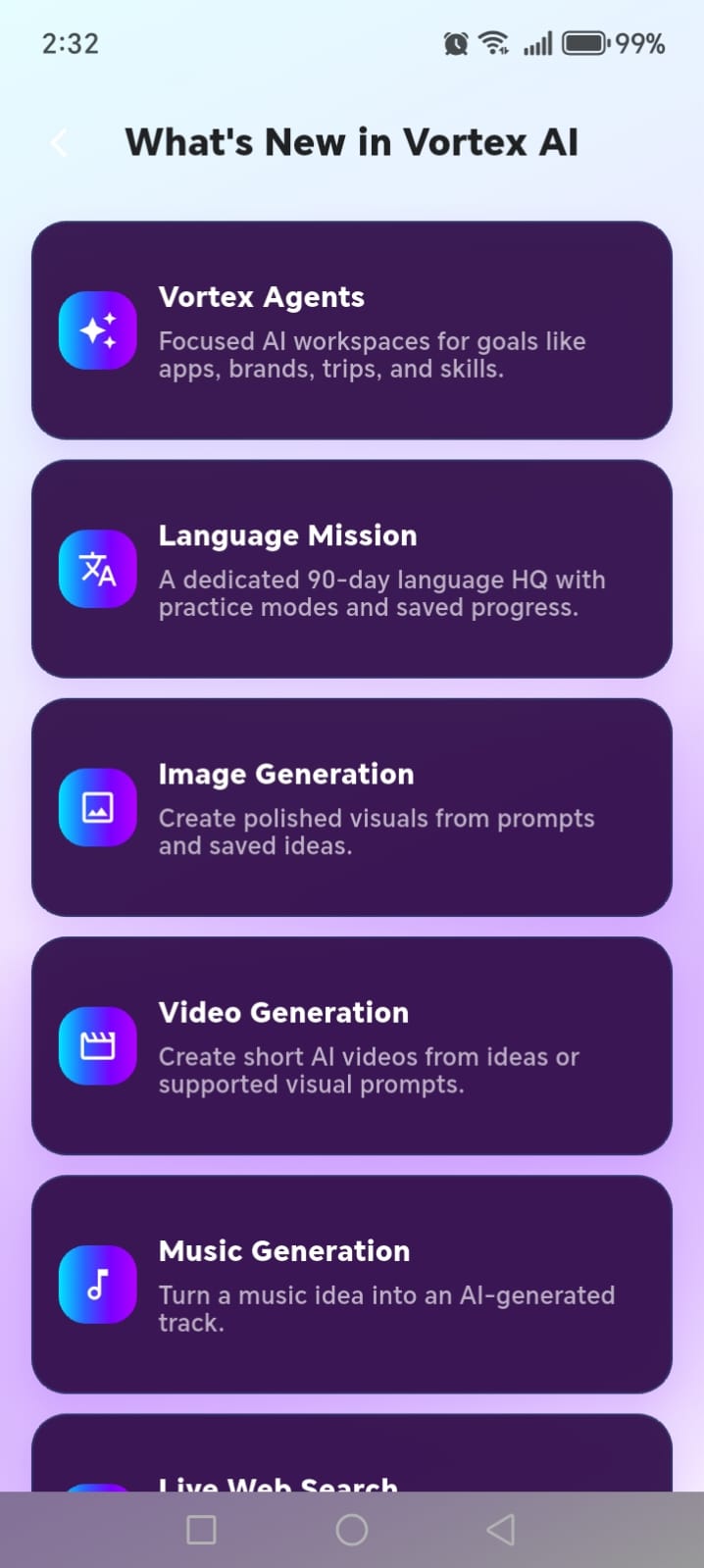
- 🤖 Autonomous AI agents
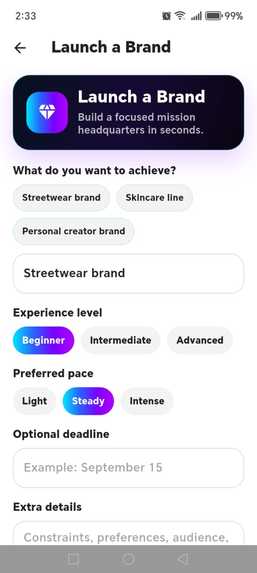
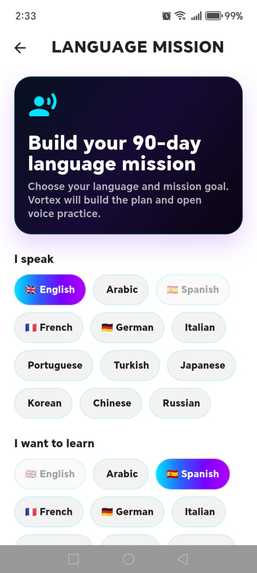
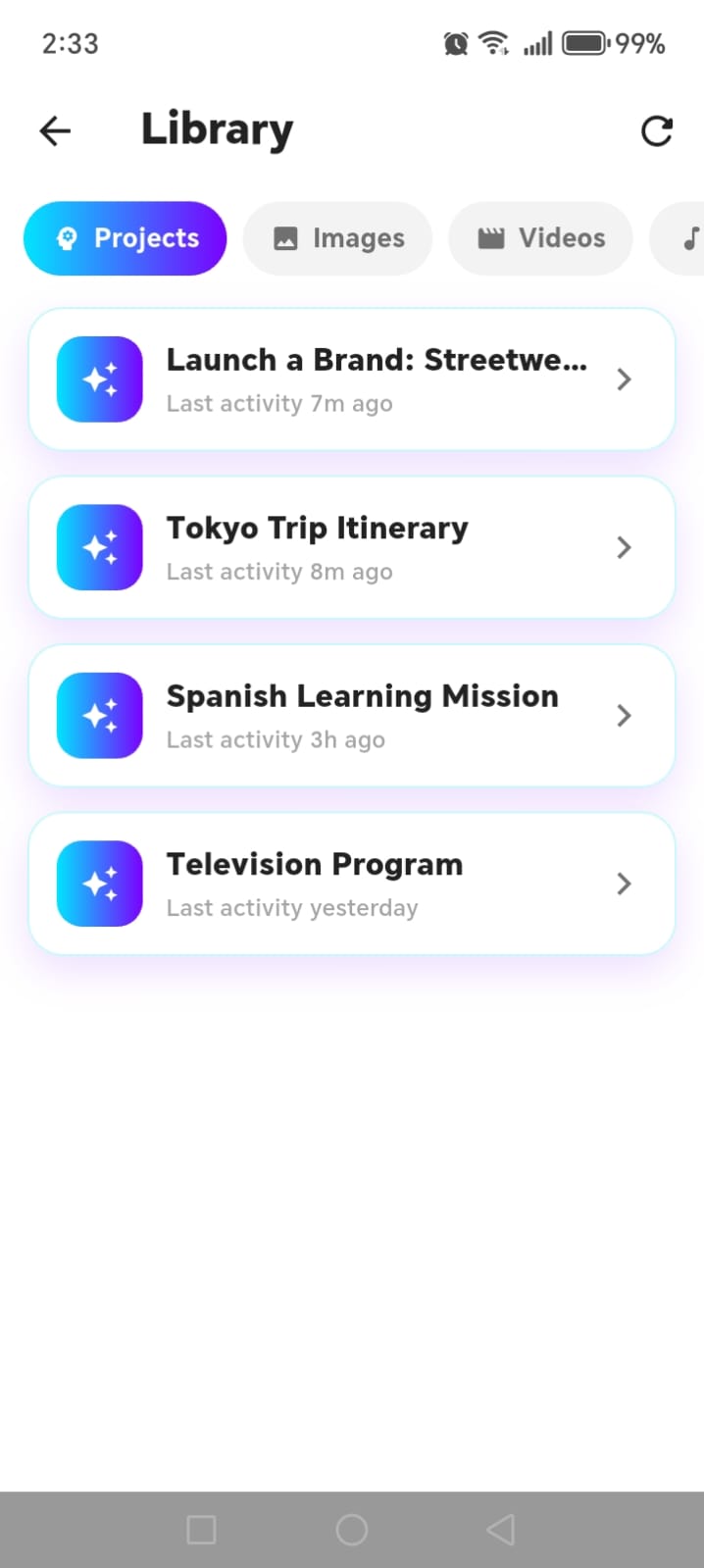
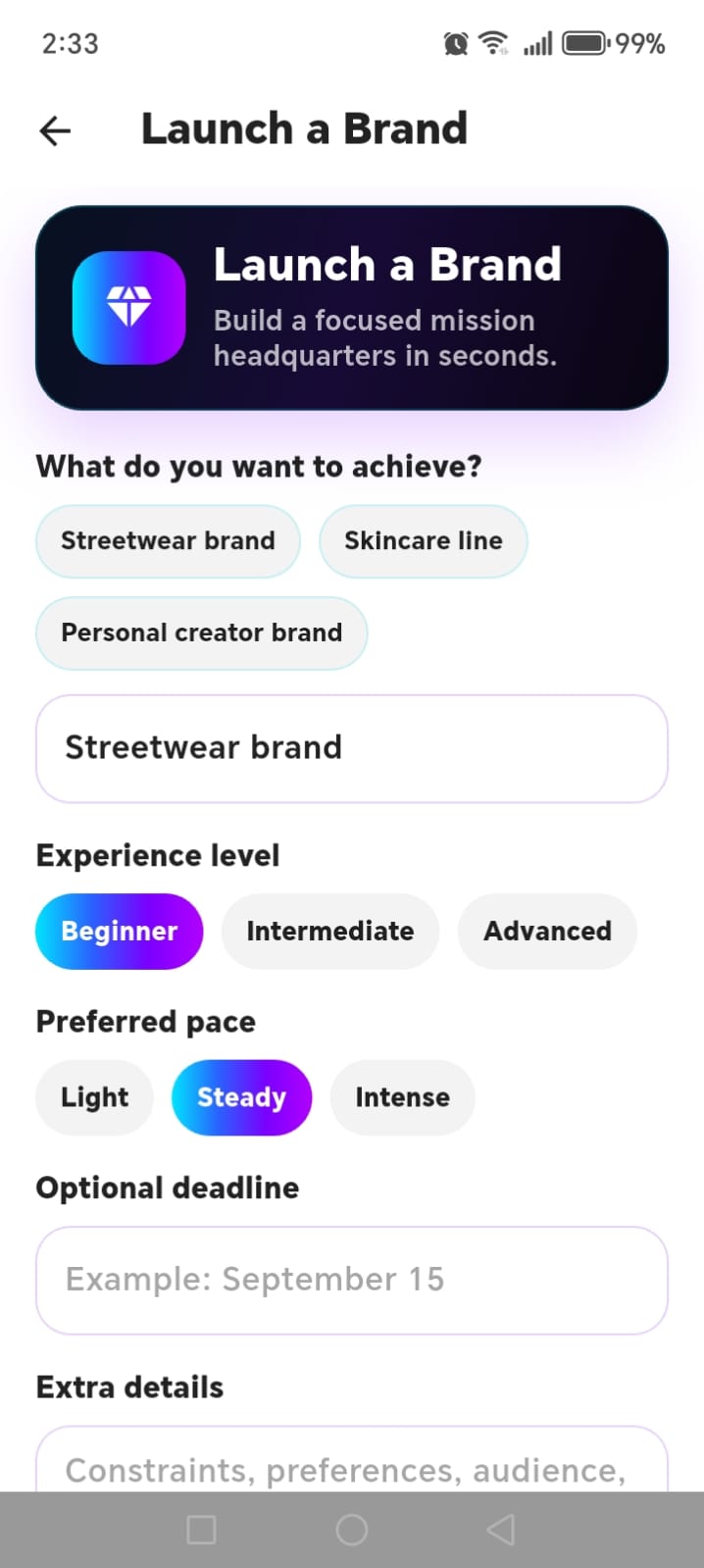
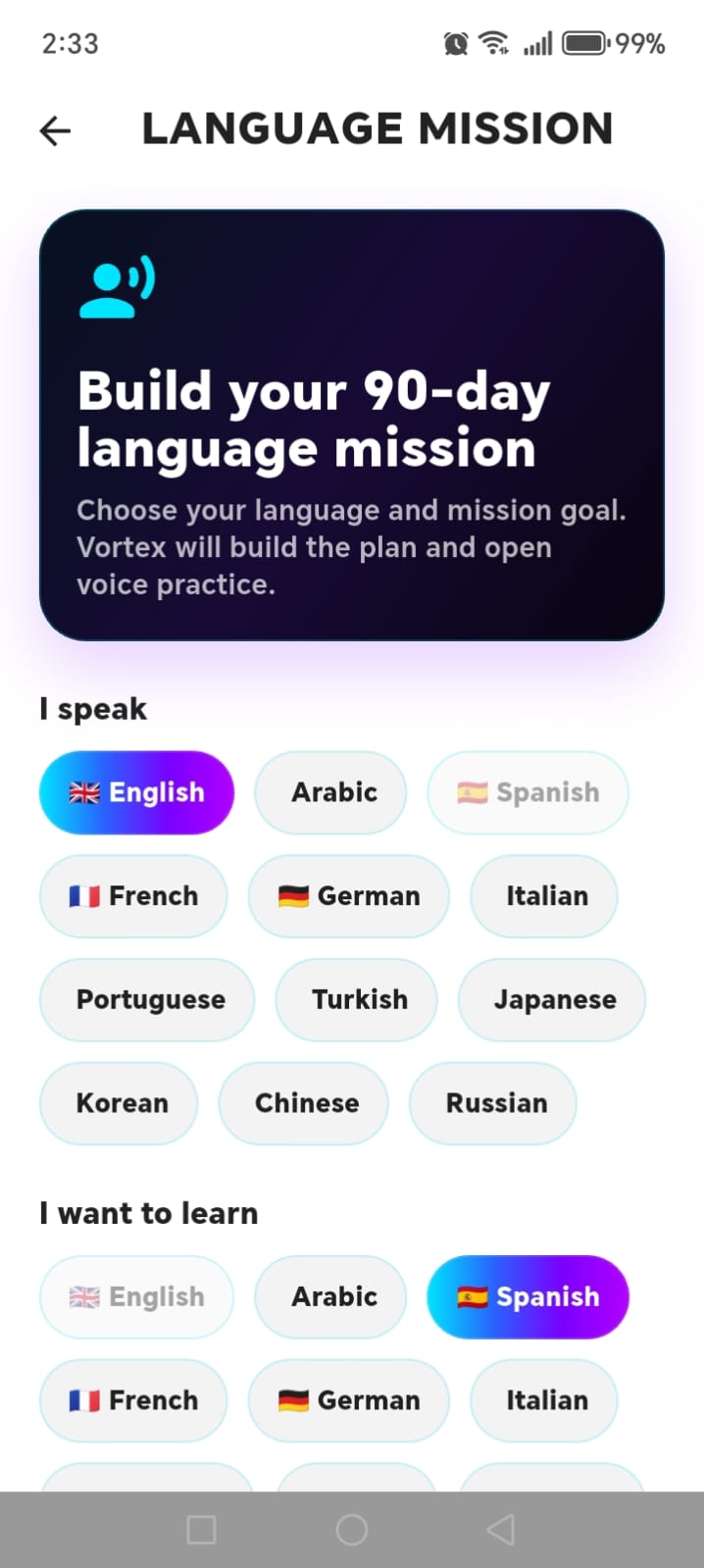
- 🚀 AI mission mode for multi-step tasks
- 🧠 Persistent long-term memory
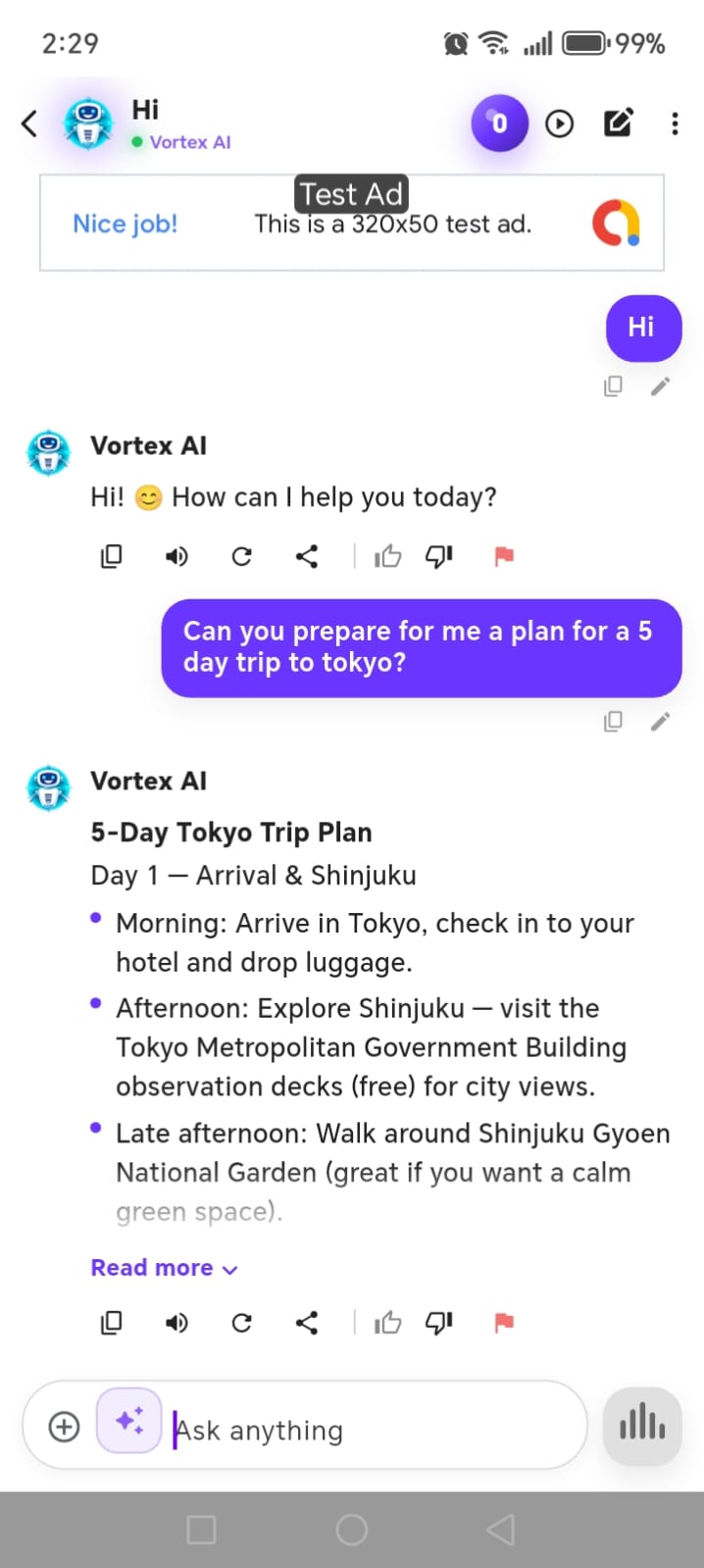
- 💬 AI conversations
- 🌐 Real-time web search and research
- 🎙️ Voice interaction
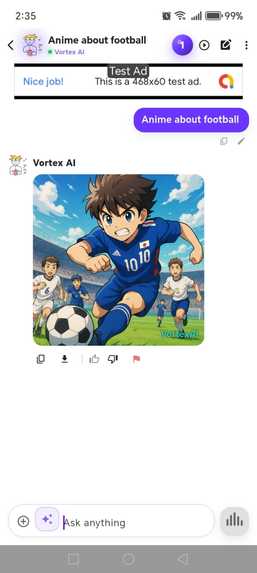
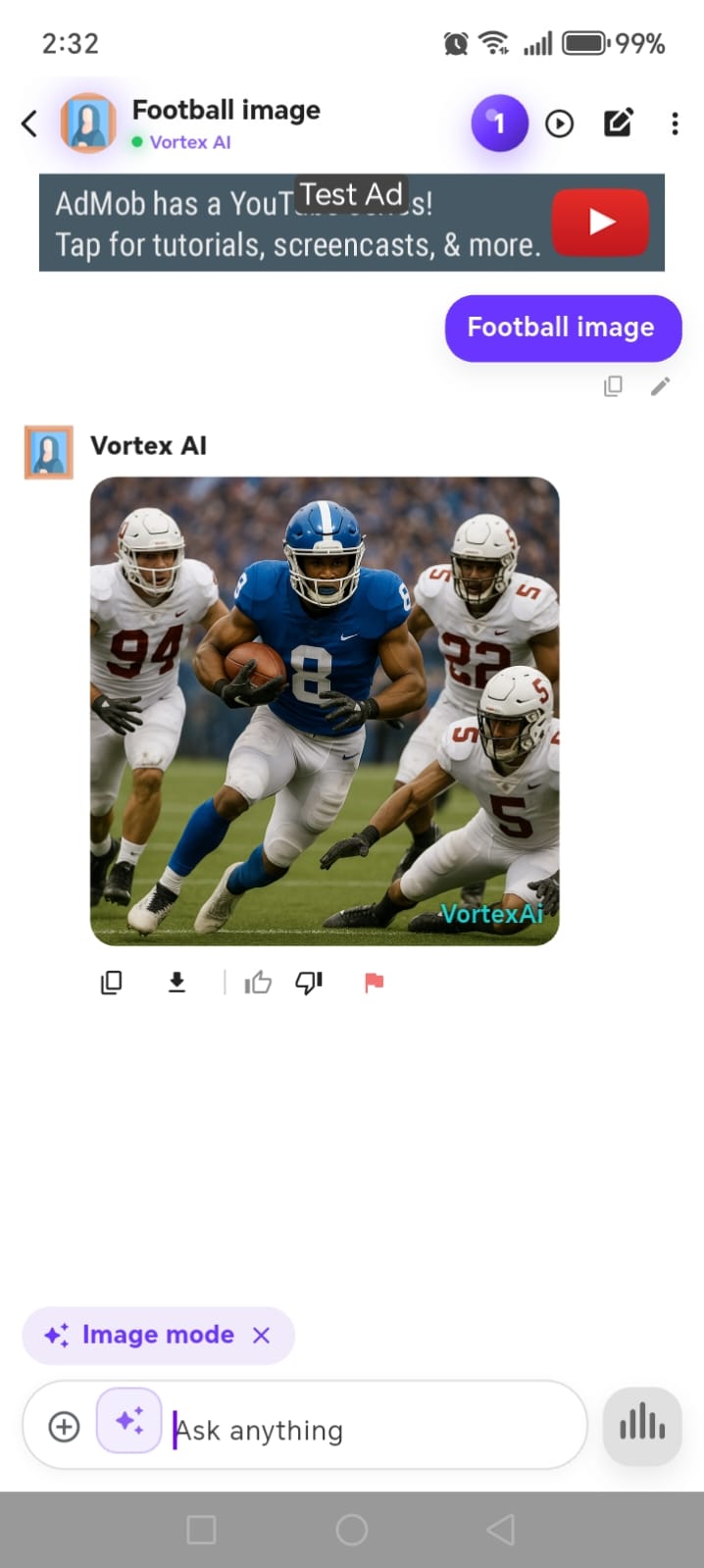
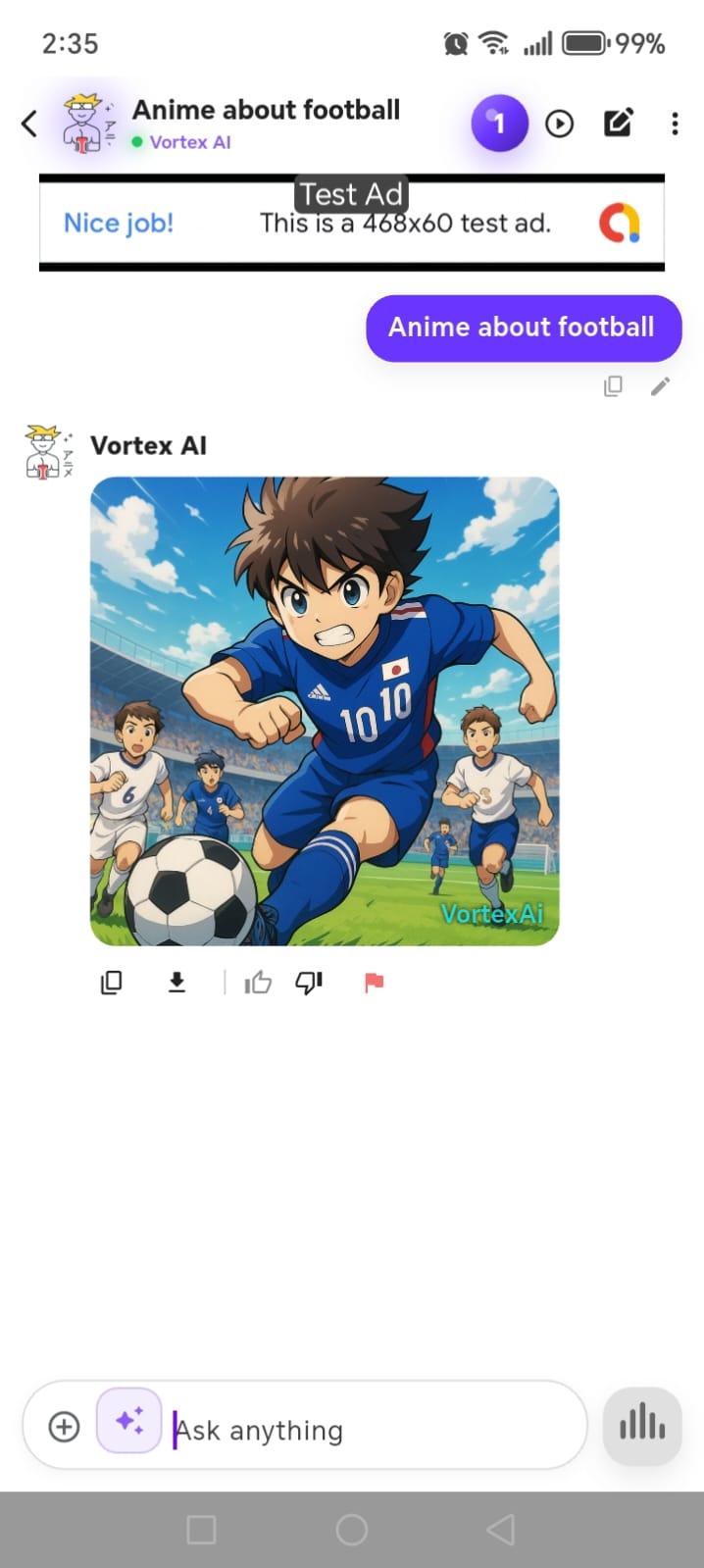
- 🎨 Image generation
- 🎥 Video generation
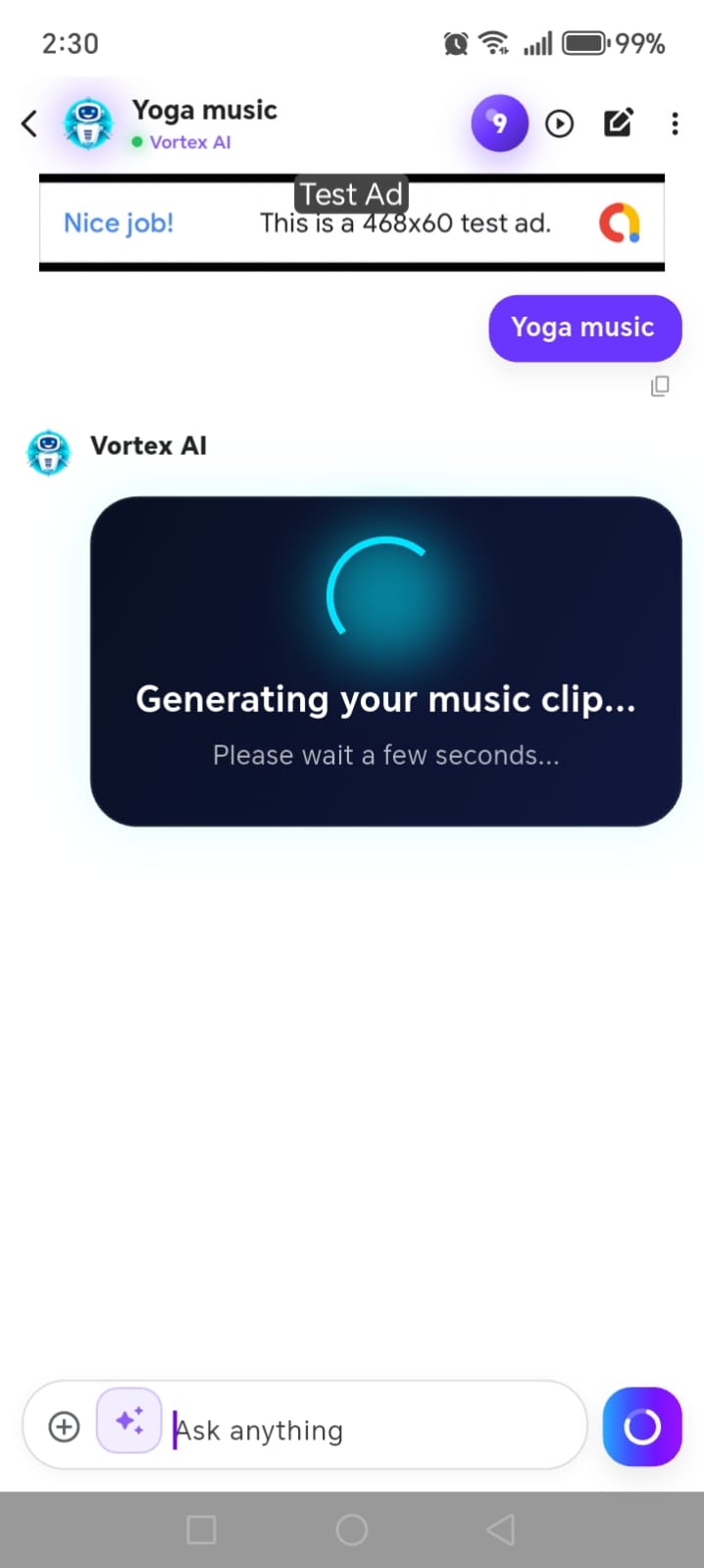
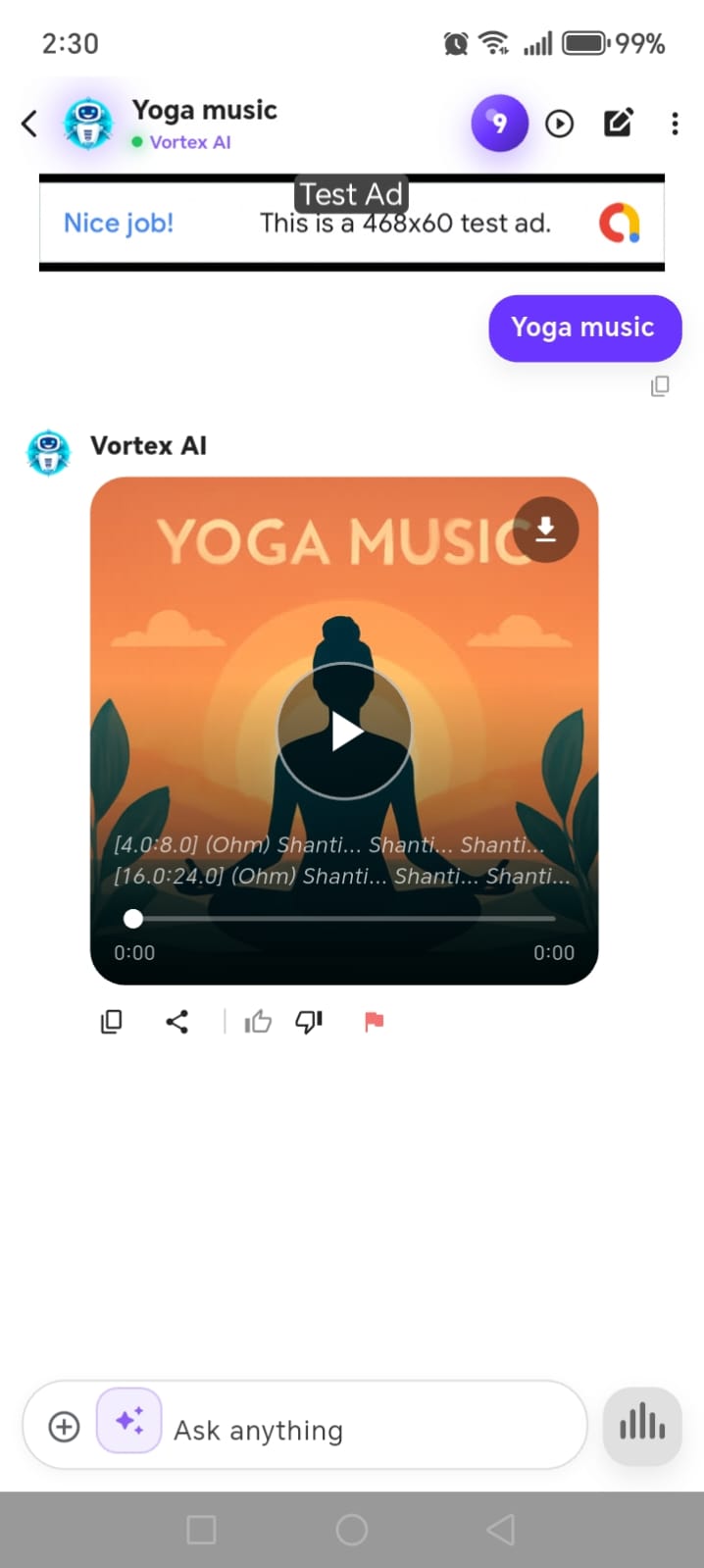
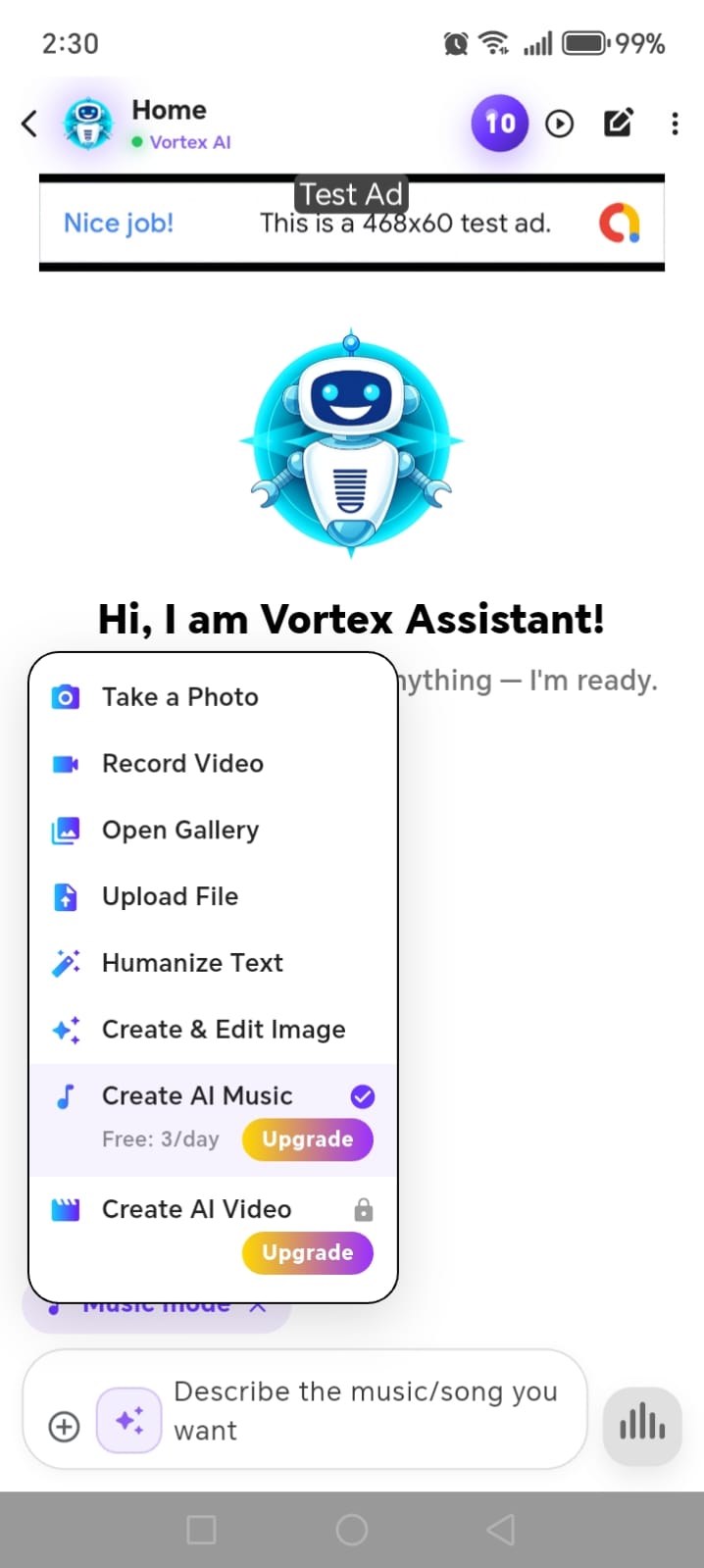
- 🎵 Music generation
Whether someone wants to launch a business, build an application, learn a new skill, or organize a project, Vortex AI preserves context across conversations and acts as an intelligent partner—not simply another chatbot.
How I built it
I built Vortex AI as a cross-platform Flutter application connected to a custom AI backend designed to orchestrate multiple intelligent systems.
The project combines:
- Flutter and Dart
- Node.js and Express
- PostgreSQL
- OpenAI APIs
- Gemini APIs
- Custom AI agent architecture
- Persistent memory systems
- Intelligent workflow orchestration
Vortex AI was designed and developed entirely as a solo project, from the mobile application and backend architecture to the AI orchestration, memory system, and autonomous agent workflows.
I used Codex throughout development to prototype and extend key parts of the agent system, mission workflows, and long-term memory integration, accelerating the implementation of complex AI features and helping shape Vortex AI into a more capable assistant.
One of the main goals was to allow different AI capabilities to work together seamlessly while maintaining context across sessions and projects.
Challenges I ran into
Building Vortex AI required combining multiple AI systems into a single cohesive experience rather than creating a collection of disconnected tools.
Some of the biggest challenges included:
- Designing persistent long-term memory
- Building autonomous AI agents
- Coordinating multiple AI models
- Creating intelligent multi-step workflows
- Integrating voice, web search, and multimodal generation
- Delivering all of these capabilities inside a polished mobile application
Balancing performance, usability, and intelligence while keeping the experience simple for users was one of the most difficult parts of the project.
Accomplishments that I'm proud of
The accomplishment I am most proud of is transforming Vortex AI from a traditional chatbot into an intelligent platform capable of planning, remembering, researching, and creating.
I successfully unified conversations, long-term memory, voice interaction, real-time web search, image generation, video generation, music generation, and intelligent missions into a single mobile experience.
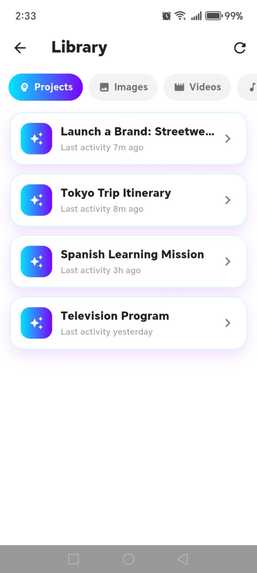
Another milestone was designing an AI mission system that helps users pursue complete goals instead of isolated prompts.
What I learned
Building Vortex AI taught me that creating useful AI products is about much more than model quality.
I learned how to orchestrate multiple AI systems, design persistent memory architectures, build intelligent workflows, and combine voice, search, and multimodal generation into a seamless experience.
The project also showed me how tools like Codex can accelerate development by helping prototype complex agent behaviors and workflows.
What's next for Vortex AI
My long-term vision is to evolve Vortex AI into a true AI platform for everyday life.
Future releases will expand autonomous agents with specialized missions for business, education, productivity, health, finance, travel, and software development, while making the assistant more proactive, personalized, and capable of helping users complete increasingly complex real-world tasks.
Built With
- claude-haiku
- claude-opus
- claude-sonnet
- gpt-4omini
- gpt-5
- gpt-5-mini
- gpt-5.5


Log in or sign up for Devpost to join the conversation.