-
-
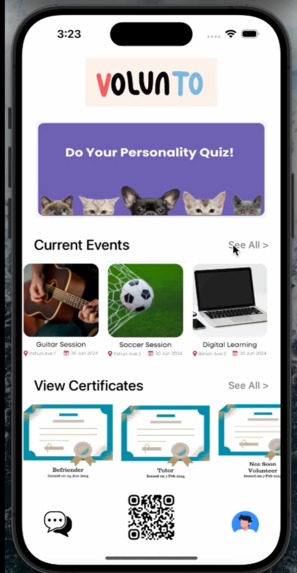
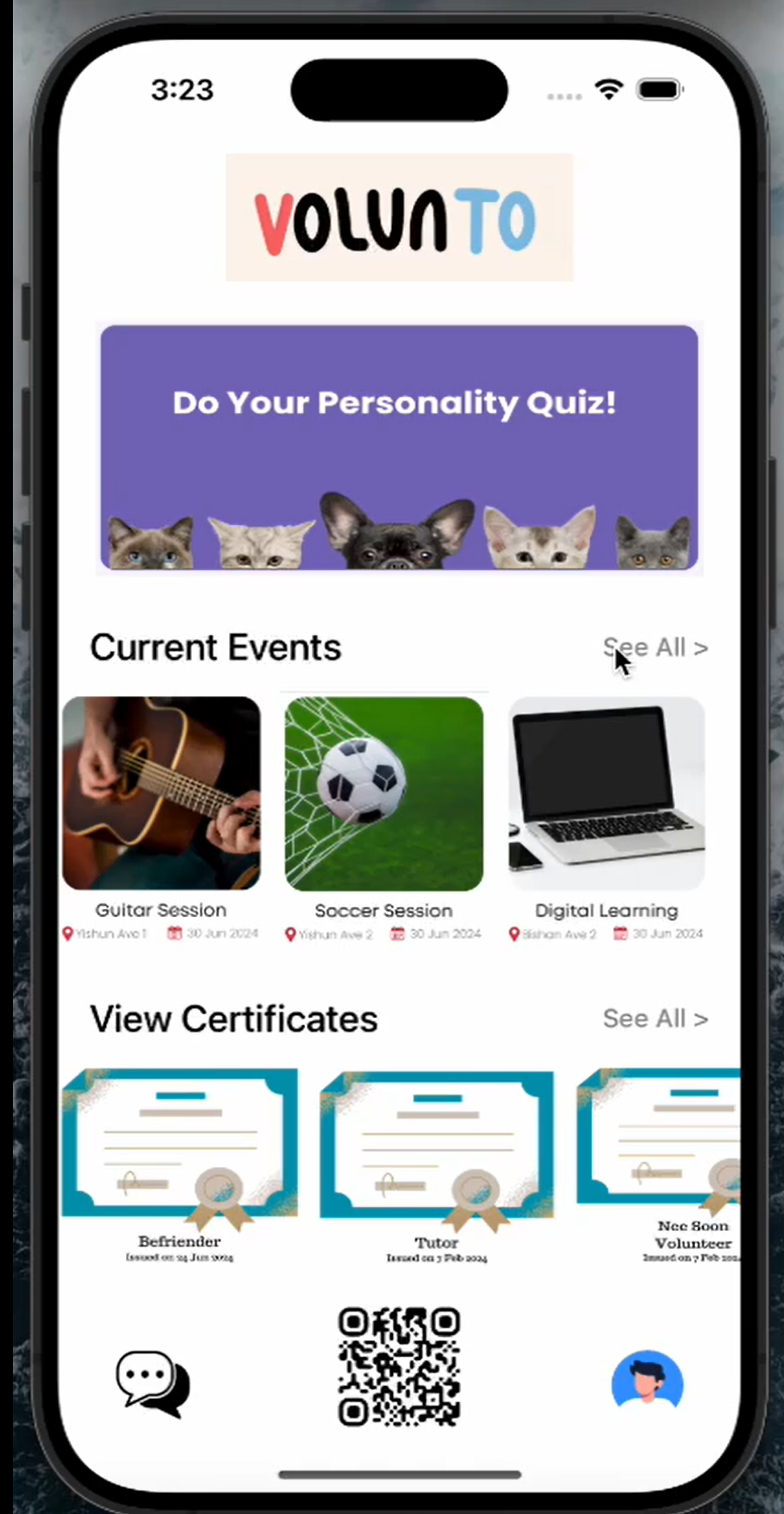
Main page
-
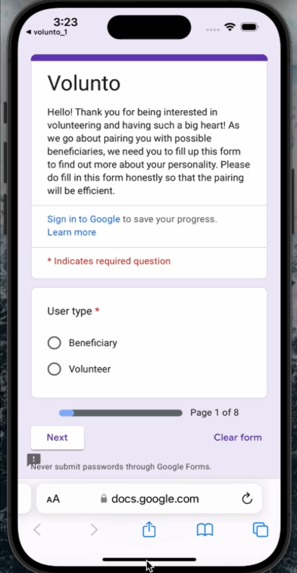
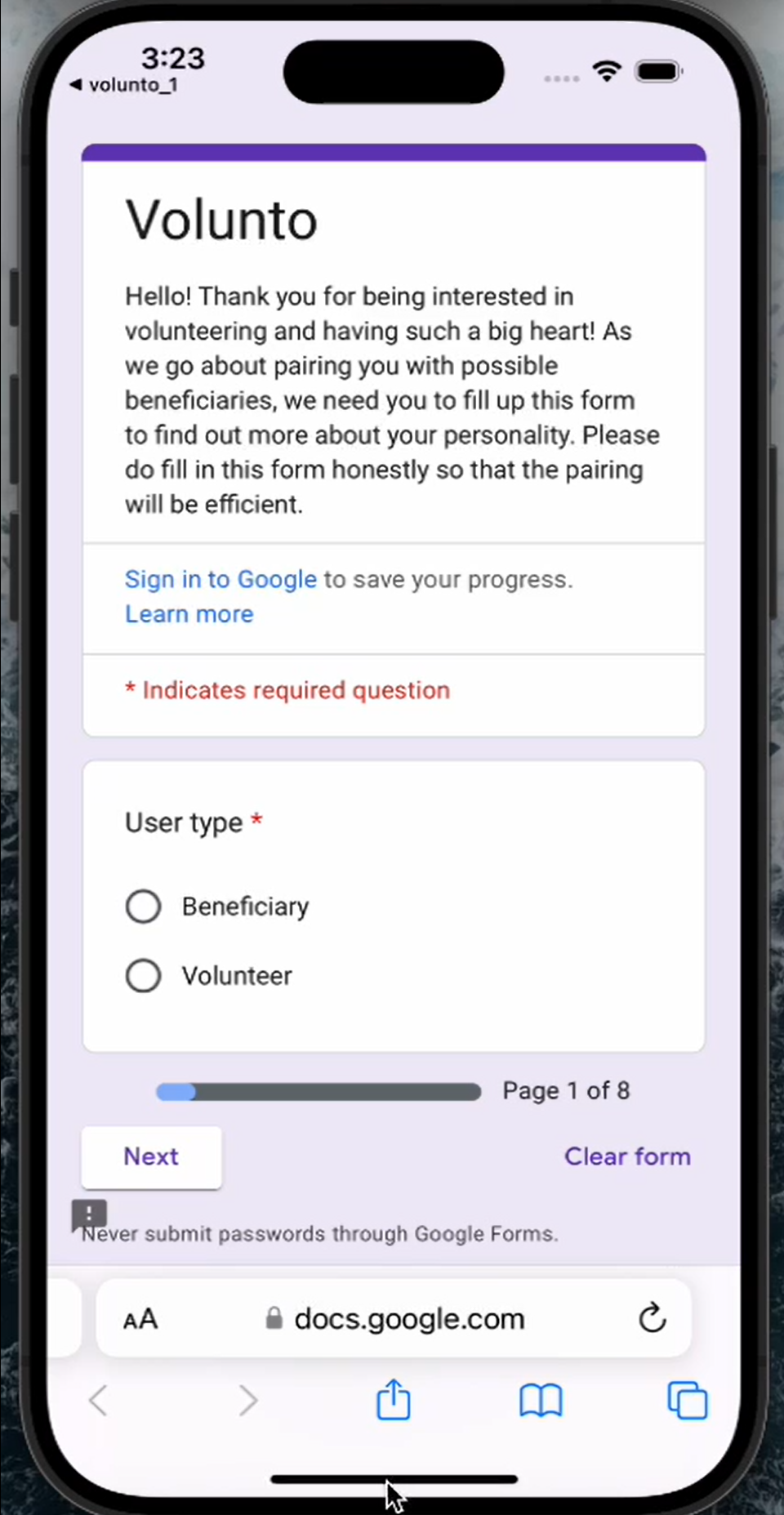
Take your Personality test
-
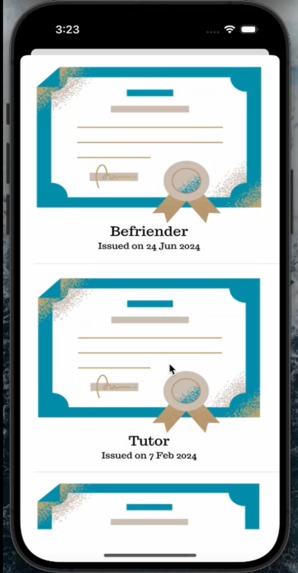
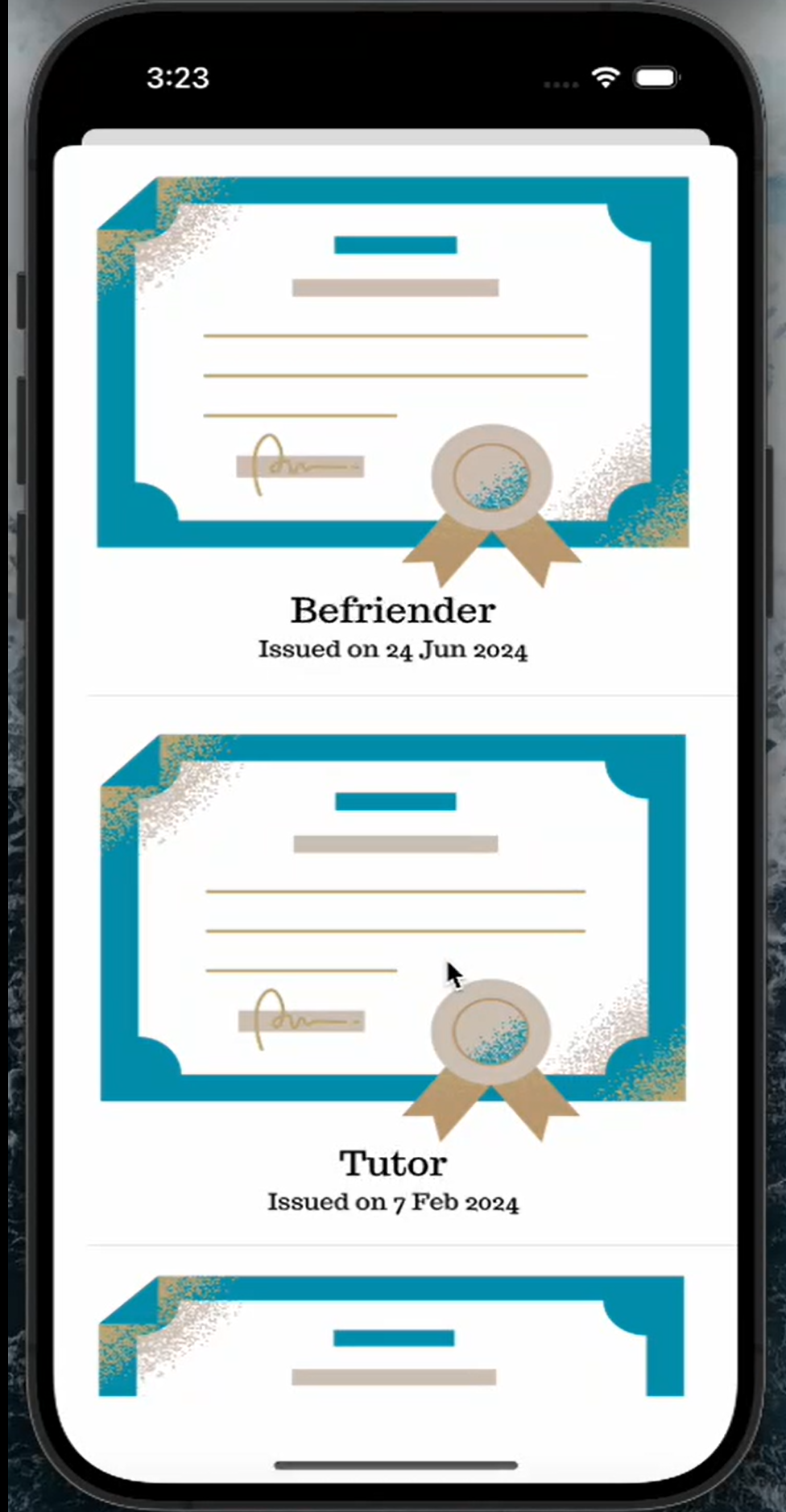
View all of your certificates
-
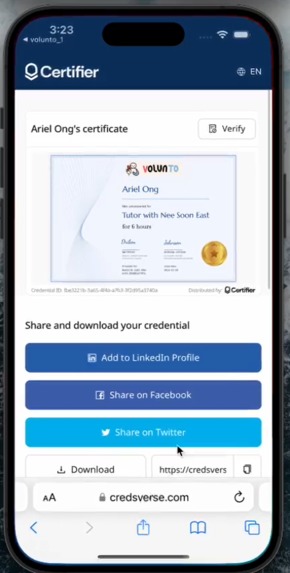
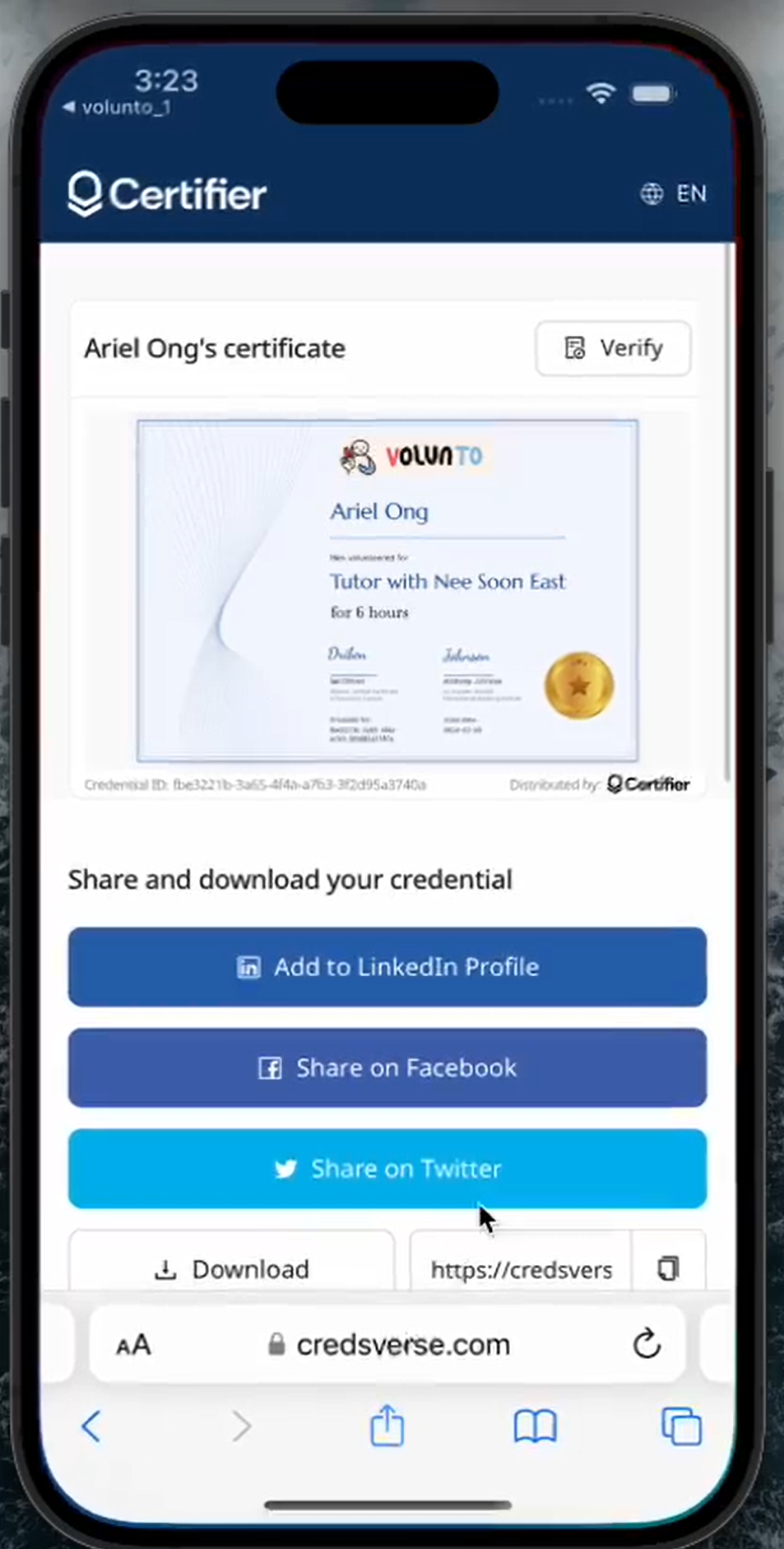
View your certificate and share it on your social media. Done using certifier.
-
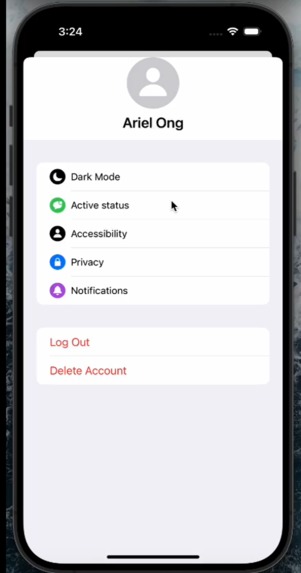
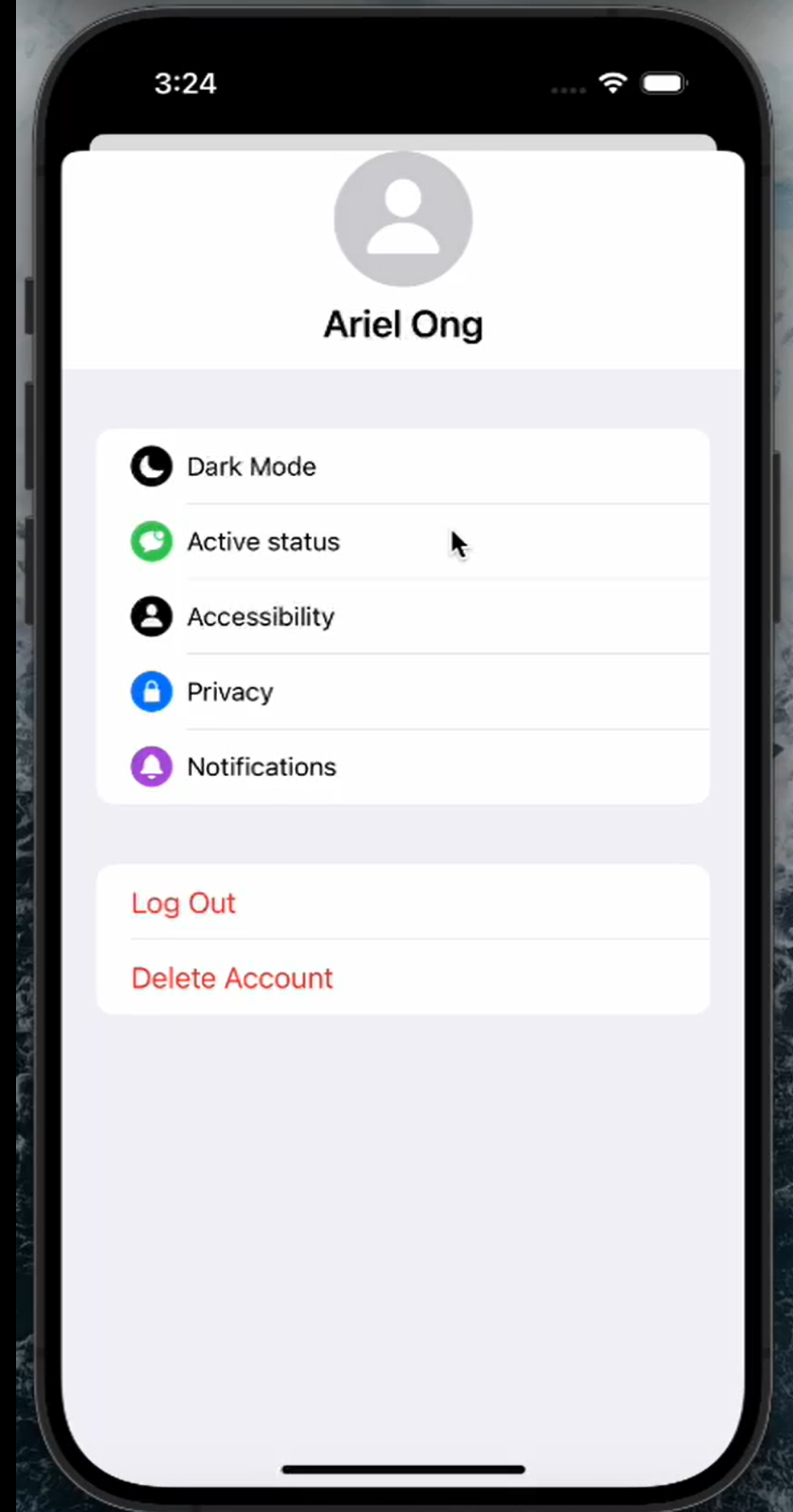
Personalise your profile
-
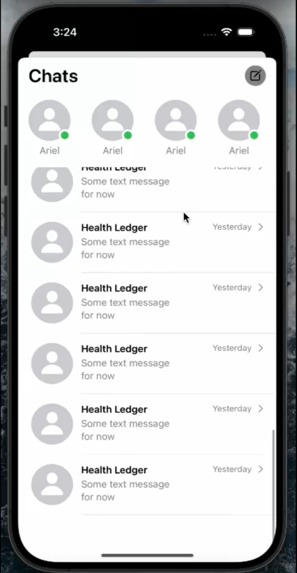
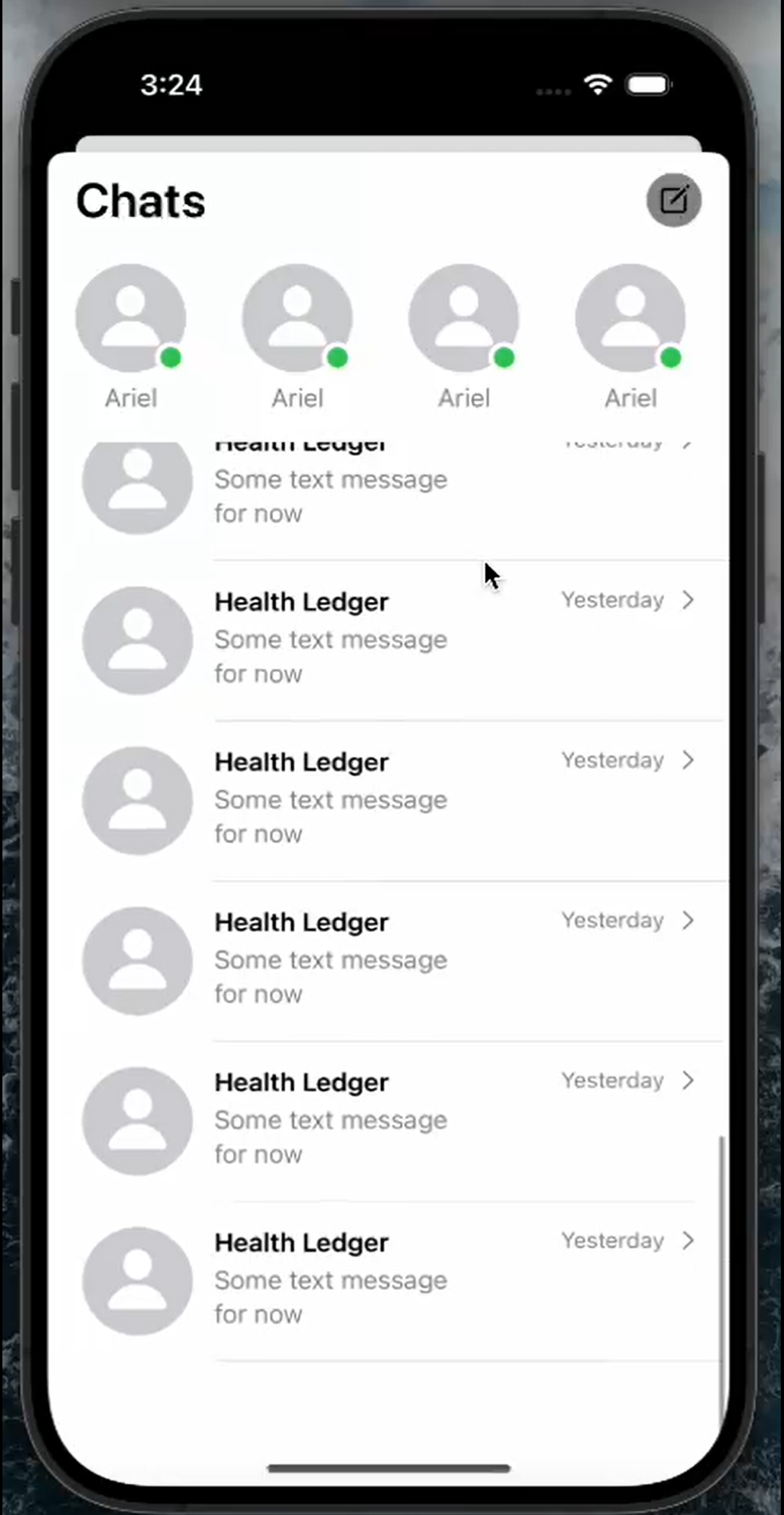
View all of your chats
Inspiration
The inspiration behind Volunto was rooted in the desire to create a platform that seamlessly connects volunteers with meaningful opportunities. Recognizing the power of collective efforts in driving positive change, we aimed to build a space where individuals could easily find and contribute to causes they are passionate about. Furthermore, we have been told that organisers often have certain issues they run into and as such, we wanted to create a platform that solves these issues for them as they are doing so much good to society.
What it does
Volunto serves as a centralized hub for volunteer opportunities, streamlining the process of matching volunteers with organizations in need. The platform features a user-friendly interface, allowing users to browse, sign up, and track their volunteer engagements effortlessly. Organizations can also post their events, manage volunteers, and express gratitude for their invaluable contributions by giving out certificates.
How we built it
Firstly, we needed a place to store data and for now we used google sheets. link
Second, we had to find a way to get the volunteer and beneficiary's preferences and we decided to use google forms and linked the responses to the aforementioned sheets.
Third, we created an app to put all of this together, putting the user at the center. We used Swift to develop the app. Furthermore, for our algorithmic pairing, we used python to use the nlkt library to find similar interests.
Challenges we ran into
The pairing algorithm was challenging as initially we had no idea how we can pair. For example, volunteer A can say he likes football and beneficiary B might say he like sports. As humans, we will pair them together but for a simple script, they would not be paired. So we had to use natural language processing for the code to think more like a human. We tried coding it out and we only got to the bear minimum but we are confident that given more time, we can make the system more robust and accurate.
Another challenge is database management. We had to create databases such that they can be accessed easily by several processes, and this was difficult as we had to minimize the 'transfers' and be efficient. So we ended up with using sheets to be the center point for all these transactions.
Lastly, QR code generator. By right, the volunteer can scan the unique QR code of the beneficiary to prove their attendance but we were unable to do so. When we tried implementing it in our draft, the whole program crashed and we had to start over. As such, we will need more time to get this QR attendance taking to work.
Accomplishments that we're proud of
We take pride in creating a platform that not only connects volunteers with opportunities but also fosters a sense of community and collaboration. We are also proud of how we came up with a good idea about pairing them according to their interests as this will save them both time and resources. Furthermore, we feel that the flow is very simple and the app is user friendly, so that the elderly will not miss out anything and the volunteers can have a better and easier time. Certificate generation was also good as certificates can now be generated by supplying it a simple excel sheet.
What we learned
The process of building Volunto provided valuable insights into the importance of user-centric design, the significance of effective communication between volunteers and organizations, and the technical nuances of creating a robust, scalable platform. Our frontend skills were also put the test and we had to think out of the box to implement all of these into 1 app. We also had to think critically and we learnt how to use what we have learnt so far in year 1 to try and create something out of this.
What's next for Volunto
Firstly, the development of the QR code system. As mentioned, we will be needing more time to completely get this started but we are confident that we can do it. Once implemented, it will really save a lot of time and make it much easier to scan attendance.
Secondly, the further development of algorithmic pairing. As mentioned, this is still in its infant stages and we will be needing more time to make it more robust and reduce points of failure. Furthermore, we are also thinking of using ChatGPT API to make this pairing a much better one.
Thirdly, the automation of certificate generation. Right now, the organizer will have to input an excel file into the program to generate certificates. But we plan to use Certifier API to try and generate it by ourselves and automate this entire process from start to finish.
Fourth, we want to use our own databases and develop our backend. To be honest, we are year 1s with limited experience in coding so we will need more time to develop our backend skills. We want to rely less on sheets and more on our own backend such as using MongoDB for databases and node.JS for our backend.
Thank you very much for reading our description! We hope that you found our project meaningful.
Built With
- certifier
- natural-language-processing
- python
- sheets
- swift

Log in or sign up for Devpost to join the conversation.