-
-
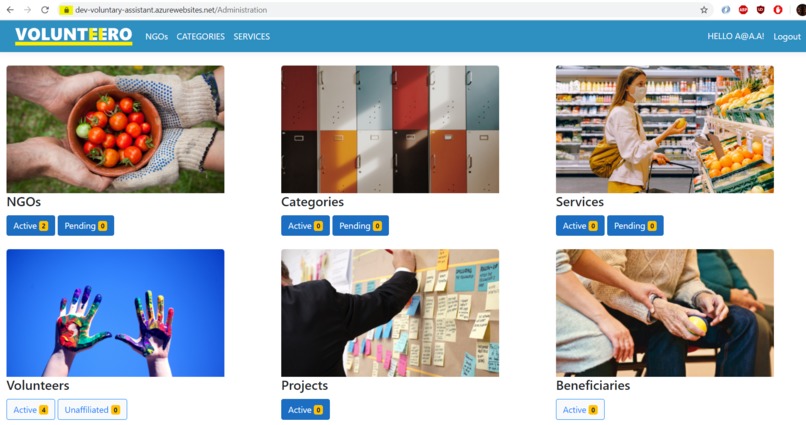
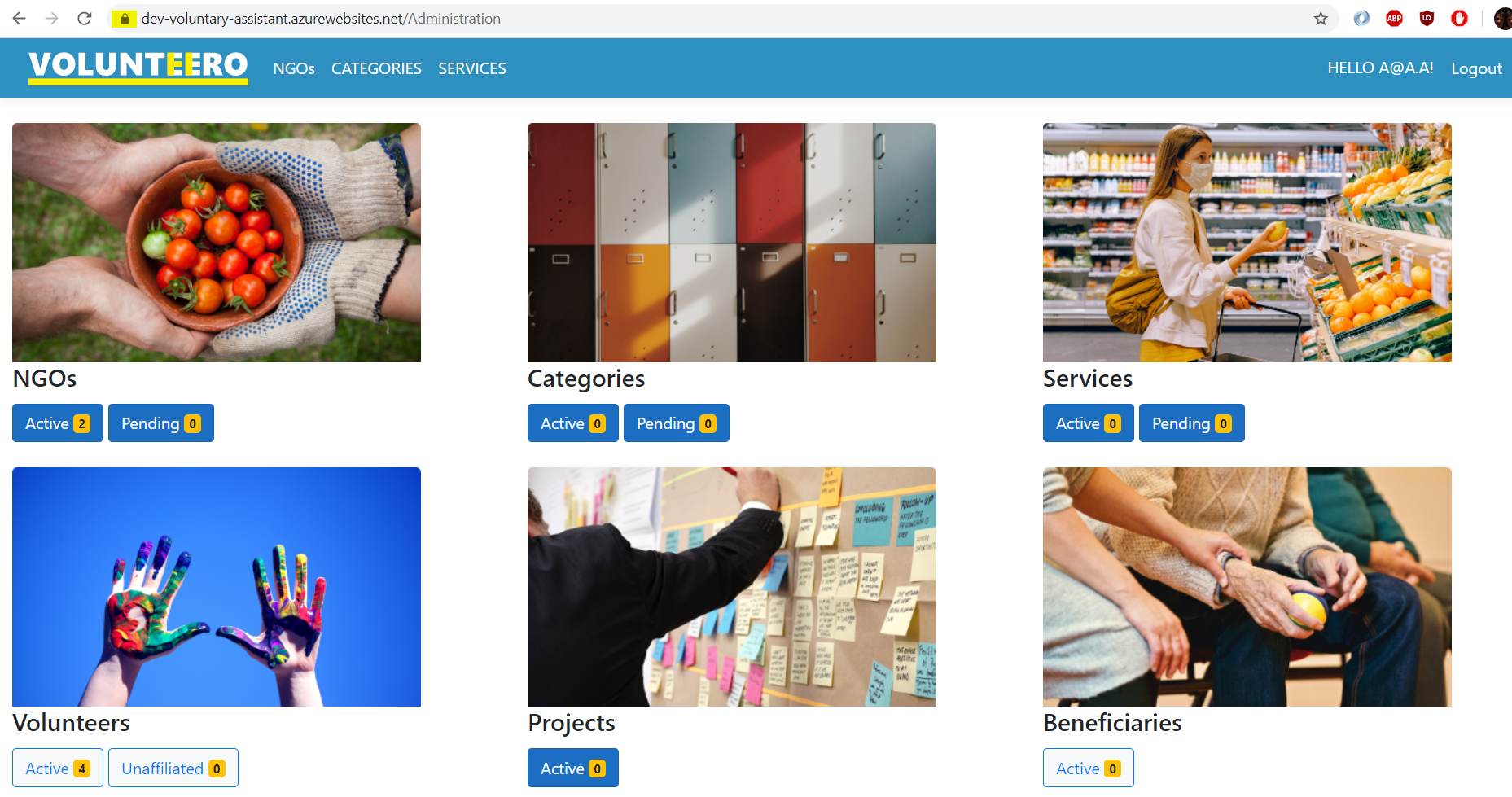
Admin Page - what an admin would see
-
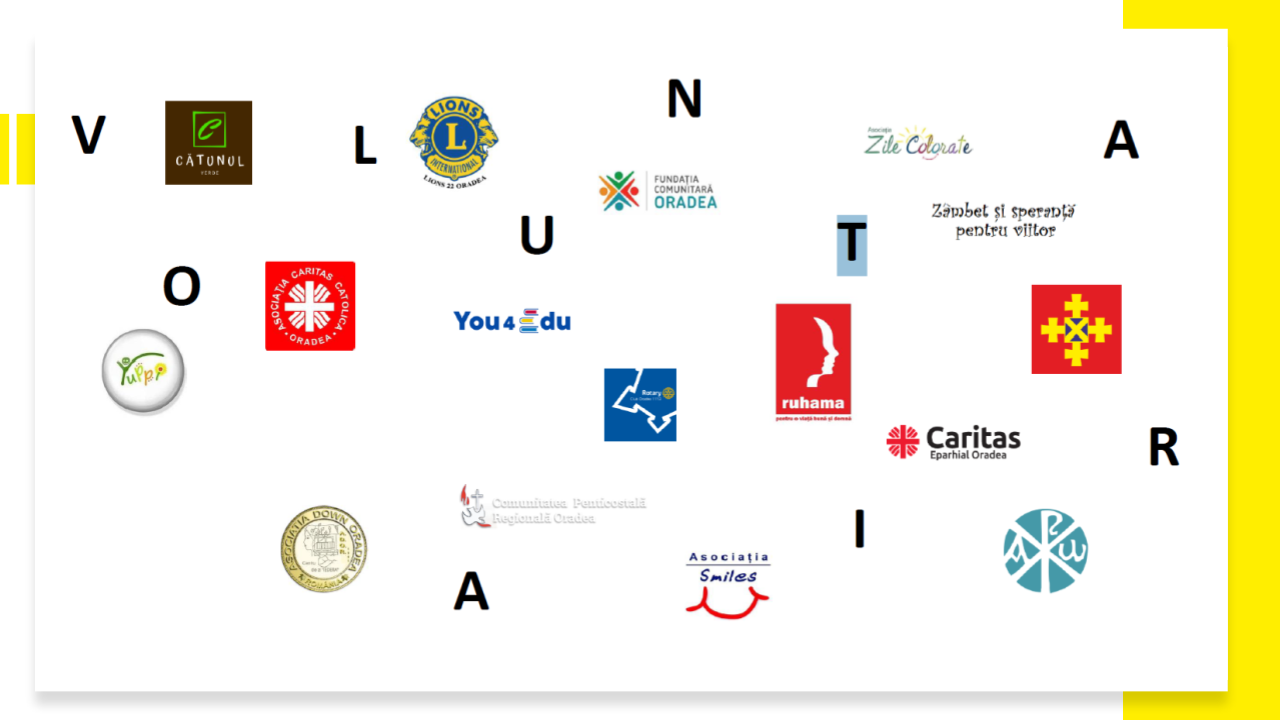
Our clients that already accepted to be presented in public
-
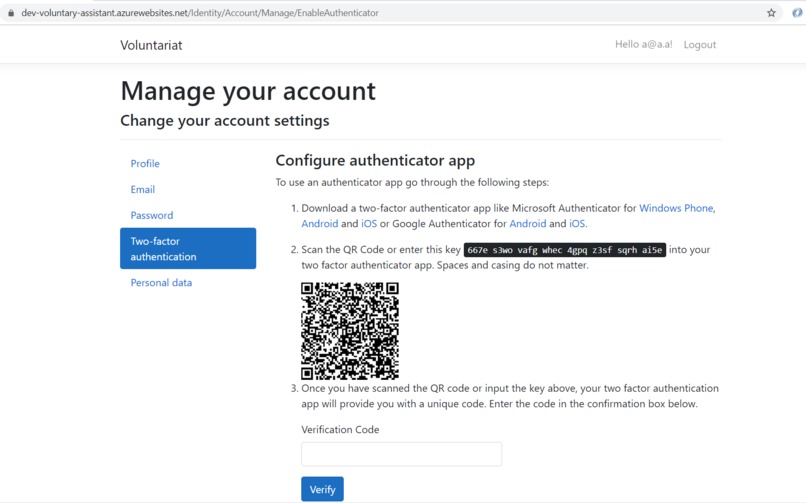
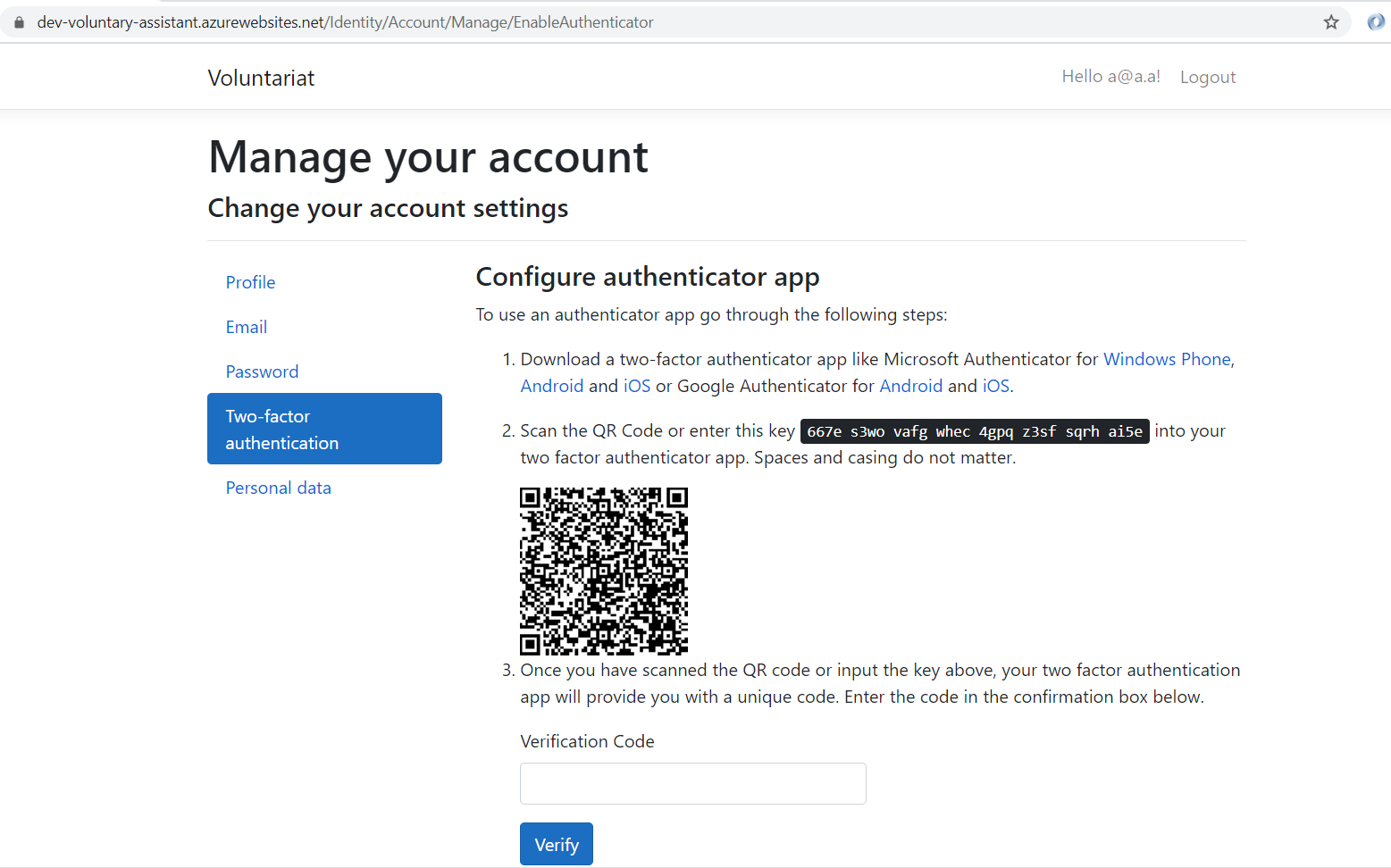
Google and Microsoft Authenticator are working
-
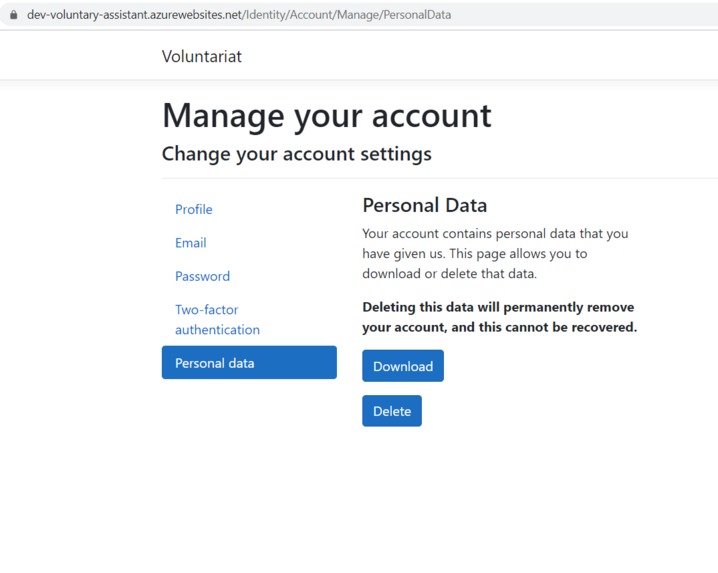
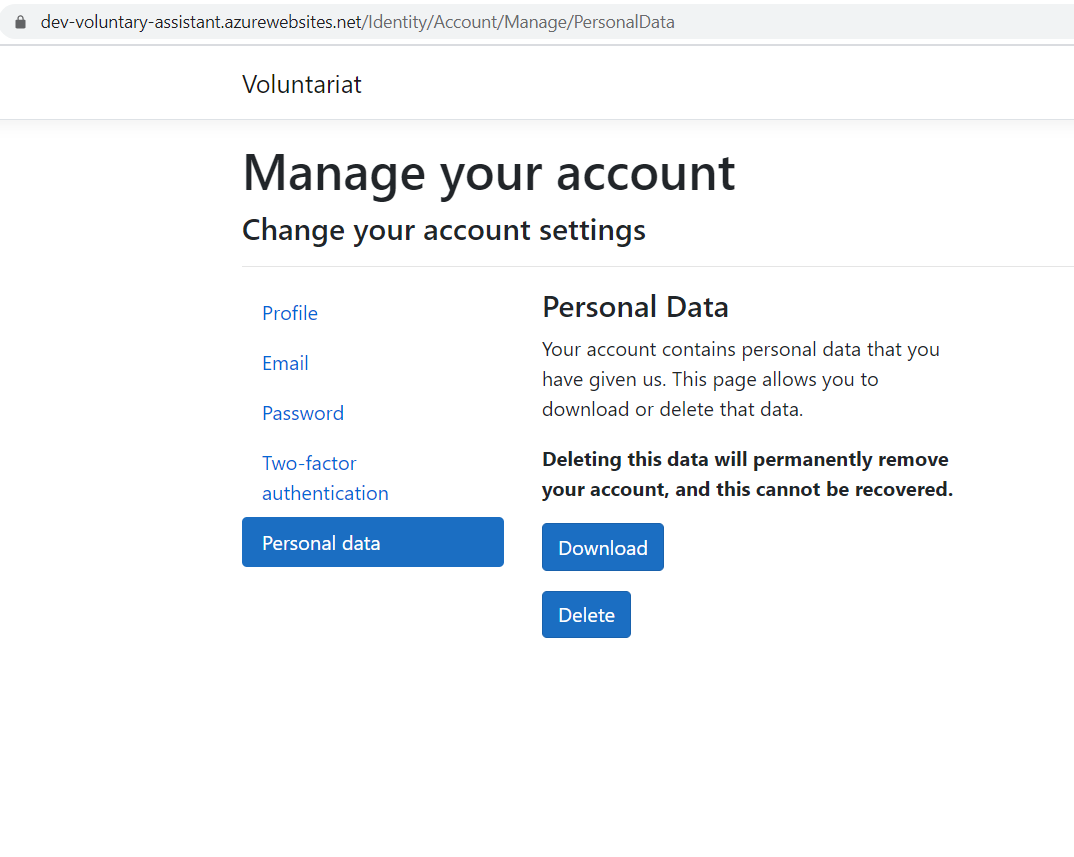
GDPR Ready, download your personal data, and have the right to be forgotten.
-
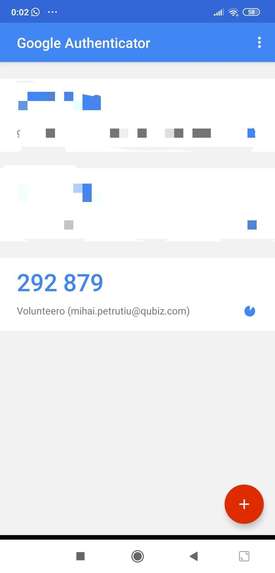
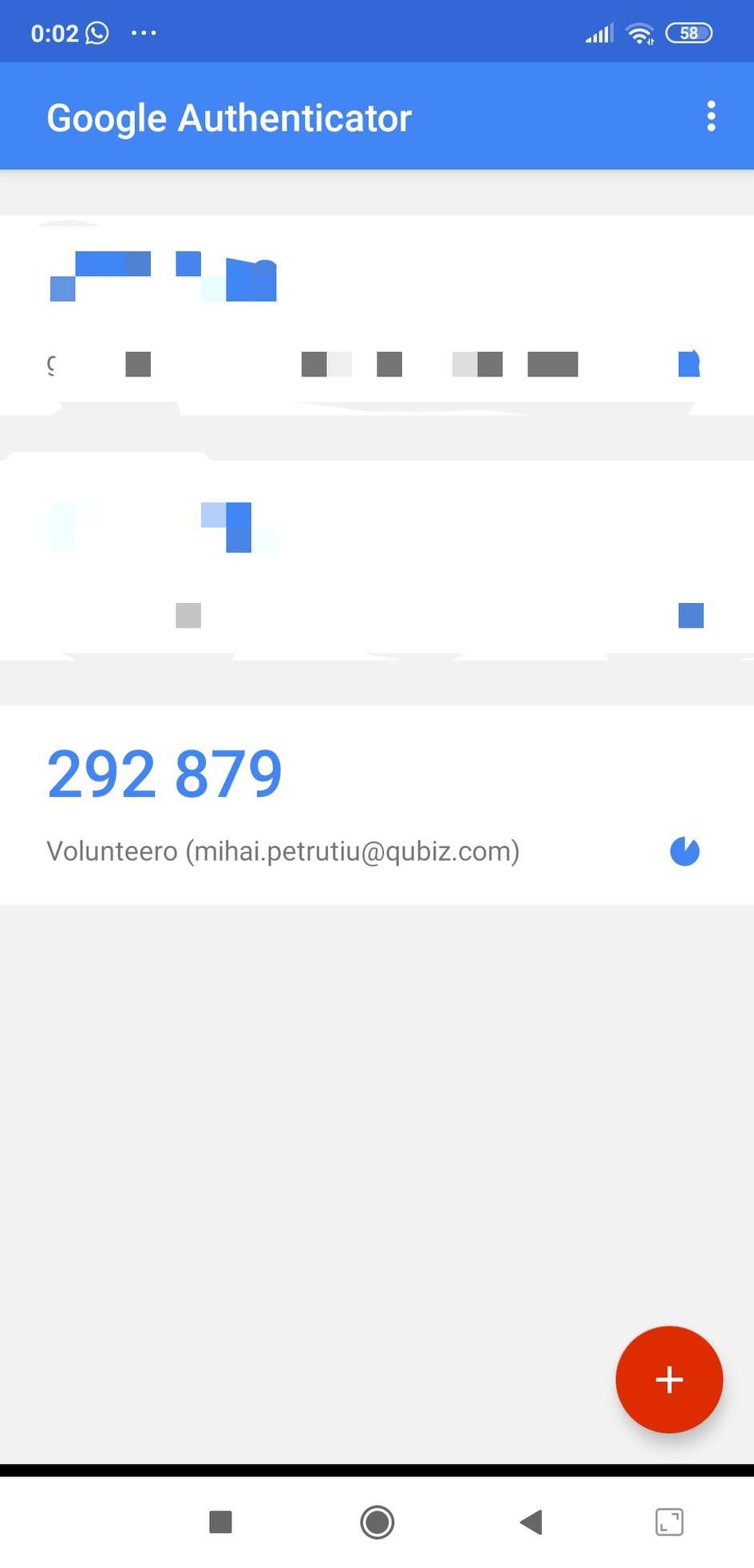
Google authenticator working with volunteero
-
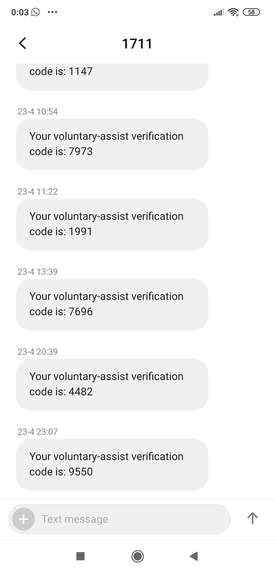
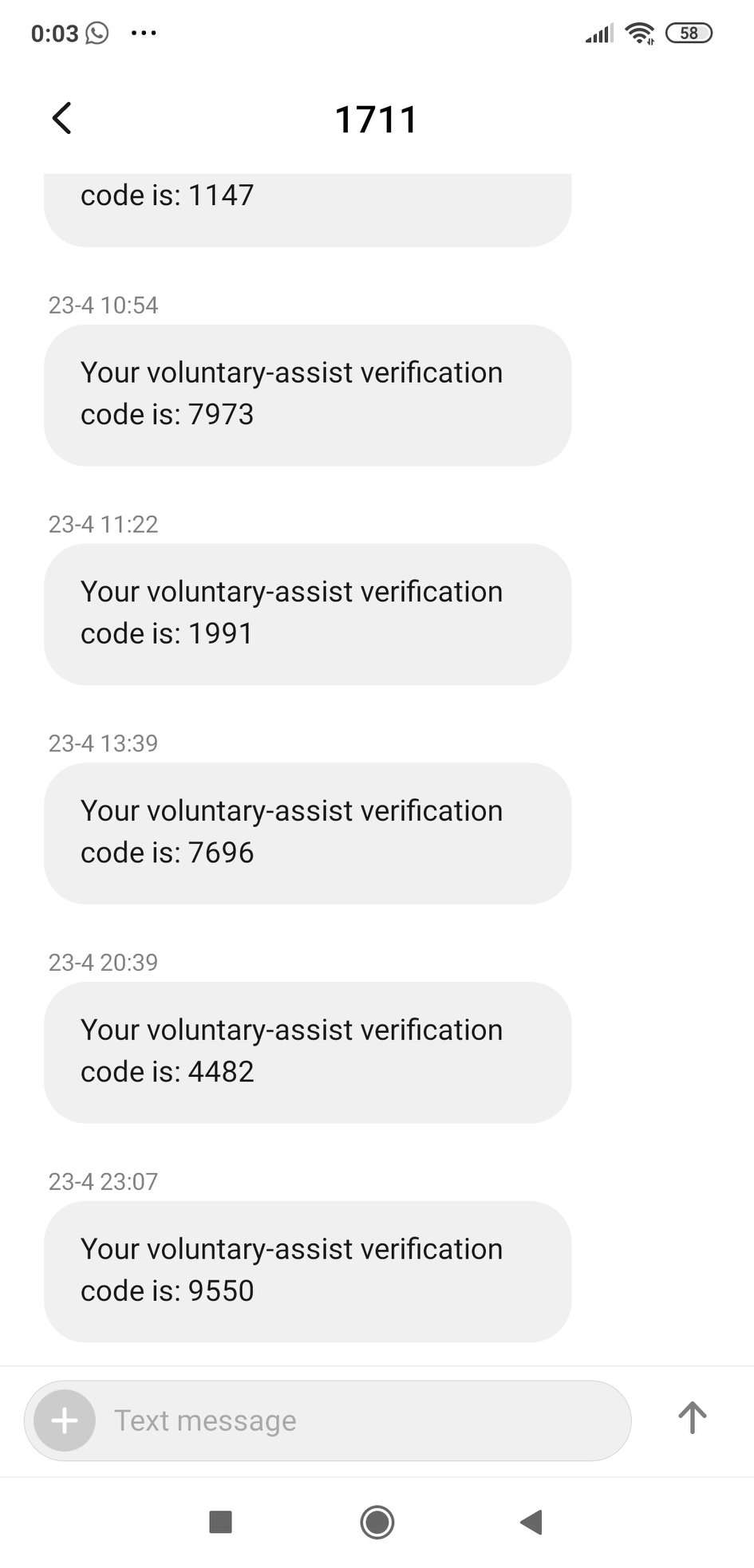
SMS validation codes that we receive when registering a new user
Inspiration
We started the project as a result of the discussions with local NGOs that came to us in order to help them with an application that would cover their needs in terms of resources and volunteers sharing during this Covid crisis and beyond.
They’ve signaled us that such a platform with a solution to each of their individual needs and which could also be self funded does not already exist in the market.
What it does
During COVID-19 and afterwards, but with more emphasis on the former, many people are on lockdown, either because they can’t move or because they were told not to.
We’ve built a platform for NGOs and their volunteers (who are the worker bees!) to provide more effective ways of helping people in need in their communities.
Each NGO is able to run multiple programs in parallel, ranging from care taking of the elderly, to walking the animals of constrained people.
The ability to share volunteers and other resources is also possible, thus everyone can participate with as little as they have, thus making a big impact in the end.
As funds are needed for sustaining such a business, local companies can participate with sponsorships or promotion fees if they want to be visible on the platform.
This is done in a secure way, thus increasing the trust between all involved parties (NGOs, volunteers, beneficiaries, etc.), which makes it much safer and trustworthy for anyone using it.
To better imagine how this can be applied instantly, think of the elderly who need their medication and/or groceries to be picked and brought at home. Another example is the case in which families in need (social cases) ask for help from multiple NGOs and they do get it from at least 2 of them (which actually happened to the NGOs we’ve been discussing), but other not-so-lucky families are left aside.
The mapping of people in need (beneficiaries) will be done more specifically by NGOs and their volunteers, as some of the beneficiaries might not have the necessary accessibility for the platform (due to lack of technology skills, accessibility problems, poverty etc.).
How I built it
We’ve built the app by using the latest .NET technologies, such as ASP.NET Core 3.1, Entity Framework Core, and SQL database. We used GitHub to store the code and to provide both collaboration and quality assurance for developers (through pull requests and code reviews). Azure DevOps, Azure Cloud were used for ensuring the quality of the code and the deployment process in the cloud.
The next phase will involve an upgrade to the current UI using Angular, Angular Material (Typescript, SCSS, HTML) for the web version and Java/Kotlin/Firebase/Swift for the mobile versions on Android and iOS, including push notifications for faster reaction times and ease of access.
Everything was designed with a focus on security and data privacy using 3rd parties for 5 factor authentication, like Twilio for code validation through messages directly on the phone, and Google Authenticator for 2 factor authentication on each login (with the possibility of remembering the device from which you last logged in - for a better user experience).
As we’ve integrated ready made components into existing platforms we estimate this could be launched in less than 1 month span.
Challenges I ran into
One challenge was to understand the underlying processes that happen between NGOs, volunteers, and beneficiaries and their current problems.
Working fast and with good quality is always a challenge, but we think we got a bit lucky as we implemented quality at speed (or we hope so) by design, which on itself was the challenge.
Compressing what happened during the whole weekend into a 2-minute video was both challenging and fun. But hey, we did sign up for pushing ourselves a bit more, and so we did.
Accomplishments that I'm proud of
Meeting the needs of over 17 NGOs interested in our platform!
A weekend that bonded us even more although most of us were already friends.
We’re very happy that we managed to use our skills for social good. Through this platform NGOs will maximize their impact in the community, even growing it to span across country borders.
What I learned
How to quickly identify and map the needs of organizations (in our case NGOs) into a technical solution that scales past the boundaries of a country.
From the developers' point of view, we’ve learnt and understood a lot of new processes of how the world works around NGOs and their beneficiaries. Now we are better prepared for life as we became more humble hearing so much about people in need.
Building a business model for an actual product that has a real potential to impact people from more than a country.
What's next for Volunteero
We already have 17 NGOs interested in our platform. We aim to reach more from all over Europe and we would be very happy to win your support at the Hackathon this week.
We count on the NGOs and volunteers that already joined to promote the application to other users by presenting them the local initiatives. We plan to build a gamification system through which they will be stimulated to interact on the platform and bring others in the system as well. In order to adapt it for different parts of the world, we will attract developers through the gamification strategy to work on the open source code to add modules adapted for their requirements.
We also have in mind to start a non-profit organisation that will run all the activities related to the application. 70% of the “profit” will be reinvested in developing and maintaining the application, while 30% will be reinvested in the programs of the NGOs from the platform based on some performance criteria or contests.


Log in or sign up for Devpost to join the conversation.