-
-

VoltGuard Logo
-
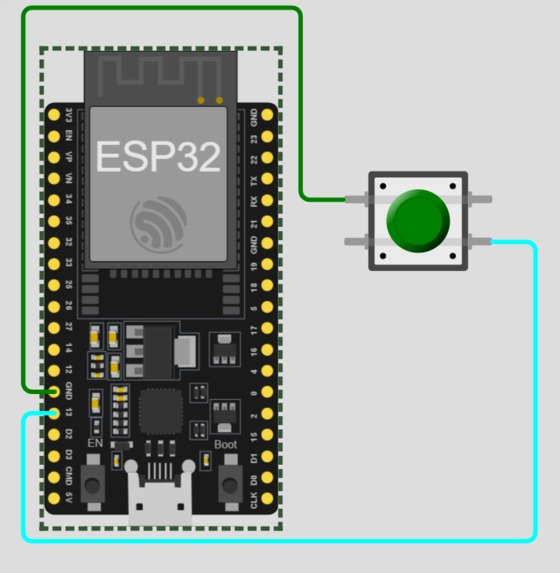
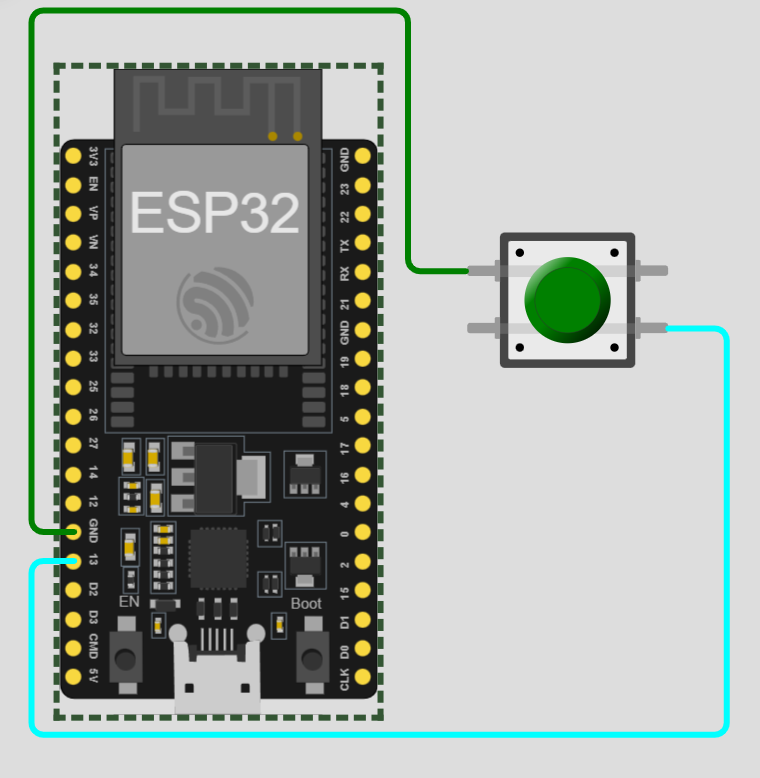
VoltGuard Electrical diagram
-
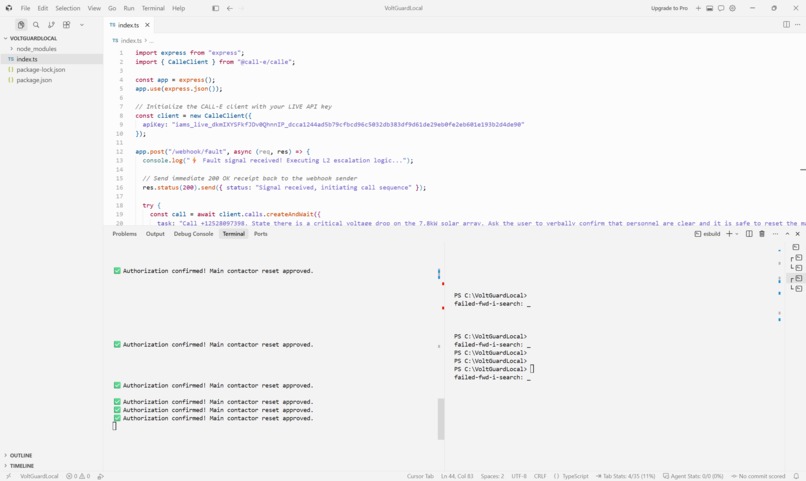
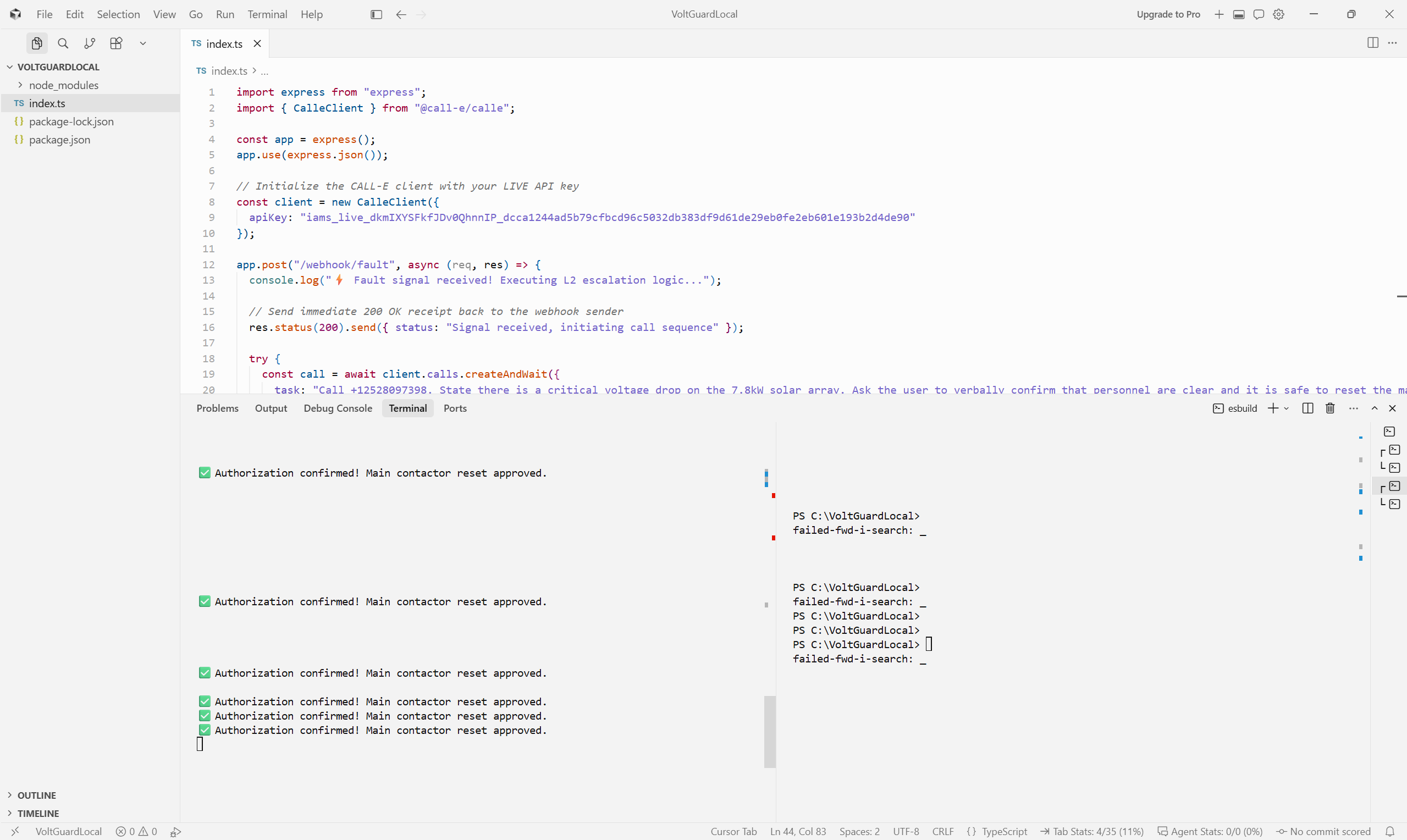
Cursor snip showing the code as it works

Inspiration
In automated energy systems—such as a 7.8kW solar array paired with a 15kWh battery storage setup—automated resets can be highly dangerous. If a high-voltage DC contactor trips due to a critical voltage drop, an automated system might attempt a blind reset while a technician is actively inspecting the wiring. SMS or app notifications are too easily missed in the field. We realized that heavy electrotechnics require a strict "Human-in-the-Loop" fail-safe: an automated system that refuses to re-energize the grid until it secures explicit, verbal authorization from a human operator.
What it does
VoltGuard operates as a mandatory L2 Voice Escalation checkpoint. When the hardware detects a critical anomaly, it physically locks out the reset sequence and fires a webhook to a central server. The server instantly triggers the Call-E AI to dial the designated safety officer. The AI explains the specific fault code in real-time, requests verbal confirmation that the perimeter is clear, and translates the human's verbal authorization into a strict JSON payload (authorized: true). Only when this payload is received will the hardware allow the main contactor to reset.
How we built it
Hardware Simulation: We built the grid monitoring logic using C++ on an ESP32 microcontroller, simulated through Wokwi to mimic live voltage anomaly detection.
The Bridge: A local Node.js/Express server acts as the central nervous system, catching the hardware webhooks and managing asynchronous API requests.
The Voice Layer: We integrated the Call-E SDK to handle the outbound L2 escalation. The AI is prompted with a strict schema to parse conversational human speech into structured boolean data.
Challenges we ran into
Bridging simulated cloud hardware to a local environment presented massive proxy timeout issues, resulting in persistent 503 and 408 HTTP errors when trying to tunnel the webhook traffic. Additionally, we encountered geographic restrictions when trying to route the AI's outbound calls to international numbers. We overcame this by completely redesigning our testing pipeline—bypassing the unstable tunnels in favor of a direct local REST invocation to guarantee zero latency, and provisioning a dedicated VoIP number to successfully route the AI voice traffic and bypass regional blocks for a flawless demonstration.
Accomplishments that we're proud of
We successfully closed the loop between abstract AI conversation and physical hardware state. Taking unstructured human speech over a live phone call and instantly parsing it into a strict boolean JSON response that can safely unlock a high-voltage electrical component is a massive technical win.
What we learned
We learned that the true challenge of integrating AI into industrial safety isn't the conversation—it is the state management. Ensuring the server instantly acknowledges the hardware trigger to prevent microcontrollers from timing out, while safely executing a 60-second phone call in the background, required careful asynchronous handling and fault-tolerant architectural design.
What's next for VoltGuard
We plan to move beyond the ESP32 simulation and port the logic directly into industrial PLCs (Programmable Logic Controllers) via OpenPLC. We also aim to expand the AI's dynamic prompting to handle a wider registry of specific fault codes and implement native multi-language support so the AI can automatically query technicians in their native language based on their caller ID.
Built With
- c++
- call-e
- esp32
- express.js
- json
- node.js
- restapi
- typescript
- webhooks
- wokwi

Log in or sign up for Devpost to join the conversation.