-
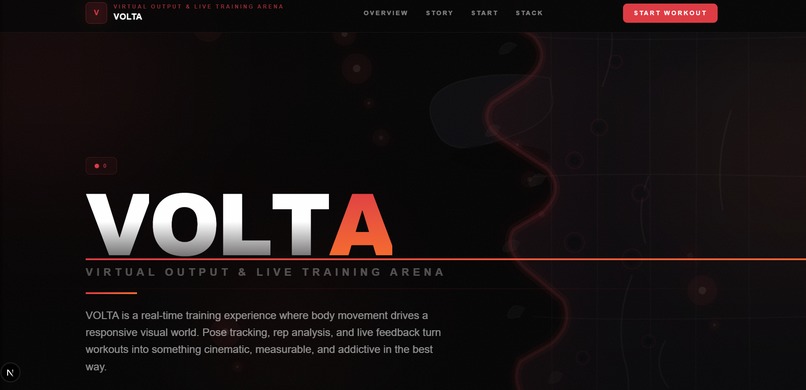
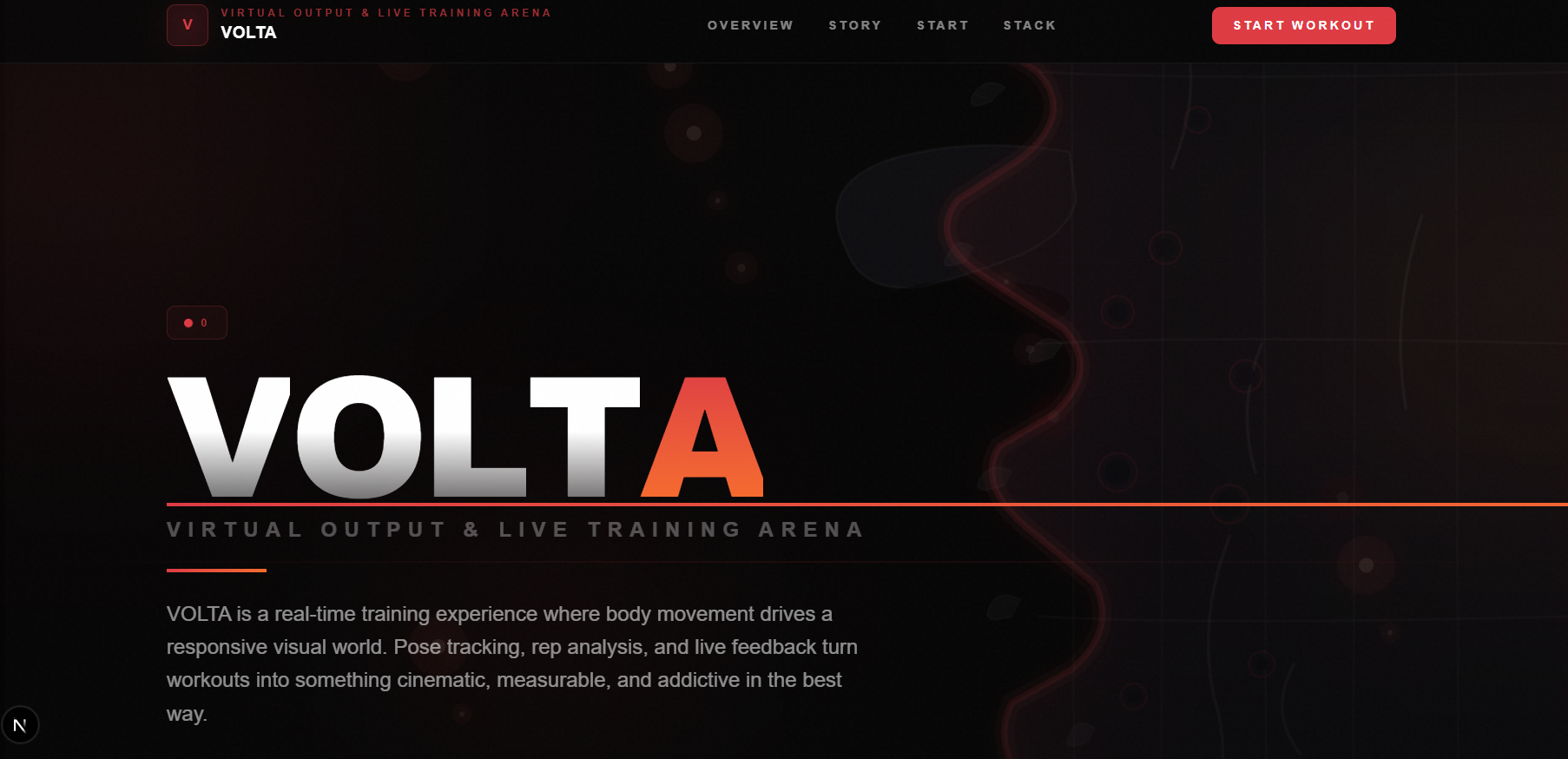
VOLTA landing page
-
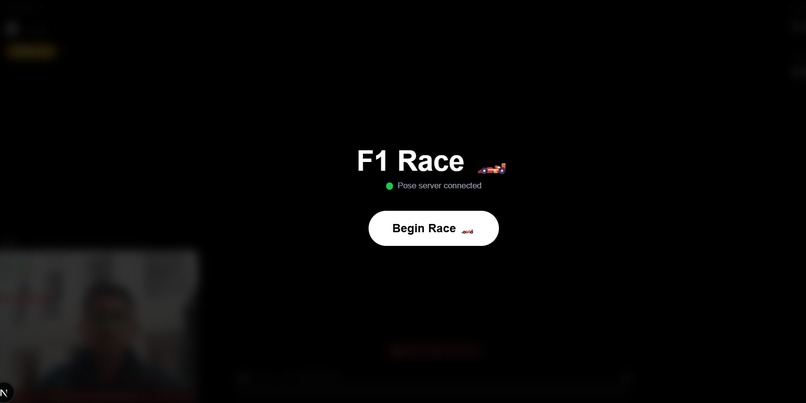
Start of workout
-
Inspiration
We wanted to make fitness feel more interactive, motivating, and fun. A lot of workouts can feel repetitive, and it is easy for people to lose motivation when the experience feels the same every time. The idea behind VOLTA was to create a system where your body movement directly affects what happens on screen, so exercise feels more alive and responsive.
The project was inspired by the idea of combining computer vision, motion tracking, and immersive web design into one experience. Instead of just counting reps or showing plain workout data, we wanted to make movement feel cinematic and rewarding.
What it does
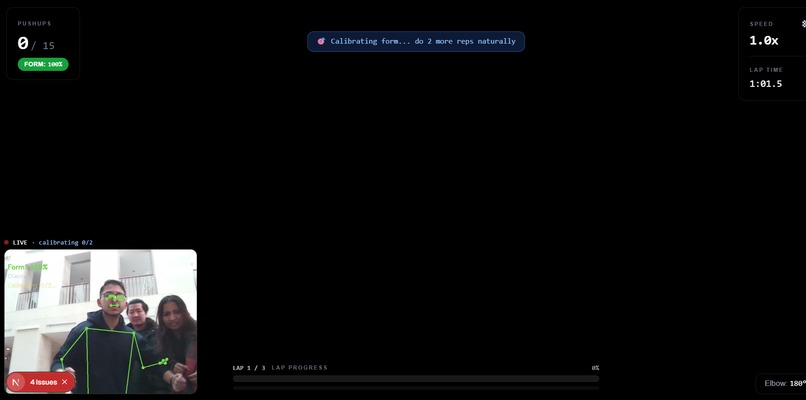
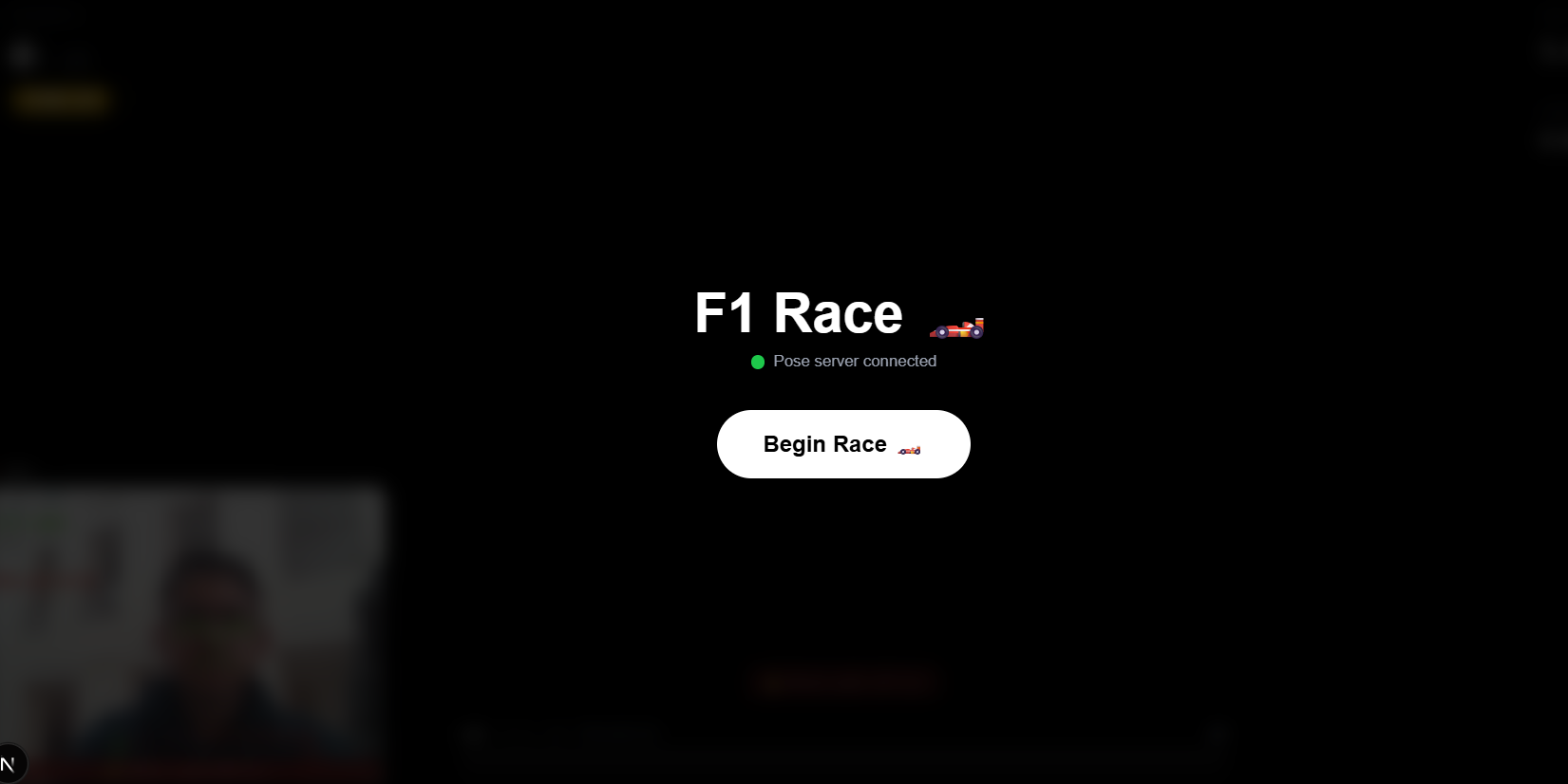
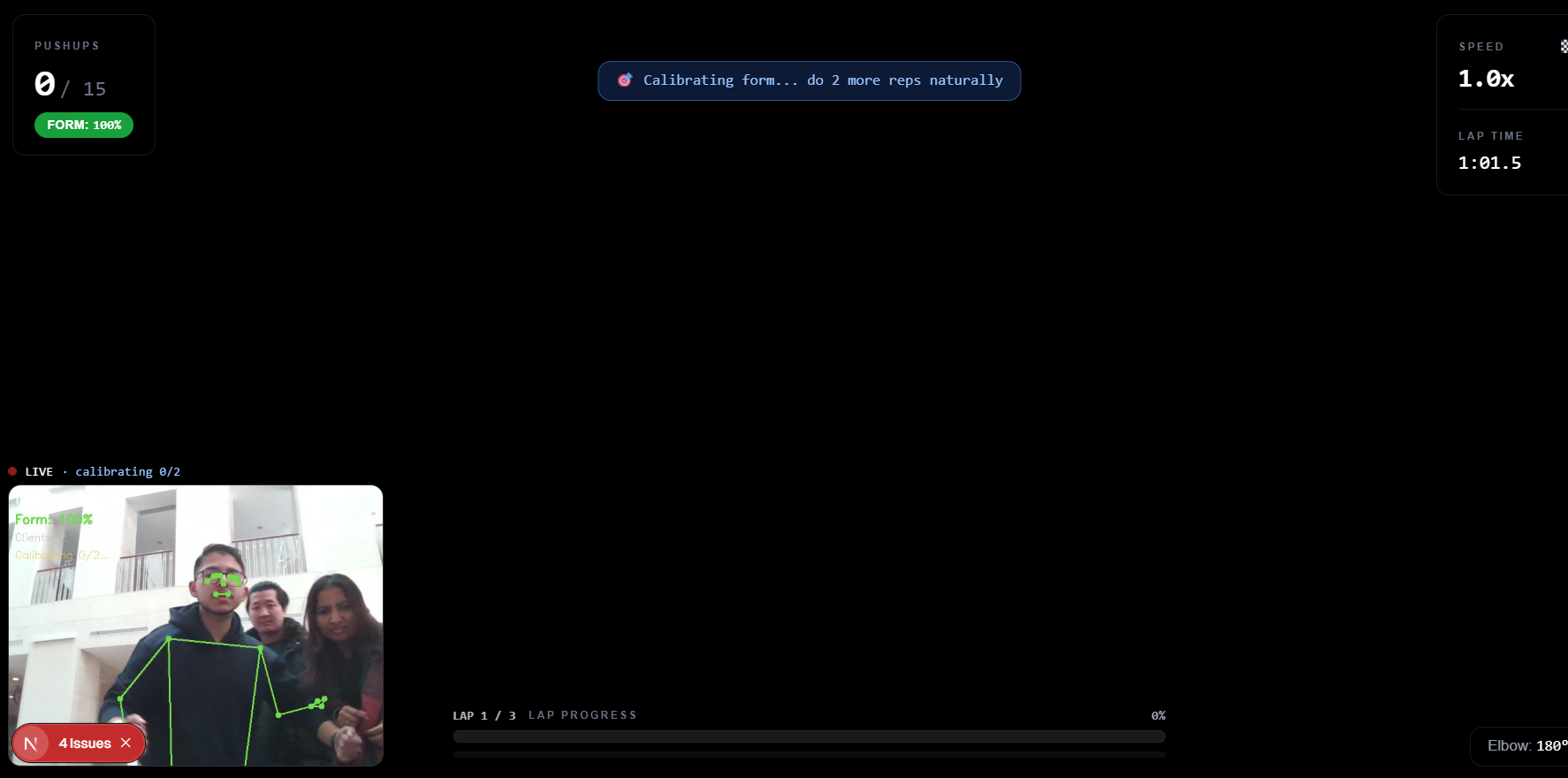
VOLTA is a real-time interactive fitness experience. It tracks body movement, analyzes exercise form, and gives live feedback while the user works out. The visual interface reacts to movement so the workout feels more like an engaging digital experience instead of a normal tracker.
The platform is designed to support:
- real-time pose tracking
- rep counting
- motion feedback
- form analysis
- a responsive workout interface
- immersive visual storytelling through the website
The main goal is to make exercise feel measurable, interactive, and exciting.
How we built it
We built PulseDrive using a modern web stack for the frontend and Python-based computer vision tools for movement detection.
The website and visual experience were built with Next.js, React, TypeScript, and Tailwind CSS. We used GSAP and ScrollTrigger to create animated sections, motion-heavy transitions, and a more immersive experience.
For motion tracking and workout analysis, we used Python, OpenCV, and MediaPipe to detect body landmarks, analyze movement, and support exercise-based feedback. We also planned the system around a real-time loop where workout data can be streamed into the frontend.
The project combines design and function: the website is not just a landing page, but part of the experience itself.
Challenges we ran into
One of the biggest challenges was connecting the technical workout-tracking side with the visual and interactive side of the project. It was not enough for the app to work technically — it also had to feel smooth, engaging, and polished.
Another challenge was balancing performance with animation. Since the site uses strong motion design and layered effects, we had to think carefully about how to keep the experience visually exciting without making it feel too heavy.
We also had to think through how pose detection data could eventually connect cleanly into a live web interface in a way that feels immediate and meaningful for the user.
Accomplishments that we're proud of
We are proud that VOLTA combines several different ideas into one project:
- fitness tracking
- pose detection
- real-time feedback
- immersive UI design
- motion-based storytelling
We are especially proud of creating a project that feels like more than just a workout tracker. It shows how exercise can become a more interactive digital experience.
What we learned
We learned a lot about combining frontend experience design with computer vision logic. We also learned how important it is for technical features to feel intuitive and rewarding from the user's perspective.
On the frontend side, we learned more about building scroll-based animation systems and designing a stronger visual identity. On the computer vision side, we learned more about body landmark tracking, motion analysis, and how workout feedback can be structured in real time.
What's next for VOLTA
In the future, we want to expand VOLTA into a more complete fitness platform with:
- more workout modes
- better form scoring
- fatigue detection
- personalized feedback
- progress tracking over time
- deeper game-like interaction
- a fully connected live workout runtime between the frontend and motion detection system
Our long-term vision is to turn exercise into a more immersive and motivating experience using real-time movement intelligence.
Built With
- gsap
- mediapipe
- next.js
- opencv
- python
- react
- typescript

Log in or sign up for Devpost to join the conversation.