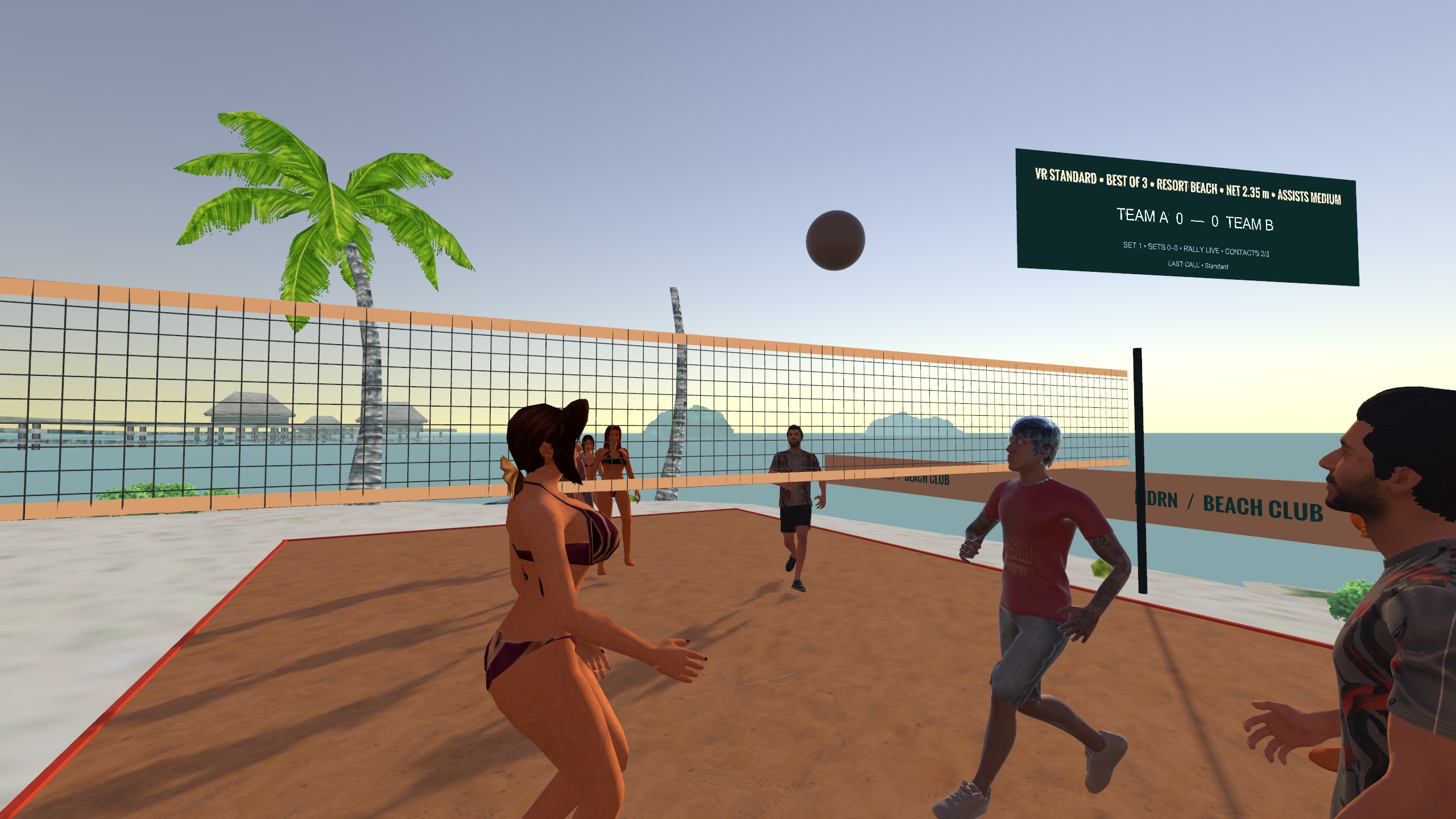
Volleyball VR — Bringing Volleyball to Life in Virtual & Mixed Reality
Inspiration
Volleyball VR was inspired by the idea of making sports more immersive, accessible, and interactive through virtual reality technology. Traditional VR sports games often rely on handheld controllers, which can limit how naturally players interact with the game.
I wanted to create an experience that captures the excitement of volleyball while allowing players to use their own hands to interact with the ball.
With the introduction of hand tracking and mixed reality, Volleyball VR takes another step toward bridging the gap between physical sports and virtual gameplay.
The goal was simple: make playing volleyball in VR feel as natural and intuitive as possible.
What It Does
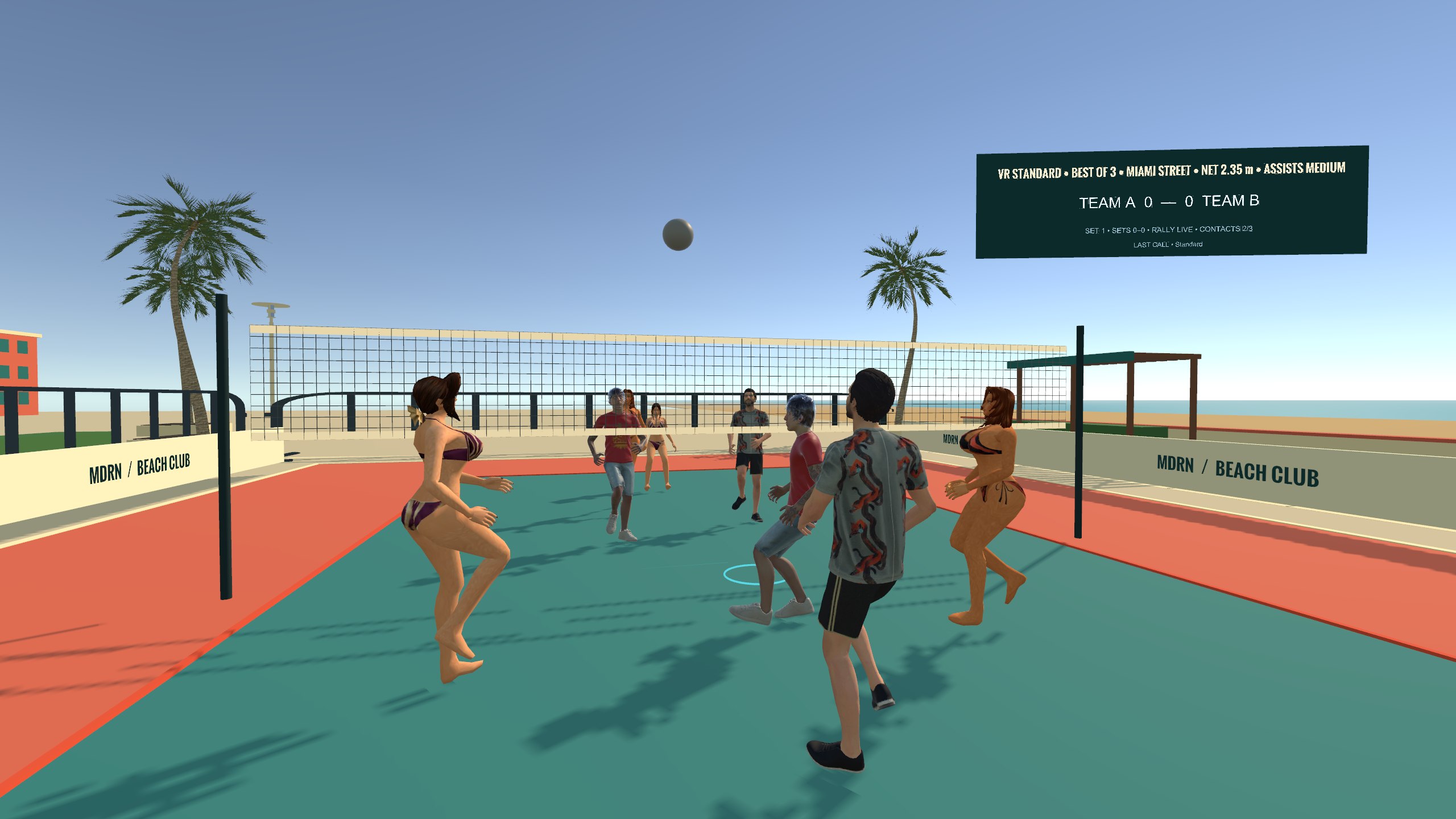
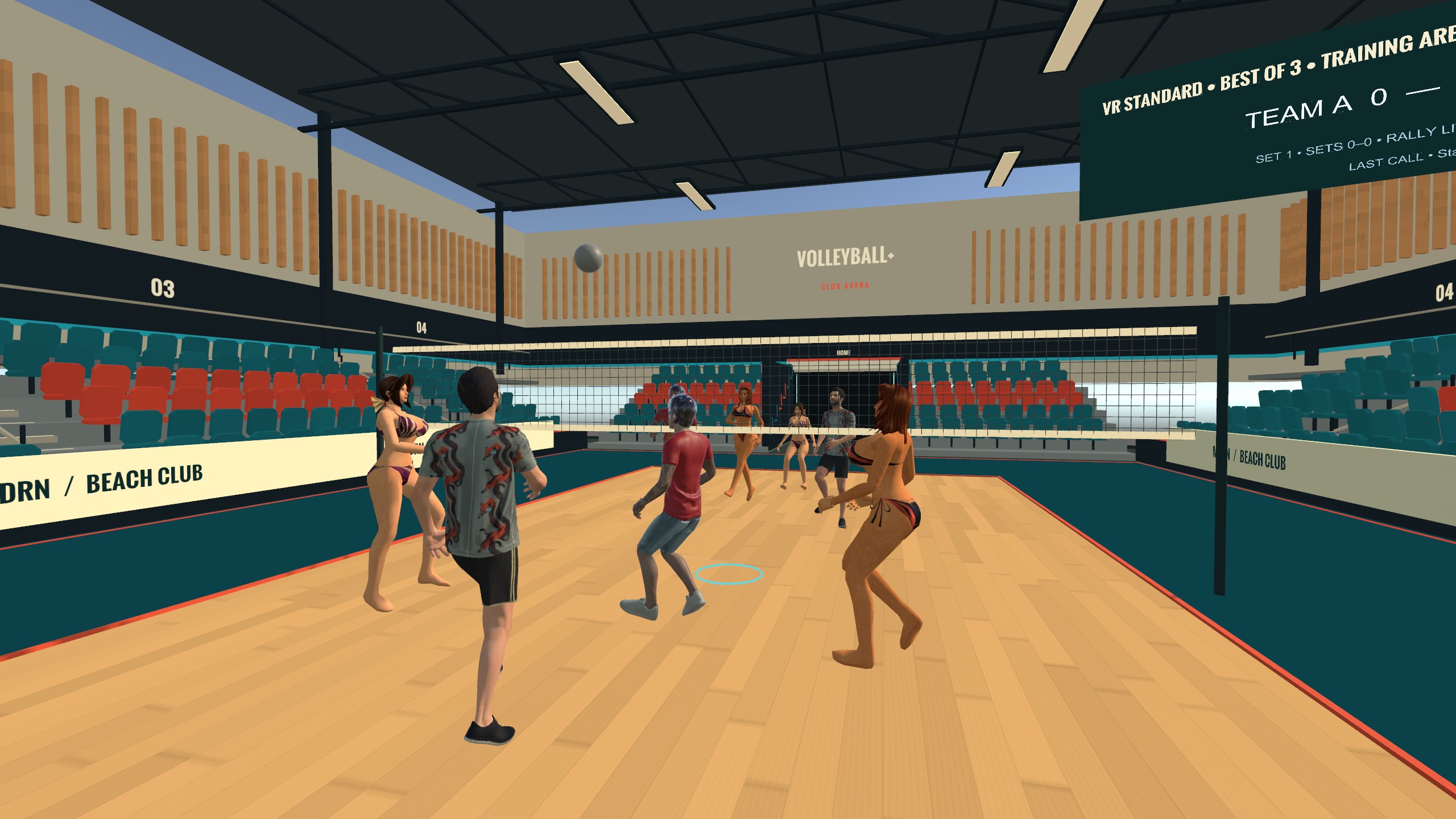
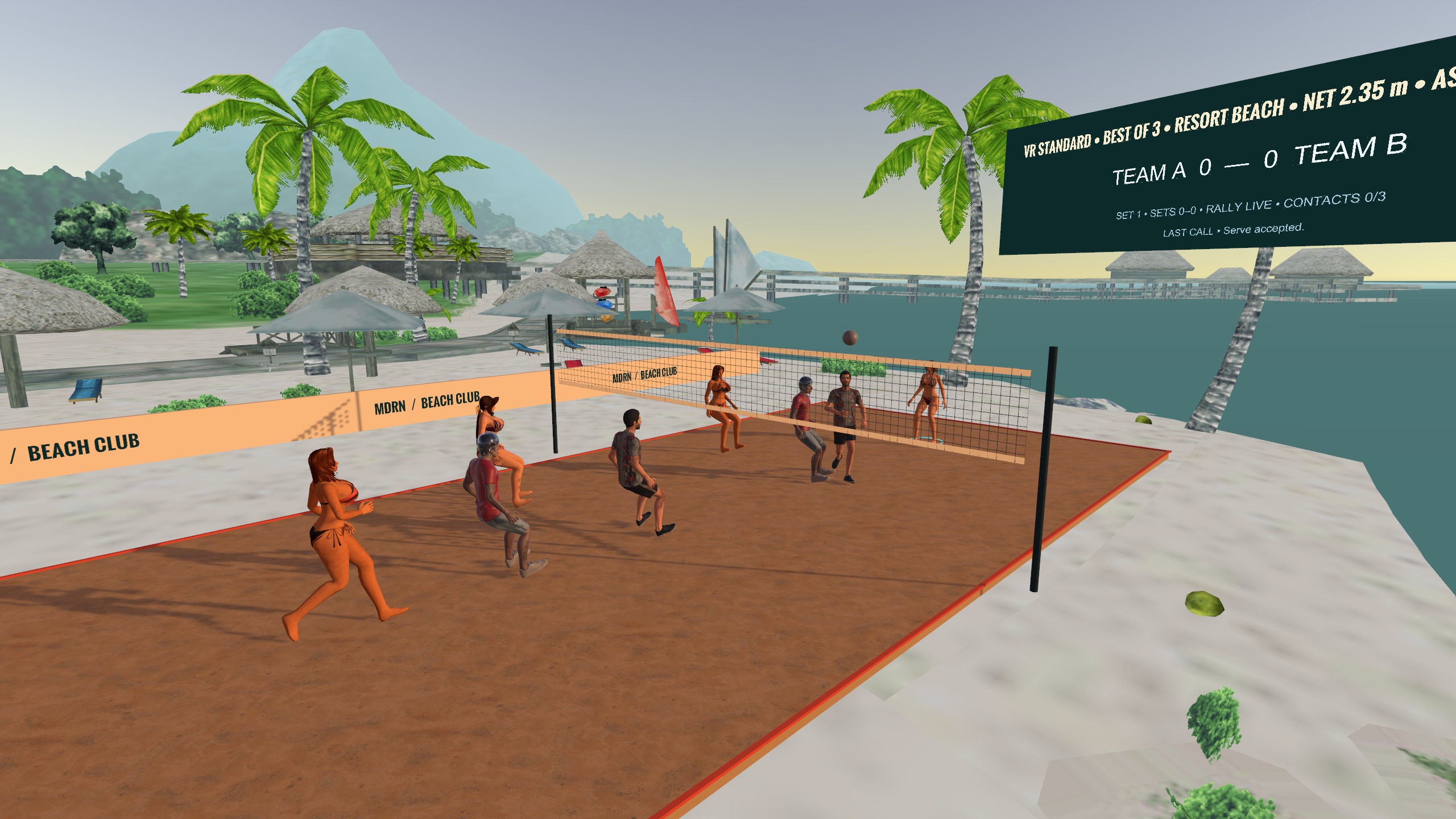
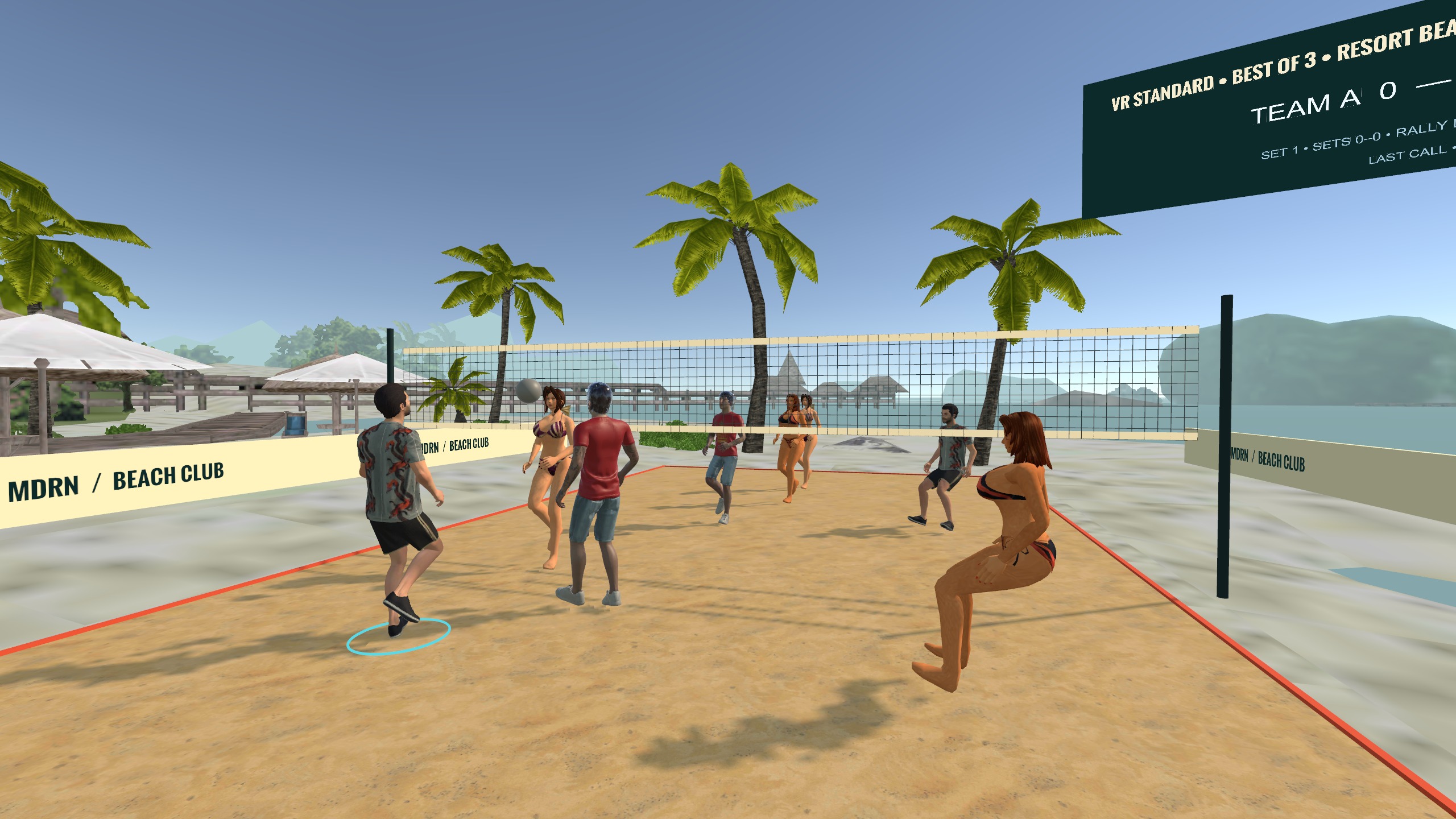
Volleyball VR is an immersive sports experience that allows players to enjoy volleyball in both fully virtual and mixed reality environments.
The latest update introduces controller-free hand tracking, giving players the ability to interact with the virtual volleyball using their actual hands.
Key Features
- Hand Tracking: Interact with the volleyball using natural hand movements without needing traditional VR controllers.
- Mixed Reality Gameplay: Bring virtual volleyball into your real-world environment using passthrough technology.
- Virtual Reality Gameplay: Step into an immersive digital volleyball environment.
- Interactive Ball Physics: Experience volleyball interactions designed around player movement, positioning, and timing.
- Flexible Gameplay: Switch between virtual and mixed reality experiences depending on how you want to play.
Whether you're playing in a virtual environment or bringing volleyball into your own room, Volleyball VR offers a new way to experience the sport.
How I Built It
Developing Volleyball VR involved combining immersive XR technology, hand tracking, and physics-based gameplay to create an interactive sports experience.
The development process focused on building a responsive volleyball system that could recognize player interactions and translate them into realistic ball movement.
A major part of the update involved integrating hand tracking into the existing gameplay experience. Instead of depending entirely on controller inputs, the game needed to interpret tracked hand positions and movements to determine how players interact with the volleyball.
I also worked on supporting two different immersive experiences:
Virtual Reality Mode: A fully digital environment where players can focus on the volleyball experience.
Mixed Reality Mode: A passthrough-based experience that allows virtual volleyball elements to appear within the player's physical surroundings.
The objective was to make both modes feel consistent while taking advantage of their unique capabilities.
Challenges I Faced
One of the biggest challenges was making hand tracking feel responsive and reliable during fast-paced volleyball gameplay.
Unlike traditional VR controllers, hand tracking relies on detecting the player's hands through headset sensors. Quick movements, changes in hand positioning, and temporary tracking loss can make accurately detecting volleyball interactions more difficult.
Another challenge was balancing the volleyball's physics to make interactions feel satisfying while maintaining consistent gameplay.
Implementing mixed reality also introduced additional considerations, particularly ensuring that virtual gameplay elements worked effectively alongside real-world surroundings.
Creating an experience that supports both VR and MR required careful consideration of player movement, interaction systems, and gameplay consistency.
What I Learned
Working on Volleyball VR helped me better understand the possibilities and limitations of immersive technologies.
I learned more about how hand tracking can change the way players interact with virtual objects and how important responsiveness is when developing physics-based sports experiences.
I also gained experience thinking about gameplay across different XR environments, especially how mixed reality can transform familiar physical spaces into interactive gaming environments.
Most importantly, this project reinforced how small changes in interaction design can make a major difference in immersion.
Accomplishments I'm Proud Of
I'm especially proud of expanding Volleyball VR beyond traditional controller-based gameplay by introducing hand tracking.
Supporting both virtual reality and mixed reality is another major milestone because it gives players more freedom in how they experience the game.
Seeing a virtual volleyball respond to natural hand movements represents an exciting step toward making immersive sports experiences feel more intuitive.
What's Next for Volleyball VR
The next steps for Volleyball VR involve continuing to improve the gameplay experience and exploring new ways to make virtual volleyball more engaging.
Future development goals include:
- Improving hand-tracking accuracy and responsiveness.
- Refining volleyball physics and ball interactions.
- Expanding mixed reality gameplay possibilities.
- Improving the overall player experience and immersion.
- Exploring additional gameplay features and modes.
The long-term vision is to continue developing Volleyball VR into an immersive sports experience that combines the accessibility of virtual reality with the natural interaction of real-world volleyball.
Volleyball VR isn't just about playing volleyball in a headset — it's about bringing the sport into a new dimension.
Built With
- c#
- eos

