-
-
logo
-
screenshot
-
screenshot
-
screenshot
-
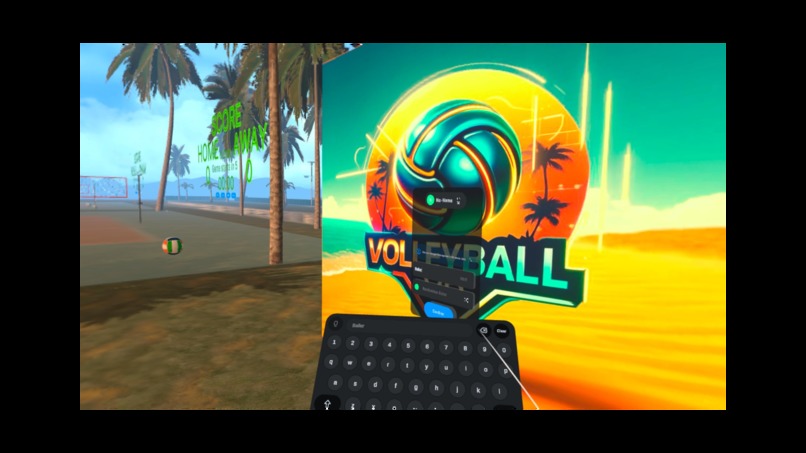
screenshot
-
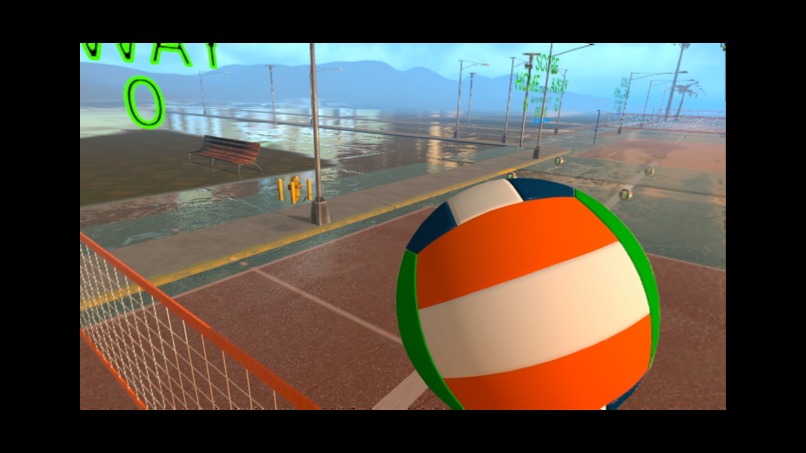
screenshot
Inspiration
Volleyball VR started as a simple goal: bring the fun, competitive energy of real volleyball into a space where anyone can play — regardless of weather, equipment, or location. I wanted a VR experience that felt natural, social, and active, while still being accessible to players who may have never played volleyball in real life. The idea was shaped by the growing community interest around casual VR sports and movement-based multiplayer games on the Meta Quest platform.
What it does
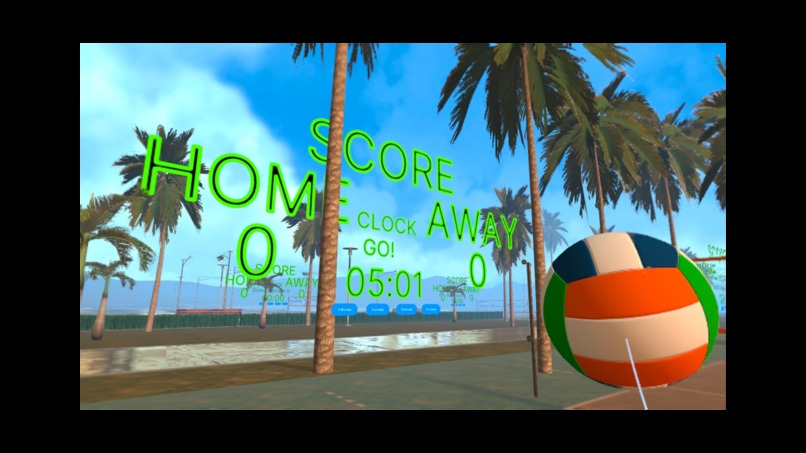
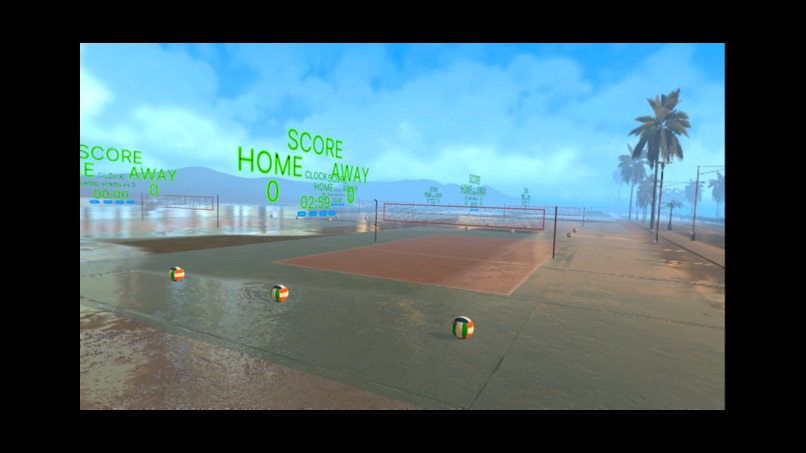
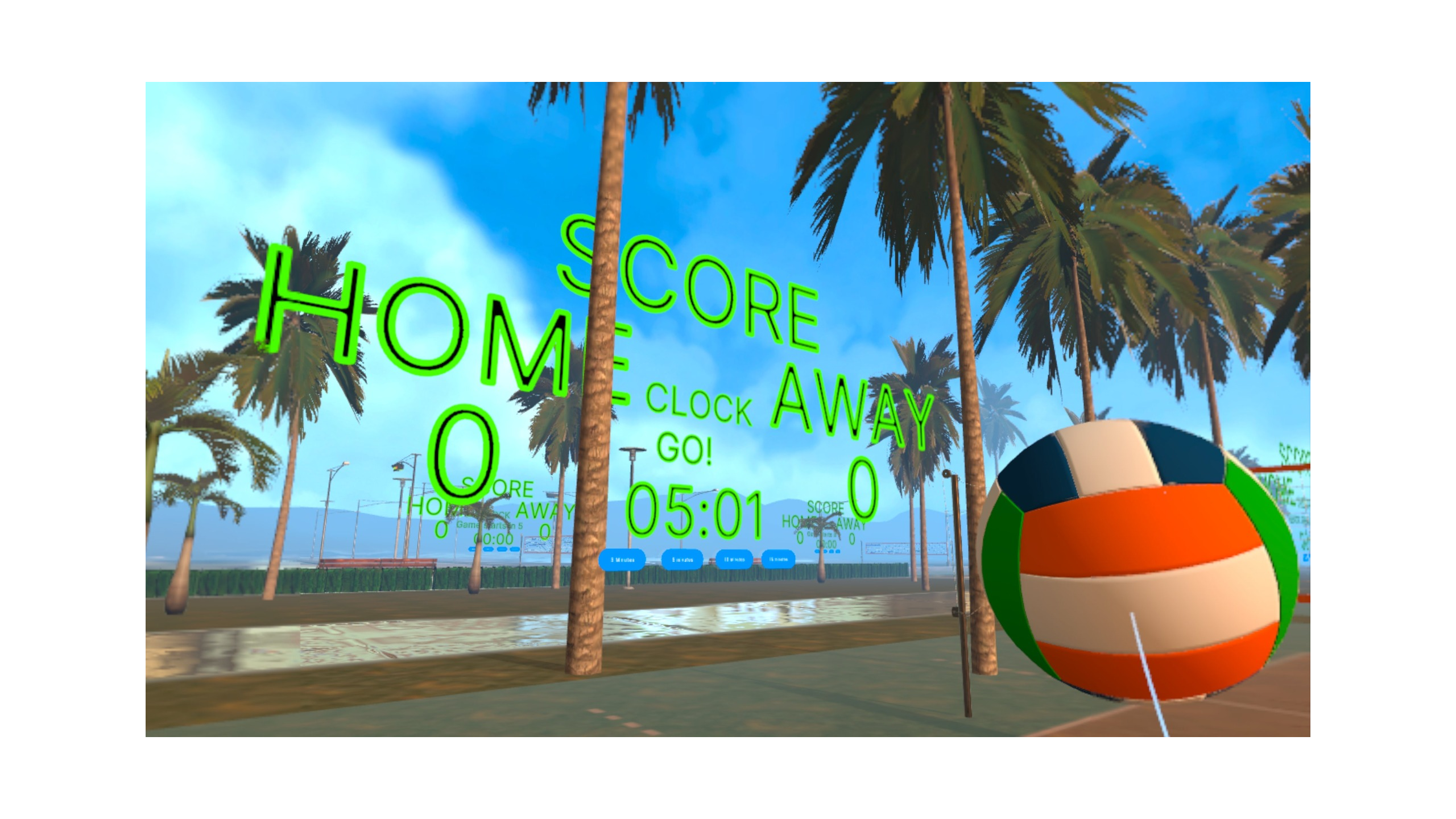
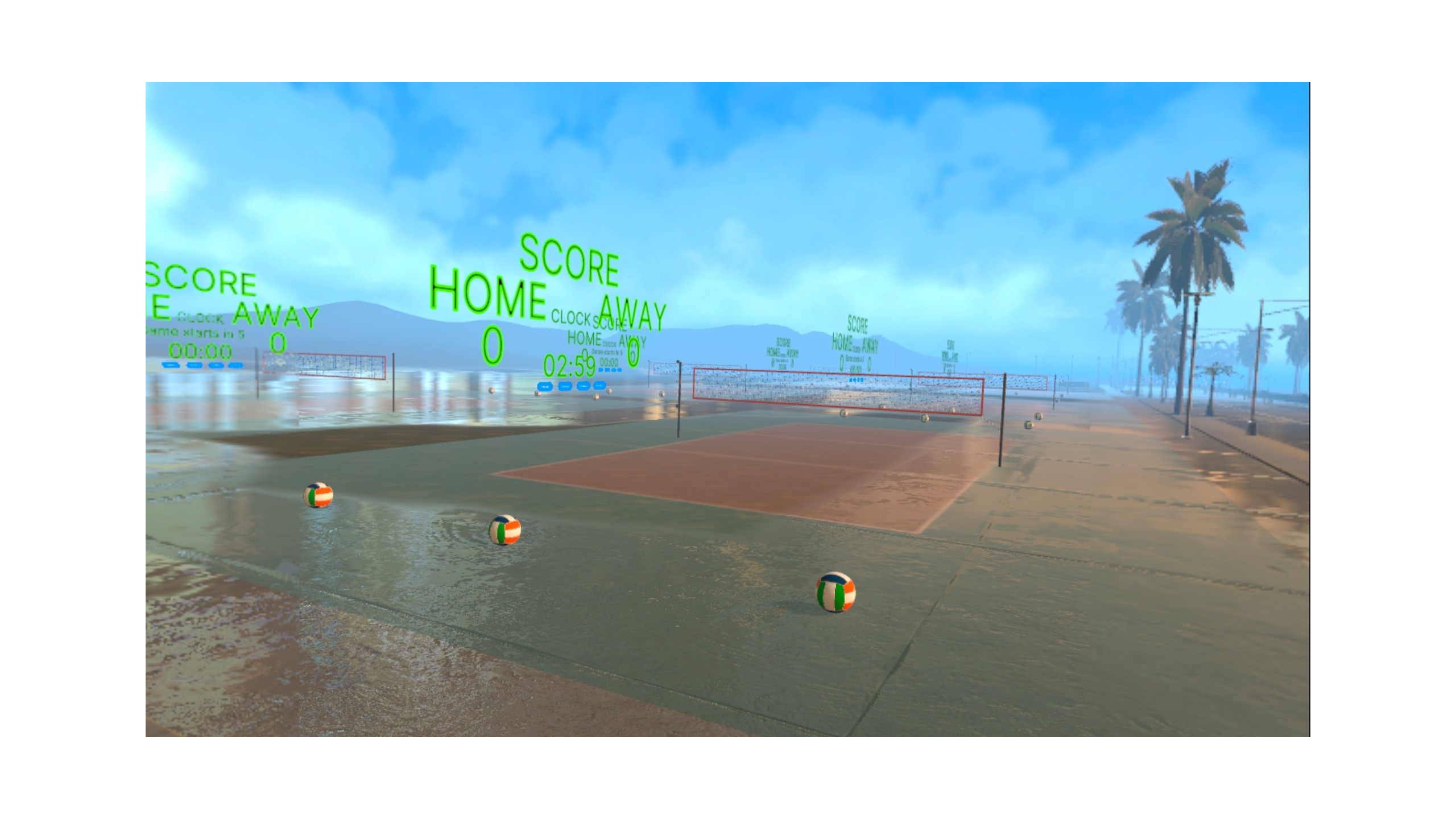
Volleyball VR is a multiplayer and single-player volleyball experience designed specifically for hand tracking and controller-based interaction. Players can bump, set, spike, block, and serve using intuitive movement-based mechanics. The game includes AI-controlled opponents and teammates, dynamic ball physics, voice-synced reactions, crowd sound effects, and support for synced gameplay across players.
The goal is to give players a space to learn, practice, and compete — all while being physically active.
How we built it
The project was developed in Unity using Meta XR SDKs, Unity Netcode, and custom networking logic. The ball physics system was built first, followed by iterative refinement of hand interaction to make bumping, blocking, and spiking feel intuitive and responsive.
Networking synchronization was handled server-authoritatively to ensure fair play and smooth interactions between players. The environment was designed with performance-focused rendering to maintain consistent framerate on Quest hardware. I integrated spatial audio, crowd logic, synced effects, and UI elements designed specifically for VR ergonomics.
Challenges we ran into
The biggest challenge was building believable physics for volleyball interactions in VR — especially hand collisions, ball prediction, and avoiding latency-based desync in multiplayer. Networking required multiple rewrites to make scoring, ball resets, and round flow feel consistent across clients.
Hand tracking implementation also required careful tuning to avoid accidental touches or missed interactions. Ensuring reliable play across different play spaces and room sizes was another major learning curve.
Accomplishments that we’re proud of
Fully networked multiplayer volleyball gameplay
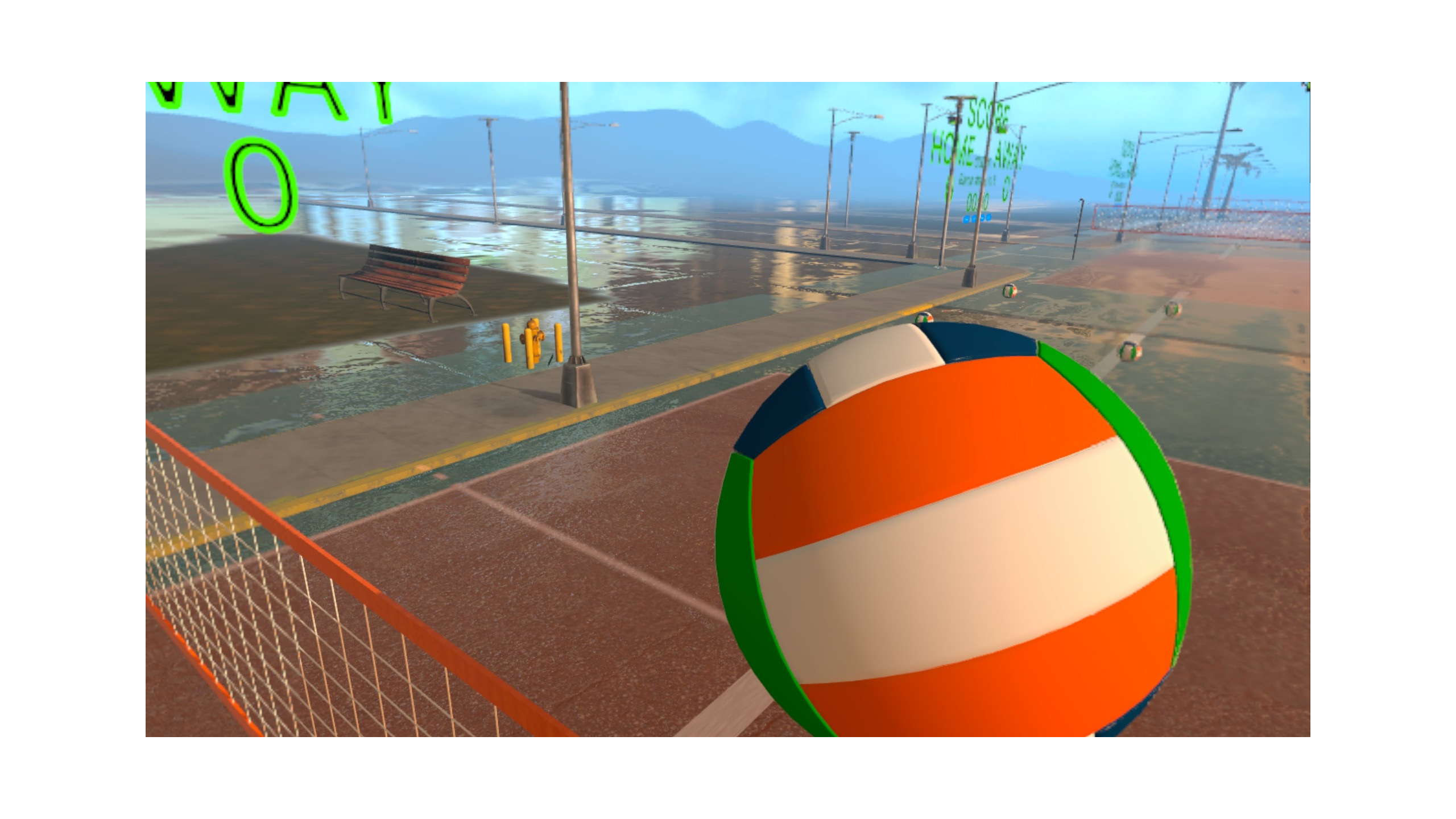
Real-time ball physics tuned specifically for VR
Functional hand tracking gameplay without requiring controllers
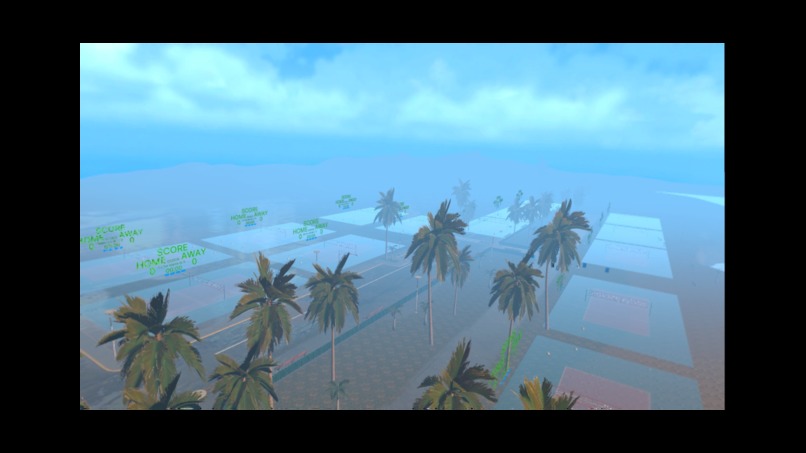
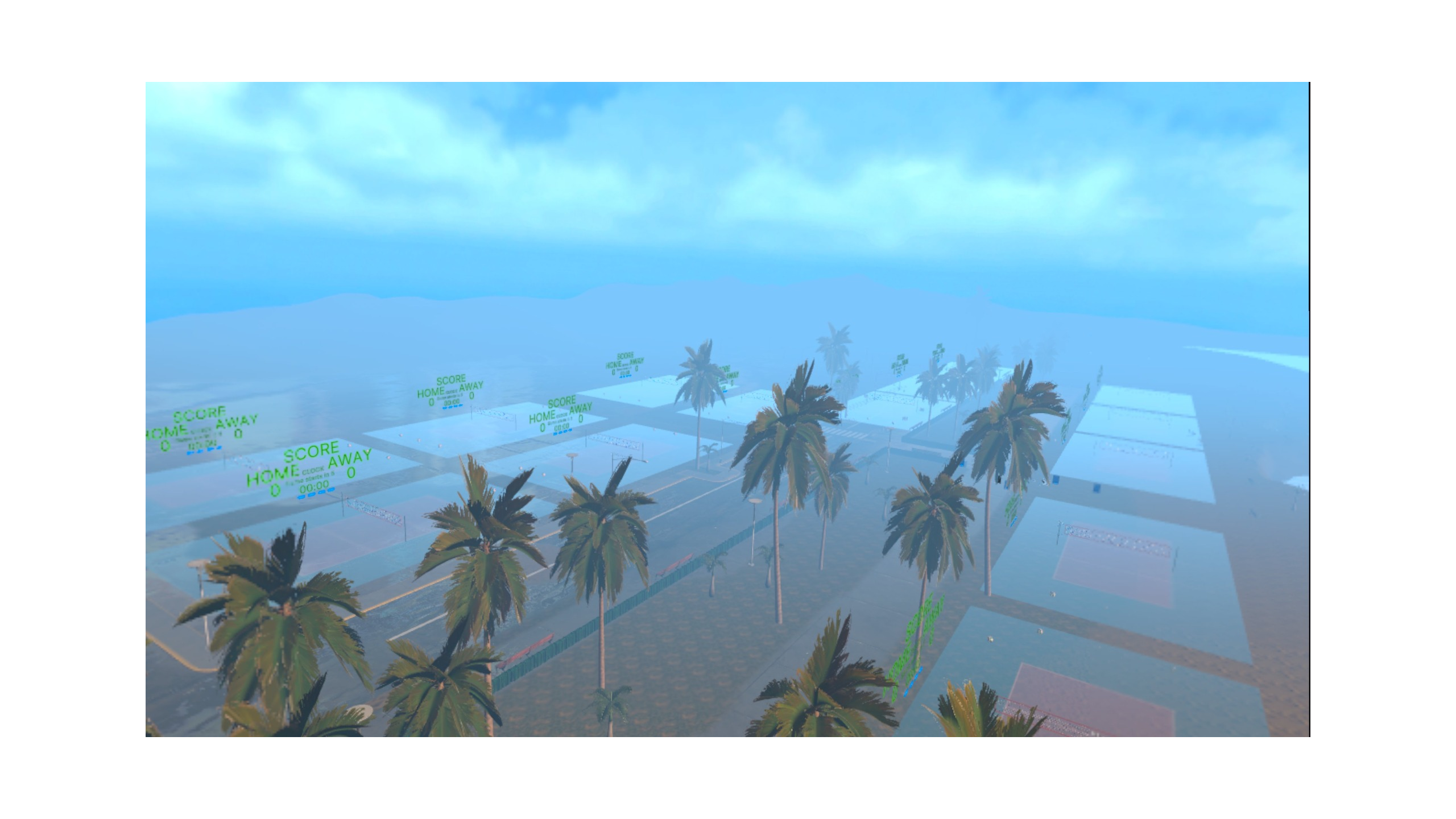
Polished environments and UI optimized for Quest performance
Positive feedback from early testers who described it as both fun and surprisingly realistic
What we learned
This project taught me how complex believable sports mechanics can be — especially in VR. I gained experience in networking strategies, optimization techniques for Quest hardware, hand interaction patterns, and user-centered VR design.
What’s next for Volleyball VR
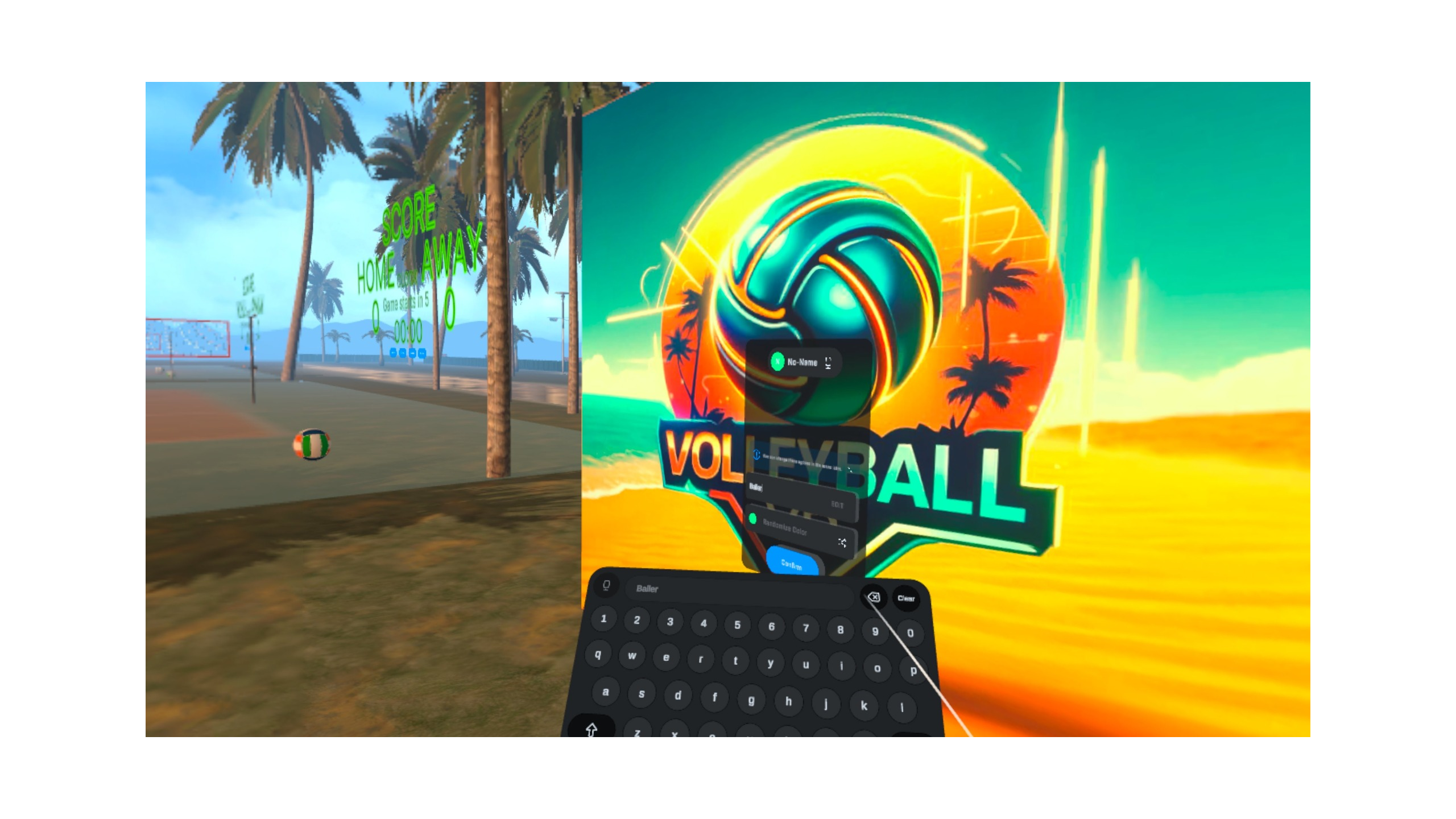
Future updates include expanded multiplayer matchmaking, ranked play, new court environments, training drills, and avatar customization. I also plan to explore mixed-reality passthrough modes so players can blend virtual gameplay with their real surroundings.

Log in or sign up for Devpost to join the conversation.