-
-
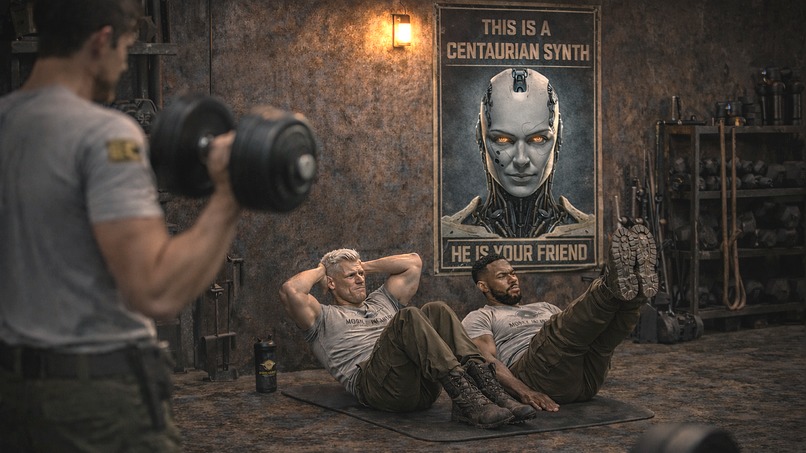
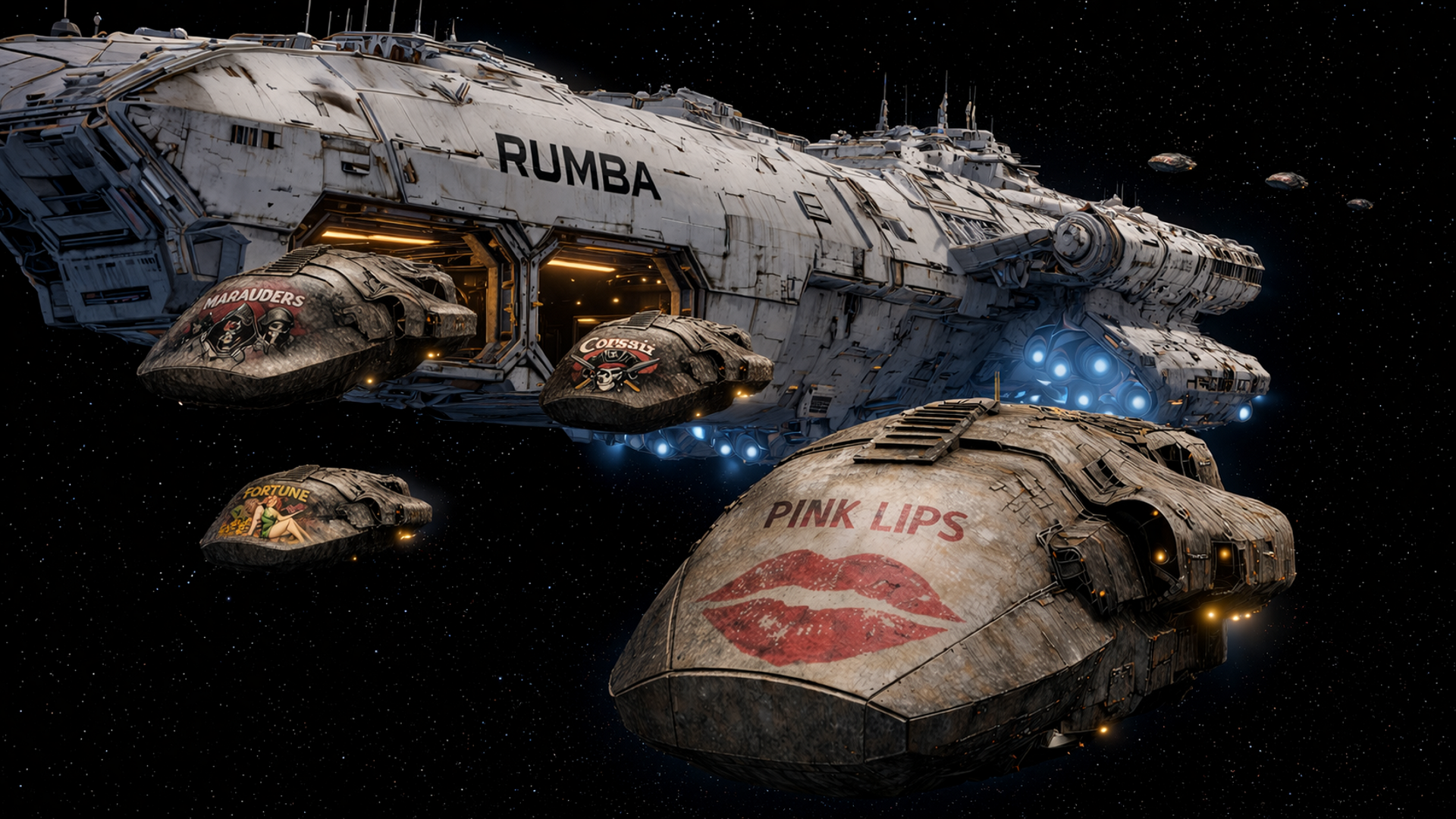
Movie keyframe
-
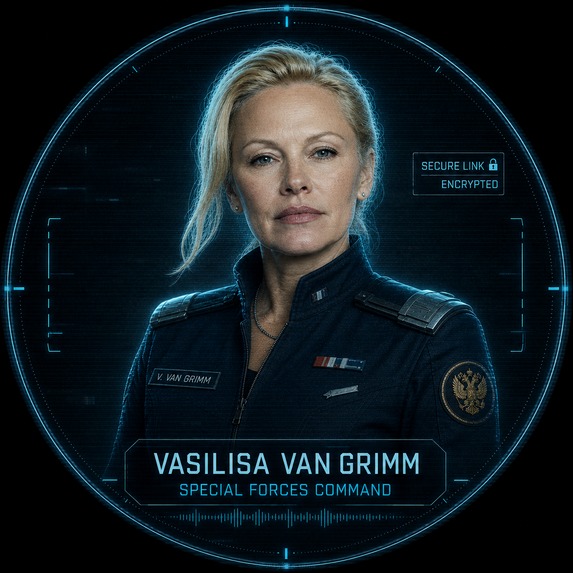
Hologram for video connection
-
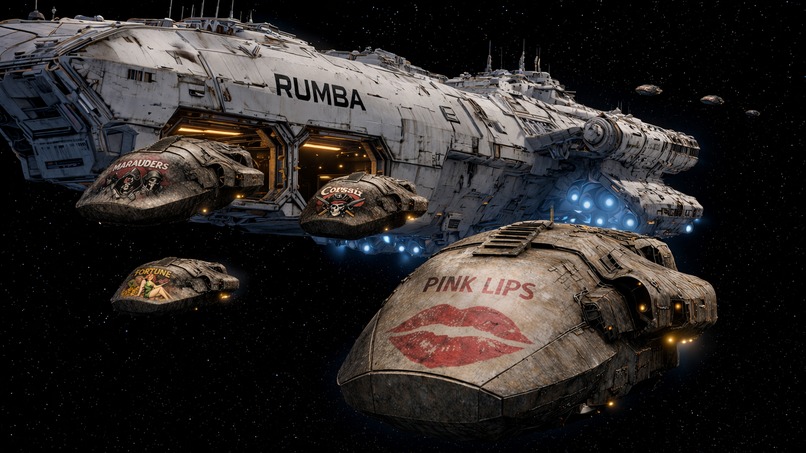
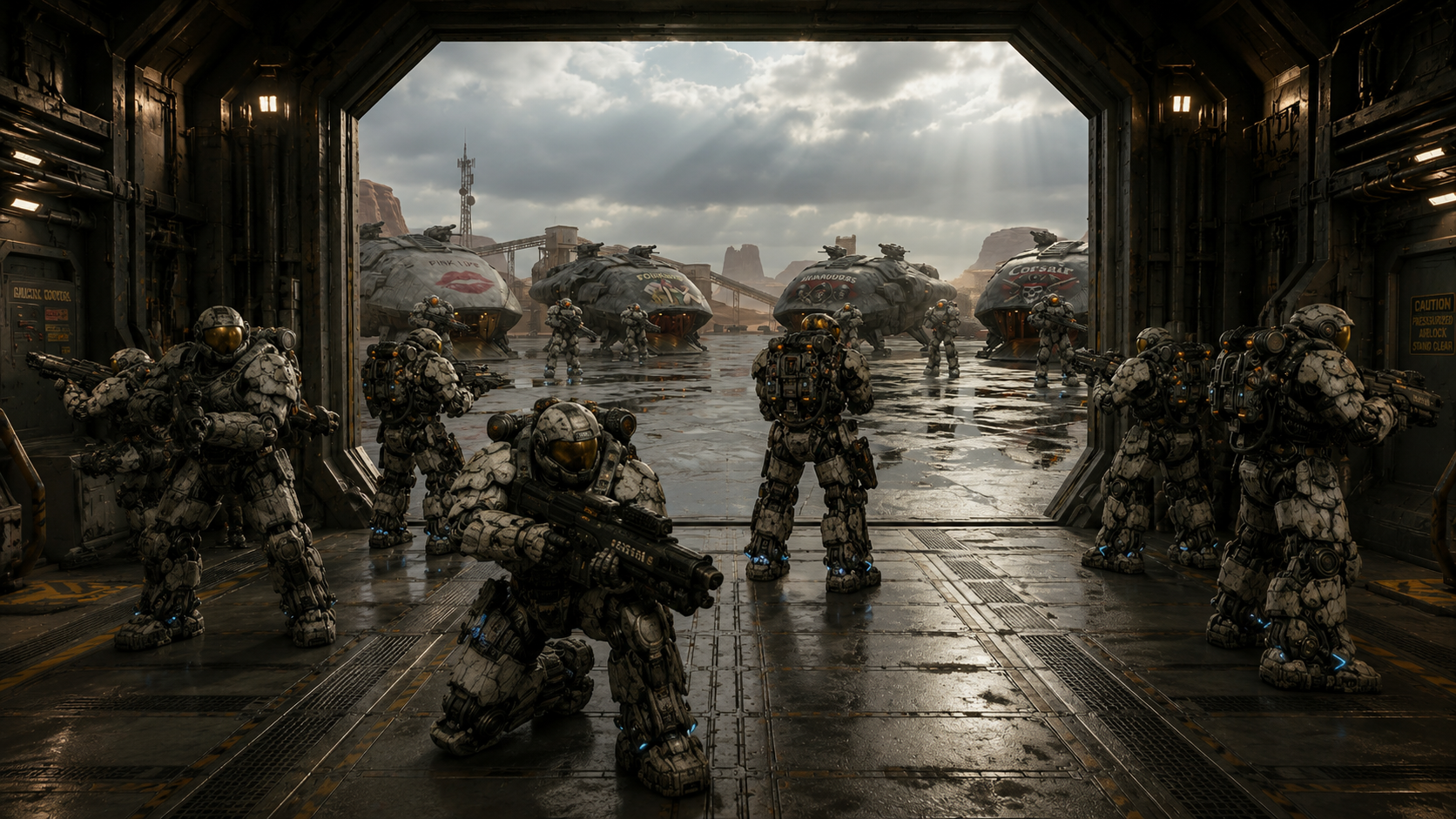
Movie keyframe
-
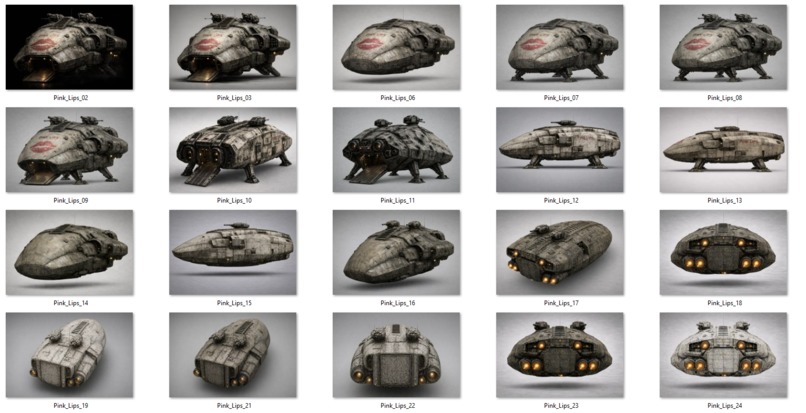
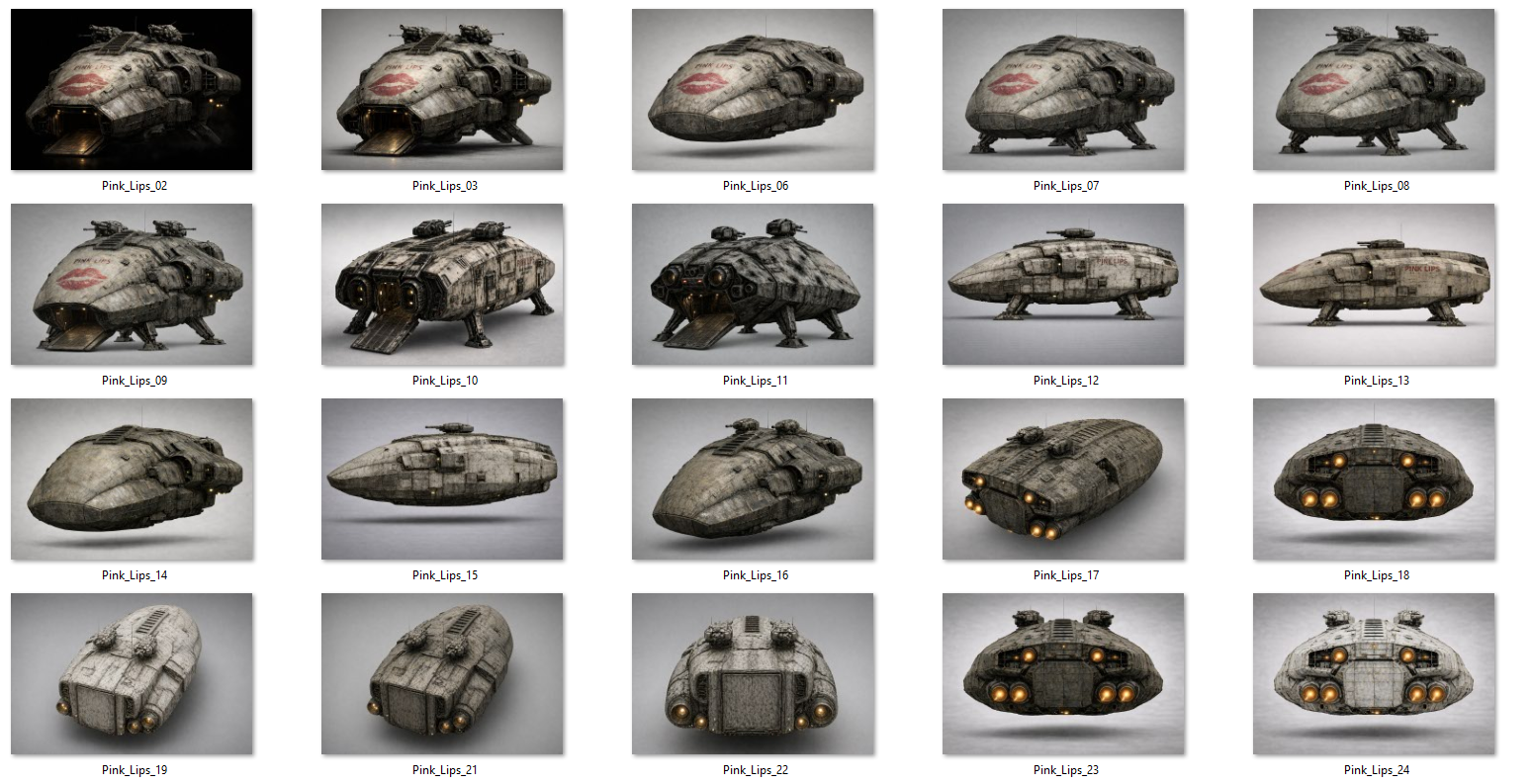
Dropship visual LORA
-
Movie keyframe
-
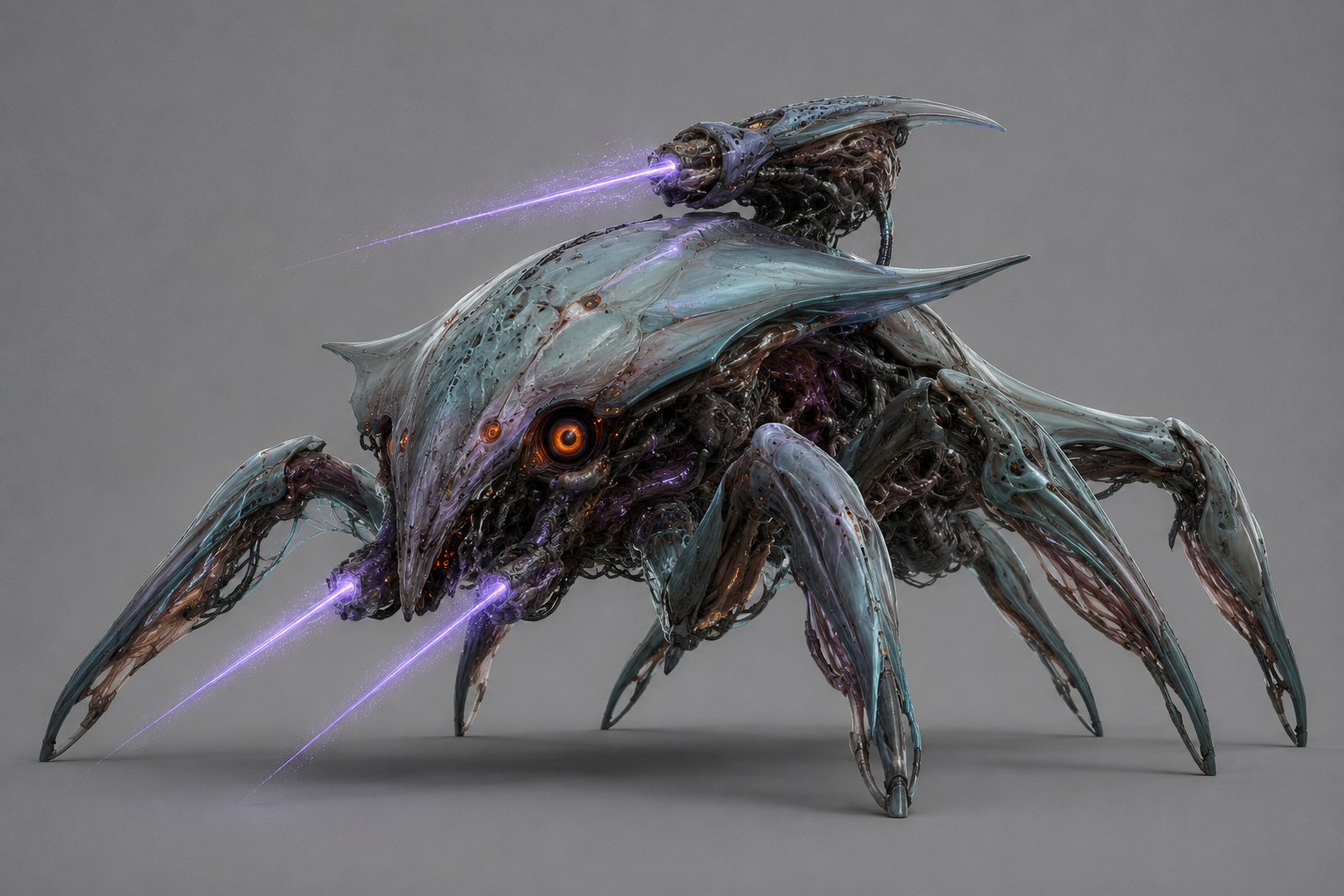
Alien biomech concept
Inspiration
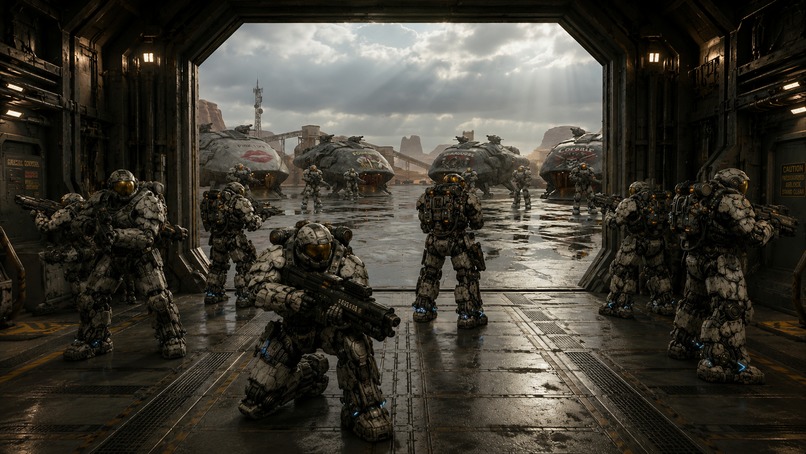
Void Troopers is based on the military science fiction novel by Alexander Zorich, originally published years before generative AI existed. For decades, I dreamed of bringing this universe to the screen, but producing a live-action military sci-fi film with powered armor, orbital assaults, alien creatures was simply beyond the reach of an independent filmmaker.
The emergence of generative AI finally made that dream achievable. Instead of lowering my ambitions, it allowed me to pursue the scale and visual richness that the story had always required.
What it does
Void Troopers is a 9-minute military science fiction short film and the pilot episode of a planned series adapting the novel of Alexander Zorich.
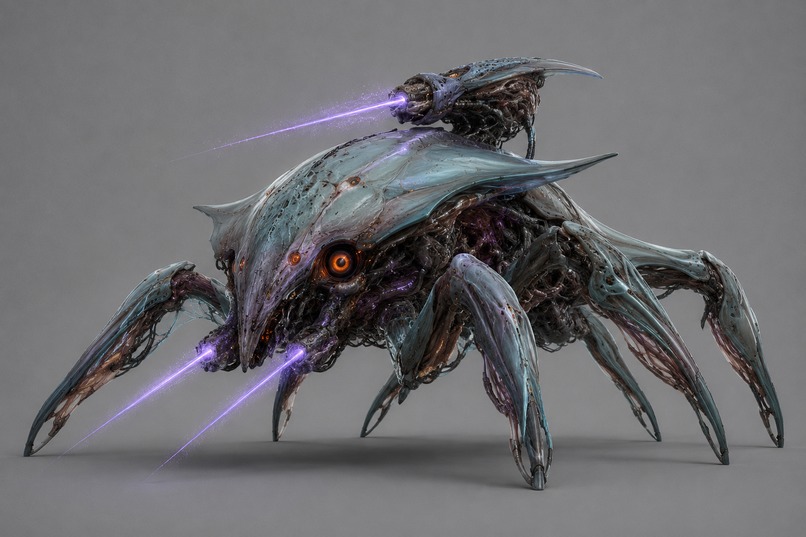
A squad of orbital troopers is deployed to rescue survivors trapped inside an alien-infested mining complex. What begins as a straightforward combat mission gradually reveals a much larger conflict between humanity and an intelligent extraterrestrial civilization.
Rather than being a standalone experiment, the film introduces the world, characters, and visual language of a much larger story.
How I built it
The project combines multiple AI and traditional filmmaking tools into a complete independent production pipeline.
Generative AI was used for image creation, video generation, voice synthesis, music, and sound design, while traditional editing and post-production techniques were used to assemble, refine, and unify the final film.
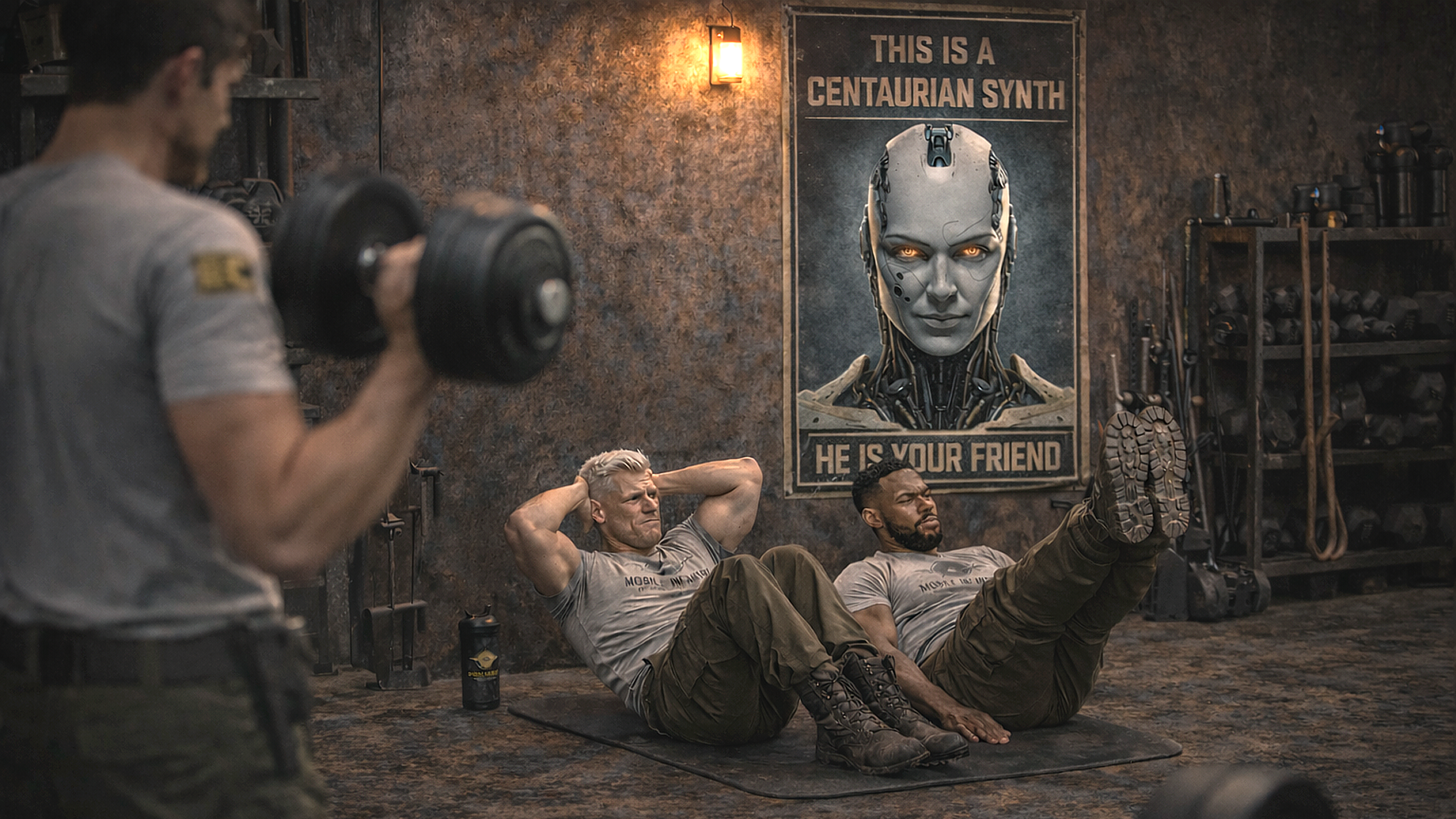
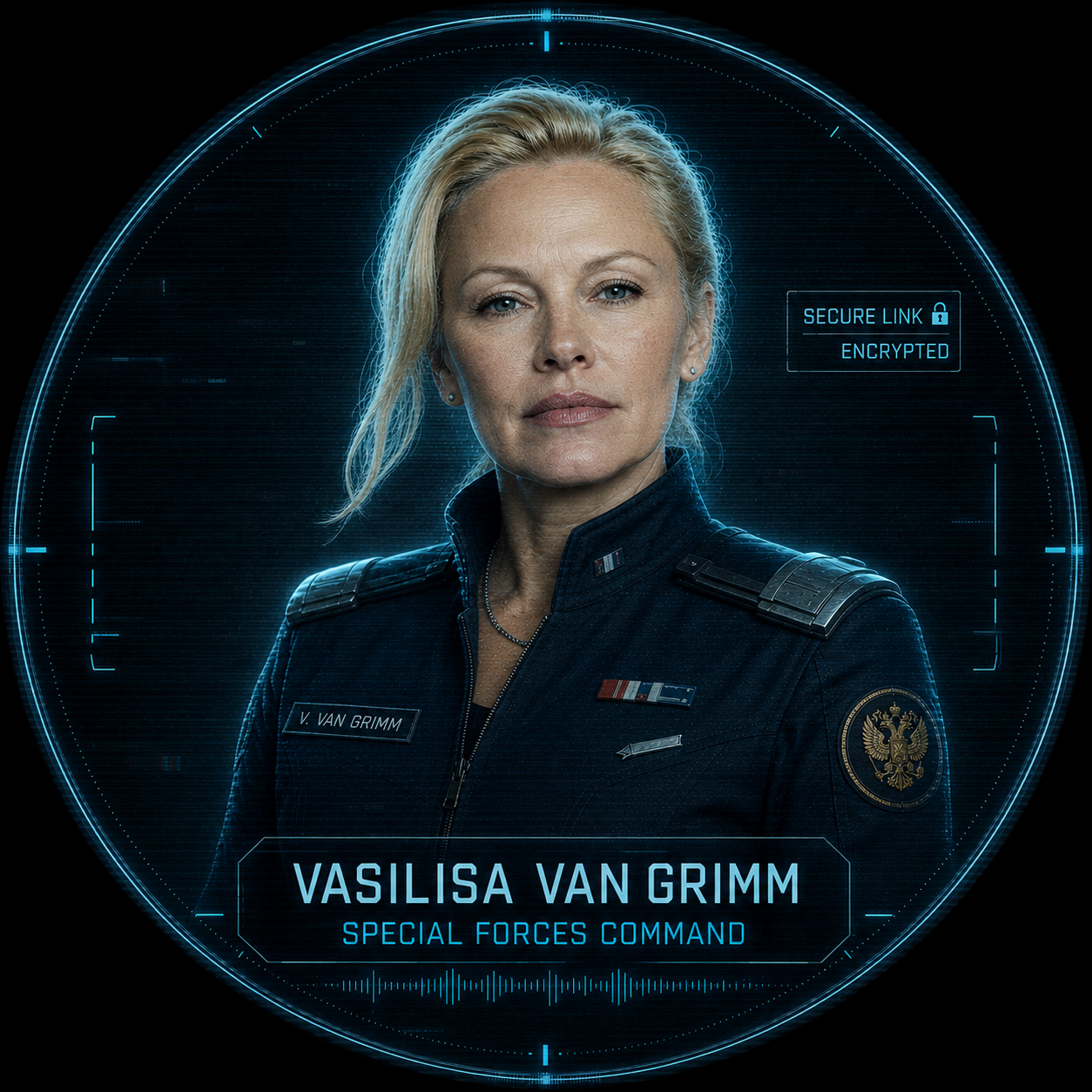
A significant part of the work focused on maintaining visual consistency across recurring characters, powered armor, vehicles, locations, and alien creatures throughout dozens of independently generated shots.
Challenges I ran into
The greatest challenge was consistency.
Every shot had to preserve the appearance of recurring characters, powered armor, weapons, vehicles, environments, lighting, and cinematic continuity despite being generated independently.
Another major challenge was directing the voice performances. Finding distinctive voices for each character, achieving natural dialogue, emotional delivery, and seamless integration with AI-generated visuals required extensive experimentation and post-production.
Accomplishments that I'm proud of
I'm most proud that many viewers quickly stop thinking about the technology and simply become immersed in the story.
For me, this demonstrates that generative AI can serve as a genuine filmmaking tool—one that enables independent creators to produce ambitious science fiction without sacrificing narrative, atmosphere, or cinematic quality.
What I learned
This project reinforced my belief that successful AI filmmaking depends far more on storytelling, directing, editing, production design, and creative decision-making than on prompting alone.
AI dramatically expands what independent filmmakers can accomplish, but it does not replace the artistic judgment required to make a compelling film.
What's next for Void Troopers
Void Troopers is planned as a multi-episode military science fiction series adapting the novels of Alexander Zorich.
Future episodes will expand the universe, introduce new characters, larger-scale battles, and deeper exploration of humanity's conflict with the alien Croverns, while continuing to refine an AI-assisted production pipeline capable of delivering increasingly ambitious cinematic storytelling.

Log in or sign up for Devpost to join the conversation.