-
-
Homepage
-
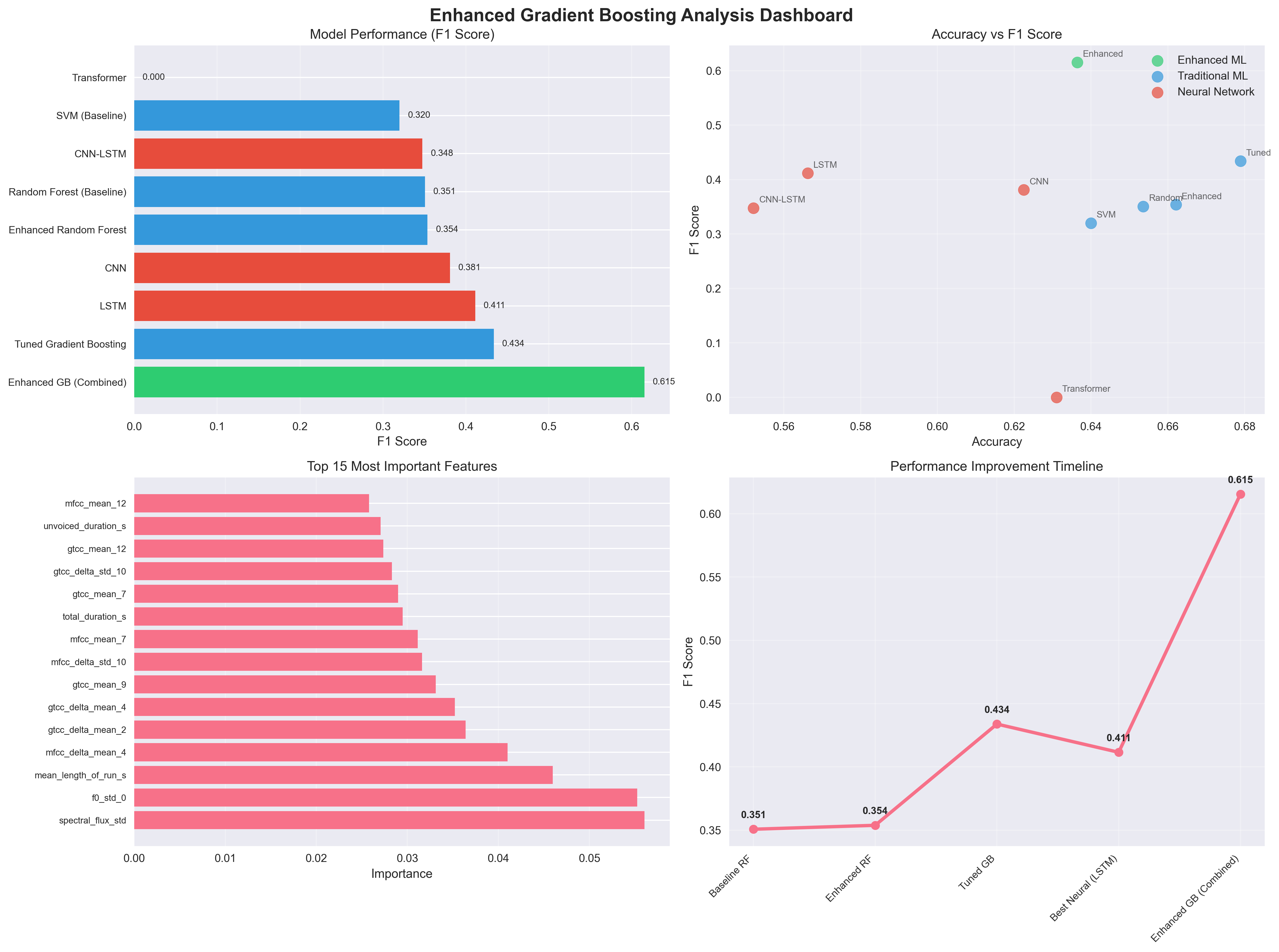
Models Chart
-
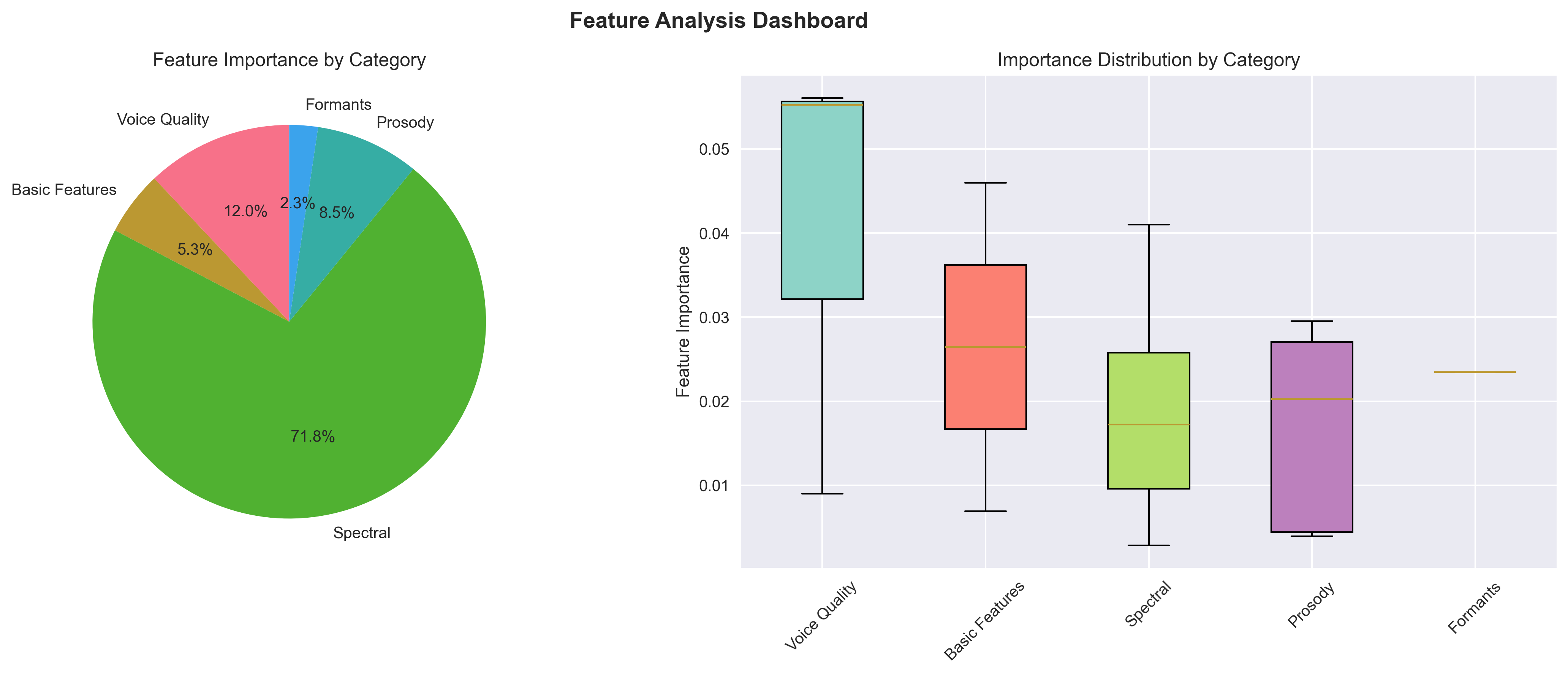
Features Chart
Inspiration
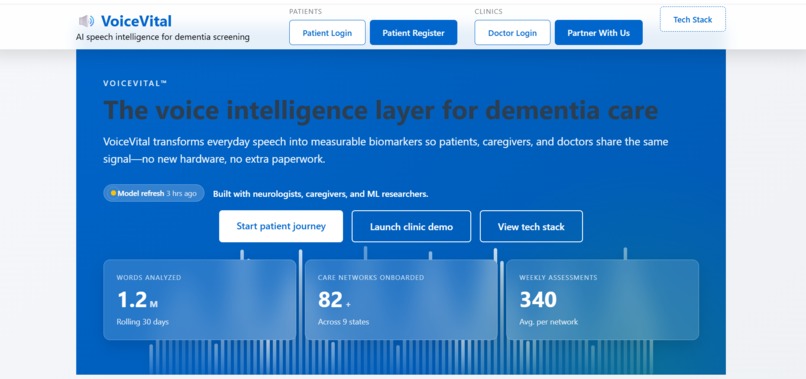
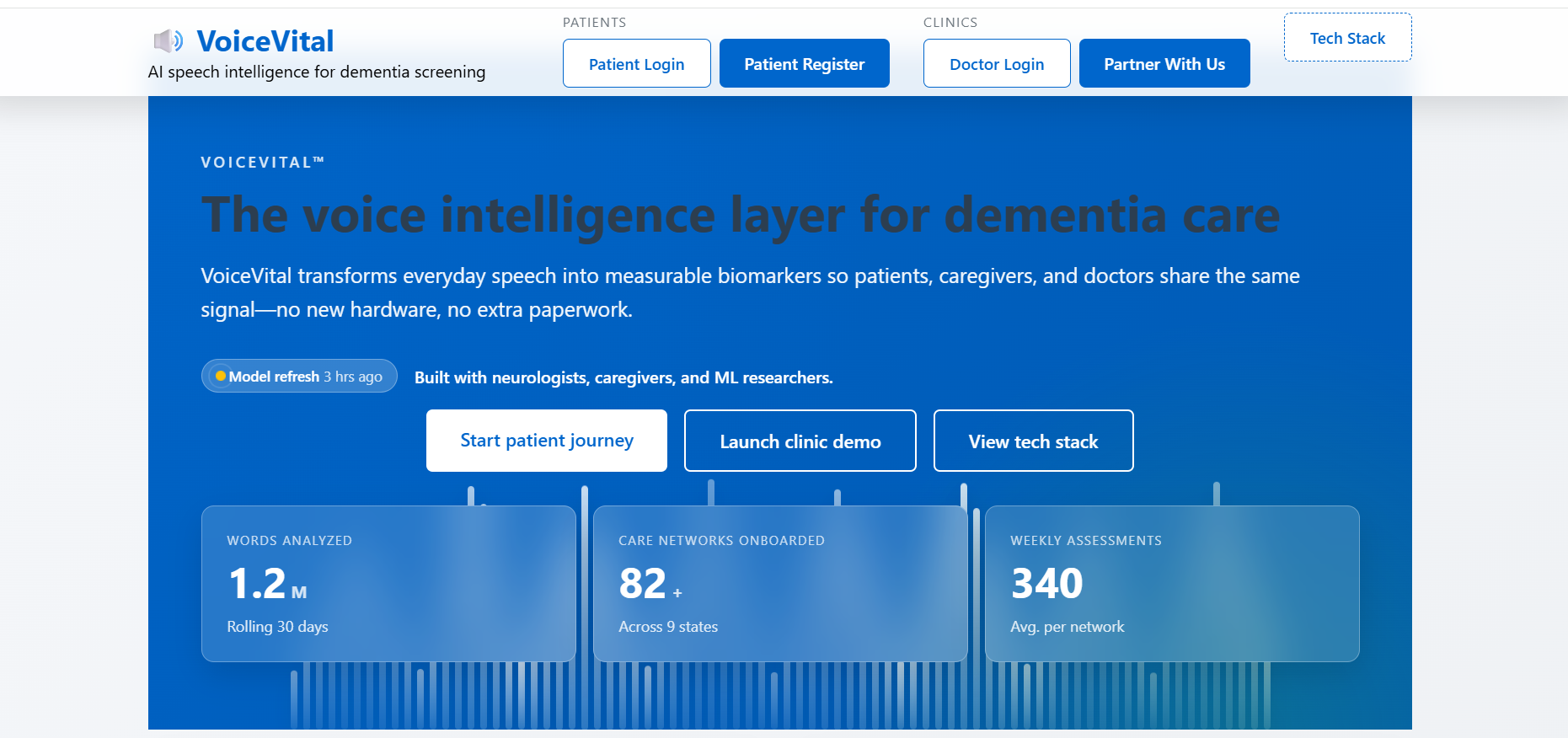
Families caring for loved ones with neurodegenerative conditions say daily symptom/constant clinic visits tracking feels intrusive. We asked: What if a 20‑second voice note could flag issues before they escalate? VoiceVitals was born from that question.
What It Does
- Patients record short voice check-ins that stream into Firebase Storage.
- Doctor and patient dashboards subscribe to Firestore for live vitals, notes, and playback.
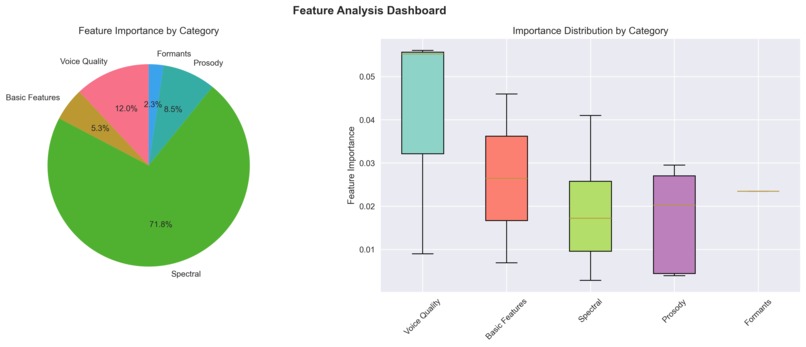
-ML/DL trained models rate clarity, prosody, and respiratory strain, surfacing a risk badge per recording.
How We Built It
- Persona-aware React dashboards running dual Firebase configs (doctor vs. patient).
- Cloud Functions that issue signed upload tokens, validate metadata, and trigger a Python ML microservice.
- Firestore schema for
clinics,doctors,patients,patientAudio, seeded via CLI. - Python pipeline (FastAPI + PyTorch) trained on curated speech-health datasets; results sync back to Firestore.
Challenges We Ran Into
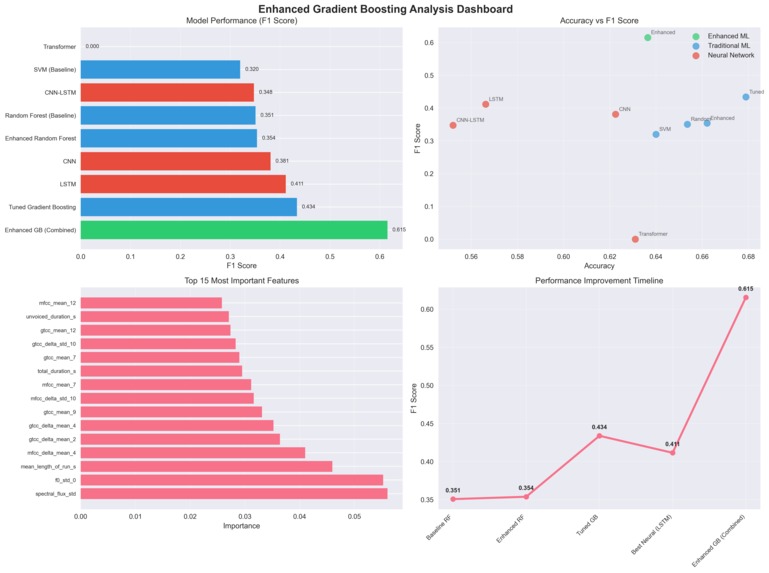
- Deep learning models underperformed on limited data, and the time to learn took up the majority of our weekend. We are also excited to train models for parkinsons, asl, etc...
- Firebase Hosting throttled our first deploy until we optimized bundle sizes and caching headers.
- Reinstalling Python/CUDA after I literally cooked my hard drive the other day, and Pip was acting like it didn't exist
- Clean clinical speech data is scarce, forcing heavy augmentation and bias-aware evaluation.
Accomplishments We’re Proud Of
- Hit ~70% accuracy distinguishing “healthy” vs. “concerning” recordings.
- Demo personas (
[email protected],[email protected]) now show real Firestore data. - Project is now awaiting research funding to pursue clinical trials/testing, along with more tests to get more data.
What We Learned
- Persona-specific Firebase clients simplify security reviews compared to role branching in one app.
- Smaller, well-labeled datasets beat massive synthetic ones when clinicians need explainability.
- Containerized environments are lifesavers when hardware fails mid-hackathon.
What’s Next
- Secure funding to run a longitudinal study with partner clinics to improve dementia accuracy.
- Expand data collection to cover respiratory, speech-motor, and cognitive impairment cohorts.
- Add disability-specific UX modes (ALS, Parkinson’s, post-stroke) so guidance adapts to each patient.
Built With
- deeplearning
- firebase
- machine-learning
- python
- react
- typescript


Log in or sign up for Devpost to join the conversation.