-
-
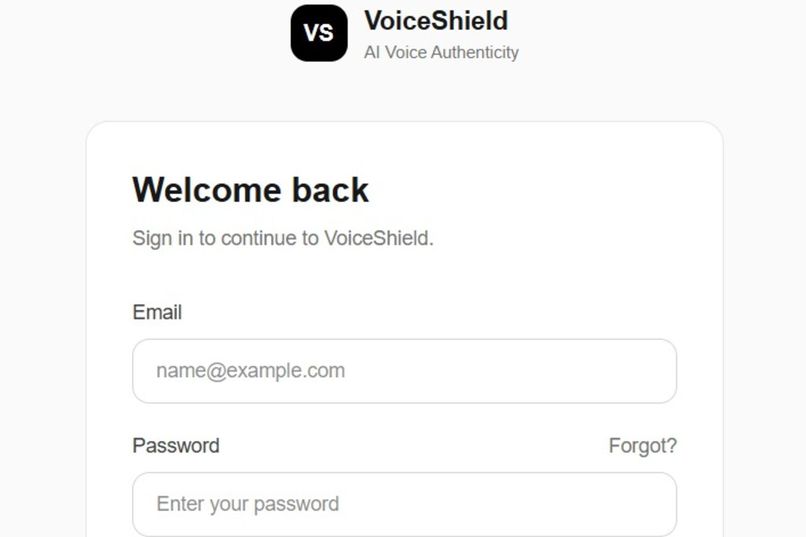
Sign In to VoiceShield SDK
-
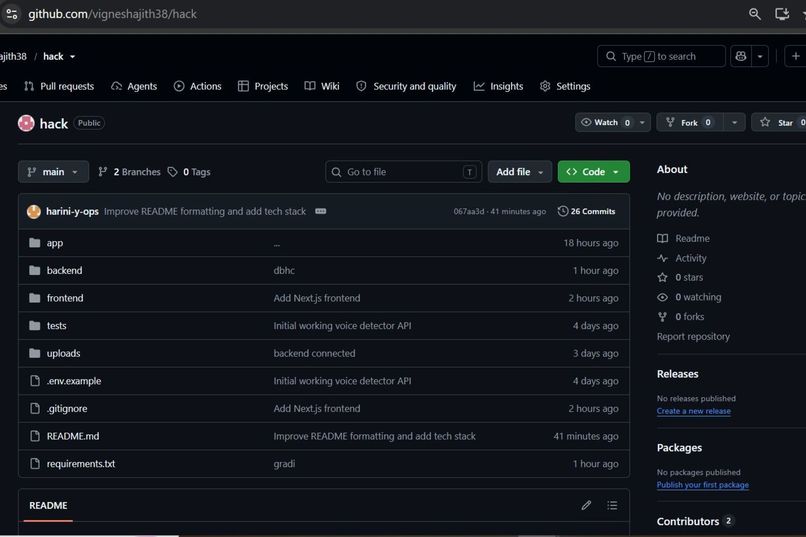
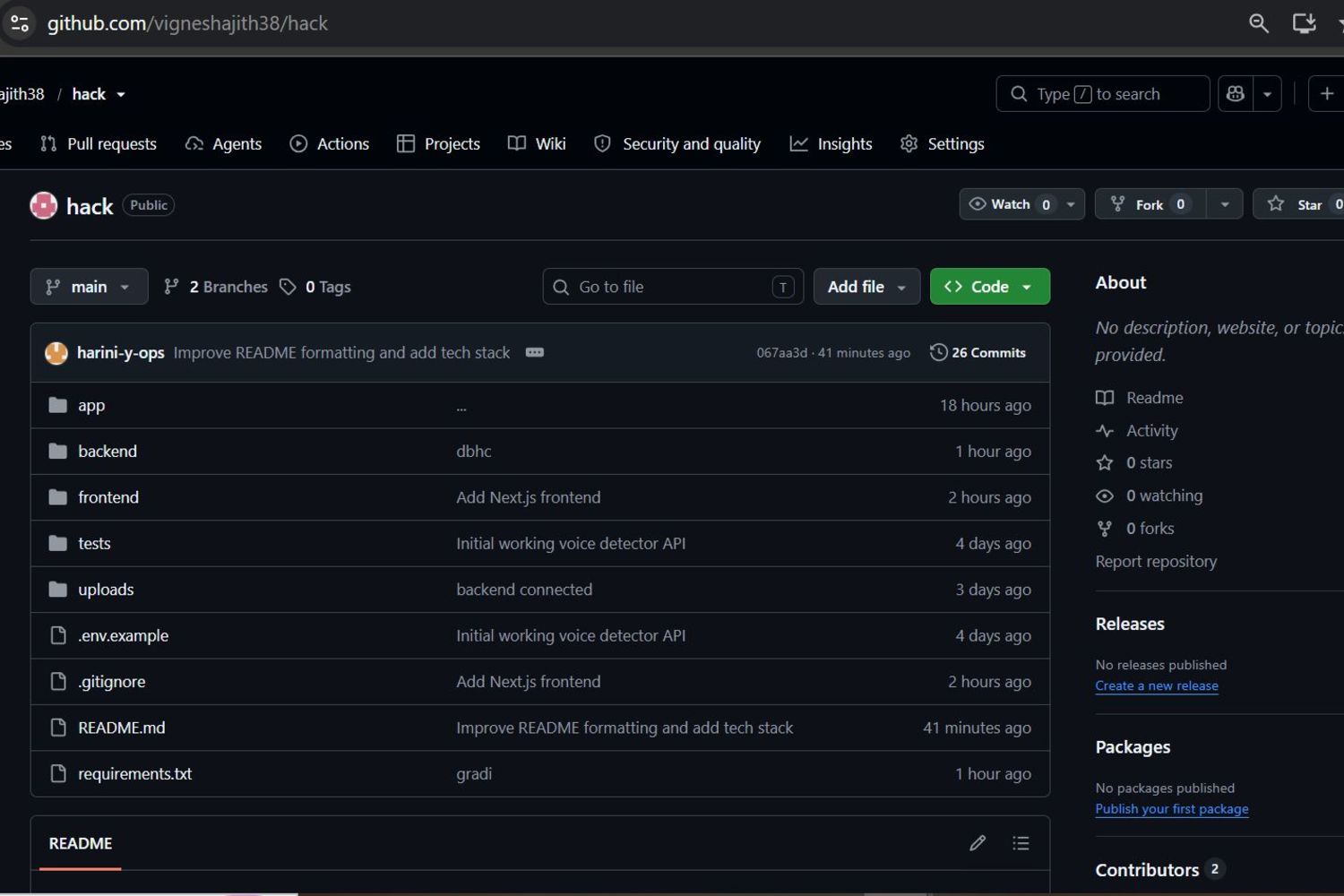
VoiceShield SDK GitHub Repository – Complete source code, documentation, setup instructions, and project architecture.
-
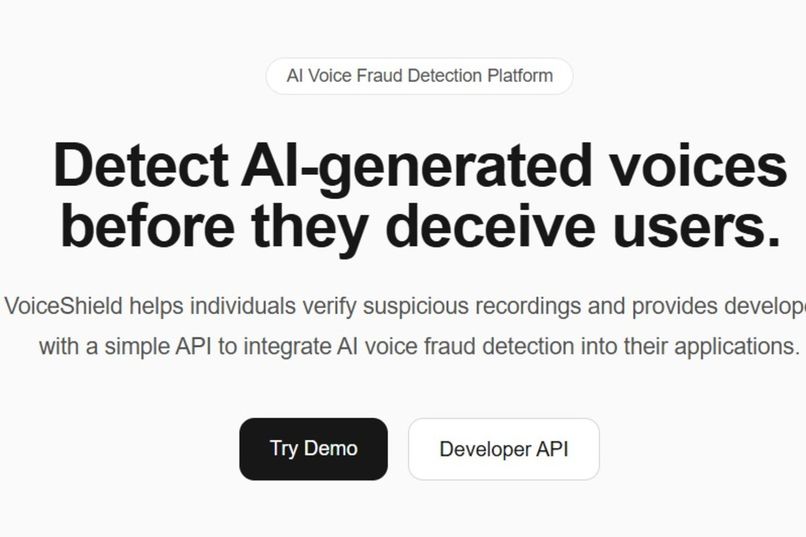
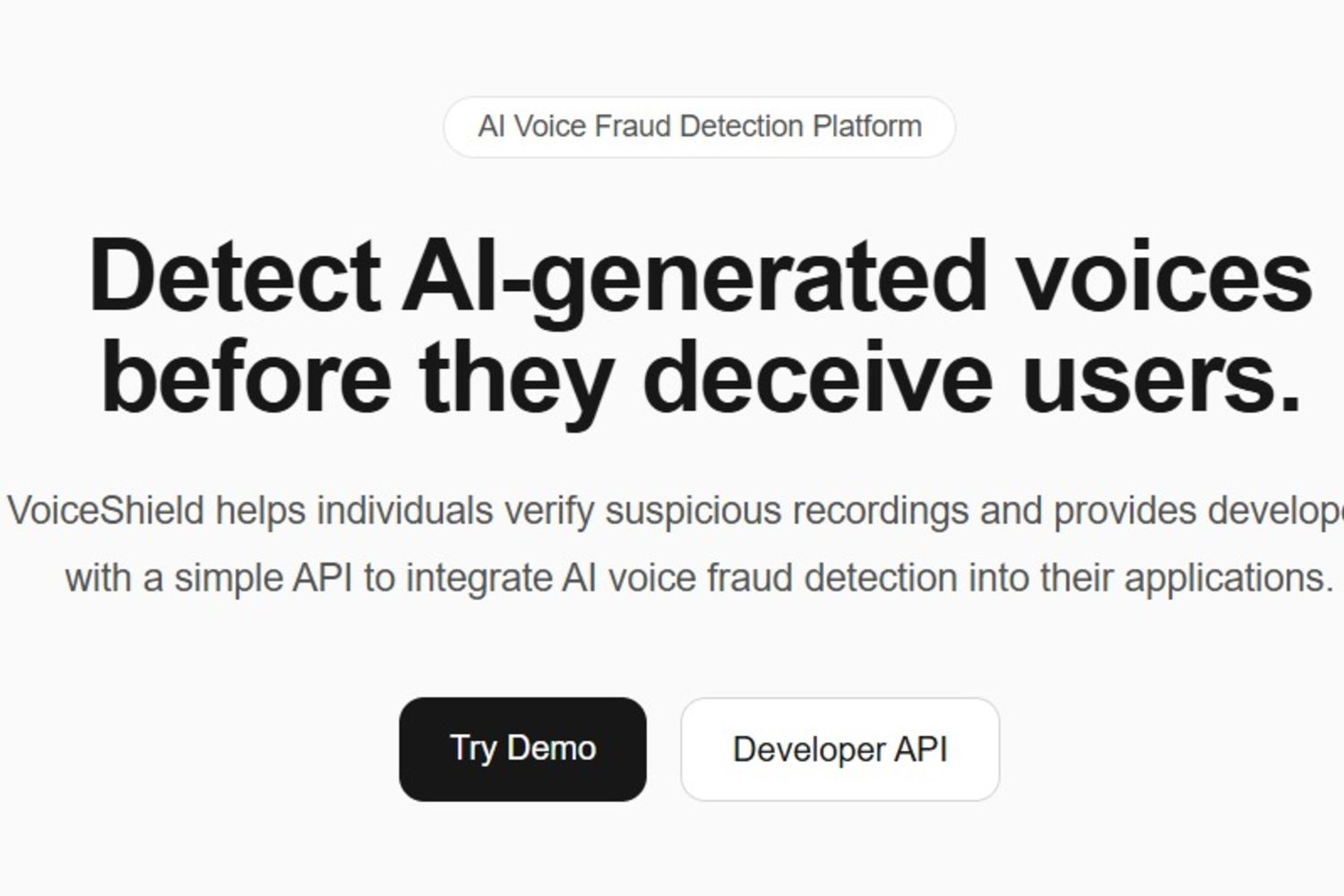
VoiceShield SDK- AI powered platform for detecting deepfake audio, analyzing scam conversations, and providing explainable risk assessments.
-
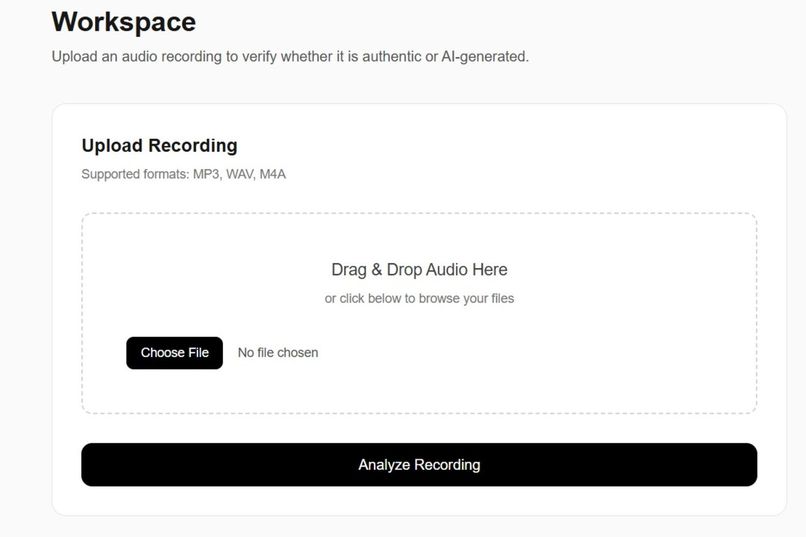
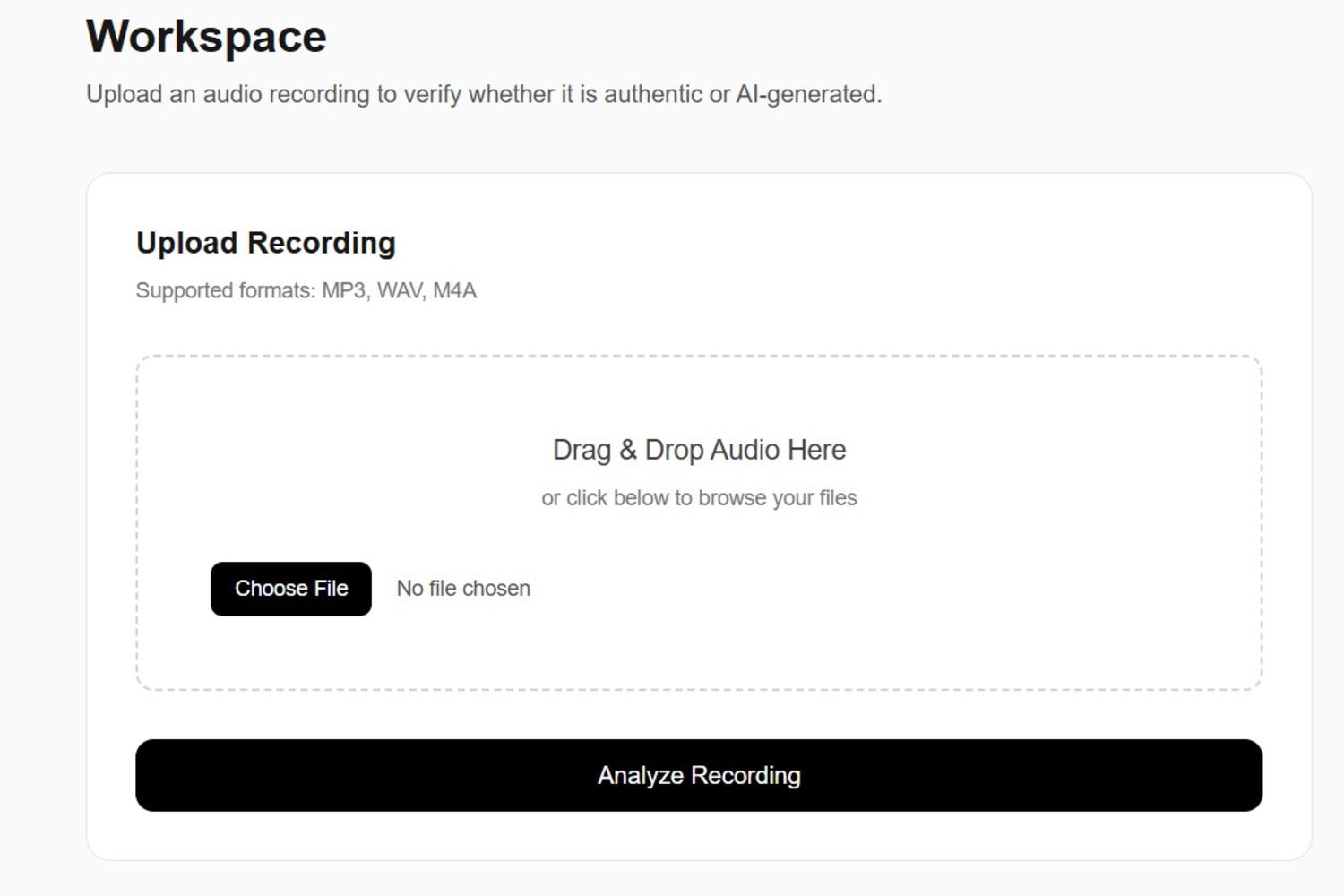
Workspace Dashboard – Central interface for uploading audio, running AI analysis, and viewing results.
-
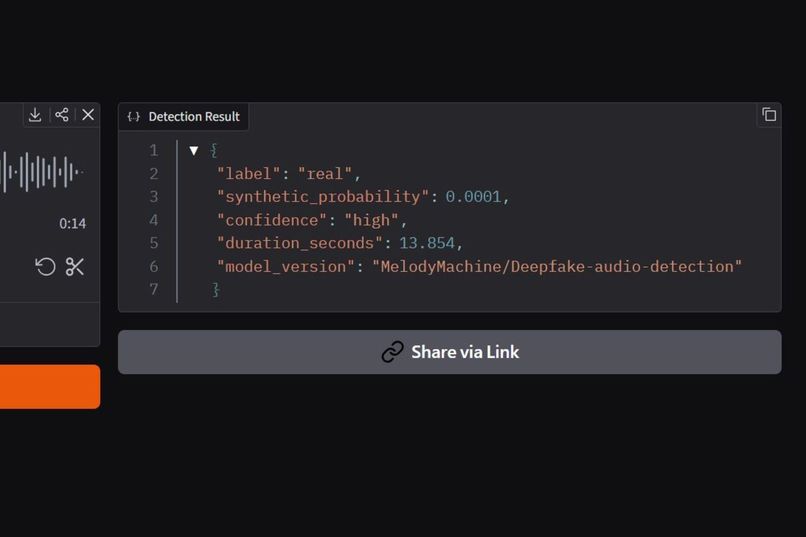
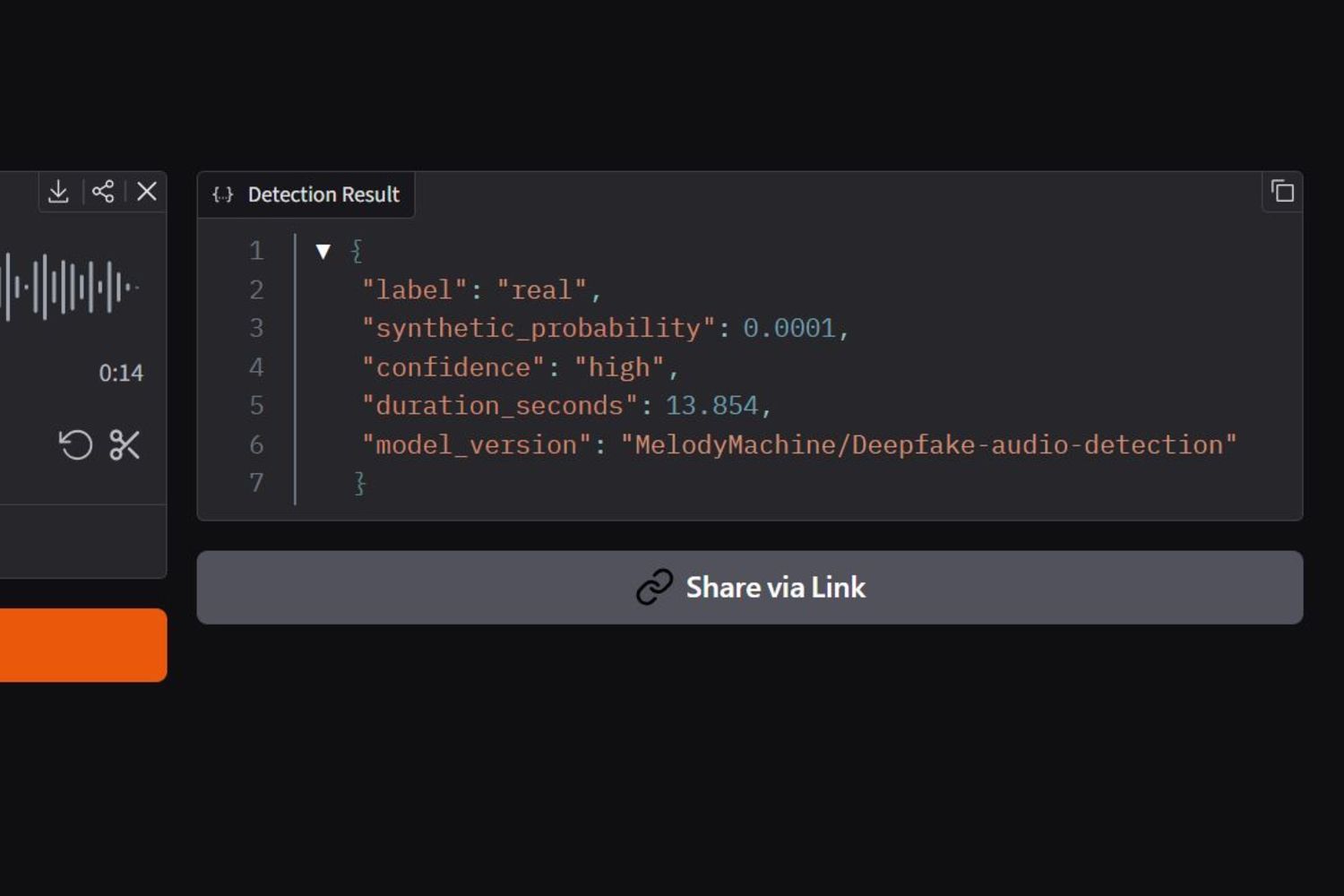
AI-generated risk score, detected scam indicators, and actionable recommendations.
Inspiration
VoiceShield SDK was inspired by a real incident that happened close to home. My neighbor, a 45-year-old homemaker, lost ₹1.9 lakhs to an AI voice-cloning scam. She received a call from someone impersonating her sister, urgently asking for money. Wanting to verify, she called her sister back. During the call, she heard what she believed was her sister's voice say "yes," which convinced her the request was genuine. Trusting the voice, she transferred the money through Google Pay.
A few hours later, she discovered she had been scammed. By then, the money was gone, and there was little that could be done to recover it.
That incident made us realize how quickly AI-powered scams are evolving and how difficult they are to identify, even for careful people. We wanted to build a tool that helps developers add an extra layer of protection to voice applications, making it easier to detect suspicious conversations before users become victims.
What it does
VoiceShield SDK is an AI-powered developer toolkit that enables applications to detect potential voice scams in real time. Developers can integrate a simple API into their voice applications to analyze call audio and conversations for fraud indicators such as impersonation attempts, urgency, emotional manipulation, suspicious payment requests, and potential AI-generated voice risks.
The SDK transcribes audio, uses AI to analyze conversational context, and returns a structured response with an explainable risk score, detected scam indicators, and recommended actions. Instead of making a binary decision, VoiceShield provides transparent insights that developers can use to warn users, trigger additional verification, or strengthen security within their own applications.
How we built it
We built VoiceShield SDK as a team of three, with each member taking ownership of a core part of the project while collaborating closely throughout development.
Backend Developed a FastAPI backend that exposes REST APIs for audio uploads, request handling, and structured JSON responses. The backend was designed to be lightweight, scalable, and easy for developers to integrate into their own applications. The backend is deployed on Render with Github integration.
Frontend Designed and built a clean interface where users can upload audio files, view scam analysis results, and understand the AI-generated insights through a simple and developer-friendly experience. Used Codex to enhance and refine the UI design, improving usability and overall user experience.
AI Integration We built the AI pipeline using OpenAI Whisper for speech-to-text transcription, Google Gemini for scam analysis, and the MelodyMachine deepfake audio detection model from Hugging Face for voice authenticity checks. Uploaded audio is processed through the detection model and Whisper to generate insights, after which Gemini analyzes the transcript using structured prompts to identify scam indicators such as impersonation, urgency, emotional manipulation, and suspicious payment requests.
Analysis of risk score, detected scam indicators, and actionable recommendations is returned by the ai model. e architecture supports future improvements such as real-time audio streaming, advanced deepfake detection models, and multilingual analysis.
Challenges we ran into
Designing a developer-friendly API - Voice applications vary widely in how they capture and send audio, so one of our biggest challenges was designing an API that felt simple to integrate while still returning genuinely useful analysis. We had to balance flexibility with simplicity, making sure developers wouldn't need to restructure their existing apps just to plug us in.
Learning fast under time pressure. - As second-year students, we were new to tools like Whisper, Hugging Face, and working hands-on with LLMs. We had to learn how these pieces fit together from transcription to prompt design to structuring AI outputs while simultaneously building the product itself, all within the hackathon's timeline.
Prioritizing scope- With limited time, we had to consciously scope down: focusing on core detection functionality first and deliberately designing a clean architecture so features like real-time streaming or voice-clone detection could be added later with ease.
Accomplishments that we're proud of
1) Built a developer-first SDK instead of another consumer application.
2) Created a clean REST API that can be integrated into voice applications with minimal setup.
3) We successfully built and deployed a complete AI-powered application by integrating the frontend, backend, and AI pipeline into a single working system. We are proud of learning how to take an idea from development to deployment.
4) Turned a real-world scam into a practical solution that can help prevent similar incidents.
5) Built a scalable backend that can be expanded with more advanced voice analysis in the future.
What we learned
As second-year CSE students, this hackathon was our first opportunity to build a real AI-powered product rather than just learning AI concepts in the classroom. It challenged us to move beyond theory and quickly pick up the tools and workflows needed to create a working solution.
Throughout the project, we gained hands-on experience with Hugging Face for exploring AI models, OpenAI Whisper for speech-to-text transcription , Codex to help us write and debug code faster, FastAPI, and VS Code to develop and integrate the backend, frontend and AI pipeline. We also learned how to work with large language models by designing effective prompts.
One of our biggest takeaways was learning how to break down a complex problem from detecting scams in voice conversations with clear stages for transcription, analysis, and risk assessment. Beyond the technical skills, we learned the importance of teamwork, dividing responsibilities efficiently, integrating individual components into the product, and iterating rapidly under the time constraints.
What's next for VoiceShield SDK
This hackathon gave us a solid foundation, and there's a lot we'd like to build on:
1) Real-time streaming analysis - moving from post-call audio uploads to live, in-call detection so users get warnings during a suspicious conversation, not after.
2) Voice-clone and deepfake detection - adding dedicated models to flag AI-synthesized voices, directly addressing the kind of impersonation scam that inspired this project.
3) Multi-language support - extending beyond English to cover regional languages, since scam calls in India often happen in Hindi and other local languages.
4) Mobile and browser SDKs - packaging VoiceShield as lightweight SDKs for Android/iOS and browser-based calling apps, so developers can integrate it beyond our current REST API.
5)Partnerships with payment and calling platforms - exploring integrations with apps like Google Pay or telecom providers to catch scams at the point of highest risk, right before a transaction is confirmed.
Our long-term vision is to make VoiceShield SDK a security layer that developers can integrate into voice assistants, customer support systems, fintech applications, and communication platforms to help users identify scams before they become victims.

Log in or sign up for Devpost to join the conversation.