About the Project
Inspiration
VoiceForge Ops was inspired by the vision of making digital operations more natural, intuitive, and accessible through voice. Many everyday operational tasks still require users to navigate complex interfaces, learn multiple workflows, and repeatedly perform manual steps. We wanted to explore how AI and voice interaction could simplify these experiences and turn them into seamless, conversational interactions.
What it does
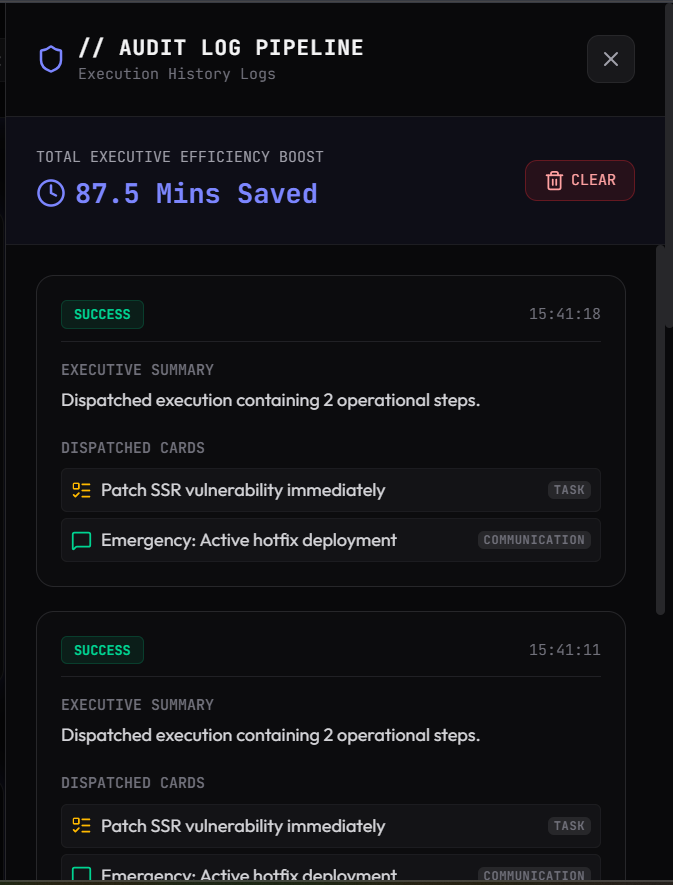
VoiceForge Ops enables users to interact with systems using natural voice commands. Instead of relying on traditional UI elements like buttons, menus, and forms, users can simply speak their intent, and the system interprets and executes the appropriate actions.
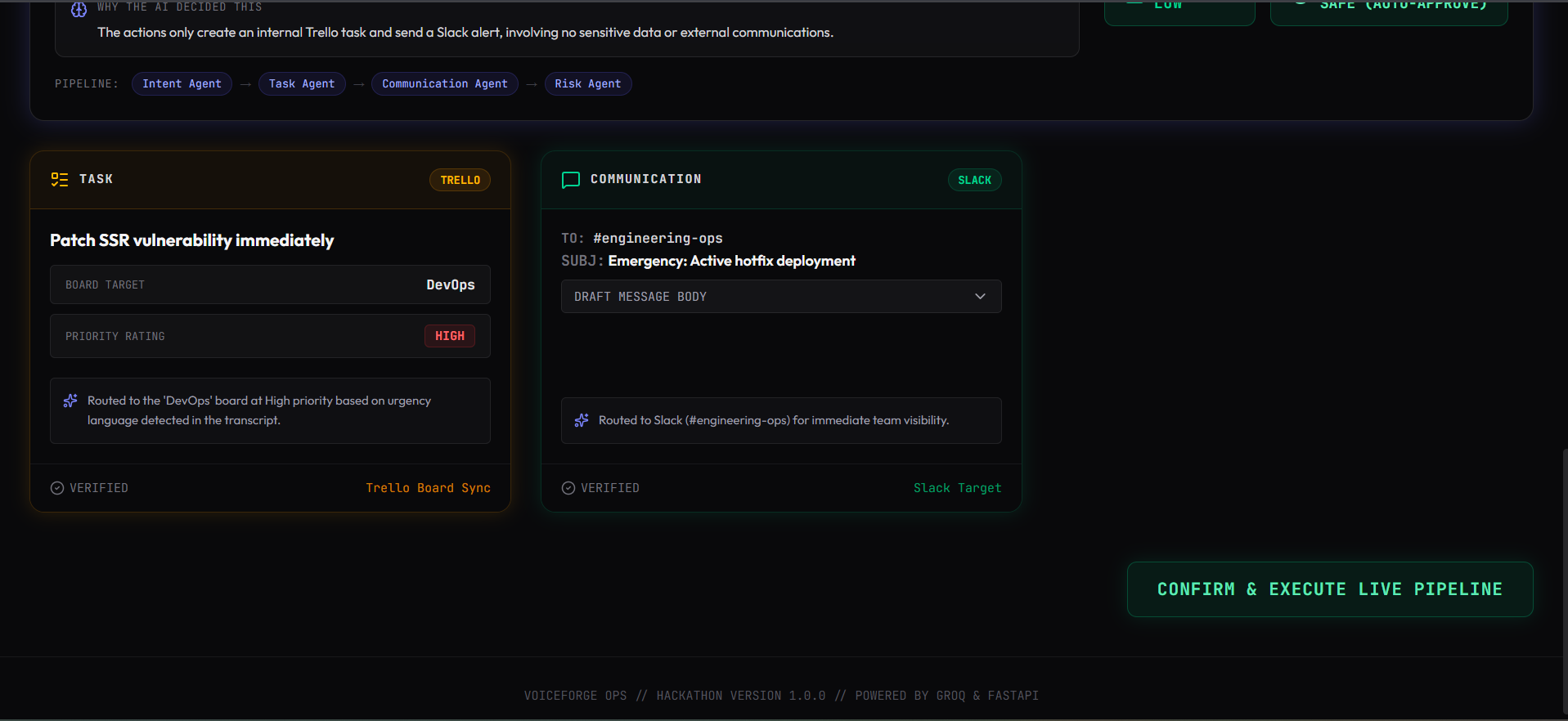
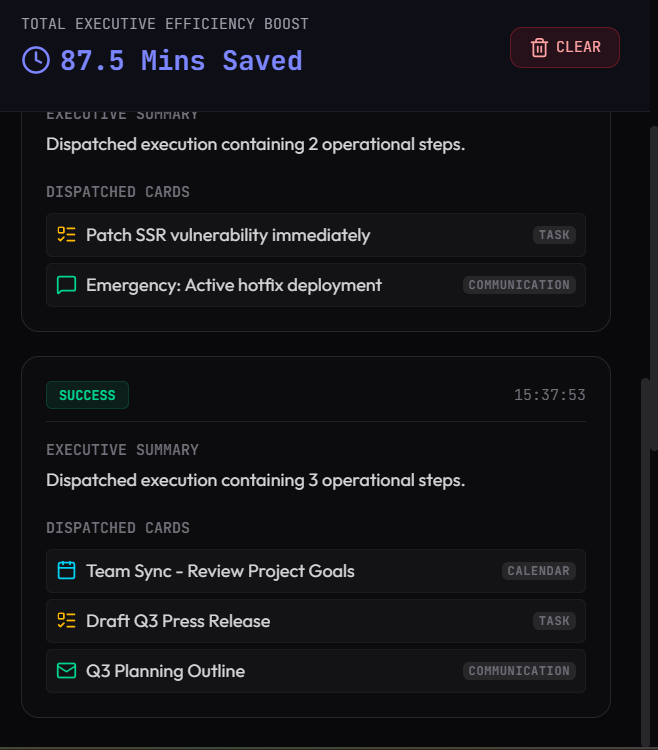
The platform transforms spoken input into structured, actionable workflows, making it possible to complete operational tasks faster and more intuitively. It acts as a bridge between human language and system-level operations.
How we built it
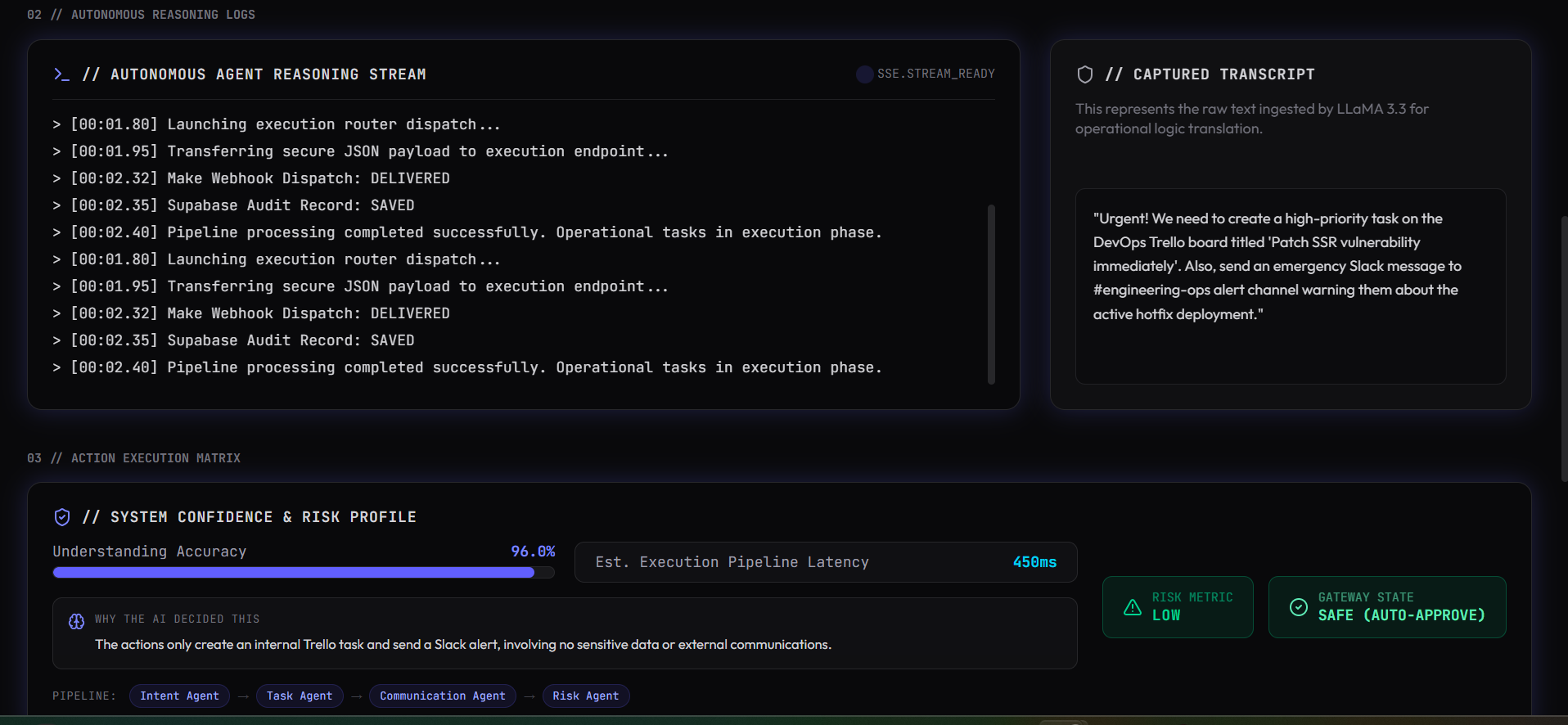
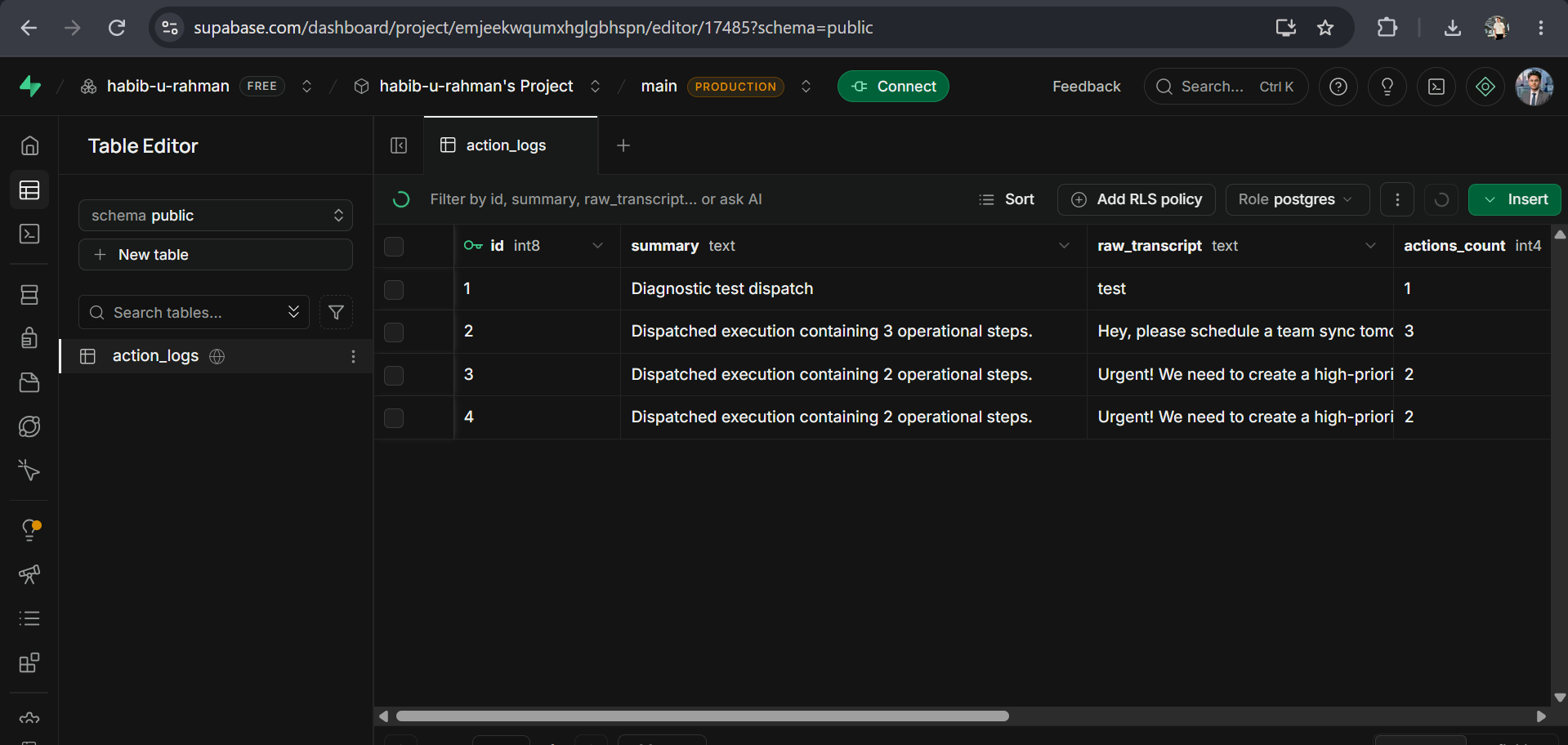
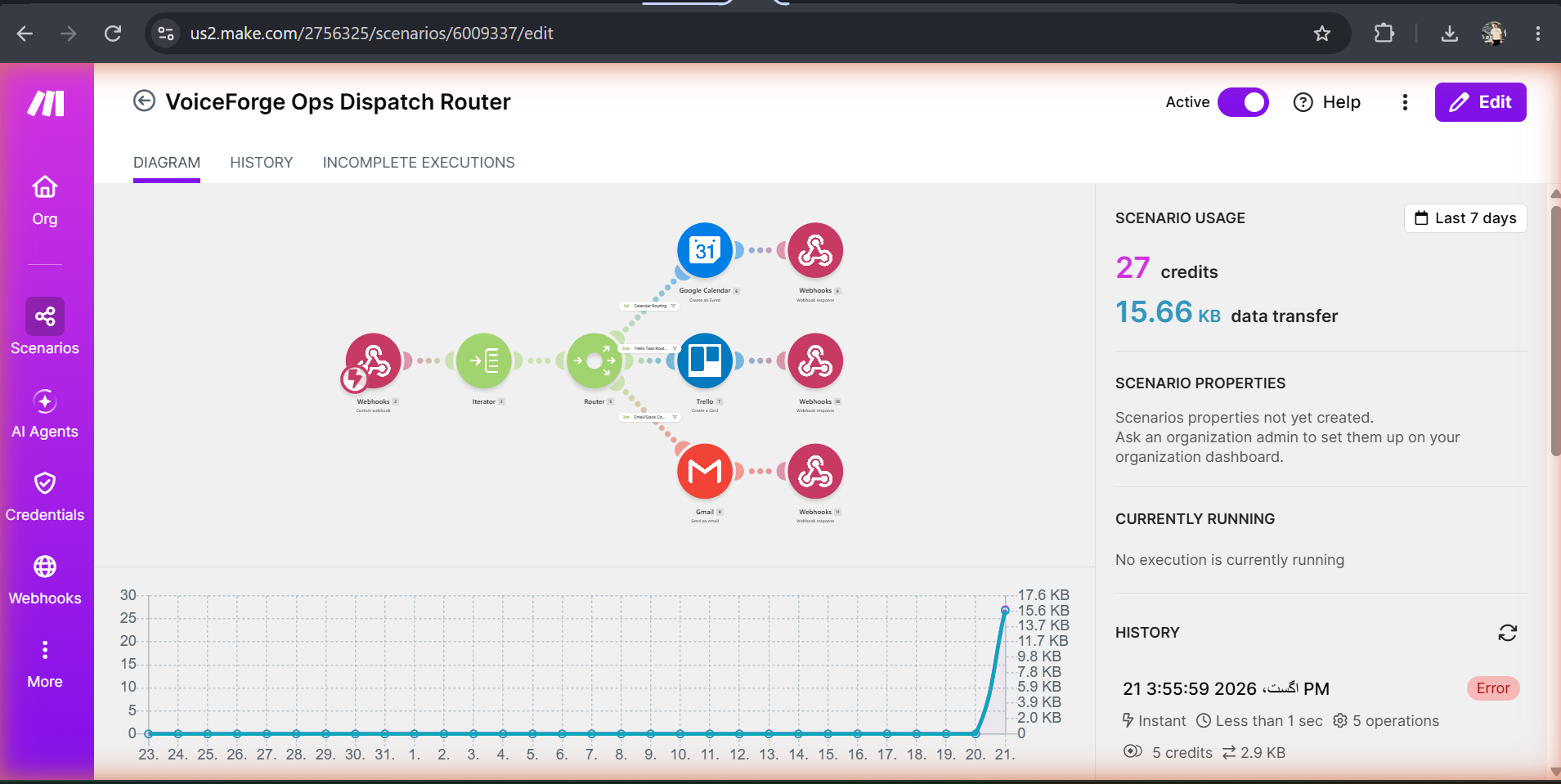
We built VoiceForge Ops around an AI-driven processing pipeline that takes in user voice input, interprets intent, and maps it to specific system actions. The architecture connects voice recognition, natural language understanding, and backend execution into a unified workflow.
We focused on designing a modular system so that each component—voice input, AI processing, and action execution—could be developed, tested, and improved independently. This made the system more flexible and easier to scale.
Challenges we ran into
One of the main challenges was accurately interpreting natural language and converting it into reliable system actions. Users can express the same intent in many different ways, so the system needed to be robust enough to handle variations while still producing consistent results.
Another challenge was ensuring smooth coordination between voice input, AI reasoning, and backend operations. Managing timing, handling ambiguous requests, and dealing with unexpected inputs required multiple iterations and careful refinement of the workflow.
Accomplishments that we're proud of
We are proud of successfully building a system that meaningfully connects voice interaction with real operational workflows. Creating a functional pipeline that translates spoken language into structured actions was a major milestone.
We are also proud of the system’s modular design, which allows for future improvements and extensions without requiring a complete redesign. This makes VoiceForge Ops a strong foundation for further development.
What we learned
Through building VoiceForge Ops, we gained valuable experience in designing AI-powered systems that go beyond simple conversational interfaces. We learned how critical system architecture, clear data flow, and error handling are when working with real-world AI applications.
We also learned that user experience plays a major role in how effective voice-based systems can be, especially when dealing with ambiguous or varied input.
What's next for VoiceForge Ops
Next, we plan to improve the accuracy and flexibility of intent recognition to handle even more complex and nuanced voice commands. We also aim to expand the range of supported operations and integrate deeper system-level automation.
In the future, we want to make VoiceForge Ops more adaptive, allowing it to learn from user behavior and continuously improve its responses and workflows over time.
Built With
- agents
- ai
- api
- artificial
- assistant
- automation
- backend
- conversational
- generative
- intelligence
- language
- learning
- llm
- machine
- natural
- processing
- python
- recognition
- speech
- voice
- workflow


Log in or sign up for Devpost to join the conversation.