-
-
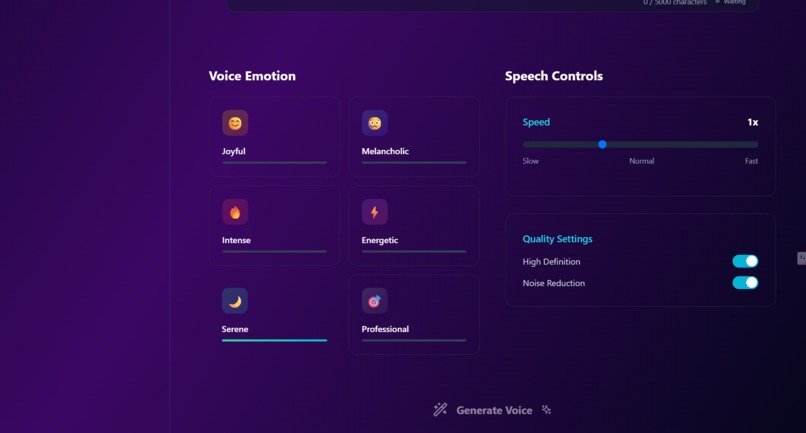
project image
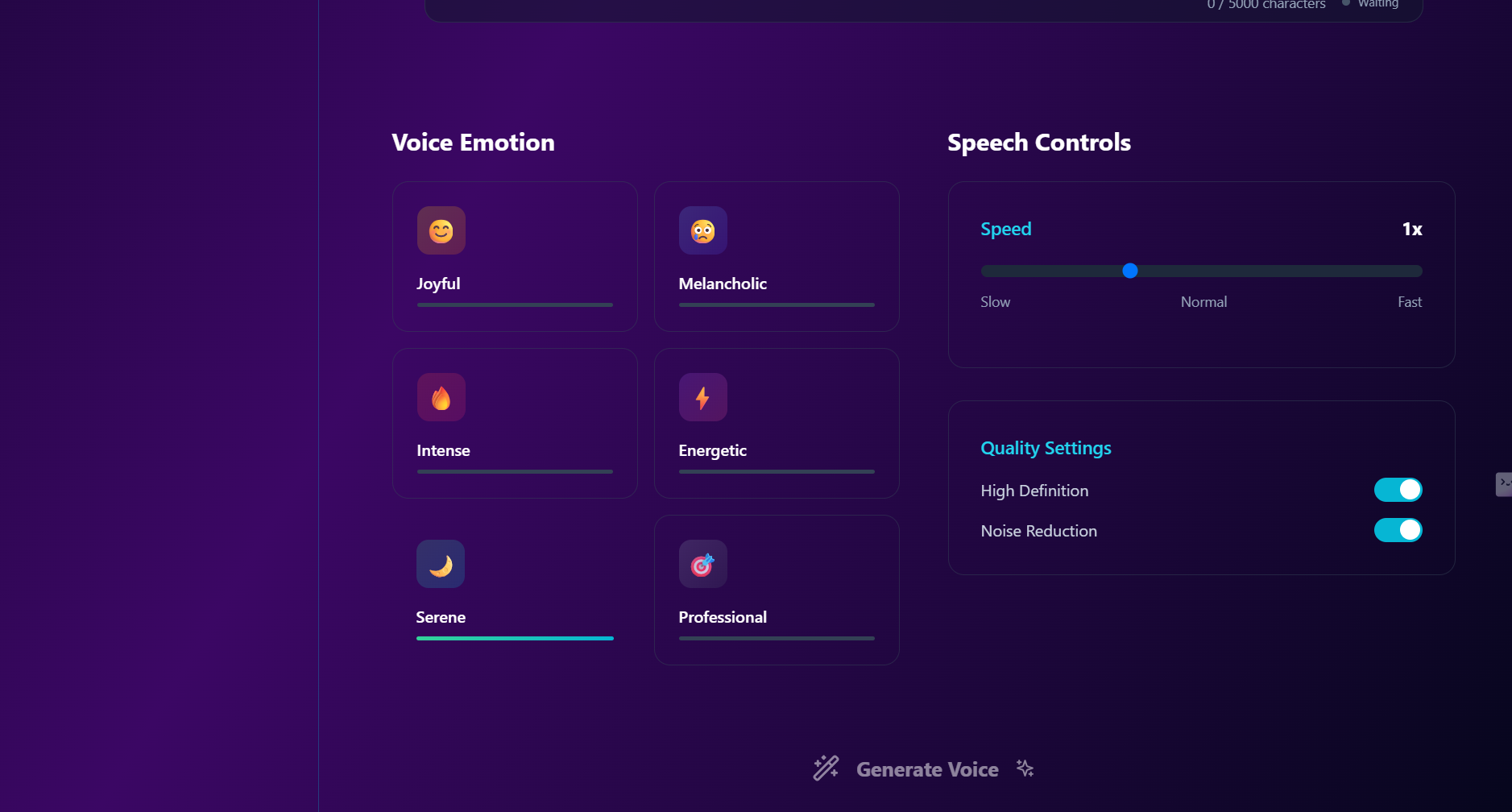
🎙️ Voice Cloner – Your Voice, Reimagined by AI
🚀 About the Project
Voice Cloner is an advanced AI system I developed to synthesize realistic human-like speech from any input text using a cloned voice. The goal was to create a seamless voice cloning pipeline capable of capturing not just the tone, but also the accent and emotional nuances of a speaker — making synthetic speech indistinguishable from real human voice.
💡 Inspiration
I’ve always been fascinated by the power of human voice — it carries emotion, identity, and connection. While working on text-to-speech systems, I realized most generic voices lacked personalization. The idea of giving AI a human touch by allowing users to recreate their own voice (or any custom voice) felt both challenging and exciting. That’s what sparked the journey into building this Voice Cloner from scratch.
🛠️ How I Built It
Model Architecture:
I used a speaker embedding-based pipeline, leveraging XTTS (cross-lingual TTS) for voice cloning. This allowed high-fidelity synthesis with multilingual and accent preservation capabilities.Training Pipeline:
- Collected and preprocessed a custom voice dataset.
- Extracted speaker embeddings using a pretrained encoder.
- Synthesized speech using text input + speaker embedding via the TTS model.
Technologies Used:
- 🧠 Coqui TTS (XTTS) for speech synthesis
- 🔉 Torchaudio, NumPy, PyDub for audio processing
- 🐍 FastAPI to expose a clean API for inference
- ☁️ Replit & PythonAnywhere for deployment
- 🧠 Coqui TTS (XTTS) for speech synthesis
Features:
- Clone any voice from just a few seconds of audio.
- Input custom text and get lifelike speech in that voice.
- Accent and pitch retention.
- Real-time inference API.
📚 What I Learned
- How to fine-tune large TTS models on custom voice datasets.
- Deep dive into speaker embeddings and how they affect synthesis quality.
- Real-world deployment and optimization of AI models on limited-resource platforms.
- Importance of preprocessing — a small noise in input audio can degrade the whole output quality.
⚠️ Challenges Faced
- Data Quality: Clean voice samples were crucial. Background noise or low-quality recordings led to poor clones.
- Latency: Real-time inference was tricky, especially on lower-spec servers.
- Model Size: Managing large TTS models on constrained environments like Replit required careful optimization and streaming-based processing.
- Accent Retention: Maintaining subtle accents or emotional cues was difficult without high-quality datasets.
🎯 Final Thoughts
This project not only enhanced my understanding of speech synthesis but also opened doors to exciting applications in dubbing, accessibility tech, and creative storytelling. It’s thrilling to hear a computer speak back in your voice — convincingly and emotionally.

Log in or sign up for Devpost to join the conversation.