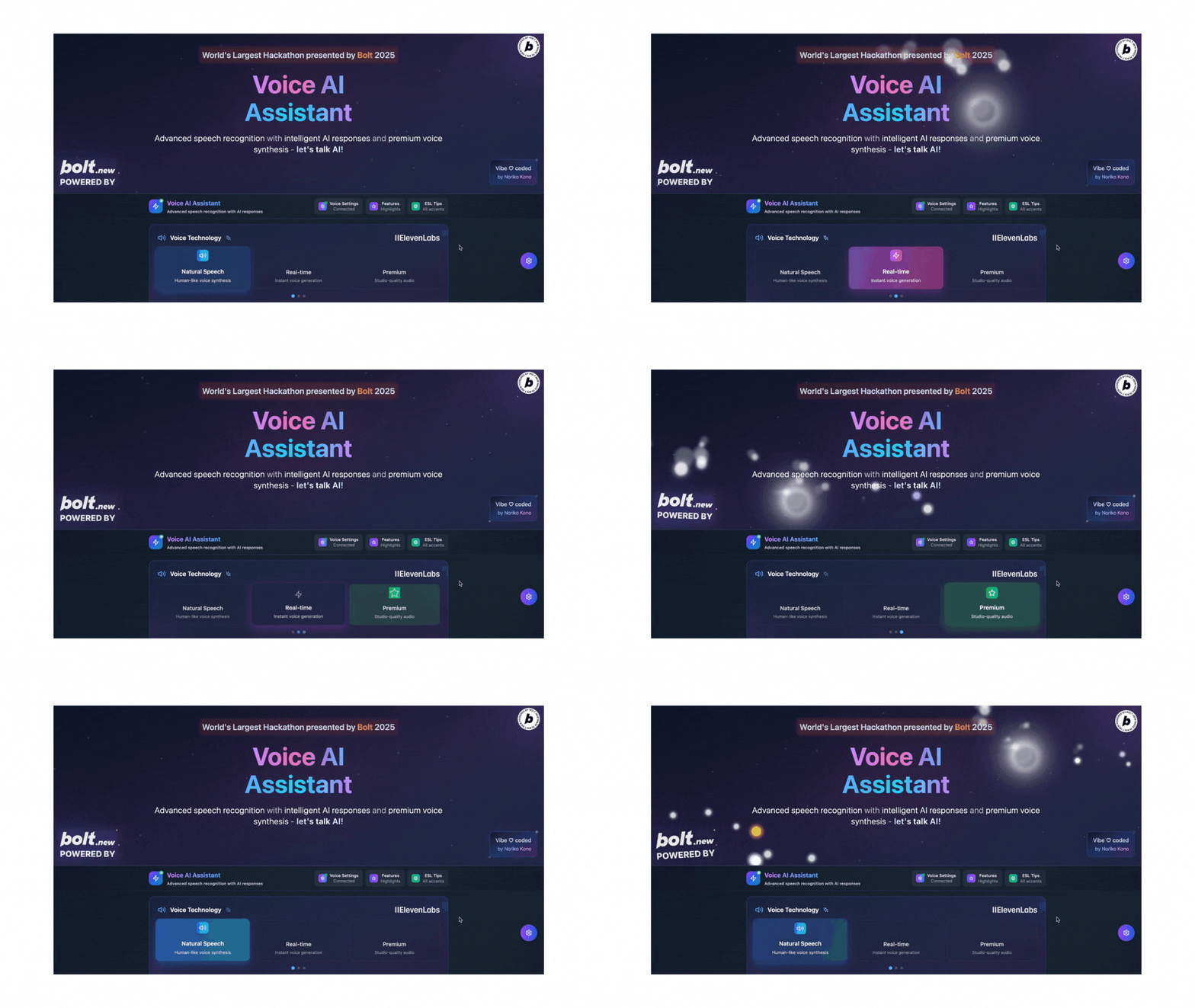
🎙️ Voice AI Assistant
Bridging Natural Conversation & AI Through Voice
🧠 Inspiration
Modern AI is powerful — but often locked behind text. My goal was to create a more human way to interact with AI: through voice. Inspired by the growing potential of conversational interfaces, I built a web-based assistant that makes interacting with artificial intelligence feel natural, intuitive, and engaging.
🚀 What It Does
Voice AI Assistant is an in-browser platform that transforms how I—and others—communicate with AI through voice-driven interactions. It combines real-time speech recognition with expressive voice synthesis to bring conversations to life.
- 🎤 Speech Recognition – Web Speech API for fast, accurate voice input
- 🗣️ Voice Synthesis – ElevenLabs API for realistic, expressive responses
- 🧵 Context Awareness – Remembers past exchanges for meaningful dialogue
- 💬 Conversational Knowledge – Explains machine learning fundamentals at any level
- 🧑🎨 User Experience – Clean UI, live feedback animations, and responsive design
- ⚙️ Tech Stack – TypeScript, modular architecture, and resilient error handling
🛠️ How I Built It
Frontend Stack
- React 18 + TypeScript for UI and type safety
- Tailwind CSS for styling and responsive layouts
- Vite as fast development and build tool
- Lucide React for consistent, lightweight icons
Voice Integration
- Web Speech API for browser-native speech recognition
- ElevenLabs API for high-quality voice synthesis
- Custom speech service with error handling and auto-stop
- Audio state management for playback control and interruptions
AI System
- Built-in knowledge base covering machine learning fundamentals
- Conversation context tracking and memory
- Intent detection and response generation
- Adaptive responses based on the user’s technical level
Architecture
- Component-based React architecture with hooks
- Service layer for speech recognition and AI responses
- Modular design for maintainability and extension
- State management using React hooks
🧩 Challenges I Ran Into
- Speech Recognition Reliability
- Varying Web Speech API behavior across browsers
- Built comprehensive error handling & user feedback
- Added confidence thresholds & intelligent auto-stop
- Varying Web Speech API behavior across browsers
- Audio State Management
- Preventing overlapping playback and sync issues
- Implemented cleanup mechanisms and state sync
- Handled interruptions and user-initiated stops gracefully
- Preventing overlapping playback and sync issues
- Cross-browser Compatibility
- Inconsistent speech support in different browsers
- Feature detection with graceful degradation
- Clear feedback when features aren’t available
- Inconsistent speech support in different browsers
- Real-time User Experience
- Keeping UI responsive during voice processing
- Added loading states and visual feedback
- Performance optimizations for smooth interactions
- Keeping UI responsive during voice processing
- API Integration
- Managing ElevenLabs rate limits and errors
- Retry logic and clear error messages
- Secure API key validation and user notifications
- Managing ElevenLabs rate limits and errors
🏆 Accomplishments I’m Proud Of
Technical Implementation
- Seamless Web Speech API integration with robust error handling
- Fully functional voice synthesis via ElevenLabs
- Responsive, accessible web UI
- Real-time conversation state management
User Experience
- Intuitive, human-like voice interaction flow
- Clear visual feedback for every voice event
- Friendly, user-centric error messages
- Smooth performance across devices
AI Conversation
- Functional ML knowledge base and adaptive explanations
- Context-aware conversation memory
- Engaging, enthusiastic assistant personality
Performance
- Optimized for real-time voice interactions
- Efficient component updates and state management
- Fast AI response times
- Reliable audio playback and controls
🎓 What I Learned
Technical Skills
- Implementing browser speech recognition
- Integrating and error-handling external APIs
- Real-time state management in React
- Cross-browser voice feature considerations
User Experience
- Designing clear feedback loops for voice UIs
- Accessibility best practices for audio interfaces
- Error handling in real-time systems
- Progressive enhancement for varied browser capabilities
AI Integration
- Structuring conversation context and memory
- Techniques for adaptive response generation
- Building domain-specific knowledge bases
- Balancing AI quality with performance constraints
Product Development
- Iterative development and user testing
- Incorporating feedback into UI refinements
- Performance tuning for real-time systems
- Organizing code and documentation for open source
🚀 What’s Next
Enhanced Features
- Improved speech accuracy & multi-language support
- Expanded ML knowledge base with more topics
- Deeper conversation memory and context retention
- Advanced voice customization options
AI Improvements
- Integration with more sophisticated language models
- Broader knowledge domains beyond machine learning
- Enhanced intent recognition
- Personalized learning paths & recommendations
Technical Enhancements
- Offline speech recognition capabilities
- Robust retry & error recovery mechanisms
- Mobile performance optimizations
- Expanded accessibility features
Platform Expansion
- Native mobile app development
- Integration with other AI services & APIs
- Multi-language support for global audiences
- Collaborative features for shared learning
Voice AI Assistant showcases the future of web-based voice–AI interaction—simple, powerful, and accessible. Join me in making AI conversations more natural than ever!
Built With
- api
- bolt.new
- css
- elevenlabs
- react
- tailwind
- typescript
- vite

Log in or sign up for Devpost to join the conversation.