-
-
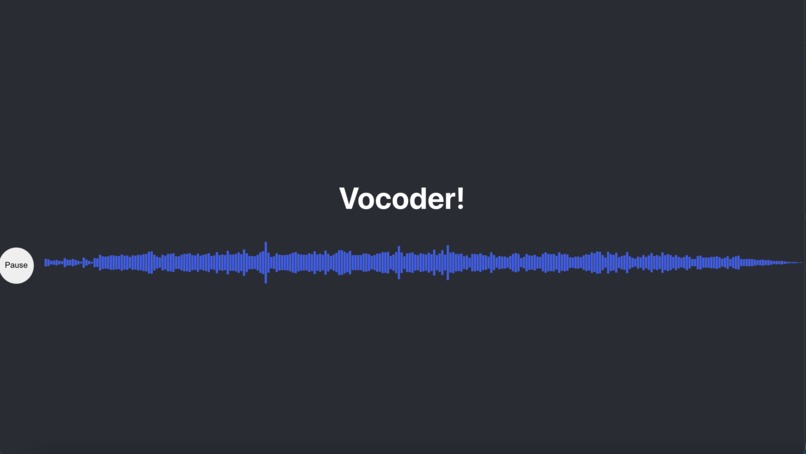
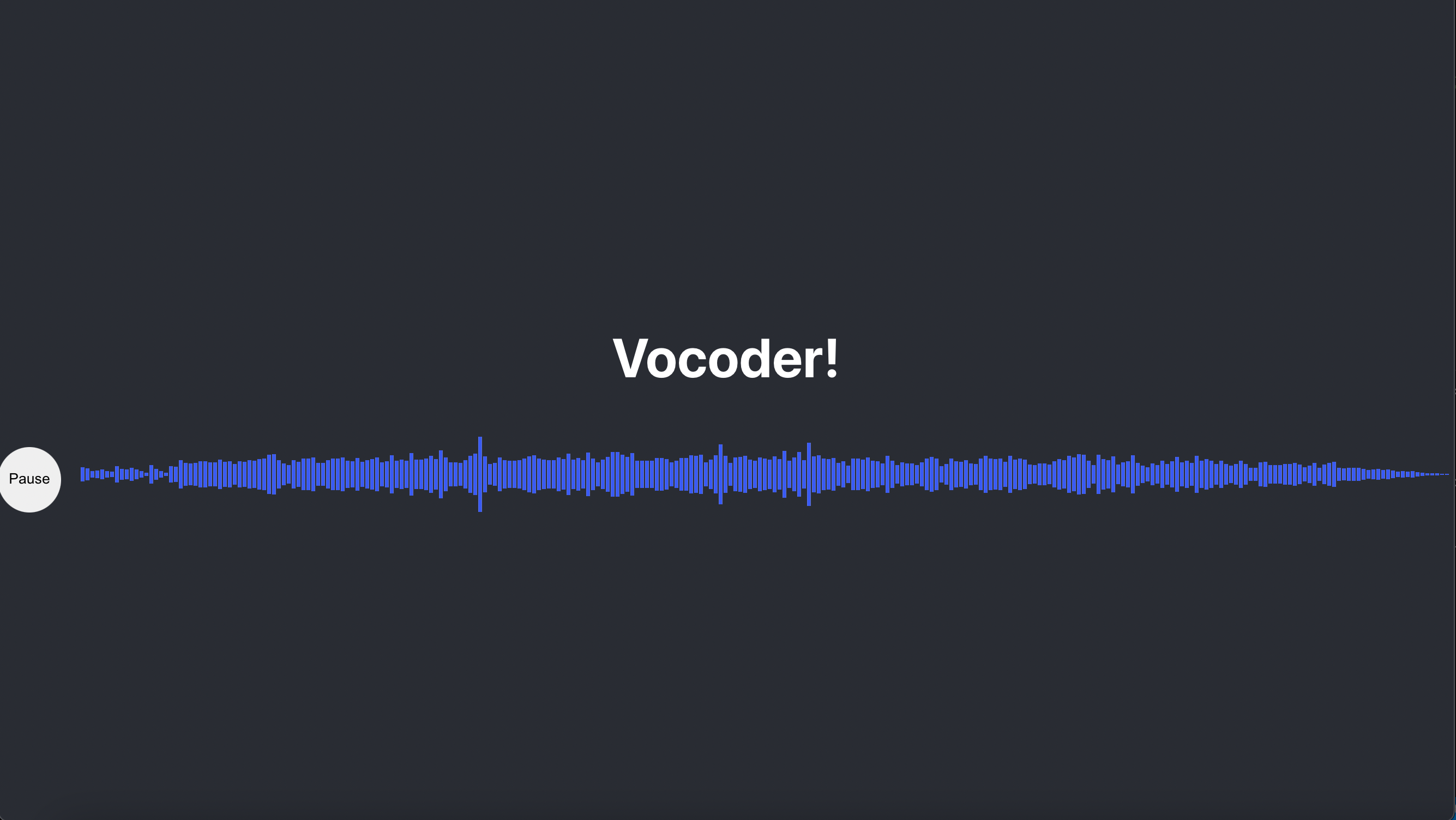
Vocoded Waveform Display
Inspiration
We are both like to explore the world of audio engineering and sound design, so we decided to create a digital implement of a vocoder!
What it does
As mentioned in our elevator pitch, our app takes two input audio files and returns a "vocoded" combination of them. For example, we can use a vocoder to make a piano song or guitar chords sound like human speech. Vocoders were invented in 1938 and many examples of "vocoded" sound can be heard in popular music.
How we built it
Our plan was to build a full-stack web application that allows users to upload two audio files and "vocode" them. We used Django for the backend and React for the frontend, along with several libraries like scipy and others for the audio computing and digital displays.
Challenges we ran into
We are more experienced in audio computing than in web development, so unfortunately we were not able to put together a complete app. We were able to create each "piece" of the app (i.e. the main vocoder functionality, the file upload on the backend, and the waveform playback on the frontend). However, we ran into problems connecting our frontend to our backend and stitching each of these components together.
Accomplishments that we're proud of
We are proud of creating a vocoder with signal processing techniques!
What we learned
We learned how to implement a digital vocoder, as well as how to build apps that use React and Django.
What's next for Vocoder
Overall, we plan on finishing our app! In addition, we hope to improve the vocoding algorithm and create a fully-functioning web app that can display the vocoded waveform and play it back.

Log in or sign up for Devpost to join the conversation.