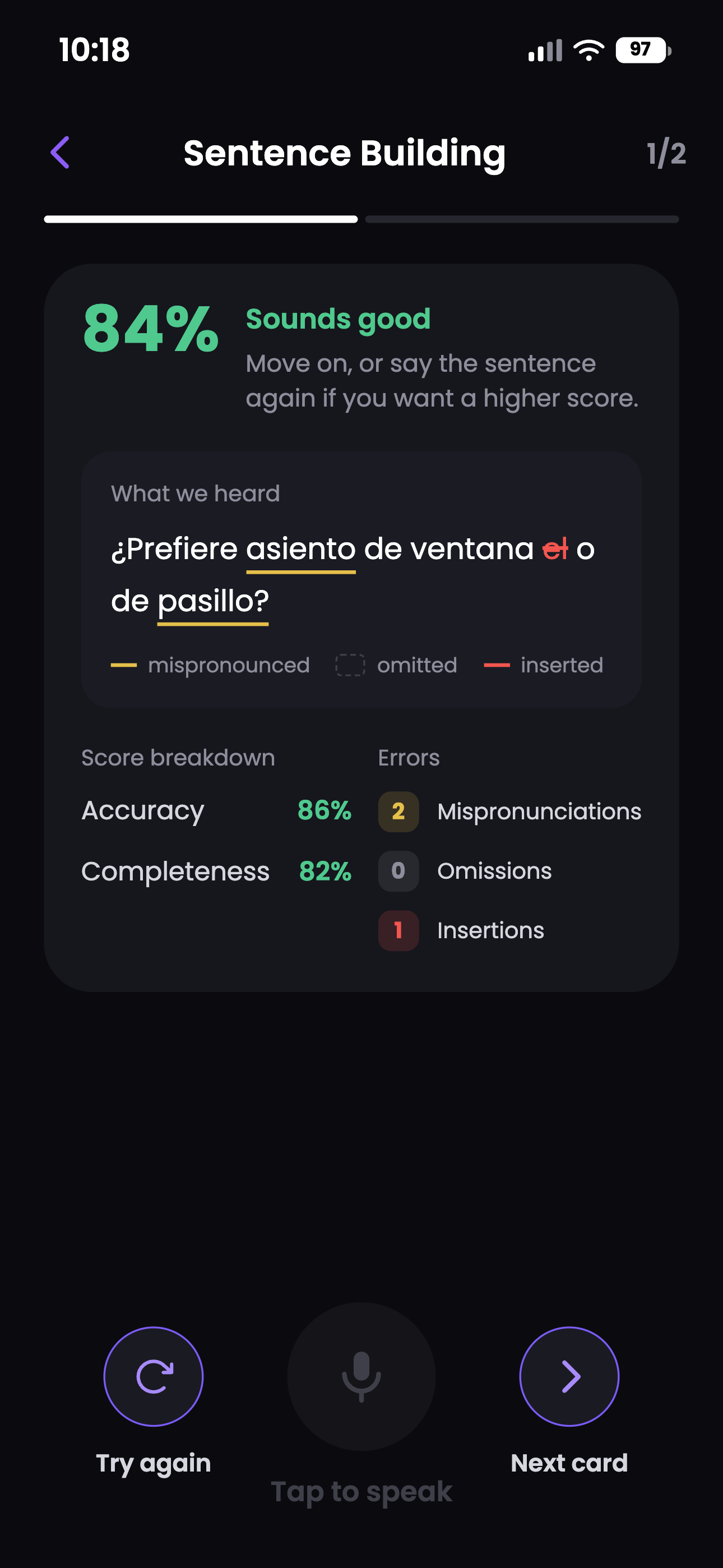
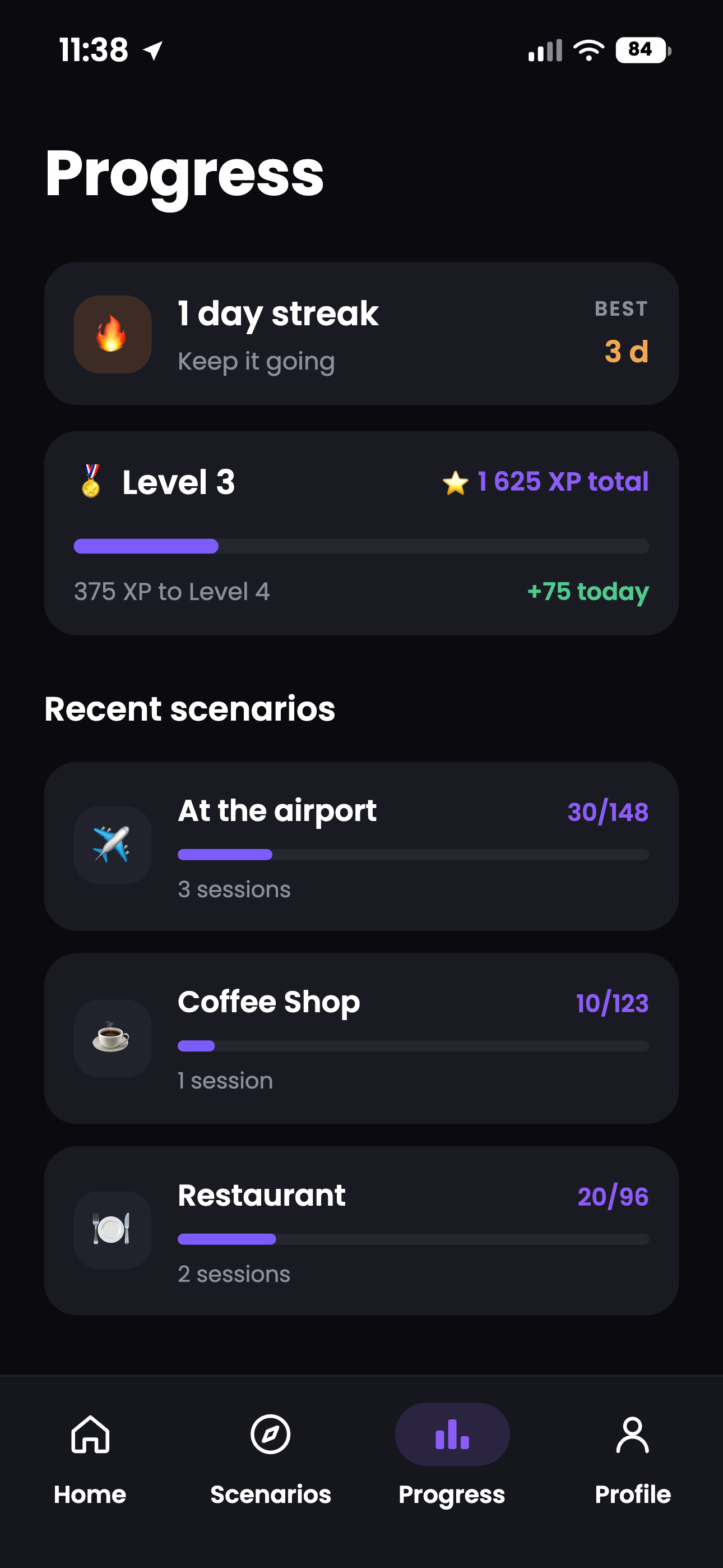
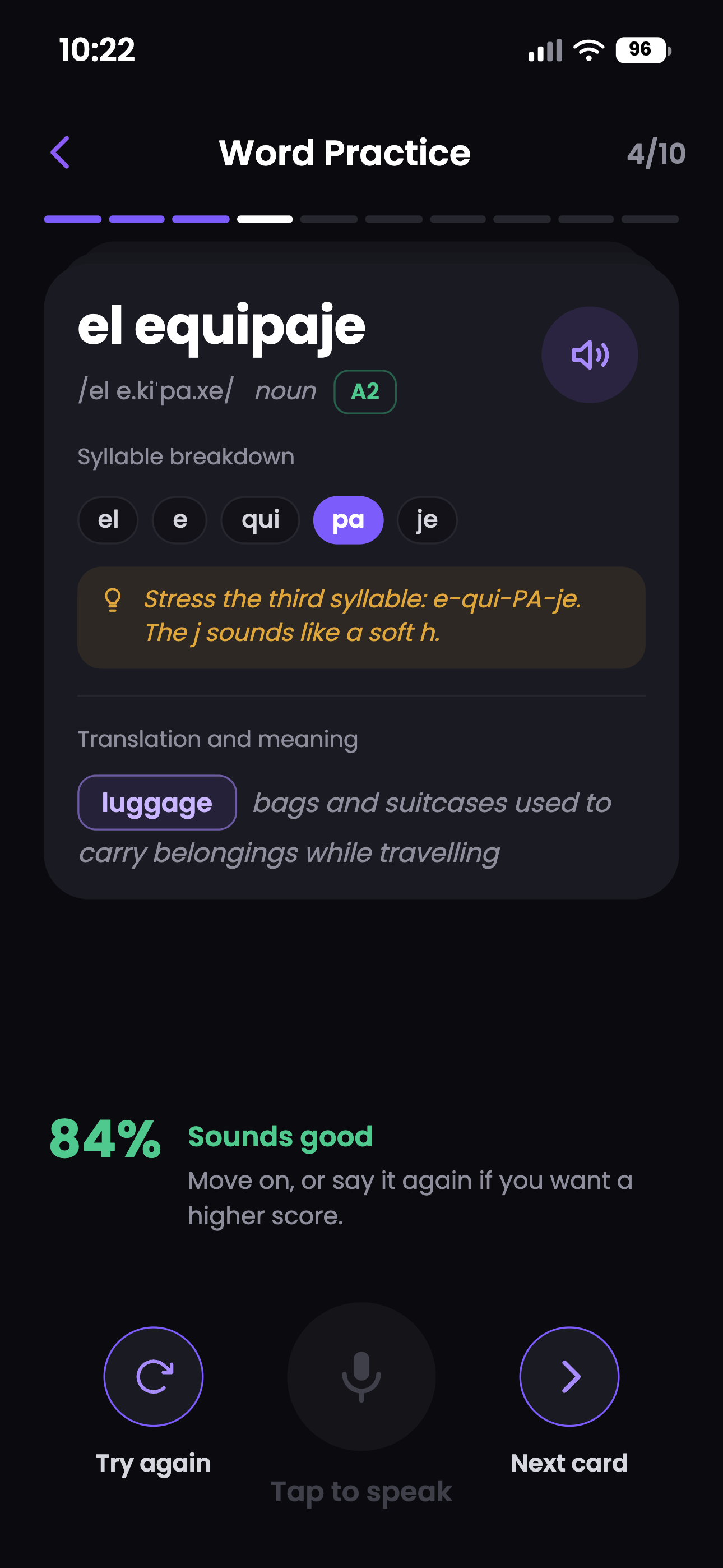
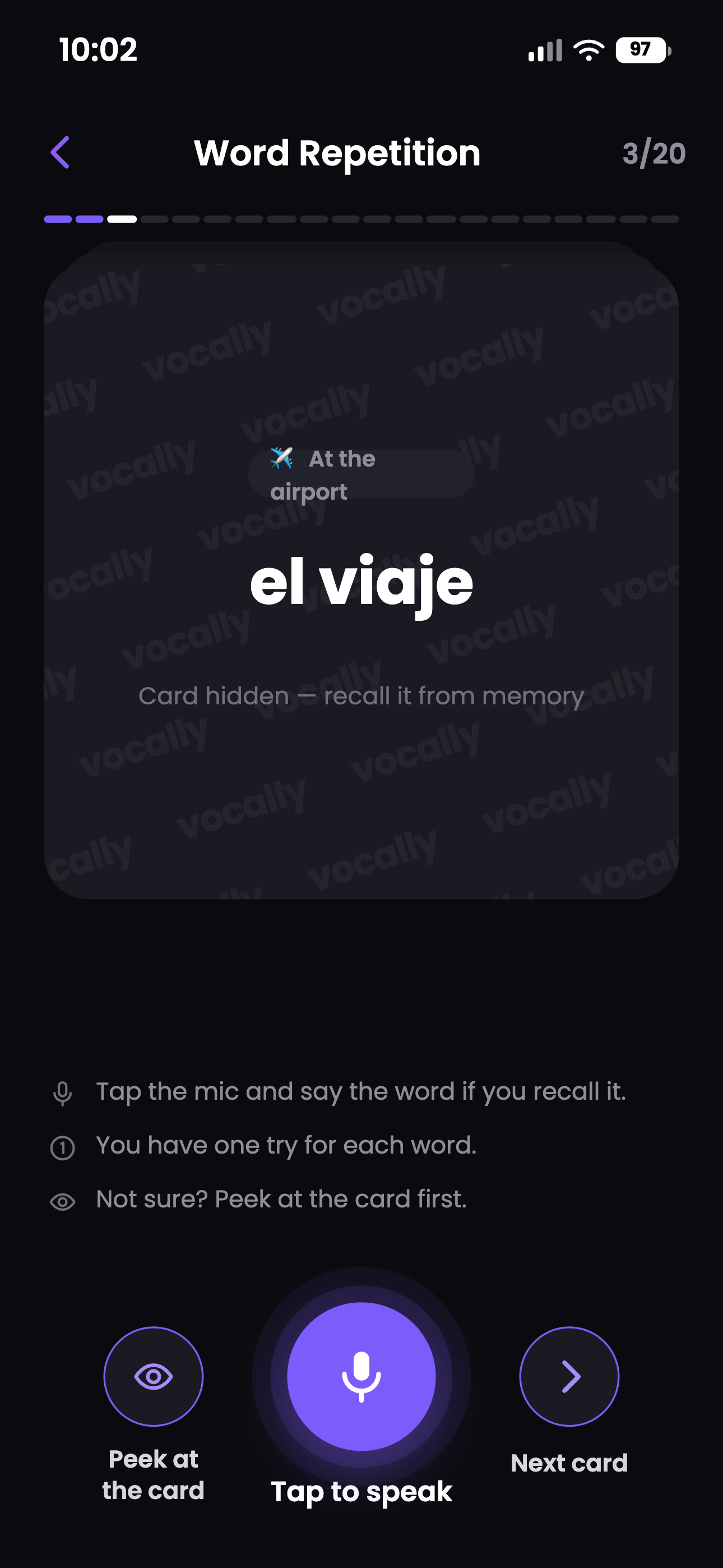
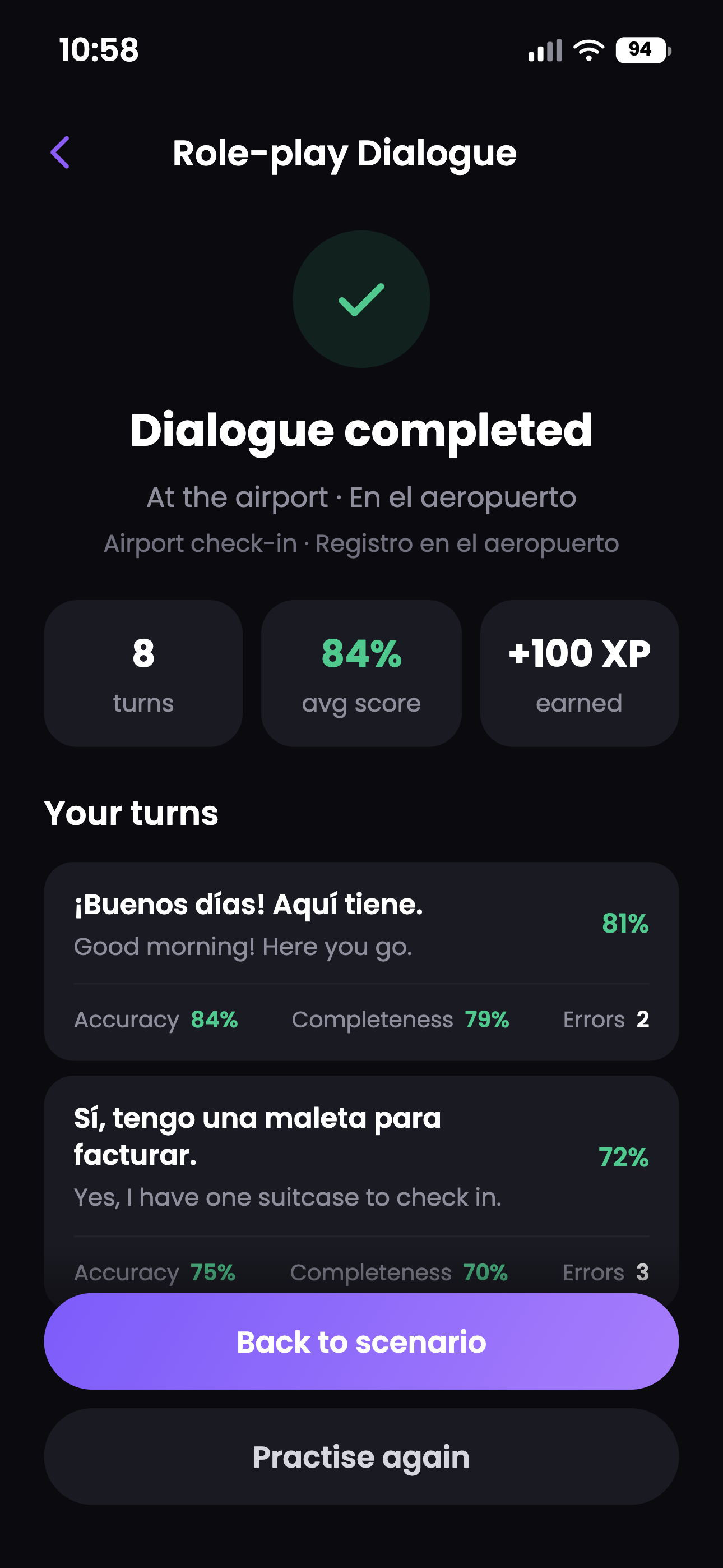
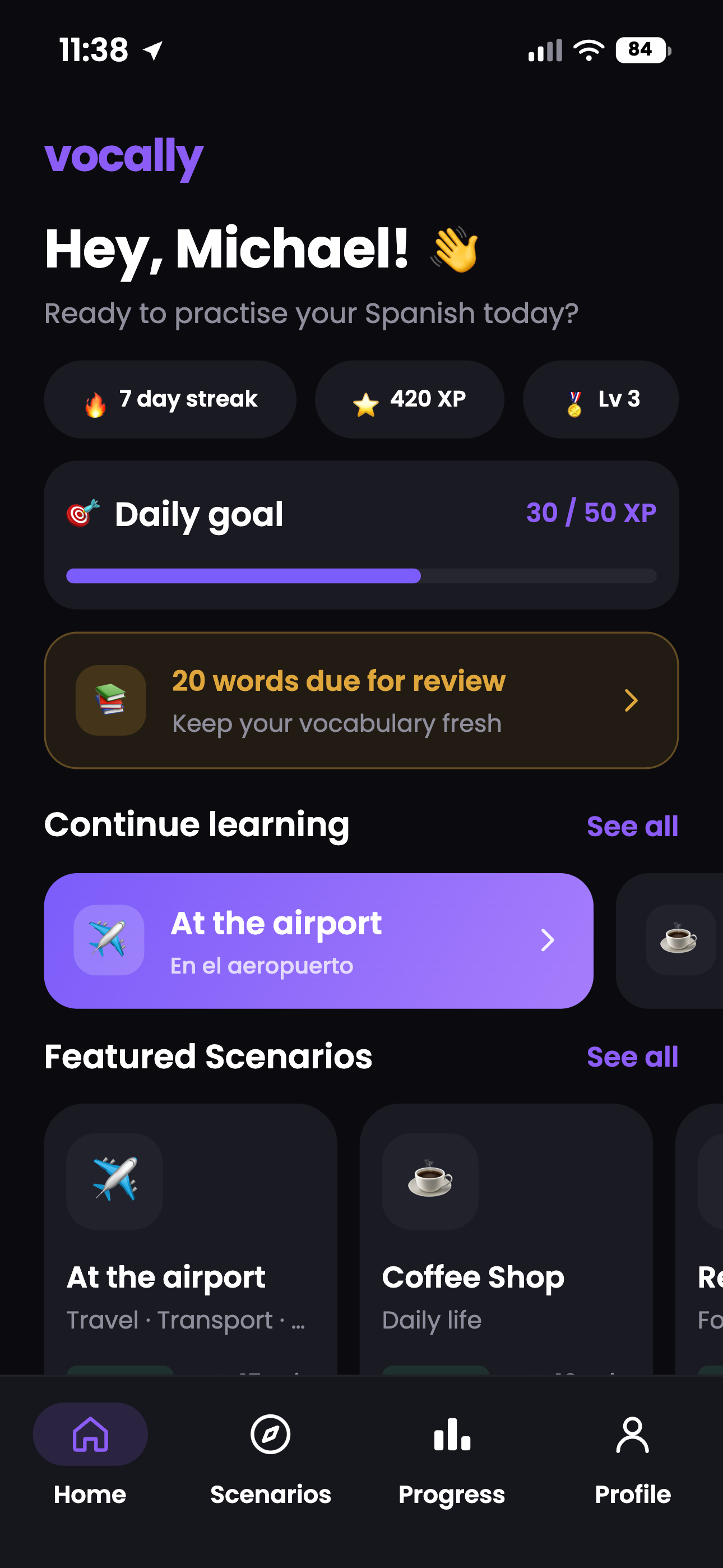
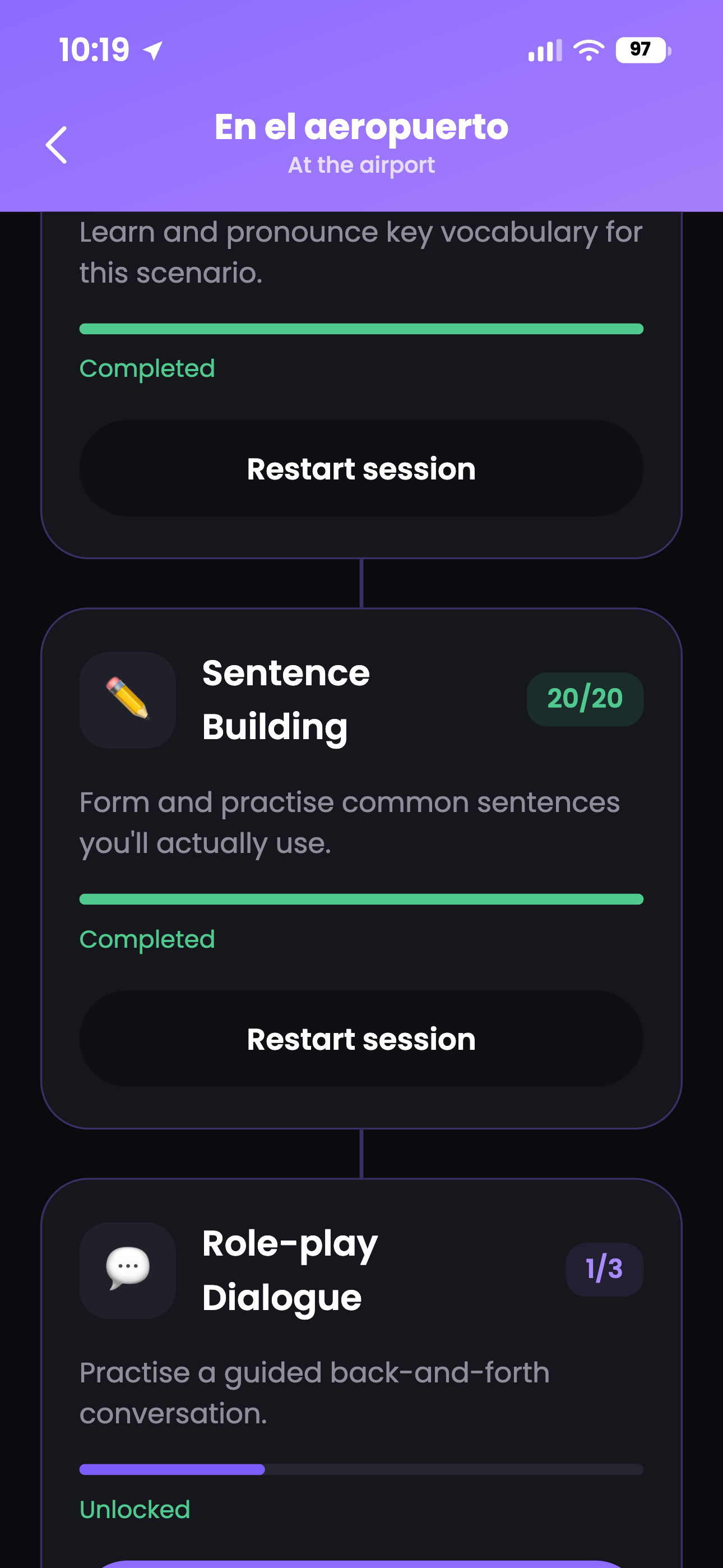
⚡ VibeCheck: The Real-Time Conversational AI Coach 💡 Inspiration Existing AI assistants are highly competent at answering, but they often fail at conversing. They sound transactional. Our inspiration came from realizing that human communication is messy, tonal, and immediate. We wanted an AI that didn't just process words, but understood the vibe—the frustration, the excitement, the underlying intent—in a truly live, dynamic manner. We aimed to close the gap between robotic automation and genuine human interaction.
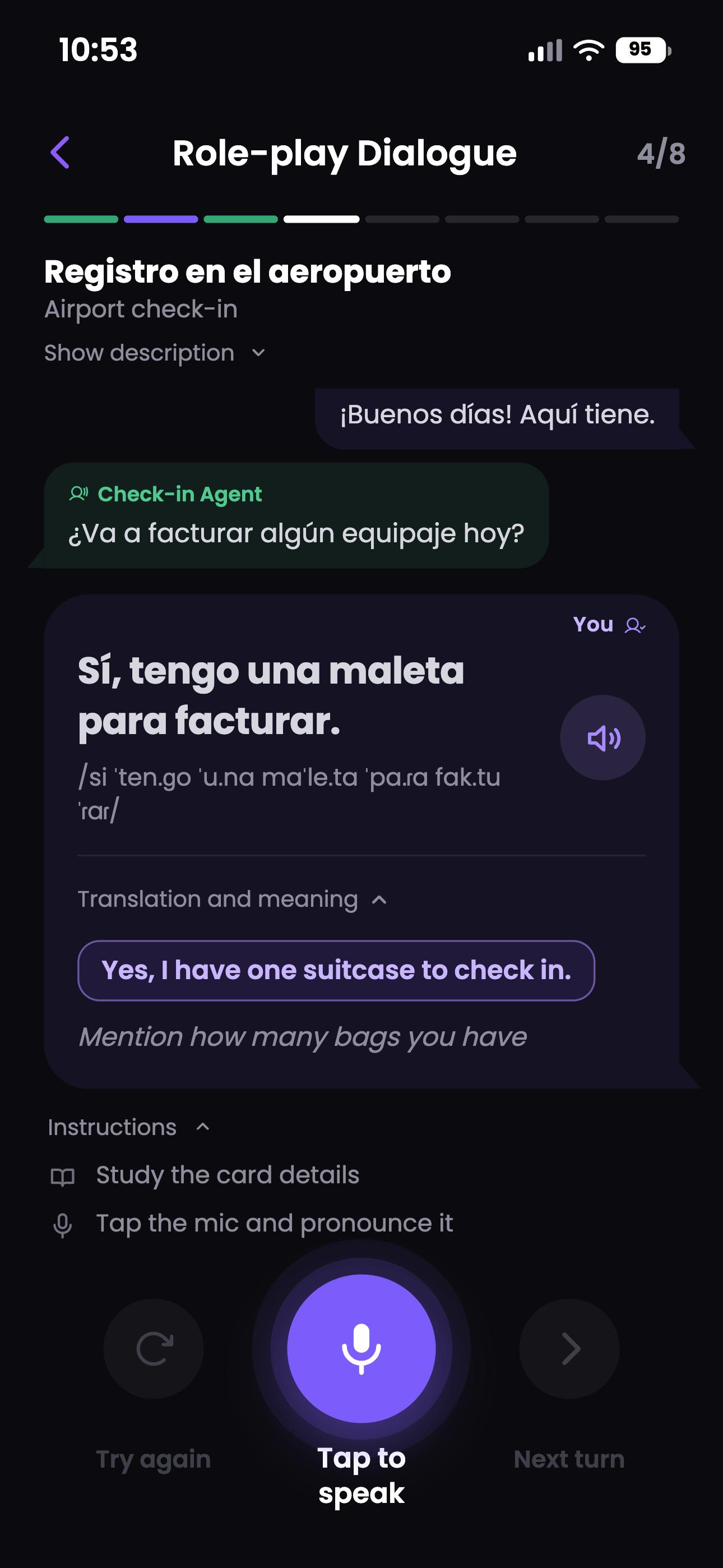
🎙️ What it does VibeCheck is a live conversational coaching tool. It takes a user's spontaneous speech (e.g., practicing a presentation, debating a point, or roleplaying) and analyzes three layers simultaneously:
Linguistic Content: What is being said. Prosodic Features: How it is being said (pitch, pace, volume, pauses). Emotional Intent: The underlying tone (anxiety, confidence, anger, etc.). The system then provides real-time, immediate spoken feedback—not just "Your grammar is good," but "Your rapid pacing suggests nervousness; try slowing down and varying your pitch to project more confidence."
🛠️ How We Built It Our success hinged on building a seamless, ultra-low-latency pipeline:
Input Layer (The Listeners): We implemented a streaming Speech-to-Text (STT) model. This allowed us to start transcription before the user finished speaking, minimizing lag. Processing Layer (The Analyzer): The transcribed audio chunk was instantly funneled into a multi-model classifier. This was a custom module trained on Prosody Analysis to extract tone metrics, while an LLM simultaneously analyzed the semantic content and user intent. Feedback Loop (The Speaker): The integrated analysis (Content + Tone) was passed to the LLM, which generated highly nuanced feedback text. This text was immediately converted back to natural speech using a high-fidelity Text-to-Speech (TTS) engine. This entire sequence—Speak $\rightarrow$ Analyze $\rightarrow$ Respond—had to be maintained in a continuous, flowing stream.
🚧 Challenges We Ran Into The primary, and most difficult, challenge was The Latency Budget. To feel "live," our entire end-to-end pipeline had to operate under a strict sub-3-second limit. The individual components—STT, feature extraction, LLM inference, and TTS generation—each added milliseconds, and those milliseconds stack up quickly.
We faced a severe computational bottleneck at the LLM inference stage. To solve this, we moved away from monolithic prompts. Instead, we used a chain-of-thought approach, offloading the "tonal analysis" to a highly efficient, specialized model before engaging the larger LLM. This allowed the main LLM to focus solely on linguistic feedback, dramatically speeding up the response time.
✨ Accomplishments We're Proud Of Sub-2 Second Loop: We achieved a measured average end-to-end response time of 1.8 seconds under heavy load, making the interaction feel conversational rather than robotic. Dual-Axis Feedback: Our ability to critique both what was said and how it was said (e.g., "Your words are strong, but your tone suggests hesitation") was a novel integration of prosodic and semantic analysis. Pipeline Robustness: We managed to integrate three disparate AI models (STT, Tone Classifier, LLM) into a single, high-throughput, low-latency system. 📚 What We Learned We learned that in a "Vocally Live" environment, the quality of the orchestration dictates the user experience more than the raw power of the single components. The system must be designed as a continuous feedback loop, where every step is optimized for speed, not just accuracy.
🚀 What's next for Vocally Live Our immediate roadmap focuses on scaling this from a single-user tool to a collaborative environment:
Multi-User Dialogue: Expanding VibeCheck to analyze and guide discussions between two or more people. Domain Expansion: Integrating specialized models for areas like language learning (fluency tracking) and technical simulation (debugging vocal commands). Emotion Synthesis: Moving beyond simple descriptive feedback to actively using the TTS engine to model the recommended tone, allowing the AI to physically "speak" confidence into the user.

Log in or sign up for Devpost to join the conversation.