-
-
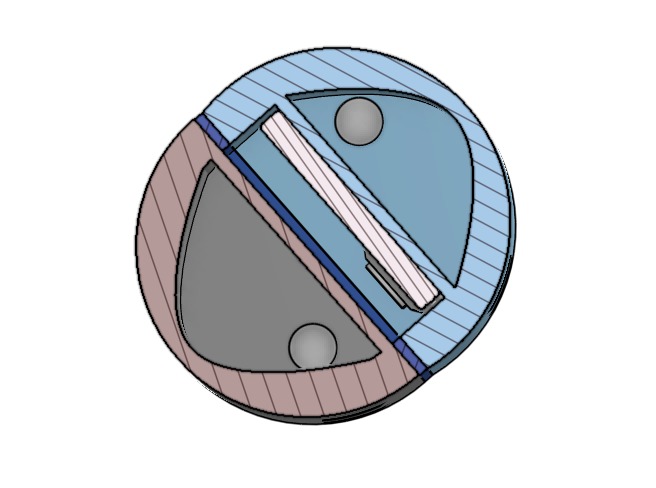
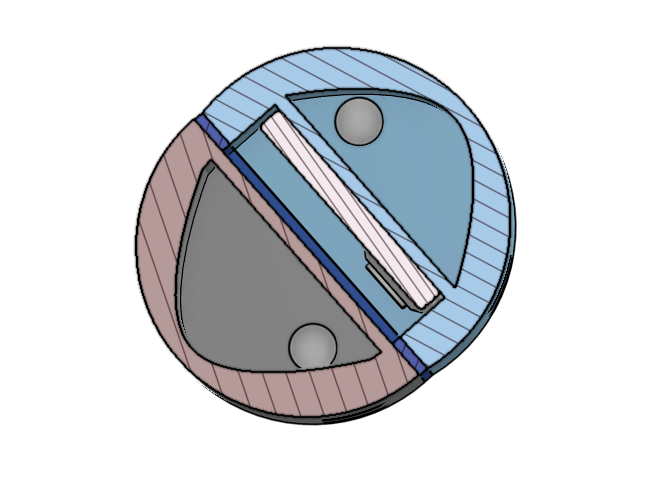
The is a section view of our final product CAD, showing how the phone would sit in between the two ballasts and TPU plugs on top to seal it.
-
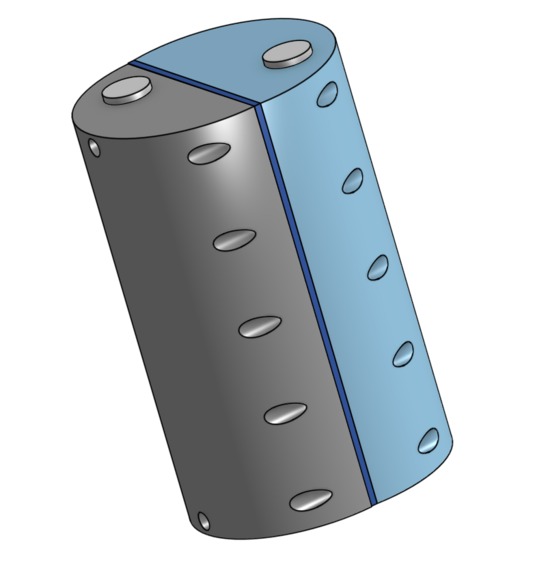
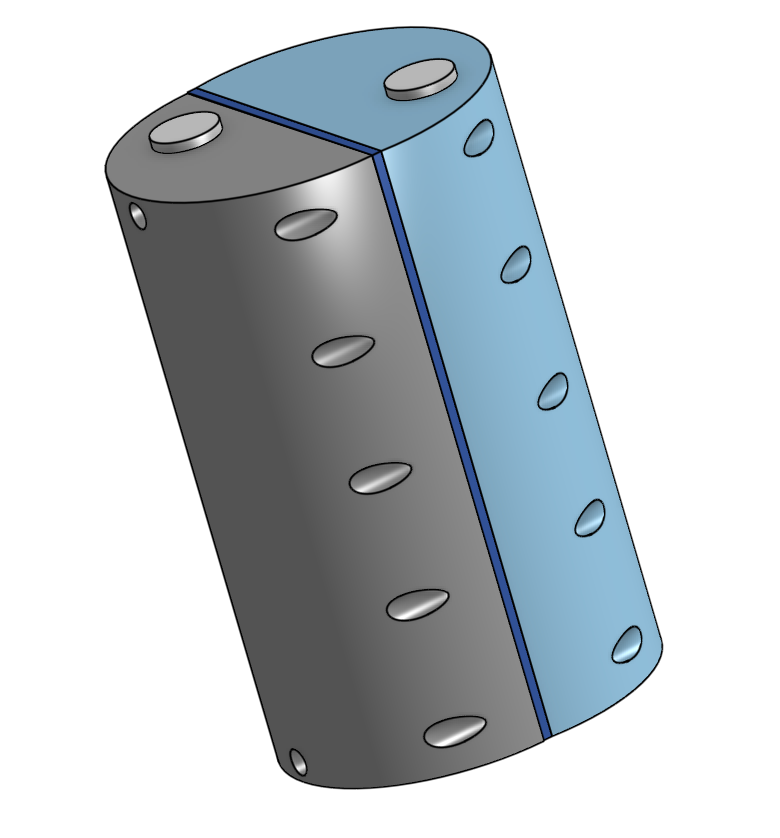
This is a side view of the CAD of the final product when it is shut, imitating what it would look like when it is physically made.
-
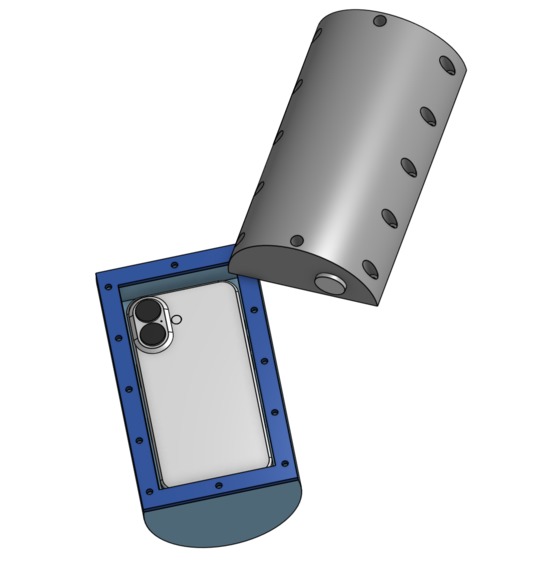
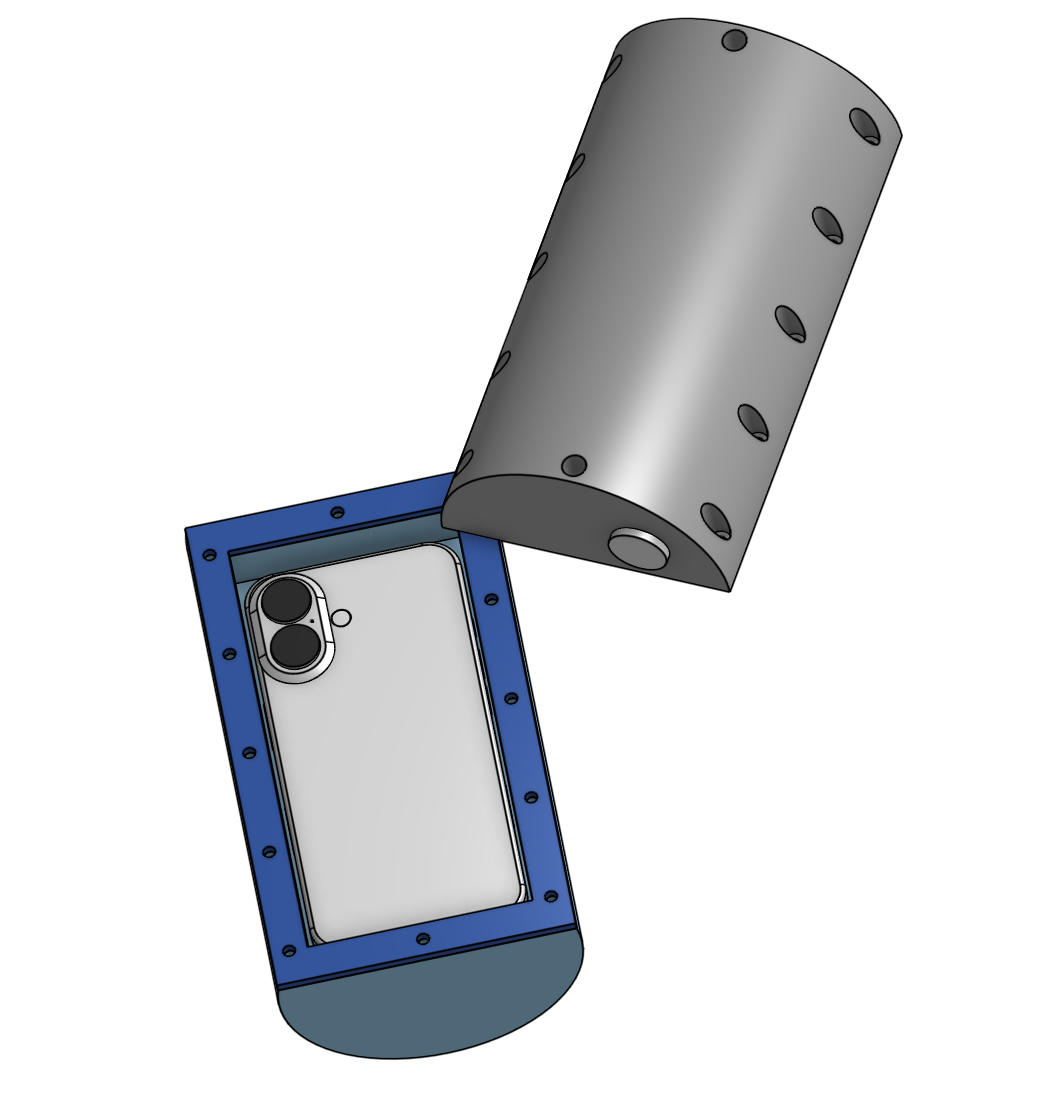
This a front view CAD of the project, including the top and bottom pieces, a TPU piece in the middle acting as a seal, and a phone inside.
-
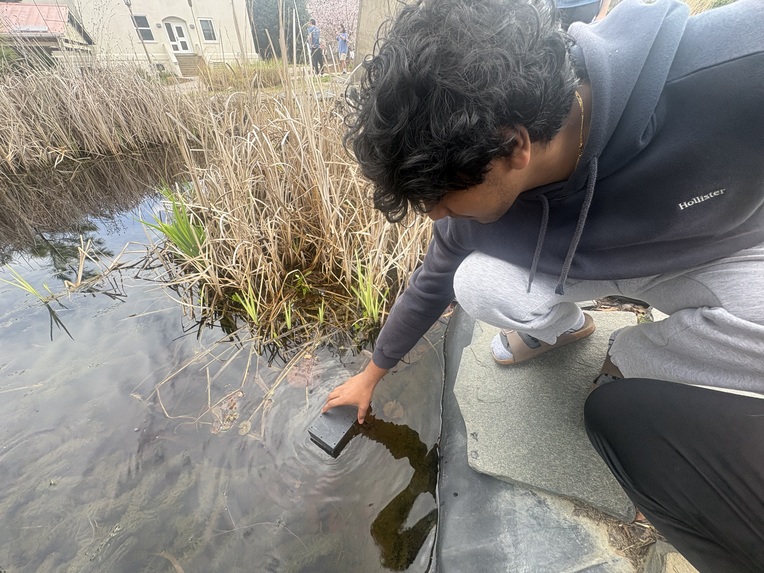
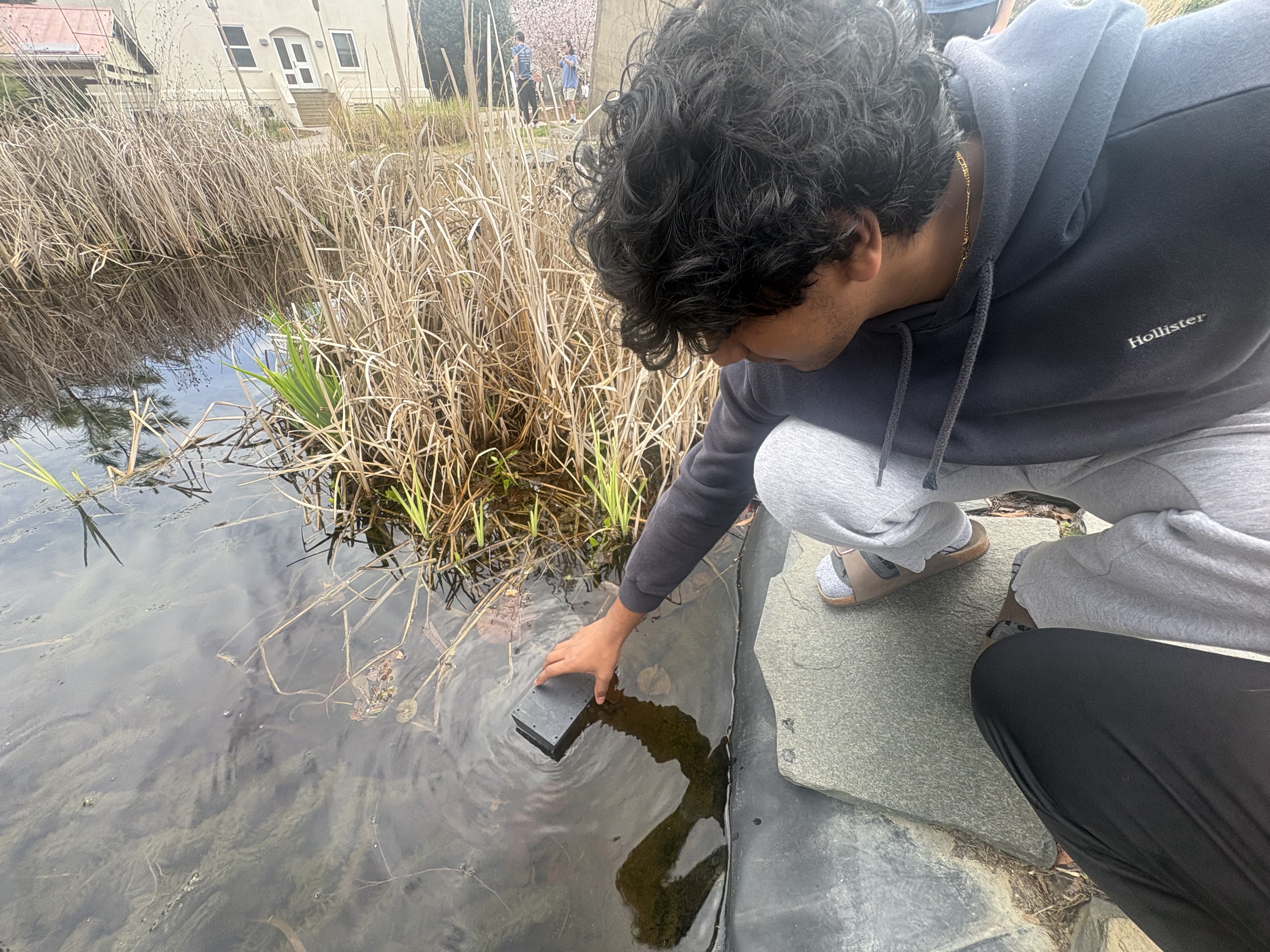
Abhinav is checking to make sure the final product can float when it is fully put together.
-
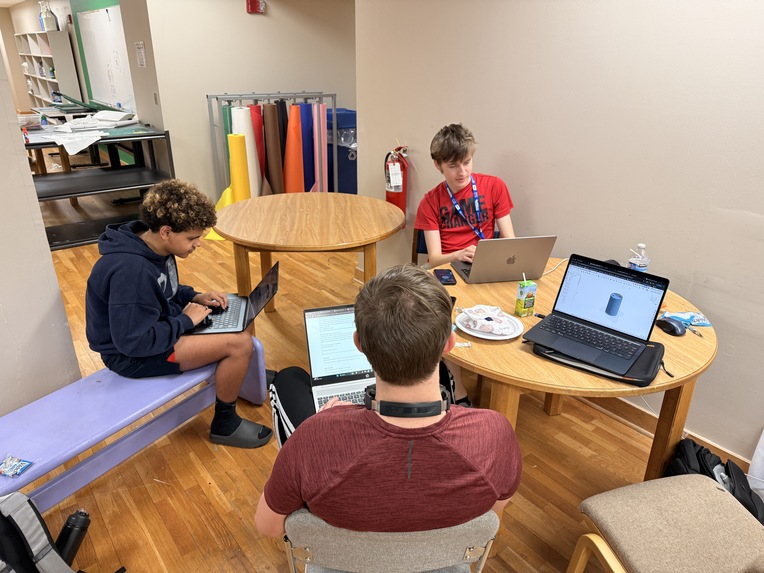
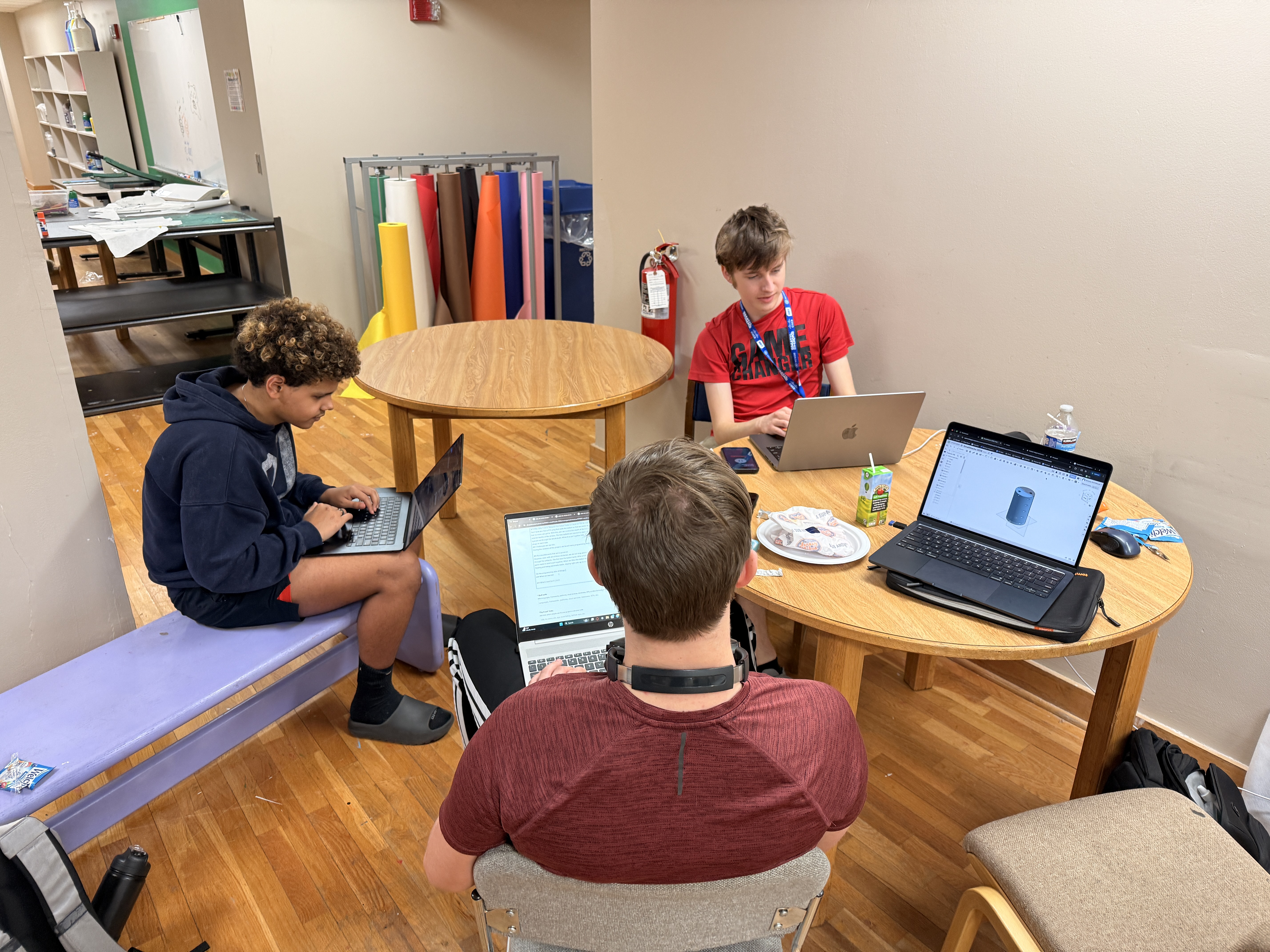
A picture of the whole team working on different aspects of the submission, the website, and the CAD.
-
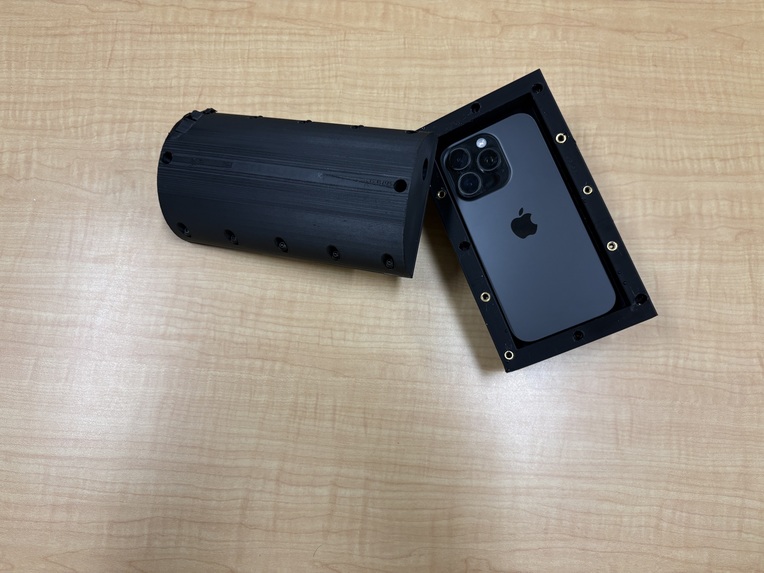
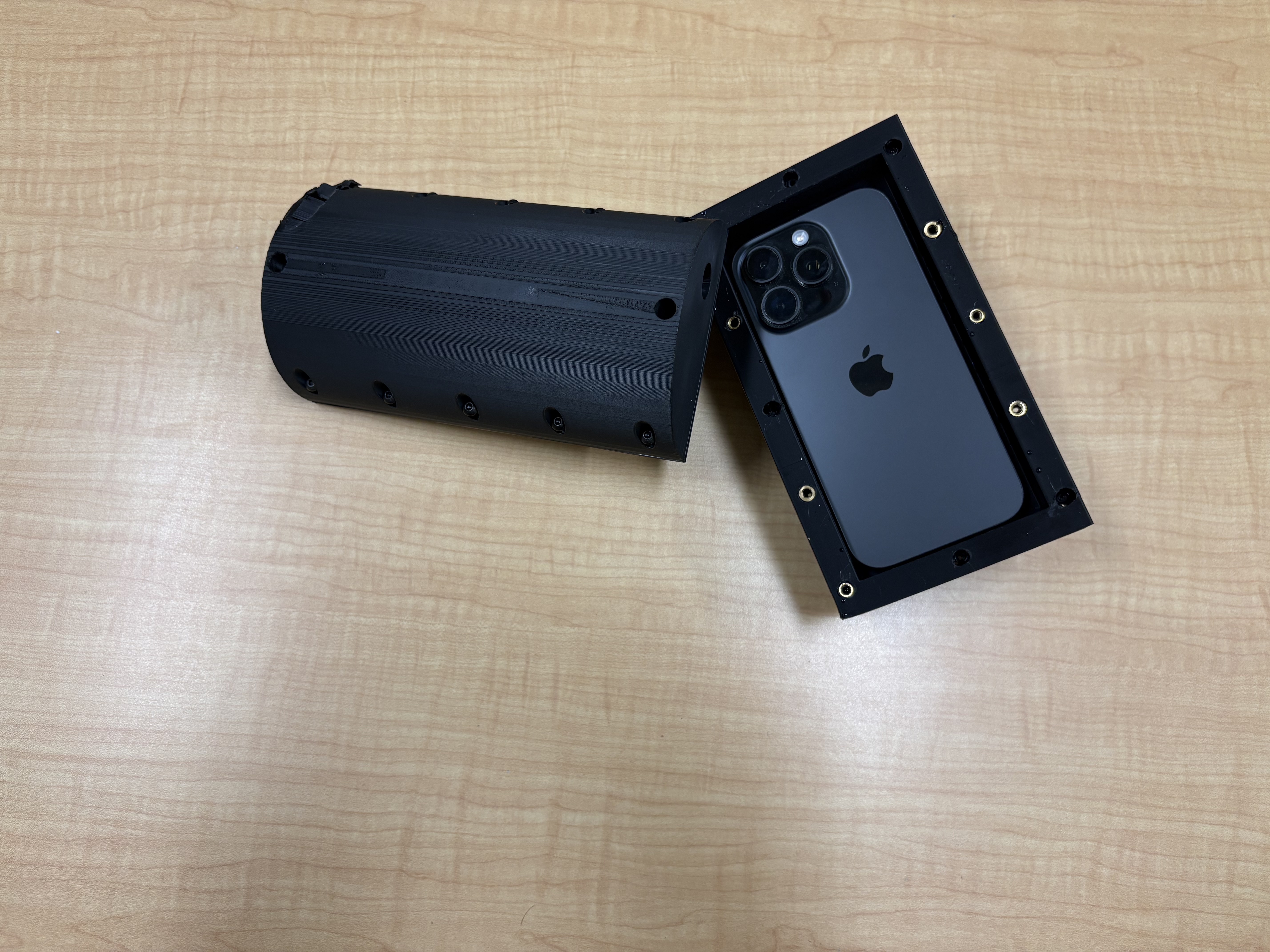
This is the final, first version of our project with a phone it. This can shut and be sealed to go in the water.
-
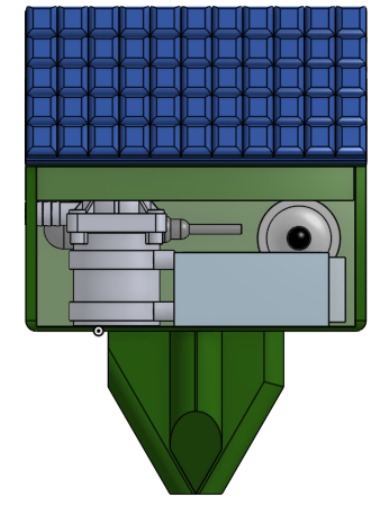
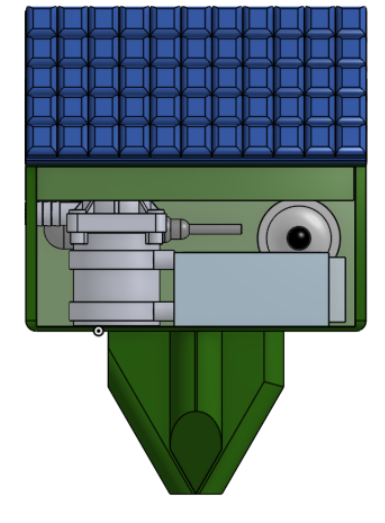
Full front view of the future project. It has solar panels on top, a spike below to keep it balanced, and a clear plate to look inside.
-
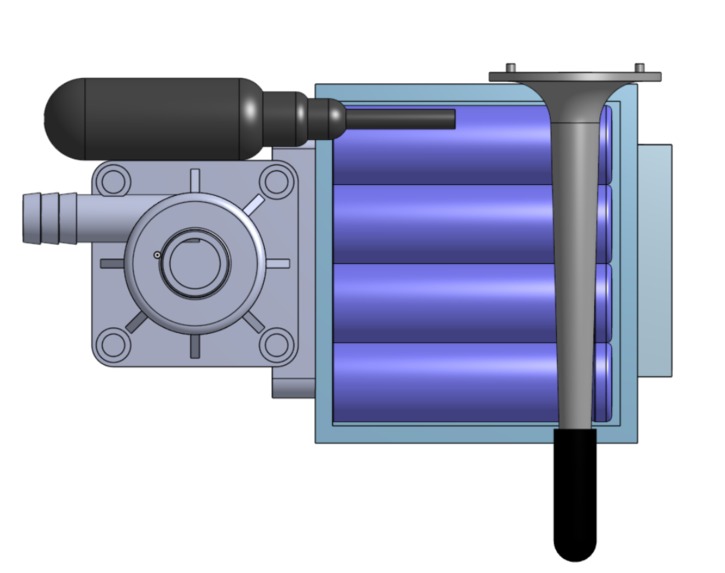
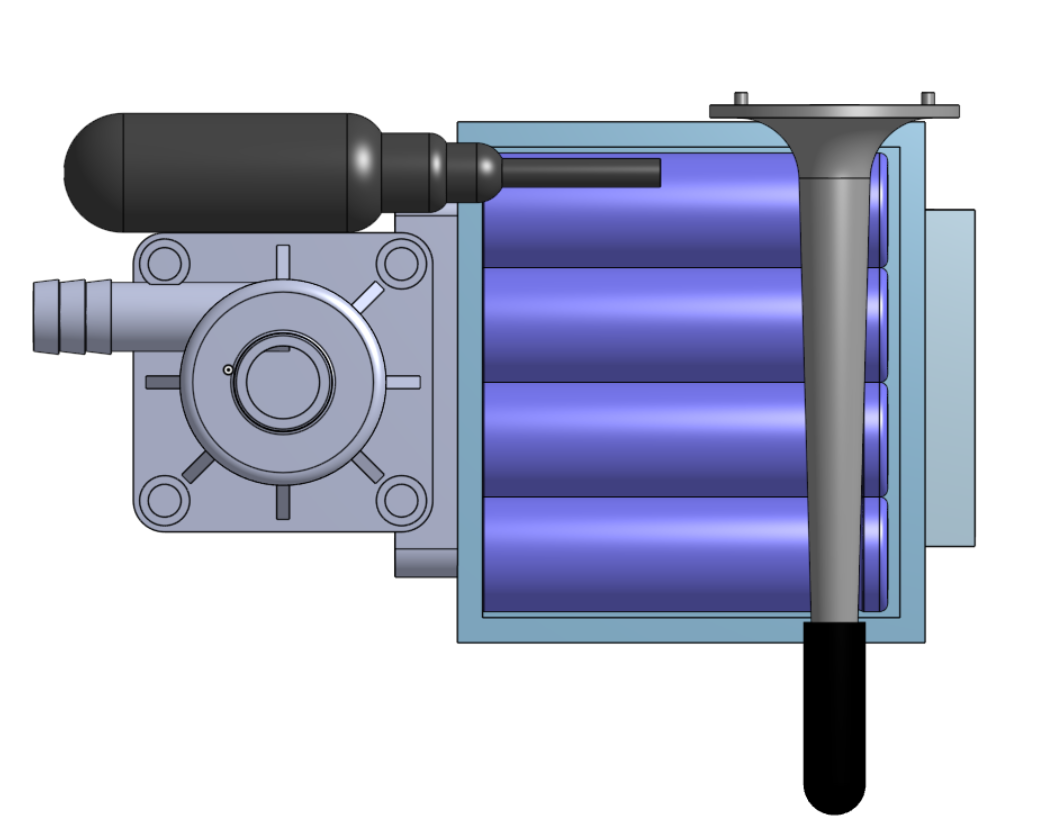
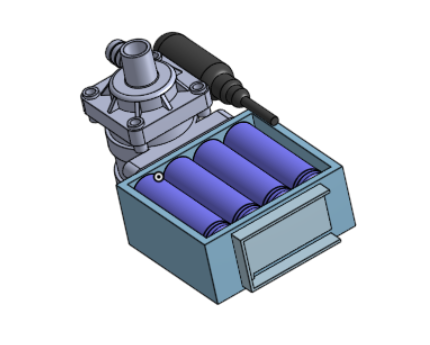
Top view of the CAD for the future project, including an antenna, battery pack, pump, microphone, and an SP32.
-
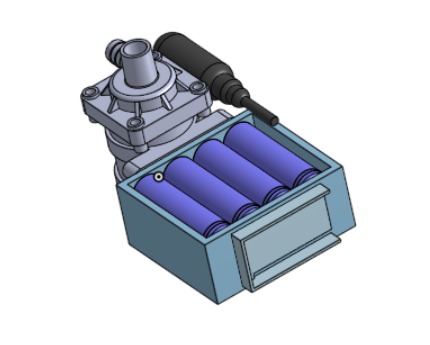
Picture of the CAD for the future project, which includes a battery pack, pump, microphone, and SP32.
-
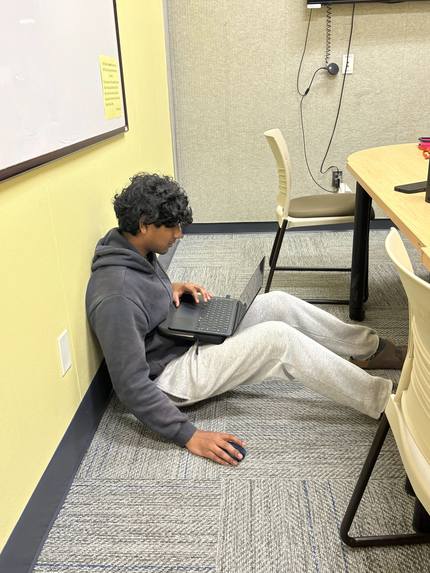
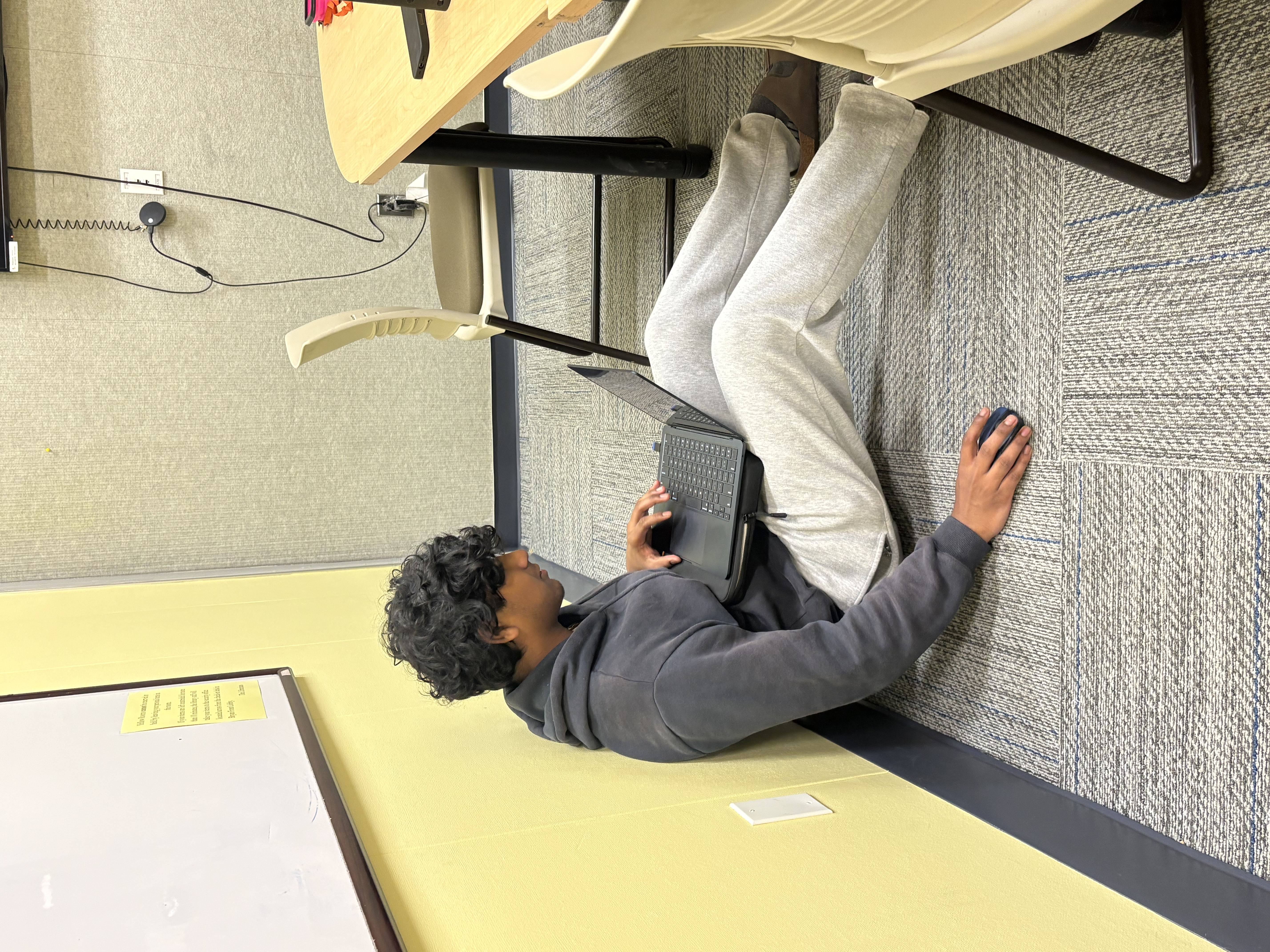
Abhinav is working on the script for the video, perfecting it.
-
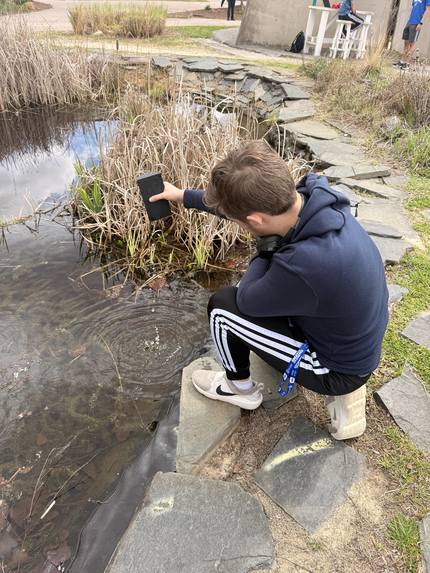
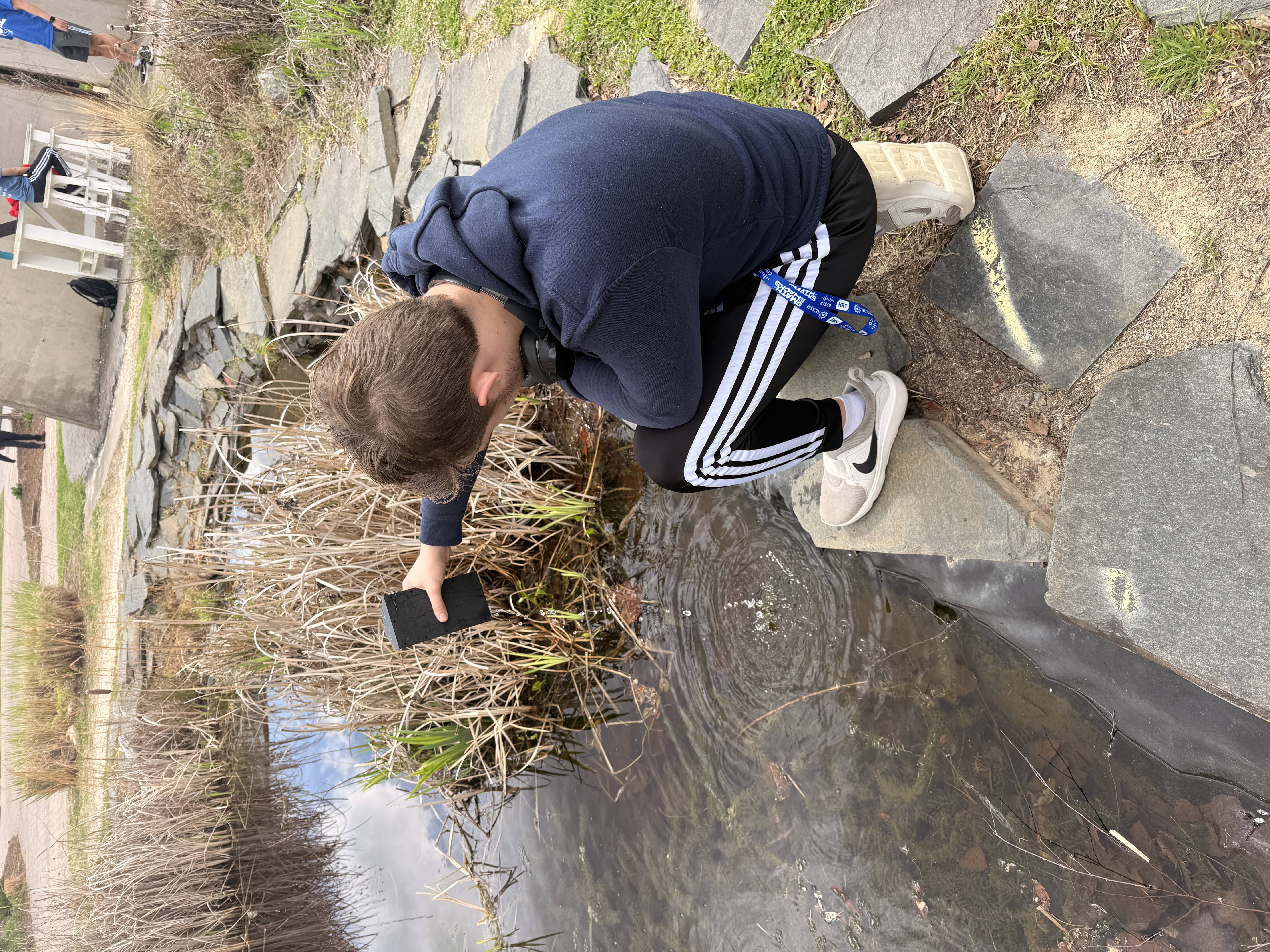
Christian is testing out one half of the E.C.H.O capsule, checking if it floats and draining it.
-
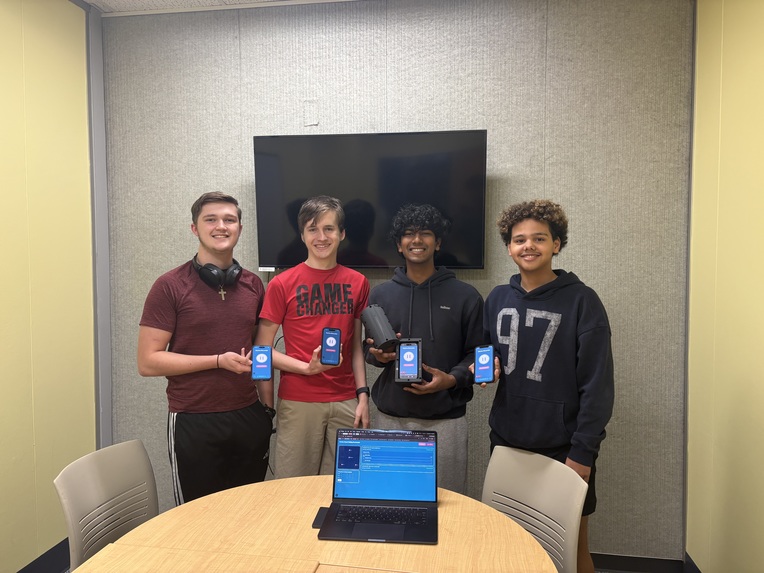
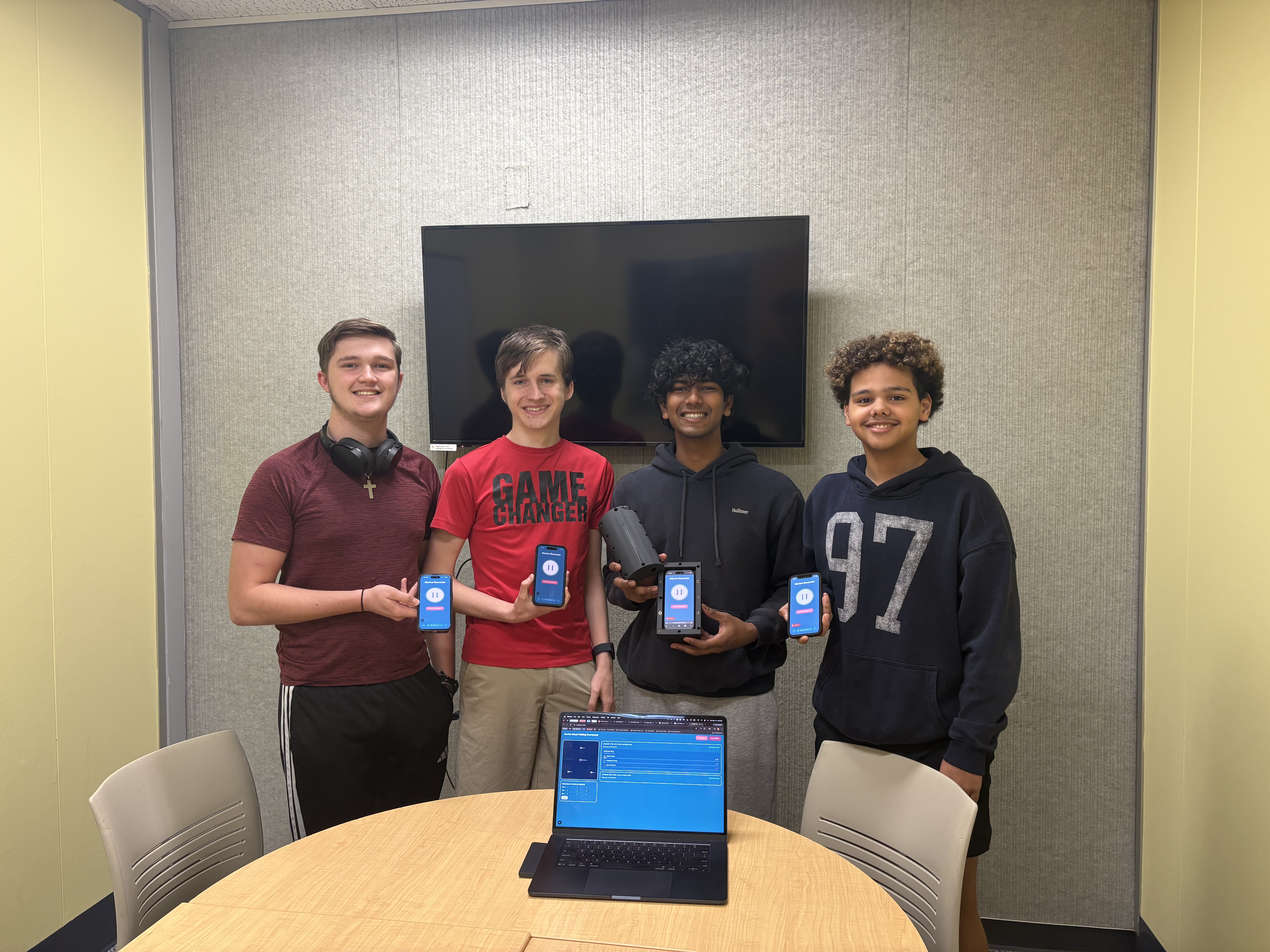
This is Team picture showing off the A.I. software on their phones. Christian on left, then Nicholas, Abhinav, and Blake on the right.
Inspiration
The Rice's Whale, the North Atlantic right whale, and Western Gray whales. What do all of these species have in common?
These gorgeous species of whales are endangered, with some of them having less than 200 remaining in the whole world. But, why is this happening? Many reasons in fact. Because of overfishing, the whales do not have as much food to eat and end up starving. Additionally, because of fishing gear in the ocean, like nets, lines, lures, and more, the whales can get caught in it, unable to resurface or swim to safety. Even boats themselves are a danger to the whales. Humans cannot see the whales and whales do not understand the danger of the boats. So this got us thinking, how can protect these creatures without actually messing with their natural habits?
Say hello to E.C.H.O. (Enhanced Conservation with Hydrophonic Observatories).
What it does
E.C.H.O detects the sounds of multiple different species of whales and uses A.I. to mark their relative position and whale type by detecting patterns in the call. The idea is that there would be hundreds of these small, fish-sized devices in the water, each one detecting whale sounds. With the data they gather, they can create sectioned off areas of the ocean where no fishing can occur, nor travel. These sectioned-off areas protect the whales from human interaction and interference, making their lives more natural and protecting them as they mate, migrate, or just swim.
How we built it
We created two ballast tanks, and in between them, a phone with special software on it will be on. This software will detect the sound and send the data to a computer, which allows us to track and record all of the data from it. Between the ballast tanks is a layer of TPU to make the whole thing watertight. Each tank also has a TPU plug that seals the ballast so that any water we put in there will stay in there, but no more can get in. With this, we can control the depth of the E.C.H.O. device, matching it with the relative depths of the whales. The two ballasts are connected to each other with 12 M4 screws evenly spaced throughout the whole build. When it is put together fully, it looks like a black cylinder with two plugs on each side.
Challenges we ran into
During the creation of this project, we faced many programming obstacles. Since web sockets were new to us, they were a major learning curve. We had to figure out how to stream audio through them clearly and how to keep track of multiple web sockets with a Next.js architecture.
On the mechanical and hardware end, we had to figure out how to turn 3d prints, which print layer by layer, creating small gaps in the object, watertight. PLA normally cannot hold water well, because they have a weak fuse and is layered. We experimented with different types of printing in order to make it as watertight as possible.
Accomplishments that we're proud of
However, even with all of these obstacles, we did not stop, and it resulted in more accomplishments through the setbacks. The first was the ballast tanks. After a full night of 3D printing, we had all of our parts ready to put together. When we filled the ballast tanks a portion of the way, they ended up floating and being extremely stable, staying right side up no matter what happened to them. When we put the whole thing together with the phone in it, it did not sink fully, but did go under the surface of the water, and more importantly, kept our phone dry.
On the programming side of things, we created a working website that can connect multiple devices, has a clean and simple U.I., and successfully detects whale sounds. This was all done in the span of a little over 24 hours alone. We were also able to successfully set up the A.I. model and triangulation without too many snags along the way, allowing us to have more efficiency over the whole project.
What we learned
We've learned a lot over these short 36 hours, especially while we're working on our website and A.I. model. We learned how to use web sockets with a Next.js server and use websites to collect microphone data from anyone's device who has the website open. This can then be transferred to a Python model, which classifies data, localizes it, and sends it back to the website's dashboard. For the A.I., we are able to take multiple audio streams and feed it into the model so it can successfully utilize the data.
On the hardware side of things, we learned how to combine the concept of tolerances, 3d prints, and underwater vehicles to create a water-tight, PLA printed capsule that can adjust its depth. We learned that by using the ironing feature on the Bambu slicer, we can melt the top layer together better, minimizing layer lines and making a more watertight seal. We also learn that since the concept of TPU is to melt together, it's very water-tight, so we used that to seal any larger gaps or holes to protect the electronics inside.
What's next for E.C.H.O.
So, after learning about our project, you may be wondering, what's next? Well, as I said earlier, we would have hundreds of these spread around the ocean, and since they are fish-sized, but motionless, it would not attract larger species looking for prey, but also wouldn't get in the way of the animal's habitat and lifestyle, and wouldn't cause damage to anything if it got hit. Additionally, we would look into ways to constantly power our project under the water, using solar panels and batteries to keep it on. At the depth it sits, sunlight could easily get to it. However, we also want to make the depth automatically adjustable, so if we are not getting enough sunlight, the device could rise upwards, and when it's charged, it can dive back down, using a pump to fill and empty ballast tanks.
Built With
- 3dprinting
- cad
- kaggle
- multispecies-whale
- nextjs
- numpy
- pyroomacustics
- python
- pytorch
- tensorflow
- websockets


Log in or sign up for Devpost to join the conversation.