Inspiration
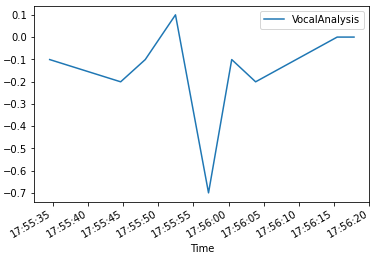
As I was learning about Symbl.ai I saw this video about how Symbl could find sentiment in the user's voice. As I read through the SDGs in the Opening Ceremony I realized that the voice analyzing software could be used for mental health (in therapy for example) so I created a program that listens to the user in real-time and then graphs their emotions or mood.
What it does
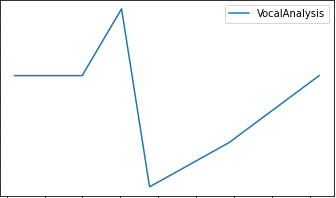
The program analyzes the user's voice in order to tell how they may be feeling. If the tone is a little sad or anxious the analysis score will be lower and if its energetic or happy the score will be higher.
How I built it
I built the program using the Symbl platform and the Python coding language for data analysis. I used pandas and matplotlib to graph the analysis to make it easier to understand.
Challenges I ran into
While I was creating this app I ran into a challenge about ending the code. I wanted to make the program end when the words "Stop listener" were transcribed. I later learned from researching on the Symbl.ai website that voice commands can't stop the code, the code needed to be stopped manually or with the command "connection_object.stop()".
Accomplishments that I'm proud of
I'm proud of finishing this project on my own in time. I'm also proud of how much I've learned and how much I understand python and voice analysis because of Symbl.ai.
What I learned
I learned how to analyze a human voice and how to use the matplotlib module to graph data in a visual way.
What's next for Vocal Emotion Analyzer (VEA)
Sadly, this is the end of the VEA. It was fun making this project, but I want to focus on other kinds of projects now that I have completed this. I'm interested in gaming and VR so I might make an application for that in the future.
Built With
- python
- symbl.ai

Log in or sign up for Devpost to join the conversation.