-
-
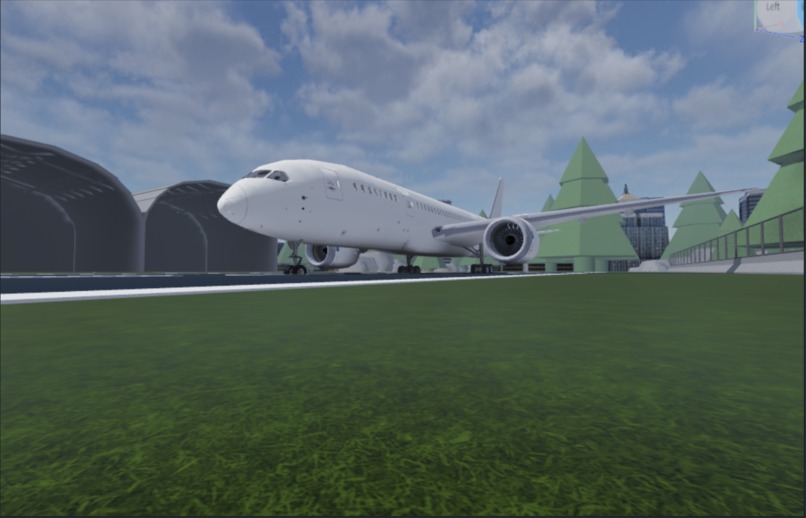
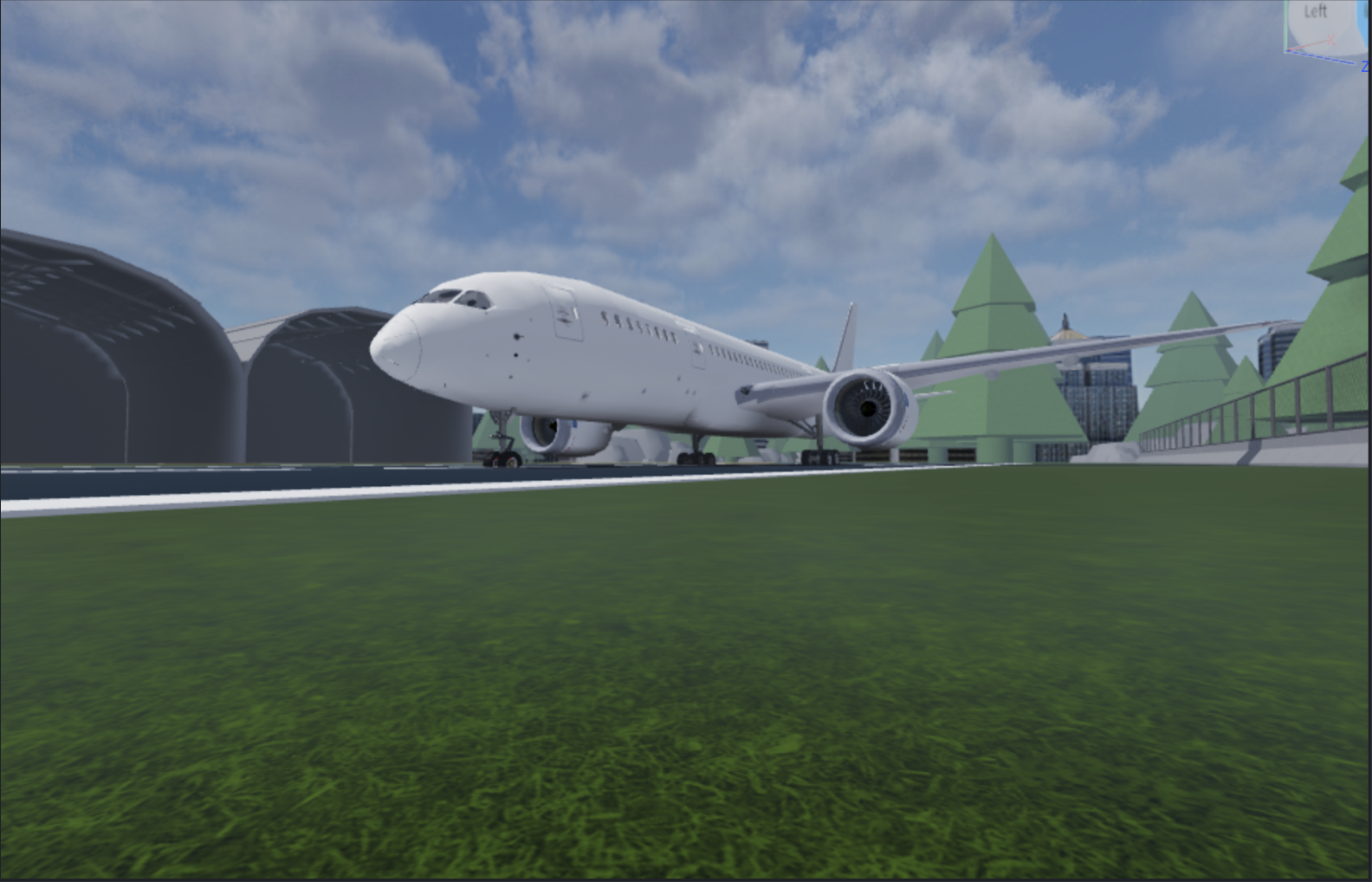
Aviation
-
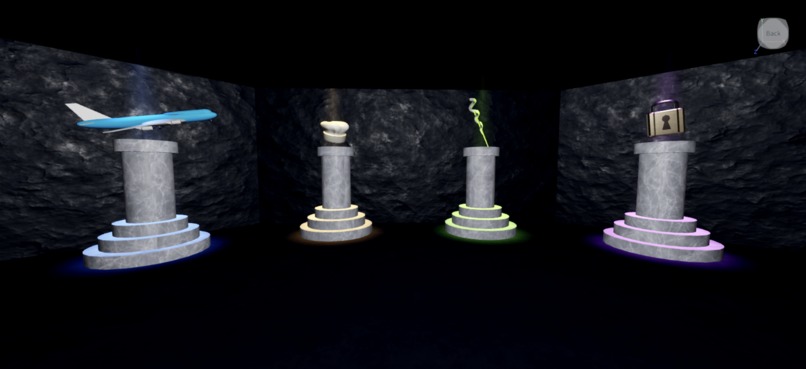
Ending room
-
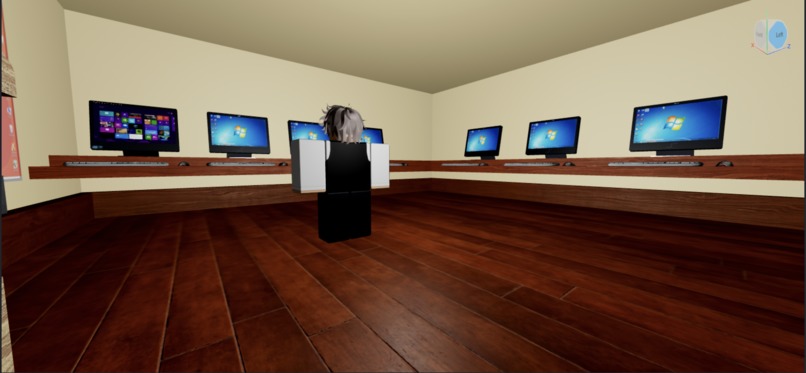
Cybersecurity
-
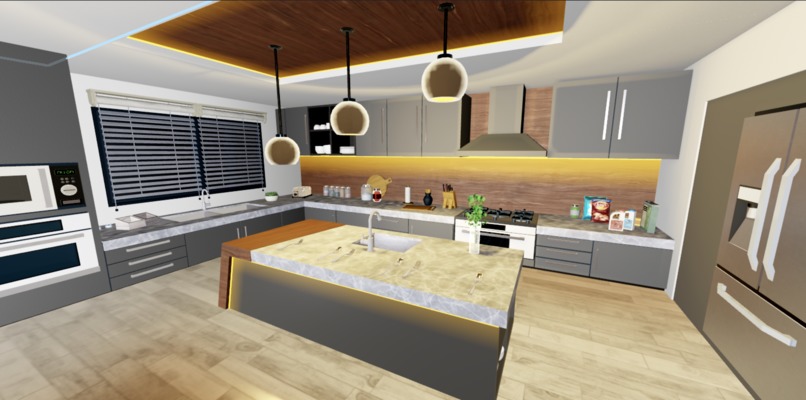
Culinary Arts
-
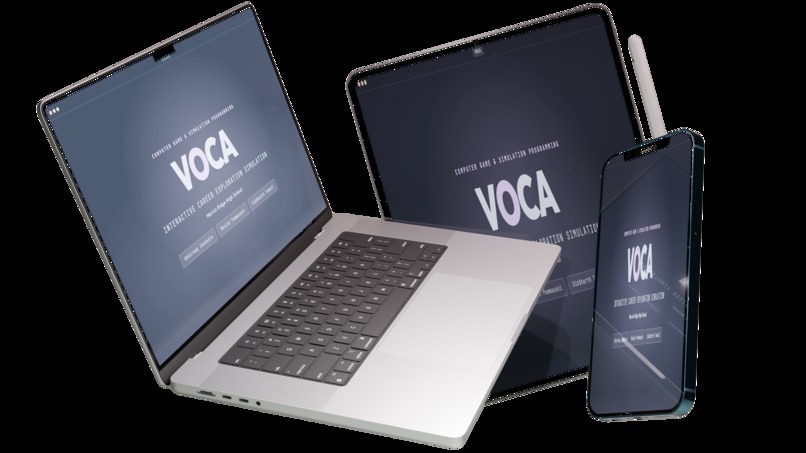
3d Models
-

Logo
-
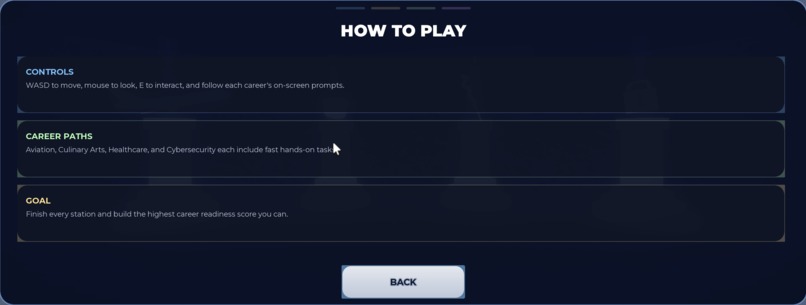
Tutorial
-
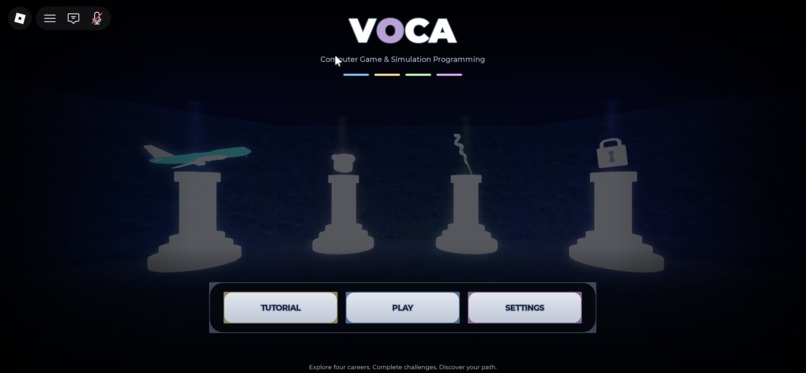
Menu
-
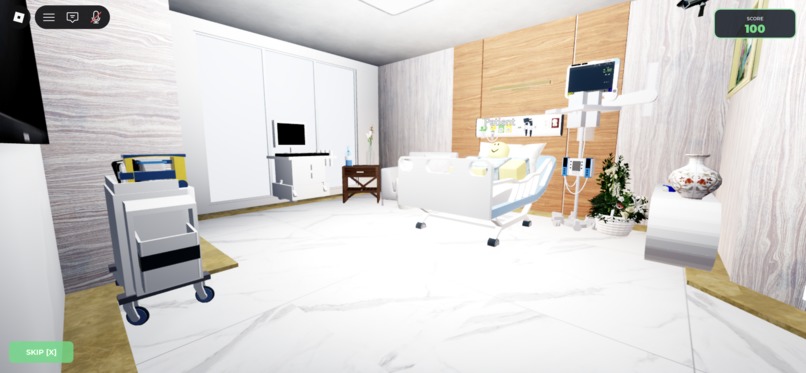
Room 2
-
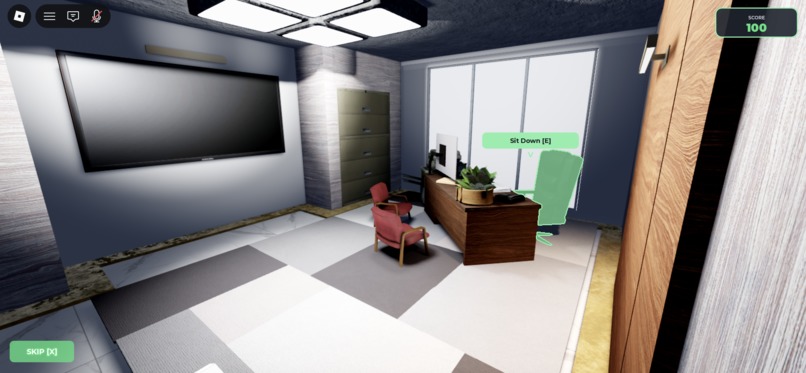
Room 1
-
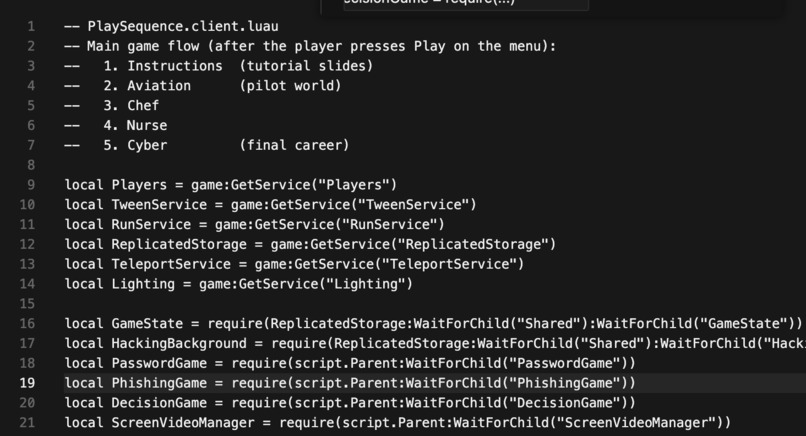
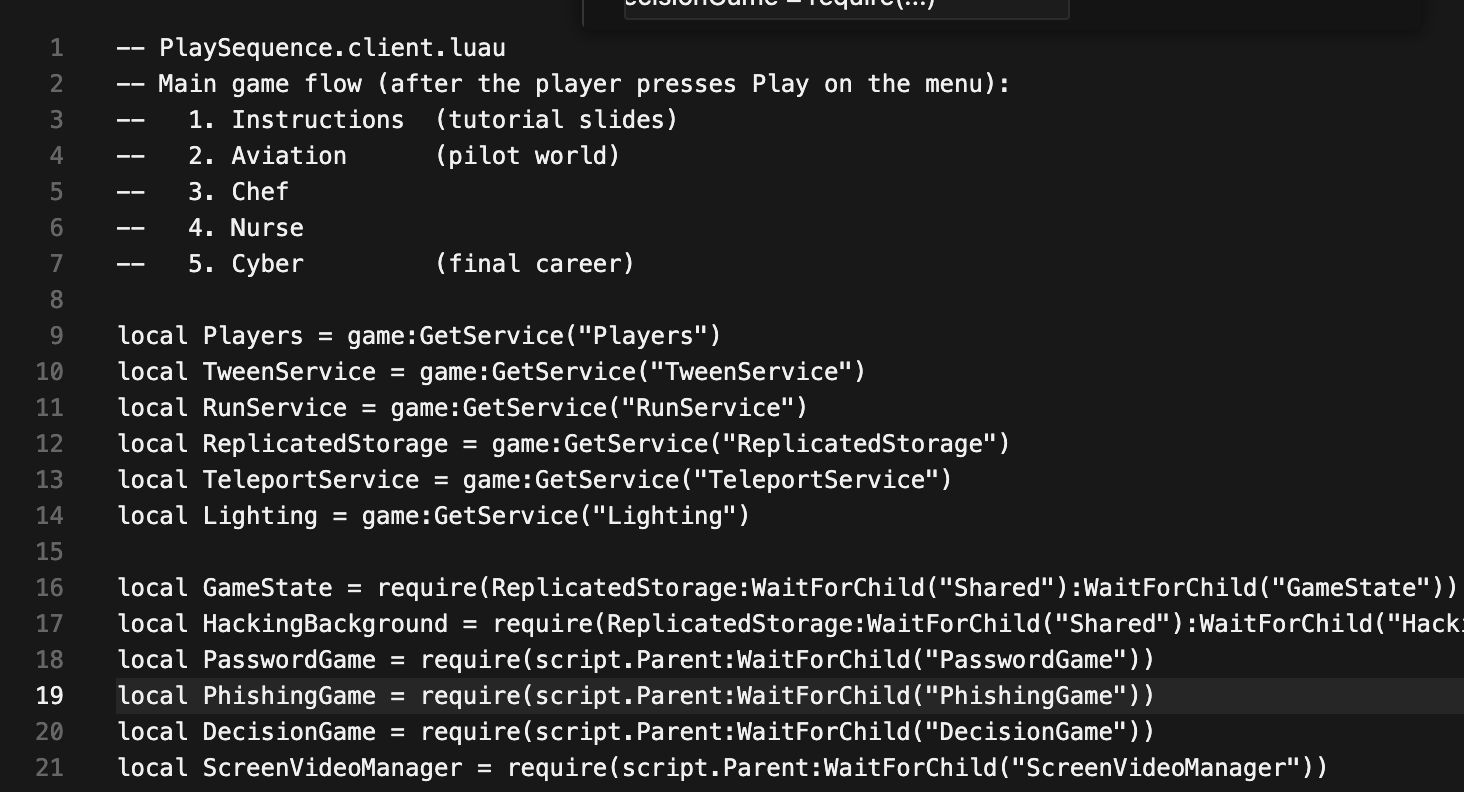
Parts of Play Sequence code
-
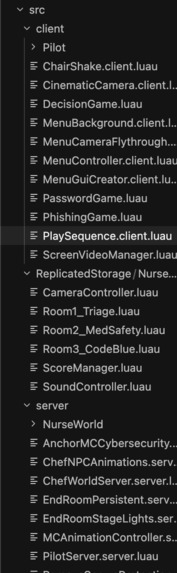
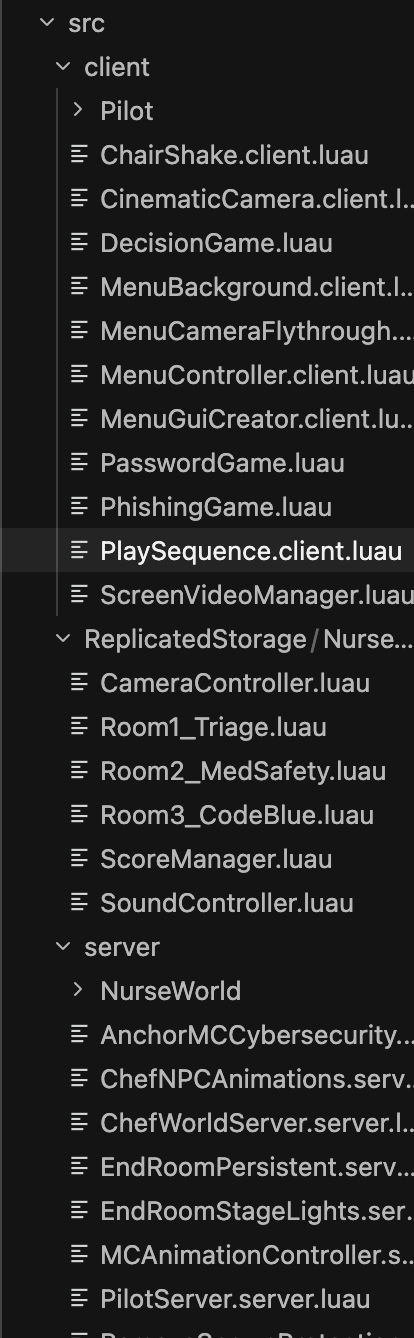
Explorer for src scripts

Inspiration
Choosing a career can be difficult for students because many careers are taught through descriptions, quizzes, or short research activities rather than direct experience. We wanted to make career exploration more interactive and memorable.
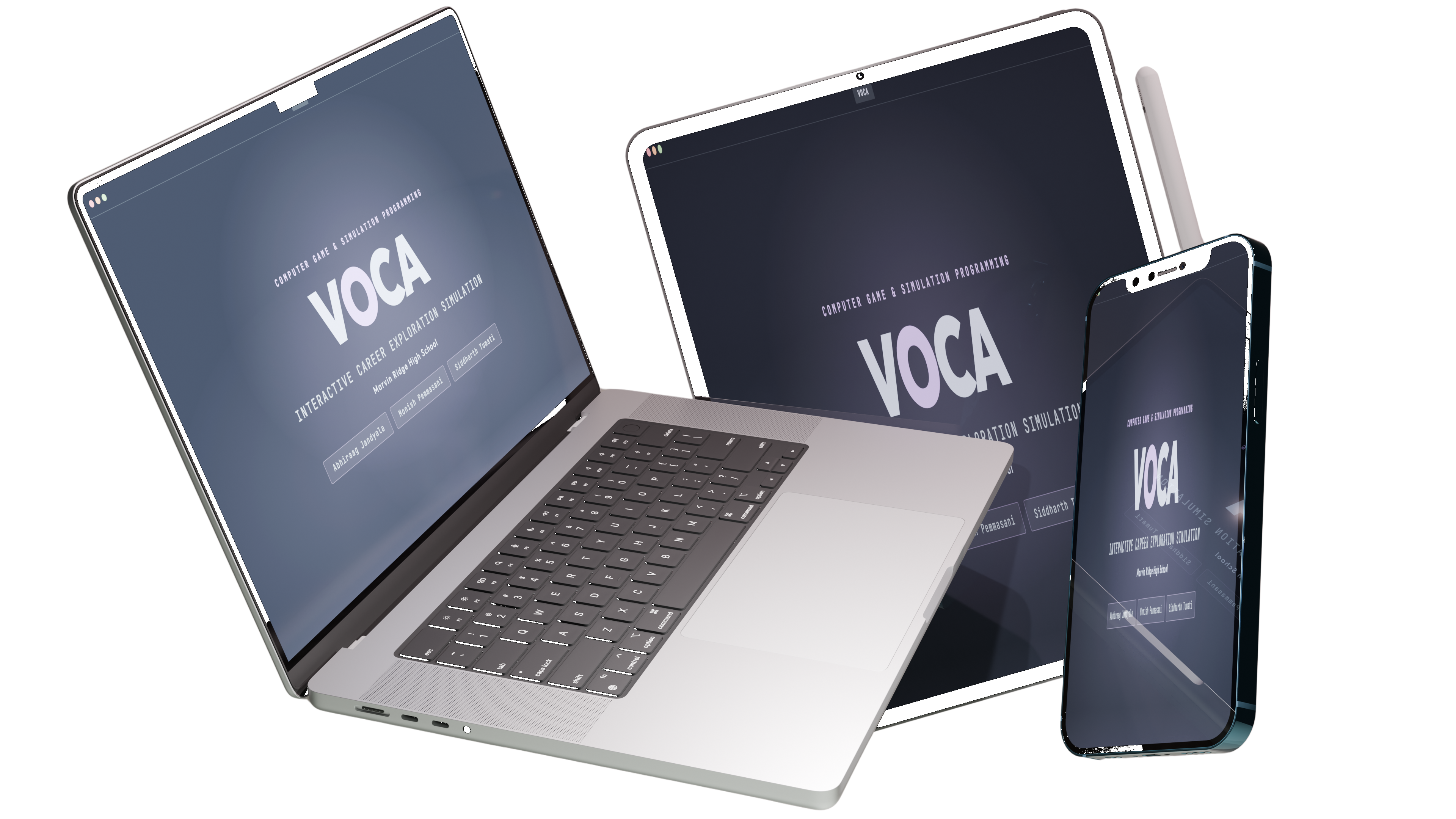
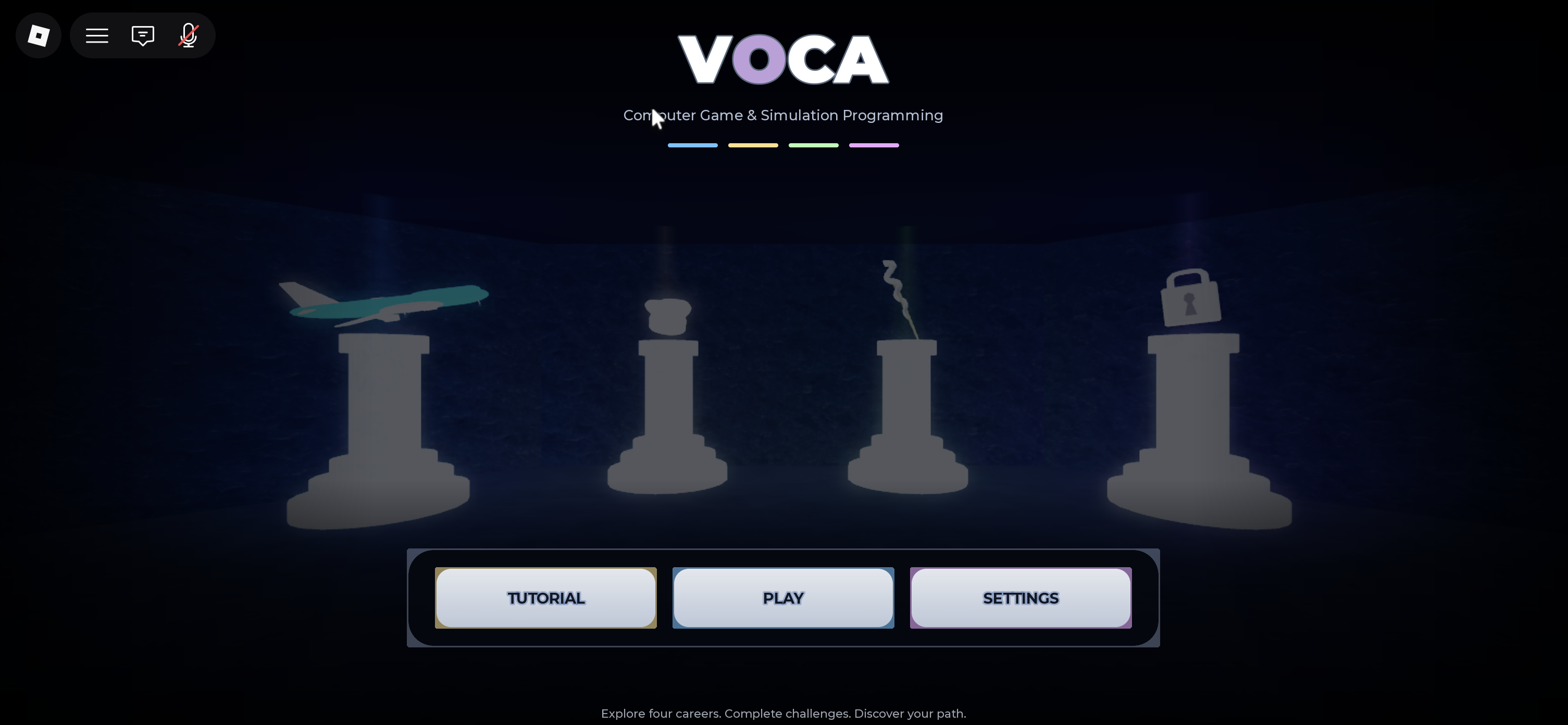
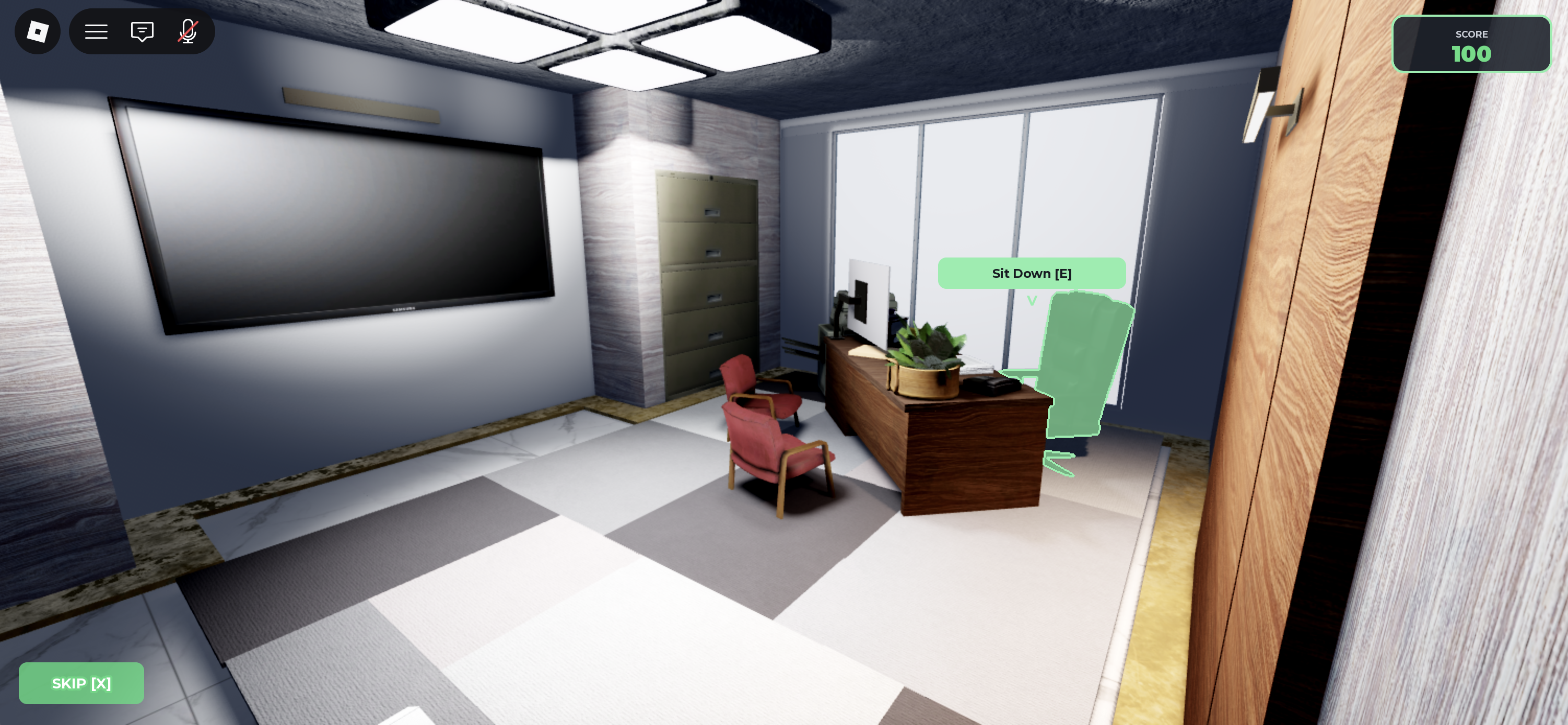
That idea became VOCA: a Roblox-based career exploration experience where players do more than read about careers. They step into different professional environments, complete hands-on challenges, and see how their performance translates into a career aptitude result.
What it does
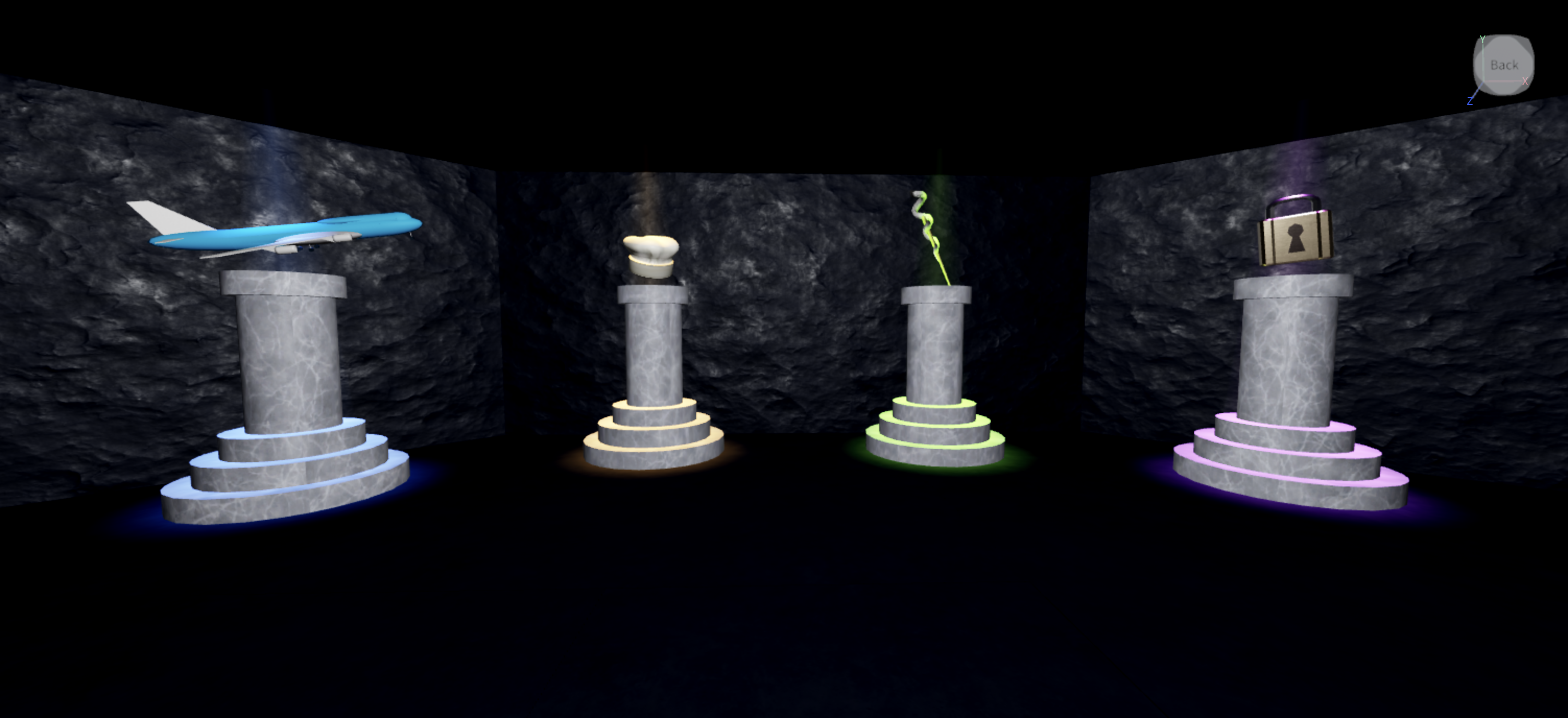
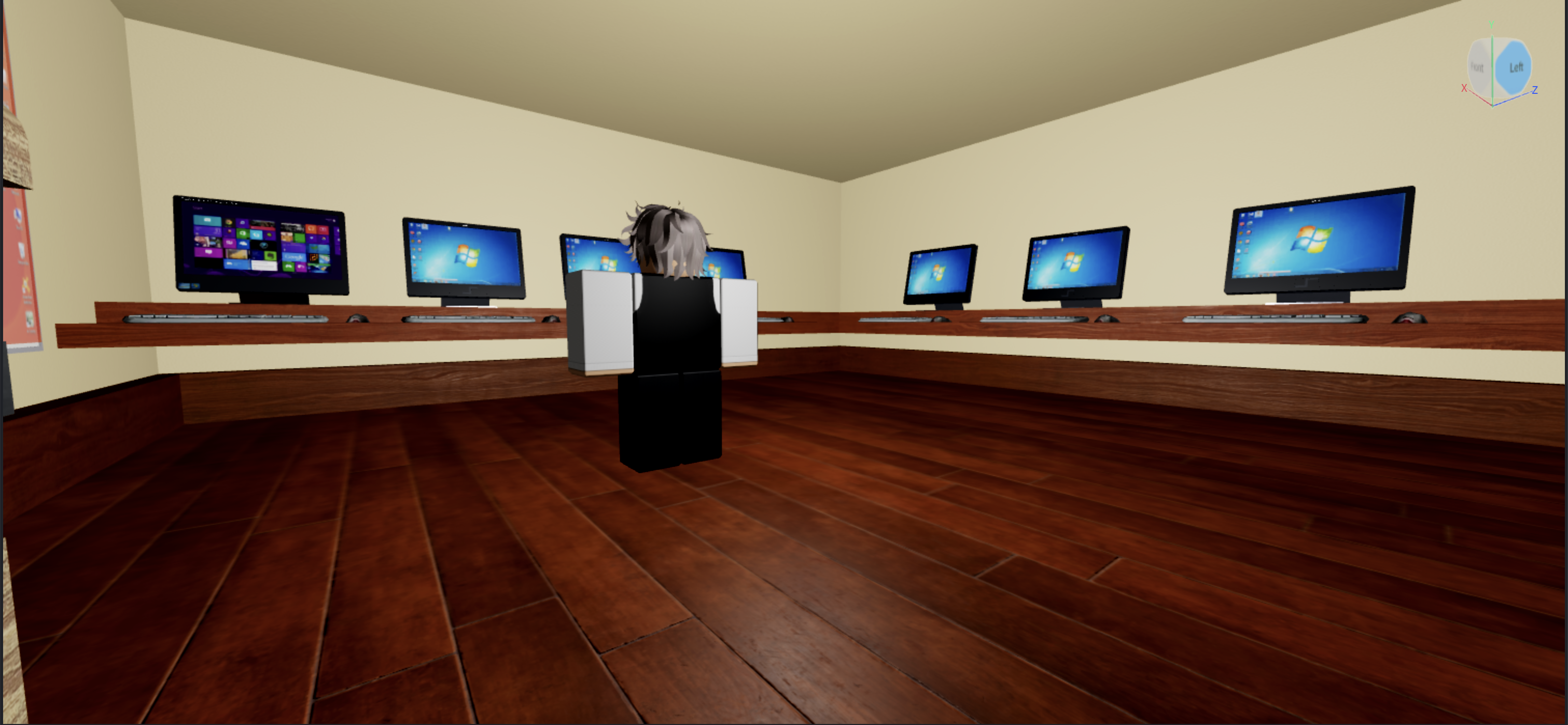
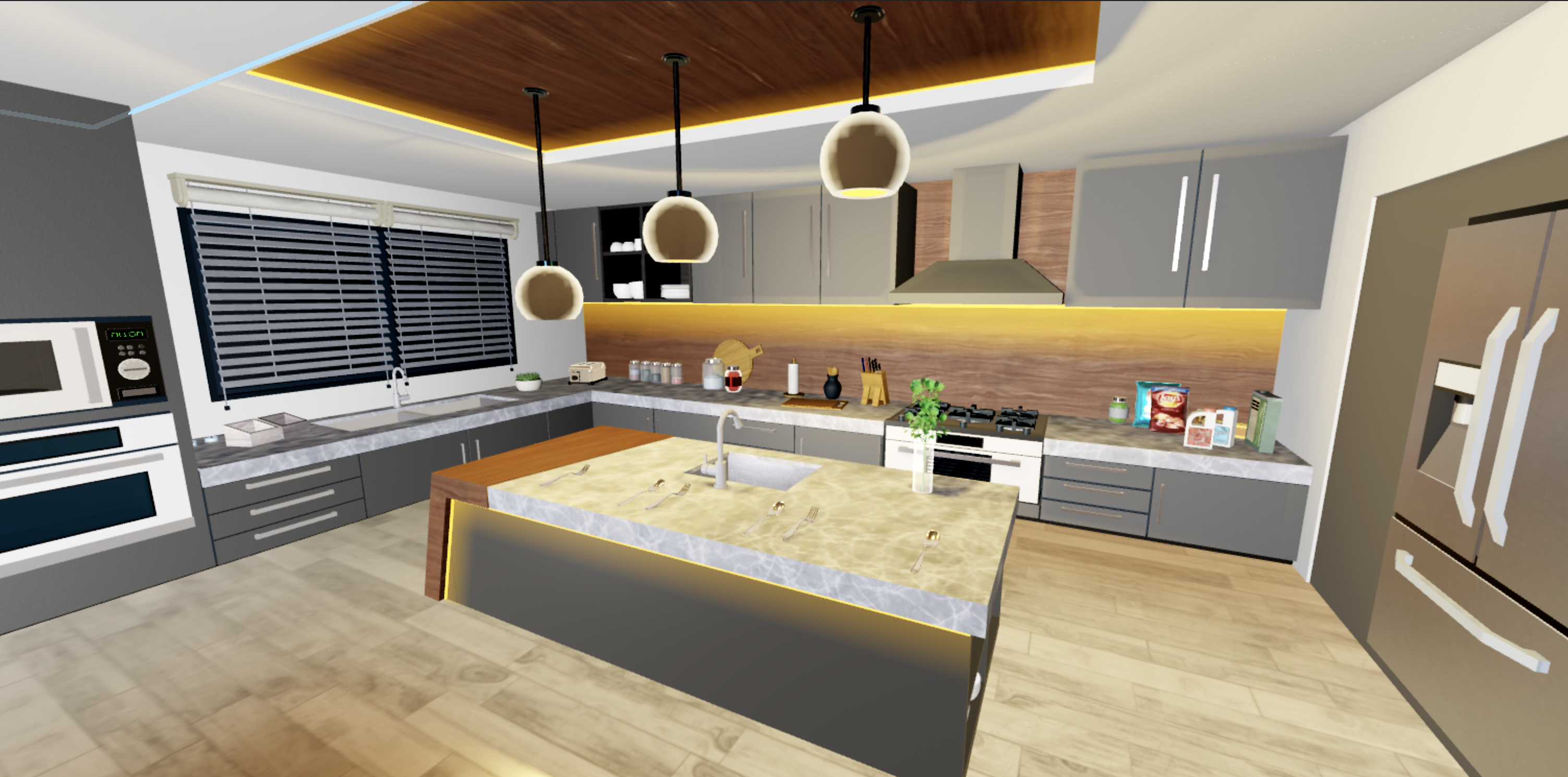
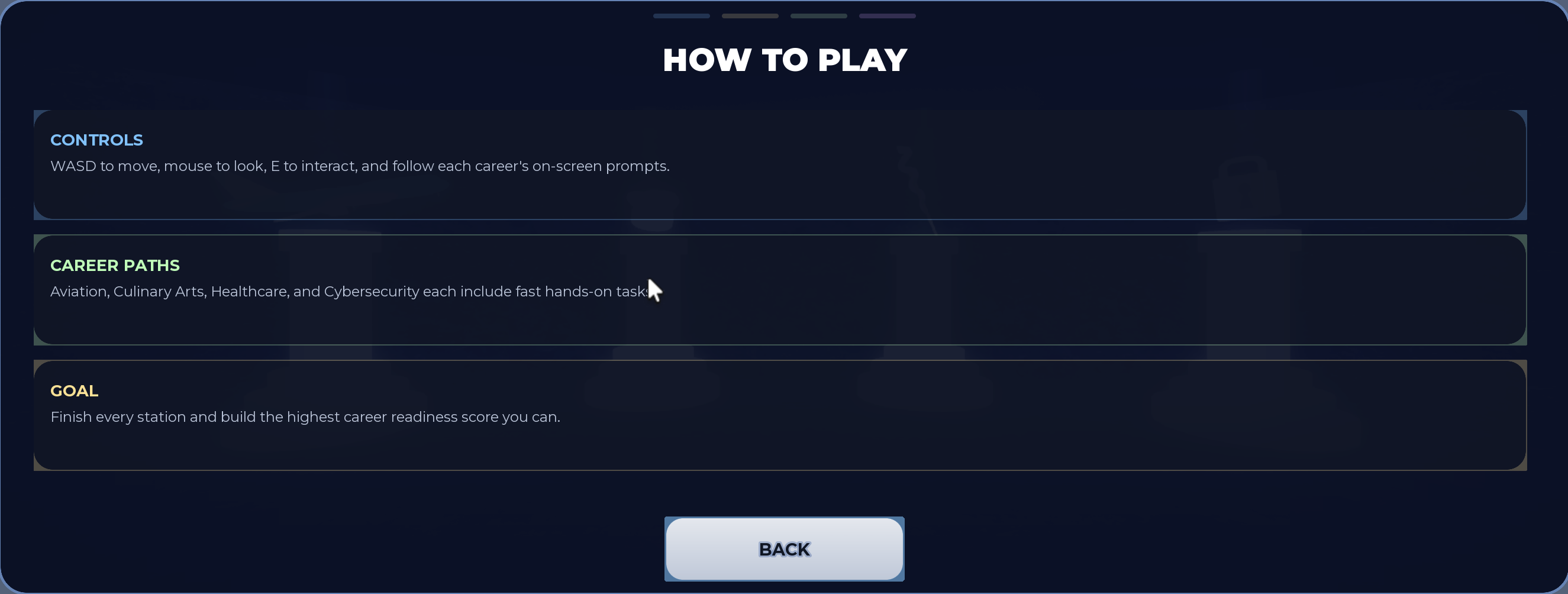
VOCA takes players through four career experiences:
- Aviation: Players complete preflight procedures, interact with a cockpit, manage an in-flight scenario, and perform a landing sequence.
- Culinary Arts: Players receive food orders and work through a kitchen workflow involving ingredients, preparation, cooking, and serving.
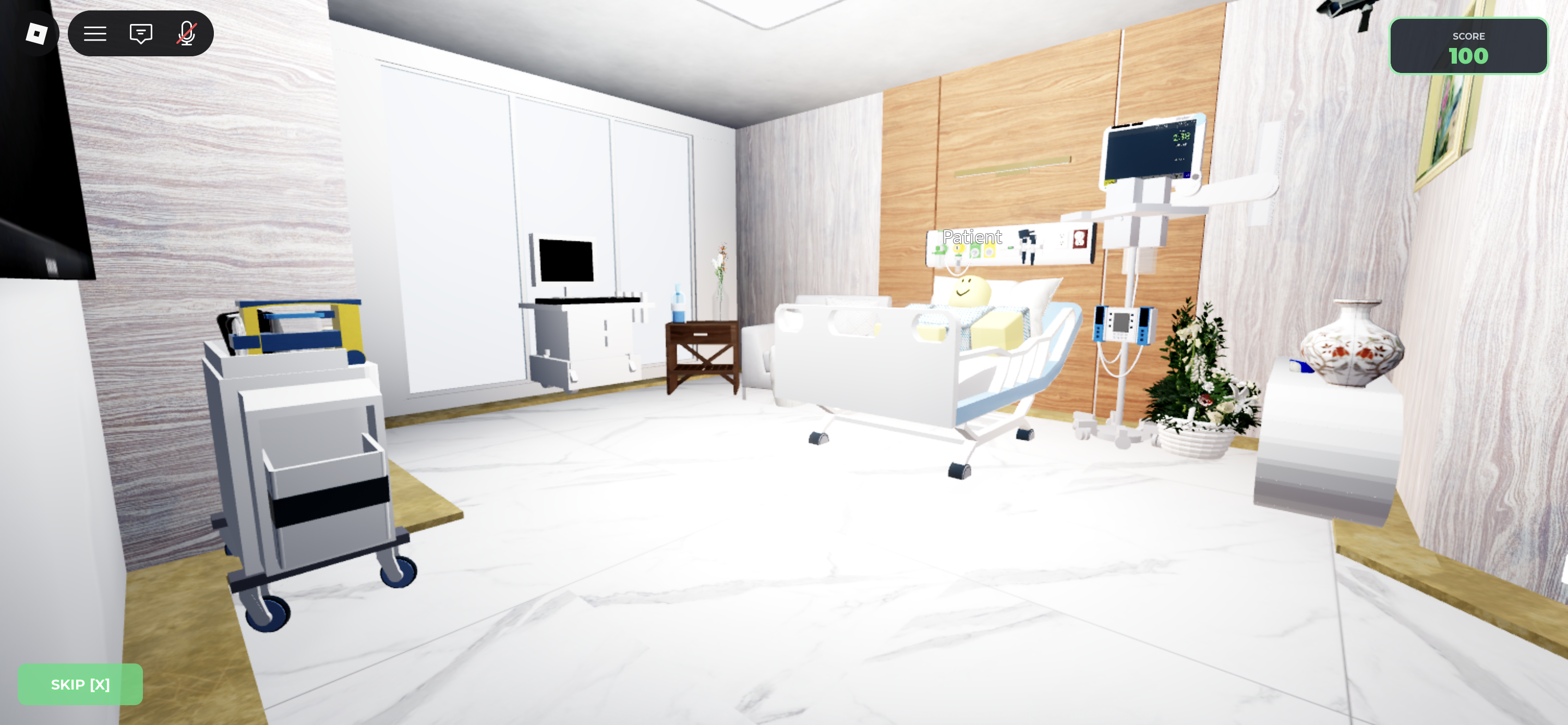
- Healthcare: Players complete patient triage, medication safety tasks, and a Code Blue emergency scenario.
- Cybersecurity: Players complete interactive challenges involving password security, phishing detection, and cybersecurity decision-making.
Each career has its own challenges and scoring system. At the end, VOCA analyzes the player's performance across the careers and reveals the career area in which they performed strongest.
;
Accomplishments that we're proud of
We are proud of turning a career-exploration concept into a fully interactive Roblox experience with four distinct career worlds.
We built multiple gameplay systems rather than relying on simple quizzes, including a flight simulation, kitchen workflow, healthcare scenarios, emergency response, and cybersecurity minigames.
We are also proud of the shared systems behind the experience, including session state management, scoring, cinematics, first-person controls, localization, settings, and the final career aptitude reveal.
What we learned
We learned how important modular architecture is when building a large interactive experience.
Instead of treating each feature as a separate script, we learnedto create reusable systems for transitions, scoring, state management, UI, and world progression. We also learned how different gameplay mechanics can communicate different career skills more effectively than a traditional questionnaire.
Most importantly, we learned that career exploration can be more engaging when students are given opportunities to actively participate rather than simply read about a profession.
What's next for VOCA
We want to continue expanding VOCA with more career paths, additional languages, stronger accessibility features, achievements, adaptive difficulty, and improved multiplayer experiences.
We also want to make the aptitude system more detailed by analyzing specific skill areas demonstrated during gameplay and presenting players with a broader career profile rather than only one final result.
How we built it
VOCA was built in Roblox Studio using Luau with a modular architecture.
A shared game-state system manages the player's session, career scores, and progression. A central sequence controller handles the overall flow between the tutorial, career worlds, transitions, and final aptitude reveal.
Each career uses different gameplay systems. Aviation uses multi-phase tasks and cockpit interactions, Culinary uses a station-based workflow, Healthcare uses data-driven scenarios and scoring, and Cybersecurity uses self-contained minigame modules.
We also built code-generated interfaces, cinematic camera sequences, first-person gameplay systems, career-specific scoring, skip functionality, settings, English/Spanish localization, and a final aptitude reveal.
Challenges we ran into
One of our biggest challenges was creating four careers that felt meaningfully different while keeping the overall experience consistent.
We also had to coordinate gameplay systems that operate in different ways. Some careers rely on server-side state machines and remote events, while the Cybersecurity minigames are largely self-contained client modules.
Another challenge was managing the large number of UI elements and gameplay systems in Roblox. We addressed this by breaking systems into modular scripts and creating reusable patterns for transitions, scoring, progression, and cleanup.
Accomplishments that we're proud of
We are proud of turning a career-exploration concept into a fully interactive Roblox experience with four distinct career worlds.
We built multiple gameplay systems rather than relying on simple quizzes, including a flight simulation, kitchen workflow, healthcare scenarios, emergency response, and cybersecurity minigames.
We are also proud of the shared systems behind the experience, including session state management, scoring, cinematics, first-person controls, localization, settings, and the final career aptitude reveal.
What we learned
We learned how important modular architecture is when building a large interactive experience.
Instead of treating each feature as a separate script, we learned to create reusable systems for transitions, scoring, state management, UI, and world progression. We also learned how different gameplay mechanics can communicate different career skills more effectively than a traditional questionnaire.
Most importantly, we learned that career exploration can be more engaging when students are given opportunities to actively participate rather than simply read about a profession.
What's next for VOCA
We want to continue expanding VOCA with more career paths, additional languages, stronger accessibility features, achievements, adaptive difficulty, and improved multiplayer experiences.
We also want to make the aptitude system more detailed by analyzing specific skill areas demonstrated during gameplay and presenting players with a broader career profile rather than only one final result.
Built With
- career-exploration
- educational-technology
- game-development
- interactive-learning
- luau
- modular
- roblox
- roblox-studio
- simulation
- ui/ux


Log in or sign up for Devpost to join the conversation.