-
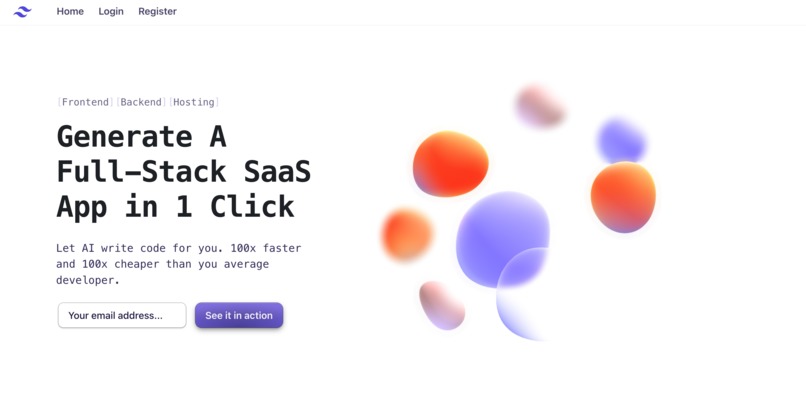
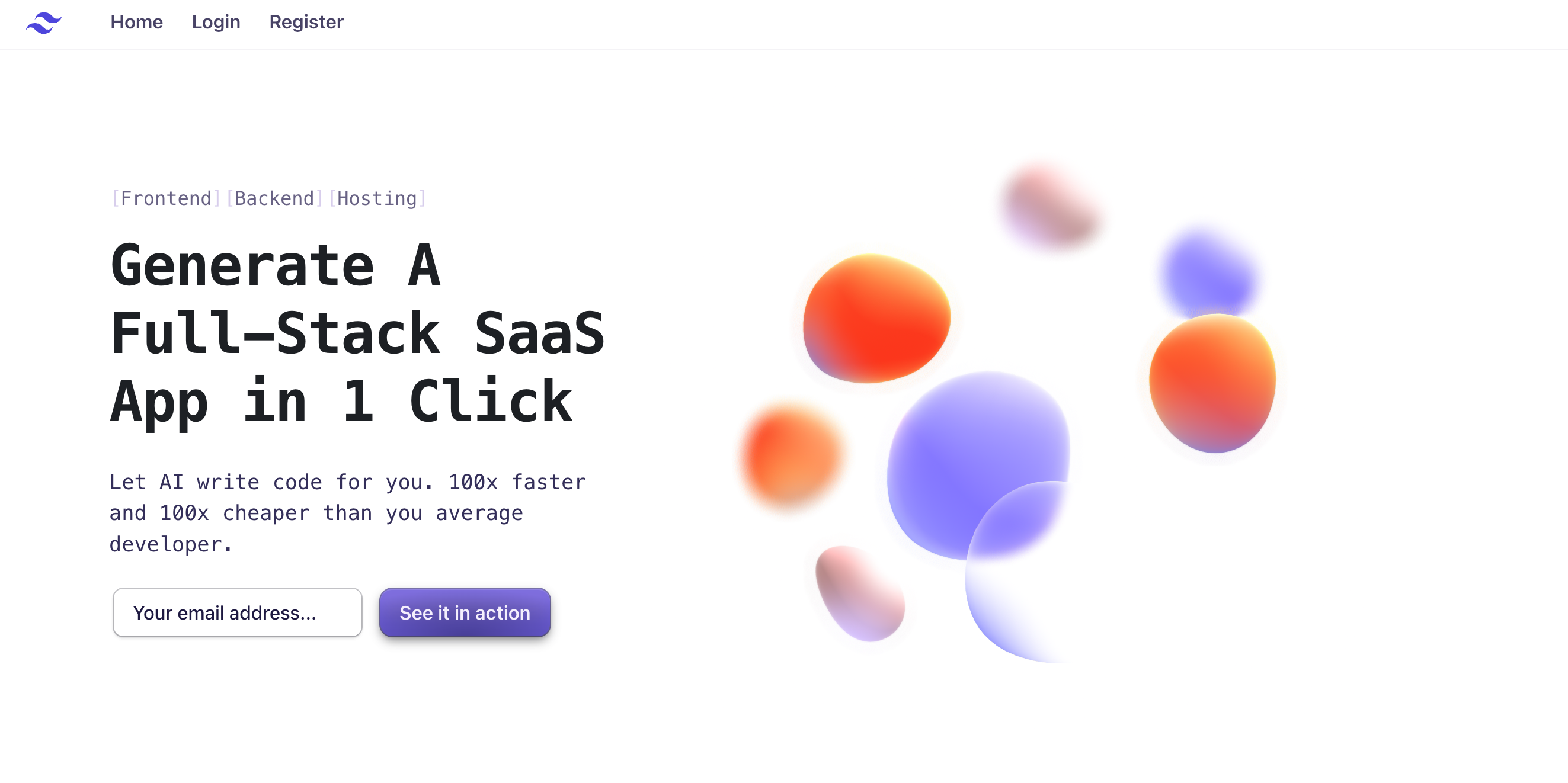
Generated Hero Image designed to replicate reflex.dev
-
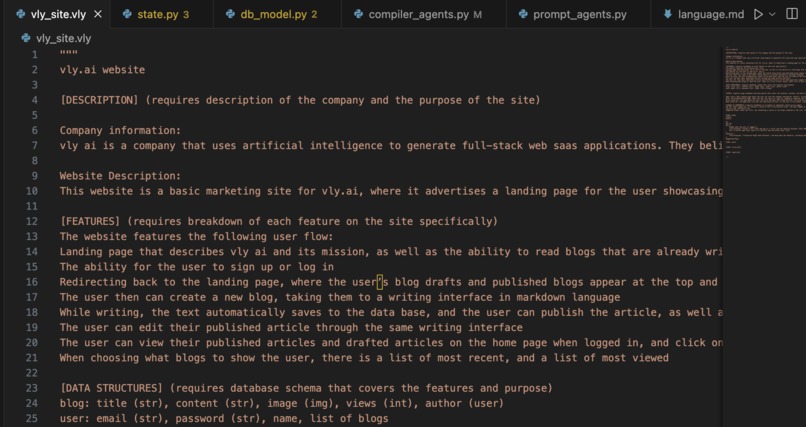
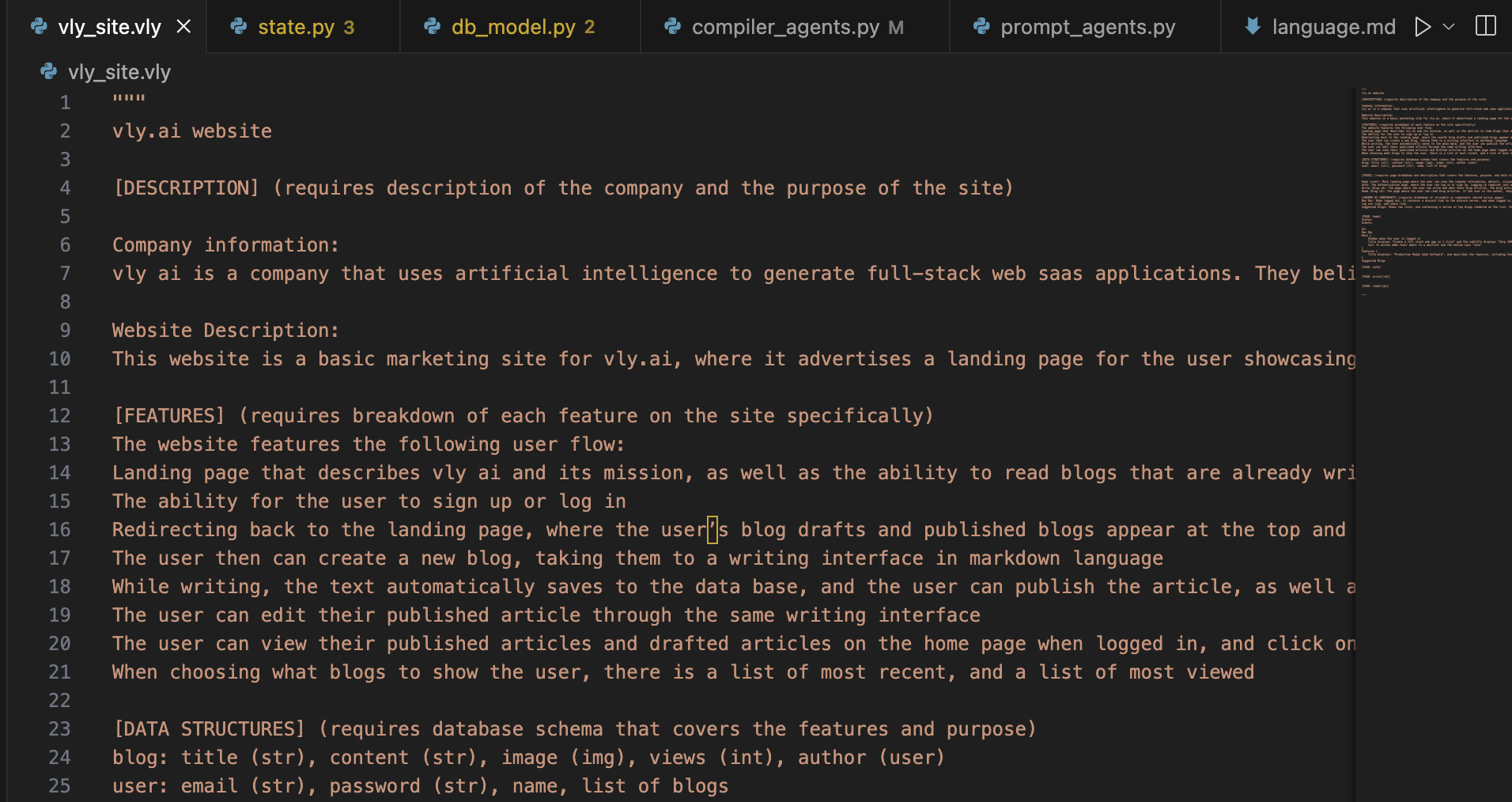
the .vly programming language that uses natural english
-
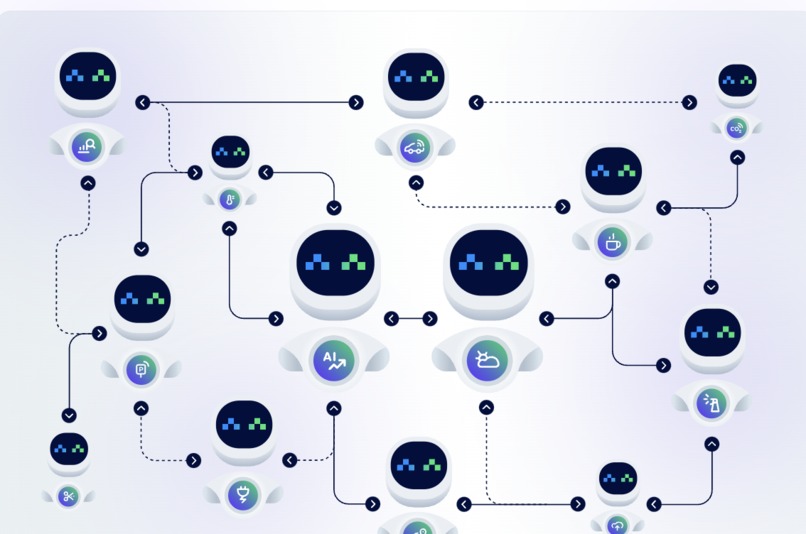
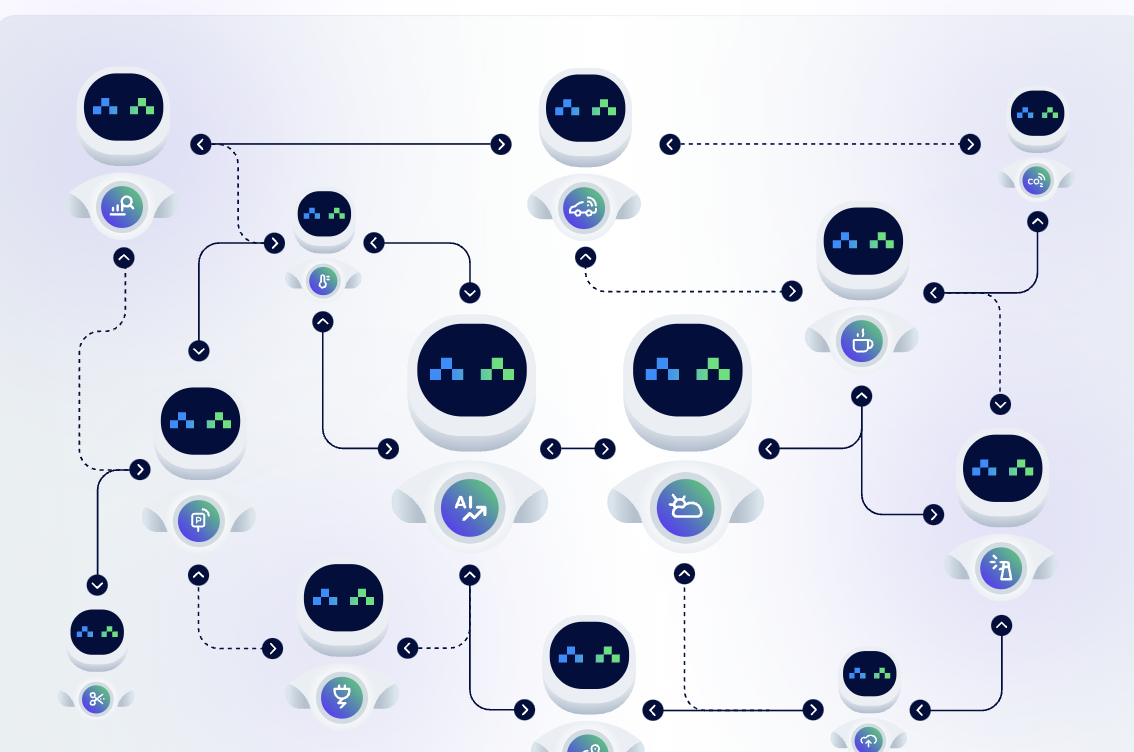
We use an AI Agent system
-
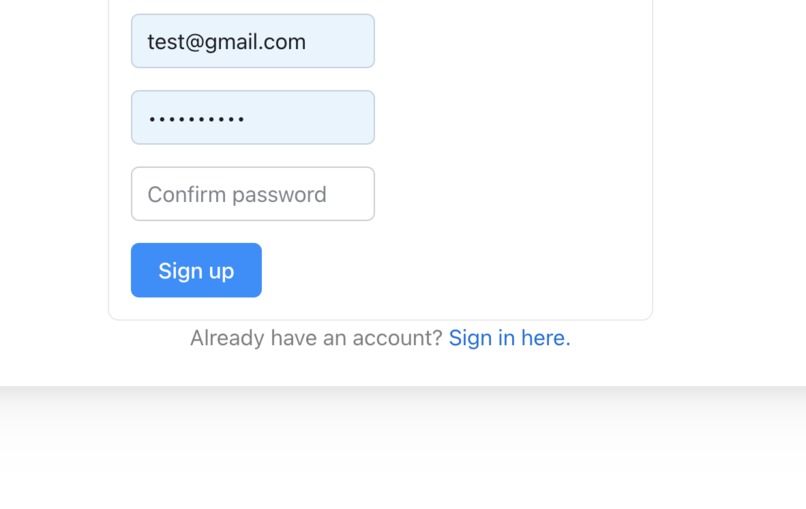
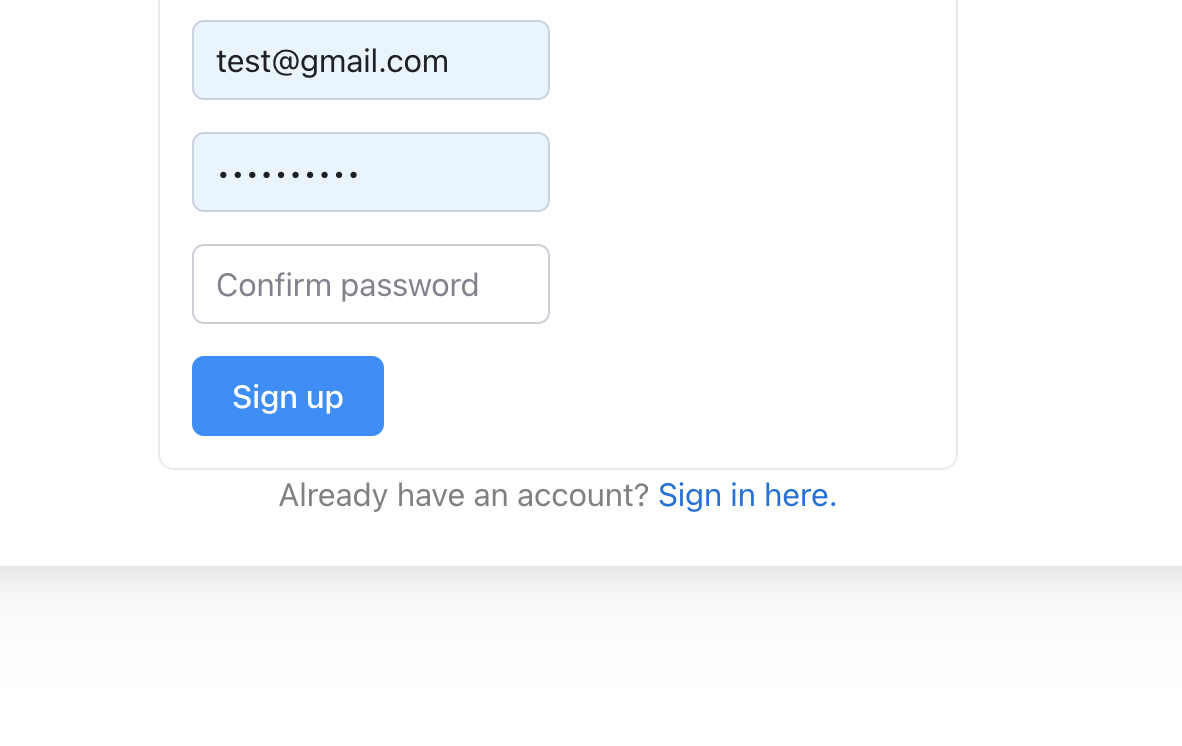
Use of generated authentication system
-

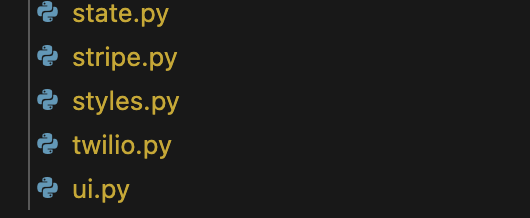
Support for different integrations in a growing library
-
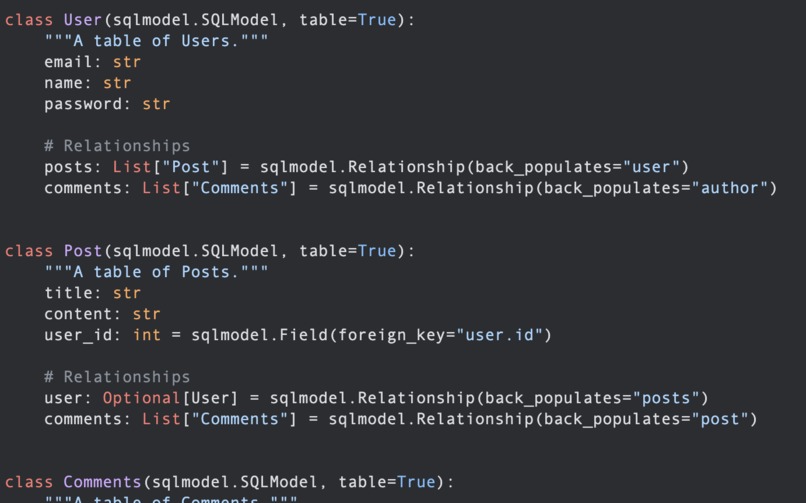
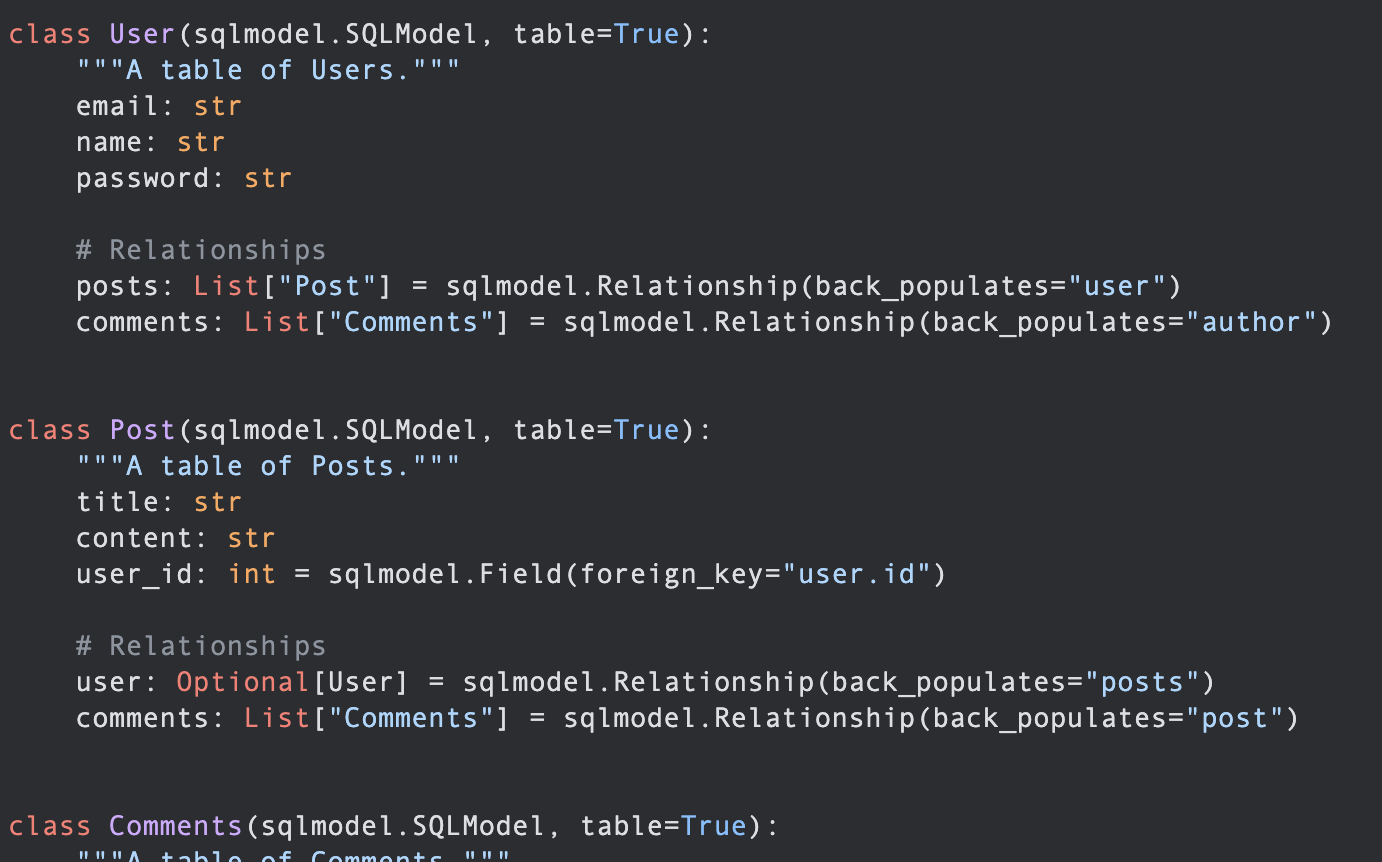
Generated Database schemas
vly.ai: generating full-stack SaaS applications in just 1 click
We generate full-stack web apps optimized for SaaS use cases (front end, back end, integrations such as stripe, email, texting, and more) completely using AI, without the need for any programming knowledge.
going for: best use of AI Agents / AI project, best use of Reflex, most viable startup / most commercially viable startup (YC, pear, etc)
This is a no-code system that converts our very own natural language programming framework into full-stack reflex-based code, allowing us to achieve unparallel performance from raw code without the tradeoffs of a no-code system.
This means unlimited flexibility and scalability on enterprise-grade software all generated using AI.
We quite literally replace the need to hire a web developer.
built by stanford, berkeley, uw cs students. majority first hackathon project (beginner hack)
THE PROBLEM: Building a SaaS web application is hard.
If you were trying to build one, here are your options:
Hiring a developer or agency: a. $10,000-$100,000, 2-6 months b. Expensive to iterate, prone to miscommunication
Developing an app on your own: a. Free + Software costs, 2-12 months b. Requires significant amounts of personal time, not many people can do it
Using a no-code tool like bubble.io: a. Free + Software costs, 1-6 months b. Highly restrictive and limited, and learning curve requiring lots of time
Hiring a no-code developer or agency: a. $5,000-$50,000, 1-4 months b. Still highly restrictive and limited, prone to miscommunication
THE SOLUTION: vly.ai
A component-based natural language framework that takes specific saas project ideas and turns them into code. Through our framework, we are able to laser focus on specific features exactly the way the user wants it to be.
These features can be produced reliably through our component-based system.
Essentially: we abstract layer by layer. This allows us to not rely on AI to produce bottom-level code (it can be inaccurate).
Finally: our abstractions and context system makes it very easy for AI to understand the code base and locate edits.
What sets us apart
Here is how we stand compared to other tools out there trying to solve the same thing.
- Reliable and robust without the technical issues
- Scales effectively in size and complexity
- Significantly faster load times and optimizations not possible in no-code
- More flexibility and complexity in terms of what can be produced
- Faster integration of external APIs and capabilities
- Automatic generation of front end and back end code not possible in no-code
- Ownership of code and the ability to export and expand
Our solution also maintains the benefits of a no-code system:
- Automatic deployment and hosting on the web for both front and back end
- Automatic scaling and optimization
- User-friendly environment for interacting with data
- Ability to make changes quickly and re-deploy instantly
Our solution builds what a no-code tool can build, but in hours instead of months:
You can build enterprise-grade software with unlimited features custom to exactly what you need:
- CRM systems
- Custom Internal Tools
- Niche platforms
- Dashboards and client portals
- Interfaces on data
- GPT integrations and wrappers on custom data
- Marketplaces, web apps, and more
- SaaS applications for founders to launch and make money
We also allow business owners to create custom software at dirt cheap costs. So instead of paying for 5 subscriptions to manage your business, you can now combine everything into 1 super-app, such as the following:
- Managing Employee Payroll
- Tracking hours
- POS and inventory tracking
- Front site and processing orders
The Technology built at Treehacks: breakdown
Here is how our treehacks project operates differently
attention is all you need
We mean context. You can't just say: "build me a full stack blogging site" and expect the AI to produce the next Medium.
You need to be specific. As specific as possible. You need to describe every page, feature, and component, or else it may not give you what you want, and most of the times, the AI doesn't have the capacity to build out this much logic on its own.
So, here's the process:
- User enters a broader prompt
- The AI conversationally details the prompt and reviews it with the user
- This cycle repeats for a description and a list of features & user flow
- Then, the AI helps build out in natural language the database schema
- Process continues to write descriptions for each page, then all the way down to a component level
Eventually, you create one giant configuration file split up from the top (being more context related) to the bottom (being more specific to exact operations).
What you have at the bottom isn't too far off from just using Reflux and calling pre-built components with pre-defined parameters. This form of abstraction makes it much more straightforward for the AI.
The .vly programming language
We standardized the format of this config file and optimized its AI-friendliness to where it's pretty much become it's own language. It's now called the vly programming language (with .vly file extensions) that uses natural language arranged in an intuitive format.
This allows people with no programming knowledge to write out what they want in immense detail for our AI to implement. This specificity is required to ensure that the level of depth and complexity desired is reached; something current AI code generators lack.
This also is how we seperate ourselves in comprehensiveness.
AI-Agent specific capabilities
Due to the specificity of the reflex framework, we need to prompt engineer different AI agents for each step of the process to specifically produce what we need. For example, we have one agent for configuring specifically the database based on the .vly framework. We have others for different parts of the process, from selecting and implementing components in our library.
Also, the limited component library requires the generation of the vly language to choose from the existing library, fed through directly into the system message. The AI then knows the exact way to implement each library, which is in the form of a function with parameters.
Component Library
The limitation is that we rely on pre-built components rather than components built on the fly. We chose this route because we didn't want to rely on AI to write bottom-level code; you definitely don't want the AI to be writing your stripe payments scripts.
Integrated SaaS Specific Technologies
We reliably integrate Stripe, email, text, and more into our tech stack.
The vertical approach we take allows us to ensure correctness in our work and creates reliability albeit sacrificing flexibility in the short term.
Use of Reflex and language abstraction
Our full-stack web app uses reflex to allow for simple intuitive abstraction of web applications. Rather than verbose systems seen in next.js, reflex abstracts all of it for us already so that the AI can have a lot more focus on the higher level operations rather than the specific syntax.
The future of vly.ai: committed to becoming a startup
We are highly committed to turning this venture into a startup company. We have contacted clients already to build projects for to raise funds and expand our component library.
We hope to someday be able to generate software cheaper, faster, and more reliable than other companies to bring consumers technologies fit for their needs that don't cost large sums of money.
Expanding library of components
We are actively working on expanding the capabilities of the AI to be able to tackle more and more components and external specific features based on demand from clients.
This could mean instant implementation of large-level features that often replace existing tools.
All potential prize money will go towards funding this project and the extension.
Built With
- gpt
- javascript
- openai
- python
- reflex
- tailwind
- vly


Log in or sign up for Devpost to join the conversation.