-
-
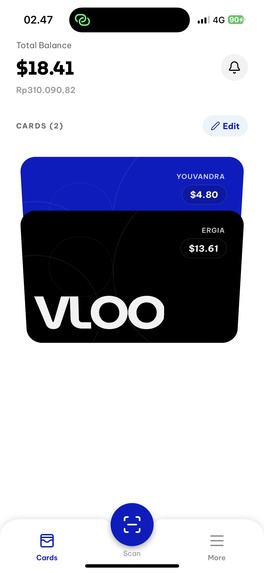
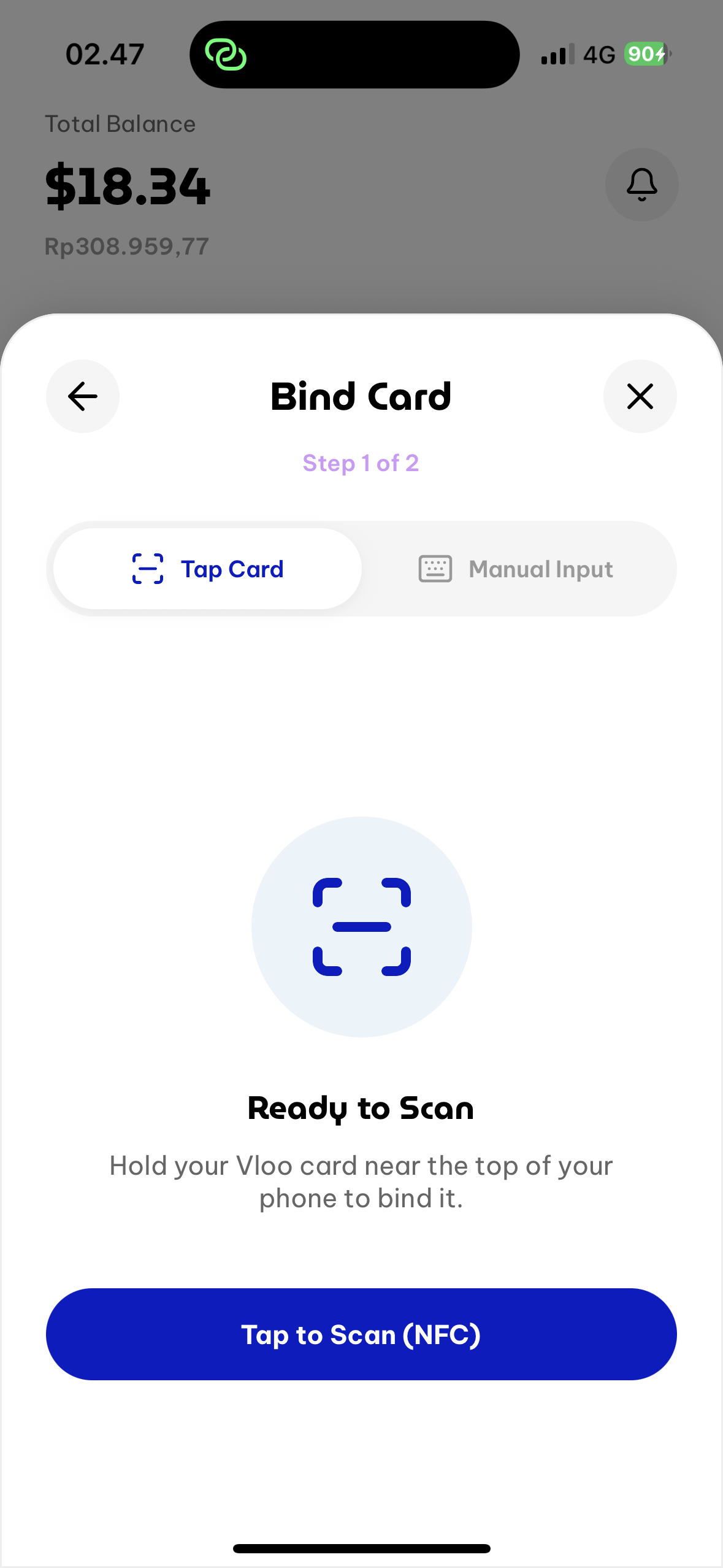
Dashboard Section
-
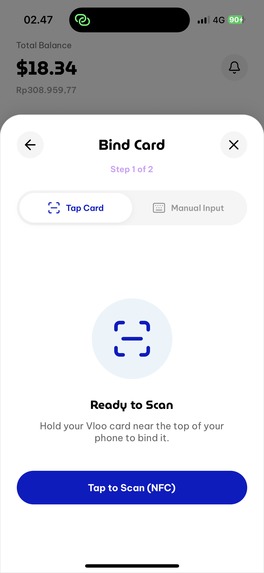
Add new card screen
-
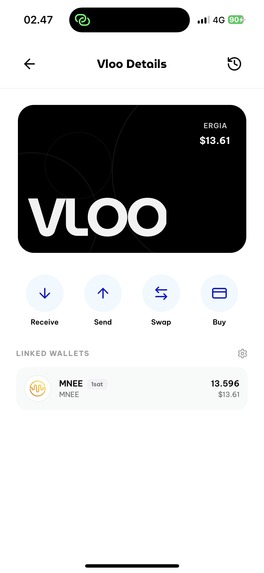
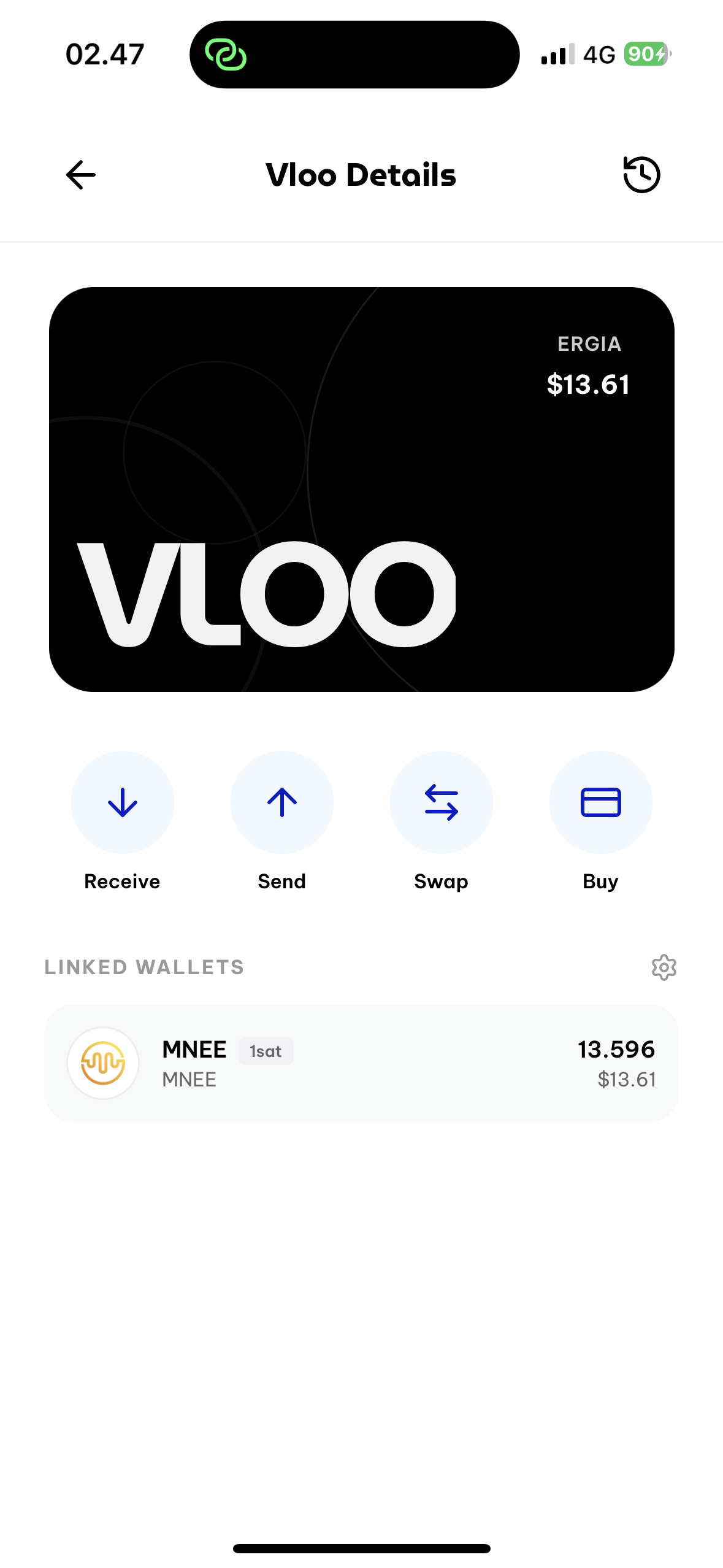
Card Details
-
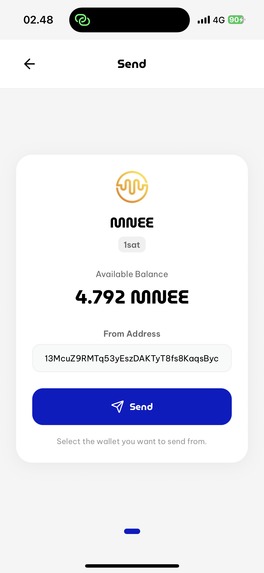
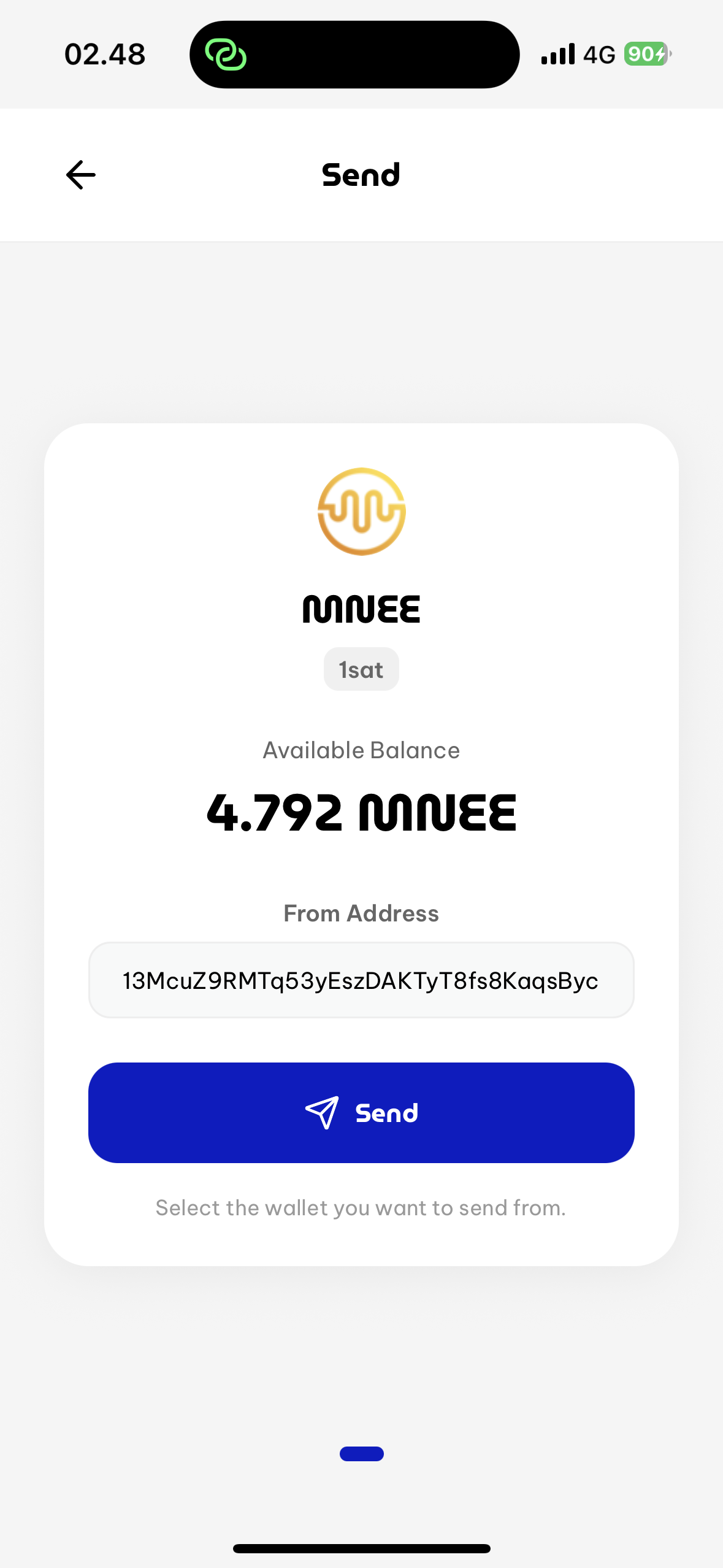
Send Dashboard
-
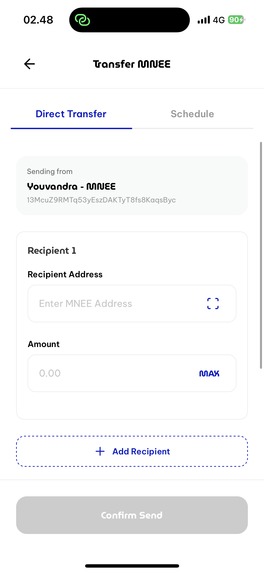
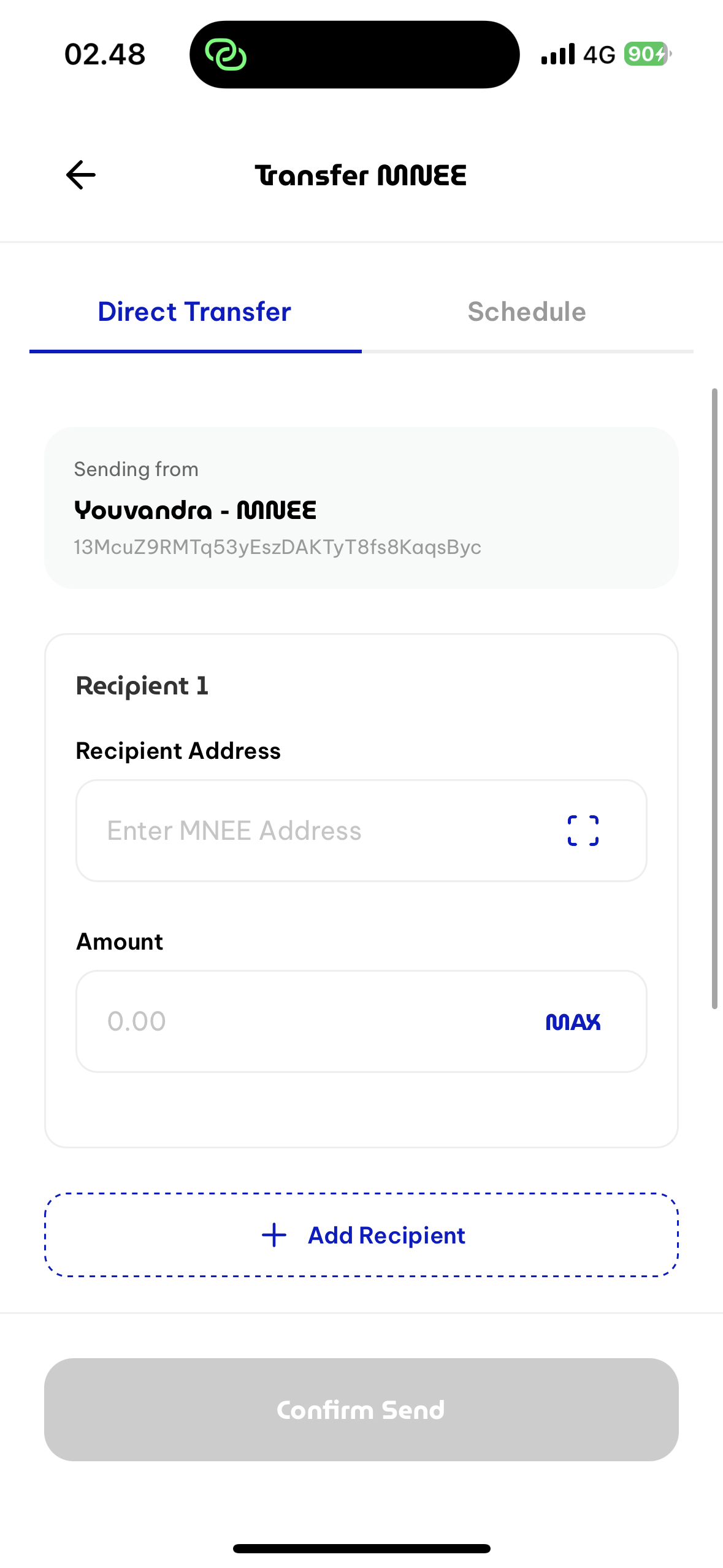
Transfer Section
-
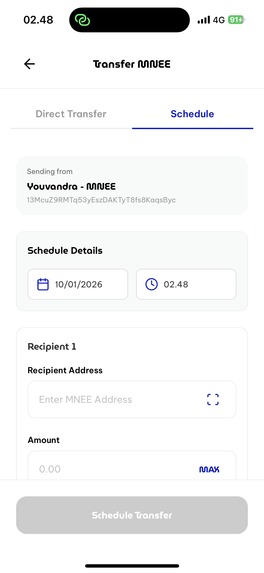
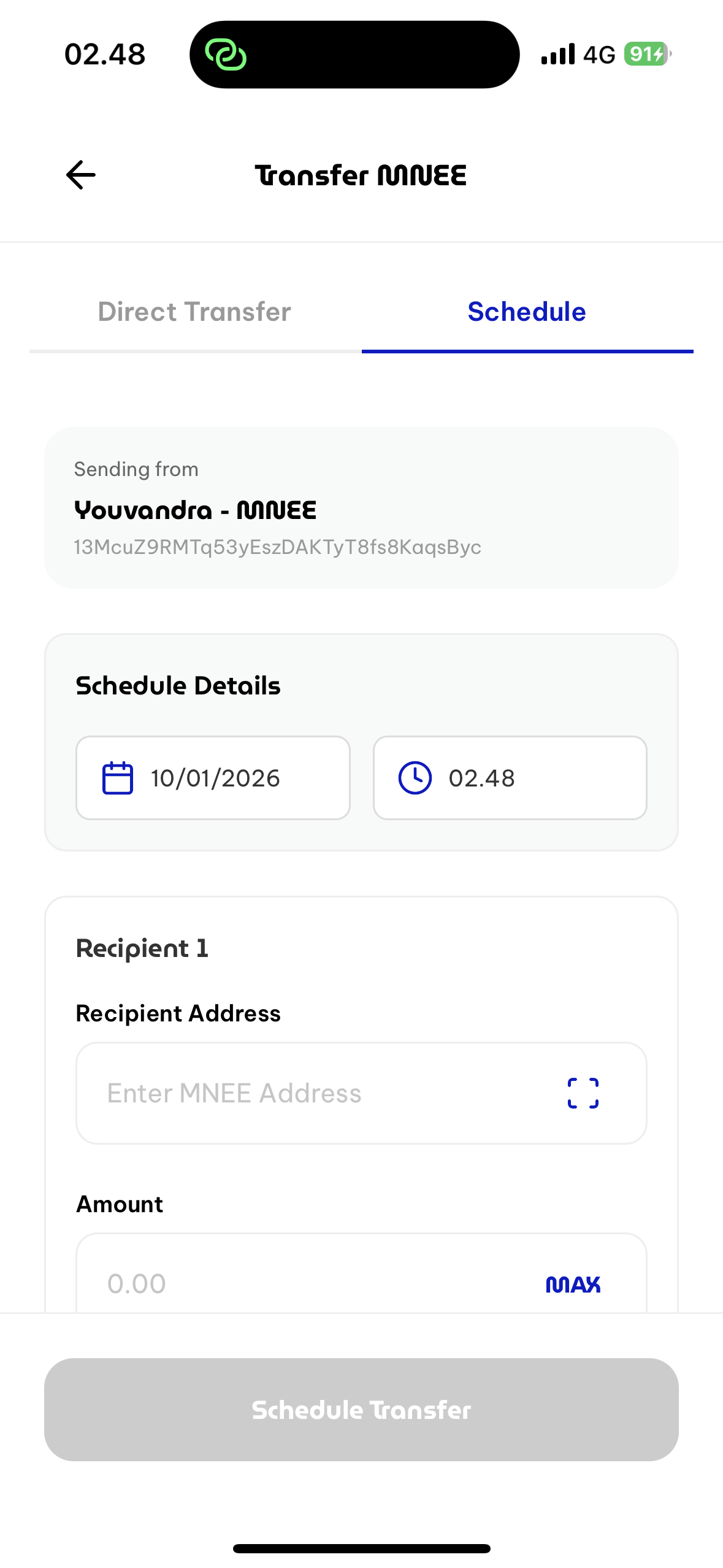
Schedule Transfer Section
-
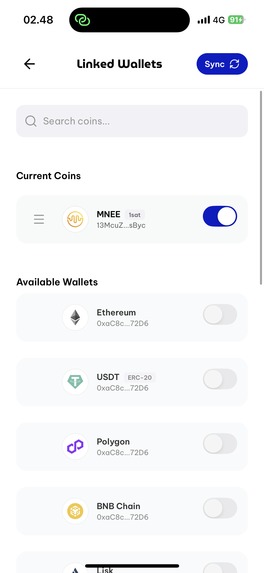
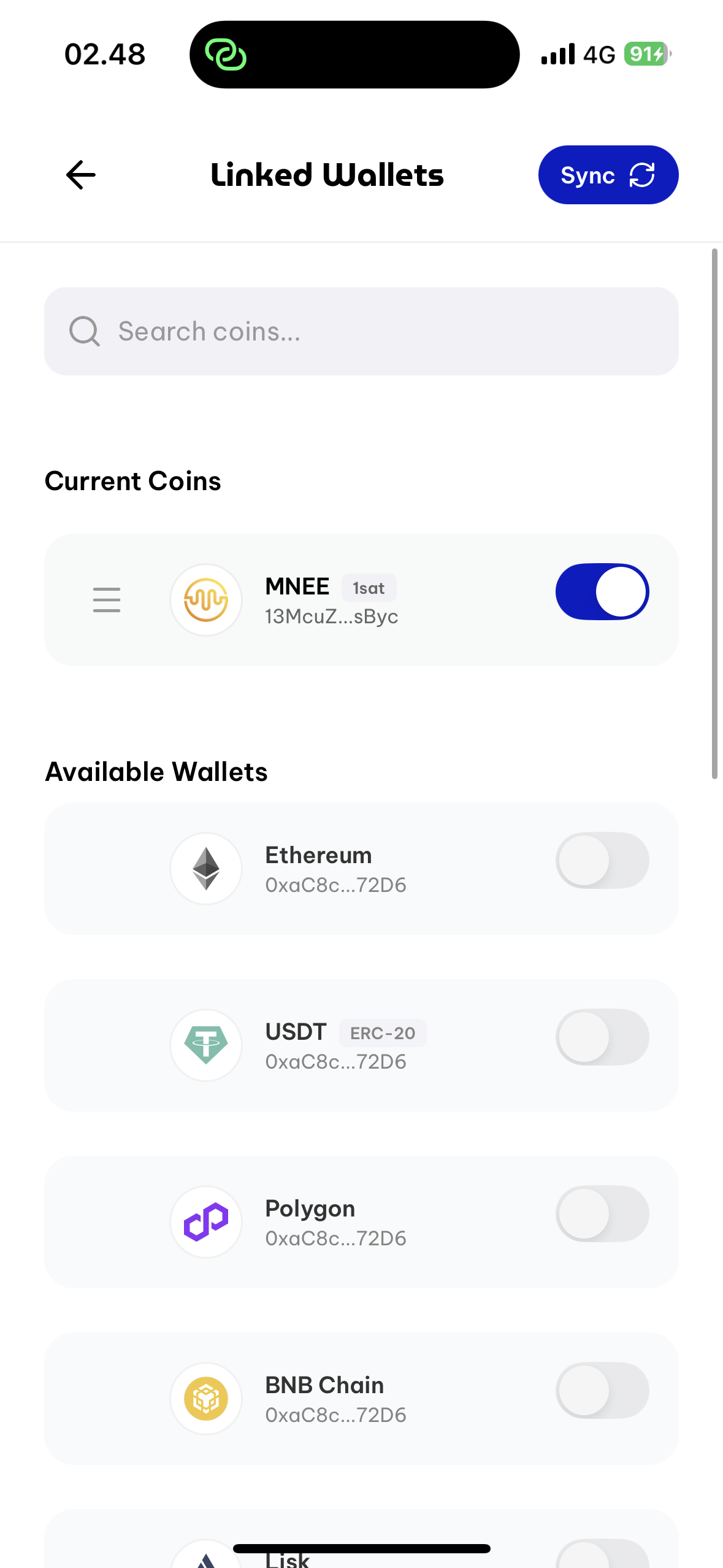
List linked wallets
-
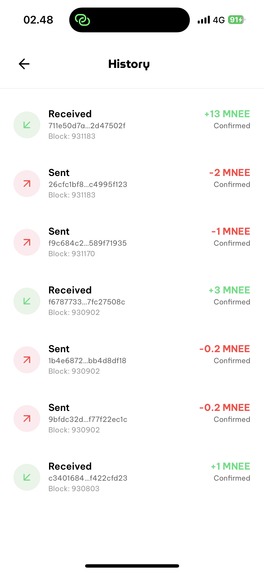
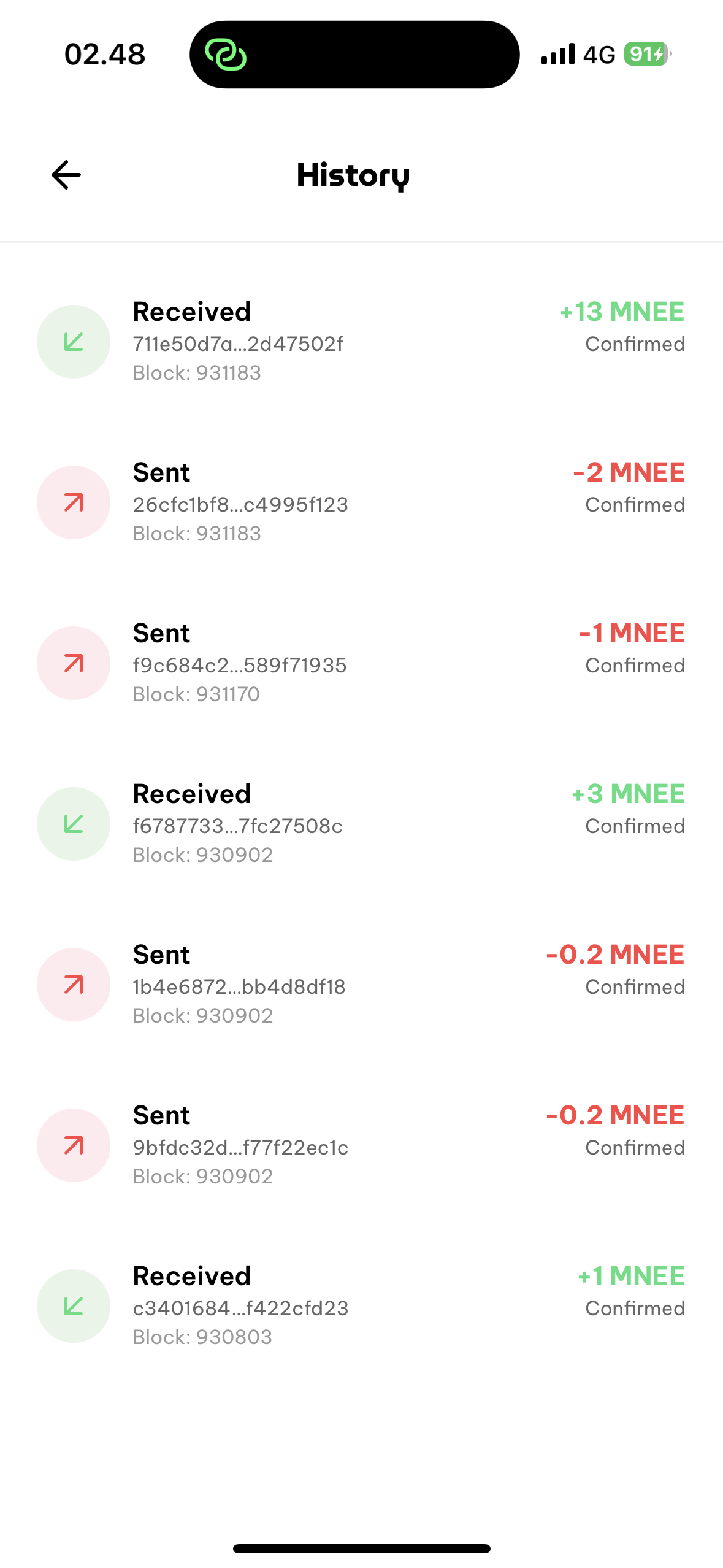
History
-
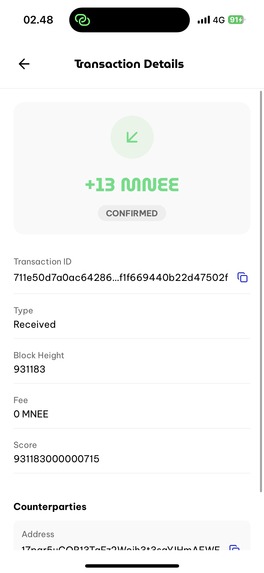
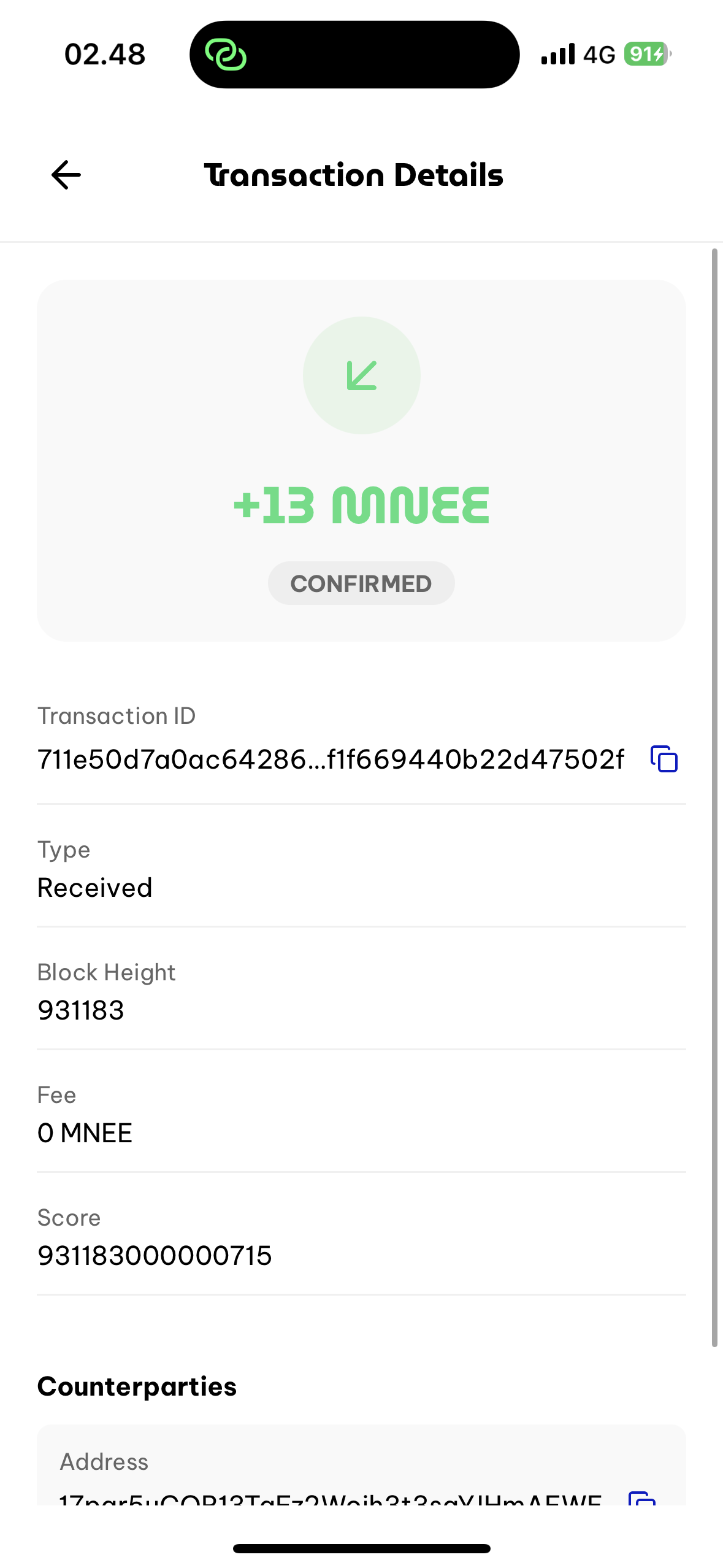
History Details
-
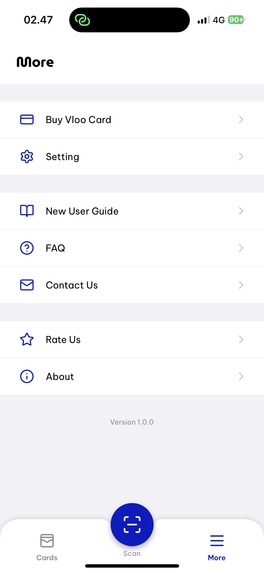
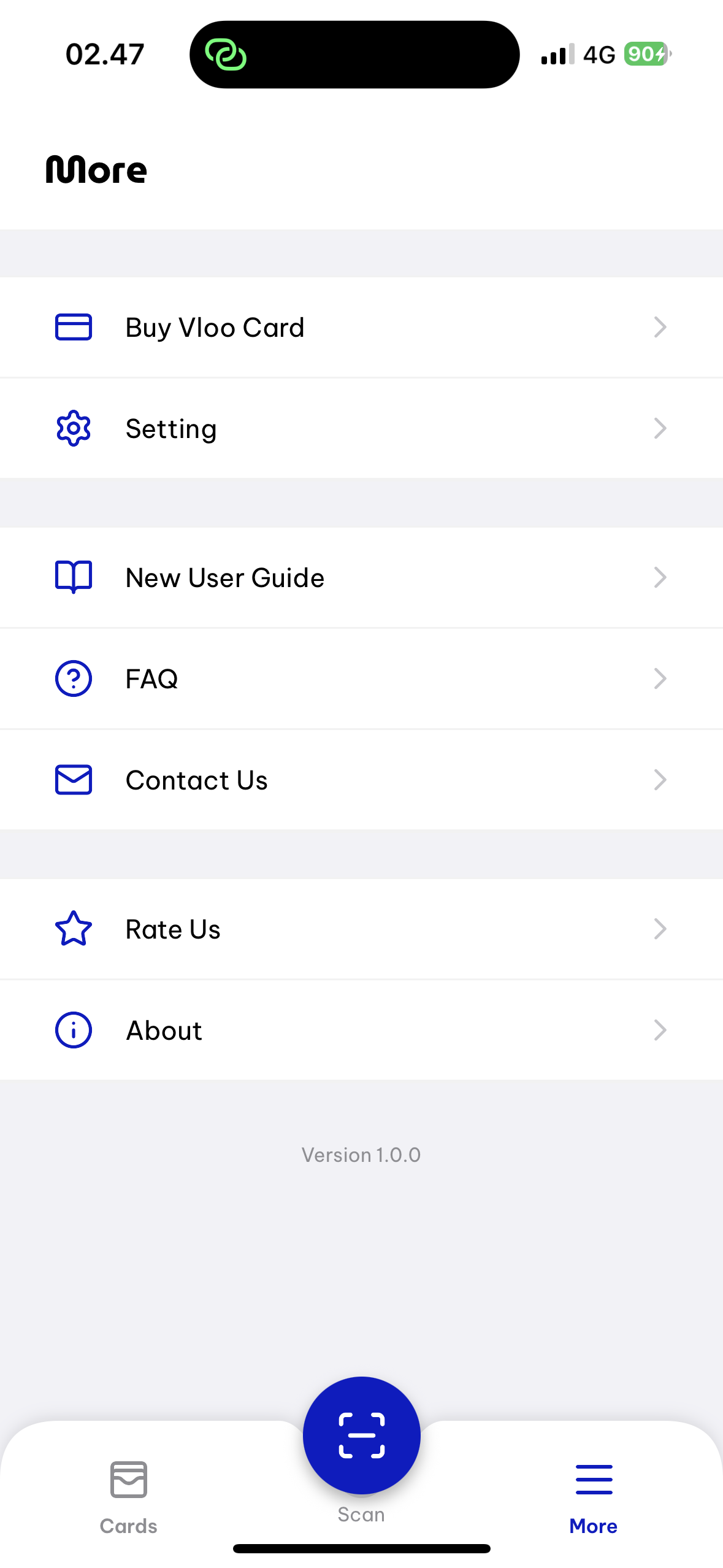
More page
-
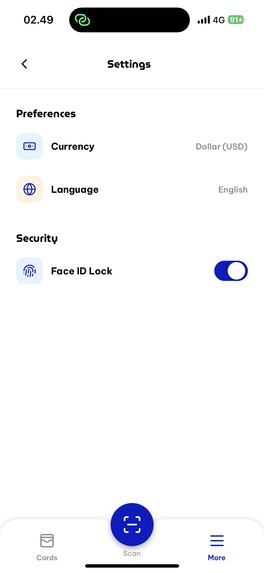
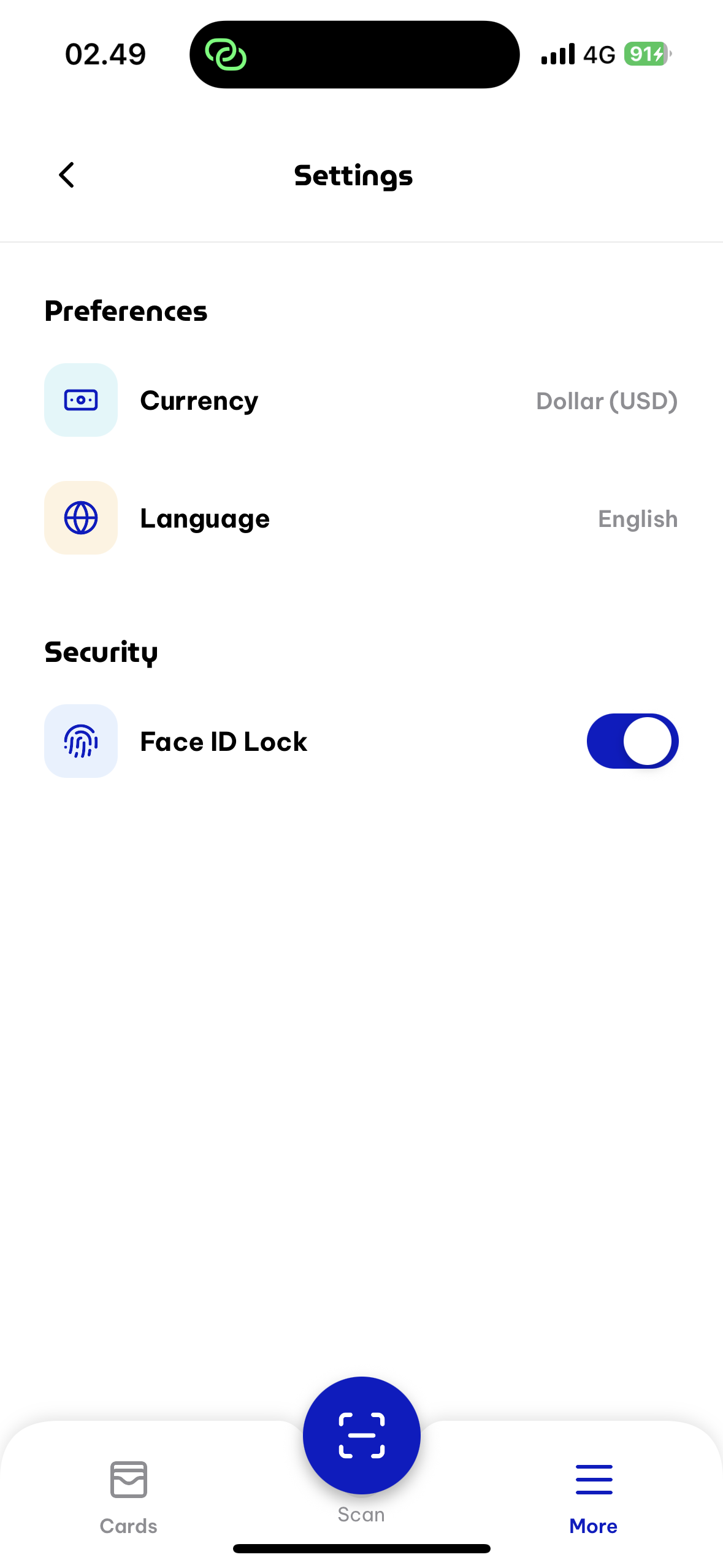
Setting page
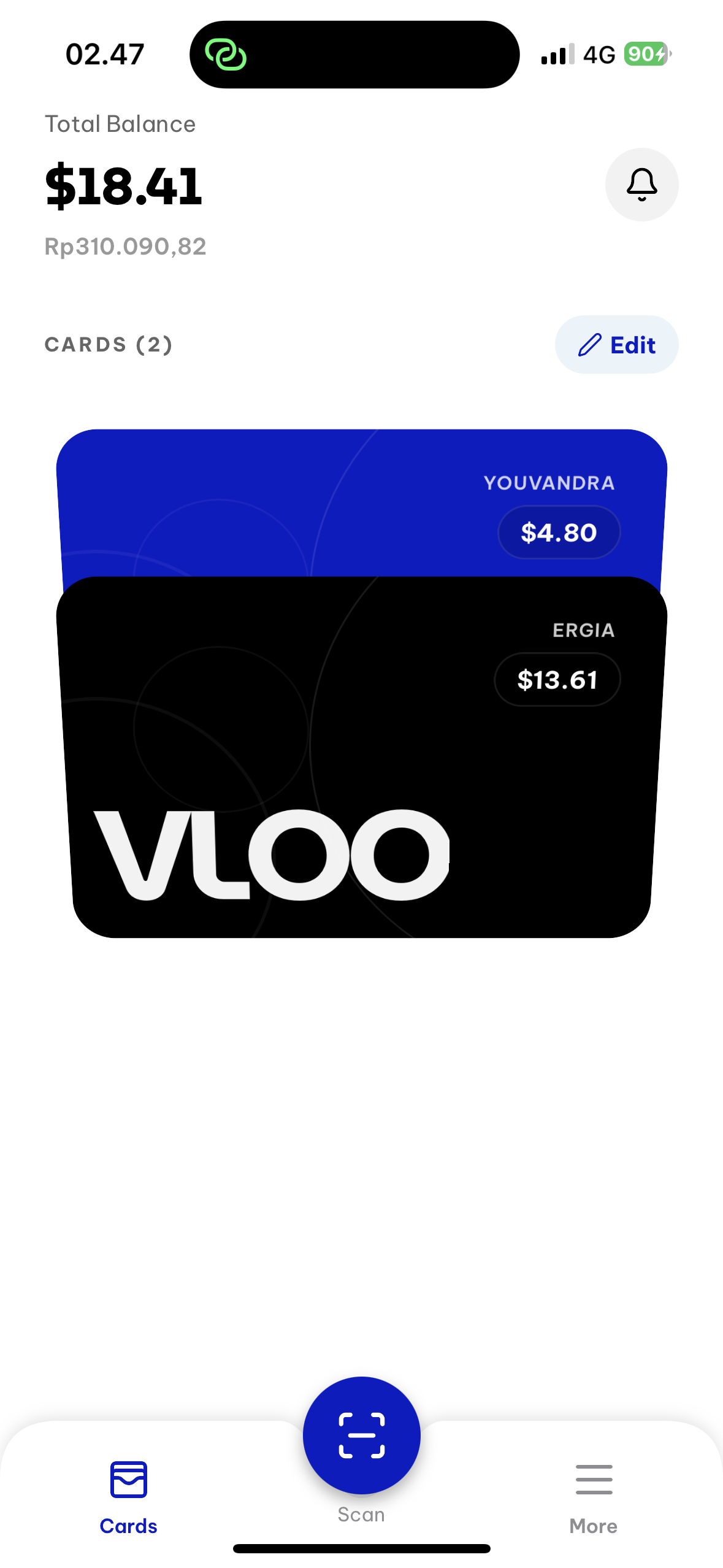
Project Overview
VLOO is a multi-chain, non-custodial wallet designed to make crypto usable for everyday payments by non-crypto users.
While most crypto wallets focus on asset storage, trading, or DeFi, VLOO focuses on real-world usage:
- daily payments
- salary distribution
- scheduled transfers
- trustless value transfer without custodians
VLOO combines:
- a mobile wallet application (React Native / Expo)
- deterministic wallet generation
- MNEE as the primary payment asset
- and a future-ready card-based access model
The result is a crypto wallet that feels closer to a digital payment app than a traditional blockchain wallet.

Purpose
The biggest barrier to crypto adoption is not blockchain scalability or cryptography — it is usability.
In emerging markets, most users interact with crypto only through:
- centralized exchanges
- speculative trading
- passive holding
Crypto rarely functions as an everyday payment tool, even though it was designed for trustless peer-to-peer transactions.
This happens because of two structural problems:
1. Most crypto assets are unsuitable for daily payments
Popular assets like Bitcoin and Ethereum are:
- volatile
- dependent on gas fees
- slow or unpredictable in settlement
- impractical for small, frequent transactions
2. Wallet UX is hostile to non-crypto users
Non-technical users are blocked by:
- 12/24-word seed phrases
- private key management
- manual backups
- irreversible loss due to simple mistakes
For most people, this complexity is a deal-breaker.
VLOO solves both problems together
VLOO is built around MNEE as a daily payment asset, combined with a wallet experience that minimizes crypto-specific friction.
The core goals of VLOO are:
- make crypto payments simple and familiar
- eliminate seed phrase anxiety
- enable trustless payments without custodians
- support real-world payment flows like salaries, gifting, and scheduled transfers
VLOO allows users to use crypto without needing to understand crypto.
Architecture & Design Philosophy
VLOO is designed with a layered approach:
Application Layer (Current MVP)
- Mobile wallet built with React Native & Expo
- Deterministic wallet generation per chain
- Secure key handling and local storage
- Multi-chain support for interoperability
Payment Layer (Core Focus)
- MNEE as the primary asset for:
- payments
- gifting
- scheduled transfers
- batch transactions
Access Layer (Future Extension)
- Card-based wallet access using secure elements (JavaCard)
- Physical card + passphrase as wallet authentication
- Transaction signing performed inside the card
This separation allows VLOO to work today as a mobile app, while remaining compatible with future hardware-based access.
Features
1. Multi-Chain Wallet Support
VLOO supports multiple blockchain networks to ensure interoperability and flexibility:
- MNEE (EVM/BSV 1sat Support)
- Bitcoin
- Ethereum / EVM chains (Polygon, BSC, etc.)
- Solana
- Hedera
Multi-chain support allows users to:
- receive assets from different ecosystems
- consolidate balances
- gradually onboard into MNEE-based payments
2. MNEE-First Payment Experience
Although VLOO is multi-chain, MNEE is the primary payment asset.
Implemented MNEE features include:
- balance checking
- direct transfers
- multi-recipient transfers (batch payments)
- transaction history
- price fetching via CoinGecko API
MNEE is used for:
- daily spending
- salary distribution
- peer-to-peer transfers
- gifting
3. VLOO Gifting (Digital Gift Wallets)
VLOO introduces “Vloos”, digital gift wallets that allow users to:
- preload MNEE
- send value as a gift
- onboard new users without prior crypto knowledge
This feature acts as a bridge onboarding mechanism, allowing recipients to receive crypto before fully understanding wallets or blockchains.
4. Scheduled Transfers
VLOO supports scheduled MNEE transfers, enabling:
- monthly salaries
- allowances
- subscriptions
- recurring payments
Transfers can be defined with:
- execution date and time
- single or multiple recipients
- predefined amounts
(Scheduler persistence and automation handled via backend integration.)
5. Deterministic & Secure Wallet Generation
VLOO uses deterministic key generation to:
- derive wallets consistently
- reduce reliance on manual seed phrase handling
- enable future compatibility with hardware-based signing
Keys are handled securely within the app and designed to be migrated to secure elements in later phases.
6. Clean, Human-Friendly UI
The interface is designed to:
- avoid crypto jargon
- resemble familiar payment apps
- reduce cognitive load
Built with:
- custom theming
- Lucide icons
- responsive layouts
Use of MNEE

MNEE is the core payment rail of the VLOO ecosystem.
VLOO is designed around the assumption that a daily payment asset must be:
- stable
- fast
- predictable in cost
- suitable for frequent transactions
MNEE fulfills these requirements.
Why MNEE Is Essential to VLOO
- Gasless transactions → no unpredictable fees
- Instant settlement → real-time payments
- Low volatility → safe for daily spending
- Payment-oriented design → not speculative by nature
Without MNEE, VLOO would inherit the same usability issues as traditional crypto wallets.
Implemented MNEE Capabilities
- Check MNEE balance
- Transfer MNEE
- Multi-transfer (batch payments)
- Retrieve transaction history
- Fetch MNEE price data
Planned MNEE Extensions
- Scheduled salary and subscription automation
- Multi-source card funding (shared wallets, family use cases)
- Card-based signing for offline-first payment flows
Vision
VLOO is not trying to replace all crypto wallets.
VLOO is built for one clear purpose:
to make crypto usable for everyday life.
By combining:
- a user-friendly mobile app
- MNEE as a daily payment asset
- gifting and scheduling features
- and future card-based access
VLOO moves crypto:
- out of exchanges
- beyond speculation
- into real-world payments
Trustless.
Non-custodial.
Human-friendly.
Built With
- ethers
- expo.io
- mnee
- postgresql
- react-native
- supabase
- typescript
- web3.js


Log in or sign up for Devpost to join the conversation.