-
-
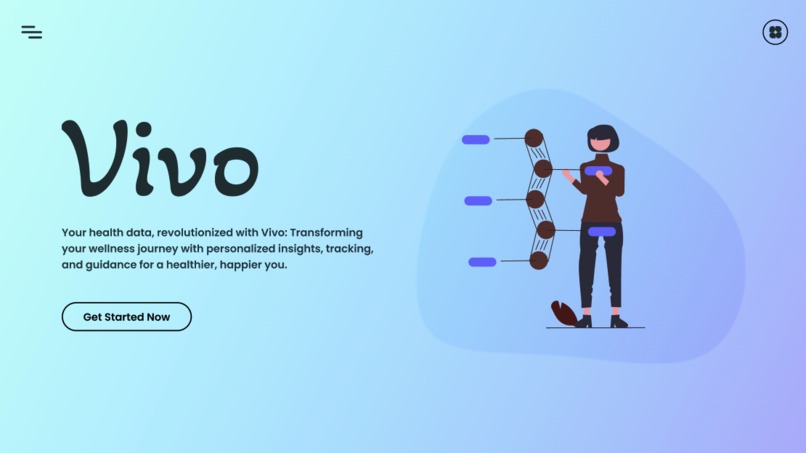
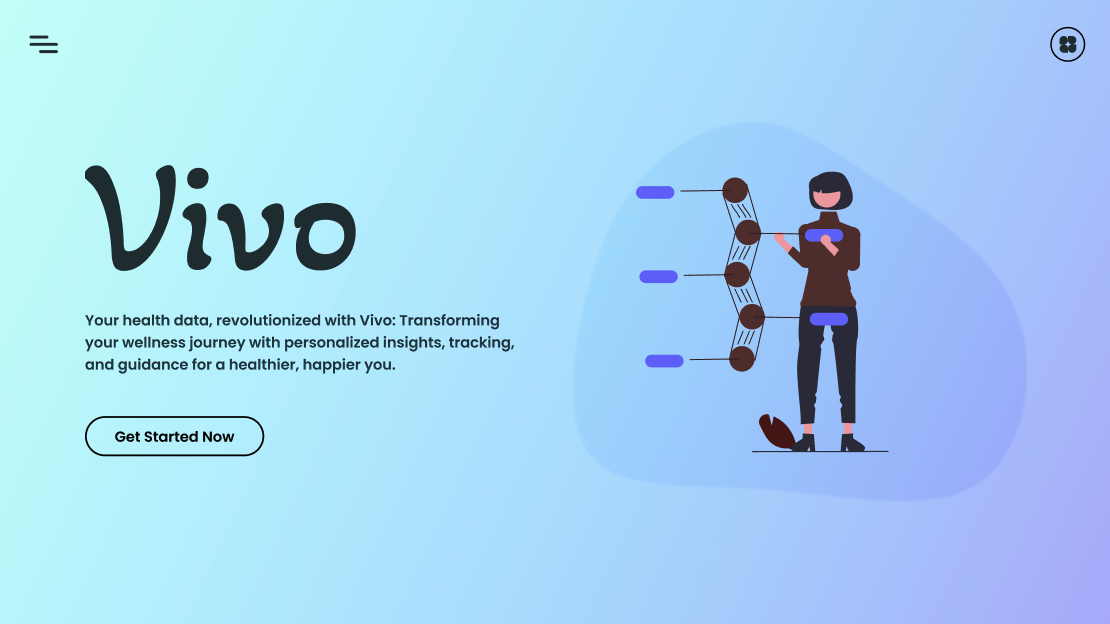
Vivo Screenshot
-
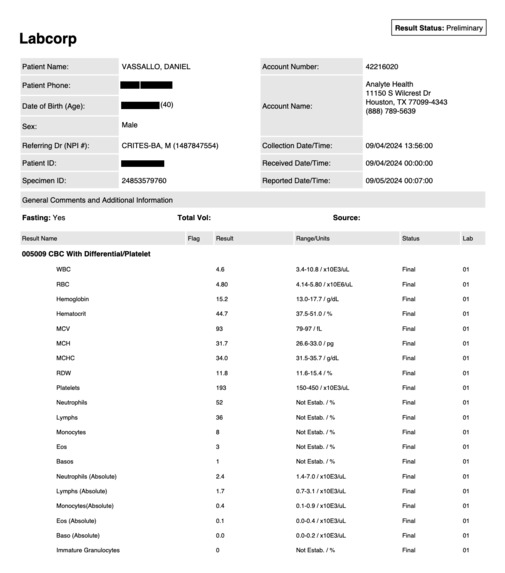
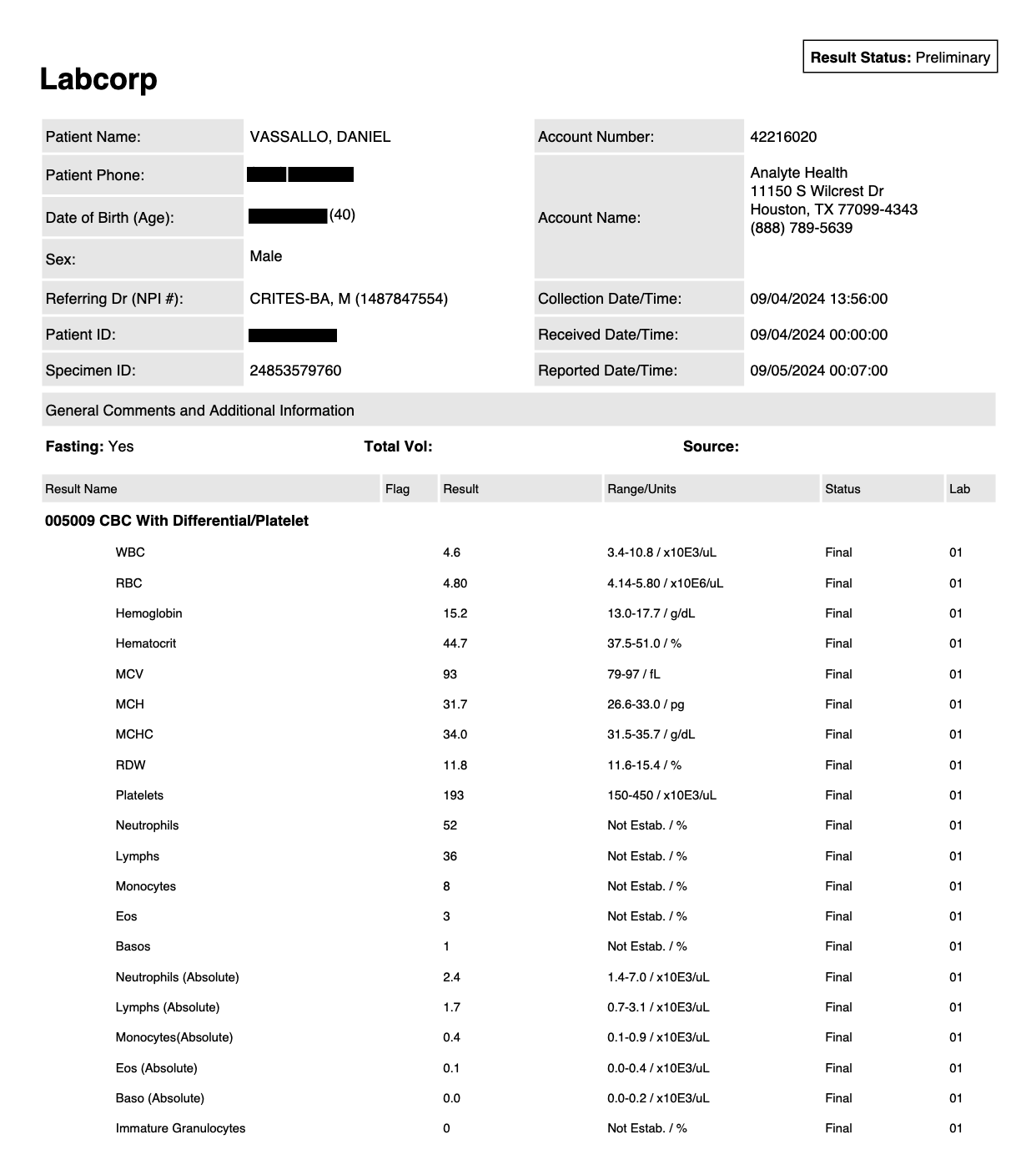
Sample Lab Results
-
-
-
-
Inspiration
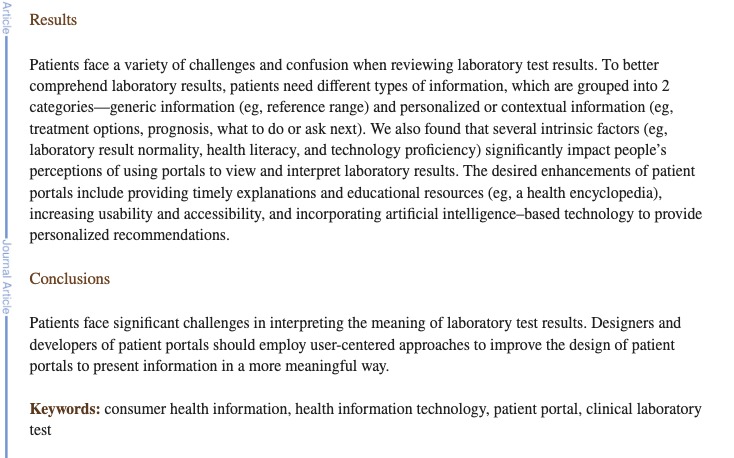
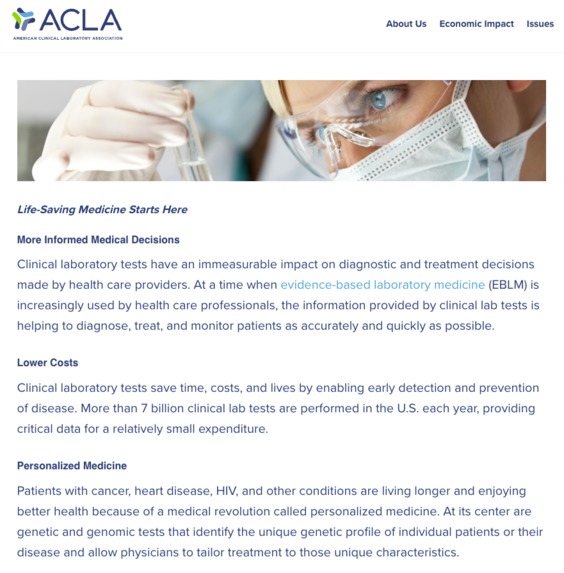
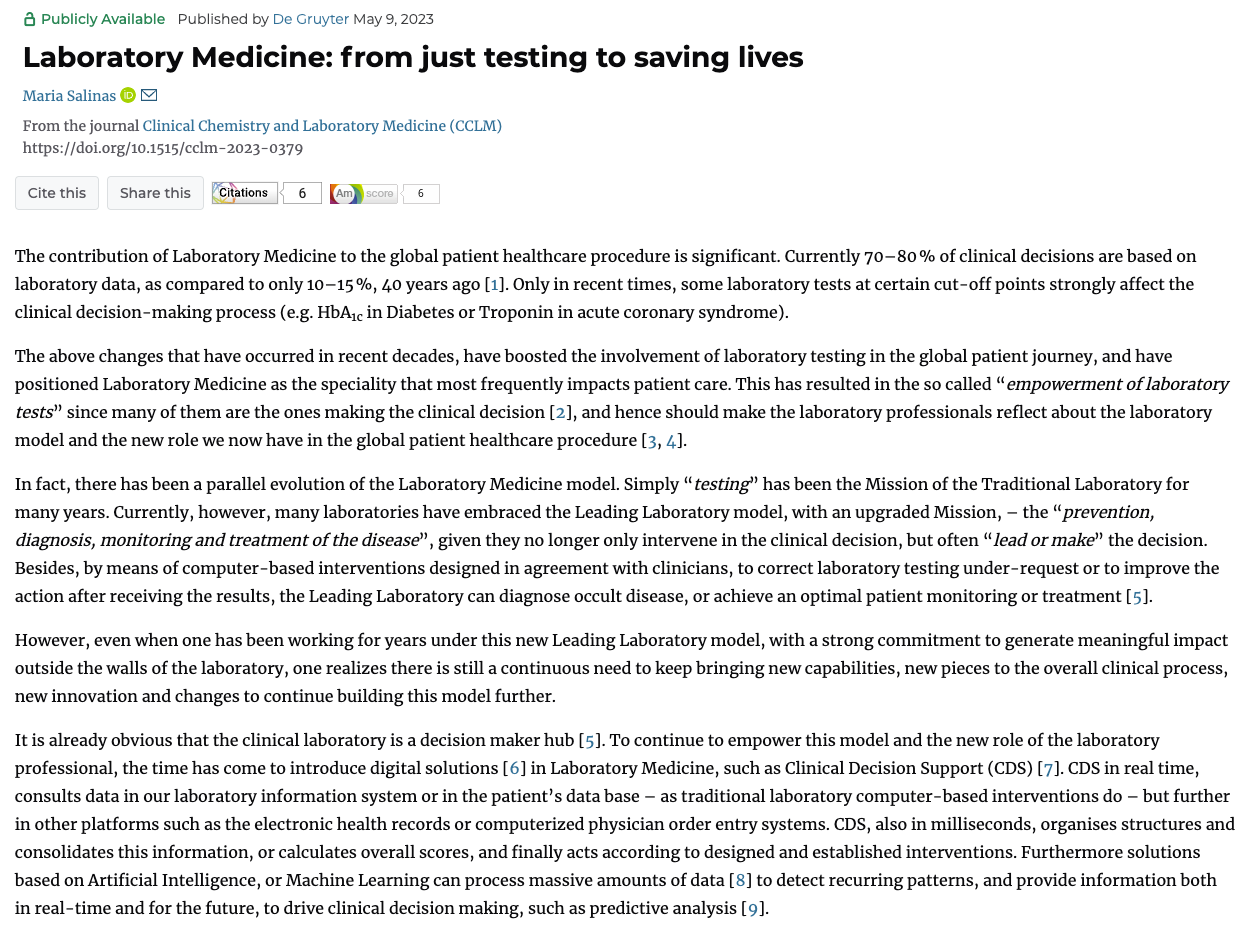
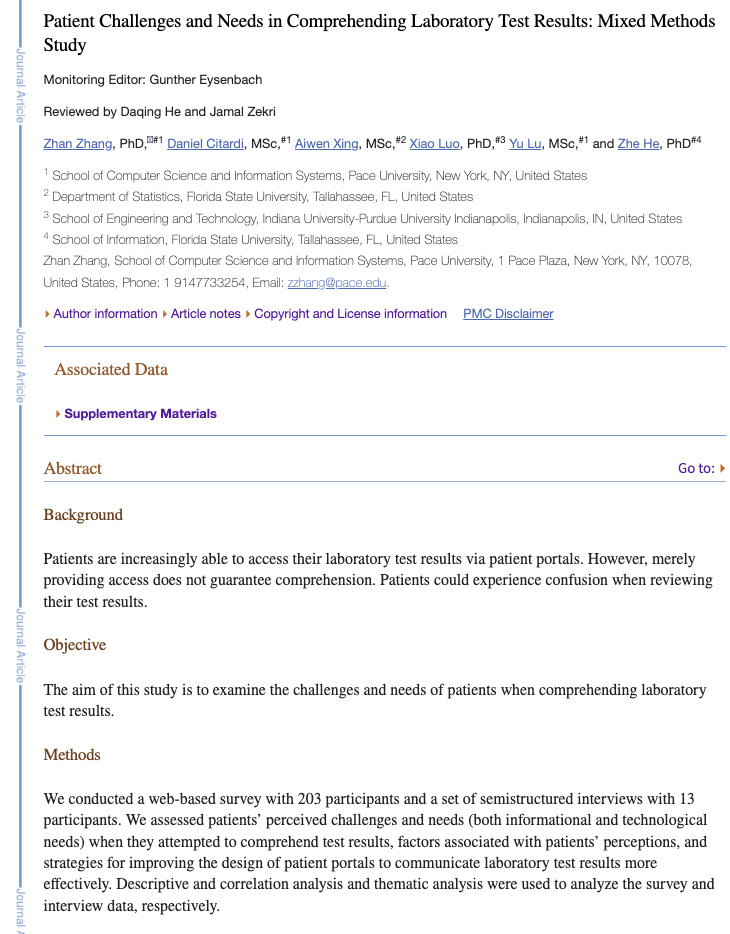
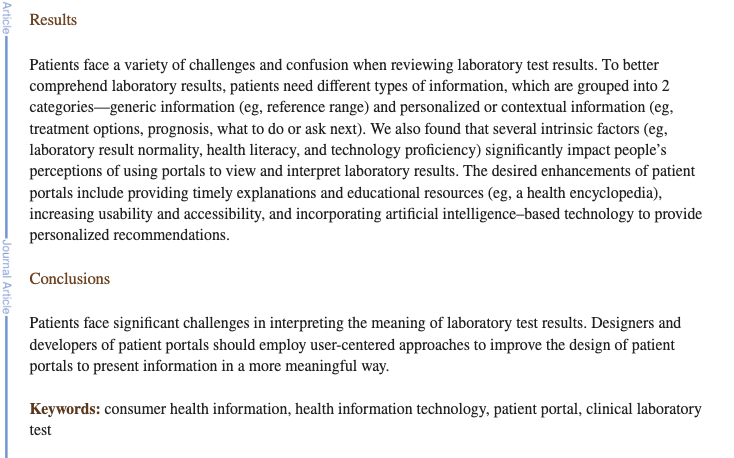
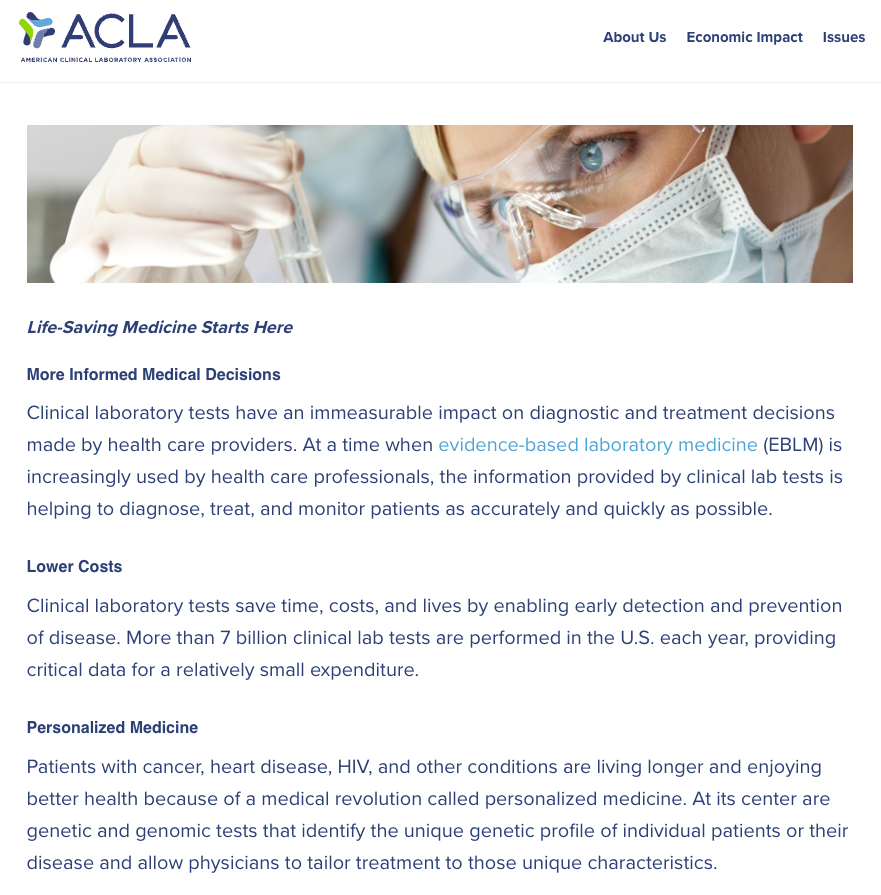
Vivo was birthed by our experience reading and analyzing lab tests. When Oluwasanmi (Olu) was diagnosed with high cholesterol per his lab results, his doctor suggested going on medication to where Olu sought out 'natural' alternatives. When Olu asked follow-up questions, he discovered that his high cholesterol is genetic.
Olu realized that Quest Diagnostics and Labcorp (lab test portals and providers) only report lab tests results without going in-depth. The Vivo team rallied around Olu's story to develop a platform to make health literacy more accessible for the everyday person.
What it does
- Lab Report Analysis - Processes, provides summary and context with each result provided by the lab test.
- AI Chatbot - Answers queries about any medical topic from your lab results or in general.
- Notes - Allows patients to document notes from lab report analysis, AI chatbot or other things they'd like to document.
How we built it
- React / Next.JS
- Flask
- MongoDB
- OpenAI Assistants API
Challenges we ran into
We ran into several challenges while working on Vivo:
- Finalizing Scope: Originally, we wanted to integrate fitness wearable data to make the results more personalized, but we realized this was a 'nice to have' and didn't have time to integrate.
- Dashboard Design Integration: We originally thought showcasing a graphical representation of the results easier to understand, but it created more confusion.
- User Feedback: We were able to conduct several user surveys and UI testing session where we were able to receive a lot of feedback. Prioritizing what feedback to integrate was difficult. In addition, we were not able to consult any medical professionals for their feedback, which would have been ideal.
- Open AI Assistants Integration: The team has never used the OpenAI API and there was a lot to learn, specifically when it came to creating and fine-tuning multiple assistants, creating a thread and executing runs.
- URL Deployment: We were able to successfully run the application locally in a virtual environment. When we initially deployed the webapp to its current URL, various backend features no longer worked. This effort required immense troubleshooting.
Accomplishments that we're proud of
- Impact: We understood that our product will improve the lives of millions of people.
- Concept Viability: When we explained this product to several people, they immediately understood the concept and the need to build a product like Vivo.
- Collaboration: Our team of four come from backgrounds in UX design, computer science, design, consulting, etc and were able to combine our unique perspectives to bring Vivo to life.
What we learned
- Prioritization, especially when it comes to features is key.
- Working with technologies that you're familiar with is always a safe bet.
- A team environment produces diversity of thought.
- Schedule the last few days for testing as a buffer for the issues that will arise.
- Continue to dream big and think outside the box, you can still work on projects post-hackathons.
What's next for Vivo
- Looking to increase the sophistication of the OpenAI Assistants API into our application, specifically for the dashboard feature.
- We are looking to personalize AI feedback with data from wearable devices such as Fitbits and Apple Watches.
- We're looking to consult medical professionals for feedback on Vivo to features to integrate in future iterations.
- Will add a feature that allows users to track specific test progress over time (ex: Glucose results over the course of a year).


Log in or sign up for Devpost to join the conversation.