-
box-one
-
upwards
-
glass-and-box
-
forwards
-
box-two
Inspiration
VividSense was born out of a desire to make everyday navigation safer and more accessible for people with visual impairments. Inspired by the challenges faced by the visually impaired community and motivated to use technology for social good, the team set out to create an affordable, innovative solution to enhance mobility and independence.
What it does
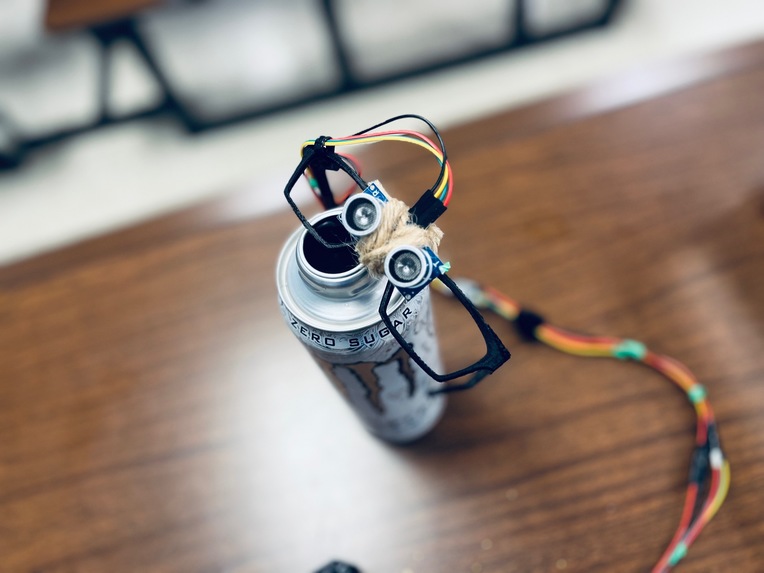
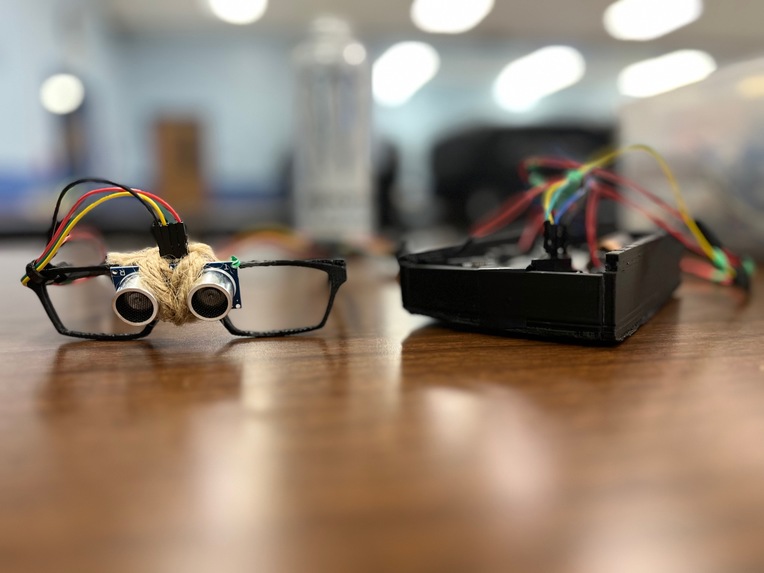
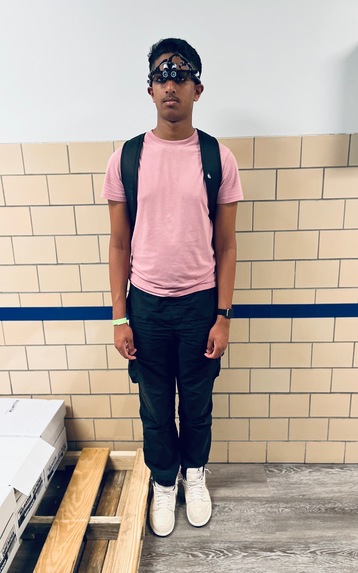
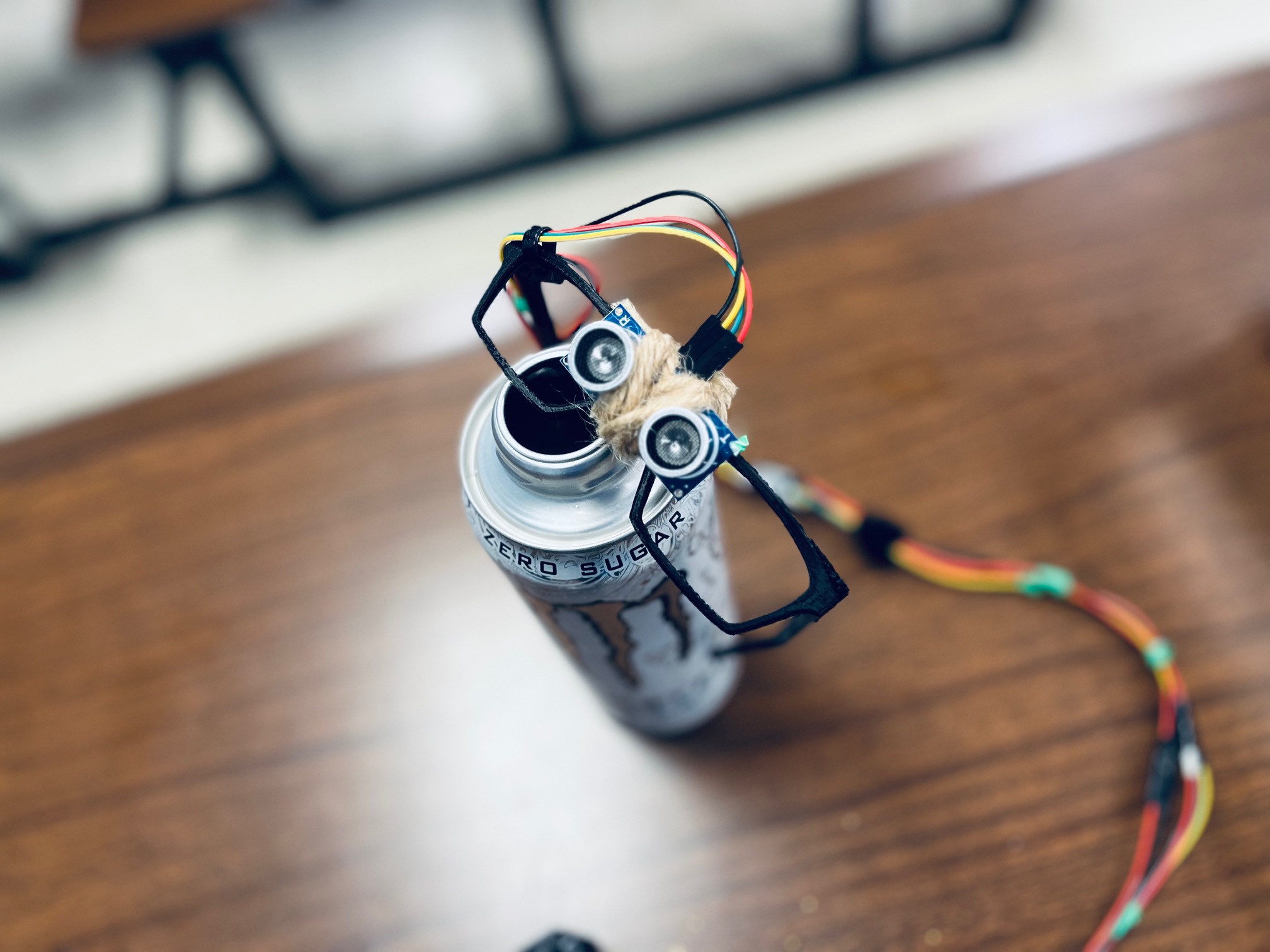
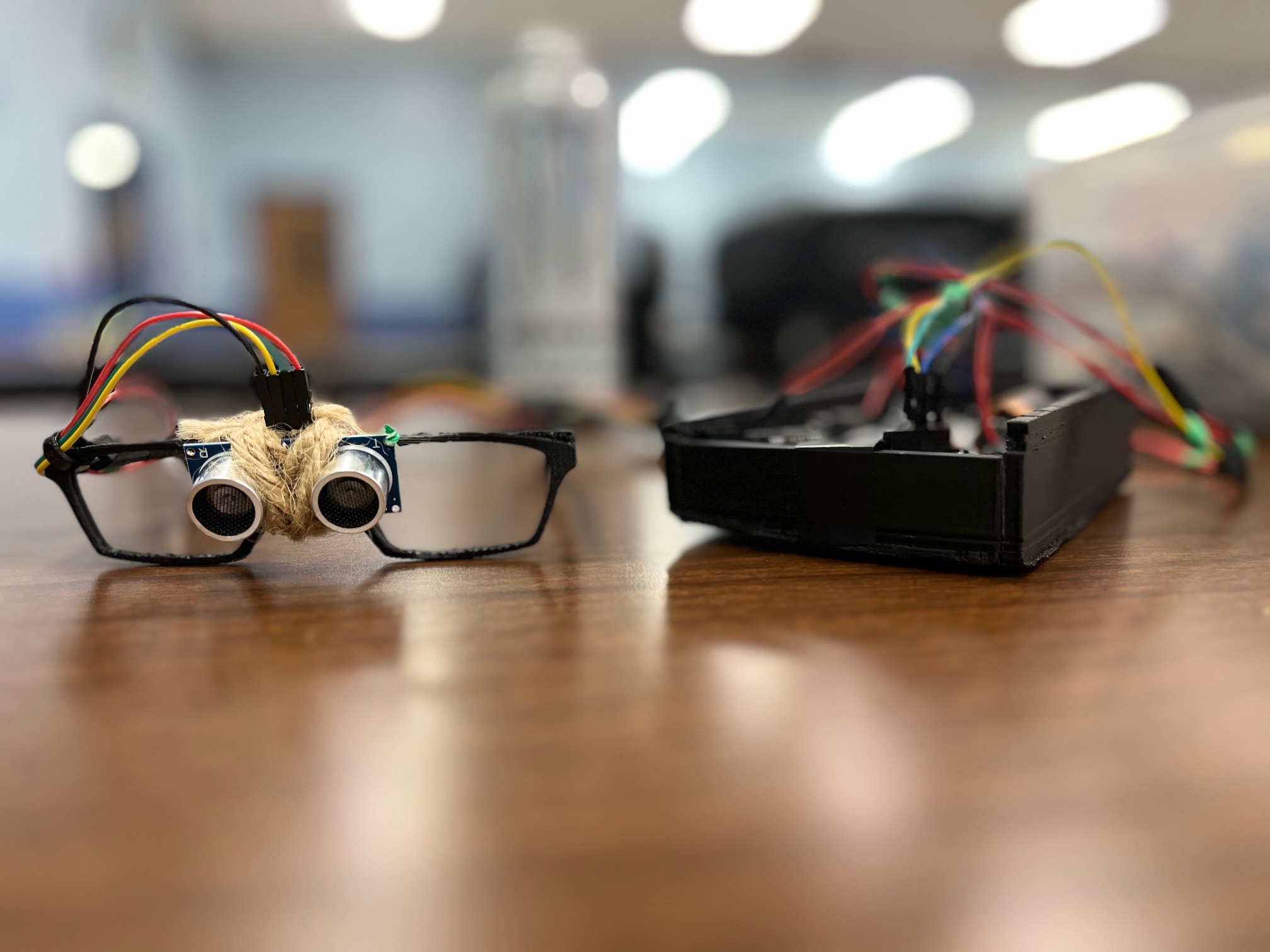
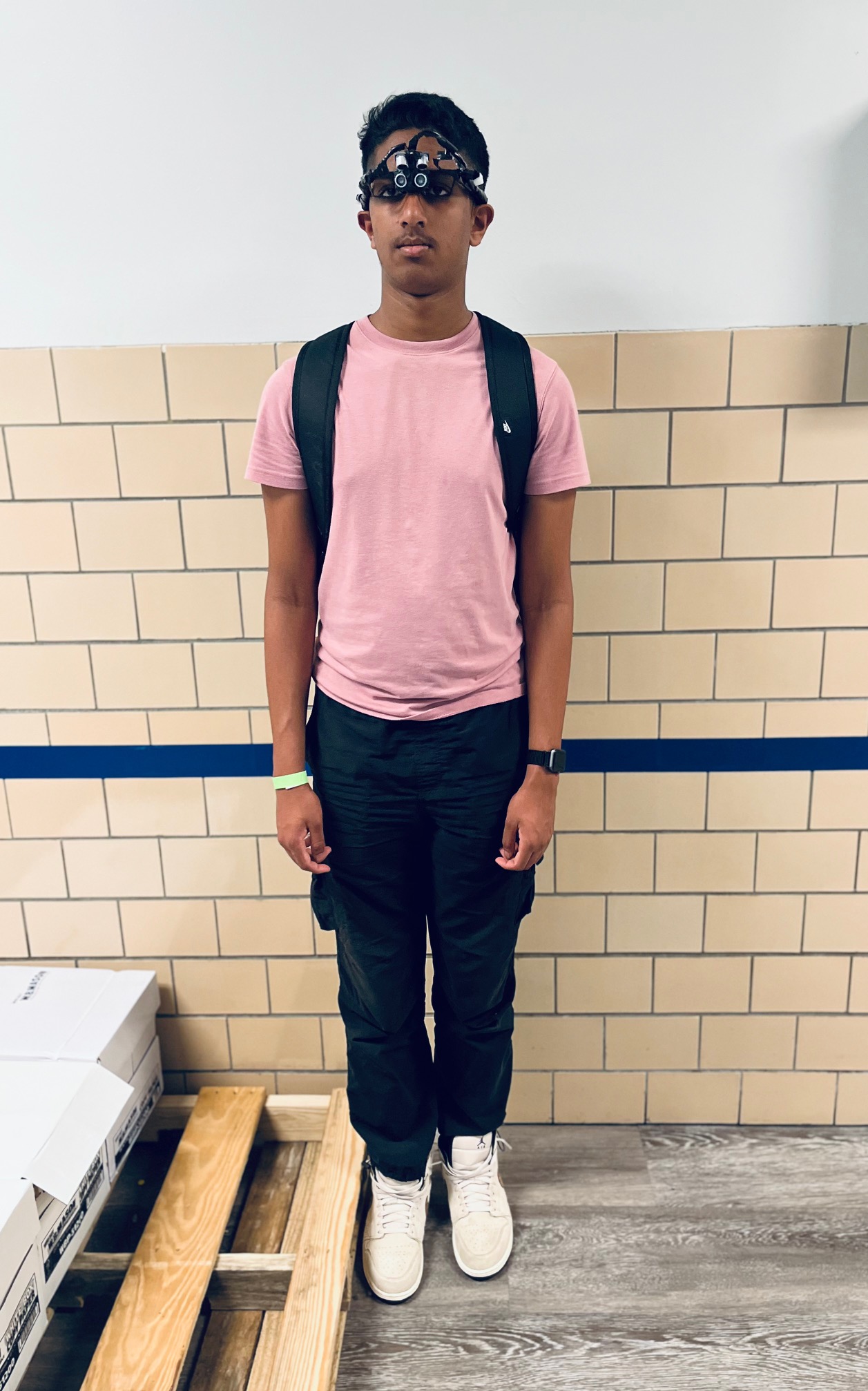
VividSense is a pair of smart glasses that helps visually impaired individuals detect and avoid obstacles. The glasses provide real-time audio feedback based on the distance of nearby objects, allowing users to navigate their surroundings more safely and confidently.
How we built it
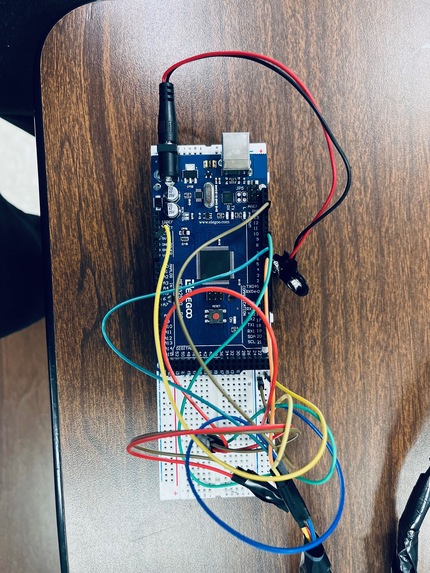
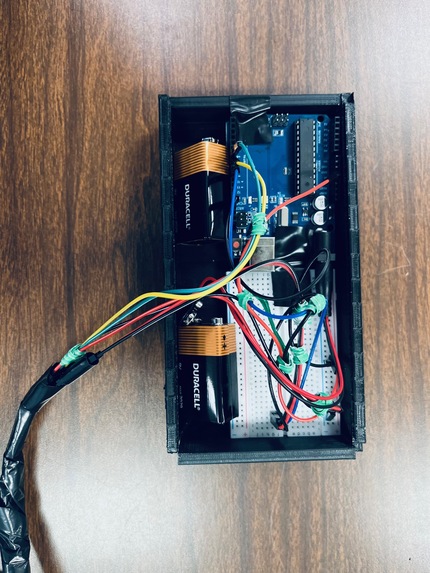
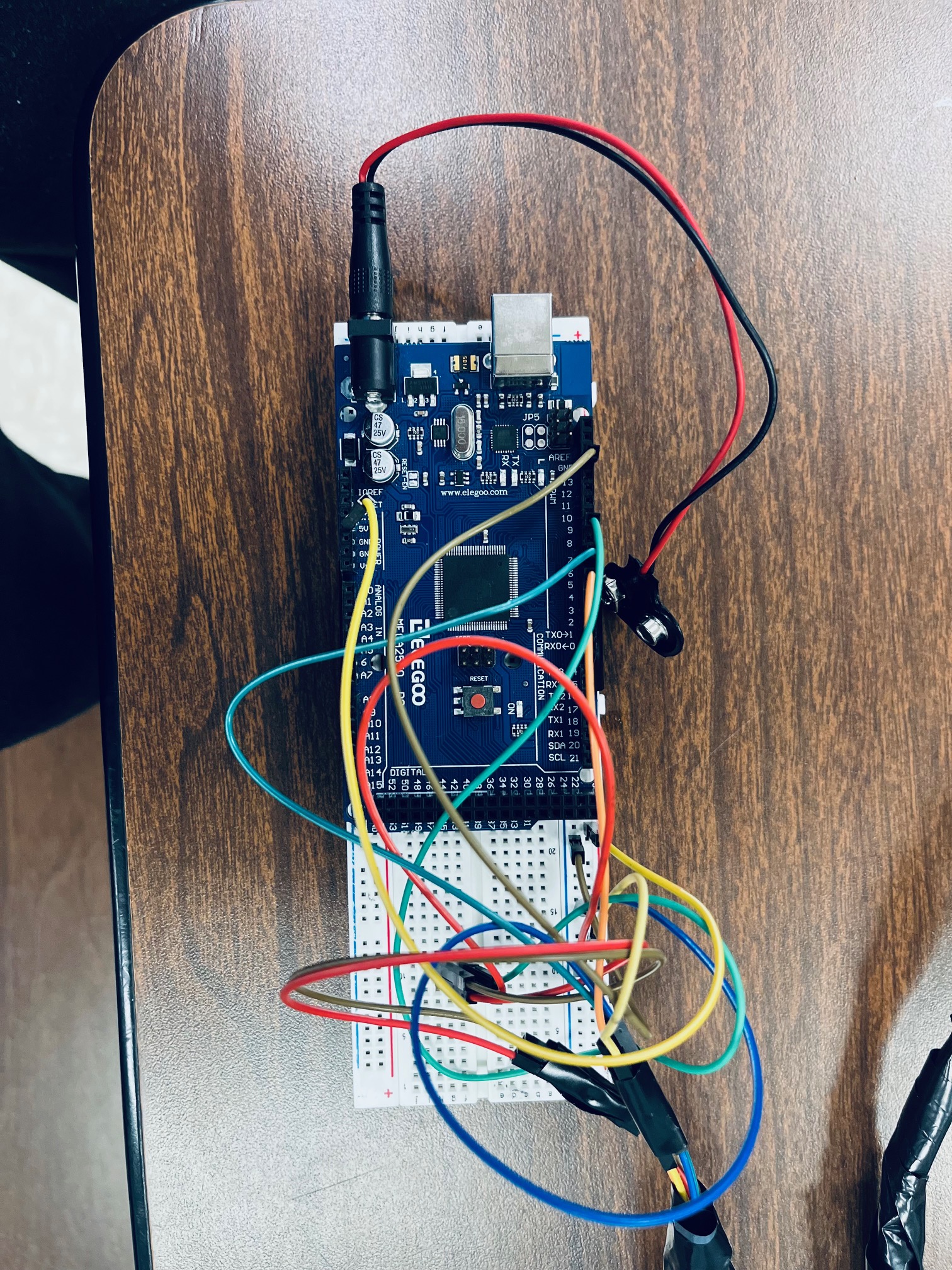
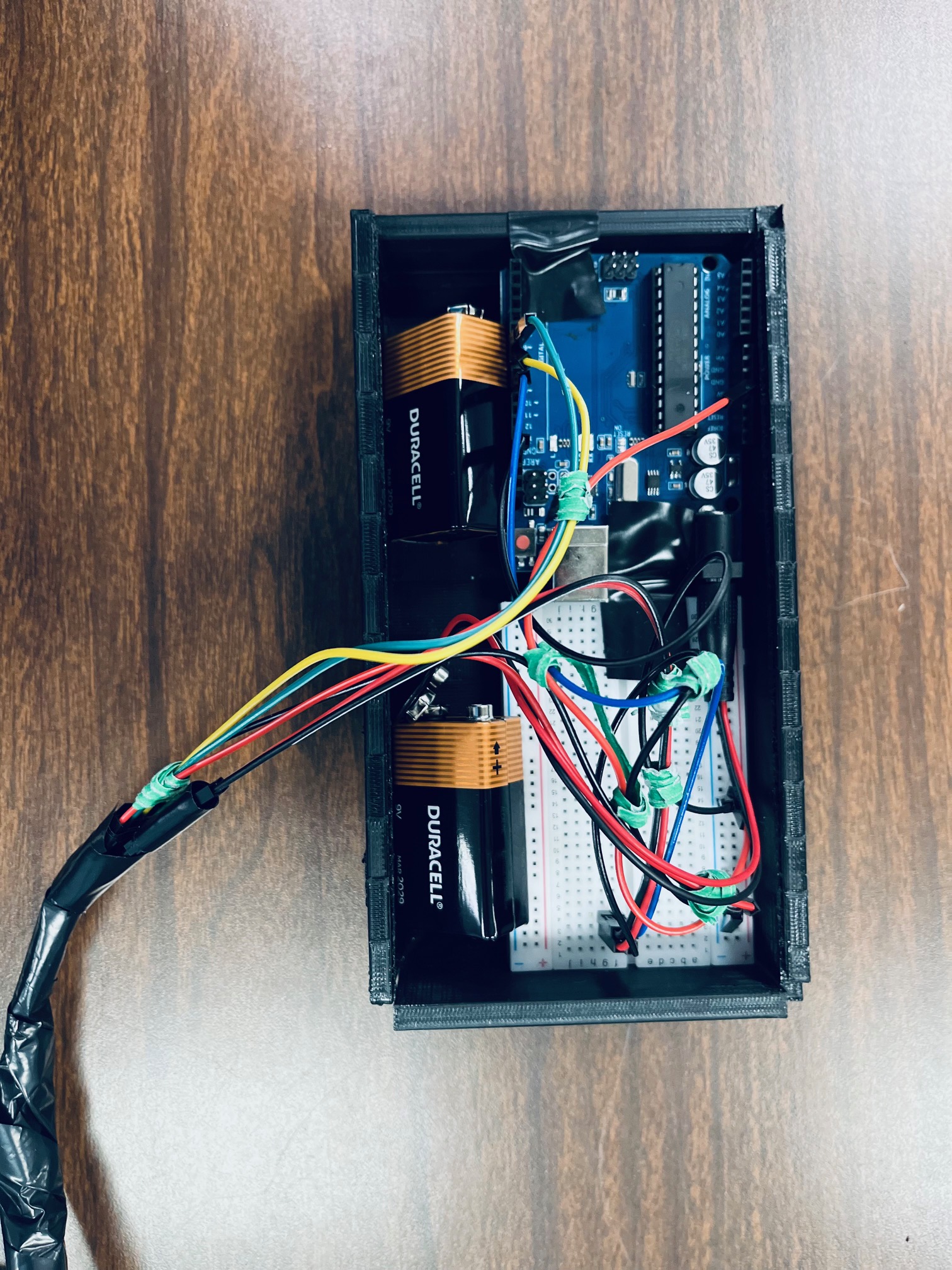
We built VividSense using an ultrasonic sensor, a microcontroller, a speaker, and a battery, all mounted on a lightweight 3D modeled frame. The sensors continuously measure the distance to obstacles in front of the user, and the microcontroller processes this data to trigger audio feedback through the speaker based on C++ written in Arduino IDE. All components are powered by a battery, and the system is housed in a compact, wearable design.
Challenges we ran into
One of the biggest challenges we faced was balancing functionality and affordability. We had to carefully select cost-effective components without compromising on performance. Additionally, integrating all the hardware into a form factor that fits comfortably on a glasses frame was a significant design and engineering hurdle. Ensuring accurate distance detection and responsive audio output also required precise calibration and testing.
Accomplishments that we're proud of
We are proud to have developed a fully functional prototype that costs only around $35 per unit, making it accessible to a wide audience. Additionally, our team's need for success has pushed us to significantly improving the lives of the visually impaired.
What we learned
Throughout the process, we learned a great deal about product development, user-centered design, and the importance of accessibility in technology. We also developed skills in hardware integration, software optimization, and team collaboration.
What's next for VividSense
We plan to enhance the product’s accuracy and comfort by upgrading the sensor calibration and refining the frame design. We’re also exploring new features like vibration feedback and voice navigation. Over the next five years, we aim to sell 1,000 units, collaborate with retailers, and expand our R&D to improve the product further. We are actively seeking investment to scale production and bring VividSense to more people worldwide.


Log in or sign up for Devpost to join the conversation.