Inspiration
The primary inspiration for Vittl AI was to solve the significant friction faced by home cooks. Specifically, I aimed to address:
Decision Fatigue: The stress of constantly deciding what to cook.
Food Waste: The problem of forgetting about ingredients before they expire.
Static Recipes: The difficulty of following traditional, non-interactive recipes with busy hands.
The core idea was to shift the user experience from passively reading a recipe to actively being guided by a personal, knowledgeable sous-chef.
What it does
Vittl AI is an AI-powered application that provides personalized, real-time guidance and logistical support throughout the cooking process. Key features include:
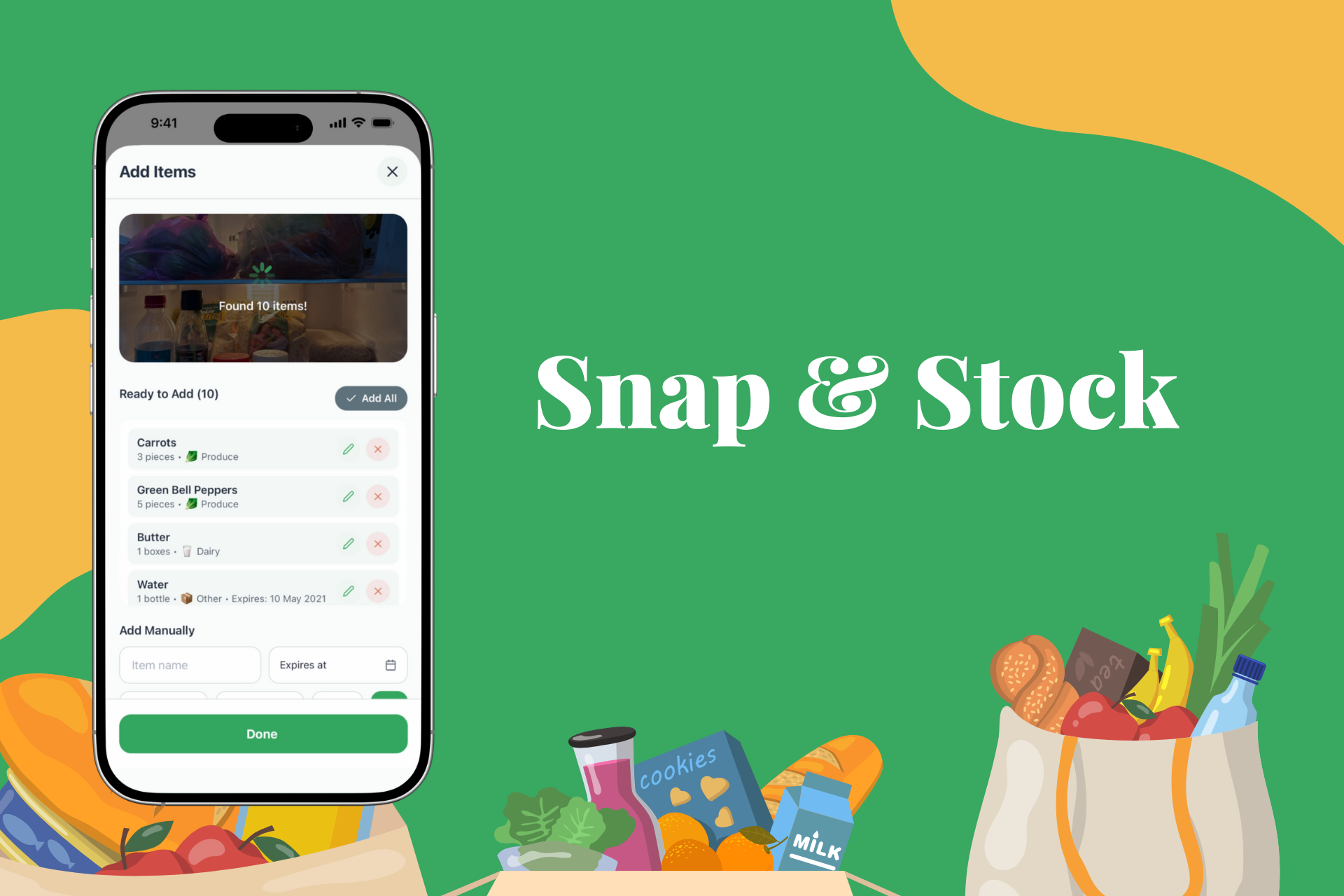
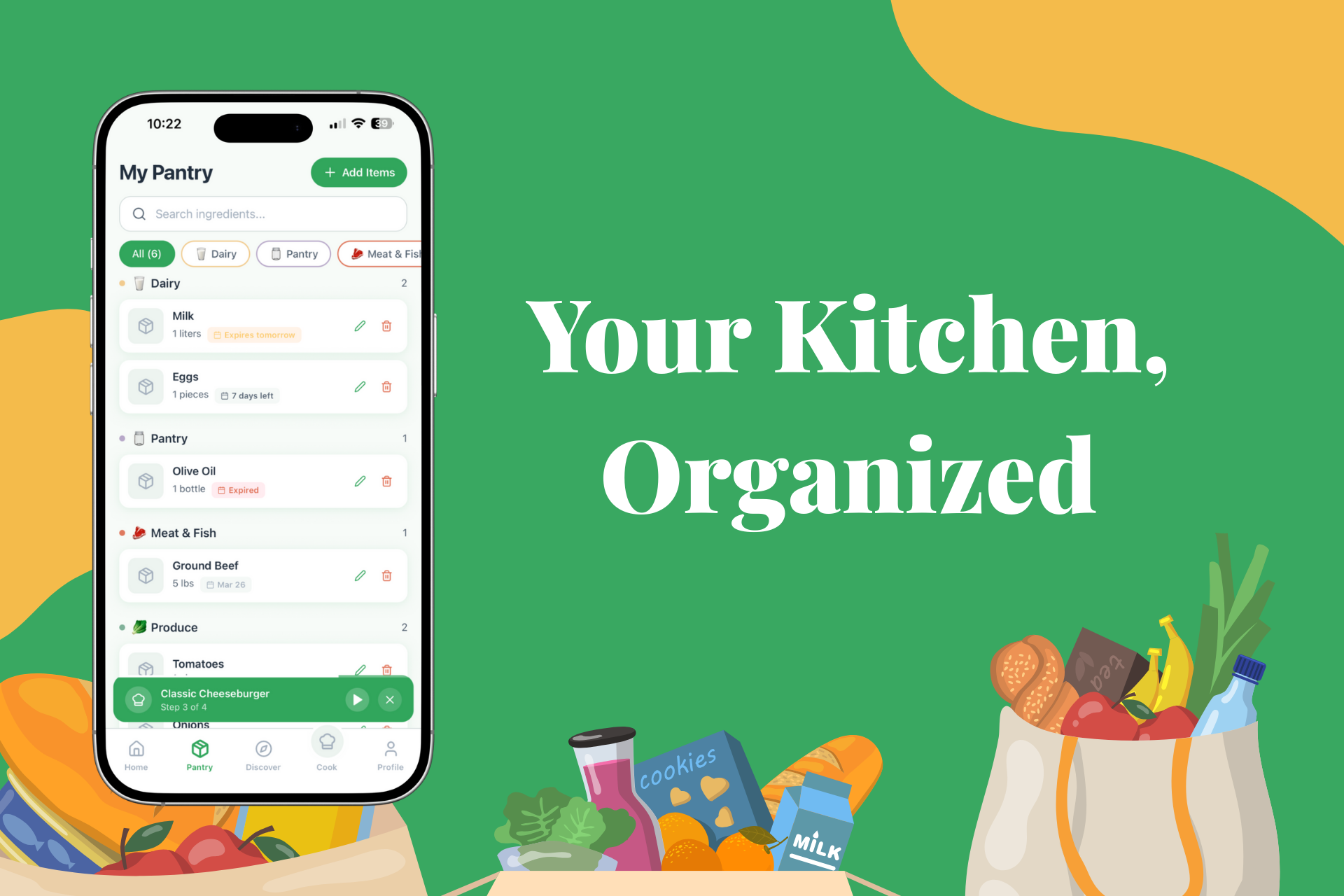
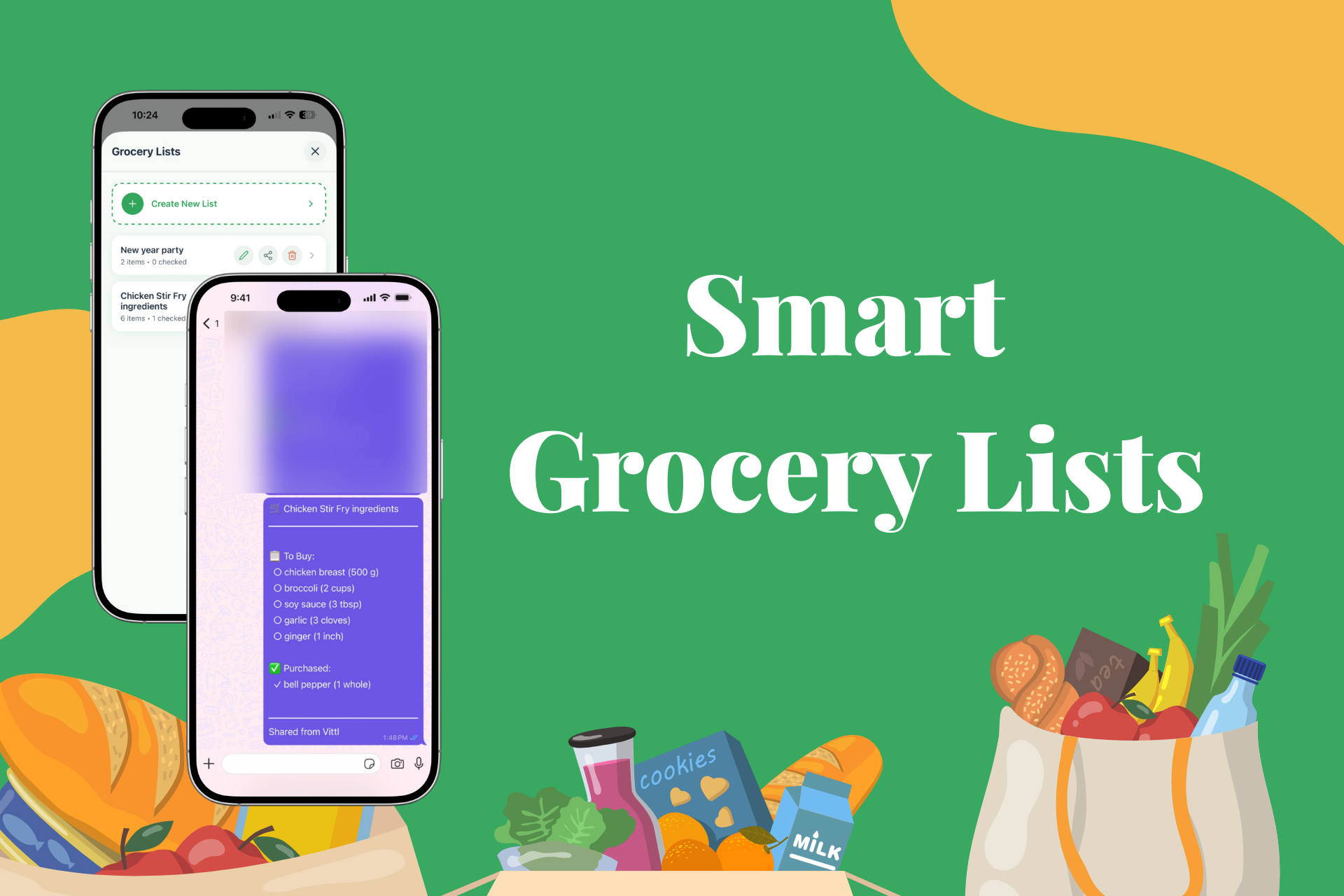
Ingredient Awareness: Users can manage a dynamic inventory of their pantry and fridge items.
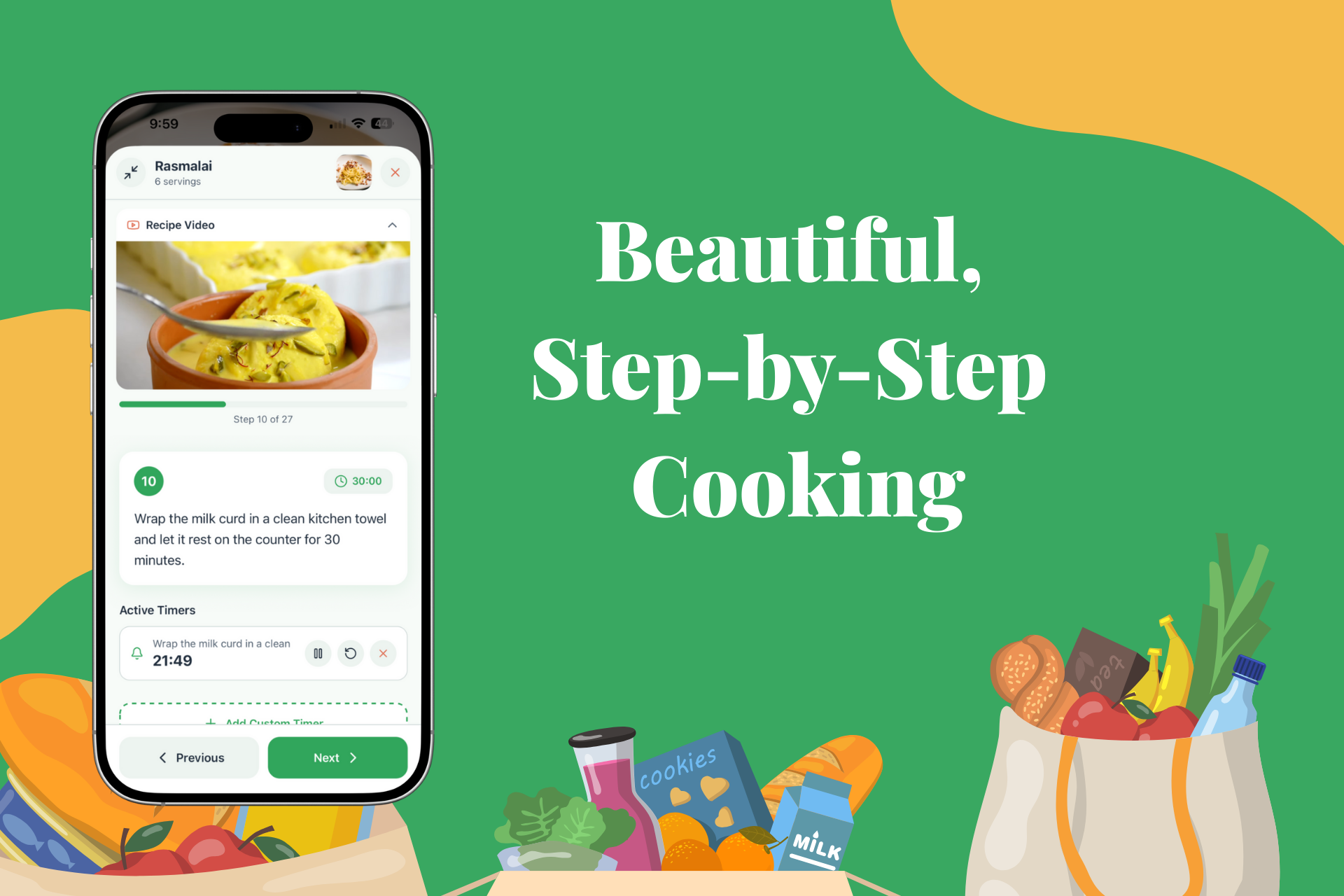
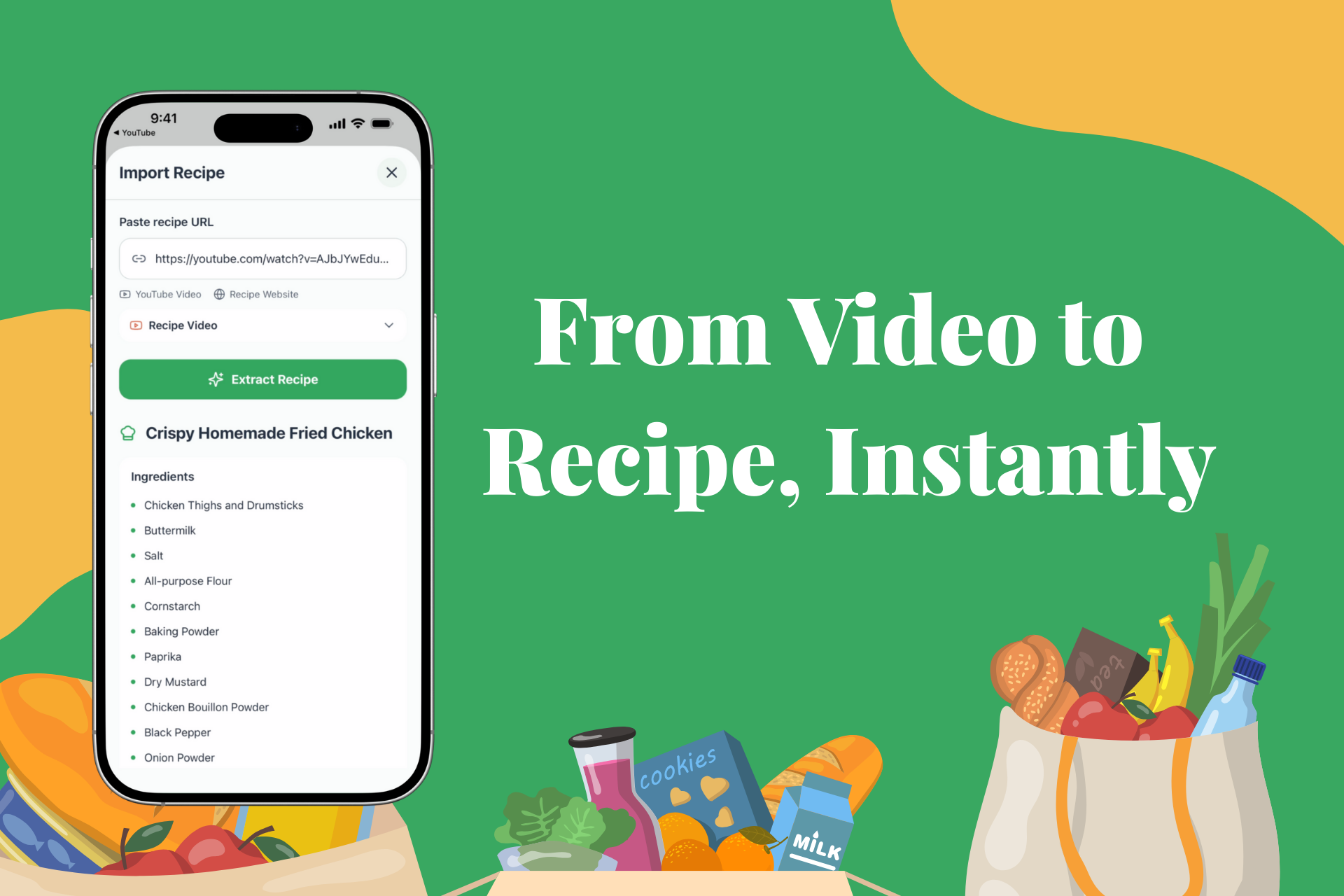
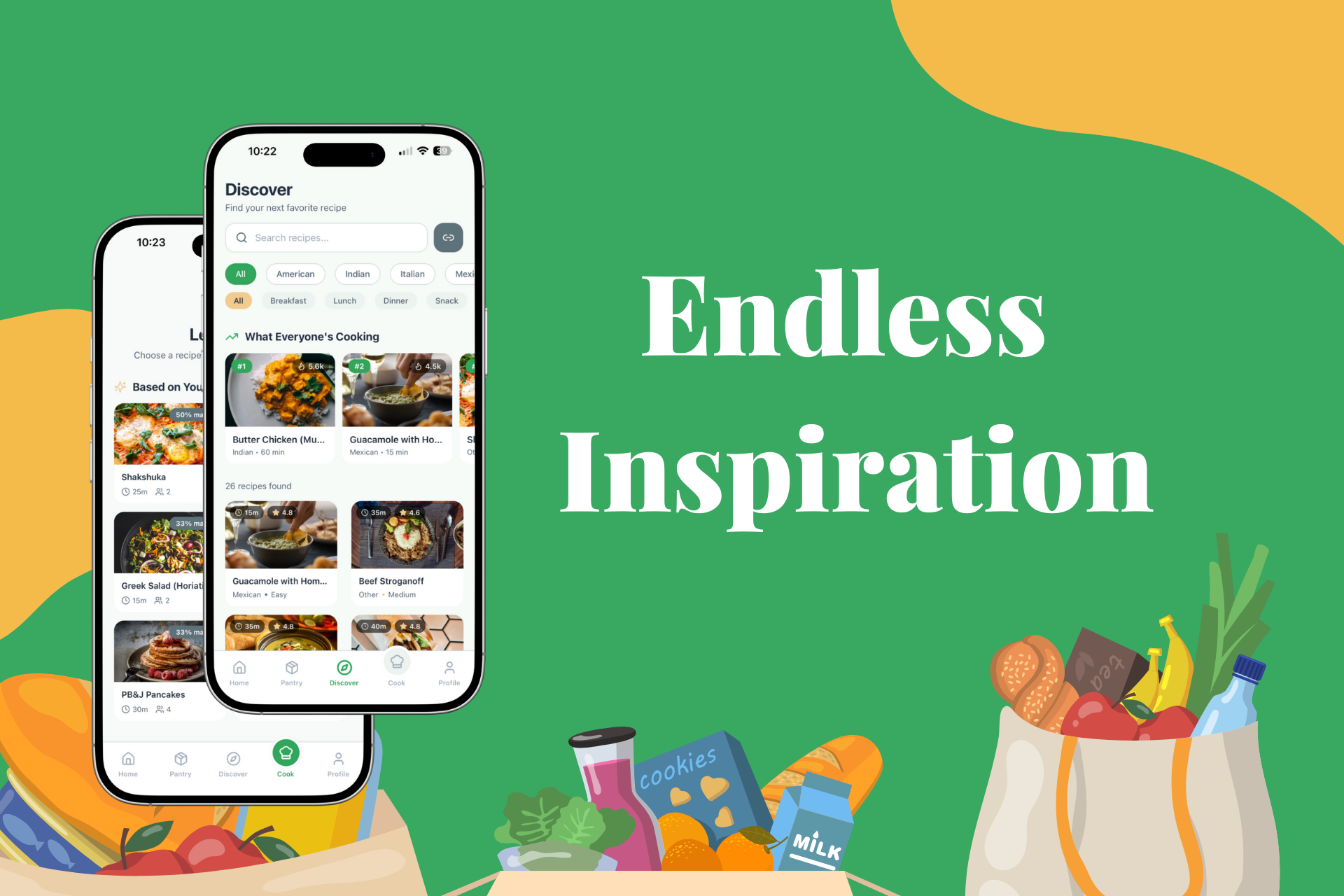
Dynamic Recipe Management: Recipes can be imported from any source (including YouTube videos and web pages) and converted into interactive, step-by-step guides.
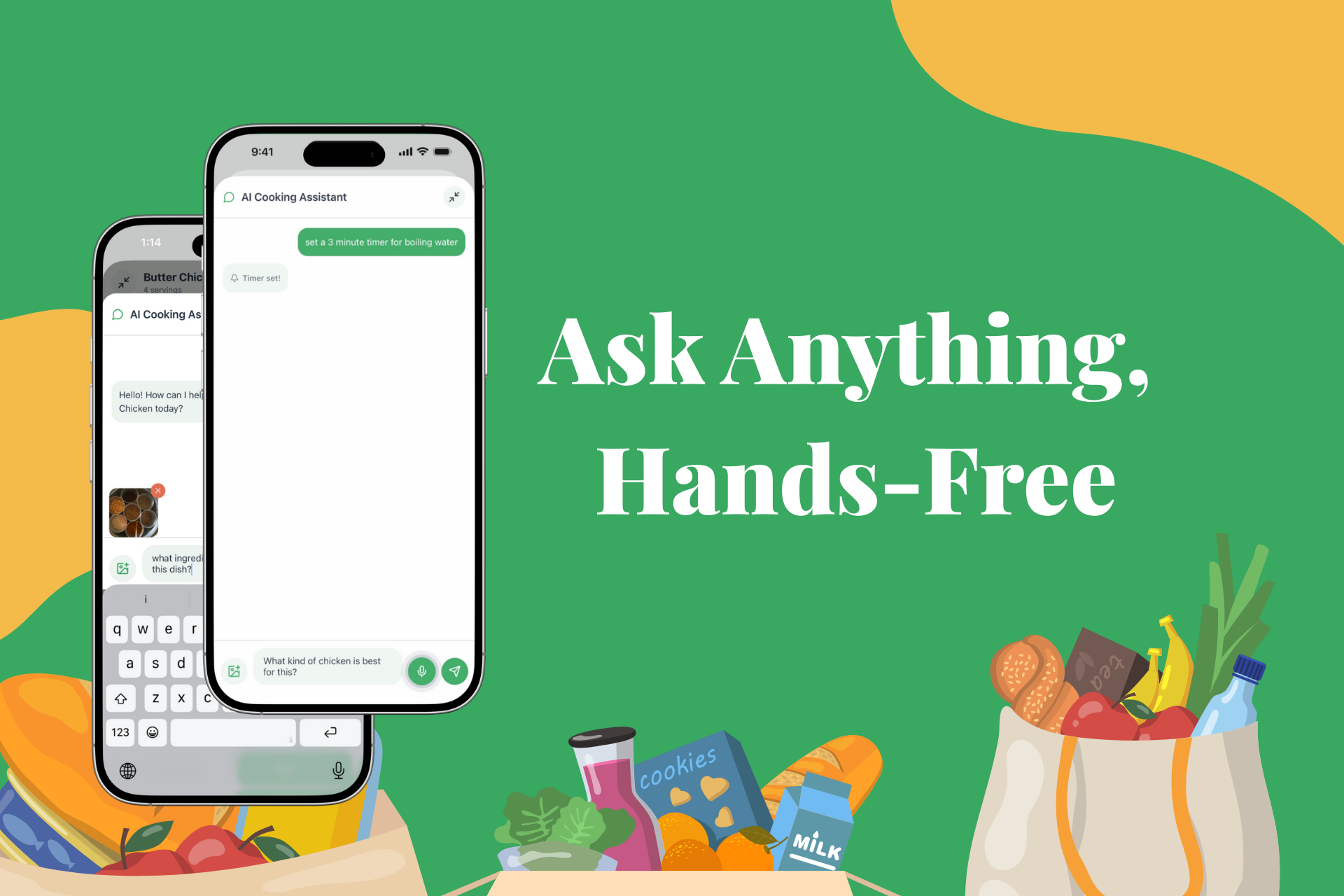
Hands-Free AI Guidance: A real-time cooking assistant offers contextual help, such as ingredient substitutions or technique corrections, based on the current step and ingredients.
"Use-It-Up" Suggestions: Recipes are prioritized based on ingredients that are nearing expiration.
How I built it
I implemented a modern, full-stack, and type-safe architecture:
| Component | Technology | Description |
|---|---|---|
| Mobile Client | Expo SDK, React Native, React | Frontend interface with file-based routing using Expo Router. |
| Backend API | Hono, tRPC, Bun | Lightweight, high-performance server hosting a type-safe API layer. |
| Database | Supabase (PostgreSQL) | Persistence layer for inventory, recipes, and user profiles. |
| AI / LLM | Gemini Models via LangChain / Google GenAI | Powers ingredient scanning, recipe extraction, and contextual AI chat. |
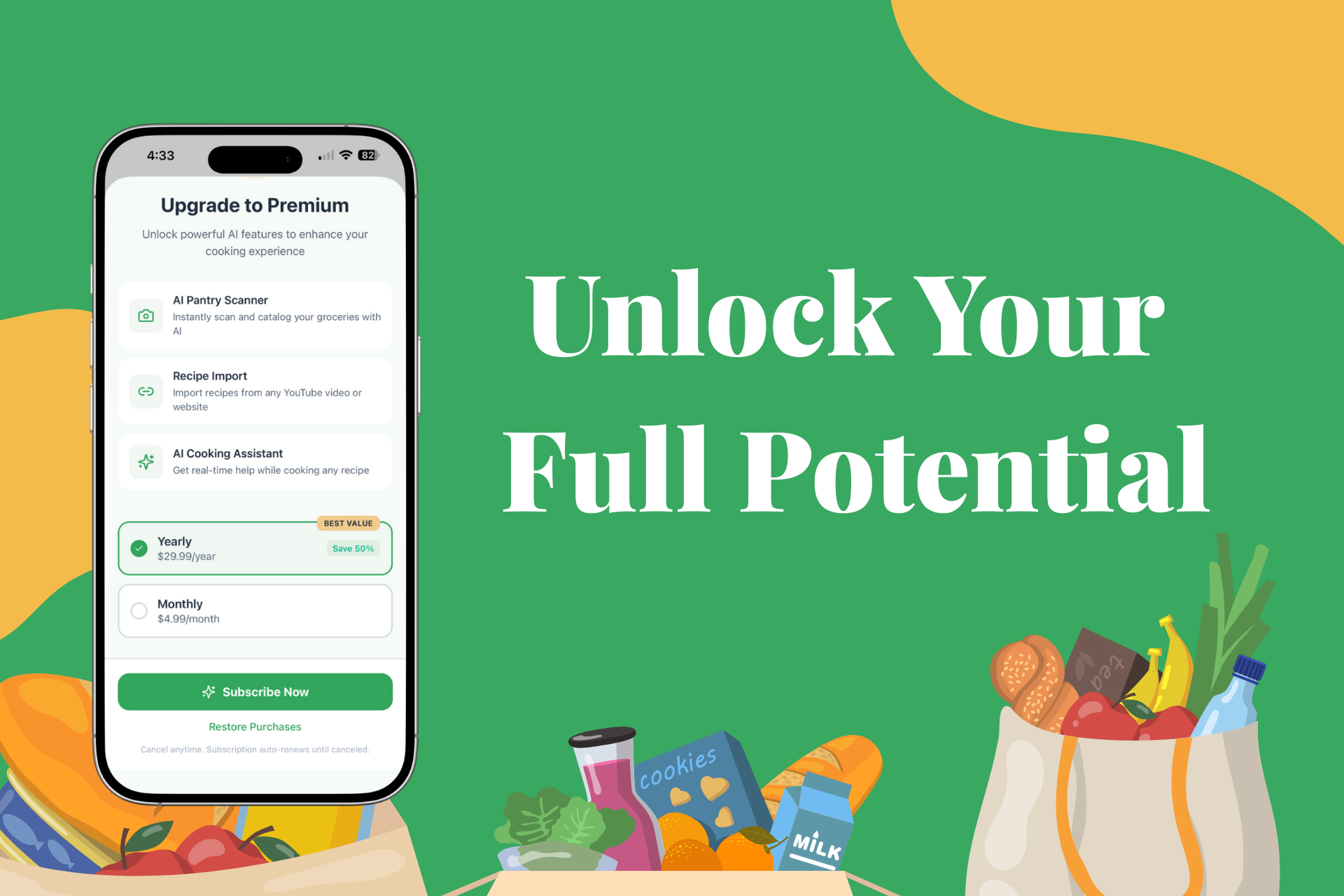
| Monetization | RevenueCat | Manages freemium subscriptions and user entitlements. |
The core integration strategy leveraged tRPC to ensure end-to-end type safety between the client and backend, minimizing integration errors.
Challenges I ran into
AI Latency for Contextual Help: Achieving the required real-time response for the "Hands-Free AI Guidance" feature proved difficult. Optimizing prompt structure and model selection (moving towards faster, more efficient Gemini models) was necessary to meet the low-latency requirement for a smooth cooking flow.
Structured Recipe Extraction: Extracting a clean, step-by-step recipe from varied, often unstructured web formats (like blogs with preamble) or complex YouTube transcripts required extensive tuning of the Gemini Vision and Text models to reliably enforce the Zod schema for output.
Accomplishments that I'm proud of
I'm most proud of the following accomplishments:
E2E Type Safety: Achieving a fully type-safe stack using TypeScript, Expo, Hono, and tRPC, significantly reducing bugs and speeding up development.
Dynamic Recipe Import: Successfully implementing AI logic to turn a passive resource (a YouTube video or a blog link) into an actionable, interactive recipe guide, a core feature of the Unique Value Proposition.
Seamless Monetization Integration: Centralizing and robustly implementing RevenueCat with a clear subscription context, ensuring paid features are reliably gated by the premium entitlement, and handling complex flows like restore purchases and real-time status updates.
What I learned
I gained valuable experience in:
LLM Structure Control: Deepening our understanding of how to use structured output features (via Zod schemas) with Gemini to ensure deterministic and reliable data from LLM responses, crucial for building reliable features like recipe extraction and grocery scanning.
Complex RN/Native Integrations: Mastering the configuration and lifecycle management of native SDKs (like RevenueCat) within the modern Expo ecosystem, particularly handling platform-specific environment variables and build profiles.
What's next for Vittl AI: Pocket Chef
My long-term vision aims to make Vittl AI the central operating system for the modern kitchen.
Immediate next steps include:
Expanded AI Personalization: Developing the AI engine to suggest recipes based on advanced factors like weather, mood, and nutrient gaps, requiring further evolution of the AI engine.
Appliance Integrations: Starting work on API integrations with smart kitchen appliances (e.g., smart ovens, scales) to enable automated cooking adjustments and data synchronization.
Community Features: Introducing the Food Intelligence Network (Chef Program) to allow users to share and optimize AI-modified recipes.
Built With
- expo.io
- gemini
- hono
- langchain
- postgresql
- railway
- react-native
- react-query
- revenuecat
- supabase
- trpc
- typescript

Log in or sign up for Devpost to join the conversation.