-
-
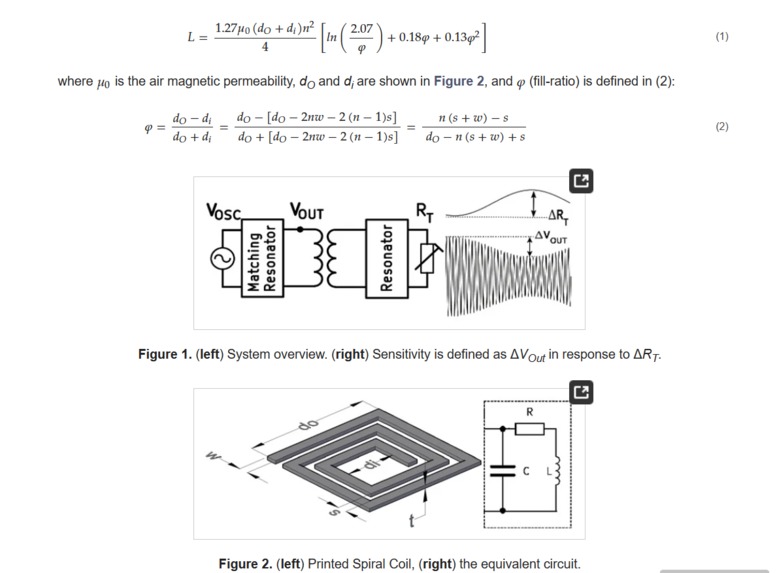
Figure 1. (left) System overview. (right) Sensitivity is defined as ΔVOut in response to ΔRT.
-
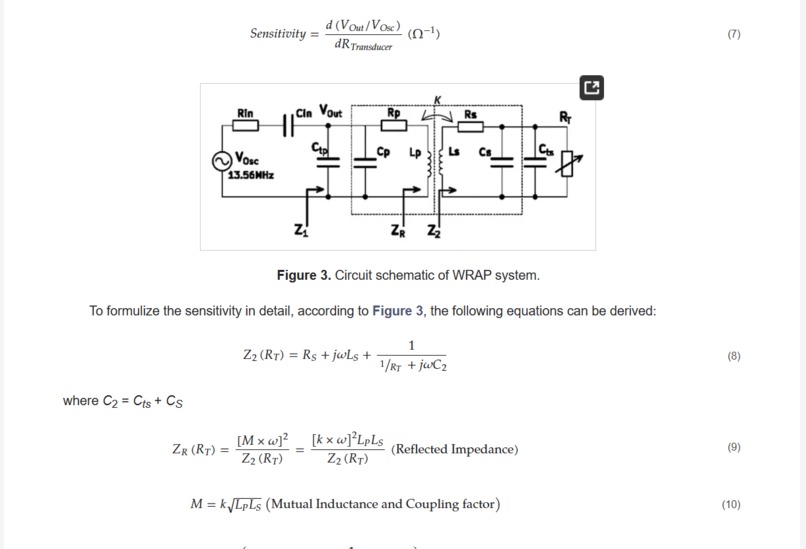
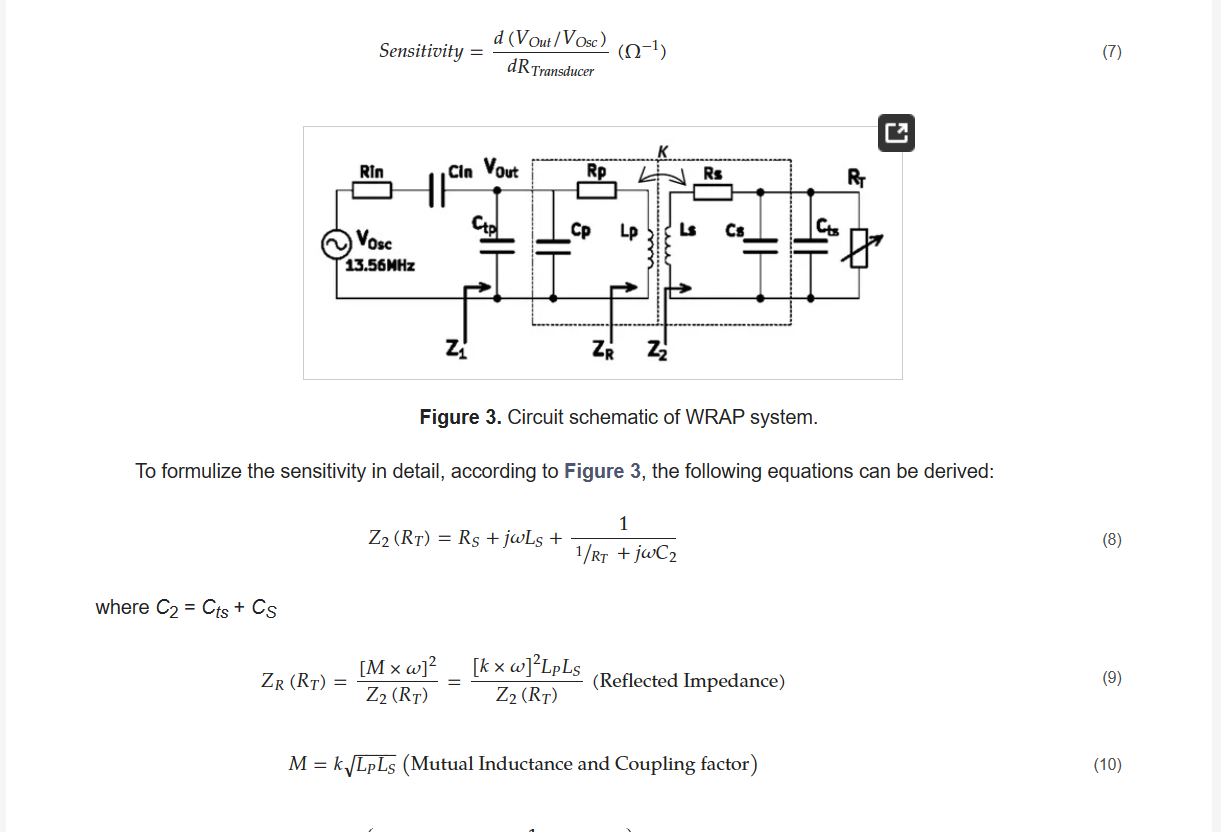
Figure 3. Circuit schematic of WRAP system.
-
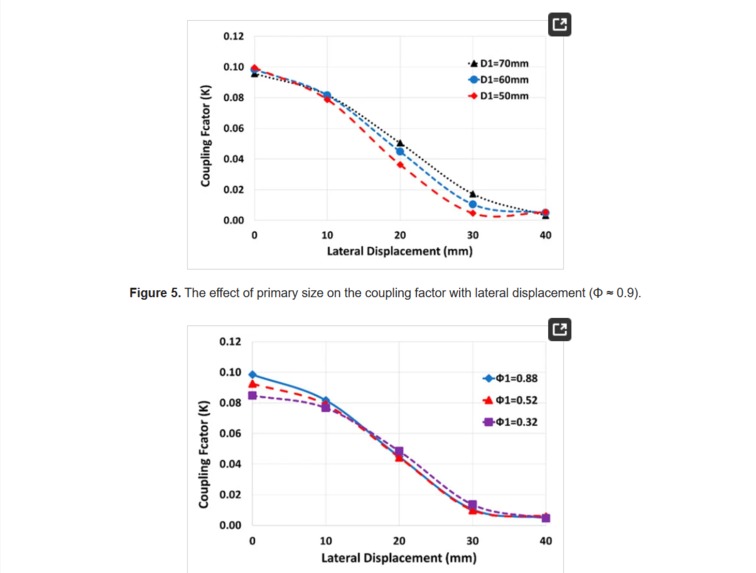
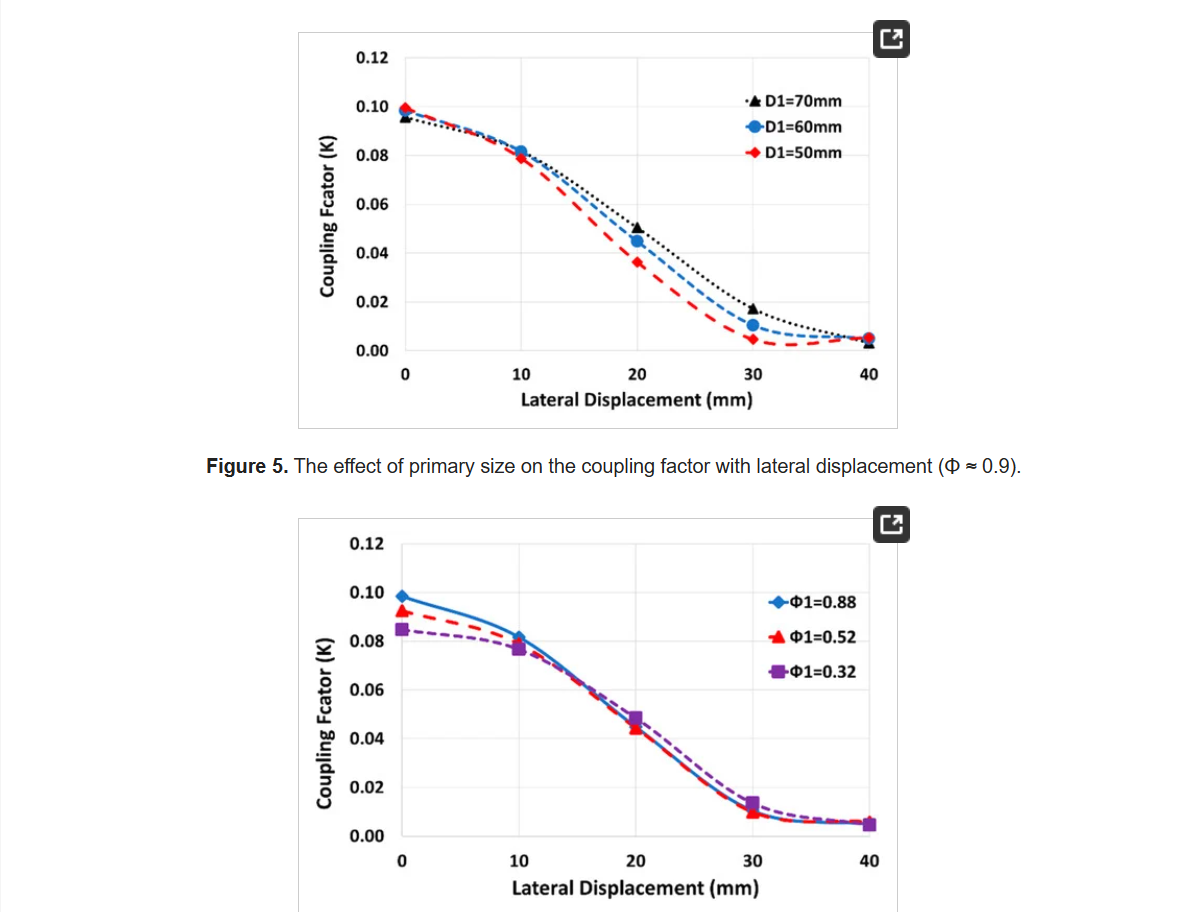
Figure 6. The effect of primary fill-factor on the coupling factor (D1 = 60 mm, Distance = 16 mm).
-
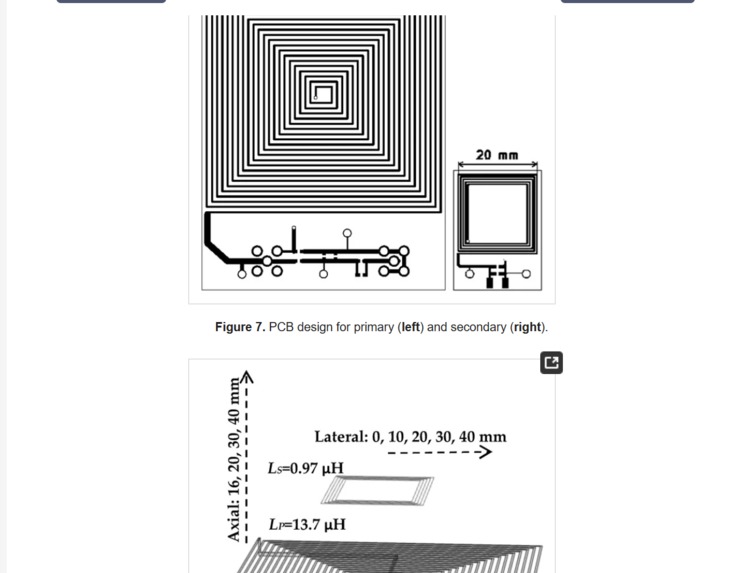
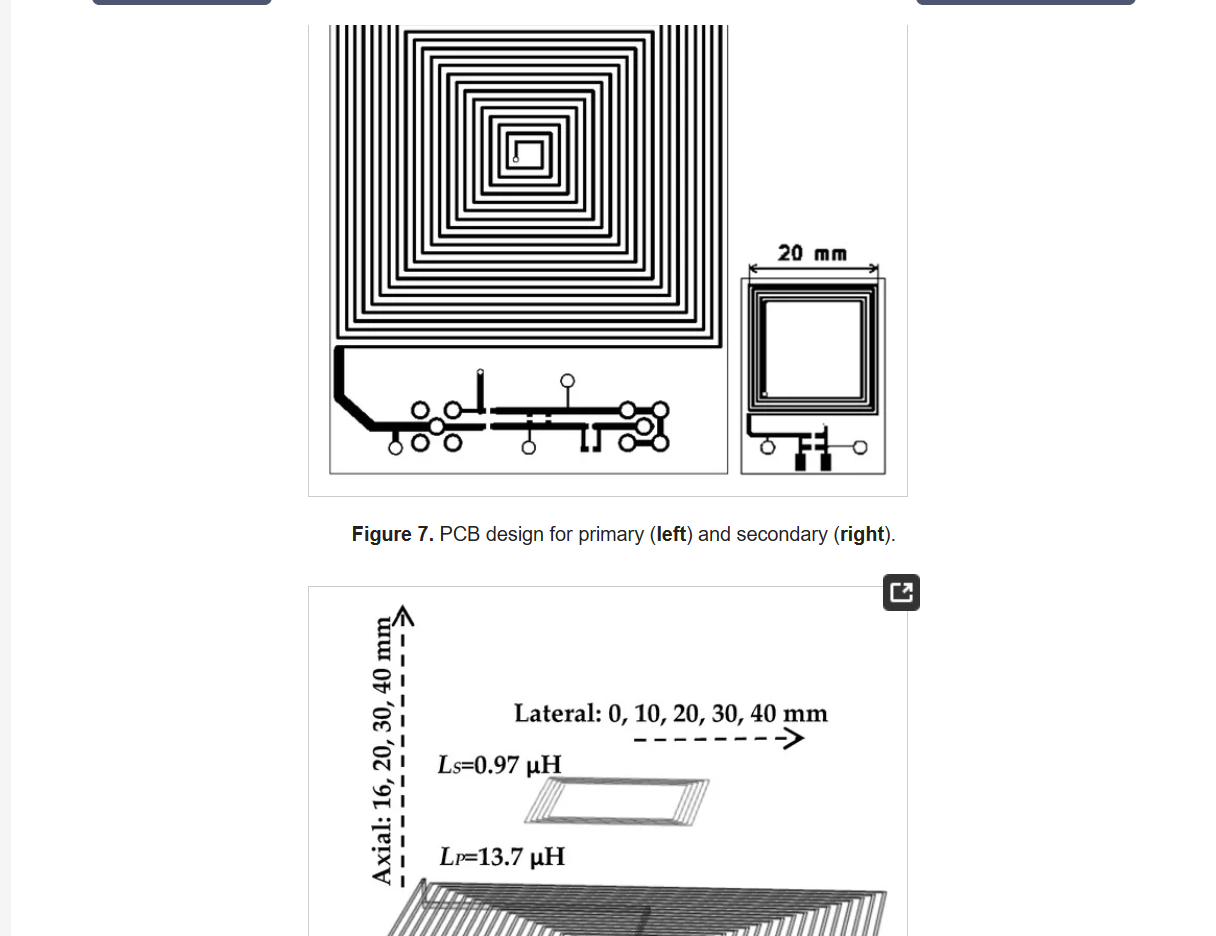
Figure 7. PCB design for primary (left) and secondary (right).
-
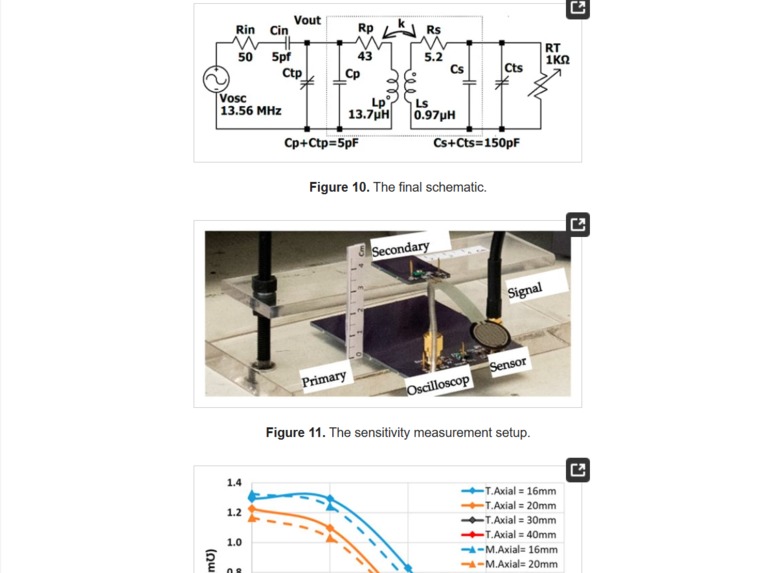
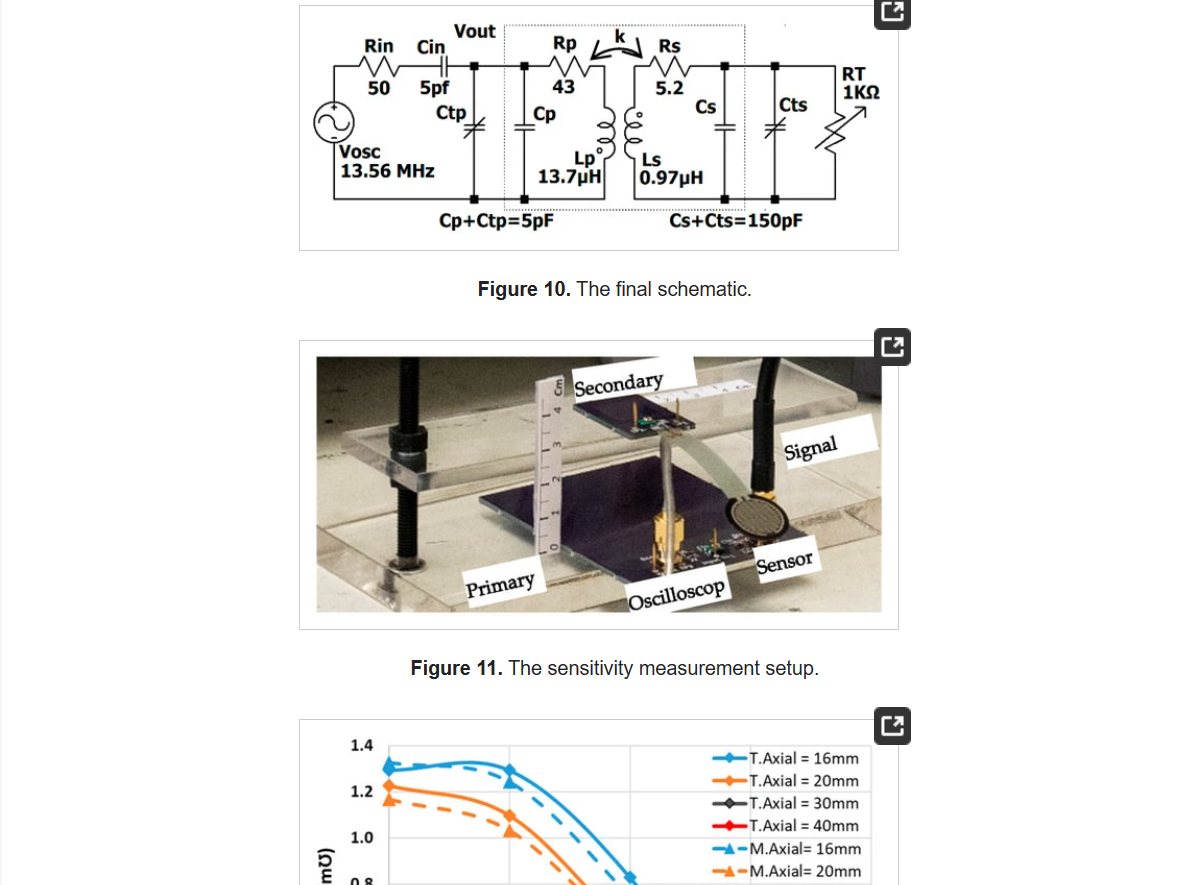
Figure 10. The final schematic. Figure 11. The sensitivity measurement setup.
-
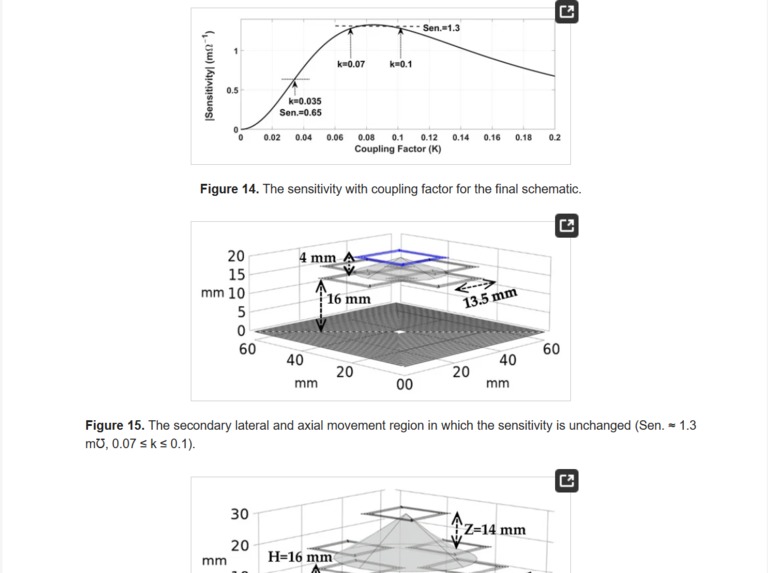
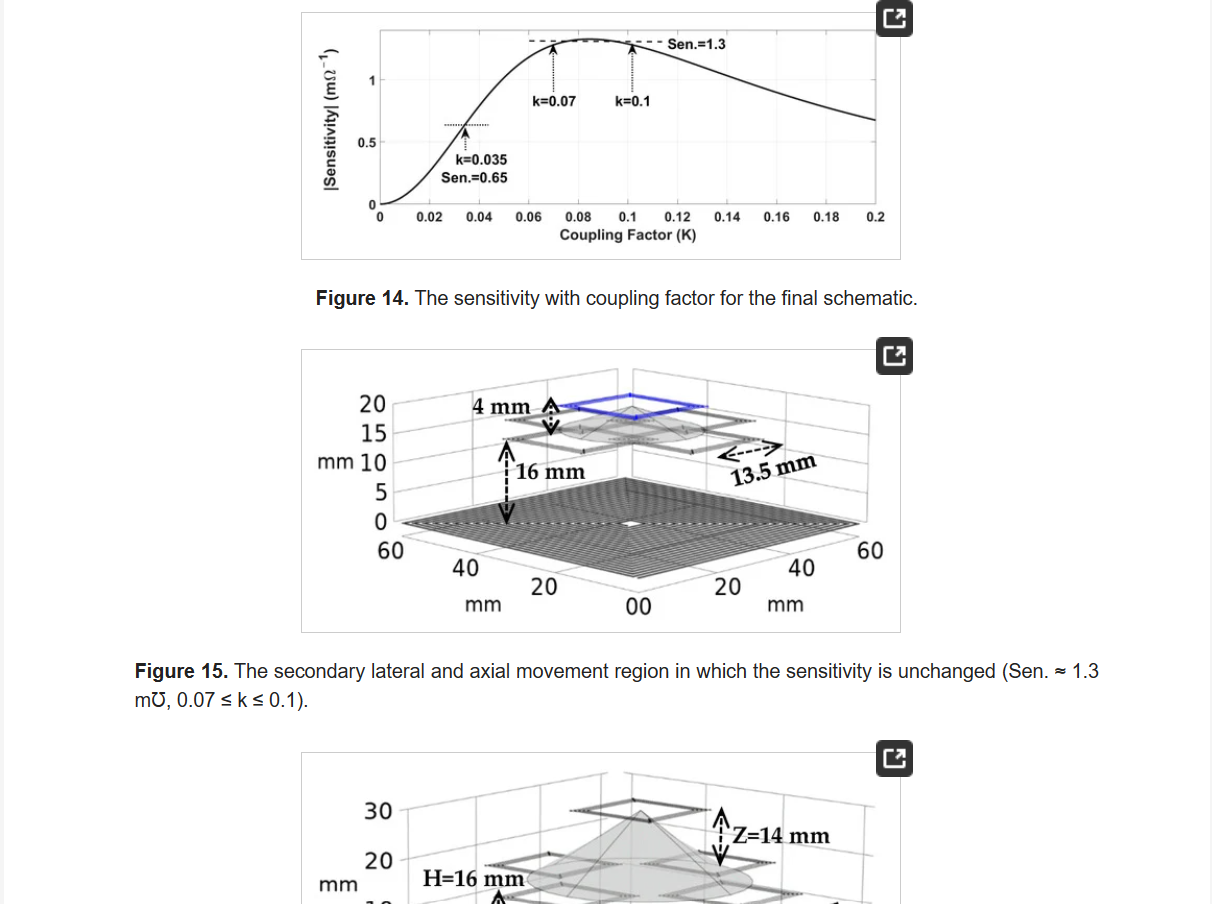
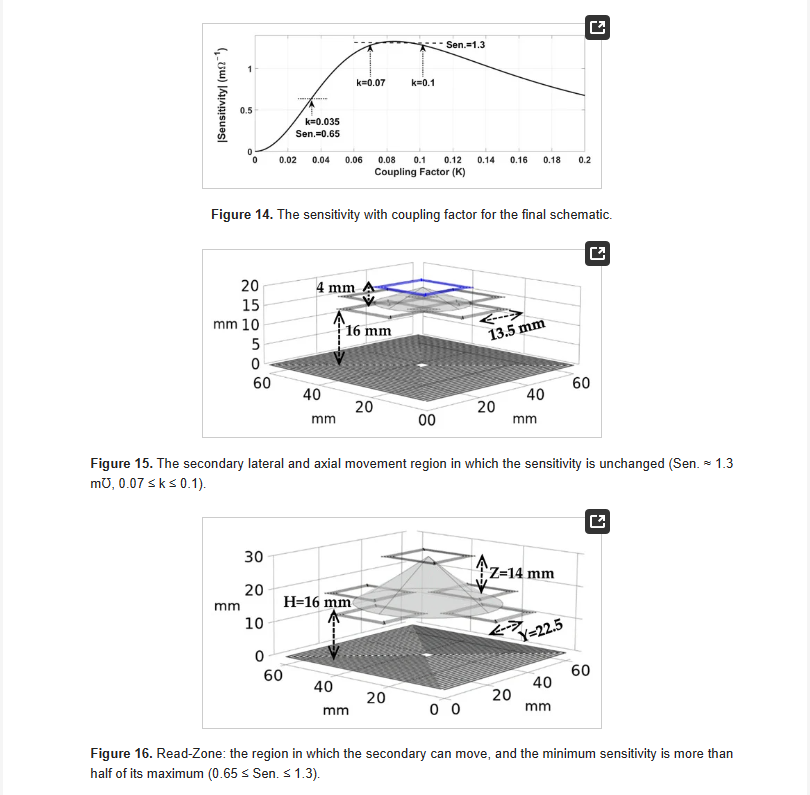
Figure 15. The secondary lateral and axial movement region in which the sensitivity is unchanged (Sen. ≈ 1.3 mƱ, 0.07 ≤ k ≤ 0.1).
-
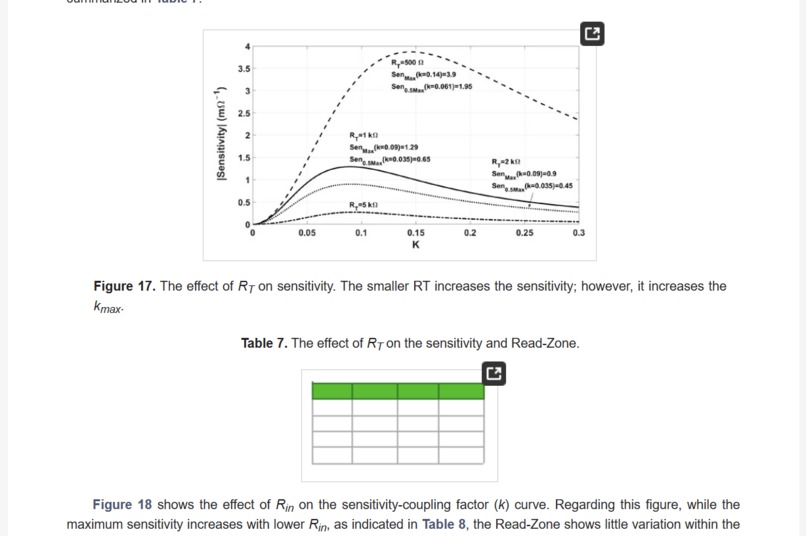
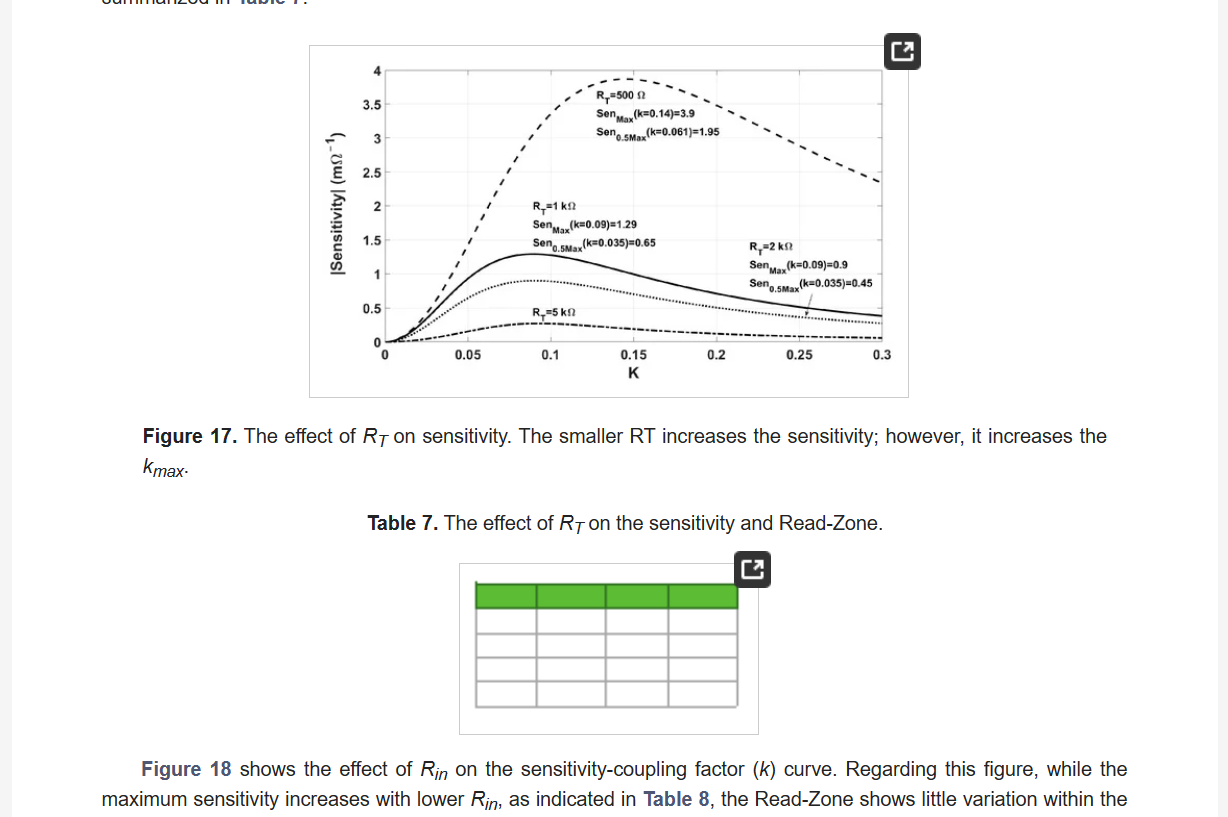
Figure 17. The effect of RT on sensitivity. The smaller RT increases the sensitivity; however, it increases the kmax.
-
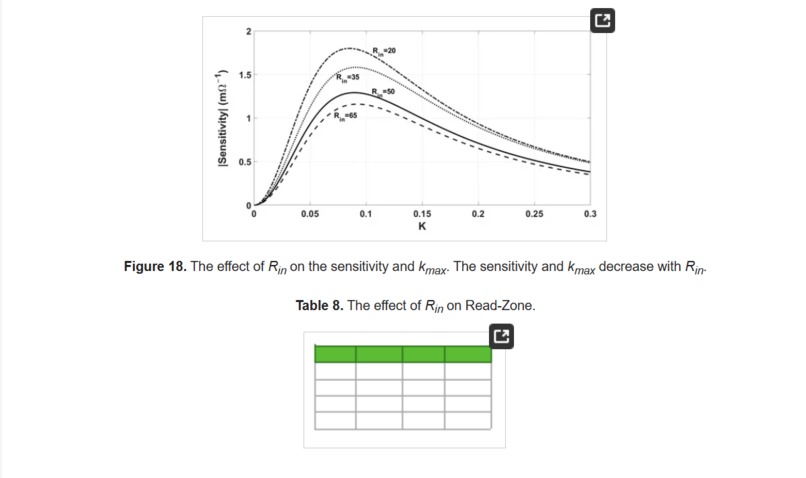
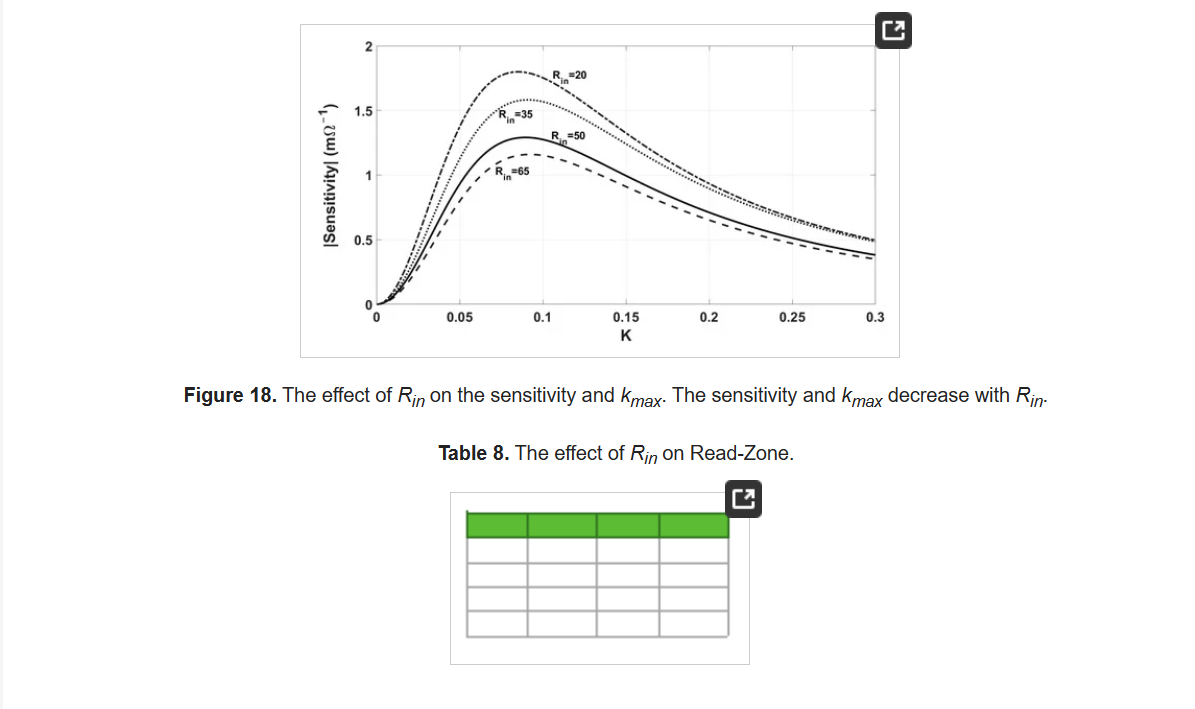
Figure 18. The effect of Rin on the sensitivity and kmax. The sensitivity and kmax decrease with Rin. Table 8. The effect of Rin on Read-Zon
-

"VitalWave" – the next generation of personal health 13.56 MHz Icon
-
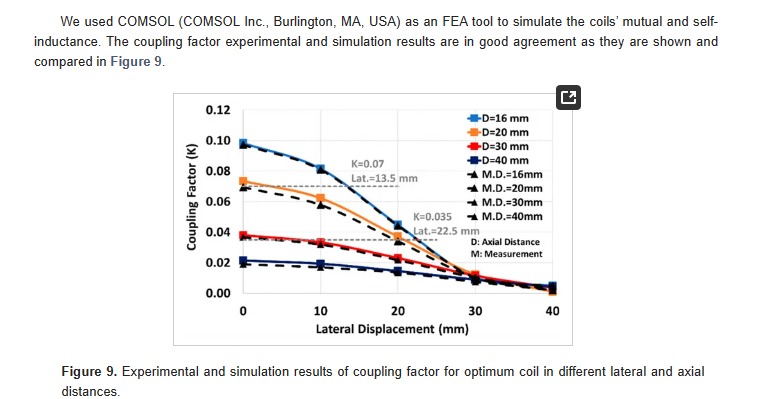
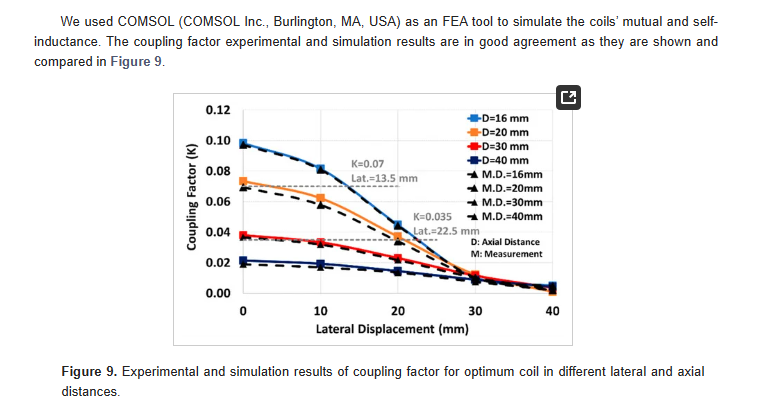
Figure 9. Experimental and simulation results of coupling factor for optimum coil in different lateral and axial distances.
-
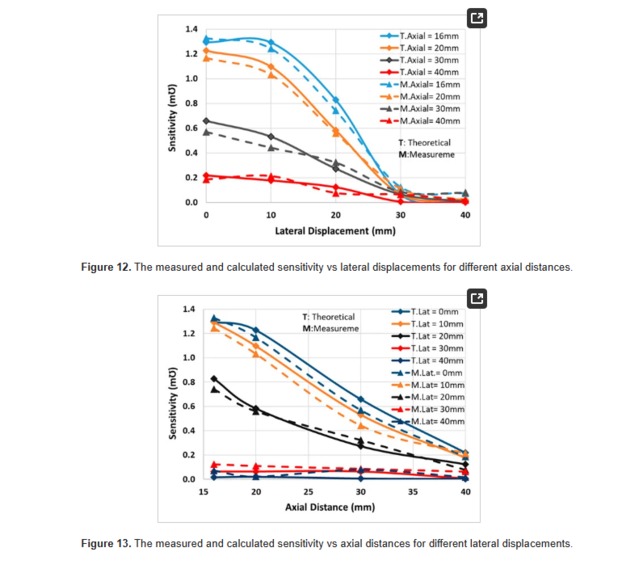
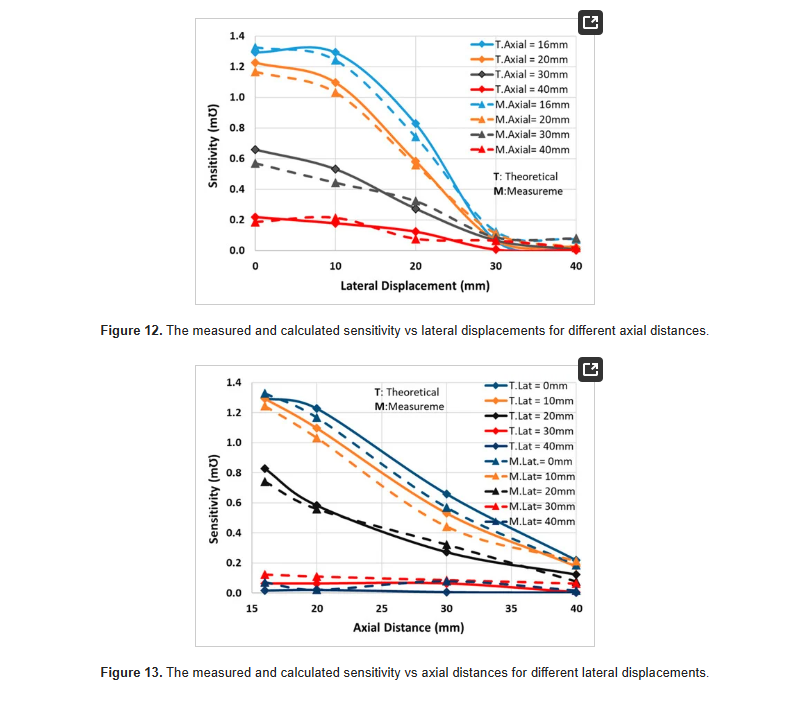
Figure 12. The measured and calculated sensitivity vs lateral displacements for different axial distances.
-
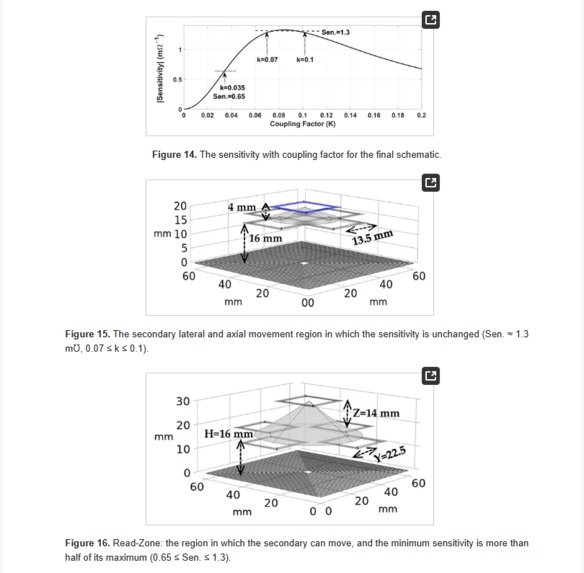
Figure 15. The secondary lateral and axial movement region in which the sensitivity is unchanged (Sen. ≈ 1.3 mƱ, 0.07 ≤ k ≤ 0.1).
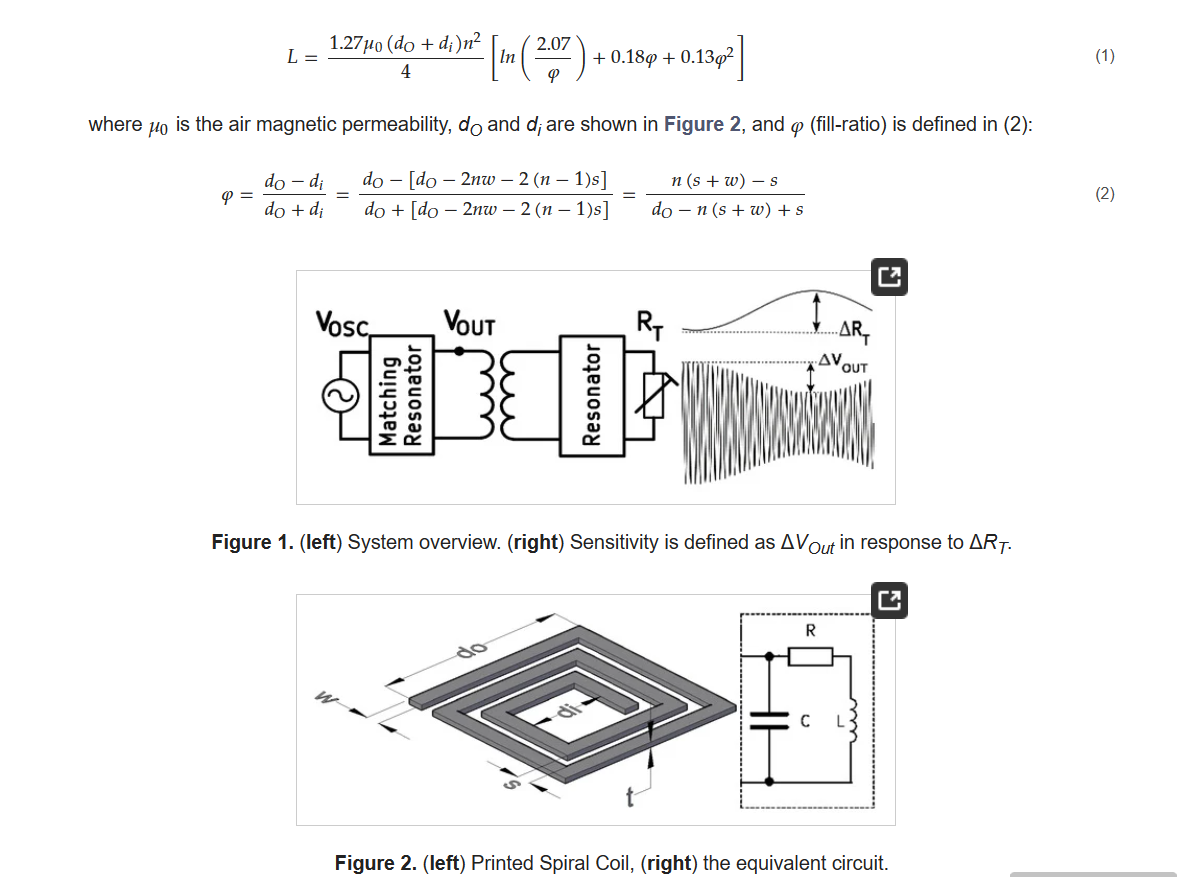

VitalWave, a groundbreaking bio-chip implant that operates at a high-frequency of 13.56 MHz. This remarkable device is poised to transform health monitoring and management. 🌟
In our concept photorealistic depiction:
The VitalWave Bio-Chip:
- The VitalWave is a marvel of miniaturization. Its dimensions are akin to a dewdrop on a leaf, barely noticeable to the naked eye.
- The chip's surface is a lustrous blend of iridescent blues and greens, reminiscent of a dragonfly's wing. When light dances upon it, the colors shift, revealing hidden patterns.
- Tiny nano-circuits traverse its crystalline lattice, intricately woven like a cosmic tapestry. These circuits resonate harmoniously at the precise frequency of 13.56 MHz.
- At its core lies a quantum sensor, capable of detecting even the subtlest physiological changes. It hums with purpose, translating biological signals into digital whispers.
- The VitalWave interfaces seamlessly with the human body. When implanted, it nestles against tissue, forming an intimate connection—a silent pact between silicon and sinew.
Health Monitoring Revolution:
- Imagine a world where health data flows effortlessly. The VitalWave communicates wirelessly, transmitting vital signs to a secure cloud.
- Physicians receive real-time updates: heart rate fluctuations, glucose levels, oxygen saturation. Alerts arrive like cosmic messages, guiding interventions.
- Patients wear their health on their sleeves—literally. A holographic display hovers above the skin, projecting vital stats: a heartbeat's rhythm, a cell's metabolic dance.
- The VitalWave's energy source? Not batteries, but quantum resonance. It draws power from the body's own electromagnetic field, a symbiotic exchange.
- And when illness stirs, the chip responds. It releases nano-healers, microscopic repair crews that mend cellular rifts, fight infections, and restore balance.
The Whisper of Wellness:
- Close your eyes. Feel the VitalWave's pulse—a gentle thrum beneath your skin. It's not just a chip; it's a whisper of wellness.
- In hospitals, clinics, and homes, these tiny sentinels stand guard. They've replaced stethoscopes and blood pressure cuffs.
- The VitalWave doesn't just monitor; it nurtures. It whispers encouragement during sleepless nights, soothes anxious hearts, and celebrates victories.
- And as humanity evolves, so does the VitalWave. It learns, adapts, becomes more attuned to our bodies' symphony.
- One day, perhaps, it will unlock the secrets of longevity—the elixir hidden within our very cells.
Remember, this image is a glimpse into a future where science and wonder entwine. The VitalWave awaits, ready to weave its magic into the fabric of our existence. 🌿🌟
"Wireless Power Transfer Coil Design" by STMicroelectronics:
Coupling Factor Considerations:
- The coupling factor between transmitter and receiver coils is critical for wireless power transfer.
- Alignment assistance (e.g., magnets) improves system predictability.
- Larger coil positioning freedom requires larger margins for reliability.
- Coupling factor impacts overall power transfer efficiency.
Designing Receiver Coils with the GUI:
- Use the STSW-WPSTUDIO GUI to design receiver coils.
- Define operating points, dimensions, and effective relative permeability.
- Consider limitations and practical coil shapes.
Measuring Coil Characteristics:
- Measure self-inductance and AC resistance for both TX and RX coils.
- Calculate coupled inductance and resistance when coils are paired.
Capacitor Selection:
- Calculate nominal series capacitors for TX and RX.
- Consider dielectric types and multiple capacitors in parallel.
Output Current and Transfer Function Analysis:
- Analyze RX output current and TX-to-RX gain across frequency.
- Adjust coil and capacitor values for desired performance.
Tips for Tuning the Design:
- Explore different coil inductance values.
- Address peak-splitting issues.
- Validate the design through testing.
References and Materials: (1) Advances in Wireless, Batteryless, Implantable Electronics for Real .... https://link.springer.com/article/10.1007/s40820-023-01272-6. (2) A Batteryless Chronic Wound Monitoring System With 13.56-MHz Energy .... https://ieeexplore.ieee.org/document/8740972. (3) Wireless Power Transfer Coil Design .... https://www.st.com/resource/en/application_note/an5961-wireless-power-transfer-coil-design-stmicroelectronics.pdf (4) Coupling Factor Eberhard Waffenschmidt, Philips Research .... https://www.wirelesspowerconsortium.com/knowledge-base/magnetic-induction/coupling-factor/
Built With
- 13.56mhz
- batteryless
- health
- healthtech
- holographic
- innovation
- innovators
- nano-circuits
- nano-healers
- quantum
- quantum-resonance
- regeneron
- tech
- technology
- vitalwave



Log in or sign up for Devpost to join the conversation.