-
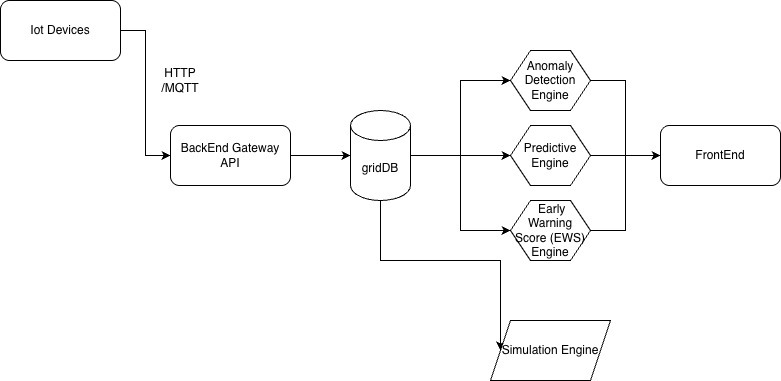
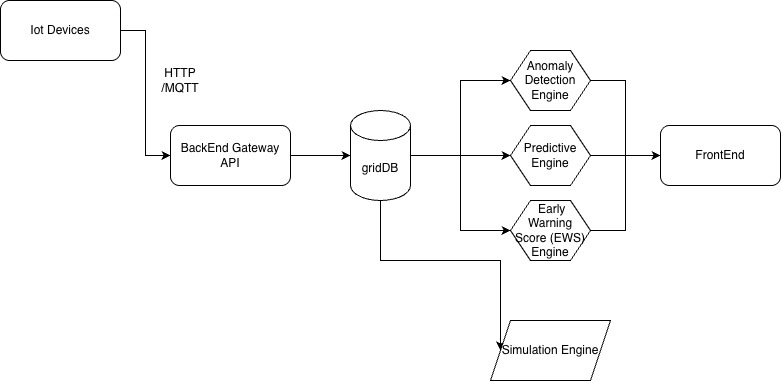
Architecture diagram
-
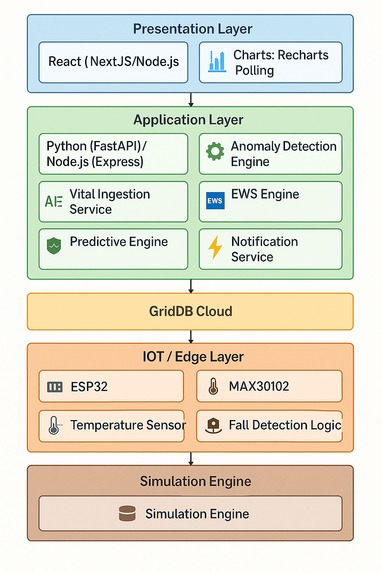
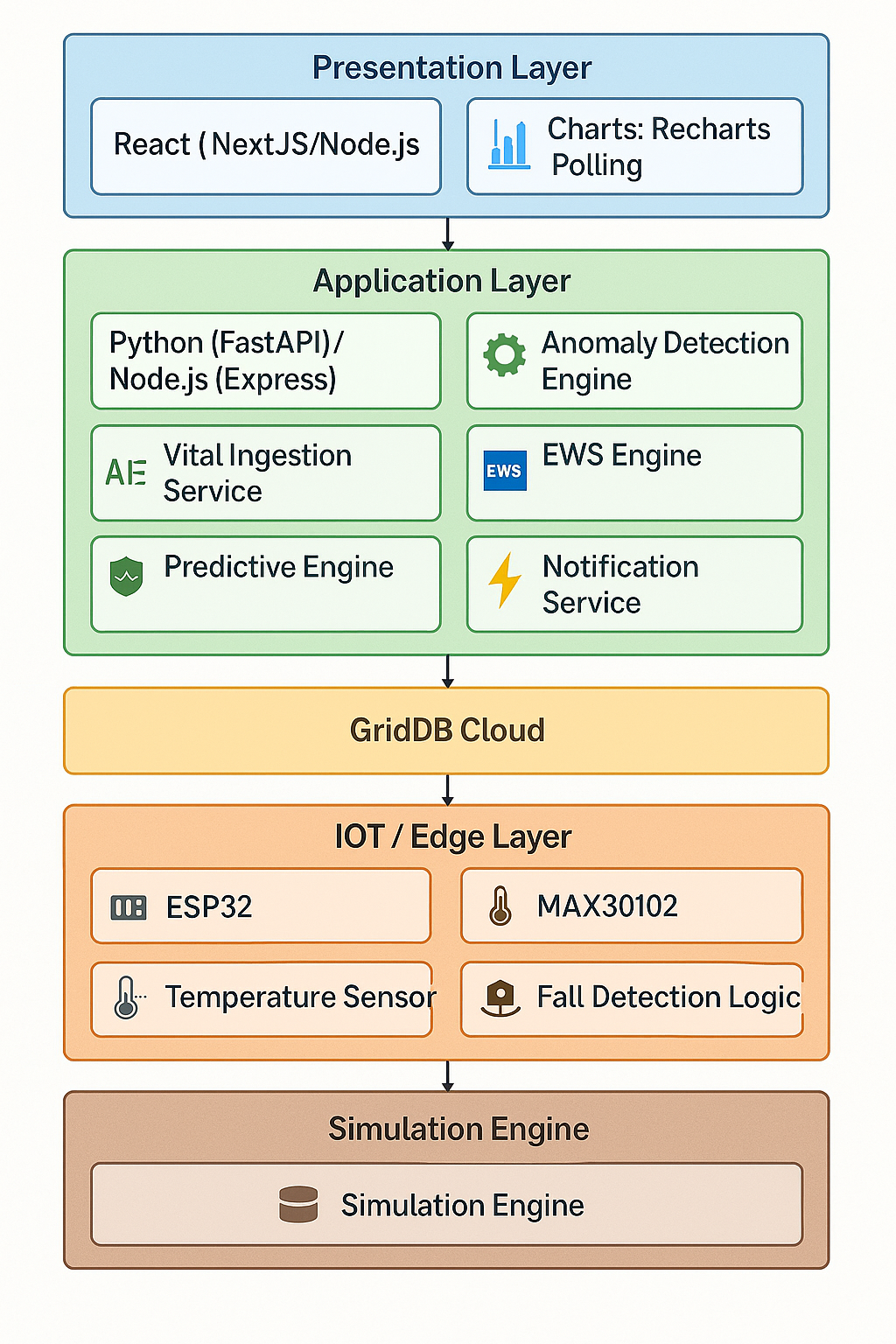
Tech Stack Images
🛡️ VitalShield — Idea Submission Document
⭐ 1. Why I Chose This Idea (Story + Problem Statement)
The idea for VitalShield came from noticing real gaps in how we care for people—both at home and inside hospitals.
A. Elderly safety at home
In my own family, I’ve seen elderly members suffer serious injuries simply because they slipped in the bathroom or lost balance when no one was around.
A fall that could have been handled in seconds often turned into a 20–30 minute delay because nobody even knew it happened.
B. Limited monitoring in non-ICU hospital wards
During hospital visits, I noticed that patient vitals like heart rate, SpO₂, and temperature are checked only when a nurse comes around—or when the monitors finally start beeping, which often means the situation has already become critical.
If the nurse is busy or attending another patient, small anomalies go unnoticed and can rapidly escalate into emergencies.
There’s no continuous monitoring, no early warning, and no predictive understanding.
C. Triage challenges — especially during high-pressure situations
This gap becomes most visible when patient load suddenly spikes.
During COVID-19, for example, hospitals struggled to prioritize patients whose vitals were silently worsening. Nurses and doctors were overwhelmed, and without real-time alerts, many patients deteriorated before anyone could intervene.
A smart triage system could have made a huge difference:
- flagging drops in SpO₂,
- alerting staff when a patient’s condition begins to decline,
- helping medical teams focus on the most critical cases first.
The Gap
ICU-grade monitoring systems can do all of this—but they are extremely expensive.
Most emergencies happen outside the ICU: in general wards, emergency rooms, and homes.
The Purpose
VitalShield aims to close this gap by bringing continuous, affordable, and intelligent monitoring to the places that need it most.
⭐ 2. What VitalShield Will Do (Overview of the Solution)
VitalShield is a real-time patient monitoring and anomaly detection system powered by IoT sensors and GridDB Cloud.
It’s designed to bring ICU-grade intelligence to homes, general wards, and emergency rooms—without ICU-level costs.
1. Track Key Vitals Continuously
VitalShield captures real-time:
- Heart Rate
- SpO₂
- Body Temperature
These values update every few seconds, creating a live health stream.
2. Display Live Data for Multiple Patients
A multi-patient command-center dashboard shows:
- status of all patients at once
- live vitals
- risk level color coding
3. Real-Time Early Warning Score (EWS)
The system calculates an EWS based on medical scoring standards:
- slight SpO₂ drop → mild warning
- HR spike + fever → high alert
- rapid decline → critical
This becomes an automated triage assistant.
4. Predict Abnormalities Using Time-Series Analytics
With help from GridDB Cloud, the system can detect:
- downward oxygen trends
- increasing heart rate variability
- early signals leading to deterioration
5. Post-Event Replay (Timeline Review)
For audits or diagnosis, VitalShield allows replaying:
- vital drift
- alert triggers
- speed of deterioration
6. Fall Detection (Sensor or Simulation)
Fall detection uses:
- accelerometer/vibration sensor
- or simulated fall events
7. Smart Alerting System
VitalShield triggers alerts when:
- thresholds break
- EWS rises
- sudden deterioration occurs
- fall is detected
Alerts can be displayed on-screen or sent as notifications.
8. Scalable Simulation Using GridDB Cloud
Even with one actual IoT node, I will simulate 10–50 patient rooms to:
- show scalability
- stress-test ingestion
- analyze alert behavior
⭐ 3. How I Plan to Implement It (Step-by-Step Plan)
Phase 1 — Core IoT + Data Pipeline
- Set up ESP32 with MAX30102 & temp sensor
- Stream data every 1–2 seconds
- Build Python/Node gateway
- Store data in GridDB Cloud
Phase 2 — Multi-Patient Simulation
- Generate 10–50 virtual patients
- Realistic vitals
- Store all streams in GridDB
Phase 3 — Anomaly Detection Engine
- Threshold rules
- Rolling-window analytics
- Sudden change detection
- Alert triggers
Phase 4 — Early Warning Score System
- Severity scoring
- Color-coded patient tiles
- Real-time score updates
Phase 5 — Dashboard
- React multi-patient UI
- Live vitals & trends
- Expandable detailed view
Phase 6 — Post-Event Review
- Query historical data
- Replay past events
Phase 7 — Fall Detection
- Simulate or detect via sensor
- Combine with vitals changes
- Critical alerts
Phase 8 — Final Polish
- Add alert notifications
- Improve UI
- Prepare demo workflow
⭐ 4. Tools, Frameworks & Technologies
IoT Hardware
- ESP32
- MAX30102 (HR + SpO₂)
- Temperature sensor (DS18B20 / MLX90614)
- Optional: vibration sensor
Backend
- Python (FastAPI) or Node.js (Express)
- Data ingestion & anomaly processing services
Database
- GridDB Cloud
- Time-series containers
- High-speed writes
- Real-time analytics
- Time-series containers
Frontend
- React / Next.js
- Recharts / Chart.js
- WebSockets
Optional
- MQTT
- Grafana
⭐ 5. How VitalShield Will Use GridDB Cloud
GridDB Cloud will serve as the backbone:
It will manage:
- High-speed ingestion of vitals from many rooms
- Time-series queries (1 min, 10 min, 24 hr)
- Rolling-window analysis for anomalies
- Patient history & timeline data
- Predictive pattern detection
- Scalability from 1 → 100 patient streams
Without GridDB, the system would struggle with performance, retention, and real-time analytics.
⭐ 6. Expected Challenges
- Sensor Noise → requires filtering & smoothing
- Multiple Real-Time Streams → async ingestion complexity
- Alert Fatigue → requires careful threshold tuning
- UI Performance → rendering many tiles live
- Predictive Analytics Modeling → correct rolling window design
- IoT Stability → reconnection handling
⭐ 7. Future Expansion
- Sepsis early prediction
- Medication reminders
- Nurse workflow assignment
- Sleep monitoring
- Room CO₂ & humidity tracking
- Hospital-wide heatmaps
- Wearable version for home monitoring
⭐ 8. One-Line Summary (For Submission)
VitalShield brings affordable, real-time vitals monitoring and anomaly detection to every patient room using IoT sensors and GridDB Cloud — helping hospitals respond faster and prevent emergencies.
Built With
- ds18b20
- esp32
- griddb
- imu
- max30102
- mqtt
- python
- websockets

Log in or sign up for Devpost to join the conversation.