-
-
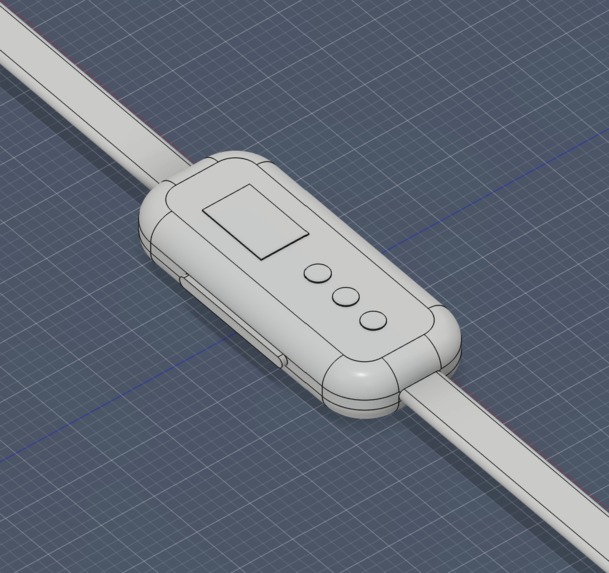
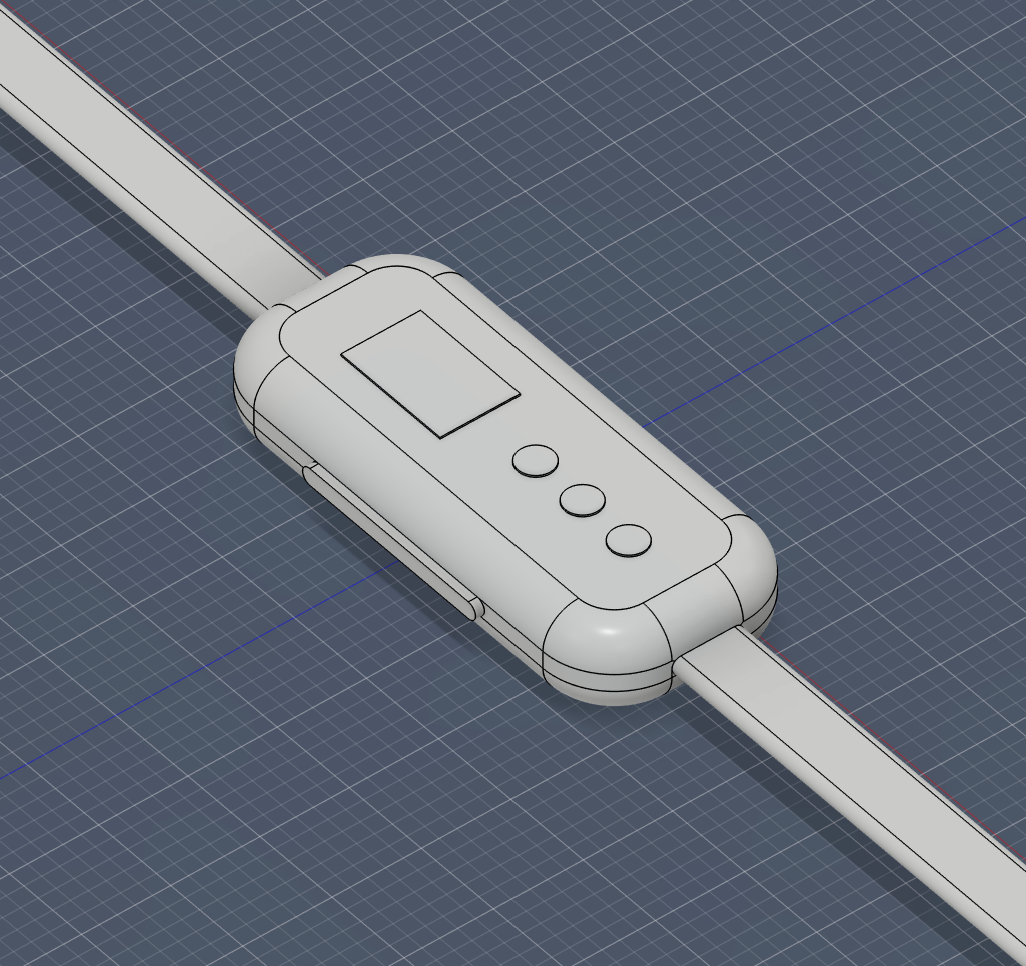
Watch Face
-
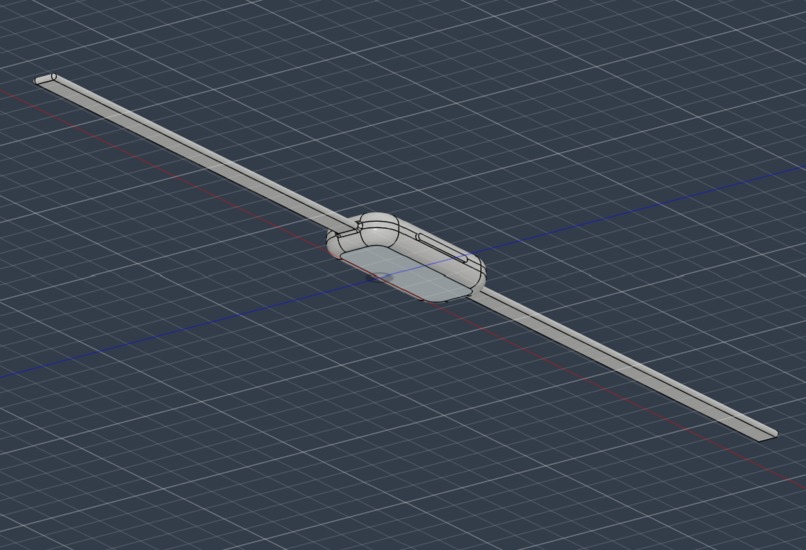
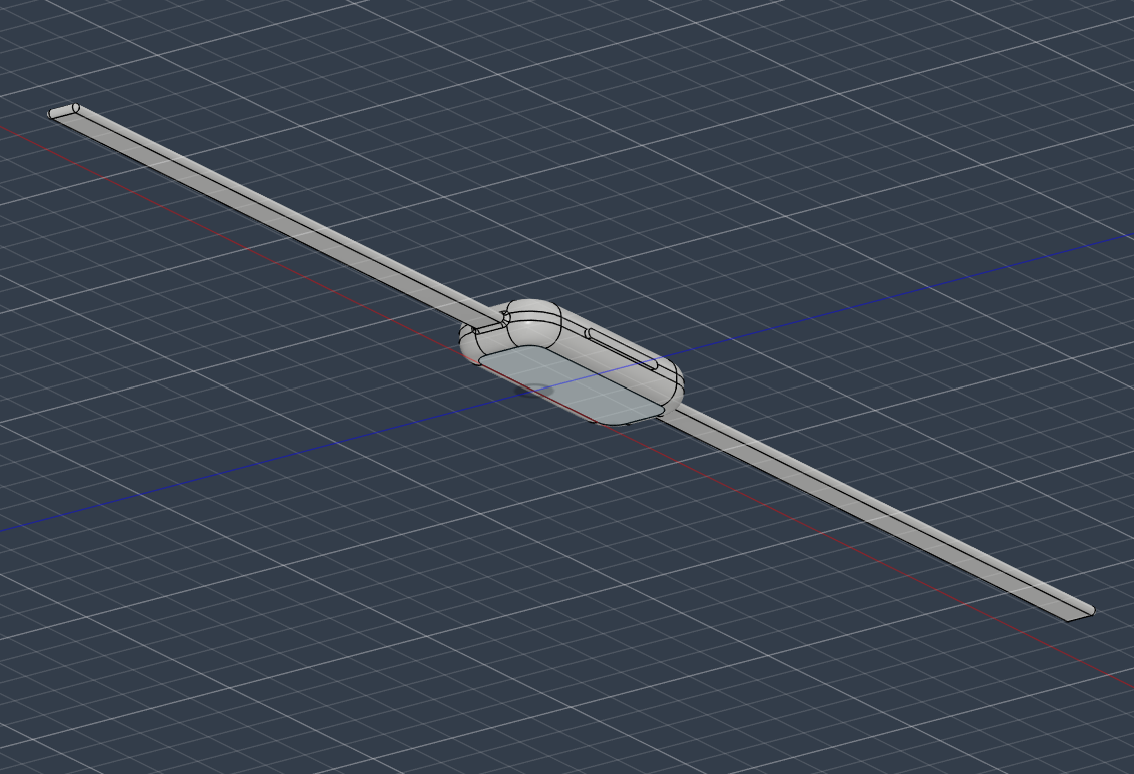
Watch base
Inspiration
VitalLink was inspired by the unequal access to healthcare across different zip codes, where underserved communities often experience delayed diagnoses and worse health outcomes. We were also motivated by the limitations of current healthcare AI systems, which are typically trained on non-representative data and fail to perform consistently across diverse geographic and socioeconomic populations.
What it does
VitalLink is a hybrid AI-powered wearable platform that bridges consumer health tracking and clinical decision support. It continuously monitors vital signals, builds personalized health baselines, and uses geo-adaptive AI to detect early health risks. At the same time, it improves global healthcare AI by learning from diverse, real-world data while preserving user privacy.
How we built it
We designed VitalLink as a wearable + AI system. The wearable collects real-time biometric data, while federated learning enables model improvement without exposing personal health information. We also integrated environmental and socioeconomic data to improve prediction accuracy across different regions. AutoCAD, Figma
Challenges we ran into
One of the biggest challenges was addressing calibration drift across different geographic and socioeconomic populations. We also had to balance model accuracy with privacy, ensuring that sensitive health data could be used for learning without being directly shared. Designing an AI system that remains reliable across diverse environments was another key difficulty.
Accomplishments that we're proud of
Learnt AutoCad and how to effecively prompt AI for the desired output
What we learned
AutoCAD
What's next for VitalLink
Next, we aim to build a functional prototype wearable and expand testing in underserved communities to validate real-world performance. We also plan to partner with healthcare providers and public health organizations to integrate VitalLink into preventive care systems and further improve global health data representation.
Built With
- autocad
- autodesk-fusion-360
- figma

Log in or sign up for Devpost to join the conversation.