-
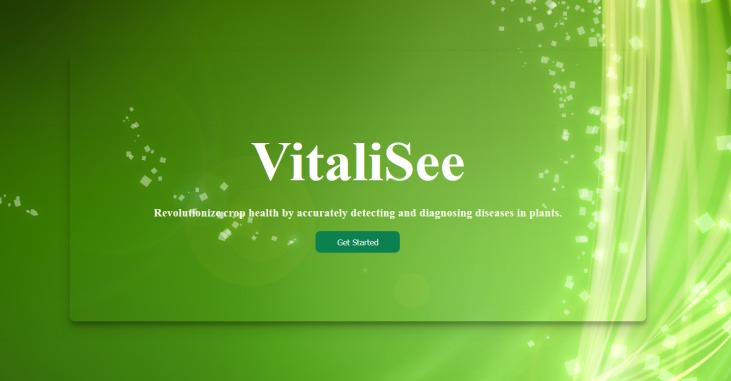
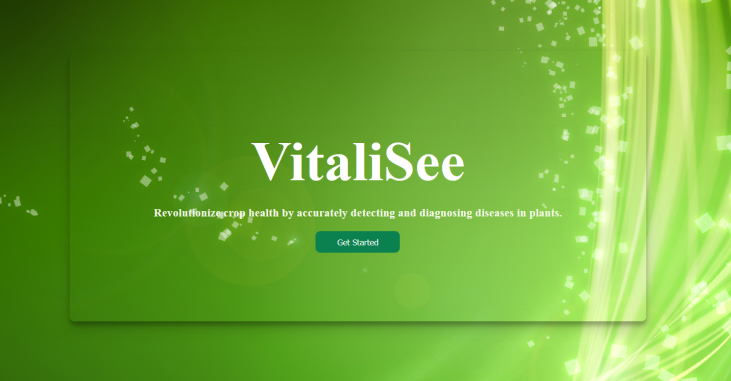
Landing page
-
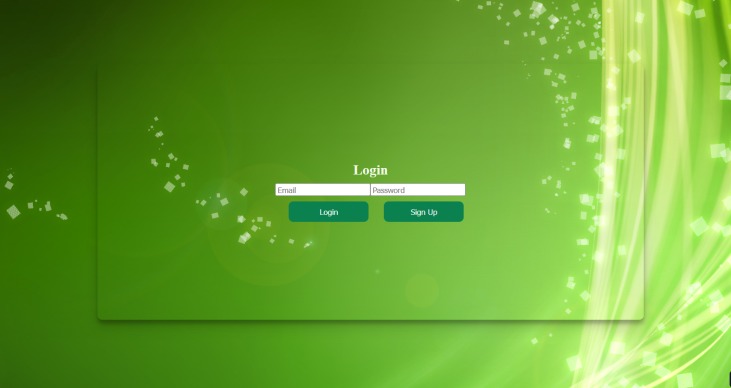
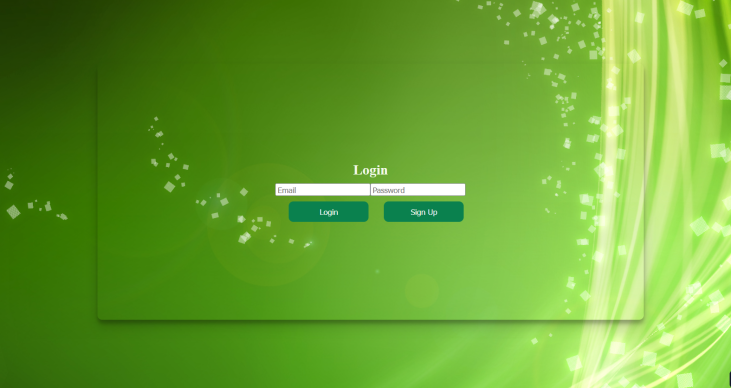
Login/Register page
-
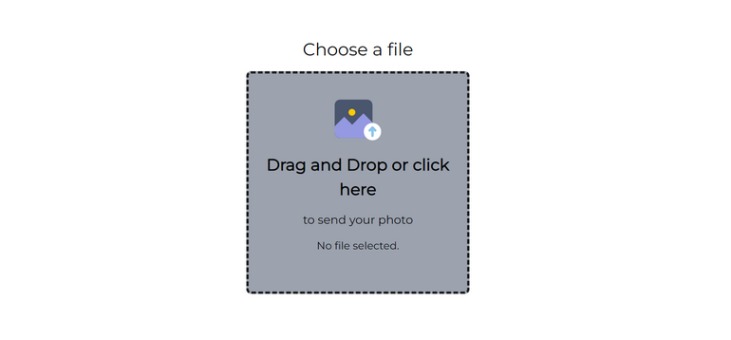
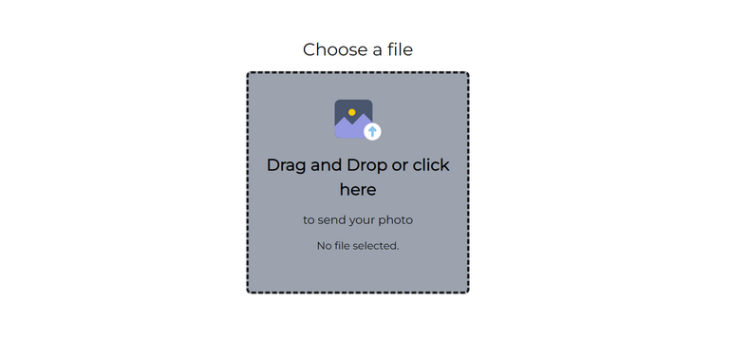
Upload page
-
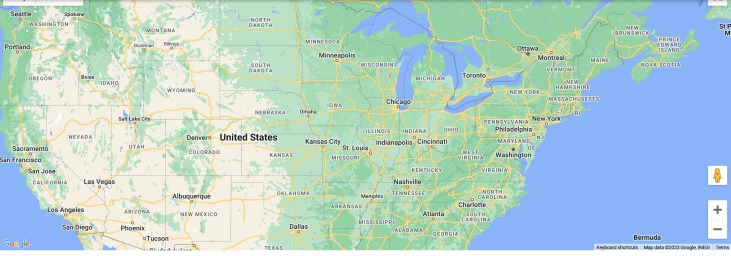
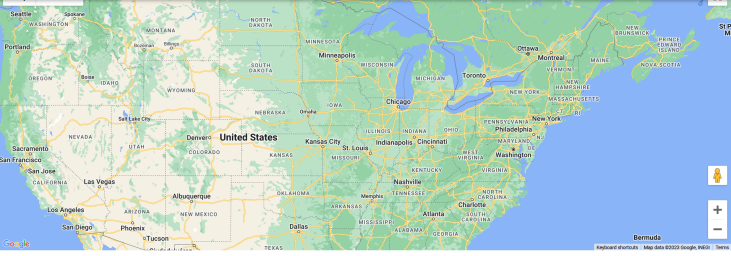
Map page
Inspiration
One of the greatest challenges faced to modern sustainability efforts is deforestation and de-vegetation. Not just in cities but also in rural areas where plant diseases greatly damage rural efforts to modernize and, especially in third world countries, overcome poverty. Inspired by the urgent need to address the challenges faced by farmers in detecting and managing crop diseases, our project leverages the power of machine learning to analyze images of plants. Recognizing the detrimental impact of undetected diseases on crop yield and sustainability, our solution combines efficiency and accessibility. The platform swiftly identifies diseases through image recognition and empowers farmers with a real-time dashboard, offering insights for effective protection, while also providing real-time tracking of plant growth for informed agricultural management. By fostering collective efforts to protect crops, we aim to promote sustainable agricultural practices. Our mission is to cultivate a resilient and informed farming community, ensuring healthier crops and fostering sustainability in agriculture. In addition, these features allow people from small towns to large cities to better take care of their plants to ensure future environmental sustainability in cities.
What it does
Our platform is a comprehensive solution designed to enhance plant health management through the power of machine learning (ML). It employs advanced image analysis techniques to detect diseases in crops and plants with high accuracy, allowing farmers and city-dwellers alike to take proactive measures for disease prevention and control. Some of the features include:
- Image-based disease detection, which will tell whether the plant is infected or not
- Real-time analytics and insights derived from the ML analysis, offering a clear overview of the plant's health status
- An alert system(utilizing Twilio) notifies farmers in the vicinity about prevalent diseases, fostering collaborative efforts for disease control
- Monitor overall plant growth, which will enable better decision-making regarding crop management practices
- Optimal plant watering reminders and tracking to ensure plant health
How we built it
- Front-end: React.js, CSS
- Back-end: Flask(using Python), Firebase
- ML model: Tensorflow
- Twilio: SMS notifications
Challenges we ran into
- Coming up with an innovative and feasible idea
- Working with backend using Firebase, training the ML model, and implementing Twilio
- Integrating the backend with the ML model and front end
Accomplishments that we're proud of
- Collaborating together as a team (even though we were slightly different time zones)
- Completing the project within the given time frame
- Being able to implement most of the technical features
What we learned
- Efficient time management and collaboration
- Prioritization
- Problem-solving abilities
- Prototyping and creating an MVP
- Importance of delegating tasks early and making sure that everyone understands exactly what needs to be done and what the mission and vision of the project is. Doing so allows for smooth operations and efficient workflow.
What's next for VitaliSee
- Adding more new features (we had limited time, so we couldn't implement all the features we wanted to)
- Integrate AI
- Building a mobile app
- Iterate and improve the features we already have

Log in or sign up for Devpost to join the conversation.