-
-
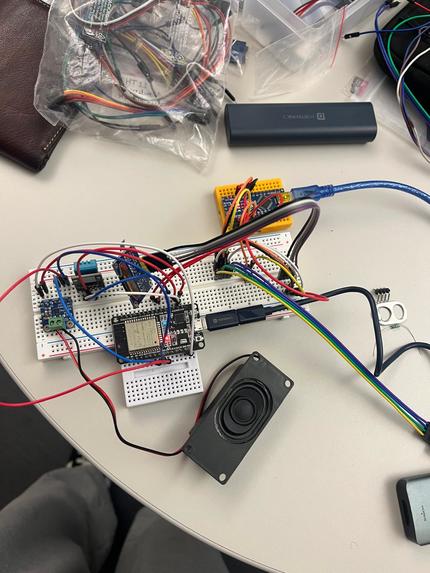
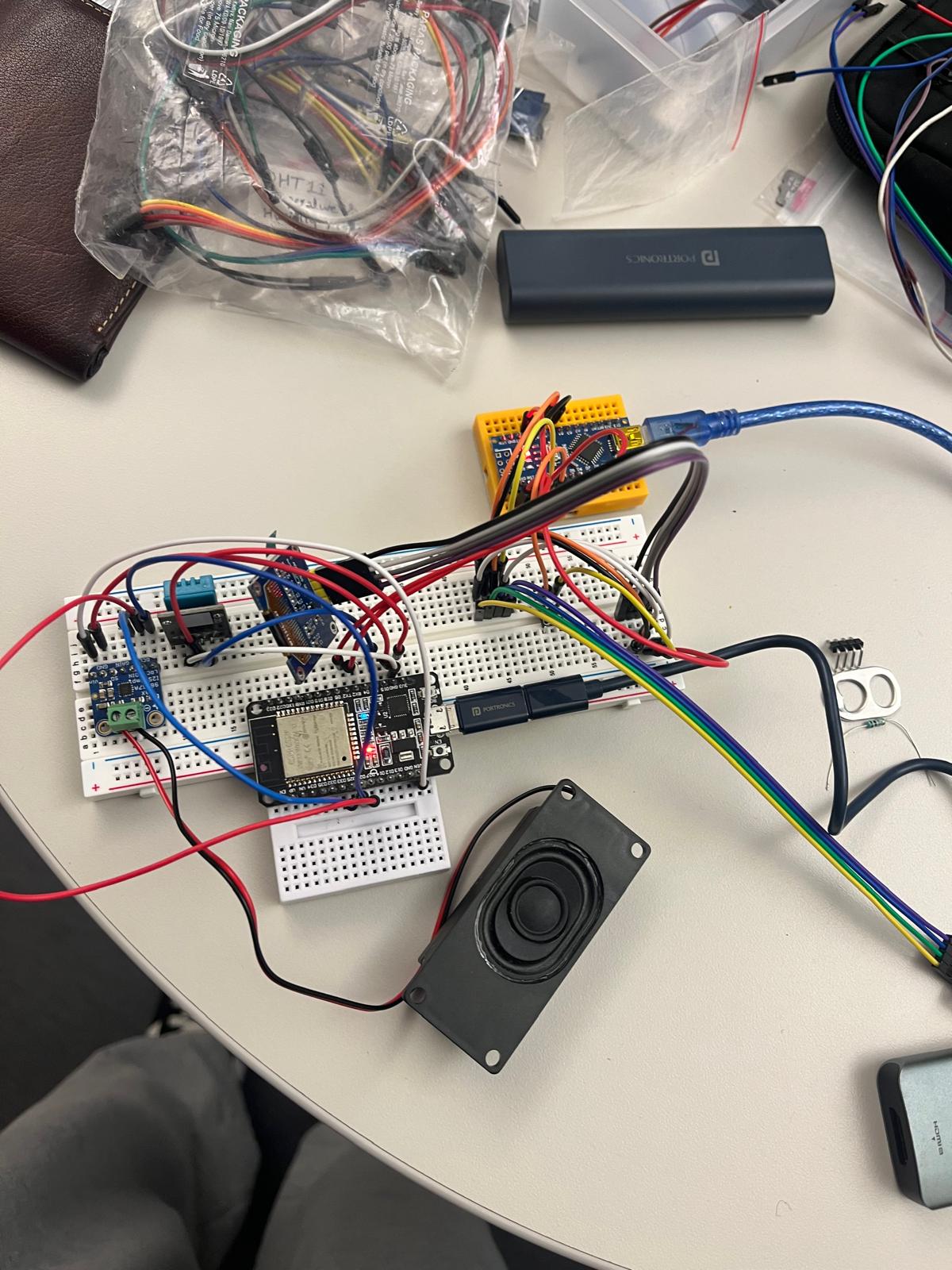
Hardware electronics
-
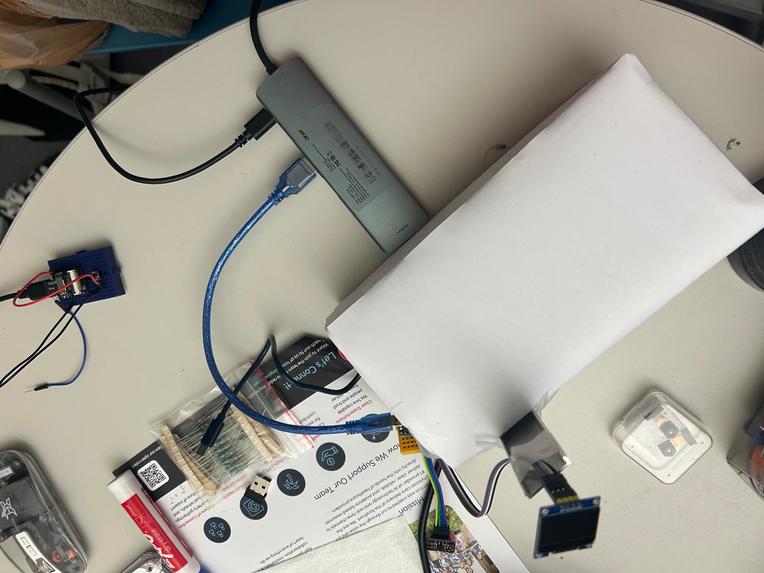
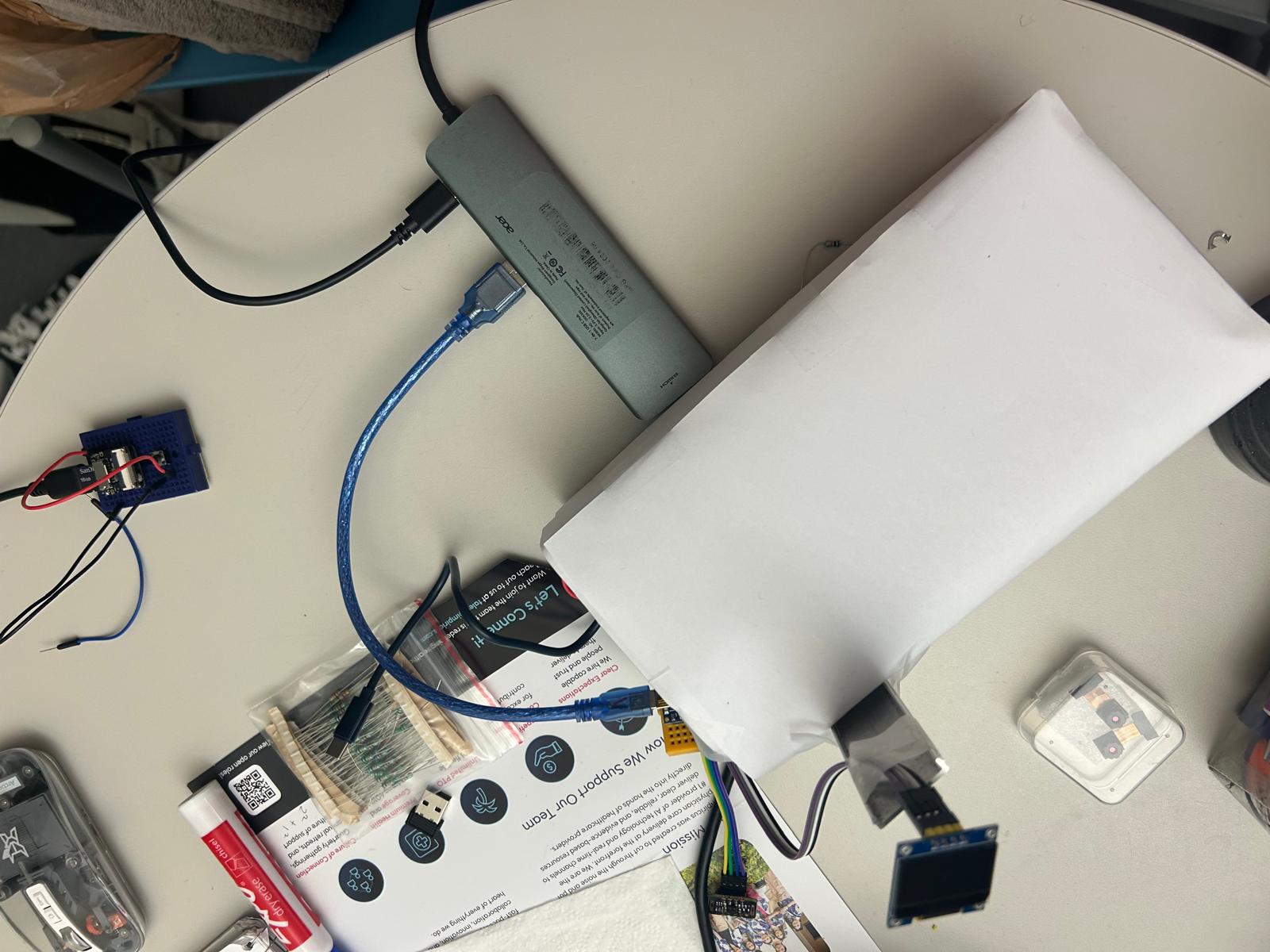
Final prototype
-
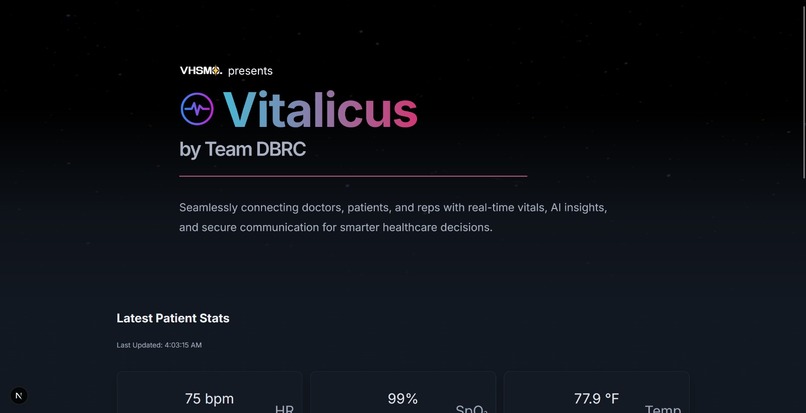
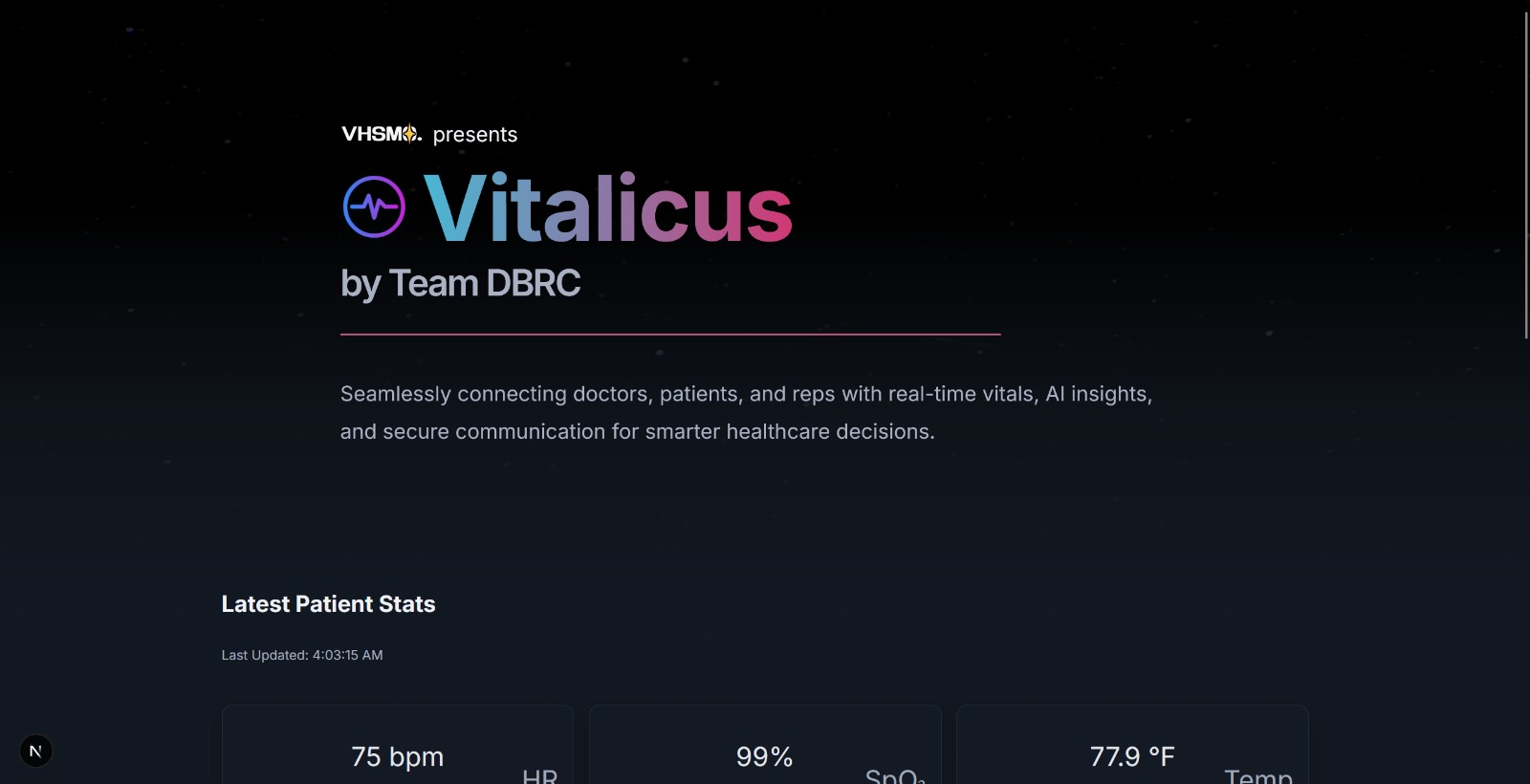
Dashboard Header
-
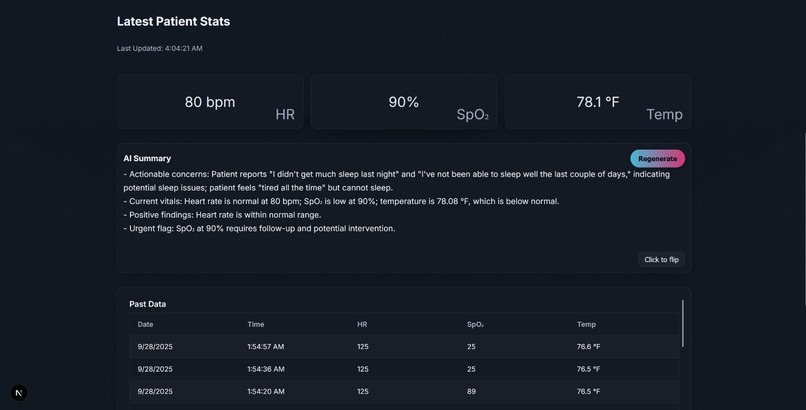
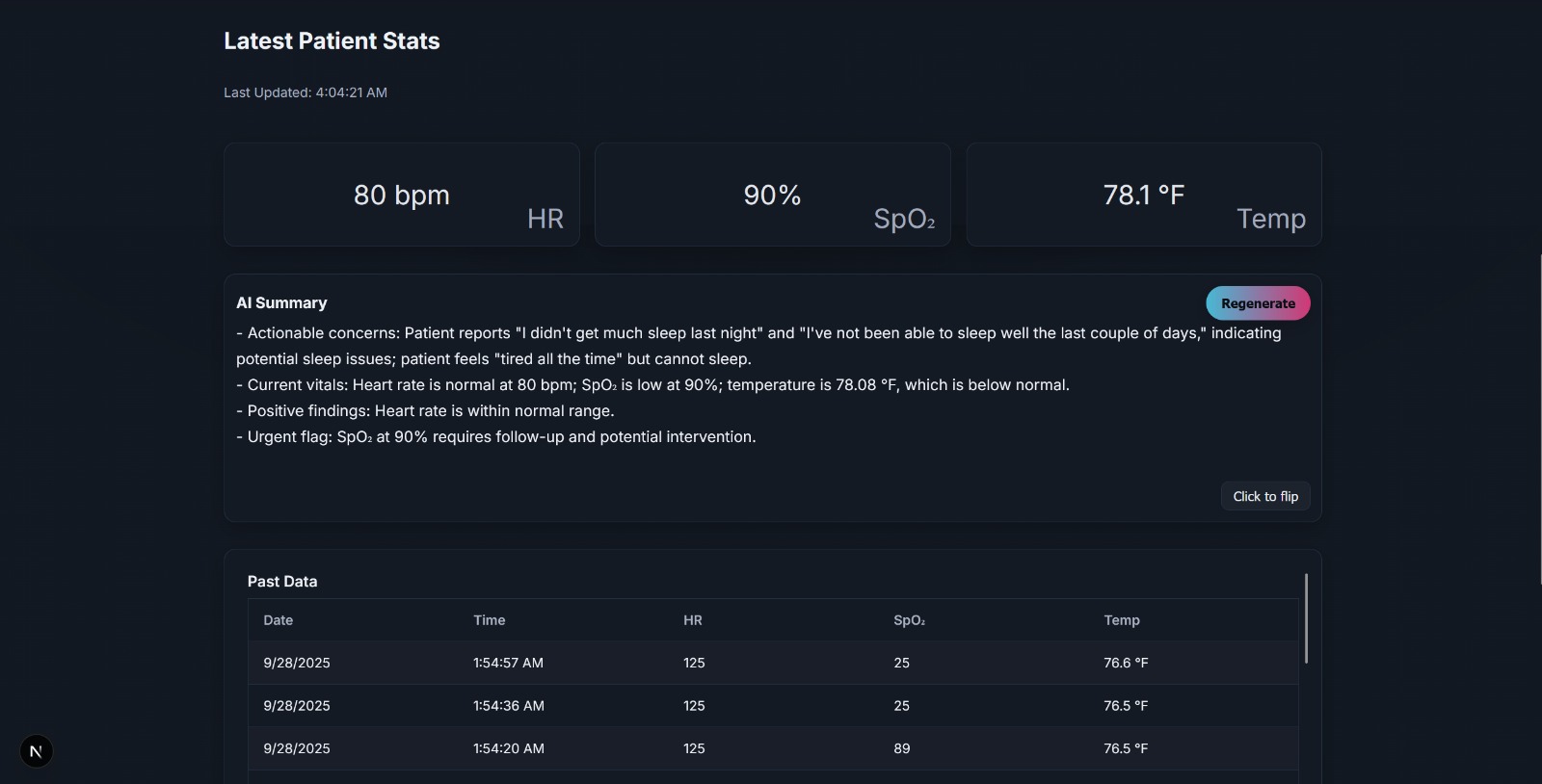
Vital readings and AI analysis
-
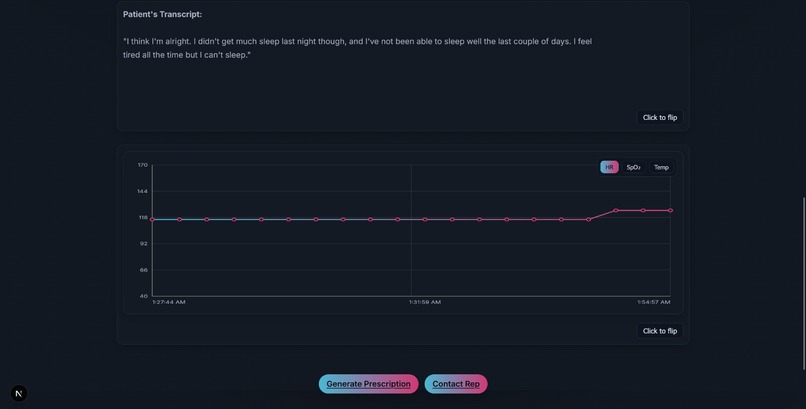
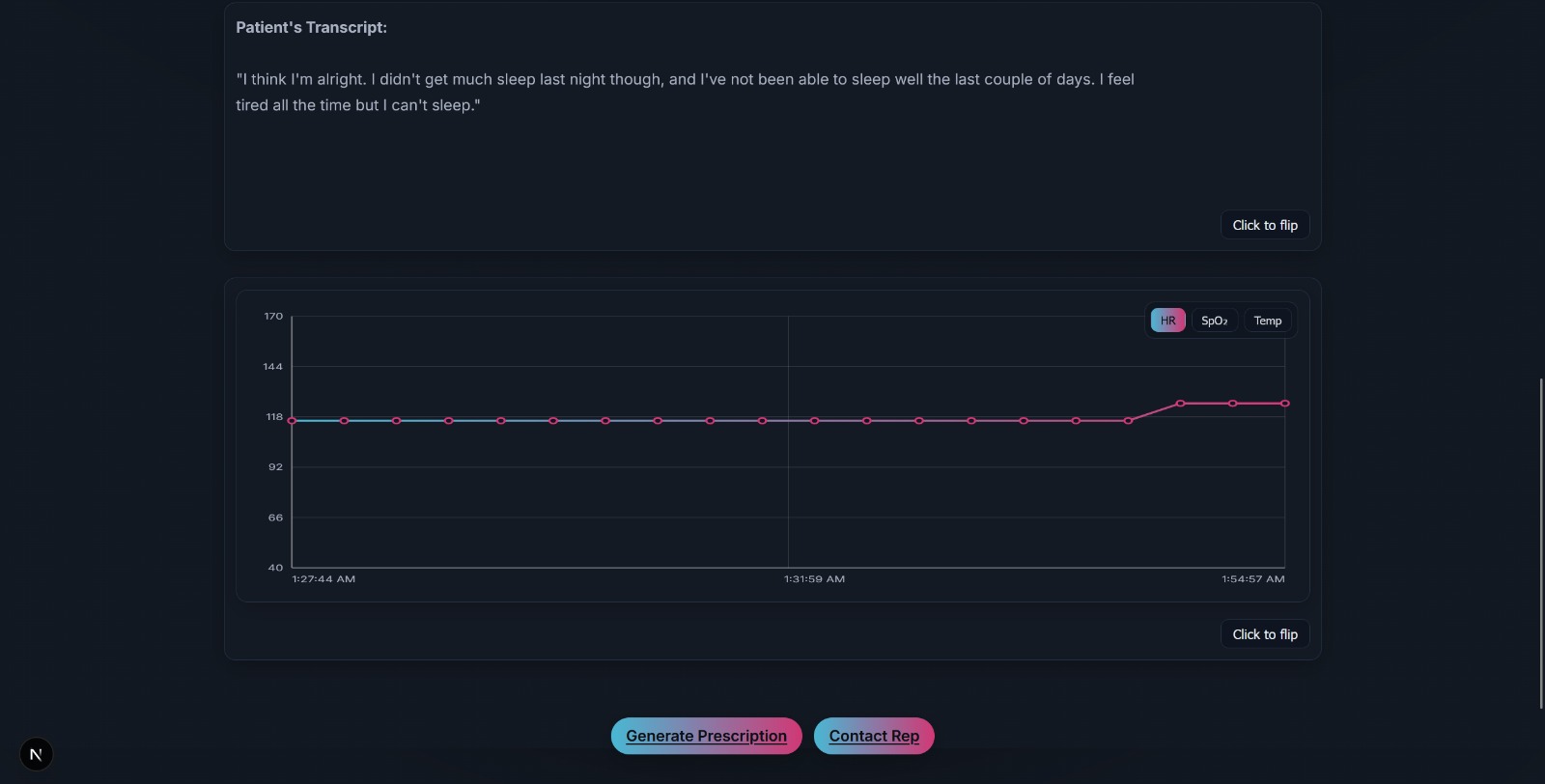
Graphs of the vital analytics
-
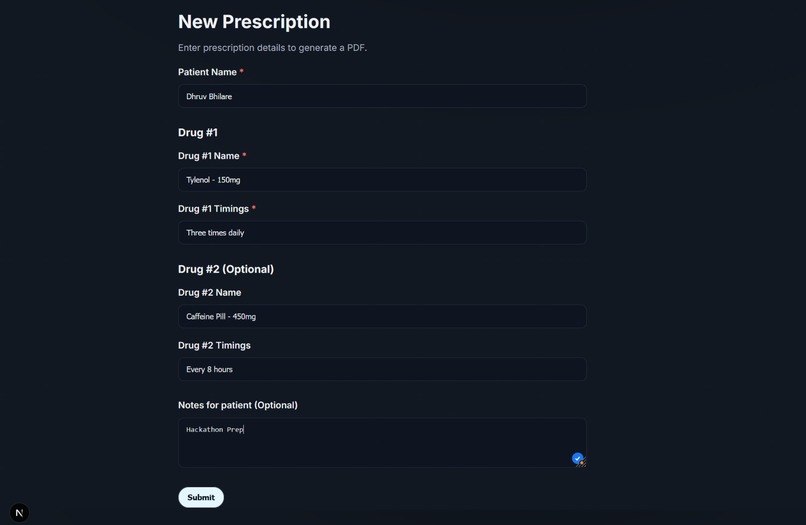
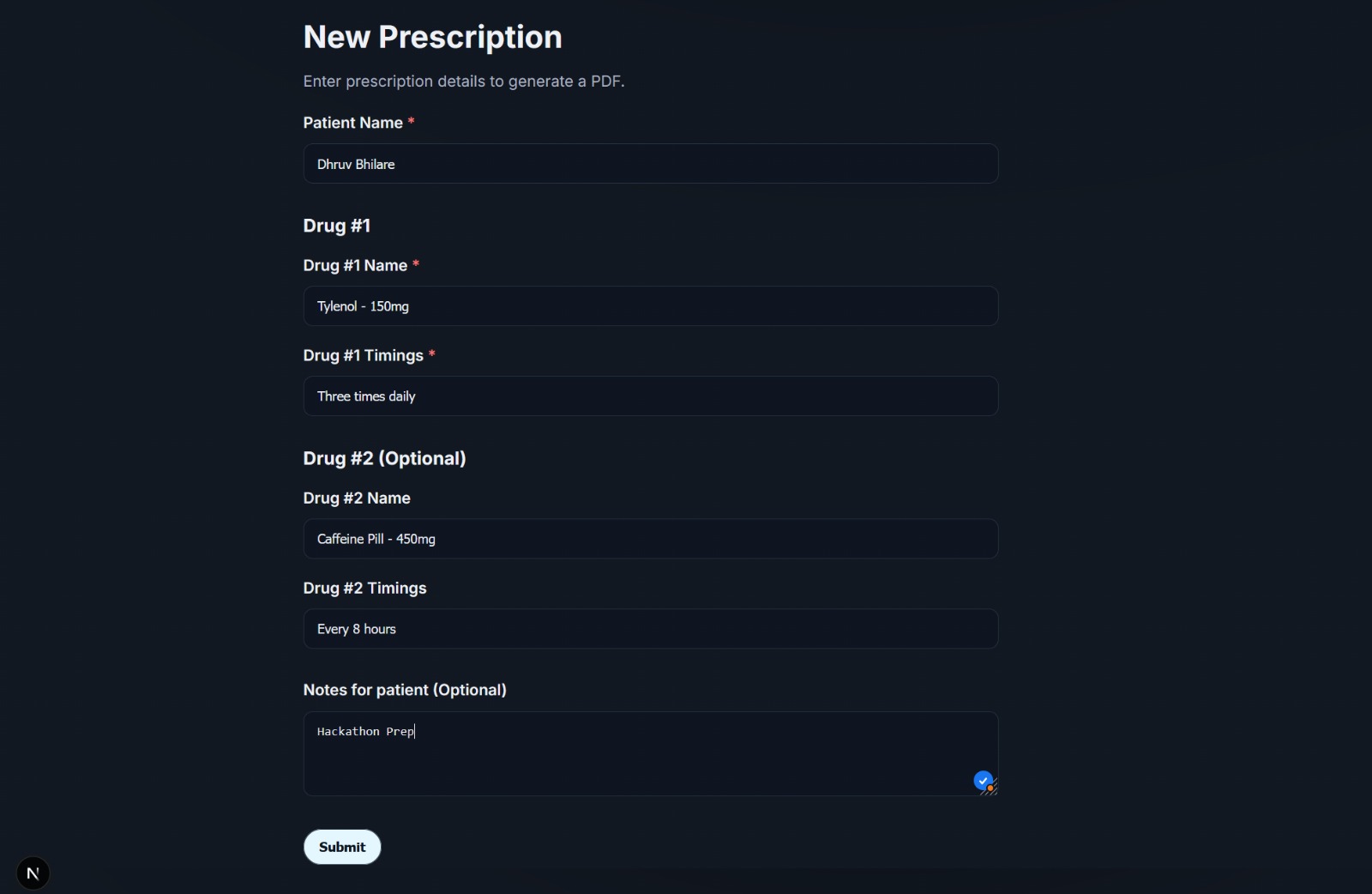
Prescription format
-
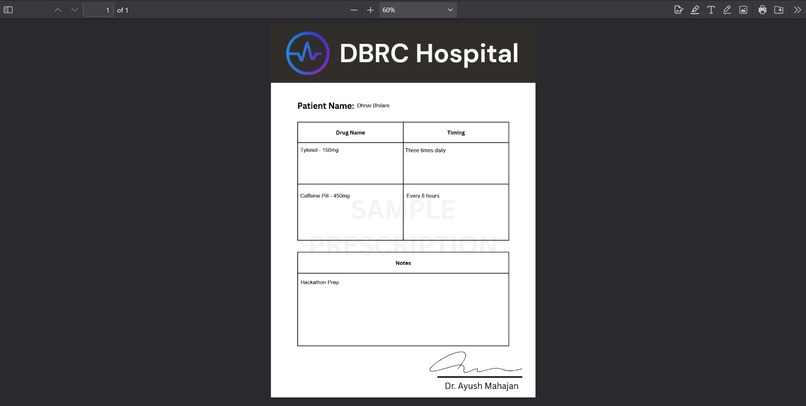
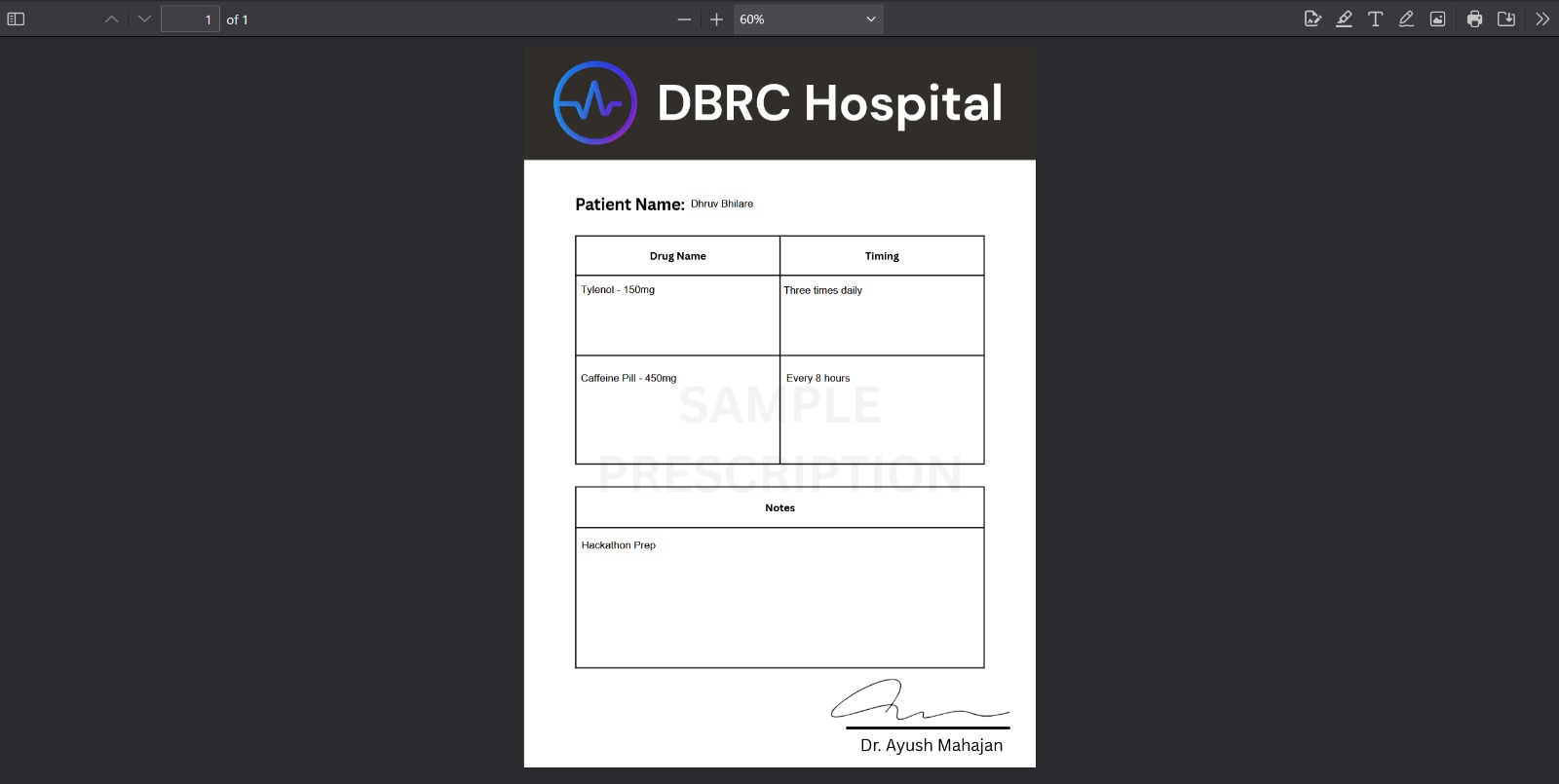
Sample generated prescription
-
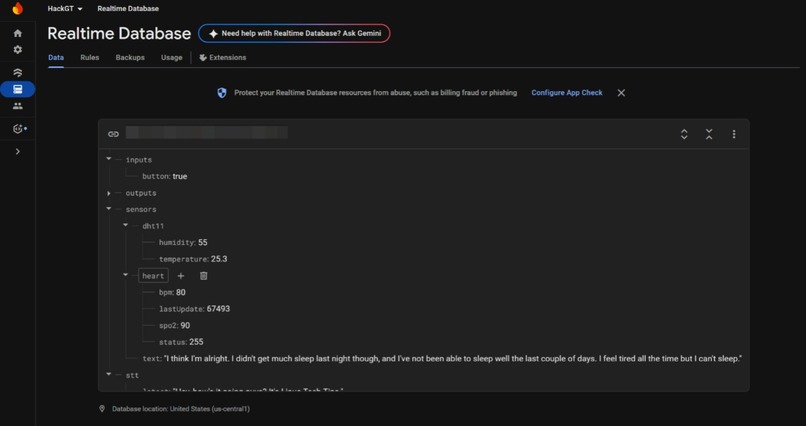
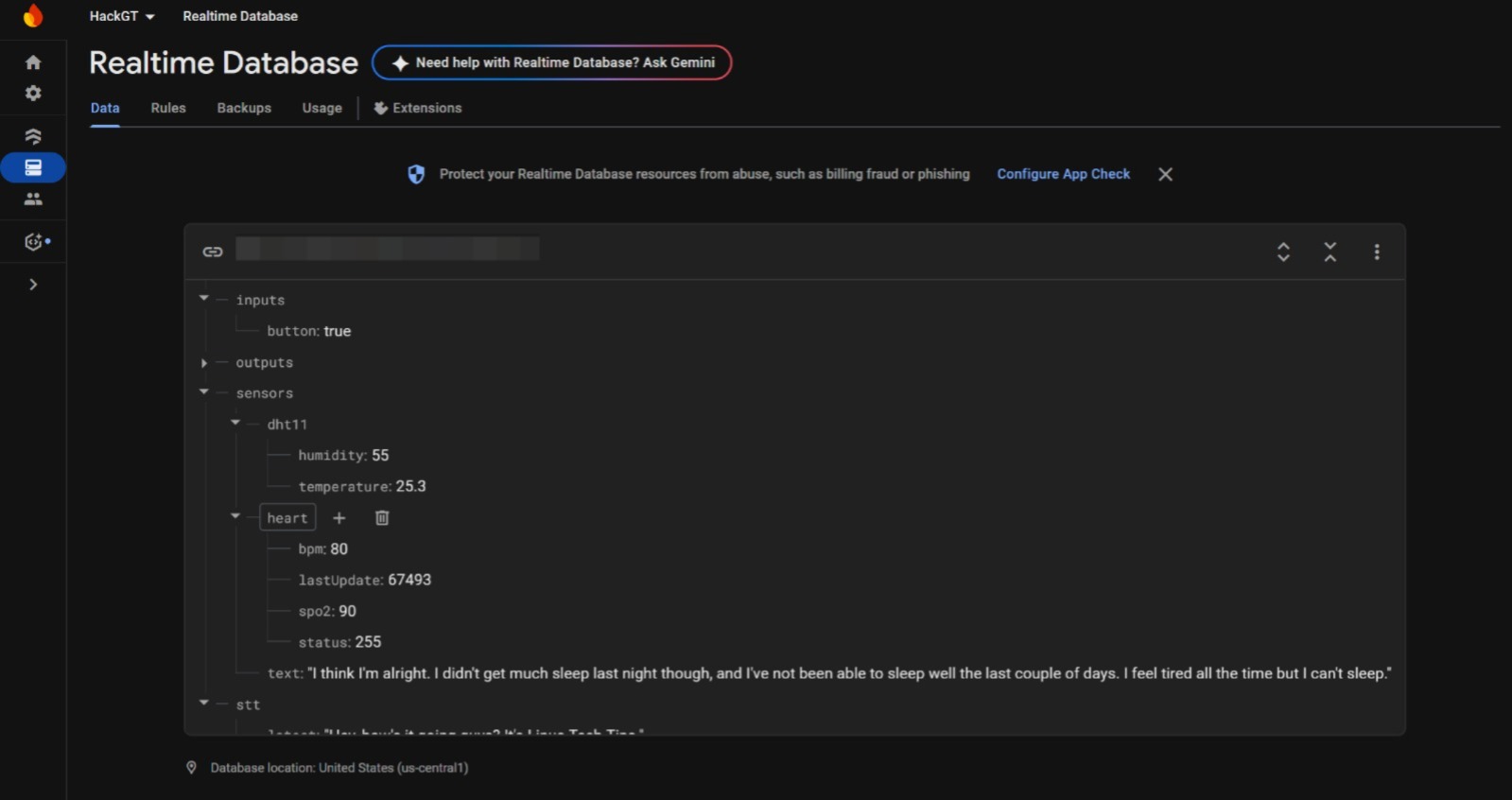
Firebase server
Inspiration
Vitalicus is inspired by our personal connections to healthcare, with several team members having close family in the medical field, including parents who are doctors, and through them we have seen firsthand the challenges both patients and doctors face in everyday clinical interactions. Whether it is long wait times, difficulty in communicating symptoms clearly, or the overwhelming administrative load on providers, these struggles felt real and urgent to us.
When we learned about the Impiricus challenge, which calls for next generation technology enabled healthcare provider engagement solutions, it perfectly aligned with our own experiences and vision. We saw an opportunity to contribute by creating a system that not only connects patients and providers but also uses smart hardware and AI to make those interactions more efficient, meaningful, and supportive. Vitalicus builds on the spirit of the Impiricus challenge by tackling real world problems with innovative technology designed to improve communication, streamline workflows, and ultimately enhance patient care.
What it does
Vitalicus is a hardware-software system designed to make engagement between healthcare providers, doctors, and patients easier, smoother, sustainable, and more informative. We have hardware device that can be used by patients or hospitals to check essential vitals like heart rate, SpO2, temperature, and more; these readings are sent to a web server where doctors can see them in real time. On the server’s dashboard, doctors can also view analytics of previously checked vitals, graphs, and recorded reports.
There’s an AI analysis that detects changes or abnormalities for the doctor to notice. The device has a button that, when pressed and held, allows the patient to describe any symptoms or talk about their mental and physical health. When the patient releases the button, the AI responds with “okay, noted, and this has been sent to your doctor.” The AI analyzes the transcription, summarizes important points, and the summary is visible on the doctor’s dashboard.
There’s also a "Contact a Rep" button on the doctor’s interface that, when pressed, automatically drafts an email (maintaining patient data anonymity) based on the AI analysis, including any required medicines or prescriptions, to request insurance coverage information.
How we built it
Hardware Integration: Our hardware stack centers on a custom hardware device powered by ESP32 microcontrollers and programmed in C++. The device uses sensors such as the MAX30102 for heart rate and SpO2 monitoring, interfacing via I2C, UART, and I2S protocols. Vital sign data like SpO2 and heart rate are displayed locally on an OLED screen for immediate patient feedback, and simultaneously transmitted via Wi-Fi to a Firebase server for real-time remote monitoring by healthcare providers. The device features a tactile button interface integrated with the ElevenLabs speech-to-text API, delivering highly accurate transcription combined with advanced sentiment analysis to enhance symptom reporting. Using Arduino libraries and focusing on power efficiency and signal processing, we ensured reliable and accessible performance suitable for both hospital and patient home environments.
Frontend: Our frontend was architected with a strong emphasis on modularity and maintainability using React and TypeScript. We broke down the user interface into over 20 reusable React components, enabling clear separation of concerns and easier scalability. CSS was used for styling and responsive layouts. Good version control was maintained using GitHub—a key improvement over our previous hackathon projects.
Backend: The backend is intentionally lightweight and built with Express.js and Node.js. Its primary role is to handle secure creation and management of prescriptions using the pdf-lib library for dynamic PDF generation. FirebaseAuth was integrated for secure authentication, while Firebasertdb handled real-time data storage and retrieval. The backend manages seamless, secure communication between the hardware devices and web server, maintaining HIPAA compliance standards through end-to-end encryption.
Challenges we ran into
One of our biggest challenges was with the hardware. A few of our critical sensors didn’t arrive on time, so we had to reverse engineer other sensor schematics and make do with whatever we had on hand. This led to running out of available GPIO pins on our ESP32 microcontrollers, which limited how many sensors and peripherals we could connect simultaneously. We even ended up burning some breakout boards during our trials.
To keep things moving, we overnighted replacements for the sensors and, in a moment of necessity, used a soldering iron delivered via DoorDash to fix and rebuild parts of the hardware late into the night. Despite these setbacks and improvisations, we managed to pull together a working prototype that we’re genuinely proud of.
Accomplishments that we're proud of
Our Firebase integration with the frontend worked much better than we initially expected—providing extremely fast, real-time data sync and a seamless user experience. This level of performance was a pleasant surprise, especially since it hadn’t always been our experience in previous projects. We successfully integrated a highly accurate and fast speech-to-text system using existing technologies, including crafting last-minute "hacks" to make everything work the way we needed. Despite the challenges and pivots, we remained dedicated throughout the full 36-hour hackathon. Ultimately, we built not just a working prototype, but a system that’s genuinely useful and impactful
What we learned
One key lesson we took away is the importance of thorough preparation, especially when it comes to having the right hardware and components ready from the start. Working within the constraints of limited time highlighted how critical it is to plan well in advance and anticipate potential supply challenges. While flexibility and adaptability are vital, being as prepared as possible helps minimize last-minute hurdles and keeps the development process smoother. This experience reinforced how good planning can make all the difference in staying focused and efficient during intense hackathons.
On the software side, we learned that having a clear architectural plan and modular design upfront enables faster development and easier collaboration. Additionally, leveraging robust version control and embracing rapid integration of third-party APIs helped us stay agile and adapt quickly to pivoting requirements without losing momentum.
What's next for Vitalicus
Since Vitalicus started as a hackathon project, our initial focus will be on making the prototype more compact and reliable by using industrial-grade electronics. This will help ensure the device is practical and durable enough for real clinical use.
Our upcoming engineering iterations will include redesigning the hardware to reduce size and power consumption, integrating additional vital sign sensors for broader patient monitoring, and enhancing Wi-Fi connectivity for improved data transmission reliability. On the software side, we plan to refine AI algorithms to improve symptom detection accuracy and develop smoother integration interfaces for existing hospital systems and electronic health records.
From there, the ultimate goal is to partner with hospitals and healthcare providers to pilot the system in real-world settings. We plan to continuously enhance the device’s capabilities, optimize AI analysis to better support both doctors and patients, and simplify integration with existing hospital software and workflows.
Our vision is to continue evolving Vitalicus to make healthcare interactions smoother and more effective for everyone involved.
Built With
- arduino
- c++
- css
- esp32
- express.js
- firebaseauth
- firebasertdb
- i2c
- i2s
- json
- max30102
- next.js
- oled
- pdf-lib
- react
- speech-to-text
- typescript
- uart
- websocket


Log in or sign up for Devpost to join the conversation.