-
-
Home Page
-
Quiz Page 1
-
Quiz Example Page
-
Results Page1
-
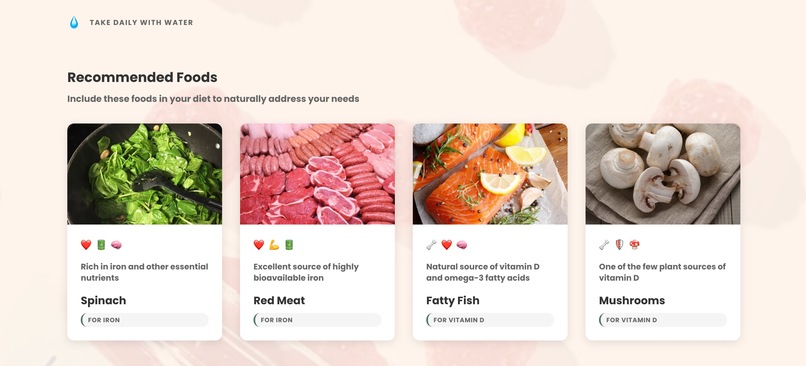
Results Page2
-
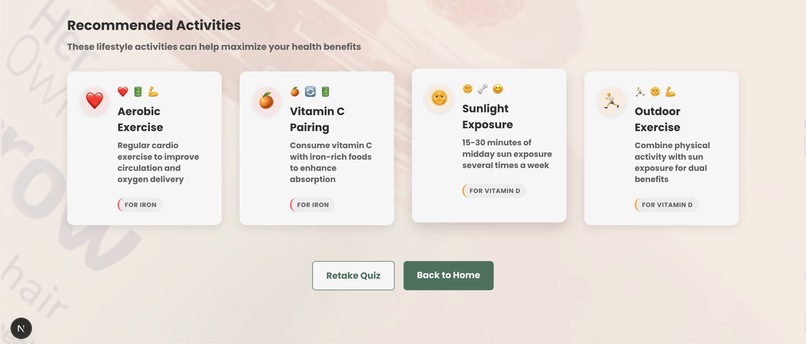
Results Page3
-
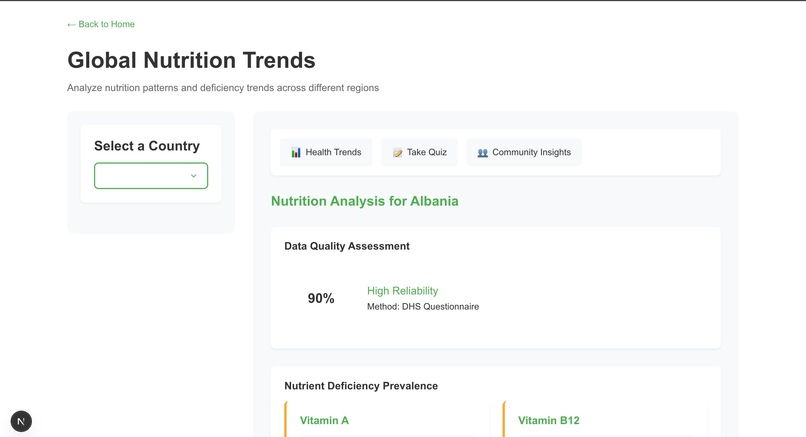
Community Needs Page


Category: Health
Inspiration
As we brainstormed ideas, we wanted to create something that was both impactful and accessible—something that could benefit individuals and communities alike. We recognized that many people experience minor symptoms daily but may not connect them to potential vitamin deficiencies, often overlooking their nutritional needs. The lack of awareness around deficiencies can lead to unnecessary discomfort and long-term health consequences. Additionally, many countries struggle with widespread vitamin deficiencies due to environmental limitations or lack of resources.
This is why we created VitaGuide—a simple yet powerful tool designed to help users identify potential deficiencies early, receive personalized recommendations, and spread awareness of global nutritional gaps. By making health insights more accessible, we aim to empower individuals to take charge of their well-being while also fostering greater awareness of nutritional disparities worldwide.
What it does
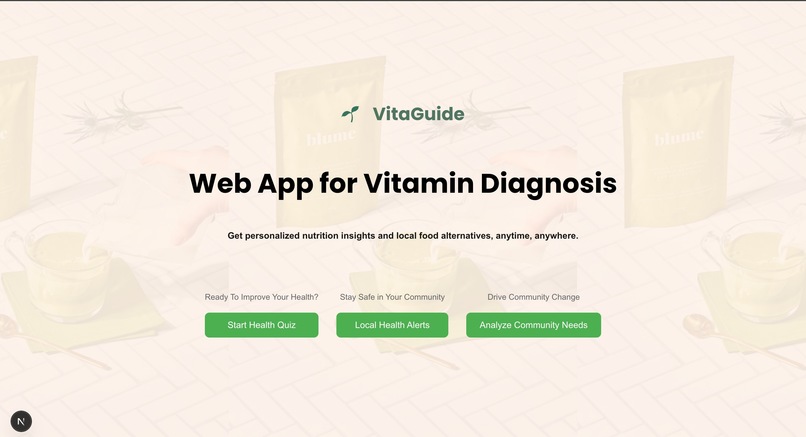
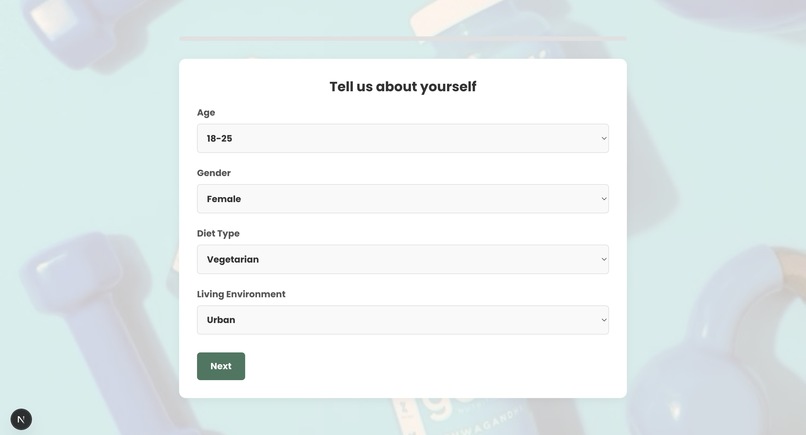
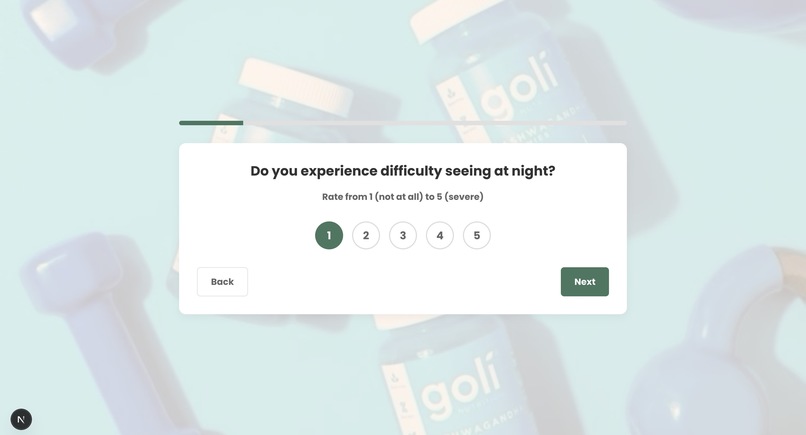
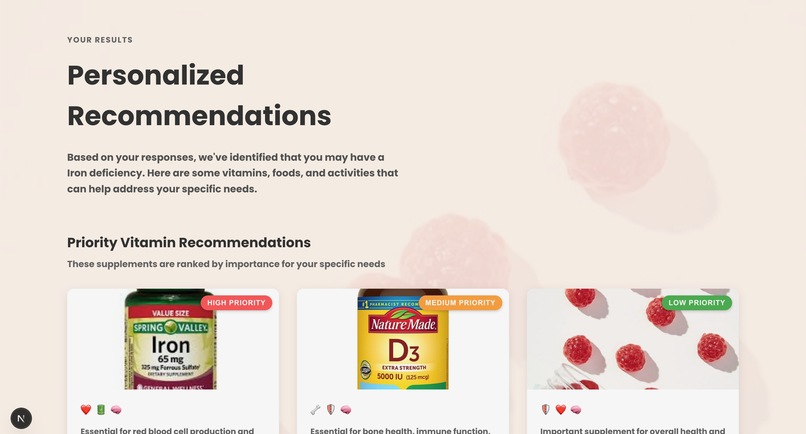
VitaGuide allows users to take a quick, evidence-backed quiz to identify potential vitamin deficiencies based on their symptoms and lifestyle factors. The app then provides personalized recommendations, including essential supplements, nutrient-rich foods, and beneficial activities to support overall well-being. Beyond individual health, VitaGuide features a global deficiency tracker, where users can search for specific countries to see the most common vitamin deficiencies in that region, fostering awareness and aiding communities in addressing nutritional challenges.
How we built it
We developed VitaGuide using Flask for the backend, which processes quiz responses, applies machine learning models to predict deficiencies, and generates personalized recommendations. The frontend, built with Next.js, provides a seamless and engaging user experience. We integrated pandas and scikit-learn for data preprocessing and deficiency predictions, and used Flask-CORS to ensure smooth API communication. Additionally, we structured our database to store deficiency trends for different countries, allowing users to explore nutritional insights worldwide.
Challenges we ran into
As this was almost all of our team members first hackathon, we ran across many challenges that entailed code issue, git errors, as well as getting familiar with the tools we utilized for VitaGuide. One specific challenge we came across was to ensure that the algorithm correctly identified deficiencies based on weighted symptoms and demographic factors was challenging. We had to adjust our symptom thresholding and refine the KNN-based approach. Finding a reliable datasets for both individual deficiency assessments and global trends required a lot of preprocessing and validation. Setting up a smooth integration between our Flask API and Next.js frontend while handling CORS issues required a lot of debugging.
Accomplishments that we're proud of
This whole project has been a great success. We are proud of how we have achieved every goal we set for this project. We were able to successfully implement personalized health recommendations based on user input, create a global deficiency tracker, which adds a broader, community-focused impact beyond personal wellness, improve our machine learning model to make accurate predictions and improve user trust, and build an intuitive and user-friendly interface that makes health assessment accessible to anyone.
What we learned
Through this project, we learned a lot about nutritional science and vitamin deficiencies, especially how symptoms can overlap and make diagnosis more complex. We also improved our skills in machine learning, refining our model to work effectively in a real-world health application. Additionally, we gained a deeper understanding of user experience design, making sure the app is both engaging and easy to use. On the technical side, we learned how to optimize Flask API performance for real-time quiz processing, ensuring smooth and fast responses. Lastly, we became more familiar with how Git works, learning how to collaborate efficiently, manage version control, and track changes throughout development.
What's next for VitaGuide
Next, we plan to add more data to improve the quiz results and make them more accurate. We also want to include local health data, so users can compare their quiz results with common deficiencies in their area. This will help them see what deficiencies they are more likely to have and how to prevent them with the right foods, vitamins, and habits. By making the app more personal and useful, we hope to help even more people take control of their health.
Built With
- flask
- javascript
- next.js
- panda
- python
- sckit


Log in or sign up for Devpost to join the conversation.