Inspiration
We wanted to create a tool that helps people balance productivity with well-being. With the rise of wearable technology, we saw an opportunity to leverage real-time health data to help users optimize their daily routines.
What it does
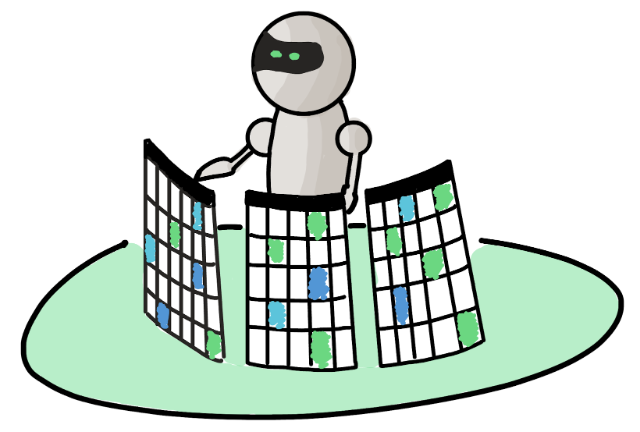
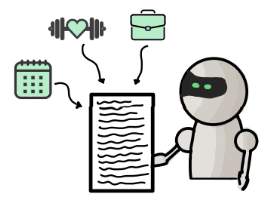
Vitae syncs with your smartwatch and phone, using health data like sleep patterns, activity levels, and stress markers to automatically adjust your schedule, making real-time tweaks to keep you balanced and productive.
How we built it
We built Vitae using Next.js for the frontend and backend, integrating with APIs from wearable devices to gather health data. We developed advanced algorithms to process the data and suggest real-time schedule changes.
Challenges we ran into
Our main challenge was developing an algorithm that processes health data in real-time, efficiently adjusting schedules without overwhelming users. Balancing timely, helpful updates with minimal disruption is our key metric.
Accomplishments that we're proud of
We’re proud of creating a seamless user experience that integrates health data meaningfully, improving daily routines without overcomplicating the interface.
What we learned
We learned how powerful personalized scheduling can be when linked with health insights. We also realized the importance of providing users control, so they can choose when to follow Vitae’s recommendations.
What's next for Vitae
Next, we plan to refine our algorithms, integrate with more wearable devices, and explore AI-driven suggestions for work-life balance, helping users optimize not just daily schedules, but long-term goals.
Built With
- mongodb
- nextjs
- tailwind
- vercel


Log in or sign up for Devpost to join the conversation.