
Inspiration
In Andijan region and across Central Asia, vitamin and mineral deficiencies are very common — especially among women, teenagers, and the elderly. However, laboratory testing is often expensive and not easily available. This inspired me to design VitaCheck — a mobile app that helps people recognize possible vitamin and mineral deficiencies based on daily symptoms and get simple, food-based recommendations adapted to local diets. The idea came from observing how many people experience fatigue, hair loss, or dizziness but don’t connect these signs with nutritional problems. I wanted to turn that awareness into an accessible, educational, and social health tool.
What it does
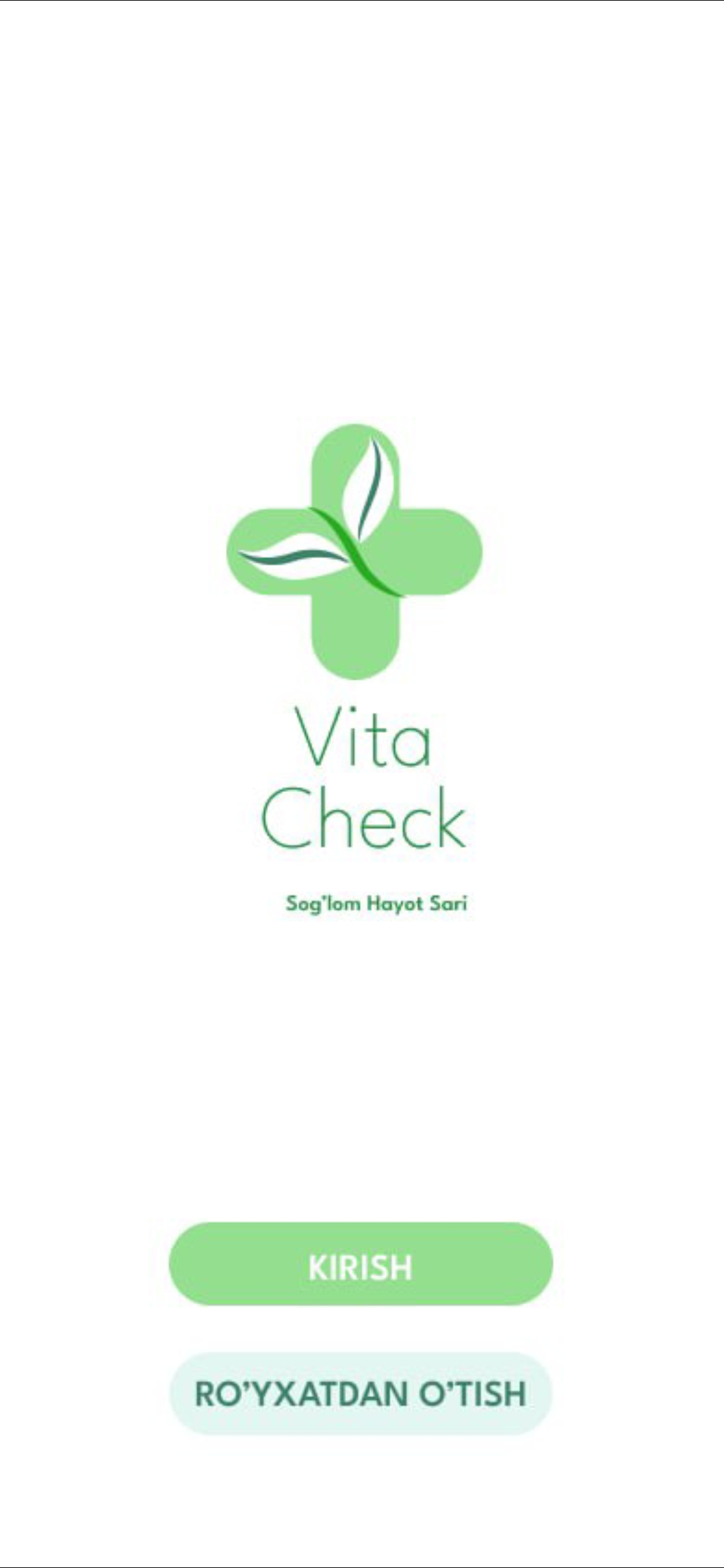
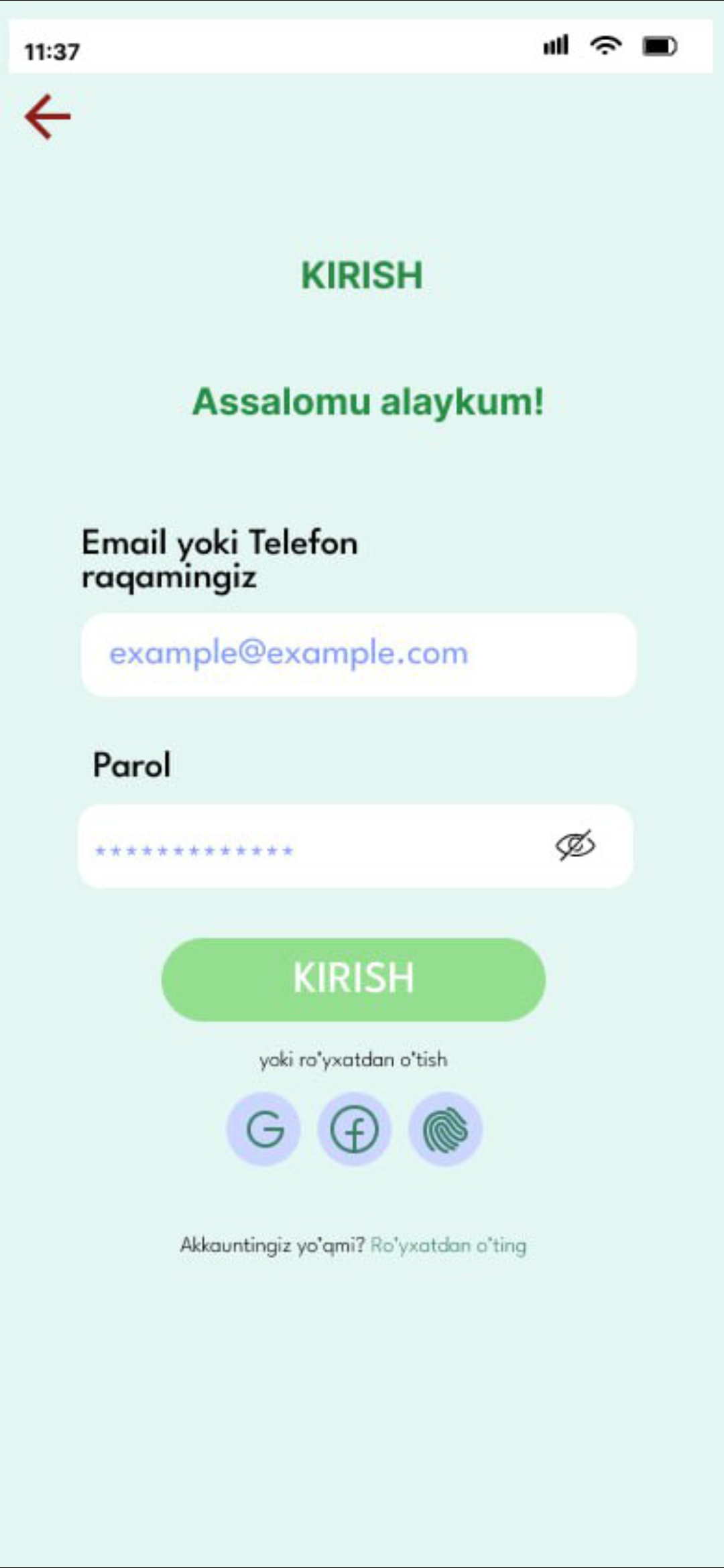
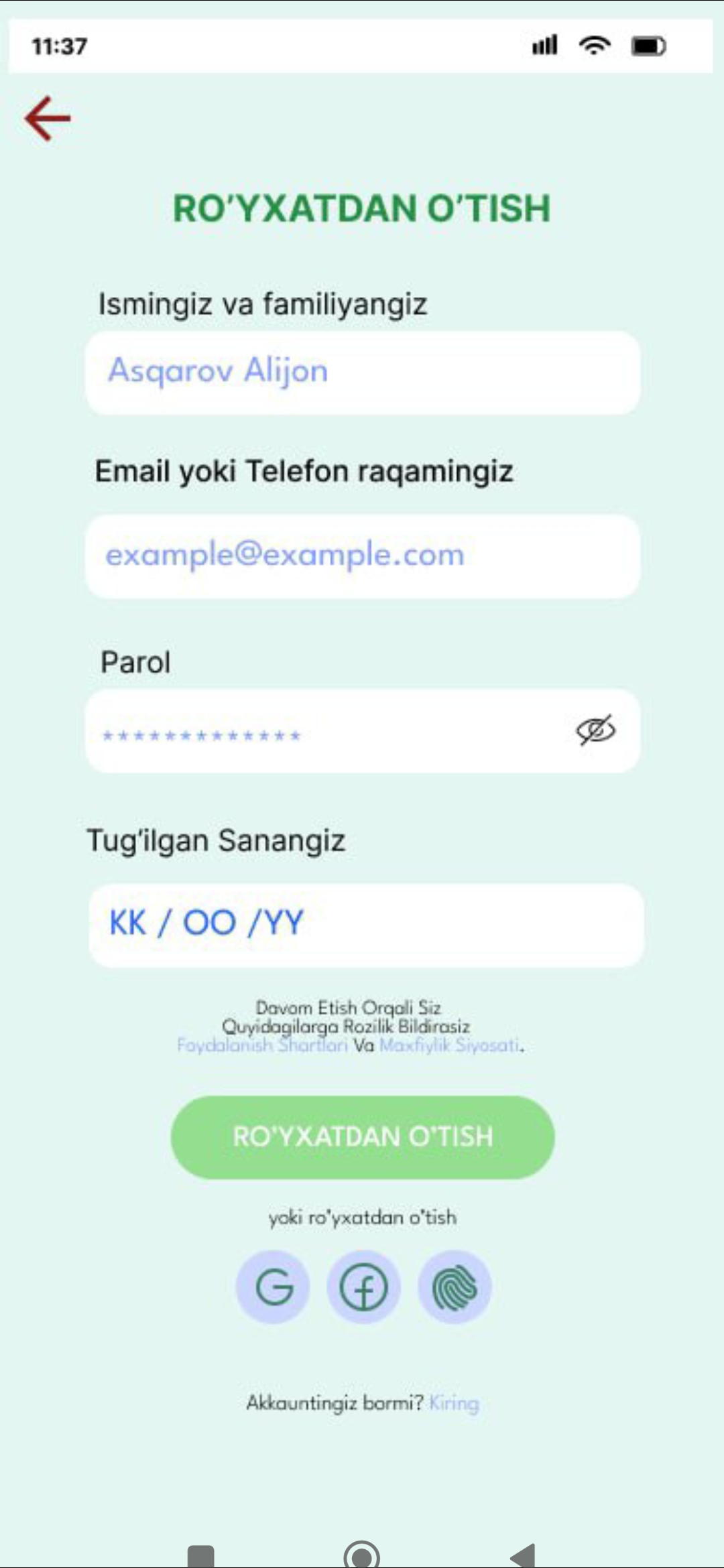
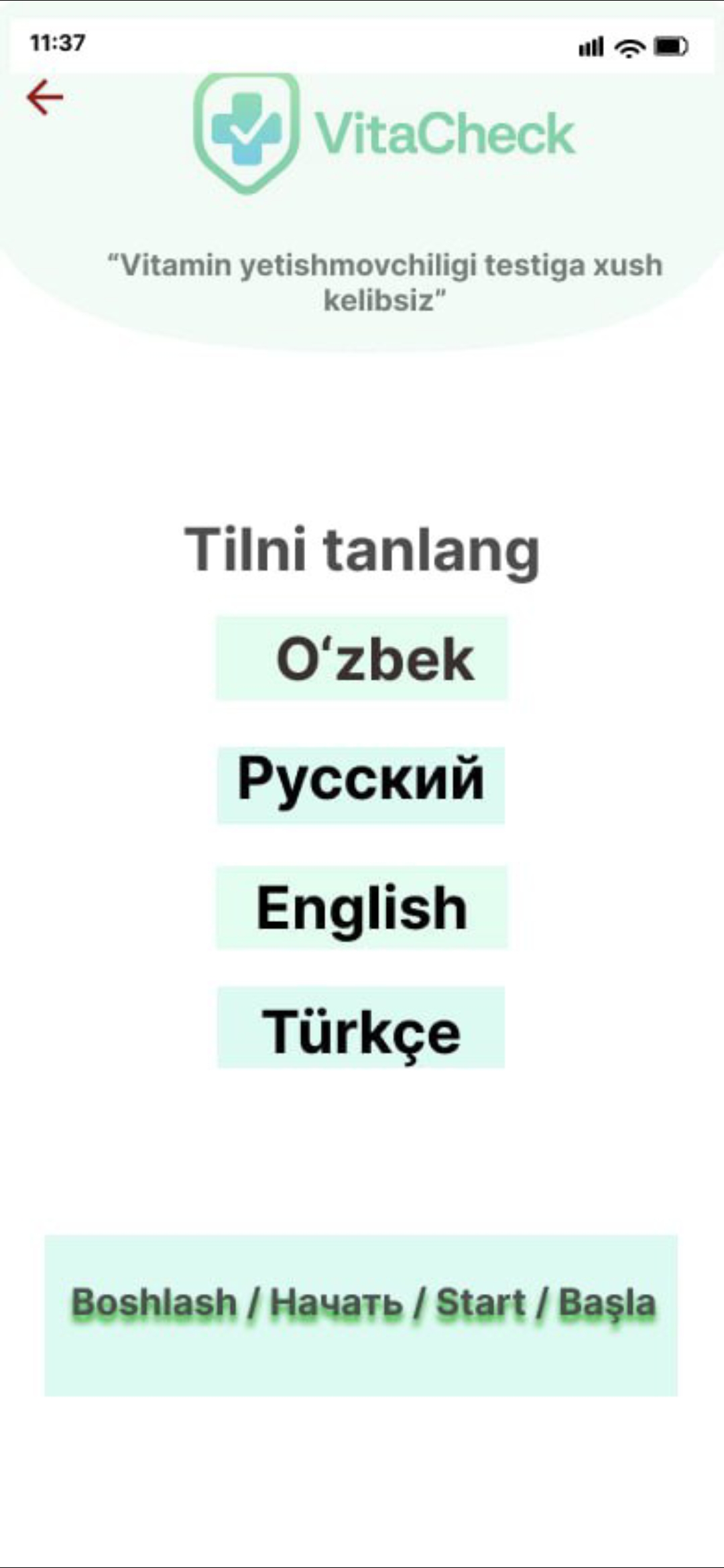
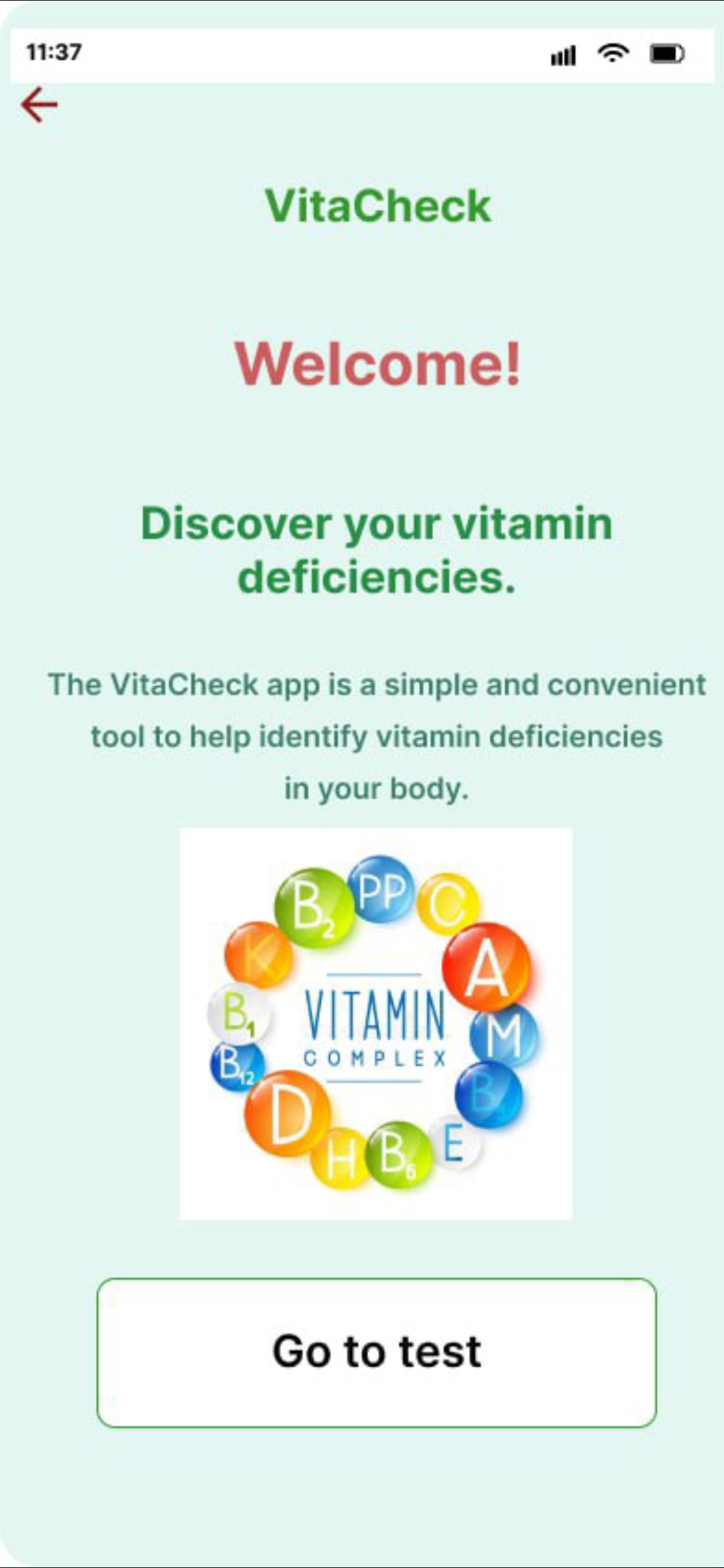
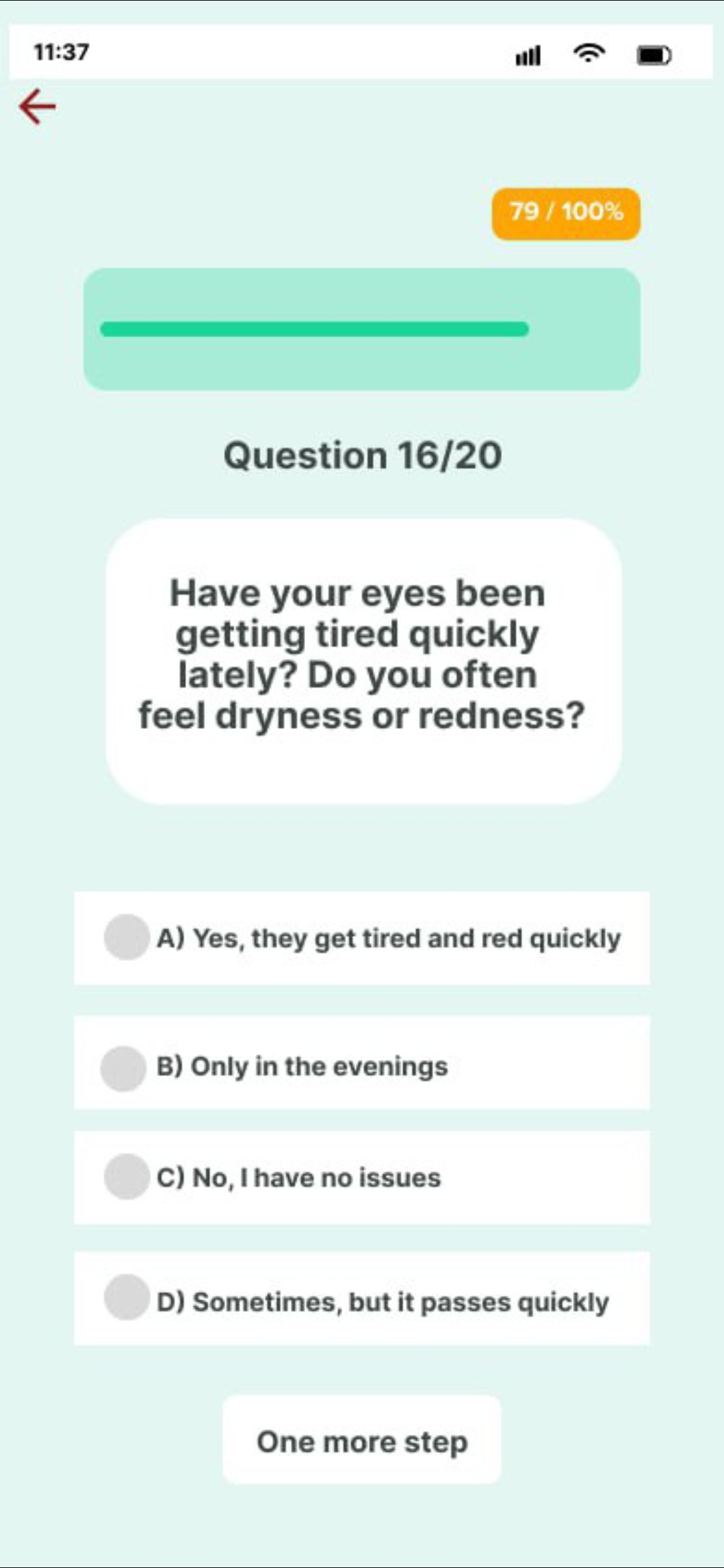
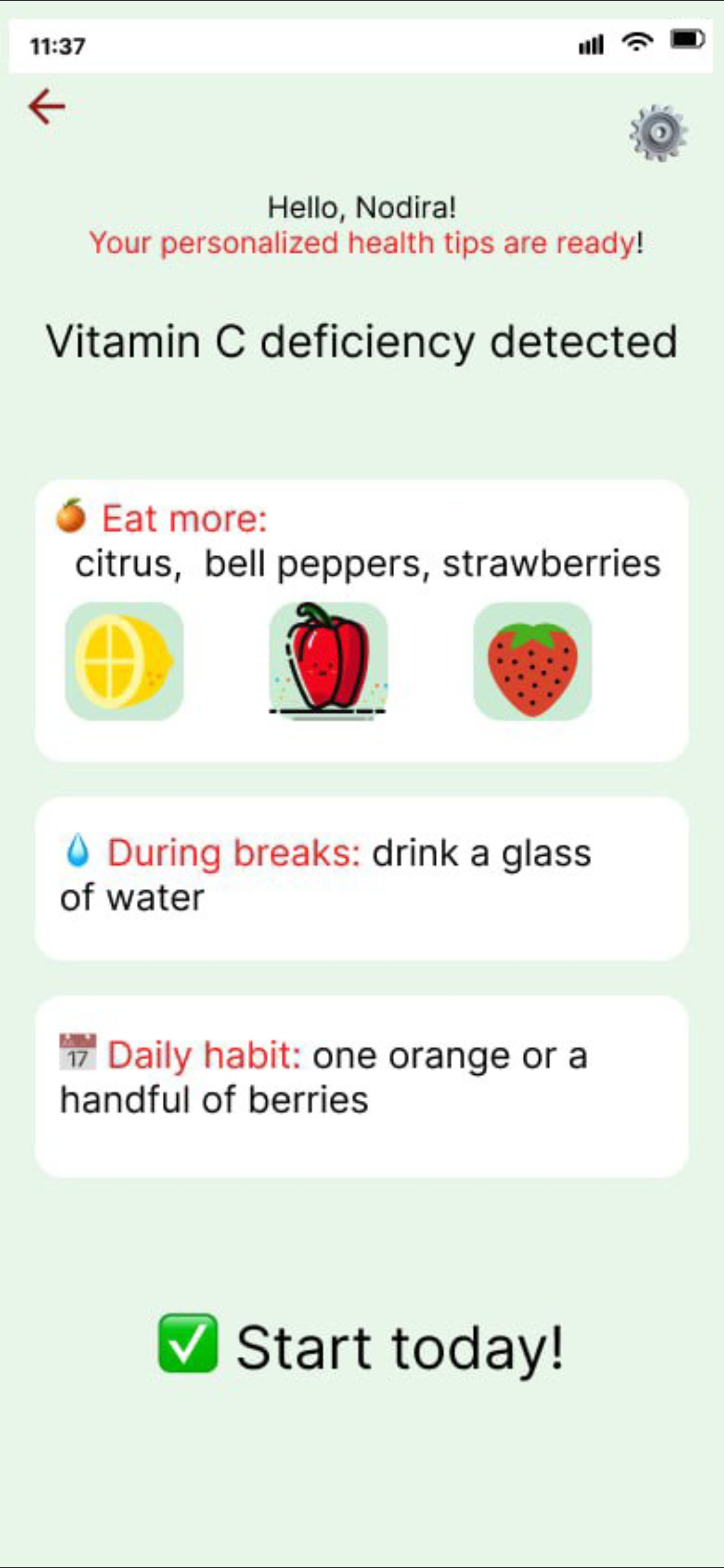
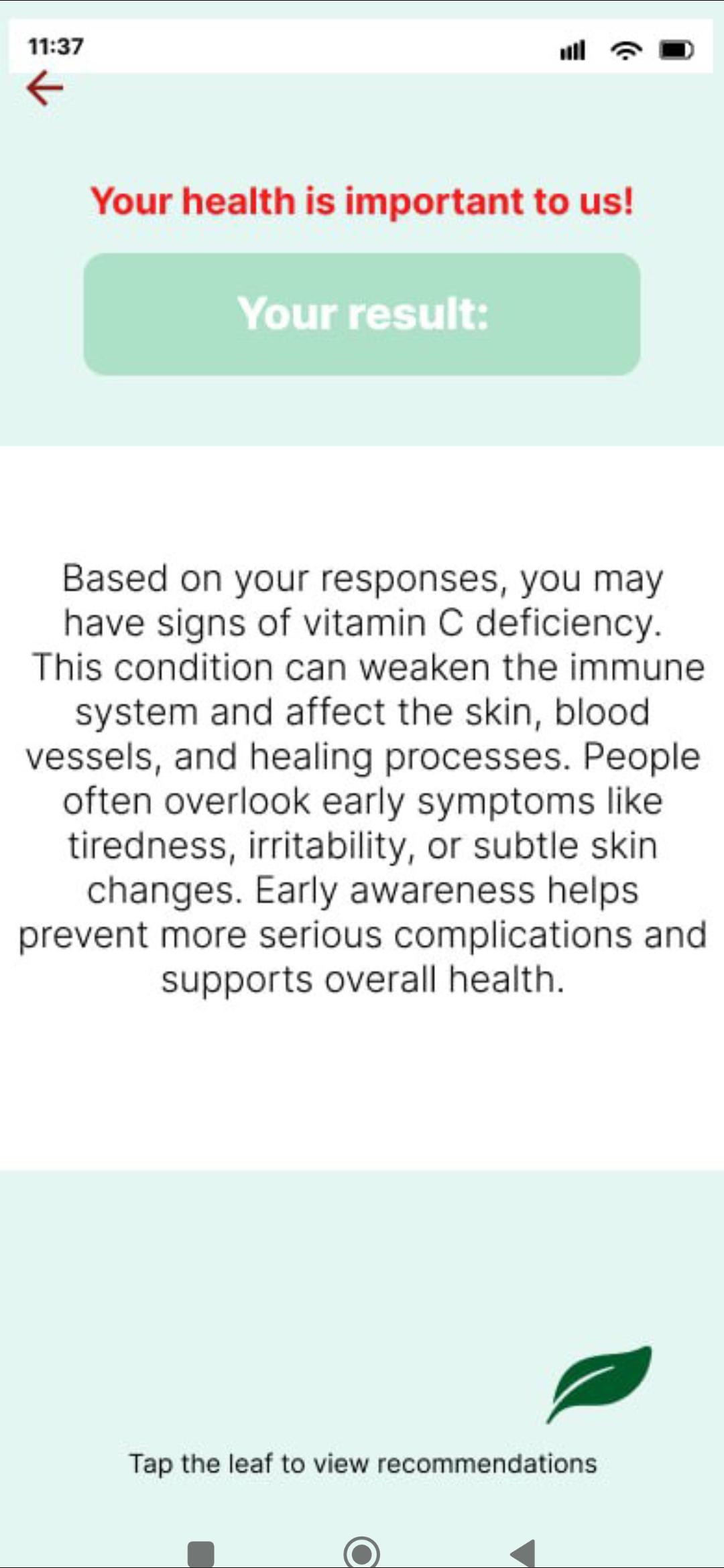
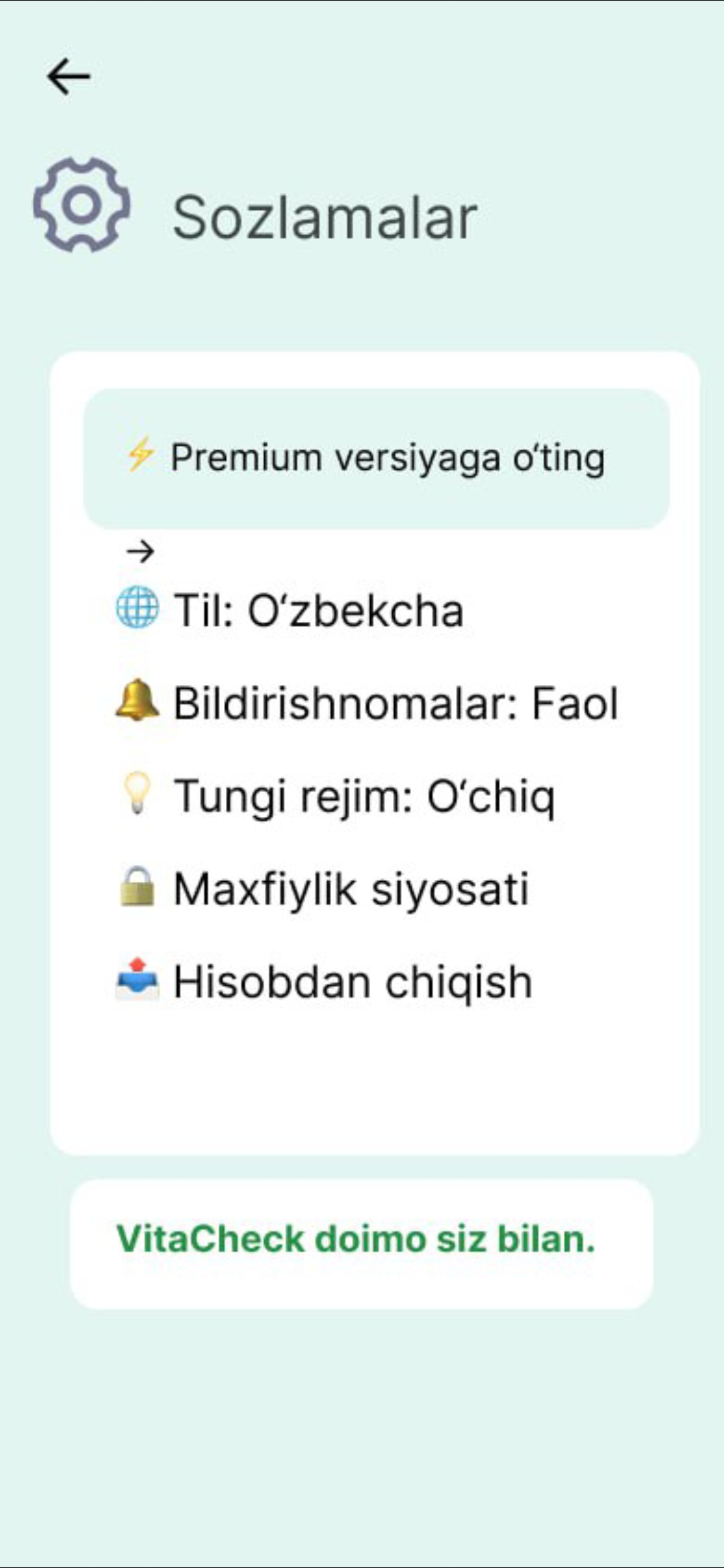
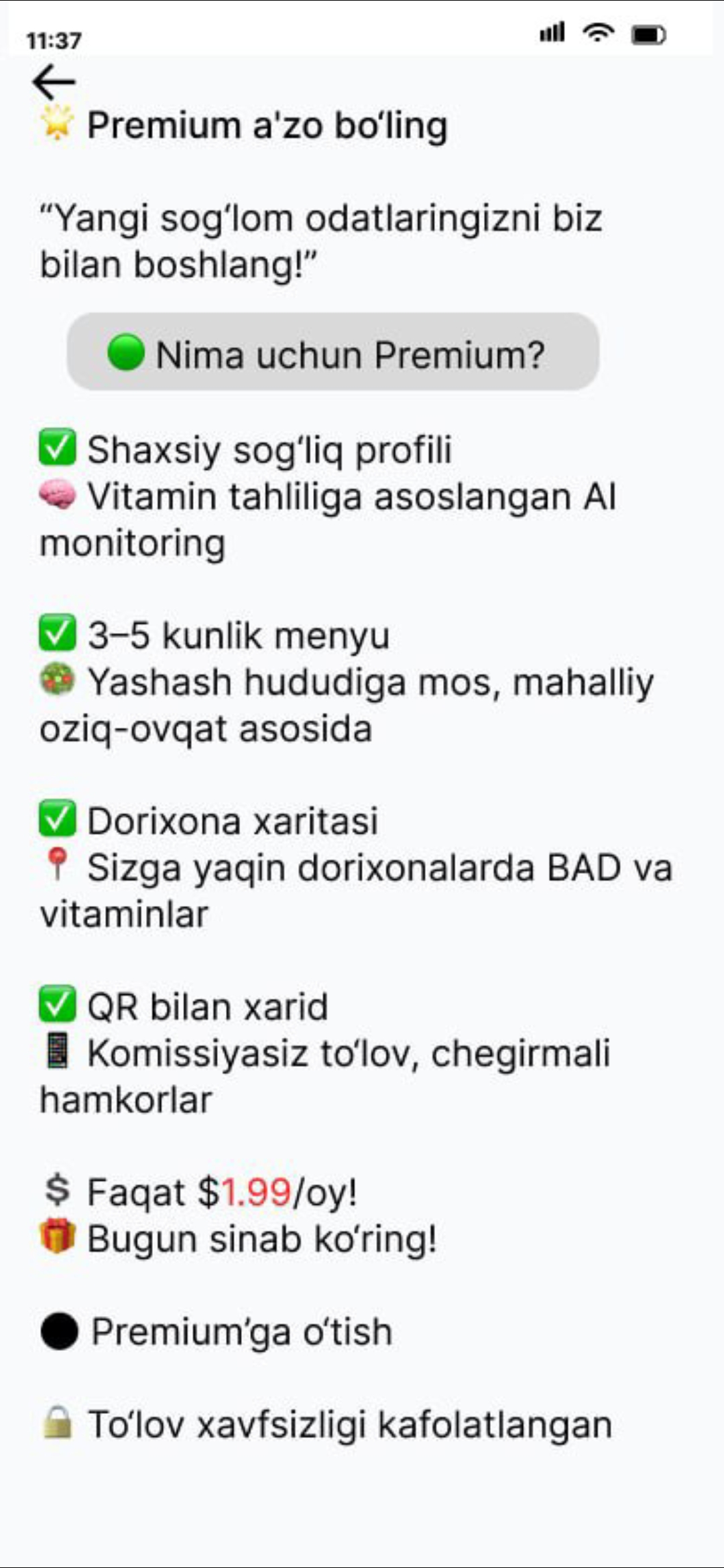
VitaCheck is a digital wellness assistant that helps people identify possible vitamin and mineral deficiencies based on symptoms and provides personalized nutrition recommendations using local foods. It’s designed to be: Affordable: No need for expensive lab tests — only symptom-based analysis. Inclusive: Suitable for women, teenagers, and the elderly — groups most at risk of micronutrient deficiencies. Multilingual: Available in Uzbek, Russian, English, and Turkish. Practical: Suggests 3–5 day AI-generated meal plans adapted to local food availability. Currently, VitaCheck exists as a Figma prototype, illustrating all user flows, pages, and AI logic. The MVP (Minimum Viable Product) will be built next with the support of developers.
How we built it
At this stage, VitaCheck was conceptualized and designed in Figma:
- Research & Ideation: Studied the prevalence of micronutrient deficiencies in the Andijan region. Analyzed common symptoms and their relation to dietary habits.
- Design Phase: Created wireframes and a prototype in Figma. Focused on accessibility and a clean, intuitive design for all age groups.
- Technical Planning (for MVP): Frontend: Flutter Backend: FastAPI (Python) AI/ML: TensorFlow Lite for symptom-to-nutrient correlation Database: Firebase Cloud: Google Cloud APIs: Nutrition Analysis API, Google Translate API
Challenges we ran into
Difficulty translating medical knowledge into simple, everyday language. Designing accurate yet user-friendly symptom questions. Managing four-language localization within the app design. Lack of immediate technical support to transform the design into a working MVP. Balancing between medical responsibility and educational guidance (since it’s not a diagnostic tool).
Accomplishments that we're proud of
Created a complete Figma prototype with realistic screens and AI logic flow. Developed a design that is both visually appealing and accessible to older users. Built a strong research base connecting symptoms with potential nutrient deficiencies. Defined a clear roadmap for MVP development and future scaling. Promoted the concept of preventive, food-based health awareness in low-resource areas.
What we learned
The power of design thinking in turning health challenges into digital solutions. How to create user experiences that are inclusive and culturally sensitive. Importance of local food adaptation when giving nutrition advice. That AI in health apps must prioritize responsibility and education — not diagnosis. The value of community feedback — user insights helped refine the symptom flow.
What's next for VitaCheck
Build the MVP: Collaborate with developers to implement the app using Flutter, FastAPI, and TensorFlow Lite. Pilot Testing: Launch the app among 100 users in Andijan (women, teenagers, elderly) to collect real feedback. Expand Database: Include local food nutrient profiles from Central Asia. Offline Functionality: Enable core features without internet access. Social Impact Launch: Partner with local health organizations and pharmacies to make VitaCheck widely accessible.
Built With
- ai/ml:
- cloud
- dart
- dart-frameworks:-flutter
- database:
- fastapi
- firebase
- languages:-python
- lite
- tensorflow


Log in or sign up for Devpost to join the conversation.