-
-
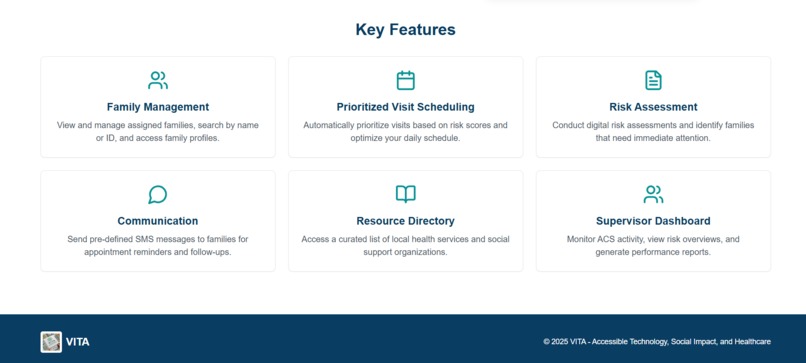
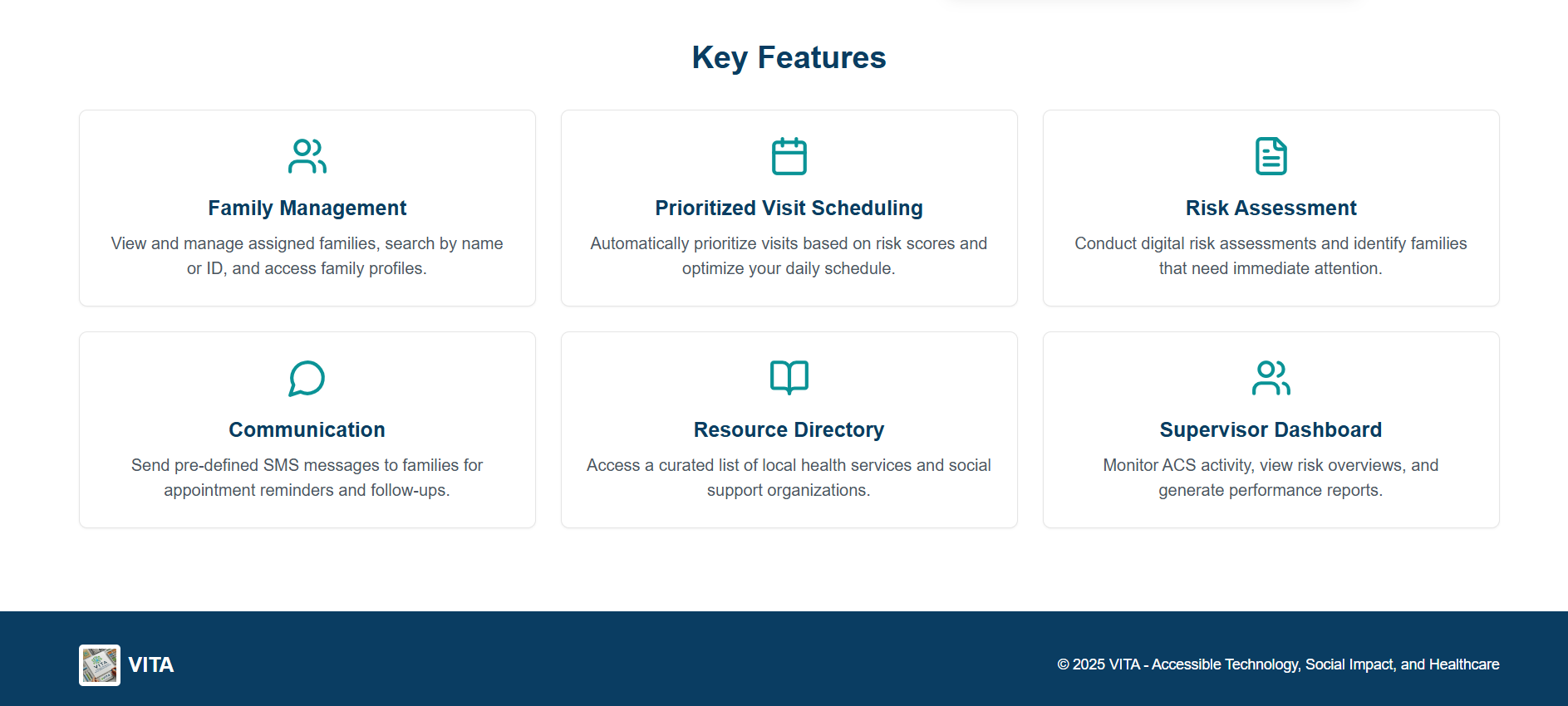
Print of the VITA's Prototype
-
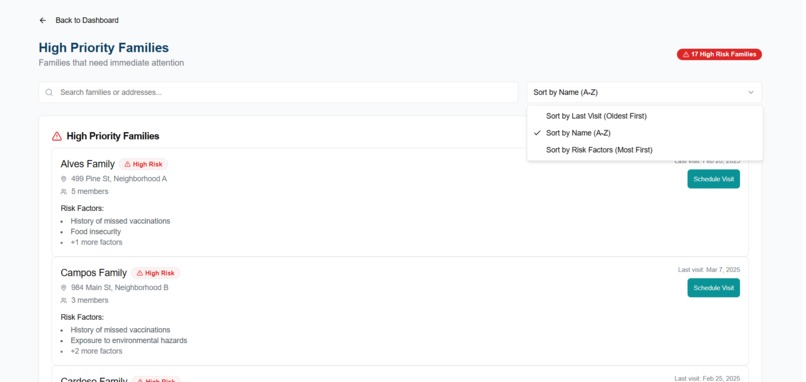
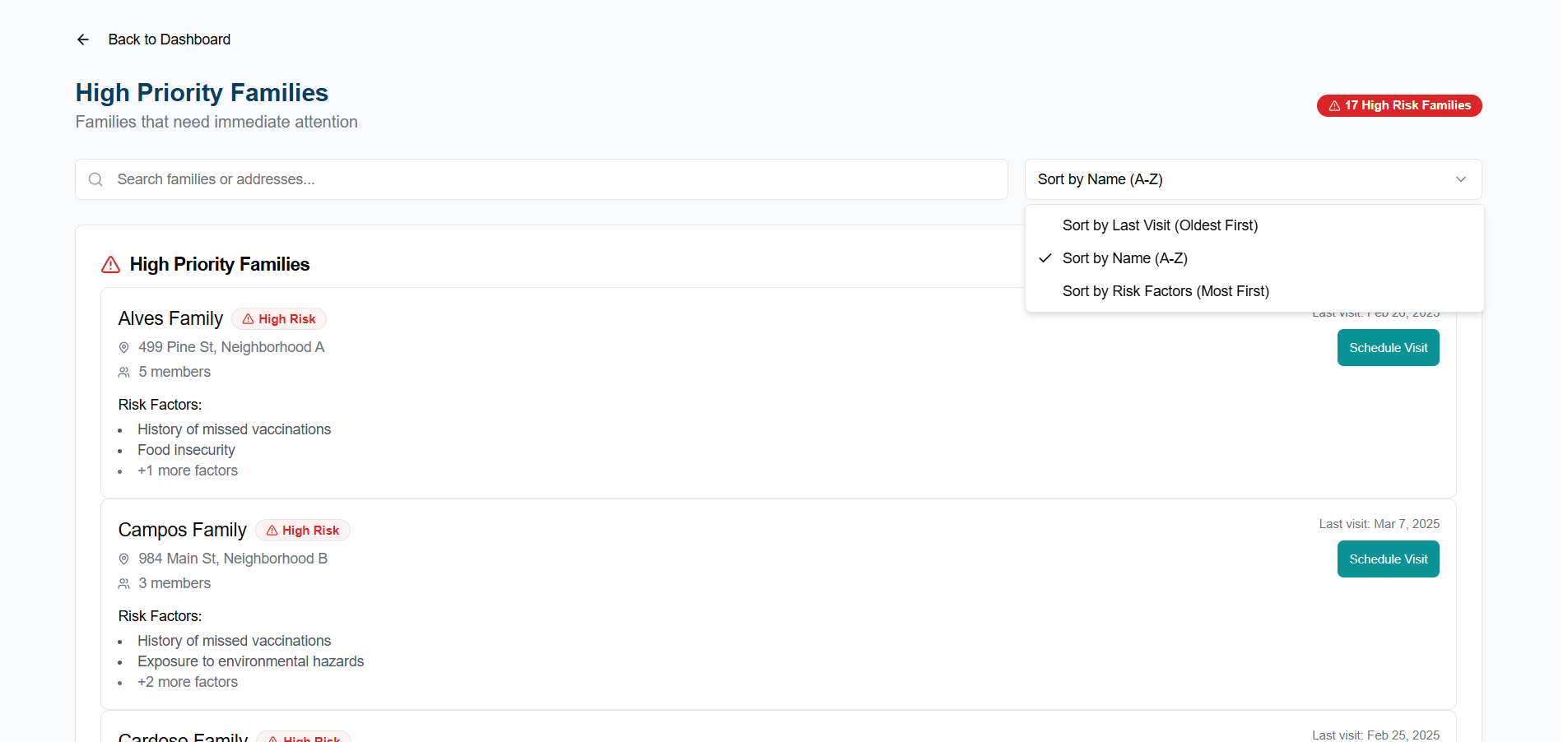
Print of the VITA's Prototype
-
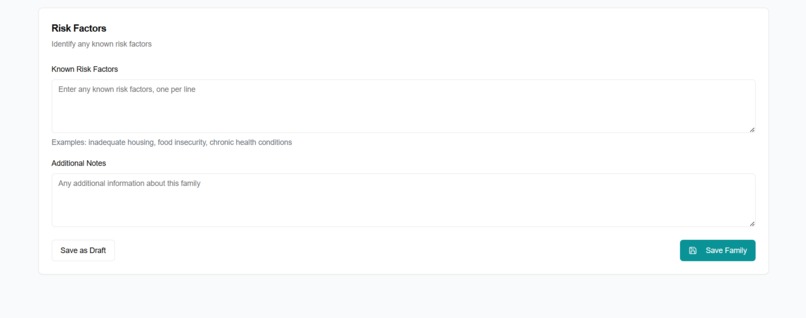
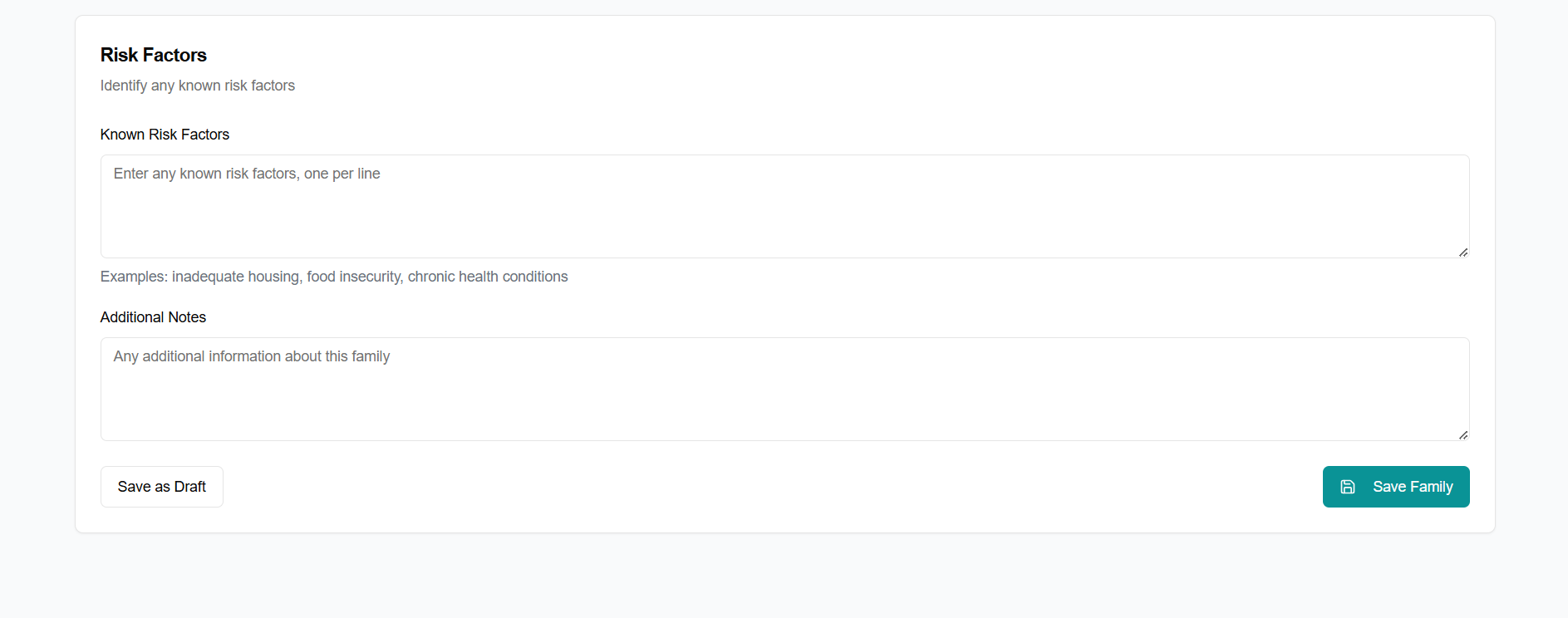
Print of the VITA's Prototype
-
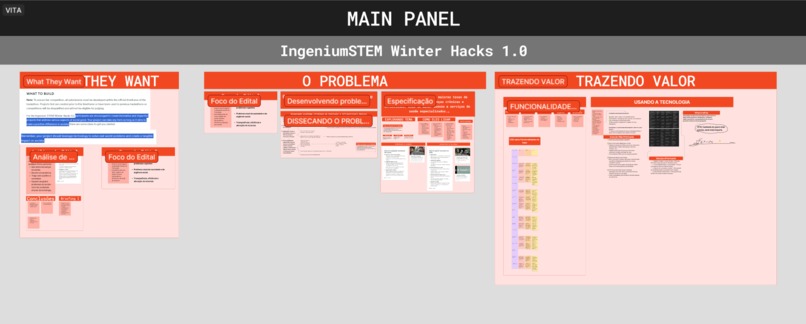
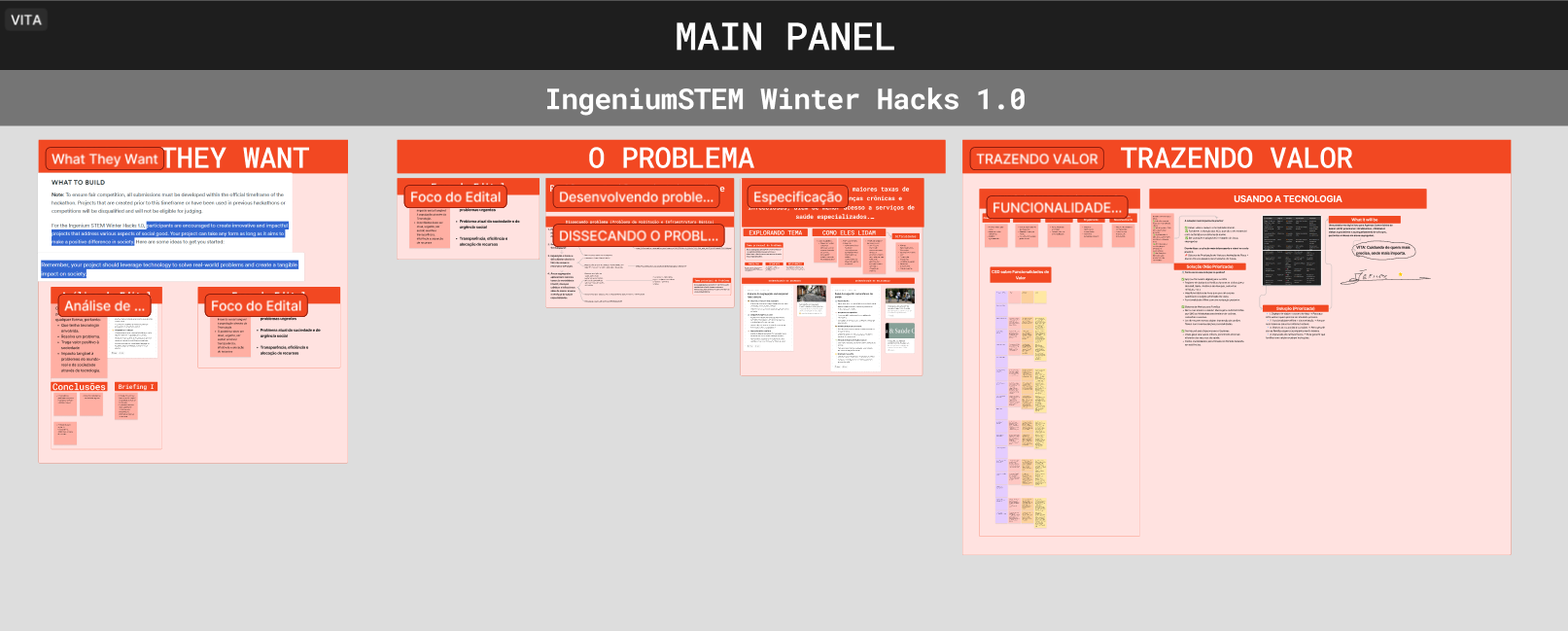
Product Discovery & Problem-solving based on Data and Design Thinking
Project Story: VITA - Cuidando de quem mais precisa, onde mais importa. (Caring for those who need it most, where it matters most.)
The Problem: A Crisis in Segregated Communities
Segregated urban areas face a stark reality: higher rates of infant mortality, chronic and infectious diseases, and limited access to specialized healthcare services. This isn't just a statistic; it's a human tragedy. Children in these communities are deprived of the opportunity to thrive, and families struggle against systemic barriers to health and well-being. This problem is particularly acute in developing countries, where resources are already stretched thin and existing inequalities are exacerbated by rapid urbanization and inadequate infrastructure.
Keywords: Segregation, Health Disparities, Infant Mortality, Chronic Disease, Access to Healthcare, Developing Countries, Urbanization, Inequality.
Understanding the Roots: Dissecting the Challenge
The root causes of this crisis are complex and multifaceted:
- Uneven Urban Planning: Unplanned urban sprawl leads to fragmented growth, creating barriers to access and isolating vulnerable populations.
- Socioeconomic Segregation: The separation of socioeconomic groups restricts access to vital resources, including quality healthcare, education, and employment opportunities.
- Systemic Inequalities: Factors like race, ethnicity, and socioeconomic status contribute to disparities in healthcare access and outcomes.
- Limited Resources: Under-resourced communities often lack the infrastructure and services necessary to support healthy living, including clean water, sanitation, and access to nutritious food.
Keywords: Urban Planning, Socioeconomic Factors, Systemic Inequality, Resource Deprivation, Social Determinants of Health.
The Vital Role of the Community Health Agent (ACS)
Community Health Agents (ACS) are the unsung heroes on the front lines of healthcare in these communities. They act as a crucial bridge between families and the healthcare system, providing essential services:
- Home Visits: They get to know families, understand their unique needs, and provide personalized support.
- Disease Prevention: They educate on healthy practices, promote vaccinations, and prevent the spread of infectious diseases.
- Risk Identification: They identify vulnerable individuals, such as pregnant women, infants at risk for malnutrition, and families experiencing violence, enabling early intervention.
- Community Mobilization: They empower communities to advocate for their health needs and participate in solutions.
Keywords: Community Health Workers, Primary Healthcare, Home Visits, Disease Prevention, Risk Assessment, Community Engagement, Vulnerable Populations.
The Challenge: ACS Limitations
Despite their dedication, ACS face significant challenges:
- Overwhelming Workload: Limited resources and large caseloads make it difficult to prioritize and provide adequate support to all families.
- Lack of Resources: ACS often lack the tools and technology needed to efficiently manage their work and access critical information.
- Limited Training: Insufficient training and support can hinder their ability to address complex health issues.
- Safety Concerns: Working in high-crime areas puts ACS at risk and limits their ability to reach vulnerable populations.
- Little Tech: ACSs report little time for initial training for the job. The lack of instruments and technology, including knowledge for the different expected dimensions of the work, means that the ACS works with common sense and religion, instead of technical knowledge.
Keywords: Workforce Challenges, Resource Constraints, Training Gaps, Safety Issues, Systemic Barriers.
VITA: Nurturing Those Who Need It Most, Where It Matters Most.
VITA is a digital solution designed to empower ACS and improve health outcomes in segregated communities. It's not just technology; it's a tool for connection, efficiency, and impact.
Keywords: Innovation, Technology, Digital Health, Community Empowerment.
Core Functionalities of VITA
VITA provides a suite of interconnected tools to address the key challenges faced by ACS:
- Prioritized Visits: A risk-scoring system within a mobile app helps ACS identify and prioritize families most in need of attention. This ensures that resources are focused where they can have the greatest impact, addressing a key need identified in our research.
- Smart Routing: An intelligent routing system optimizes visit schedules, considering location, transportation options, and access conditions, saving time and improving efficiency.
- Easy Scheduling: A streamlined scheduling process facilitates appointment booking for families, reducing wait times and improving access to healthcare services.
- Knowledge Base: A readily accessible digital library provides ACS with up-to-date information on health, social programs, and other relevant community resources.
- Service Directory: A comprehensive directory of local healthcare, social services, and community organizations ensures that ACS can quickly connect families with the support they need.
- Team Communication: A secure communication platform facilitates seamless collaboration between ACS, healthcare teams, and other professionals.
- Smart Alarms: Personalized alerts and reminders ensure that families stay on track with vaccinations, medical appointments, and other critical healthcare activities.
- Risk Assessment: Easy-to-use risk assessment tools help ACS identify vulnerable individuals and families, enabling targeted interventions and support.
- Engagement with the Community Channels and systems to build a strong local net of help.
- Recognition of activities: Systems that allow easy registration of activities, to improve their recognition.
Keywords: Mobile App, Risk Scoring, Routing Optimization, Scheduling, Knowledge Management, Communication Platform, Alerts, Risk Assessment, Digital Tools.
Technology at the Core: Simple, Accessible, Impactful
VITA leverages technology to address the unique needs of ACS working in resource-constrained settings:
- Lightweight Mobile Apps: Designed for offline functionality and low data usage, ensuring accessibility in areas with limited connectivity.
- Accessible Communication: WhatsApp bots and SMS messaging provide a familiar and easy-to-use way to communicate with families.
- Smart AI: The risk algorithms are basic and interpretable, to prioritize based on real necessity.
- Mapping APIs: Utilising mapping APIs for efficient and secure routing.
Keywords: Accessible Technology, Offline Functionality, Mobile Solutions, Data Security, AI for Good.
Expected Impact: Saving Lives, Empowering Communities
VITA is designed to deliver tangible social impact:
- Reduced Infant Mortality: By prioritizing high-risk pregnancies and ensuring timely access to care, VITA can help save lives and improve infant health outcomes.
- Strengthened ACS Capacity: VITA empowers ACS with the tools and knowledge they need to be more effective in their work, strengthening their vital role in the community.
- Improved Healthcare Access: By streamlining scheduling and providing access to information, VITA makes it easier for families to access the healthcare services they need.
- Empowered Communities: By facilitating communication and engagement, VITA strengthens community bonds and empowers residents to take control of their health.
- Transparency and efficiency. By using easy and helpful data entry and retrieval, to make the process more transparent and fast.
Keywords: Social Impact, Health Outcomes, Community Health, Empowerment, Improved Access, Reduced Mortality, Measurable Results.
VITA: A vision for a healthier future, one community at a time.
VITA is more than just a project, it's a commitment to building a world where all children have the opportunity to thrive, regardless of where they live. By empowering ACS with the tools and resources they need, VITA is helping to create healthier, more equitable communities for all. "Cuidando de quem mais precisa, onde mais importa."
LinkedIn: link
Built With
- agile-methodologies
- ai
- analytics
- artificial-intelligence
- design
- design-thinking
- designthinking
- ehealth-technology
- figjam
- figma
- lean
- lean-thinking
- low-code
- no-code
- notion
- perplexity-ai
- problem-solving
- product-discovery
- product-management
- trello
- vscode


Log in or sign up for Devpost to join the conversation.