-
-
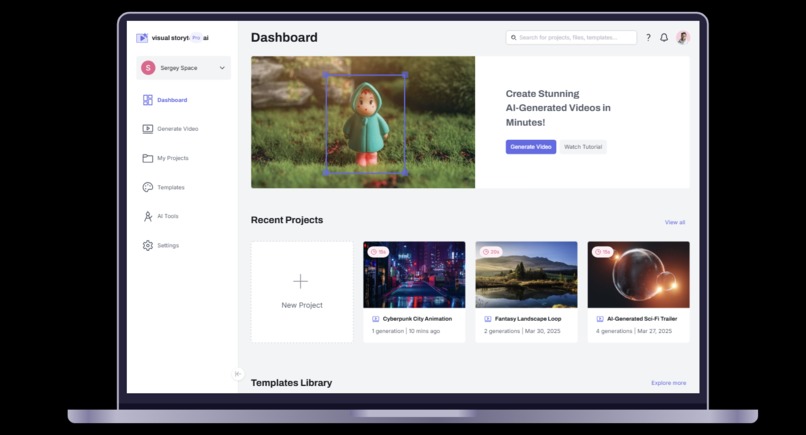
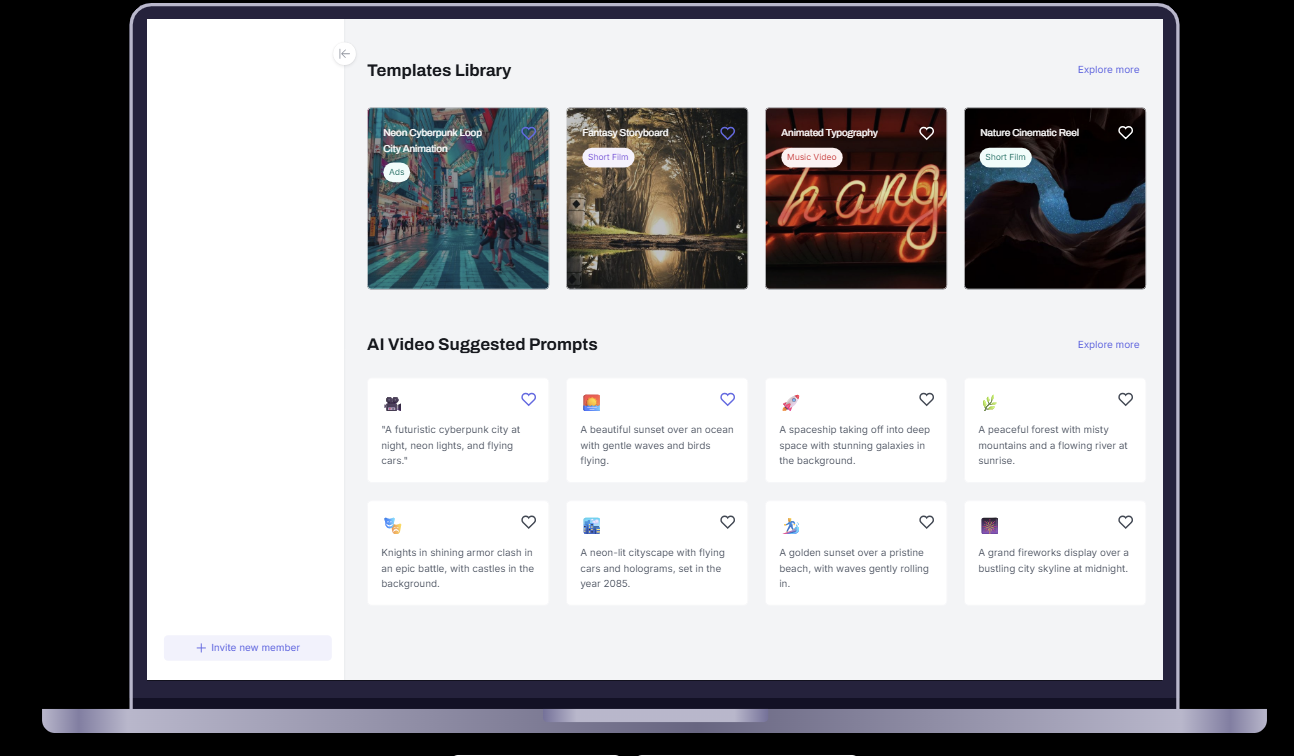
HOME PAGE
-
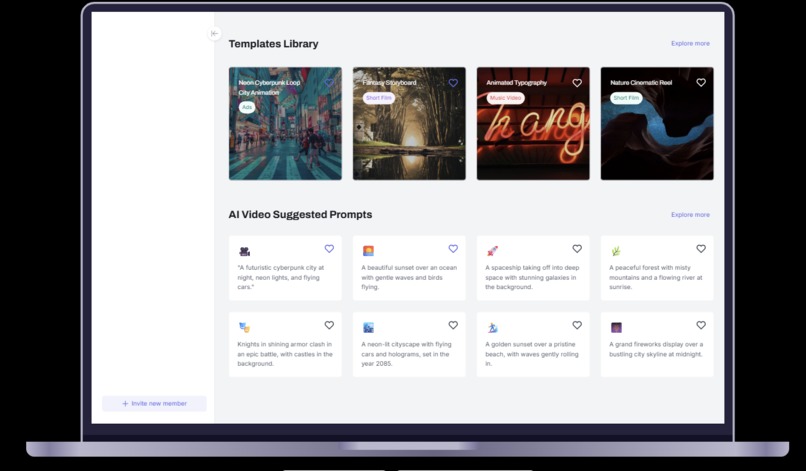
HOME PAGE BOTTOM SCROLL DOWN VIEW
-
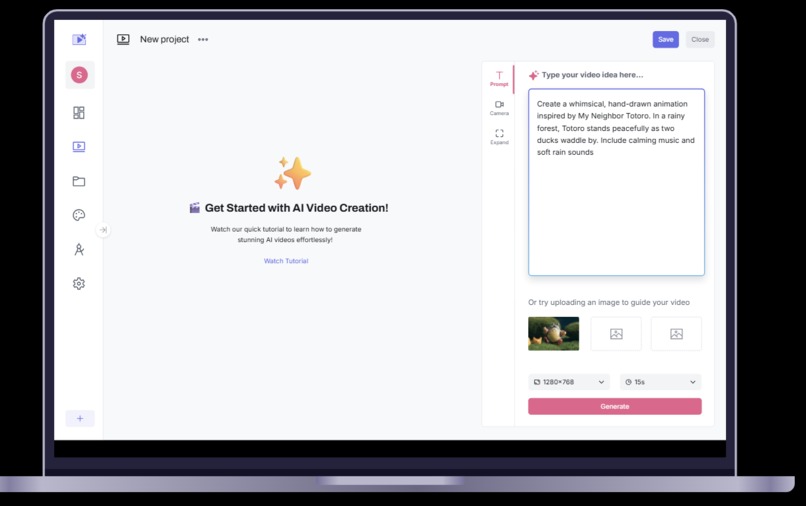
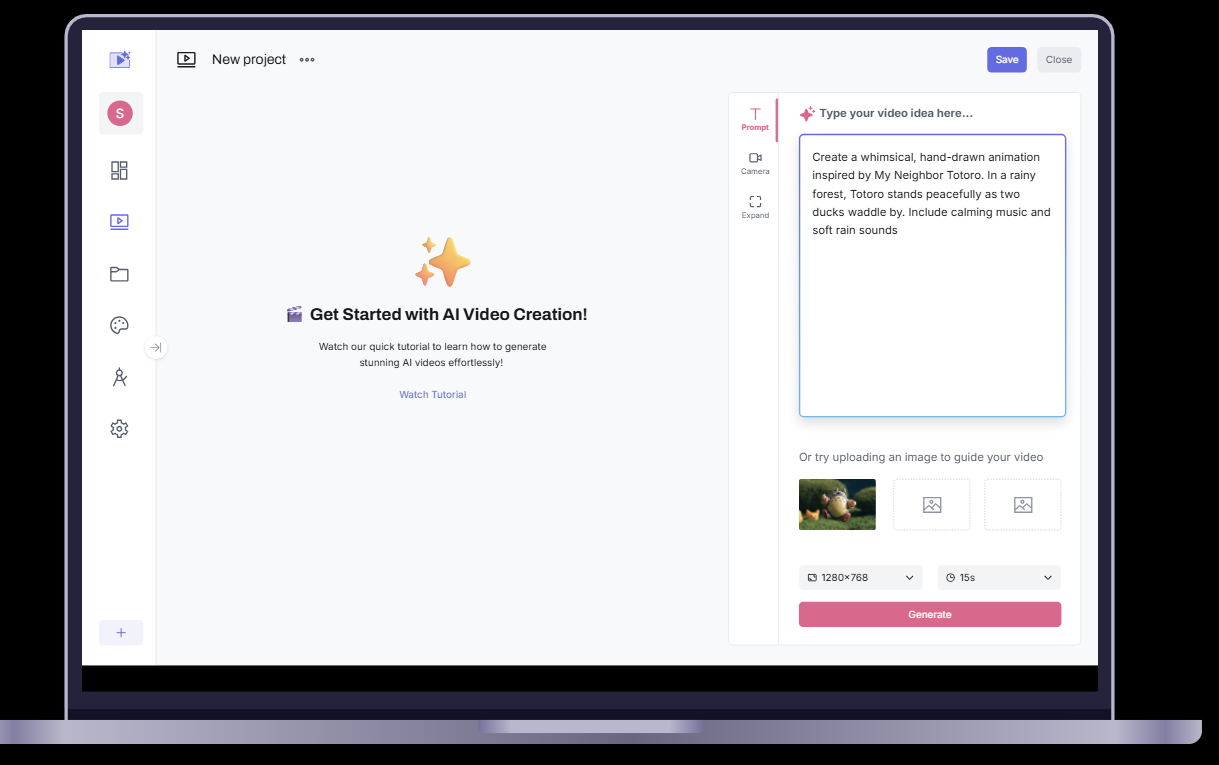
TEXT ENTRY PAGE - USER WILL ENTER SCRIPT
-
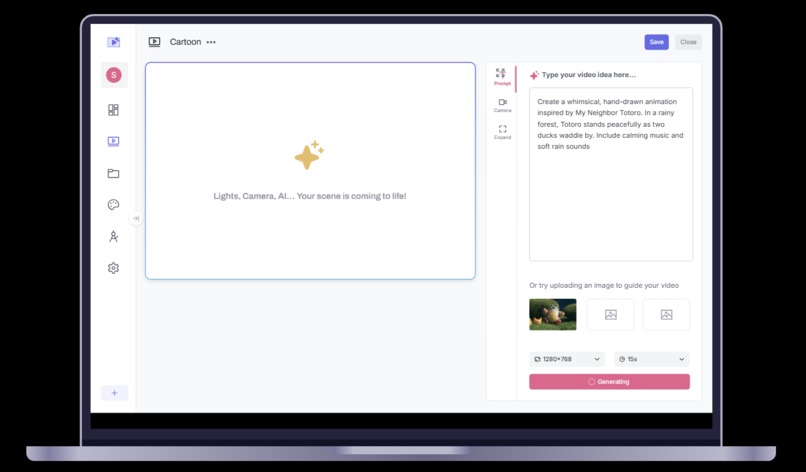
PROCESSING SCRIPT
-
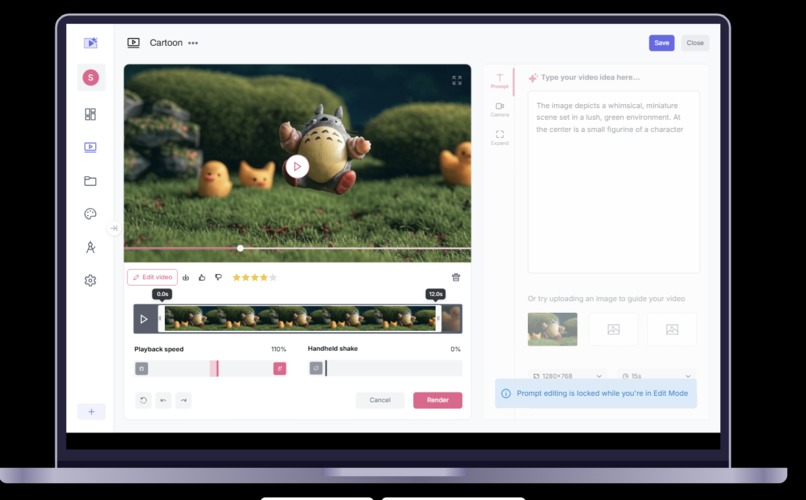
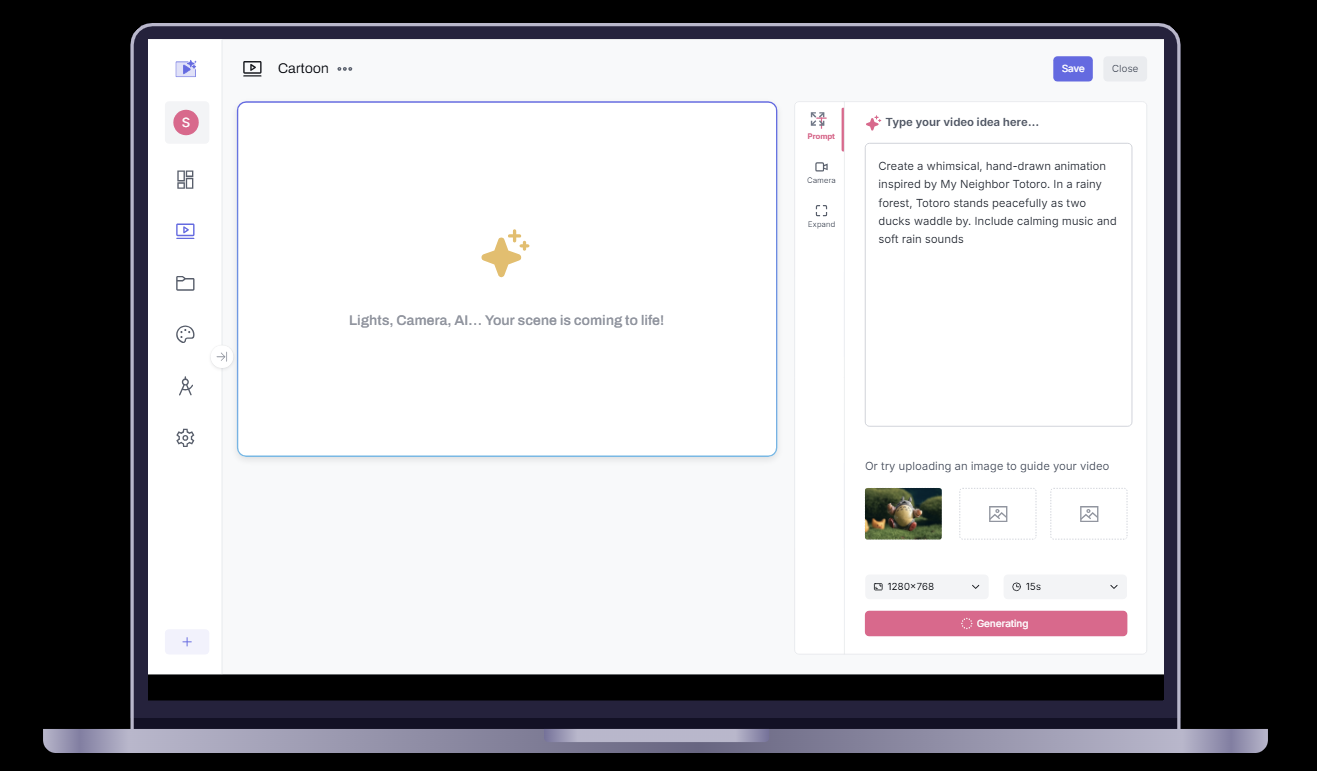
VIDEO GENERATING
-
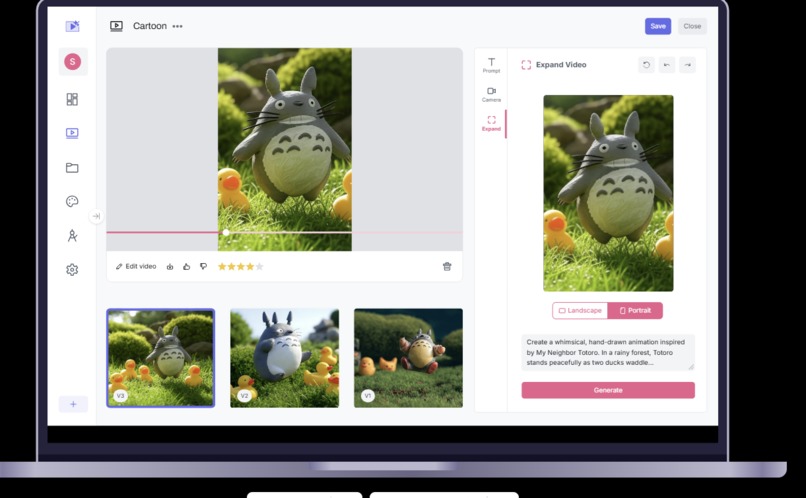
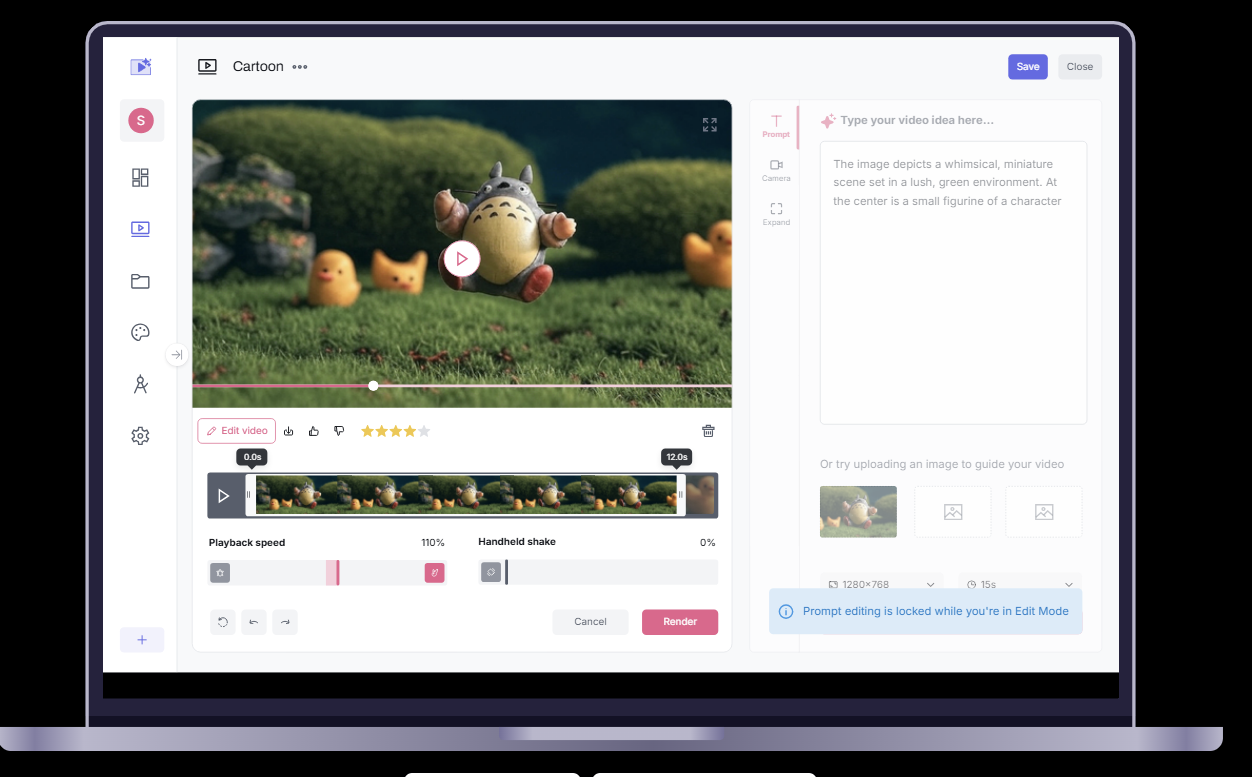
VIDEO GENERATED - READY TO DOWNLOAD
-
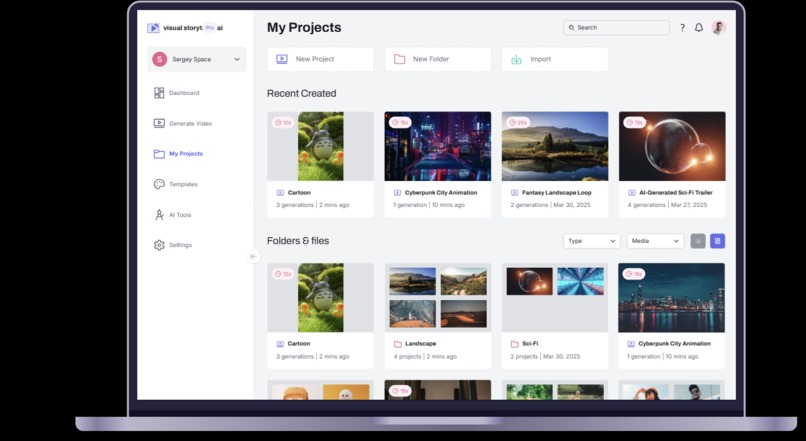
BACK TO HOME- IN RECENT YOU CAN SEE YOUR PROJECT
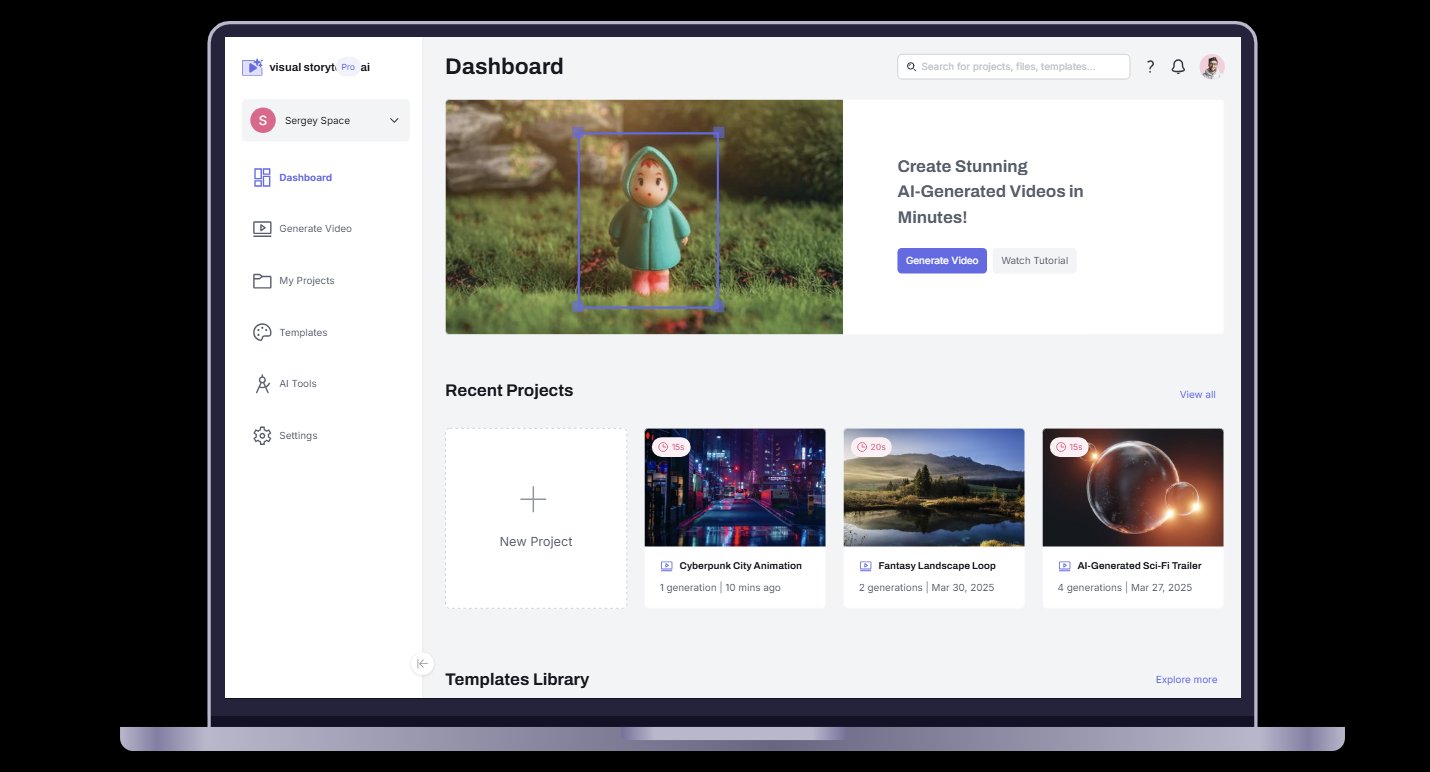
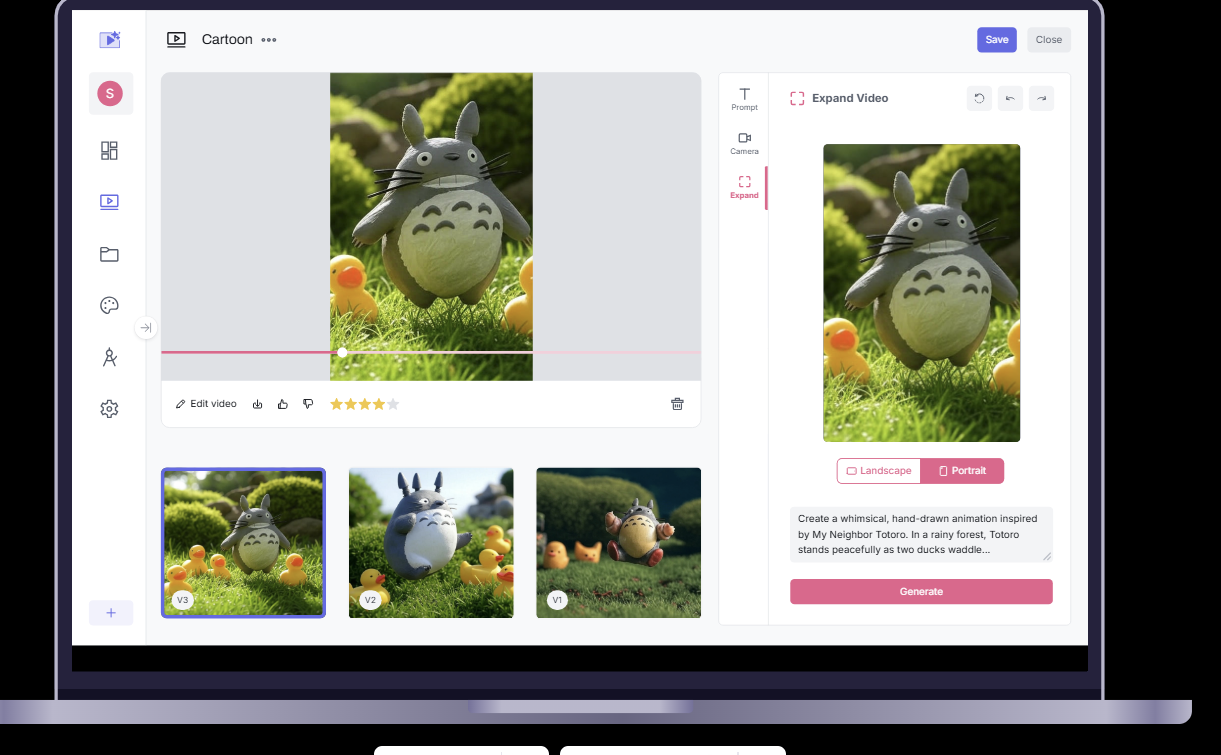
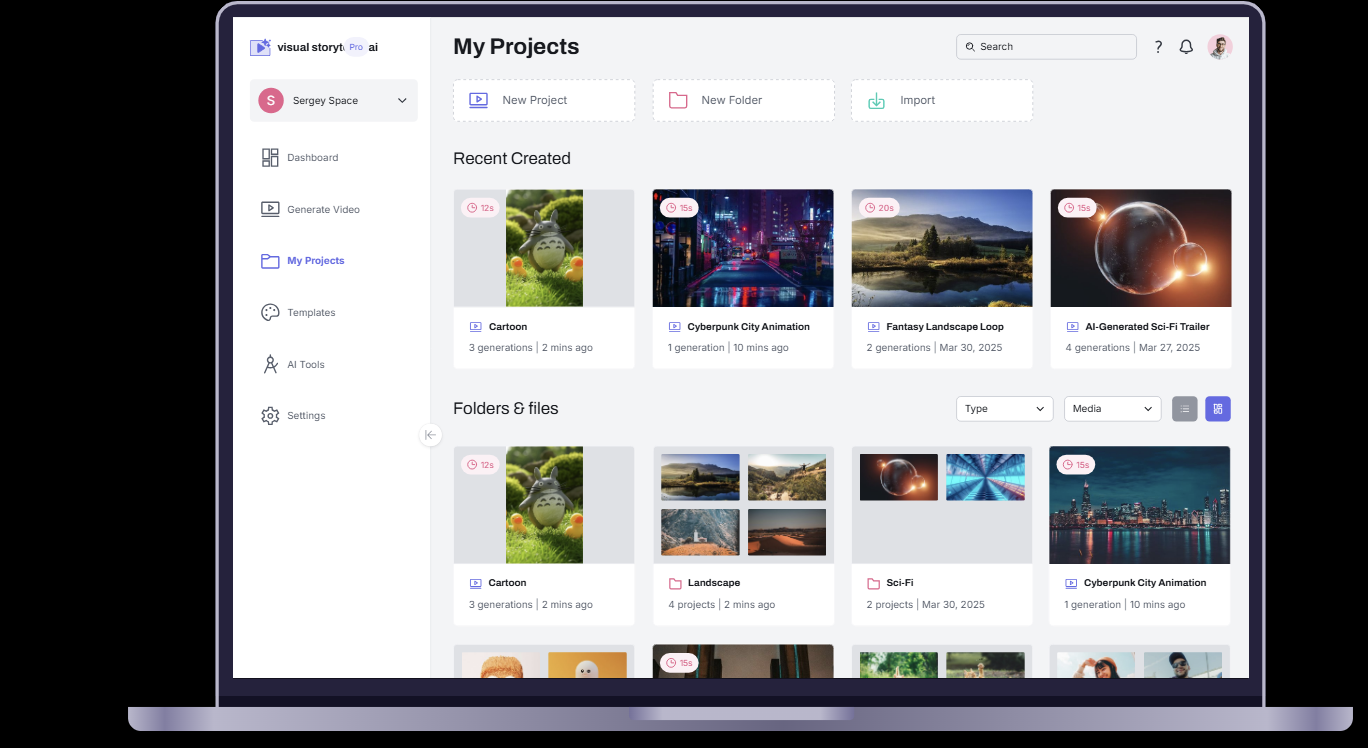
Visual Storyteller AI Our project, Visual Storyteller AI, transforms written text into captivating visual narratives, making the creative process accessible to everyone. We designed it as a powerful integration for Adobe Express.
Inspiration
Automating the creative process: Bridging the gap between a written story and a visual storyboard, making it easier for writers and marketers to visualize their ideas without being professional artists.
What it does
Visual Storyteller AI is a tool that analyzes a user's input text to identify key story elements like characters, settings, and actions. It then generates a multi-panel storyboard, complete with visual concepts for each scene. The core of its function is to recommend and place assets directly from the vast Adobe Express library, suggesting everything from stock photos to templates that match the tone and content of the text.
How I Built It
Building this project involved a multi-stage approach, leveraging several different technologies.
I began with a working prototype to prove the concept. This involved creating a simple pipeline where a text input was processed by a Natural Language Processing (NLP) model to extract key elements. I then used a generative AI to create a series of visual concepts. The final step of the prototype was a proof of concept for the Adobe Express API integration, demonstrating that the visual concepts could be used to fetch and suggest relevant assets.
Challenges I Ran Into
The biggest hurdle was the nuance of storytelling. AI models are excellent at recognizing explicit instructions but often fall short with subtext, irony, and abstract emotions. A phrase like "a heavy silence filled the room" doesn't have a literal visual translation. I realized that the full-scale project would need a more sophisticated feedback loop to help the AI learn to interpret these complex narrative elements.
Another significant challenge was visual consistency. If a character was described as a "tall, lanky man with a scar over his left eye," the AI needed to remember that description for every subsequent panel. Ensuring consistency requires a memory-based model, which I have planned to implement in the final version.
Accomplishments That I'm Proud Of
I'm proud of the project's potential to dramatically reduce the initial creative friction for users. By successfully prototyping the core functionality, I proved that Visual Storyteller AI can empower people who aren't traditional artists or designers to visualize their ideas. The most exciting part is creating a powerful and intuitive workflow that bridges a text-based idea directly to a visual creation tool like Adobe Express.
What I Learned
This project was a masterclass in the intersection of art and technology. I learned that while a simple text-to-image is a fun gimmick, a truly useful tool requires the AI to understand narrative context and story arc. I also learned that the human element is crucial; the tool needs to be easy to edit and refine, as the final creative decisions are still made by the user.
What's Next for Visual Storyteller AI
My immediate next step is to build out the full-scale version of the project. This will include:
Advanced Features: Adding options for style customization (e.g., "comic book," "cinematic").
Animation Recommendations: Suggesting animated transitions or effects for panels.
Tone Analysis: A more sophisticated NLP model that can match visuals to the emotional tone of the story.
This will make Visual Storyteller AI an even more powerful assistant for turning any narrative into a stunning visual story, and I am excited to take on this challenge.

Log in or sign up for Devpost to join the conversation.