-
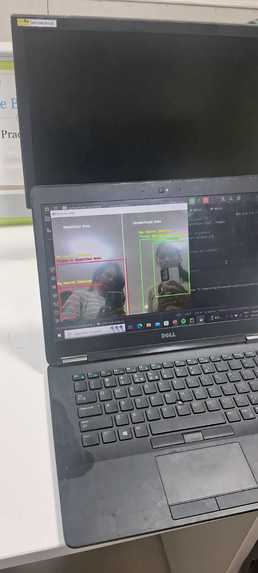
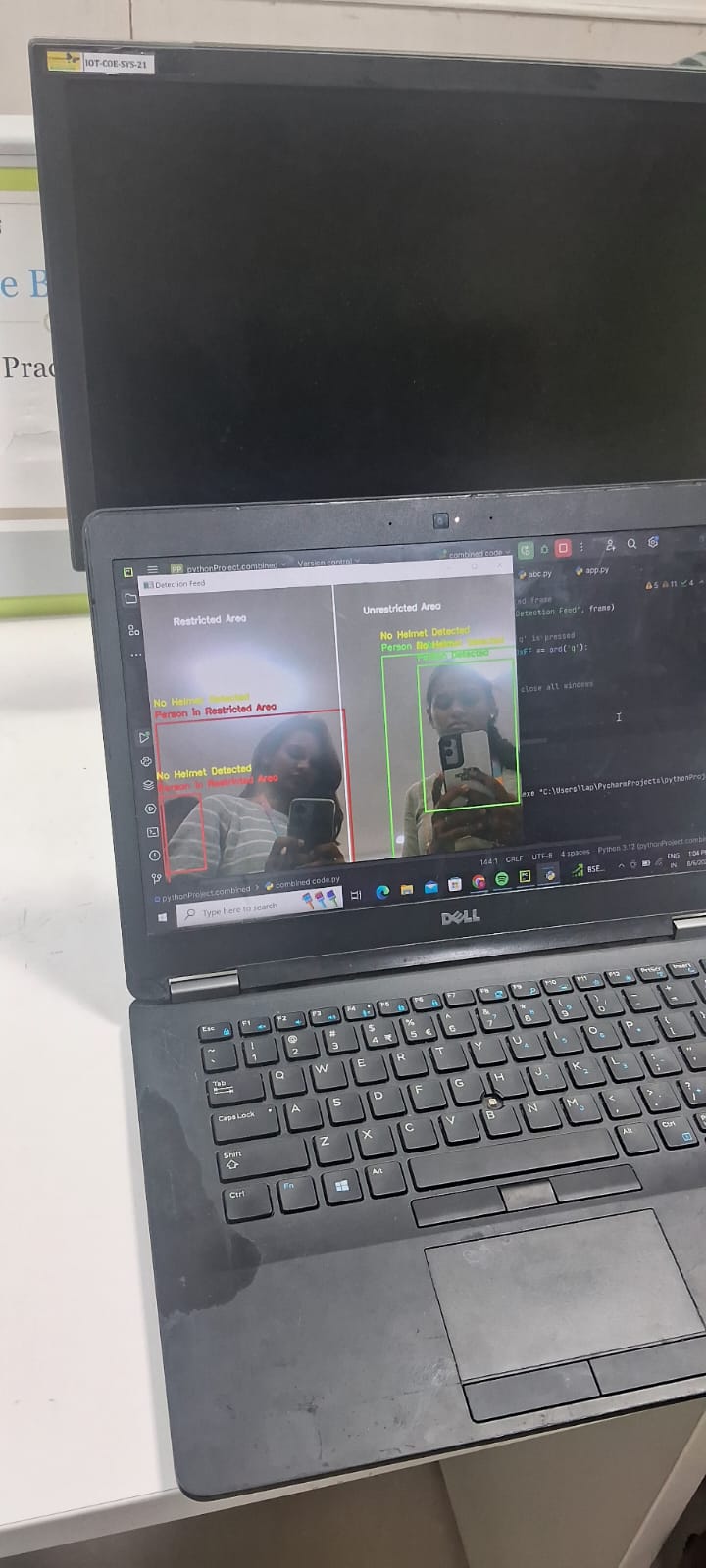
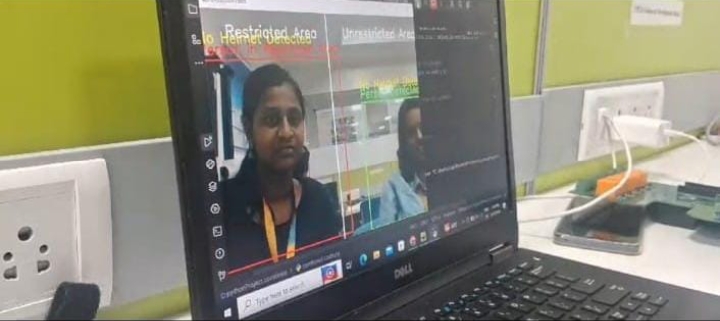
Live detection interface identifying helmet violations and restricted area access in real time.
-
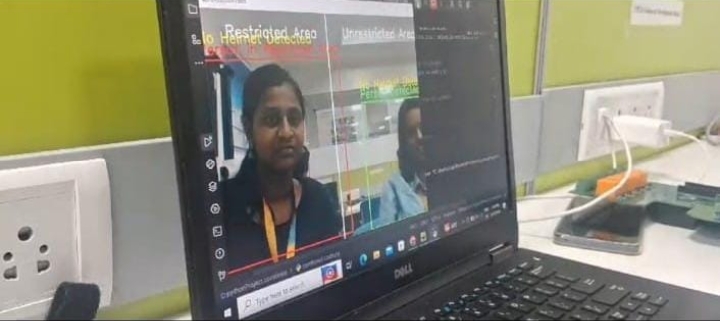
Real-time monitoring of restricted zones using AI-powered helmet detection system.
-
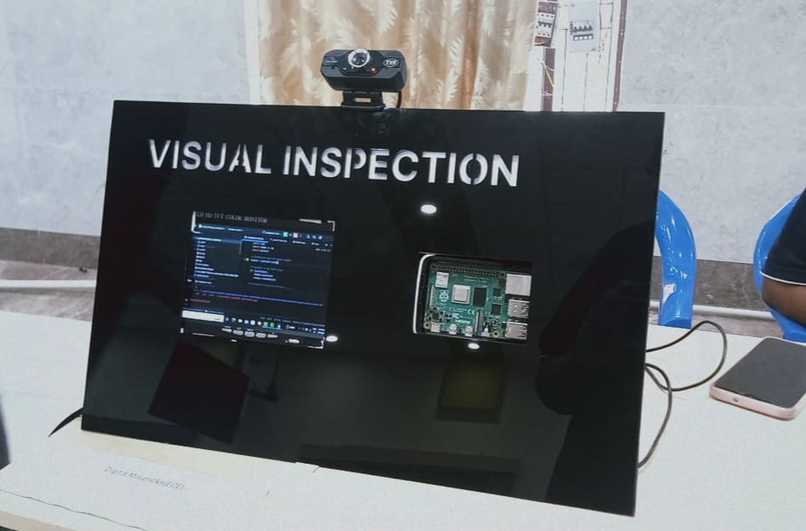
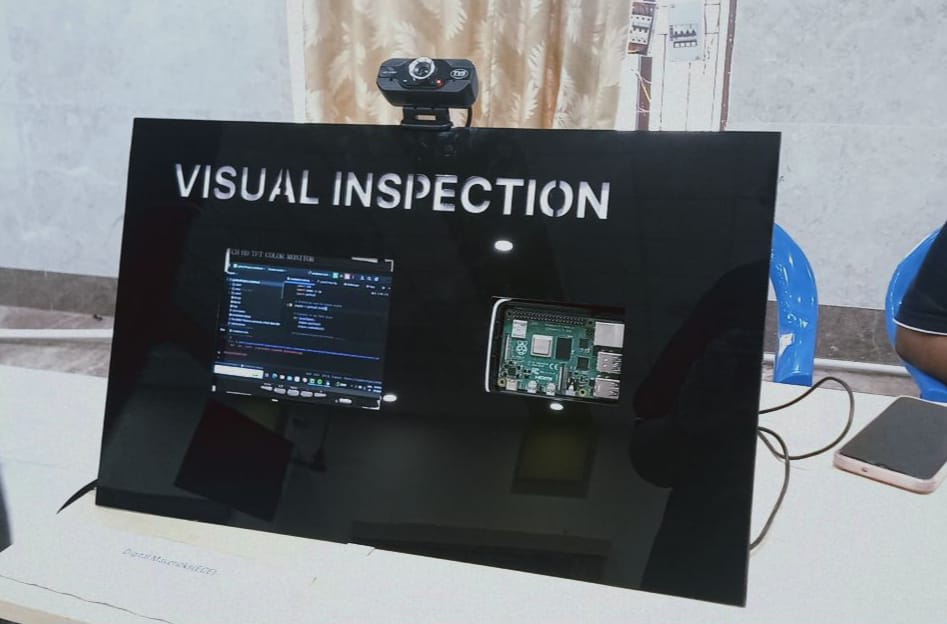
Final prototype setup of the Visual Inspection system with integrated Raspberry Pi and camera module.
Inspiration
The idea for this project was born during my internship at an industrial facility, where I observed critical gaps in worker safety compliance. While protocols existed, they were often manually monitored. One moment that left a lasting impact on me was seeing a worker enter a restricted zone without wearing a helmet. It made me realize how manual oversight could lead to avoidable accidents.
This experience inspired me to create a smart visual inspection system that could automate safety monitoring using AI — ensuring that workers follow safety protocols and that machines function reliably.
What it does
Detects whether workers are wearing helmets using real-time camera feeds and AI. Identifies unauthorized access to restricted zones in industrial environments. Monitors machine health using Edge AI to detect abnormal behavior or early signs of faults (e.g., vibration or thermal anomalies). Triggers alerts for safety violations or potential machine failures, enabling quick response. Runs locally on edge devices like Raspberry Pi to reduce latency and operate without constant internet.
How we built it
Problem Analysis: Identified safety lapses during the internship and documented typical compliance issues. Data Gathering: Collected images of workers with and without helmets and created mock industrial layouts to simulate zones. Model Development: Used YOLOv5 for helmet detection. Trained custom object detection models for identifying persons and zones. Used vibration and thermal sensors for machine fault detection. Edge AI Deployment: Models optimized and deployed on Raspberry Pi 4 using TensorFlow Lite. Integrated sensors for real-time machine monitoring. Alert System: Alerts sent through visual/audio signals and logged on a dashboard using Flask.
Challenges we ran into
Limited Edge Computing Power: Real-time detection was initially slow on Raspberry Pi, requiring model compression and optimization. Environmental Variations: Lighting changes and camera angles affected detection accuracy, which we addressed with data augmentation. Sensor Calibration: Tuning vibration/temperature thresholds for fault detection without too many false alarms was tricky. Integrating AI with Sensors: Combining computer vision and physical sensor data in a reliable, synchronized manner took experimentation.
Accomplishments that we're proud of\
Built a fully working prototype that combines computer vision and edge AI. Achieved real-time helmet detection and zone intrusion monitoring with good accuracy. Integrated sensor-based fault detection to expand the project beyond just visual monitoring. Developed an end-to-end solution that could realistically be deployed in factories to enhance worker safety and reduce downtime. Additionally the project was shortlisted intra college hackathon
What we learned
How to build and train object detection models using YOLO and TensorFlow. Techniques to optimize AI models for edge deployment. The importance of real-world testing in environments with variable lighting and movement. Basics of sensor integration for fault detection. The real-world impact AI can have when applied thoughtfully in industrial safety
What's next for Visual Inspection
Helmet Color Classification: Identify different roles or departments based on helmet colors. Emotion/Stress Detection: Add AI to detect signs of stress or fatigue in workers. Scalability: Test with multiple camera feeds and edge nodes across larger factory layouts. Cloud Syncing: Add optional cloud integration for logging, analytics, and remote monitoring. Patent & Publication: Planning to publish a research paper and explore patenting the system.


Log in or sign up for Devpost to join the conversation.