-
-
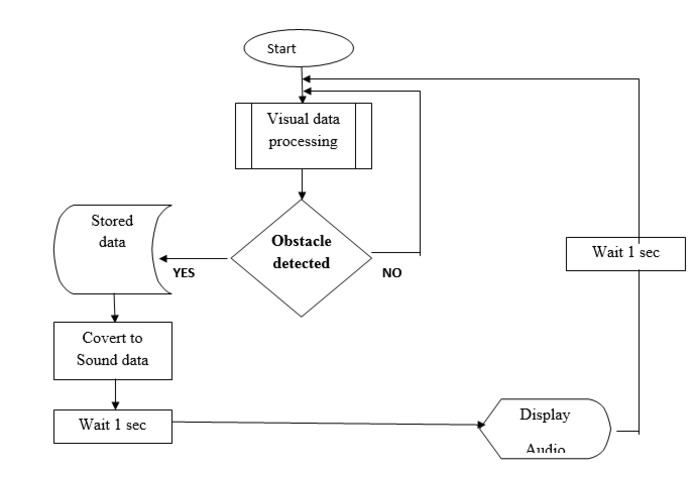
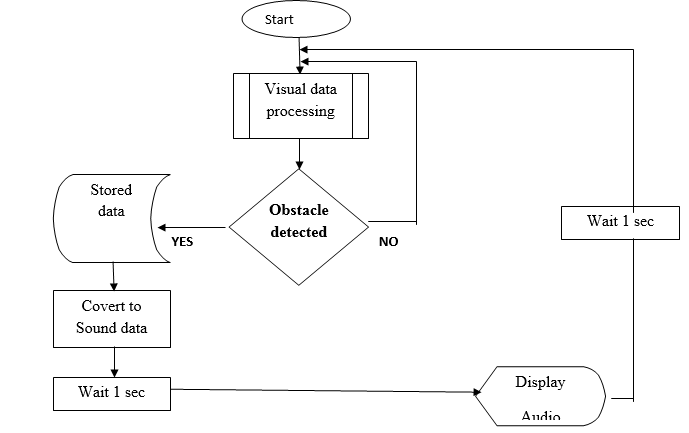
Flowchart of the system operation
-
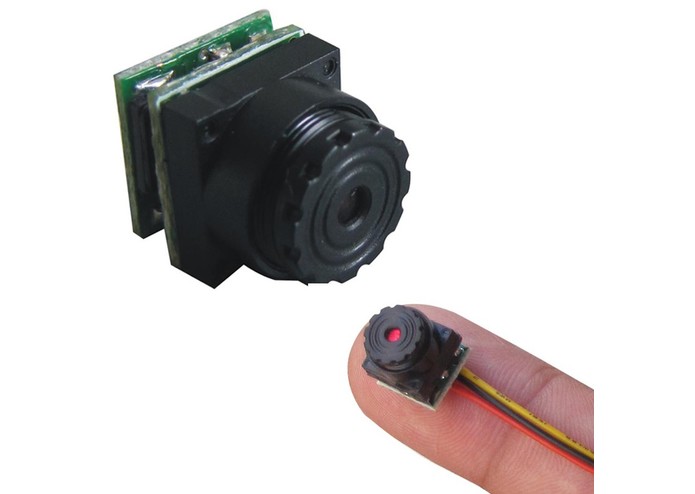
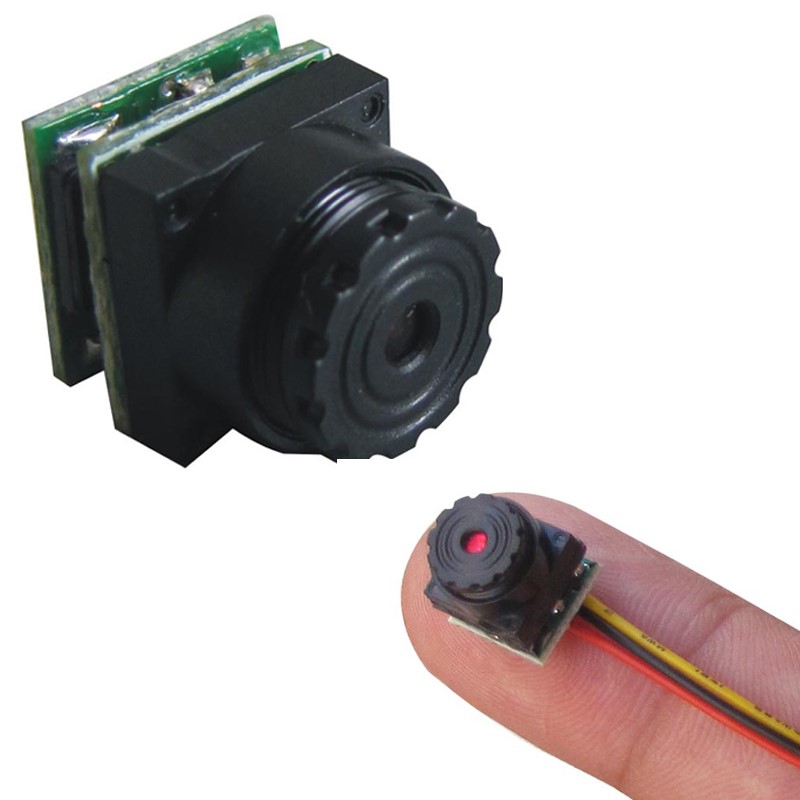
Webcam
-
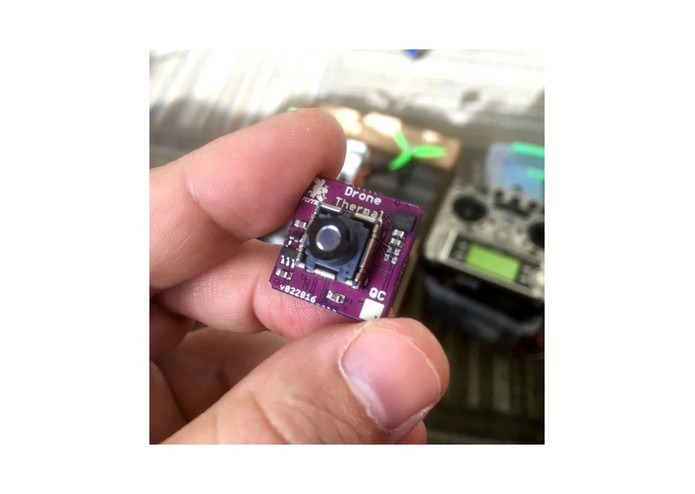
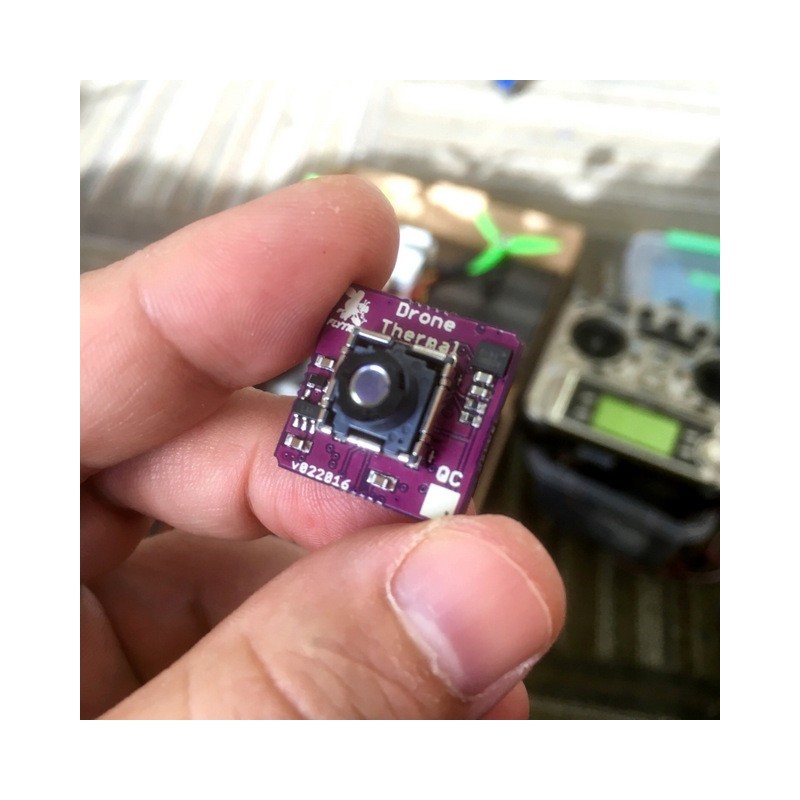
Thermal Camera
-
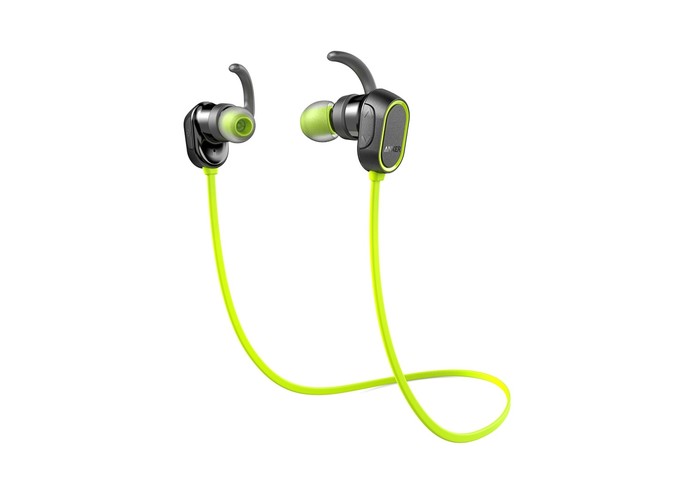
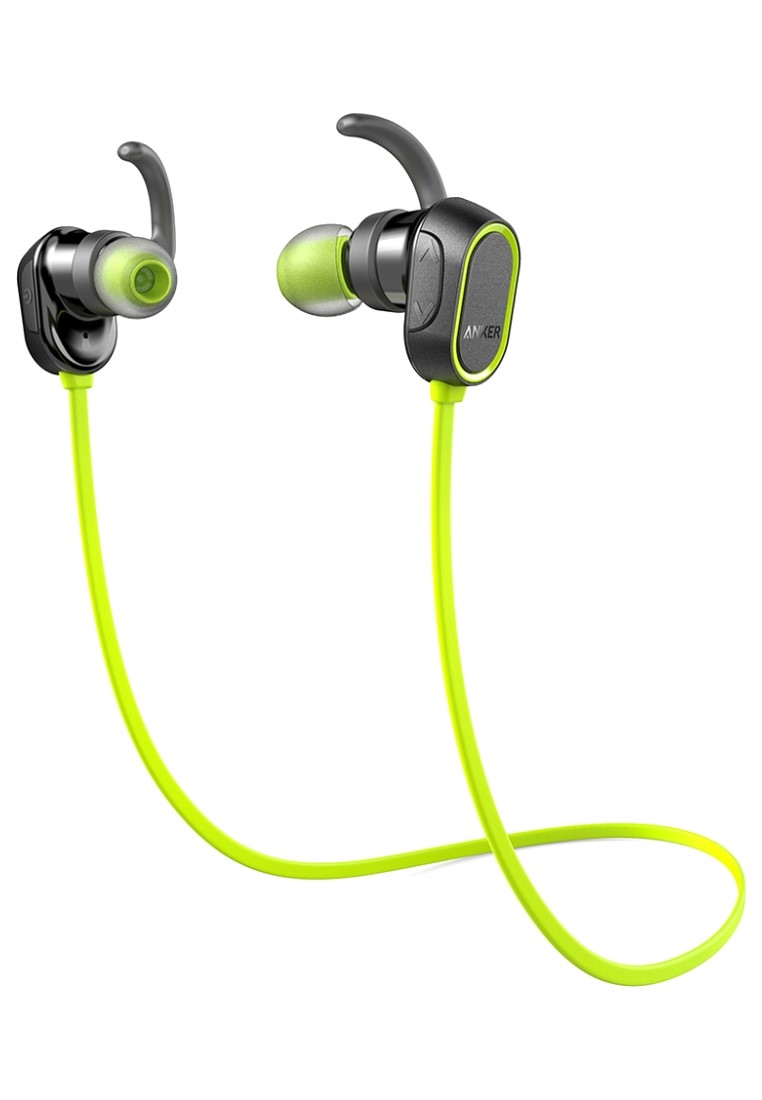
Earphone
According to world health organization 285 million people are estimated to be visually impaired worldwide: 39 million are blind whereas 246 have low vision.82% of people living with blindness is aged 50 and above. The difference between being able to see or not can literally be a matter of life and death. A system is needed to give visually impaired people safe, easy, and comfortable life. With these statistics that contains huge numbers of people, imagine that some of them are females and old people who fight the daily life difficulties; some of them might get lost, fall down from the stairs, and commit accidents.Considering all of facts, the team has come up with a great idea to develop and design an intelligent system integrated in glasses, which we call it G.H (Give Hope) Glasses. These glasses will enhance safety and help the visually impaired. The team has decided to develop a visual mechanism which will be fed back to the user in terms of commentary notification
What it does Design Requirements 1.1 Marketing Requirements
- It should make social interaction more natural.
- Must comment on the vision of the glasses.
- The cost shouldn't exceed $500.
- Facial recognition.
- Providing information about the distance between the user and the obstacle with essential direction instructions.
- Affording information in terms of commentary commands to give the ability of self-orientation and mental map of the surroundings. 1.2 Engineering Requirements
- The glasses should increase the ability to navigate and avoid obstacles for 360 degrees.
- The system will operate for at least 3 hours without needing to be recharged.
- The total parts and manufacturing costs cannot exceed $500.
- The system will be manufactured by using an ordinary sunglasses module.
- The system will have a single button to switch ON/OFF.
The system needs to provide a fast processing for converting information from visual to vocal. For example, the system that detects the obstacle that is 2 m in front of the user in 10 s cannot be considered as real time system.
Design Operation In simple words, the cameras (webcam, thermal cam) record a live stream of the sight of the glasses and they are connected together to two screens which are replaced with the nominal lenses. This allows the visually impaired people to increase the ability of sight. They are also connected via a cable. That cable is connected to a computer system that converts the video input to a commentary output. The output includes what obstacles in the way of the wearer, as well as reading from books and also screens.
The concept behind the project
The basic idea of the project was to help independently the visually impaired and the blind people on their daily life. A system was integrated by the means of seeing on behalf of the wearer. The building block of the project was the question of what is the best solution to rectify this kind of problem. Many solutions was shown but we believe that the Visual Aid is the right solution. Visual Aid consist
of [Two cameras, Two display screens, a micro controller with a memory, Earphones]. The Cameras(thermal camera, webcam) record live stream video. This input is then transferred to a micro controller. The micro controller is responsible of processing data and do all algorithms. This is essential to converting the video input to a sound output, view the recorded video on both screens, and display the comments of the sight of the glasses.
Built With
- hardware
- languades

Log in or sign up for Devpost to join the conversation.