Inspiration
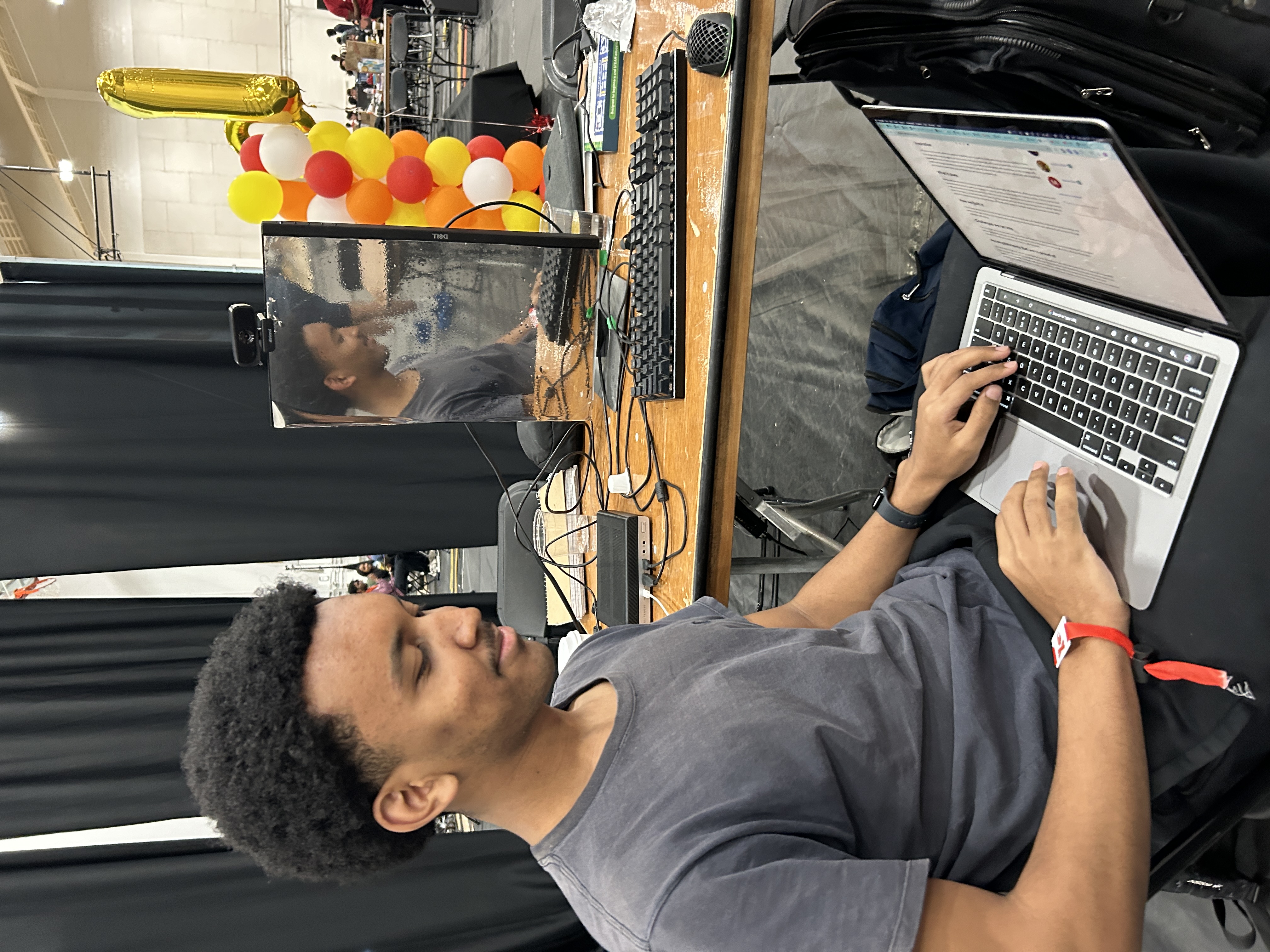
Over 1.3 billion people around the world experience a significant disability, and our goal is to make technology more accessible to all who do. In the US, roughly 1 in 4 adults live with a disability, with mobility-related disabilities being the most common. From stroke survivors and individuals with arthritis who struggle to use touch screen devices to those with amputations and genetic conditions, there is a need for innovative solutions that empower people to fully engage with modern technology. Inspired by the desire to bridge this gap and improve the quality of life for everyone, we decided to create Vistra, a smart mirror accessibility aid.
What it does
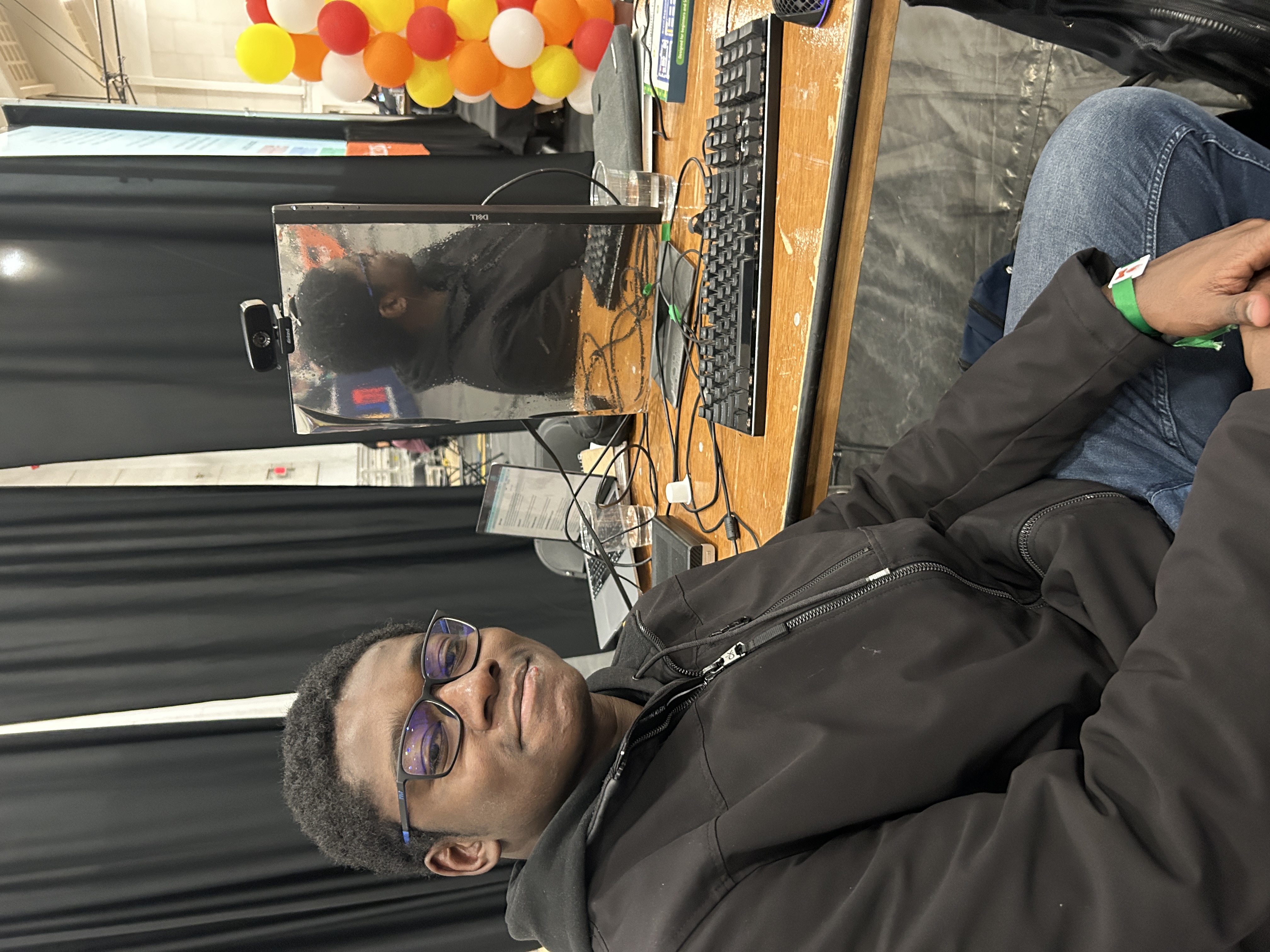
Vistra is designed to cater to the diverse needs and abilities of people with disabilities, offering a range of features and functionalities that allow for seamless interaction. For people with limited mobility, Vistra's hands-free interface provides an accessible alternative to traditional touch screen devices, allowing users to navigate through menus, access information, and perform tasks with ease. By utilizing eye-tracking technology, Vistra enables users to control the interface simply by moving their eyes, eliminating the need for complex gestures or precise movements.
How we built it
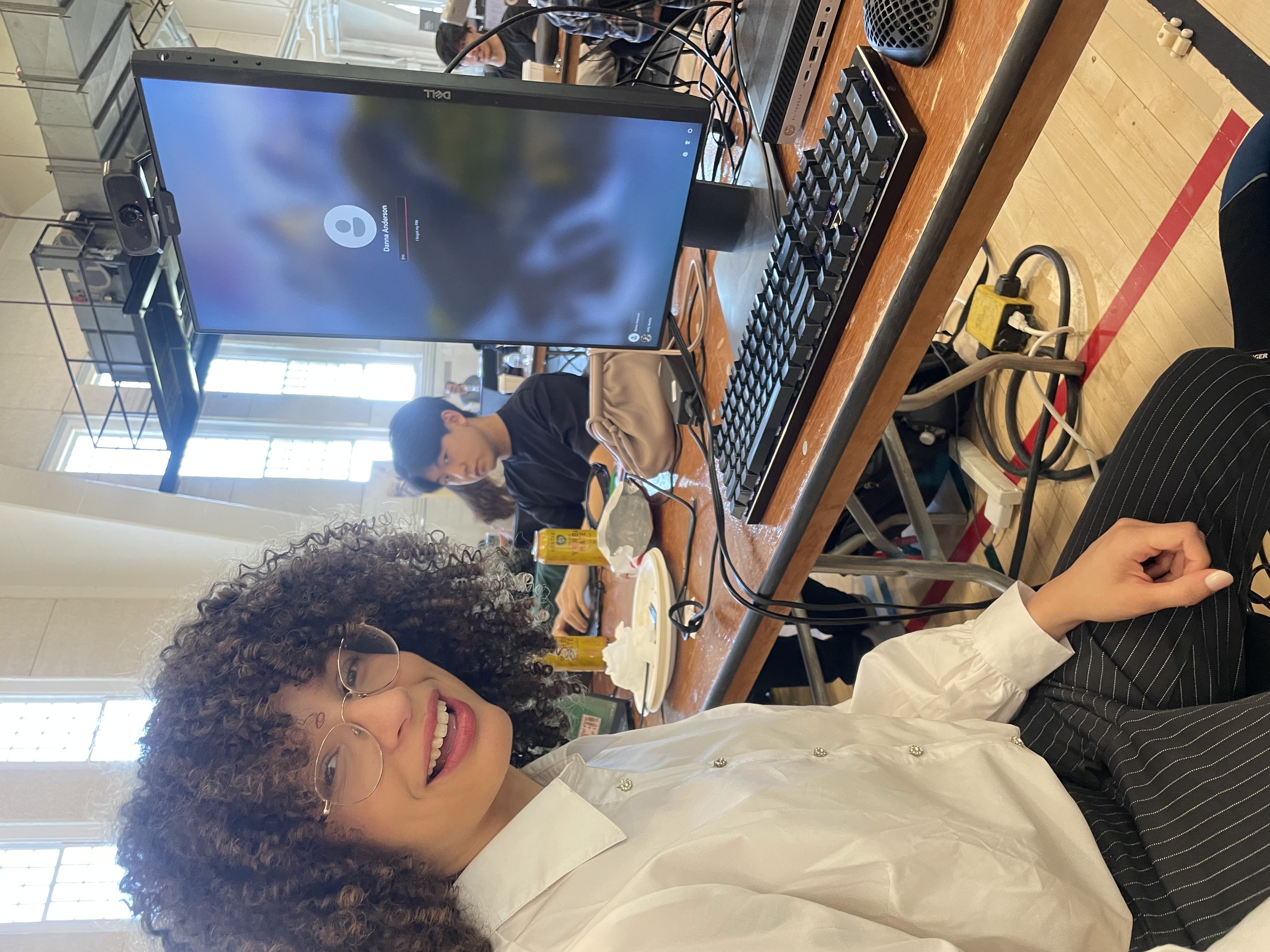
The development of Vistra involved research into user needs, followed by iterative design and testing of the interface. We integrated eye-tracking into the mirror and improved performance through calibration and testing.
Challenges we ran into
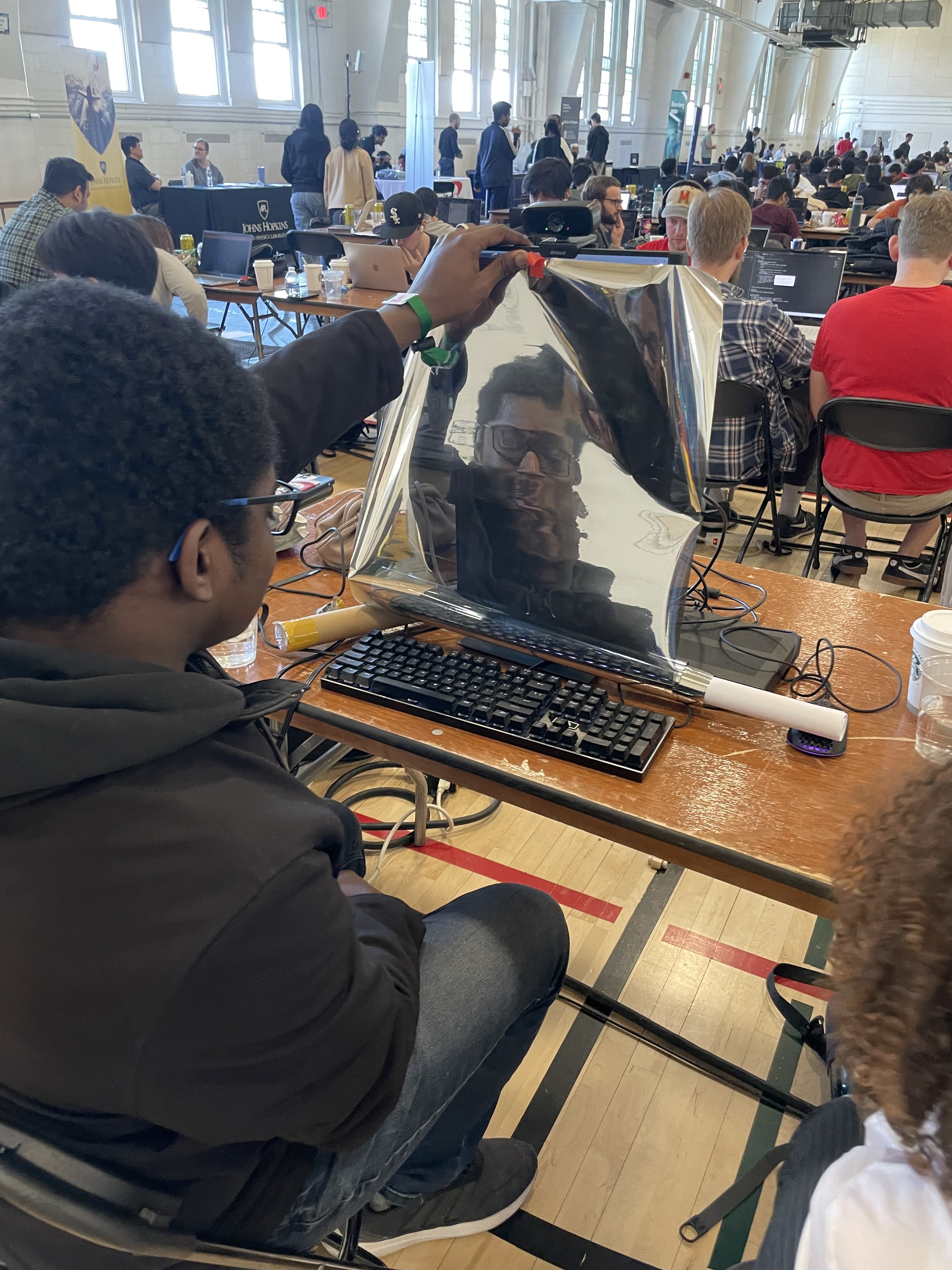
The first challenge we ran into was running all of the processes at the same time. Getting the live data from GazeTracker and accurate datapoints was a challenge. Applying the mirror film over the monitor was also tricky, taking multiple team members and attention to detail for optimal results.
Accomplishments that we're proud of
We developed an idea, as well as technology that could very well be used in the real world. Vistra is a tool that is accessible with only your eyes and will be completely hands-free. This could revolutionize the way we control apps in our daily lives, and empower individuals with physical limitations. Additionally, the collaborative effort that went into developing our project has been incredibly rewarding, with each team member contributing their own skills and expertise.
What we learned
Developing Vistra has taught us valuable lessons about the importance of empathy, inclusivity, and user-centered design. We also learned how emerging technologies can be used to improve accessibility and enhance quality of life for everyone.
What's next for Vistra
• Fine-tuning eye-tracking • Obtaining a glass two-way mirror and frame for enhanced visibility and visual appeal • Improving UI • Adding options for customization • Integrating Apple watch and fitness to display health data
Built With
- figma
- gazeflow
- gazerecorder
- html
- javascript
- openweathermap
- python
- spotify


Log in or sign up for Devpost to join the conversation.